Sound Activated LED Shirt Suppliers and Manufacturers
Source 23 verified suppliers for Sound Activated LED Shirt products. Compare key dimensions including location, lead time, MOQ, response time, and certifications. Review product specifications and pricing to identify suitable partners for your procurement needs; review the available evidence before requesting comparable quotations from suitable candidates.
Suppliers List

- Combined
- China Guangdong
- Lead time23 days
- Avg. response≤ 3h
Main productsPromotion Gift, Toy, Flashing Item, Free Gift, Business Gift, Novelty
Main marketsAfrica,Europe,North America

Wuhan TACEAG Garment Co., Ltd.
- Verified by SGS
- Trading Company,Manufacturer/Factory
- China Hubei
- Lead time23 days
- Avg. response≤ 9h
Main productsUniform, Jacket, Shirt, Pants, Shorts, Boots, Gloves, Hat, Belt, Shoes
Main marketsSouth America,Eastern Europe,Mid East,North America,Southeast Asia,Eastern Asia,Oceania,Western Europe,Africa

Shenzhen Fly-High Industry Co., Ltd.
- Trading Company,Manufacturer/Factory,Group Corporation
- China Guangdong
- Lead time23 days
- Avg. response≤ 25h
Main productsT-Shirt, Polo Shirt, Promotional Items, Cap, Apron, Jacket, Scarf, Singlet, Towel, Hat
Main marketsSouth America,Eastern Europe,Mid East,North America,Southeast Asia,Eastern Asia,Oceania,Africa
Changsha Hengxuan Technology Co., Ltd.
- Trading Company
- Hunan, China
- Lead time12 days
- Avg. response≤ 2h
Main productsel t-shirt,el panel,el mask,el wire,el sheet
Main marketsSouth America(30.0%), North America(30.0%), Western Europe(15.0%), Eastern Europe(15.0%), Southern Europe(5.0%), Northern Europe(5.0%)
Shenzhen Finegreen Lighting Co., Ltd.
- Verified by SGS Group
- Manufacturer, Trading Company
- Lead time10 days
Main productsLED Cap, LED Bracelet, LED Glasses, LED Hand Fan, LED Cup
Main marketsNorth America(35%), Eastern Europe(10%), Western Europe(10%)
- Manufacturer, Trading Company, Buying Office
- Guangdong, China
- Lead time6 days
- Avg. response≤ 3h
Main productsEL poster,electric luminescent panel,EL Backlit,EL car sticker,EL inverter
Main marketsNorth America(31.2%), Eastern Europe(13.699999999999998%), Eastern Asia(13.3%), Western Europe(12.8%), Oceania(9.9%), Domestic Market(8.0%), South America(7.3%), Mid East(2.1%), Southeast Asia(1.7000000000000002%)
Guangzhou Weifang Optoelectronic Technology Co., Ltd.
- Verified by BV
- Combined
- China Guangdong
- Lead time30 days
- Avg. response≤ 2h
Main productsEL Backlight, LED Backlight, EL Glow, EL Luminous Shoes, EL Luminous Hat, EL Scooter Stickers, EL Luminous Mask
Main marketsDomestic


Beautiful Grand Festival Performance LED Luminous Clothing Dynamic Luminous Clothes
$8.85 - $10.05
Moq: 100

Guangzhou Shengli Clothing Co., Ltd.
- Verified by CTI
- Combined
- China Guangdong
- Lead time60 days
- Avg. response≤ 3h
Main productsSuit, Men Formal Suit, Medical Uniform, School Uniform, T-Shirt, Polo, Sports Apparel, Work Uniforms, Uniform, Hotel Uniform
Main marketsDomestic


Ultralight Polyester Performance Short Sleeve Shirt with Enhanced Fit & Anti-Fade Print
$8.80 - $28.00
Moq: 100


ZHEJIANG STARS PLASTIC SAFETY DEVICE CO., LTD.
- Verified by SGS
- Combined
- China Zhejiang
- Lead time15 days
- Avg. response≤ 25h
Main productsTraffic Baton, Safety Baton, Traffic Warning Light, Road Stud, Road Cone, Traffic Direction Sign, Solar Warning Light, Solar Traffic Sign, Safety Vests, Plastic Chain
Main marketsNorth America
Shenzhen Ecodi Technology Co., Ltd.
- Manufacturer, Trading Company, Distributor/Wholesaler
- Guangdong, China
- Lead time10 days
- Avg. response≤ 9h
Main productsLED Mask,LED Clothes,LED Bag,LED Gifts,EL Panel
Main marketsNorth America(50.0%), South America(10.0%), Southern Europe(5.0%), Northern Europe(5.0%), Western Europe(5.0%), Eastern Asia(5.0%), Mid East(5.0%), Oceania(5.0%), Africa(5.0%), Southeast Asia(5.0%)
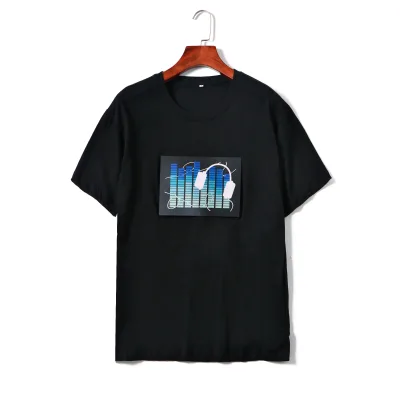
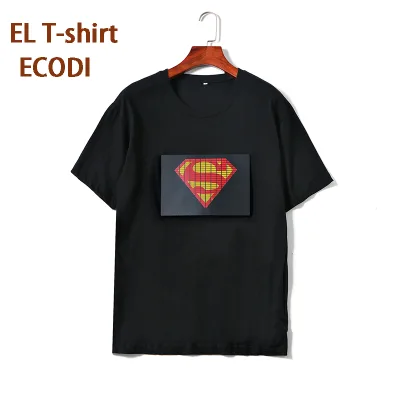
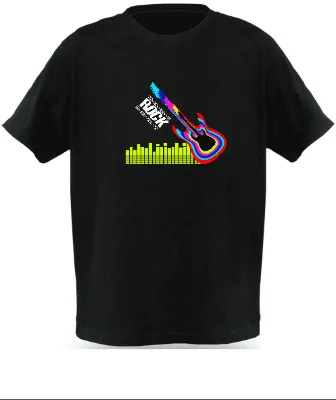
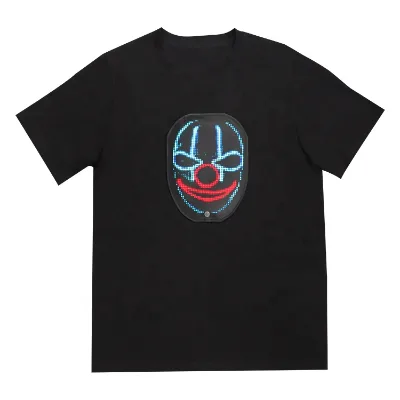
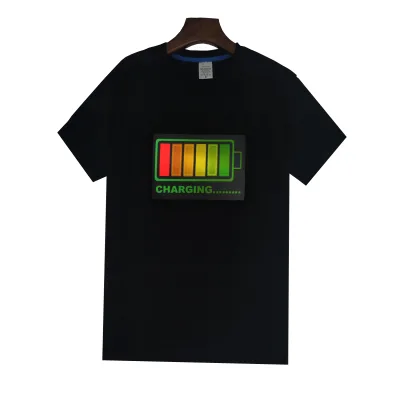
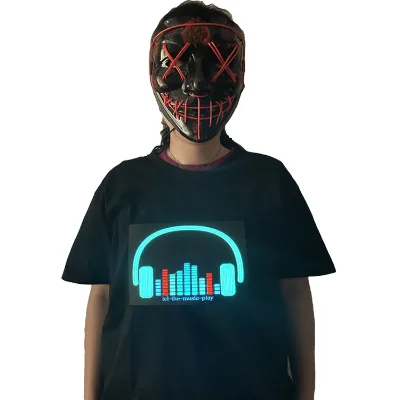
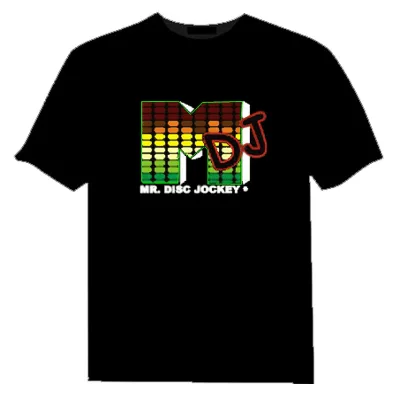
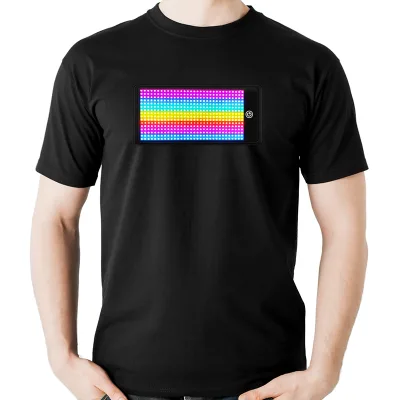
High quality! cotton short sleeve night club led t shirt, online equalizer t shirt
$4.00 - $5.00
Moq: 100

Kinglong Protective Products (Hubei) Co., Ltd.
- Verified by TUVRHEINLAND
- Combined
- China Hubei
- Lead time60 days
- Avg. response≤ 3h
Main productsWork Clothes, Workwear, Coveralls, Work Garment, Uniforms, Pants, Cargo Pants, Leisure Pants, Outdoor Wear
Main marketsSouth America,Southeast Asia/ Mideast,Europe
Ningbo Leaders Imp. & Exp. Co., Ltd.
- Verified by SGS
- Trading Company
- China Zhejiang
- Lead time23 days
- Avg. response≤ 6h
Main productsSafety Vest, Fr Coverall, Safety T-Shirt, Safety Jacket, Safety Rain Jacket, Safety Rain Pants, Fr Shirt, Fr Pants, Fr Jacket, Safety Sweatshirt
Main marketsEurope,North America

Shanghai J&D International Co., Ltd.
- Trading Company
- China Shanghai
- Lead time23 days
- Avg. response≤ 25h
Main productsShirts, Necktie, Ties, Scarves, Waistcoat, Cufflink, Neckwear, Accessories
Main marketsSoutheast Asia/ Mideast,Domestic,Europe,Australia,North America
- Verified by SGS
- Trading Company
- China Zhejiang
- Lead time15 days
- Avg. response≤ 20h
Main productsCar Mat, Car Air Freshener, Car Seat Cover, Steering Wheel Cover, Car Phone Holder, Car Roof Tent, Car Sunshade, Jerry Can
Main marketsEurope,Australia
Wuhan Corhunter Garment Co., Ltd.
- Verified by BV
- Combined
- China Hubei
- Lead time15 days
- Avg. response≤ 10h
Main productsUniform, Jacket, Shirt, Pants, Shorts, Boots, Gloves, Hat, Belt, Camouflage Uniform
Main marketsAfrica,Southeast Asia/ Mideast,North America
Guangzhou Tianyuan Clothing Co., Ltd
- Verified by SGS
- Combined
- China Guangdong
- Lead time30 days
- Avg. response≤ 2h
Main productsPolo Shirt, Shirt, Suit, T-Shirt, School Uniform, Hooded Sweatshirt, Medical Uniform, Chef's Uniform, Trousers, Work Clothes
Main marketsDomestic

Zhejiang Shuntong Electric Co., Ltd.
- Verified by BV
- Trading Company,Manufacturer/Factory
- China Zhejiang
- Lead time23 days
- Avg. response≤ 5h
Main productsTransformers, Frequency Inverter, Inverter, Voltage Stabilizer, Fan
Main marketsSouth America,Eastern Europe,Mid East,North America,Southeast Asia,Eastern Asia,Oceania,Western Europe,Africa
- Trading Company
- Guangdong, China
- Lead time15 days
- Avg. response≤ 3h
Main productsled Halloween mask,sound activated LED bracelet,LED glasses,LED necklace,LED headband
Main marketsNorth America(25.0%), Western Europe(24.0%), South America(18.0%), Eastern Europe(10.0%), Northern Europe(9.0%), Southern Europe(9.0%), Oceania(5.0%)
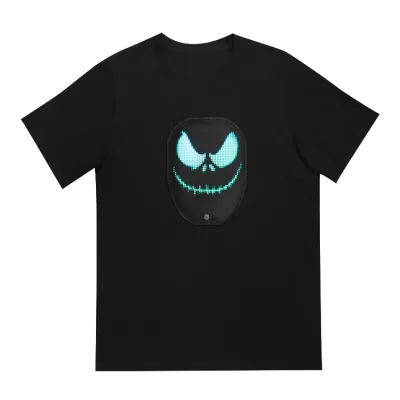
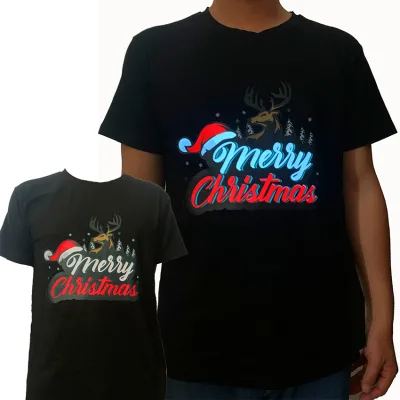
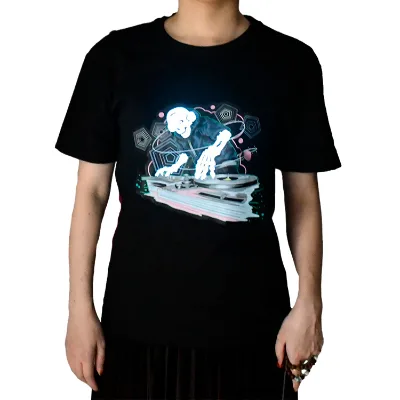
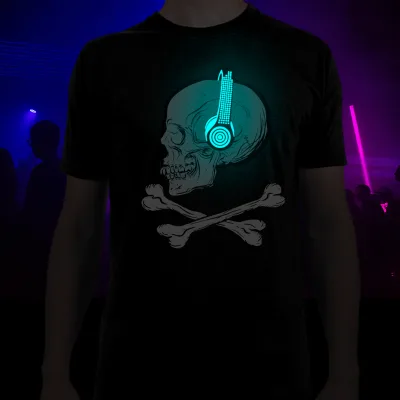
Halloween Accessories Led T Shirts and Light up Clothing Led Party Fancy Costume
$23.90 - $28.90
Moq: 100
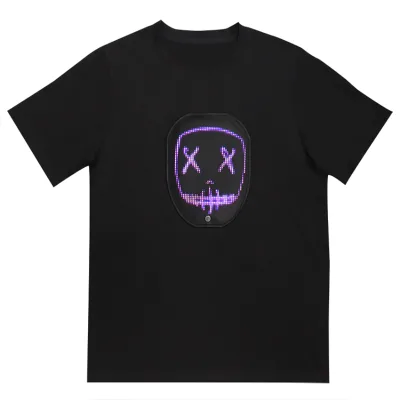
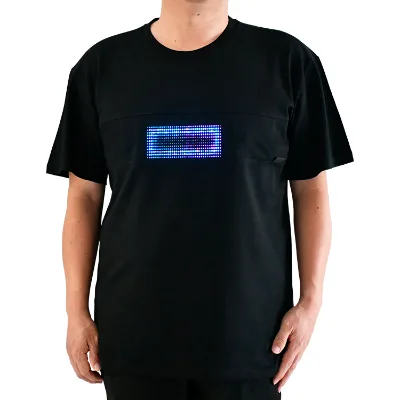
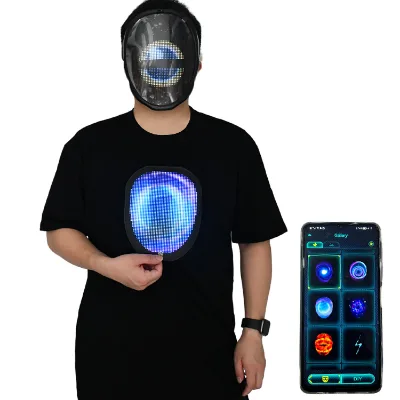
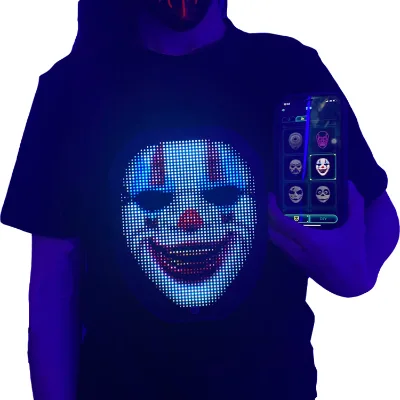
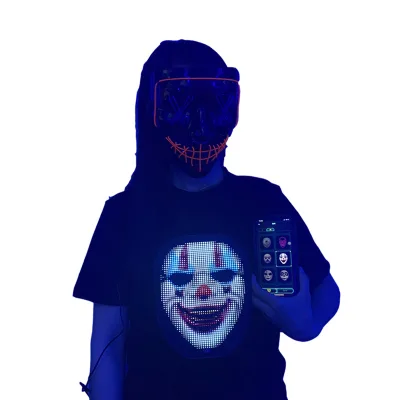
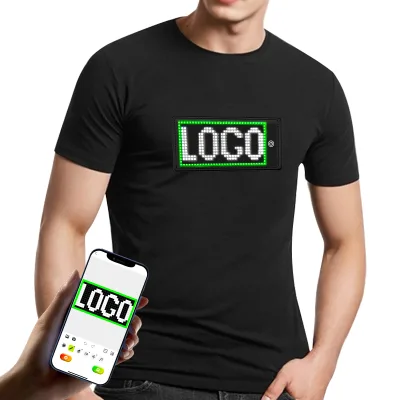
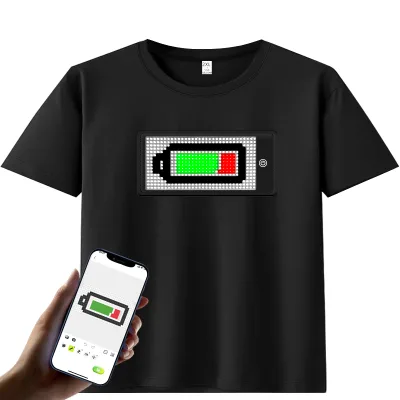
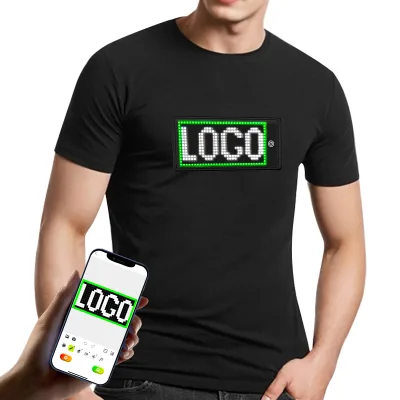
Led T-shirt with Freely Programmable Texts, Graphics & Animations Control by Smartphone
$23.90 - $28.90
Moq: 100
Ganzhou Zhizunlin E-Commerce Co.,ltd.
- Manufacturer, Trading Company
- Jiangxi, China
- Lead time10 days
- Avg. response≤ 1h
Main productsLed Toys and Gifts,Glow Products,el panel product,led product,Led Barwares
Main marketsSouth America(32.0%), North America(20.0%), Southern Europe(10.0%), Northern Europe(10.0%), Western Europe(10.0%), Eastern Europe(10.0%), Domestic Market(1.0%), South Asia(1.0%), Oceania(1.0%), Africa(1.0%), Central America(1.0%), Southeast Asia(1.0%), Eastern Asia(1.0%), Mid East(1.0%)
Dongguan City Ismart Gift Co., Ltd.
- Trading Company
- Guangdong, China
- Lead time15 days
- Avg. response≤ 4h
Main productsLED Bracelets, LED Cup, LED Pet's Collar, USB Lighters
Main marketsNorth America(25.0%), South America(15.0%), Oceania(10.0%), Southern Europe(10.0%), Eastern Asia(10.0%), Eastern Europe(10.0%), South Asia(5.0%), Western Europe(5.0%), Northern Europe(5.0%), Southeast Asia(5.0%)

Nanchang Ketai Safety Protective Articles Co., Ltd.
- Verified by TUVRHEINLAND
- Trading Company
- China Jiangxi
- Lead time30 days
- Avg. response≤ 9h
Main productsWorkwear, Uniform, Work Clothing, Work Pants, Work Shirts, Coveralls, Jackets, Salon Uniform, Lab Coat, Hospital Uniform
Main marketsSouth America,Africa,Southeast Asia/ Mideast,East Asia(Japan/ South Korea),Europe,Australia,North America
Shenzhen Infinite-Lighting Electronic Co., Ltd.
- Manufacturer, Trading Company
- Guangdong, China
- Lead time7 days
- Avg. response≤ 2h
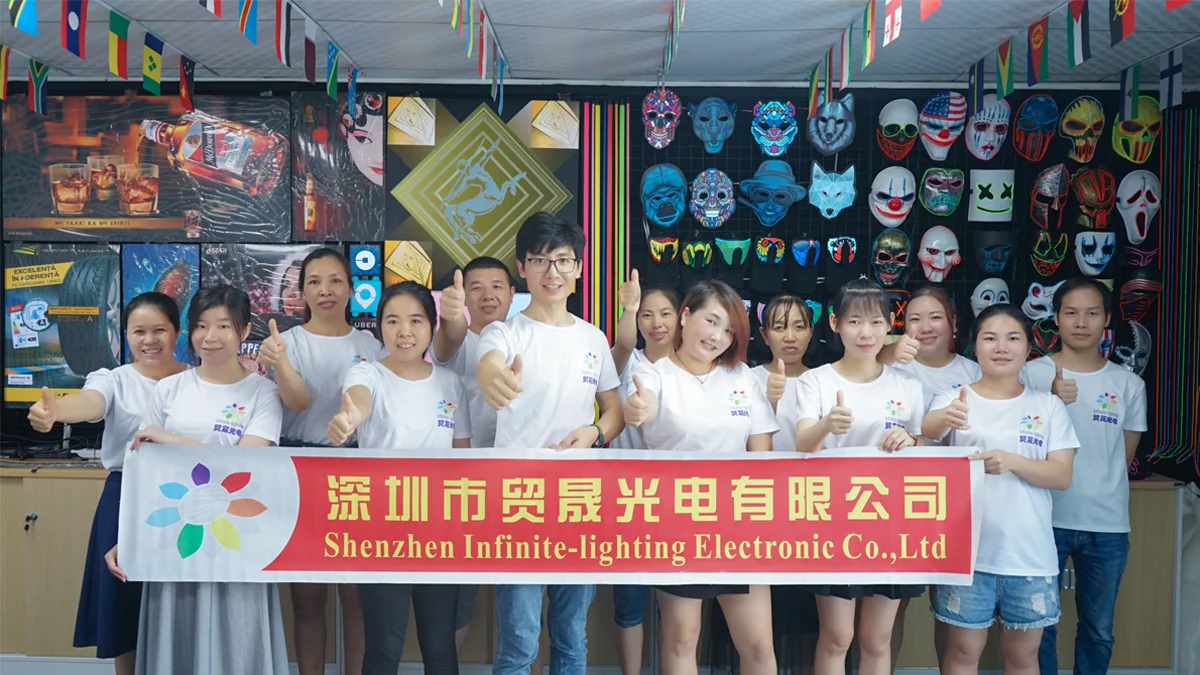
Main productsEL advertisement/poster,EL backlight/backlit,EL wire,EL t-shirt/LED t-shirt,Rave Party Supplies
Main marketsNorth America(25.0%), Western Europe(15.0%), Southern Europe(10.0%), Eastern Europe(10.0%), South America(7.000000000000001%), Southeast Asia(5.0%), Northern Europe(5.0%), Central America(5.0%), Oceania(5.0%), Eastern Asia(4.0%), Mid East(4.0%), South Asia(3.0%), Africa(2.0%)
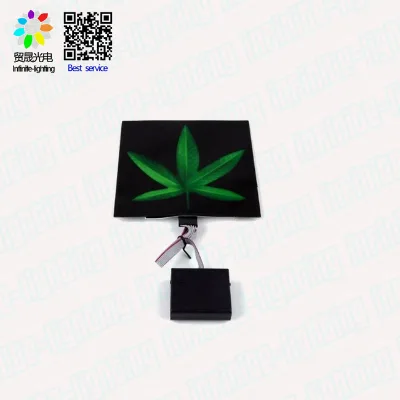
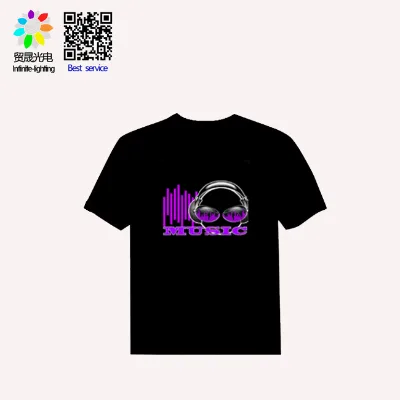
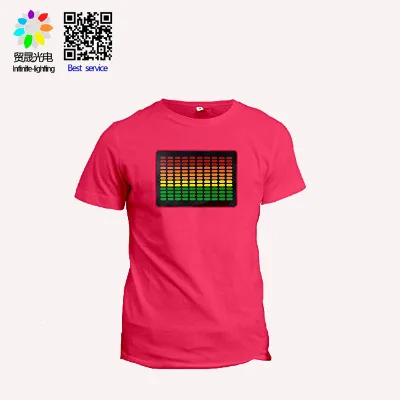
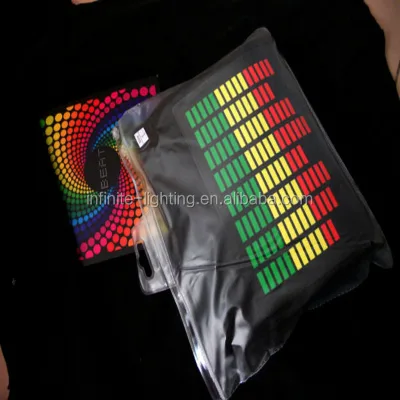
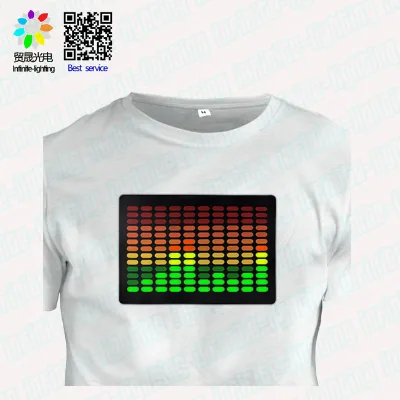
Popular custom tee shirt led/EL Flashing T-Shirt
$4.80 - $5.80
Shenzhen Iledshow Technology Co., Ltd.
- Verified by TüVRheinland
- Manufacturer, Trading Company
- Lead time5 days
Main productsLED Smart Wearable Products, LED Bag Backpack, LED Car Display, Flexible LED Display, LED Creative Gift


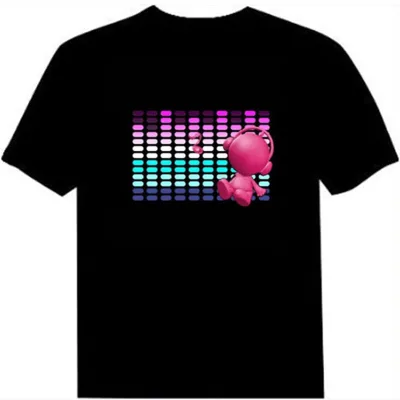
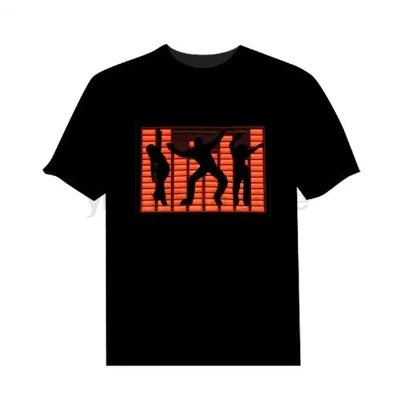
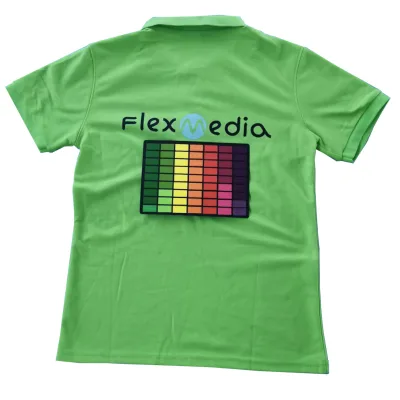
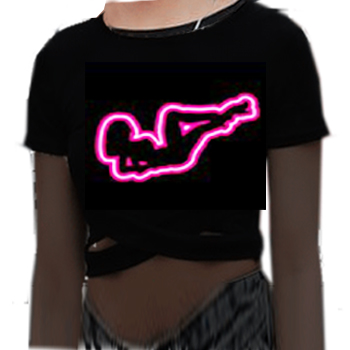


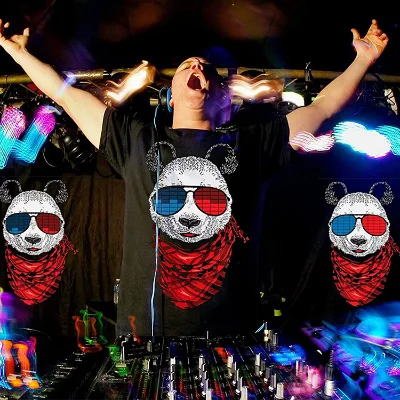
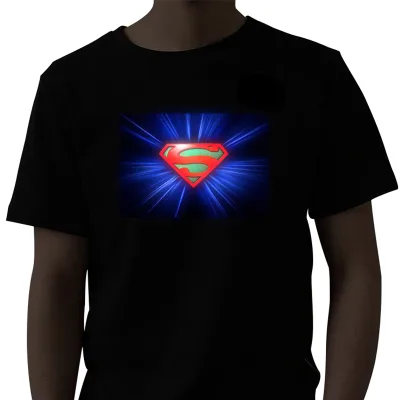
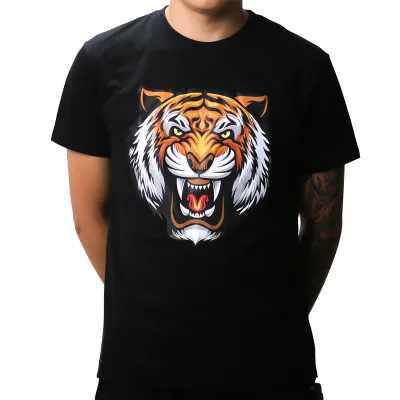
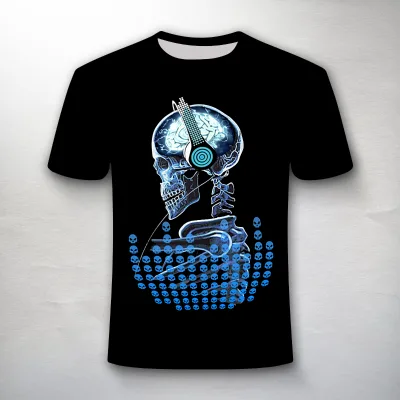


Comprehensive Sourcing Guide
Sound Activated LED Shirt Supplier Concentration and Factory Types
Search results for sound activated LED shirts point to supplier bases concentrated in China, with listed locations including Guangdong and Hubei provinces. Guangdong suppliers in this category typically present themselves as combined manufacturers and trading operations whose main product lines span promotion gifts, toys, flashing items, novelty goods and business gifts — a portfolio that includes sound-activated party products such as LED masks and light-up ties alongside apparel. Hubei suppliers lean toward uniforms and workwear, including short-sleeved security shirts with customizable logos, some of which offer LED-enhanced novelty versions. This split matters because the electronics layer (EL panels, sound sensors, battery packs) and the garment layer (cutting, sewing, printing) often sit in different specialized workshops.
When browsing supplier listings, buyers should treat location data as a starting filter rather than a guarantee. A supplier listed in a coastal province may still subcontract garment assembly inland, while an inland factory may source EL components from electronics clusters. Look for confirmation signals in the listing: whether the company type is manufacturer/factory, trading company, or combined; whether main products overlap with light-up apparel; and whether product evidence — such as LED flashing T-shirts with music-activated features, organic cotton construction and EL product categorization — appears in their catalog. Suppliers whose catalogs already include sound-activated masks and ties demonstrate relevant electronics experience even if shirts are a newer line.
How to Verify Sound Activated LED Shirt Suppliers
Verification should start with the credentials and signals actually displayed on supplier profiles. In the current results, one supplier carries SGS verification and ISO 9000/ISO 9001 system certification, while another shows ISO 9001 certification; several listings show no system certification at all (marked NIL). Buyers should not assume a missing certification field means an uncertified factory — it may simply be undocumented — but certification evidence should be requested directly: certificate numbers, issuing bodies, and scope of coverage. For LED apparel, product-level safety testing (battery, EL panel, and textile compliance for destination markets) matters as much as factory system certification, so ask which test reports the supplier can produce and which would require third-party arrangement.
Beyond documents, verify operational capacity through the listing details themselves. Suppliers offering ODM and OEM capability, customization marked as available, and explicit OEM/ODM support flags give some assurance of production flexibility, but these claims should be tested with a sample request. Check response behavior against the displayed response times: results in this category range from roughly two and a half hours to over twenty-four hours, and a supplier's actual reply speed to a detailed technical inquiry is a stronger signal than the static figure. Request photos or samples of the specific sound-activated shirt construction — sensor placement, battery compartment, washing durability — rather than accepting catalog images of masks or ties as proof of apparel competence.
What to Compare Across Sound Activated LED Shirt Suppliers
Build a comparison table from the dimensions displayed on supplier and product listings. Company type (manufacturer/factory versus trading company versus combined) affects pricing transparency and accountability; a combined operation may handle both electronics and sewing in-house. System certification (ISO 9001 where shown, NIL where not), verification status such as SGS, and R&D capacity flags (ODM/OEM support) indicate process maturity. Response time is directly comparable across results — figures around 2.44 hours, 8.85 hours, and 24.31 hours appear in this category — and lead time of roughly 23 days appears on at least one listing, giving a realistic baseline for planning.
On the product side, compare the attributes suppliers actually disclose. One LED mask listing shows MOQ of 100 pieces and a price range from 5.63 to 11.90 per unit; a light-up tie shows MOQ-relevant pricing from 4.92 to 8.80; uniform shirts list MOQ of 100 with prices from 4.50 to 8.50. Use these as reference points for negotiation, not as guaranteed shirt pricing. Also compare customization depth: multicolor options, size standards (one mask line specifies 29×18 cm; a tie specifies 85×470 mm), packing formats (OPP bag or customized packing), and export packing box weights (10–11 kg appear in listings). Note that not every supplier displays every attribute — a blank field is a question to ask, not a disqualifier.
Common Sound Activated LED Shirt Sourcing Risks
The largest risk in this category is the gap between novelty-electronics competence and garment competence. Many suppliers in the results built their business on LED masks, flashing items, and sound-activated party novelties; their masks list detailed attributes (multicolor, adult sizing, sound activation), but their shirt-specific evidence is thinner. A supplier may quote confidently, then produce shirts with poorly secured EL panels, sensors that trigger inconsistently, or battery packs that fail after washing. Mitigate this by requiring a pre-production sample of the actual shirt construction and a written washing-durability commitment before mass production.
Secondary risks cluster around undisclosed specifications and compliance. Several listings show NIL system certification, meaning buyers must independently confirm quality-management practices. Product attributes such as export packing box weight, packing format, and origin are sometimes incomplete or inconsistently recorded across a supplier's own listings — a sign that order-level detail needs explicit written confirmation. Battery transport is another recurring hazard: sound-activated shirts typically ship with small batteries, and customs or airline rules may require declarations the supplier has not anticipated. Finally, response-time disparities (from under three hours to over a day among listed suppliers) create communication risk during production; agree on update frequency, language, and a named contact, and confirm what the quoted lead time covers — production only, or production plus quality inspection and export documentation.
Sound Activated LED Shirt Regional Sourcing and Logistics
The confirmed locations in this category — Guangdong and Hubei — shape both logistics and sourcing strategy. Guangdong offers dense access to export ports and the electronics supply chain that sound-activated garments depend on; suppliers there listing flashing items and novelty gifts among main products typically source EL panels, sensors, and batteries locally, shortening component lead times. Hubei suppliers, positioned in central China, sit closer to textile and uniform production and may offer cost advantages on the garment side, with inland transport adding some days and cost to port delivery. Neither region is inherently better; the right choice depends on whether the electronics layer or the sewing layer dominates your quality risk.
For logistics planning, use the concrete data points in listings as calibration. A displayed lead time of 23 days on one supplier gives a plausible production window for customized light-up apparel; response times ranging from 2.44 to 24.31 hours indicate how quickly quoting iterations may proceed. Export packing box weights of 10–11 kg per carton in related product listings help estimate freight volume for sample and bulk shipments. Buyers sourcing from outside China should confirm Incoterms, whether the supplier handles export clearance, and whether battery-inclusive shipments face routing restrictions. Regional cluster identification beyond these two provinces should rely on product-origin fields and origin claims (listings here state "Made in China" / origin China) verified through the supplier's business license rather than assumed from category norms.
Sound Activated LED Shirt Commercial Terms and Order Planning
Order planning should anchor on the MOQ and price bands visible in the results. Related LED products in this supplier pool show MOQs of 100 pieces and unit price ranges spanning roughly 4.50 to 11.90 depending on product type and customization, suggesting that a 100-piece pilot order is a realistic entry point for testing a sound-activated shirt before scaling. Confirm in writing whether quoted prices include customization (logo printing, sensor tuning, custom packing), since several listings mark customization as available or supported without stating its cost impact. Payment terms, escrow availability, and deposit structure do not appear uniformly across the displayed supplier data, so treat them as open questions for each supplier rather than category standards.
Structure the order timeline around the verified lead-time figure of about 23 days, adding buffer for sample approval, certification paperwork, and battery-related shipping checks. Specify in the purchase order every attribute the listings leave ambiguous: size standard, material composition (one shirt listing cites 100% organic cotton; uniform shirts cite cotton/polyester), color, packing format (OPP bag or customized), carton weight, and model numbering (suppliers here use structured model codes). For repeat orders, negotiate tooling and setup-fee treatment for custom EL panel designs, since sound-activated electronics may involve per-order programming or sensor calibration. Finally, define acceptance criteria — function rate, activation sensitivity, wash endurance — so that quality disputes reference measurable terms rather than opinions.
FAQs
What is the price range for sound activated LED shirts?
The price range for sound activated LED shirts typically falls between $4.92 and $11.90 per unit. This variation depends on specific product models, customization options, and order quantities. Buyers should verify exact pricing with suppliers based on their required specifications and volume.
What is the minimum order quantity for these items?
The minimum order quantity is generally set at 100 units for sound activated LED shirts. This standard MOQ allows suppliers to manage production efficiency while offering buyers flexibility. Buyers should confirm if lower quantities are possible for sample orders or special promotions.
How long does production take for these orders?
Production lead time is approximately 23 days for standard orders of sound activated LED shirts. This timeframe allows for manufacturing, quality control, and preparation for shipment. Buyers should account for this duration when planning inventory and event schedules to ensure timely delivery.
Are customization options available for these LED shirts?
Yes, customization is available for sound activated LED shirts, including logo printing and design adjustments. Suppliers support OEM and ODM services to meet specific brand requirements. Buyers should provide detailed design files and specifications to ensure the final product matches their expectations.
Where are these sound activated LED shirts manufactured?
These items are manufactured in China, with suppliers located in regions like Guangdong and Hubei. This location offers access to established manufacturing infrastructure and supply chains. Buyers should verify specific factory locations and capabilities to ensure alignment with their sourcing preferences and quality standards.
What certifications do these suppliers hold?
Some suppliers hold ISO 9001 or ISO 9000 certifications, indicating adherence to quality management standards. Verification services like SGS may also be available for certain manufacturers. Buyers should request current certification documents to ensure compliance with their specific quality and safety requirements.