Ceramic Yarn Guide Suppliers and Manufacturers
Source 21 verified suppliers for Ceramic Yarn Guide components from China. Compare key dimensions including lead times, MOQs, and material options like alumina and zirconia. Review product specifications and request quotes directly to streamline your procurement process; review the available evidence before requesting comparable quotations from suitable candidates.
Suppliers List

Shanghai Yunnuo Industrial Co., Ltd.
- Verified by BV
- Trading Company
- China Shanghai
- Lead time23 days
- Avg. response≤ 3h
Main productsCeramic Tube, Ceramic Crucible, Ceramic Rod, Ceramic Plate, Quartz Glass, Ceramic Ignition Electrode, Ceramic Foam Filter, Honeycomb Ceramic, Textile Ceramics, Solenoid Valve
Main marketsSouth America,Europe,North America


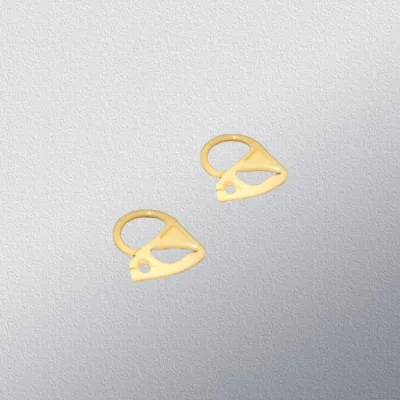
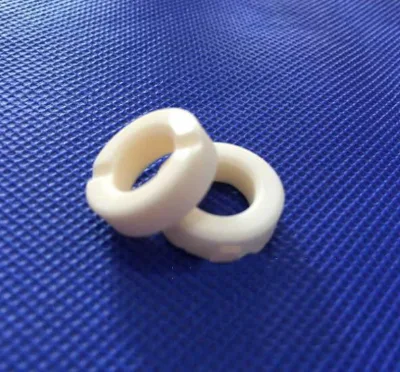
Factory Manufacturer Textile Circular Machine Accessories Ceramic O Type Thread Yarn Guide
$0.50 - $0.80
MOQ: 100 Pieces


Textile Spare Part Yarn Guide Yarns Carrier Alumina Ceramic Knitting Machine
$10.00 - $25.00
MOQ: 10 Pieces


Zhengzhou Mission Ceramic Products Co., Ltd.
- Verified by BV
- Trading Company
- China Henan
- Lead time15 days
- Avg. response≤ 13h
Main productsAlumina Tube, Alumina Crucible, Alumina Plate, Precision Alumina Ceramic Part, Silicon Carbide Ceramic, Zirconia Ceramic, Boron Nitride Ceramic, Alumina Ceramic Fiber Board, Mosi2 Heating Element, Sic Heating Element
Main marketsSouth America,Africa,Others(foreignTradeCapacity.exportBusinessCapacityMarketOther),Southeast Asia/ Mideast,East Asia(Japan/ South Korea),Europe,Australia,North America

Changshu Suhong Machinery Co., Ltd.
- Verified by CTI
- Combined
- China Jiangsu
- Lead time45 days
- Avg. response≤ 9h
Main productsChemical Fiber Machinery
Main marketsSoutheast Asia/ Mideast,East Asia(Japan/ South Korea),Domestic


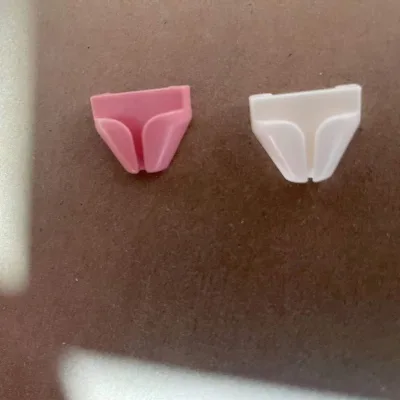
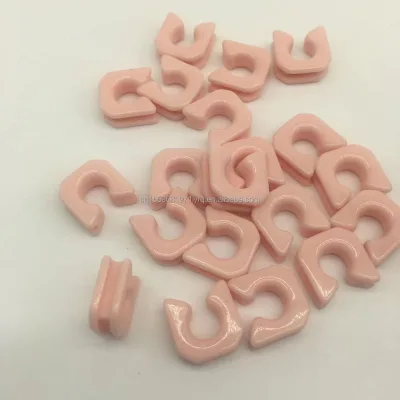
U-Shaped Ceramic Yarn Guides Spinning Spare Parts V-Shaped Ceramic Yarn Guides
$1.00 - $5.00
MOQ: 100 Pieces

Machinery Ceramic Wire Guide Wigh High Hardness Alumina Ceramic Yarn Guide
$1.00 - $30.00
MOQ: 100 Pieces

U-Shaped Ceramic Yarn Guides Ssm Machine Spare Parts V-Shaped Ceramic Yarn Guides
$1.00 - $5.00
MOQ: 100 Pieces


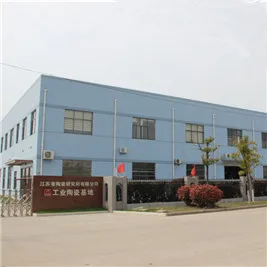
Jiangsu Province Ceramics Research Institute Co., Ltd.
- Manufacturer, Trading Company
- Jiangsu, China
- Lead time45 days
- Avg. response≤ 4h
Main productsAlumina Ceramic,Zirconia Ceramic,Cordierite Ceramic,Steatite Ceramic,Ceramic Membrane
Main marketsDomestic Market(40.00%), Western Europe(16.00%), Eastern Asia(10.00%), Southeast Asia(10.00%), North America(10.00%), South Asia(7.00%), Oceania(3.00%), South America(2.00%), Eastern Europe(2.00%)

Shenzhen In-Tek Electronic Co., Ltd.
- Verified by SGS
- Manufacturer/Factory
- China Guangdong
- Lead time15 days
- Avg. response≤ 3h
Main productsTextile Machinery Spare Parts, Second Hand Looms, Ribbon Machine Parts, Chenille Machine Parts, Knitting Machine Parts, Airjet Machine Parts, Twisting Machine Parts, Waterjet Machine Parts, Spinning Machine Parts
Main marketsSouth America,Eastern Europe,North America,Southeast Asia,Eastern Asia,Oceania,Africa


Yarn Guide Yarn Carrier for Circular Loom Textile Knitting Machine Spare Parts
$1.00 - $2.00
MOQ: 10 Pieces

SHENZHEN JINGHUI INDUSTRY LIMITED
- Verified by CTI
- Trading Company,Manufacturer/Factory,Group Corporation
- China Guangdong
- Lead time38 days
- Avg. response≤ 3h
Main productsMetallized Ceramics, Ceramic Substrates, Pepper Mill Mechanism, Pepper Grinder Mechanism, Ceramic Parts, Precision Ceramics, Zirconia Ceramics, Ceramic Insulators, Silicon Nitride Ceramics, Aluminum Nitride Ceamics
Main marketsSouth America,Eastern Europe,Mid East,North America,Southeast Asia,Eastern Asia,Oceania,Western Europe,Africa

TIANJIN YINGHUA NEW MATERIAL TECH CO., LTD.
- Verified by CTI
- Trading Company
- China Tianjin
- Lead time23 days
- Avg. response≤ 1h
Main productsZirconia, Ceramics, Dental Block, Blade, Piston, Mcxl Bur, Lithium Disilicate Block, Sapphire, PMMA Block, Aln
Main marketsEast Asia(Japan/ South Korea),Domestic,Europe,North America
Hunan Huaran Technology Co., Ltd.
- Manufacturer
- Hunan, China
- Lead time0 days
- Avg. response≤ 2h
Main productsTantalum Capacitor Shell, Tantalum Glass Insulator, Copper Capacitor Shell, Silver Capacitor Shell, Craft Bar
Main marketsDomestic Market(90.00%), North America(10.00%)
Dongguan Senguang Machine Fittings Co., Ltd.
- Verified by SGS Group
- Manufacturer, Trading Company
- Lead time15 days
- Avg. response≤ 2h
Main productsPulley, Cone Pulley, Roller, Drawing Ring, Ceramic Guide
Main marketsEastern Europe(28%), Southeast Asia(25%), Western Europe(15%)

Dongguan City Defuli Hardware Electronic Materials Co.,Ltd.
- Combined
- China Guangdong
- Lead time15 days
- Avg. response≤ 15h
Main productsCoil Winding Tensioner, Coil Winding Nozzle, Tungsten Carbide Nozzle, Ruby Nozzle, Wire Guide Pulley, Ceramic Eyelet Guide, Ceramic Bearing Roller, Wire Jump Preventer, Wire Guide Nozzle, Magnetic Tensioner
Main marketsSoutheast Asia/ Mideast,North America


High Polish Alumina Ceramic Wire Guide Roller Yarn Textile Wire Drawing Winder Guide Pulley
$0.30 - $2.00
MOQ: 100 Pieces
Pingxiang Bete Ceramics Co., Ltd.
- Manufacturer, Trading Company
- Jiangxi, China
- Lead time15 days
- Avg. response≤ 2h
Main productsCeramic Terminal Block,Ceramic Connector,Textile Ceramic eyelet,Insulating Ceramics,Structural ceramics
Main marketsDomestic Market(51.00%), South Asia(25.00%), South America(8.00%), Eastern Europe(7.00%), Mid East(3.00%), North America(2.00%), Eastern Asia(2.00%), Southern Europe(2.00%)
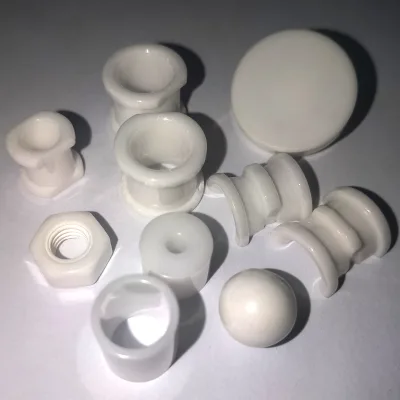
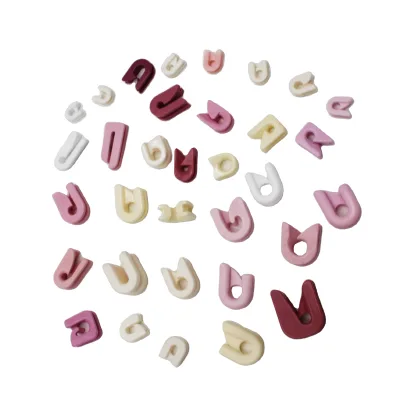
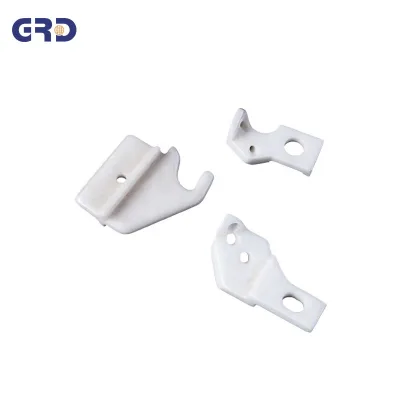
Textile Ceramic Yarn Guide Trap Guide Guiding Hook
$0.50 - $0.90
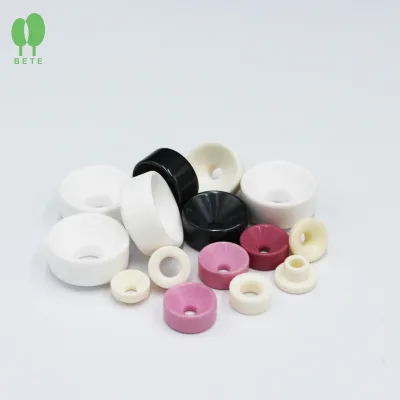
High Alumina Ceramic Yarn Bowl Guide for Textile Machinery
Contact supplier

Lianyungang Highborn Technology Co., Ltd.
- Verified by TUVRHEINLAND
- Combined
- China Jiangsu
- Lead time15 days
- Avg. response≤ 5h
Main productsQuartz Glass, Alumina Ceramics, Zirconia Ceramics, Cordierite Ceramics, Porous Ceramics, Silicon Carbide Ceramics, Steatite Ceramics, Silicon Nitride Ceramics, Aluminium Nitride Ceramics, Ozone Generator
Main marketsSouth America,Southeast Asia/ Mideast,East Asia(Japan/ South Korea),Europe,North America

95% Al2O3 Alumina Ceramic Yarn Guide Textile Ceramic Parts Wire Guiding
$10.00 - $20.00
MOQ: 200 Pieces

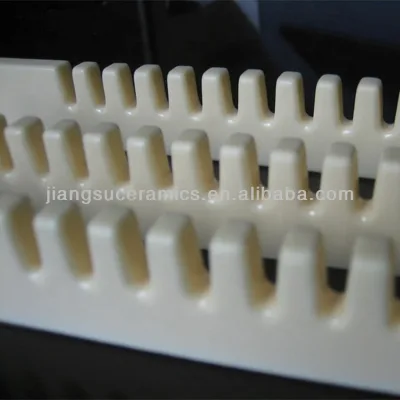
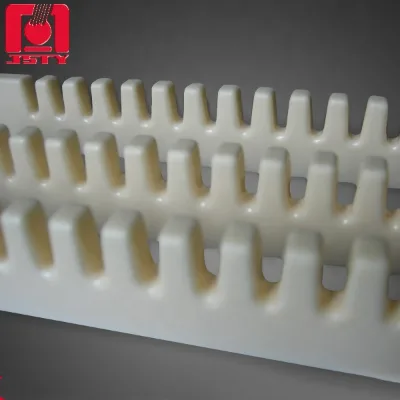
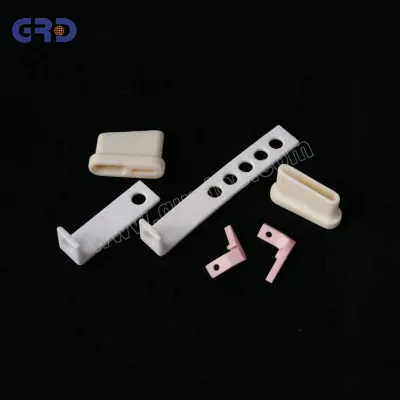
Wear Resistant High Hardness Alumina Conductor Textile Ceramic Comb Spinning Yarn Guide
$0.50 - $1.50
MOQ: 5 Pieces

Customized 99% Al2O3 Alumina Ceramic Yarn Thread Wire Guides for Textile Machine
$1.50 - $3.00
MOQ: 50 Pieces

LIANYUNGANG BAIBO NEW MATERIAL CO., LTD.
- Verified by TUVRHEINLAND
- Combined
- China Jiangsu
- Lead time15 days
- Avg. response≤ 5h
Main productsQuartz Glass, Alumina Ceramics, Zirconia Ceramics, Cordierite Ceramics, Porous Ceramics, Silicon Carbide Ceramics, Steatite Ceramics, Silicon Nitride Ceramics, Aluminium Nitride Ceramics, Ozone Generator
Main marketsSoutheast Asia/ Mideast,East Asia(Japan/ South Korea),Domestic,Europe,North America


$0.40 - $1.20
MOQ: 2 Pieces



Shenzhen Apple Vista Technology Ltd.
- Manufacturer
- Guangdong, China
- Lead time30 days
- Avg. response≤ 3h
Main productsPiezoelectric Ceramic,Ultrasonic Transducer,Piezo Element,Ultrasonic Cleaning Transducer,Zirconia Ceramic
Main marketsEastern Asia(30.00%), Southeast Asia(20.00%), North America(15.00%), Eastern Europe(15.00%), South Asia(10.00%), Southern Europe(10.00%)

Shanghai Gongtao Ceramics Co., Ltd.
- Verified by TUVRHEINLAND
- Combined
- China Shanghai
- Lead time15 days
- Avg. response≤ 3h
Main productsCeramic Tube, Crucible, Ceramic Mill Pot, Ceramic IR Heater, Ceramic Connector, Mortar and Pestle, Ceramic Rod, Ceramic Igniter Electrode, Mica Plate, Ceramic Parts
Main marketsSouth America,Southeast Asia/ Mideast,Europe,Australia,North America

99% Alumina Ceramic Guides for Textile Machinery Eyelets Thread Yarn Guide
$0.50 - $5.00
MOQ: 10 Pieces

Wire and Textile Industry 99%/95% Alumina Ceramic Eyelet/Yarn Guide/Thread Guide
$0.50 - $5.00
MOQ: 10 Pieces

Zhengtaifeng Hardware Products Co., Ltd.
- Manufacturer/Factory
- China Guangdong
- Lead time15 days
- Avg. response≤ 3h
Main productsWinding Machine Equipment, Tension Control Systems, Wires and Cables, Textile Mechanical, Tungsten Carbide Products, Wire Tensioners, Winding Machine, Ceramic Products, Hysteresis Brakes, Hardware Products
Main marketsSouth America,Eastern Europe,Mid East,North America,Southeast Asia,Eastern Asia,Oceania,Western Europe,Africa

Reasonable Price Textile Machine Ceramic Thread Guide Ceramic Yarn Guide Screw
$0.02 - $3.00
MOQ: 1 Pieces

Snail-Shaped Ceramic Guides for Coiling Machines & Spinning-Weaving Equipment
$0.02 - $3.00
MOQ: 1 Pieces
Suzhou Youkun Machinery Technology Co., Ltd.
- Verified by Intertek
- Trading Company
- Lead time0 days
- Avg. response≤ 2h
Main productsAutoconer Machinery Parts, Twisting Machinery Parts , Open-End Machinery Parts , SSM Machinery Parts , Circle Knitting Machinery Parts
Main marketsSoutheast Asia(30%), Mid East(20%), Eastern Europe(15%)
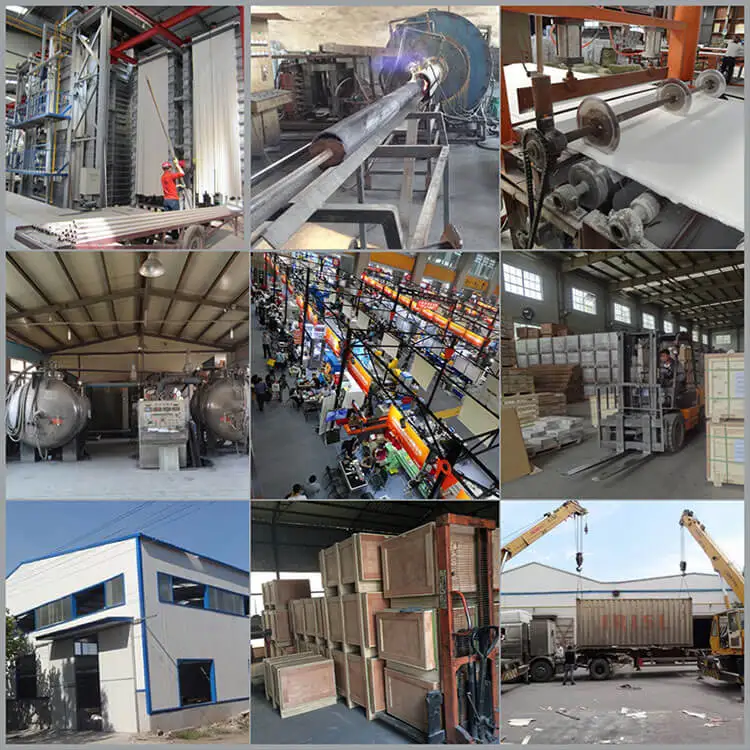
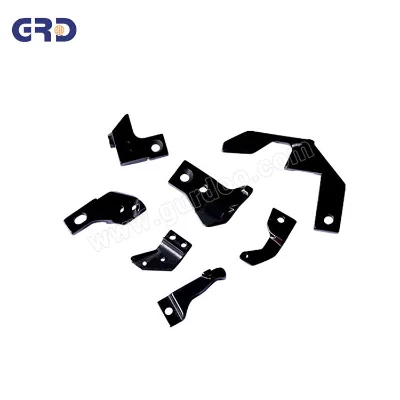
Henan Gurdoo Industry Co., Ltd.
- Trading Company
- Henan, China
- Lead time0 days
- Avg. response≤ 8h
Main productsCeramic heater,alumina ceramic,Advanced ceramics,zirconia ceramic,SiC heating element
Main marketsSoutheast Asia(15.00%), North America(15.00%), Eastern Asia(10.00%), Africa(10.00%), Mid East(8.00%), Eastern Europe(8.00%), Oceania(7.00%), Southern Europe(5.00%), Domestic Market(5.00%), South Asia(5.00%), Western Europe(5.00%), South America(5.00%), Northern Europe(1.00%), Central America(1.00%)

Shanxi Jingwei Chemical Fiber Machinery Co.,Ltd
- Verified by BV
- Combined
- China Shanxi
- Lead time15 days
- Avg. response≤ 17h
Main productsgear pump
Main marketsOthers(foreignTradeCapacity.exportBusinessCapacityMarketOther),Domestic


Long-Lasting Textile Machine Ceramic Guide Hook Yarn Guide for Spinning
Contact supplier
MOQ: 1 Pieces


- Verified by BV
- Trading Company,Manufacturer/Factory
- China Shanghai
- Lead time0 days
- Avg. response≤ 20h
Main productstextile machinery parts and textile plant

High Quality Mirror Surface Polishing Yarn Guides with Slot Alumina Ceramic Guide Thread Guide
$0.07 - $0.23
MOQ: 2000 Pieces


Mirror Surface Polishing Textile Yarn Guide Eyelets for Silt Guide with Different Size
$0.07 - $0.23
MOQ: 2000 Pieces

Changzhou Longfu Knitting Co., Ltd.
- Verified by BV
- Combined
- China Jiangsu
- Lead time30 days
- Avg. response≤ 4h
Main productsCircular Knitting Machine Parts, Knitting Needle, Sinker, Yarn Feeder, Timing Belt, Lubricator Series, Dust Fan Series, Circular Knitting Machine Tool
Main marketsEurope


Compact and Best-Selling Ceramic Yarn Guide Nozzle for Circular Knitting Machine
$2.97
MOQ: 100 Pieces




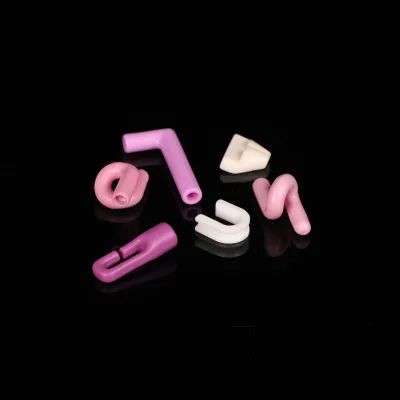
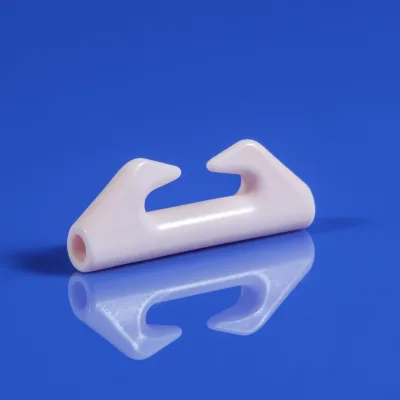
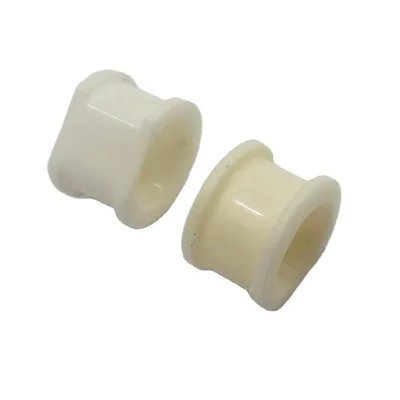
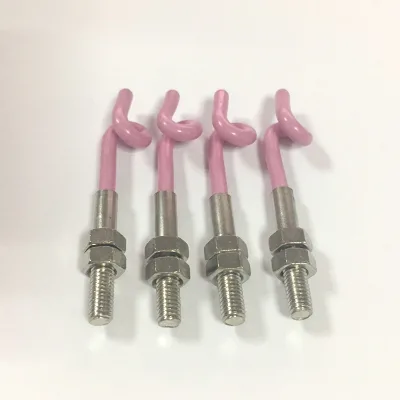
Comprehensive Sourcing Guide
Ceramic Yarn Guide Supplier Concentration and Factory Types
Current data indicates a concentration of suppliers in China Shanghai, where trading companies dominate the Ceramic Yarn Guide market. These entities often list diverse portfolios including ceramic tubes, crucibles, rods, plates, and textile ceramics alongside solenoid valves. The presence of a Trading Company type suggests that many sellers act as intermediaries rather than direct manufacturers, which can influence supply chain transparency. Buyers should note that while some suppliers offer ODM and OEM capabilities, the primary business model observed involves aggregating products from various factories to meet specific textile machinery needs. This structure allows for a wide range of product variations, such as alumina ceramic yarn guides and porcelain guides, but requires careful vetting to ensure the intermediary has direct access to the production facilities.
In contrast, other regions like China Henan also host suppliers specializing in precision ceramic parts, including alumina tubes and silicon carbide ceramics. These facilities often focus on high-purity materials like 99.5% alumina and offer customization for grain sizes and shapes. The distinction between trading companies and factories is critical because trading companies may not possess the same technical depth regarding material science as direct manufacturers. When evaluating the concentration of suppliers, buyers must verify if the listed main products align with their specific technical requirements, such as high wear resistance or specific purity levels. Understanding whether a supplier is a trading company or a factory helps in predicting their ability to handle complex customization requests and their responsiveness to technical inquiries regarding material properties.
How to Verify Ceramic Yarn Guide Suppliers
Verification is a critical step when sourcing Ceramic Yarn Guide components, particularly given the mix of trading companies and factories in the current results. One key indicator of reliability is the BV verification status, which provides a third-party assessment of the company's business operations. Buyers should prioritize suppliers displaying this badge, as it suggests a baseline level of operational legitimacy. However, verification status alone does not guarantee product quality or delivery performance. It is essential to cross-reference this status with other data points, such as the specific product attributes and the company's main product list, to ensure they specialize in the exact type of ceramic guide required for textile machinery.
Beyond verification badges, buyers must scrutinize the detailed product evidence provided in supplier listings. This includes checking for specific material options like Zirconia Zro2, TiO2, or Titania, and confirming the availability of customization services. The presence of detailed attributes such as grain size, purity percentages, and specific shapes like eyelets or pigtails indicates a supplier with technical depth. If a listing lacks these granular details, it may signal a lack of direct manufacturing control. Buyers should also look for evidence of mechanical processes like wire cutting or punch forming, which are essential for producing high-quality ceramic parts. Ensuring that the supplier can provide these specific technical details is a strong proxy for their ability to deliver consistent, high-performance Ceramic Yarn Guides.
What to Compare Across Ceramic Yarn Guide Suppliers
When comparing suppliers, response time is a vital metric for assessing operational efficiency and communication reliability. Data shows response times ranging from 2.50 hours to 12.30 hours, which can significantly impact project timelines and problem resolution speed. A faster response time often correlates with a more active sales team and better customer service infrastructure. Buyers should prioritize suppliers with response times under three hours to ensure quick turnaround on inquiries and technical clarifications. This metric is particularly important when dealing with custom orders where immediate feedback on material options or design adjustments is necessary to prevent production delays.
Lead time and Minimum Order Quantity (MOQ) are equally critical factors that vary significantly across the supplier base. Lead times observed range from 15 to 23 days, while MOQs can be as low as 10 units or as high as 1000 units depending on the specific product model. Suppliers with lower MOQs, such as those offering 10 units, are better suited for prototyping or small-batch production runs, whereas higher MOQs may be necessary for cost-effective mass production. Buyers must align these constraints with their production schedules and inventory strategies. Additionally, comparing the price ranges, which can vary from $0.08 to $25.00 per unit, helps in budgeting and identifying suppliers that offer the best value for the specific purity and material grade required.
Common Ceramic Yarn Guide Sourcing Risks
One significant risk in sourcing Ceramic Yarn Guides is the potential mismatch between the advertised material properties and the actual product delivered. Listings may claim high purity levels like 99.8% or specific grain sizes, but without independent verification, these claims remain unconfirmed. Buyers face the risk of receiving components that do not meet the stringent requirements of high-temperature furnaces or semiconductor applications. This discrepancy can lead to equipment failure or reduced product quality in the final textile output. To mitigate this, buyers should request detailed material certificates and test reports that verify the purity, density, and mechanical properties of the ceramic parts before finalizing any orders.
Another risk involves the variability in customization capabilities and the reliability of the supply chain. While many suppliers list customization as available, the actual ability to execute complex shapes or specific material blends varies. Some suppliers may struggle with precision finishing or surface treatments like diamond polishing, leading to inconsistent product quality. Furthermore, the reliance on trading companies can introduce delays if the intermediary lacks direct control over the manufacturing floor. If a supplier cannot guarantee the lead time or fails to communicate changes in production status, the entire supply chain can be disrupted. Buyers must assess the supplier's track record in handling custom orders and their ability to maintain consistent quality across different batches to avoid these operational pitfalls.
Ceramic Yarn Guide Regional Sourcing and Logistics
Regional sourcing strategies should focus on the identified clusters in China Shanghai and China Henan, where the majority of Ceramic Yarn Guide suppliers are located. These regions offer a dense network of manufacturers and trading companies specializing in inorganic chemicals and non-metallic products. Sourcing from these hubs provides access to a wide variety of ceramic materials, including alumina, zirconia, and silicon carbide. However, buyers must be aware that logistics from these regions can be complex, involving multiple handling points and potential transit delays. Understanding the specific location of the factory versus the trading company is crucial for estimating accurate shipping times and costs.
Logistics planning must also account for the packaging standards and origin details provided in supplier listings. Products are typically packed in cartons, which offer basic protection but may require additional reinforcement for international shipping. The origin of the product, whether from Shanghai or Henan, can influence the shipping route and customs clearance procedures. Buyers should verify the specific origin details to ensure they align with their import regulations and to anticipate any potential tariffs or duties. Additionally, the distance between the supplier and the port of loading can impact the overall lead time. A supplier located closer to a major shipping hub may offer faster dispatch times, reducing the total time from order placement to delivery.
Ceramic Yarn Guide Commercial Terms and Order Planning
Commercial terms for Ceramic Yarn Guide orders often include specific conditions regarding processing trade and material supply. Many suppliers offer processing with material supplied, which allows buyers to provide their own raw materials for customization. This arrangement can be beneficial for maintaining control over material quality but requires clear agreements on processing fees and timelines. Buyers must also consider the payment terms and the availability of escrow services to protect their financial interests. Ensuring that the supplier accepts secure payment methods and offers escrow protection is essential for mitigating the risk of non-delivery or substandard products.
Order planning should be guided by the specific MOQ and lead time constraints of the chosen supplier. For instance, an order with an MOQ of 1000 units requires a different planning horizon than one with an MOQ of 10 units. Buyers should align their production schedules with the supplier's lead time, which ranges from 15 to 23 days, to avoid bottlenecks. Additionally, the price range, which can vary significantly based on material purity and customization, must be factored into the overall budget. Planning for potential price fluctuations and ensuring that the supplier can meet the required delivery dates is critical for maintaining a smooth supply chain. Buyers should also consider the long-term relationship with the supplier, as consistent ordering can lead to better pricing and priority treatment during peak demand periods.
FAQs
What is the price range for ceramic yarn guides?
Prices typically range from $0.08 to $25.00 per unit depending on specifications. Basic alumina eyelets start around $0.08, while specialized knitting machine parts cost up to $25.00. Bulk orders often secure lower rates, with some standard guides priced at $0.50 or $0.80 per piece for larger quantities.
What materials are used for textile ceramic yarn guides?
Manufacturers primarily use Alumina Ceramic (Al2O3) with purities of 90%, 95%, 99%, and 99.5%. Options also include Zirconia (ZrO2), Titanium Dioxide (TiO2), and Titania. These materials provide high wear resistance, hardness, and chemical corrosion resistance suitable for demanding textile machinery environments.
What are the minimum order quantities for these products?
MOQs vary significantly by product type. Standard yarn guides often require 100 to 1,000 pieces, while specialized knitting machine parts may have an MOQ of just 10 units. Buyers should check specific product listings as requirements depend on customization needs and manufacturing complexity.
How long does production take for ceramic guides?
Lead times generally range from 15 to 23 days for standard orders. Some suppliers offer faster turnaround times, while others may require additional time for custom specifications. Buyers should confirm exact delivery schedules with suppliers before placing orders to ensure production aligns with their operational timelines.
Can ceramic yarn guides be customized for specific machines?
Yes, customization is widely available for shapes, materials, and dimensions. Suppliers offer ODM and OEM services to match specific weaving or knitting equipment. Options include eyelets, tubes, rods, pigtail, and dogtail shapes. Buyers can request specific purity levels and surface finishes to meet precise machinery requirements.
Where are these ceramic yarn guides manufactured?
Manufacturers are primarily located in China, specifically in Shanghai and Henan provinces. These regions host verified suppliers offering a wide range of ceramic textile components. Buyers can source directly from these locations to access competitive pricing and established supply chains for industrial ceramic parts.