Kids Bike Kickstand Suppliers and Manufacturers
Source 26 verified suppliers for Kids Bike Kickstand products. Compare dimensions including location, response time, lead time, and certifications. Verify specific MOQ and price ranges to select the right partner for your order; review the available evidence before requesting comparable quotations from suitable candidates.
Suppliers List

Guangzong Shuanglong Bicycle Industry Co., Ltd.
- Manufacturer
- China Hebei
- Lead time30 days
- Avg. response≤ 14h
Main productsMountain Bike, Children Bicycle, Bicycle, Bicycle Parts
Main marketsSouth America,Africa,Southeast Asia/ Mideast


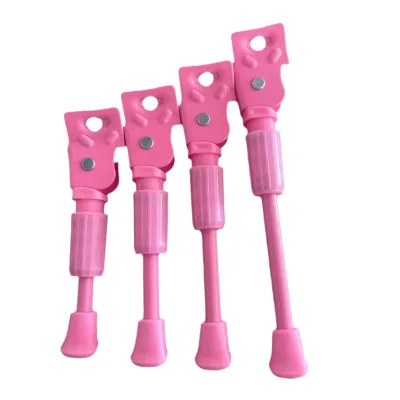
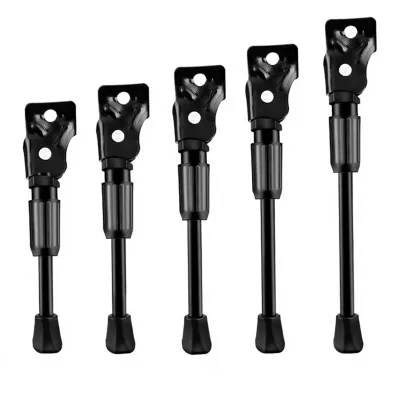
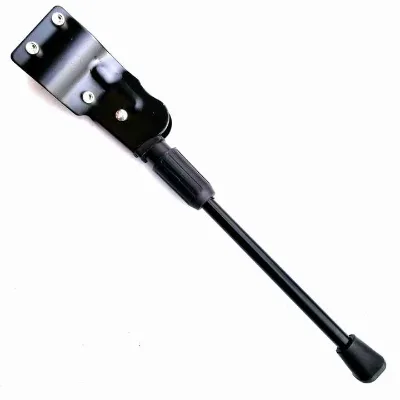
Aluminum Alloy Bike Kickstand Adjustable Universal Bike Stand Fits for 12-20 Inch
$0.80 - $1.80
MOQ: 300 Pieces


Jiangsu B-Line Tools Co., Ltd.
- Combined
- China Jiangsu
- Lead time30 days
- Avg. response≤ 11h
Main productsPainting Tools, Paint Accessories, Bicycle Accessories, Car Accessory, Hand Tools, Bottle and Straw
Main marketsSouth America,East Asia(Japan/ South Korea),Europe,Australia,North America


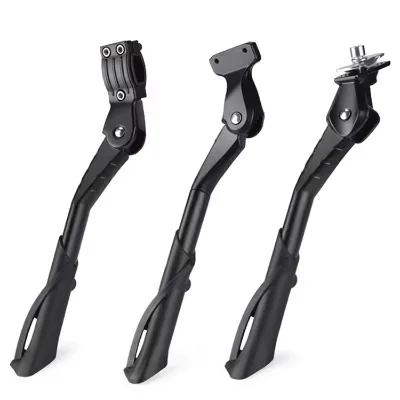
Alloy Adjustable Height Rear Side Bicycle Kick Stand Bike Kickstand for Sale
$2.80 - $4.20
MOQ: 1000 Pieces


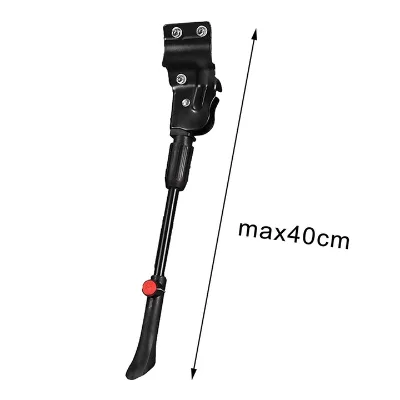
Adjustable Rear Mount Bicycle Bike Kickstand for 24" - 29" Bikes Bicycle
$2.10 - $3.10
MOQ: 1000 Pieces
Nanning Bernee Machinery Technology Co., Ltd.
- Trading Company
- Guangxi, China
- Lead time0 days
- Avg. response≤ 2h
Main productsbicycle forks manufacturer,bicycle parts supply,ebike parts supply,bicycle assembly,electric bicycle assembly
Main marketsDomestic Market(50.00%), Eastern Europe(20.00%), Southeast Asia(20.00%), Northern Europe(15.00%), Western Europe(15.00%), Eastern Asia(15.00%), Mid East(15.00%), Africa(15.00%), North America(15.00%), South America(10.00%), Southern Europe(10.00%)

Dongguan Tangxia Huadi Outdoor Cycling Equipment Factory
- Verified by SGS
- Combined
- China Guangdong
- Lead time15 days
- Avg. response≤ 6h
Main productsBike Part, Mountain Bike/Road Bike Rearview Mirror, Bicycle Umbrella Stand, Road Bike Handlebar Tape, Bicycle/Electric Scooter Phone Mount, Bicycle Computer Mount, Bicycle Water Bottle Holder with Non-Drilling St, Multifunctional Cup Holder, Bicycle Water Bottle Holder
Main marketsDomestic


Bicycle /Mountain Temple/Bicycle Spare Parts Aluminum Alloy Bicycle Kickstand 20/24/26inch
$0.80 - $1.30
MOQ: 100 Pieces
Yiwu Feilang Import And Export Co., Ltd.
- Trading Company
- Zhejiang, China
- Lead time15 days
- Avg. response≤ 4h
Main productsBicycle Light,Bicycle Lock,Bicycle holder,Cycling wear,Bicycle repair tools
Main marketsWestern Europe(20.00%), Eastern Europe(20.00%), South America(20.00%), North America(20.00%), Southern Europe(10.00%), Africa(10.00%)

Ningbo Jalyn International Trading Co., Ltd.
- Trading Company,Manufacturer/Factory
- China Zhejiang
- Lead time30 days
- Avg. response≤ 21h
Main productsMotorcycle Parts, Motorcycle Accessories, Aftermarket Motorcycle Parts, ATV Parts, Bicycle Parts, Motorcycle Plastic Parts, Motorcycle Mirror, Motorcycle Handle Grips, Motorcycle Engine, Bicycle Accessories
Main marketsSouth America,Eastern Europe,North America,Eastern Asia,Oceania,Western Europe,Africa
JIANGXI KAIDA IMPORT AND EXPORT CO., LTD.
- Trading Company
- Jiangxi, China
- Lead time25 days
- Avg. response≤ 9h
Main productsTricycle parts,scooter parts,E-bike parts,wheel hub,tyre
Main marketsSoutheast Asia(30.00%), Mid East(15.00%), Eastern Asia(15.00%), Eastern Europe(10.00%), South America(10.00%), Western Europe(10.00%), Africa(5.00%), North America(5.00%)
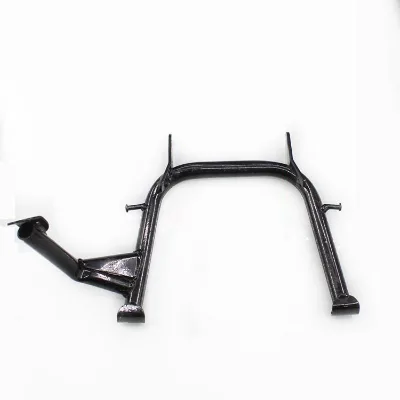
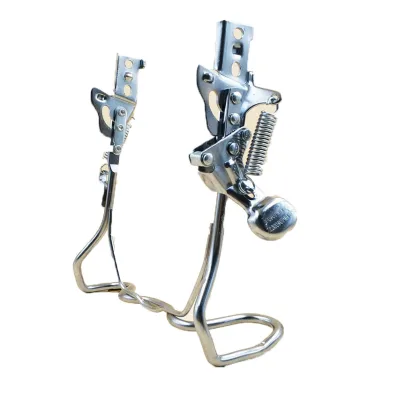
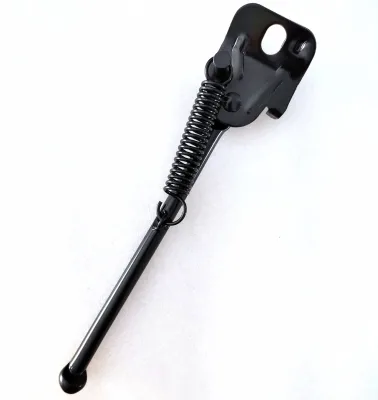
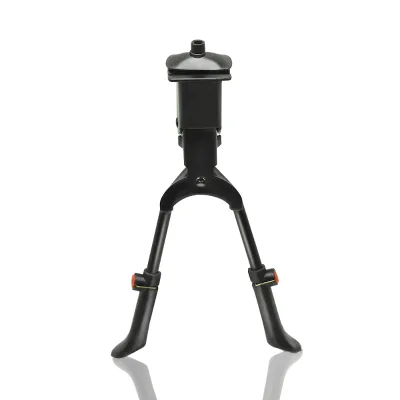
Universal Motorcycle Kickstand Bicycle Double Kickstand Bicycle Kickstand Steel Center Support Leg
$1.41 - $1.53
MOQ: 100 sets

SHENZHEN XINHANFENG TRADING CO., LTD.
- Verified by CTI
- Trading Company
- China Guangdong
- Lead time45 days
- Avg. response≤ 22h
Main productsBicycle Part, Bicycle Bag, Bicycle Light, Bicycle Helmet, Bicycle Bell, Bicycle Basket, Bicycle Cage, Bicycle Bottle, Bicycle Tire, Bicycle Lock
Main marketsSouth America,Eastern Europe,Mid East,North America,Southeast Asia,Eastern Asia,Oceania,Western Europe,Africa

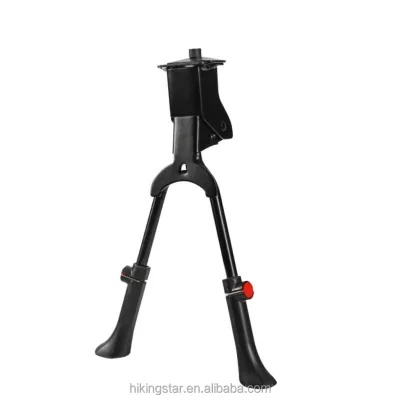
Bicycle Accessories Steel Bike Rear Kickstand Adjustable Kickstand (HKS-033)
$1.50 - $3.00
MOQ: 500 Pieces


Hebei Hongchi Bicycles Co., Ltd
- Verified by BV
- Manufacturer
- China Hebei
- Lead time15 days
- Avg. response≤ 8h
Main productsChainwheel&Crank, Bicycle Parts, Bicycle Accessories, Children Bike, Children Toy, Scooter, Stroller, Electric Car, Saddle, Basket
Hebei Rimao Technology Co., Ltd.
- Verified by TUVRHEINLAND
- Manufacturer/Factory
- China Hebei
- Lead time0 days
- Avg. response≤ 25h
Main productschildren's Toys
- Verified by TüVRheinland
- Trading Company
- Zhejiang, China
- Lead time40 days
- Avg. response≤ 3h
Main productsBicycle And Bicycle Parts, Ebike And Ebike Parts
Main marketsMid East(44%), South America(18%), North America(12%)

Xingtai Tianjiu Bicycle Parts Co., Ltd
- Verified by SGS
- Combined
- China Hebei
- Lead time30 days
- Avg. response≤ 4h
Main productsBicycle Parts, Bicycle, Bicycle Crank&Chainwheel, Bicycle Brake Sets, Saddle, Pedal, Bicycle Accessories, Bicycle Tire, Children Toy Vehicle, Bike Parts
Main marketsAfrica,Domestic,Europe
Guangxi Bernee Trading Co., Ltd.
- Manufacturer, Trading Company
- Guangxi, China
- Lead time20 days
- Avg. response≤ 2h
Main productsmaking forks oem&odm,all bicycle parts selling,ebike parts selling,mtb bicycle selling,ebike selling
Main marketsEastern Europe(15.00%), Western Europe(15.00%), South Asia(10.00%), Northern Europe(10.00%), South America(10.00%), Domestic Market(5.00%), Africa(5.00%), Southern Europe(5.00%), Southeast Asia(5.00%), Central America(5.00%), North America(5.00%), Eastern Asia(5.00%), Mid East(5.00%), Oceania(5.00%)
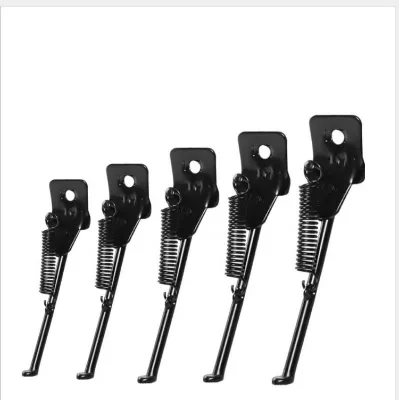
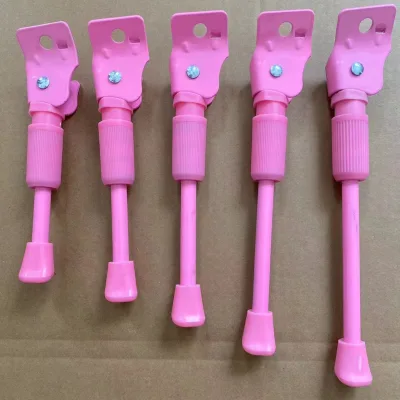
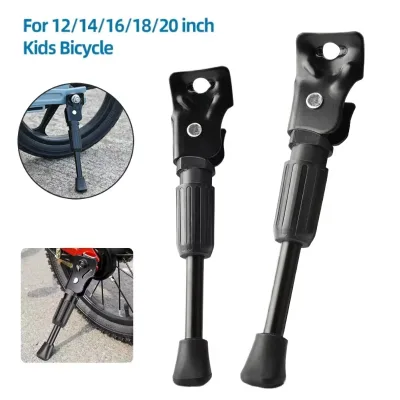
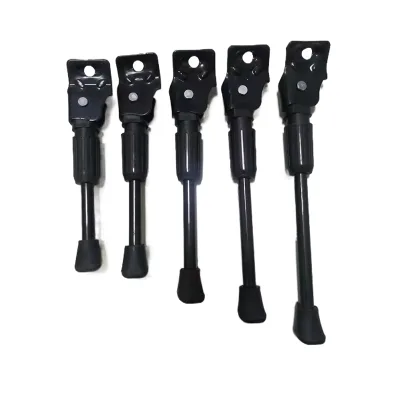
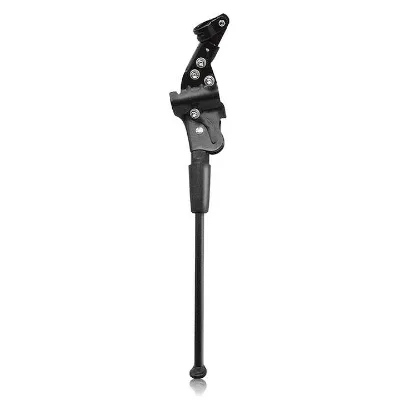
12/14/16/18/20inch Children Bike Side Kickstand Aluminium Alloy Thru Axle Bicycle Side Kick Stand
$0.31 - $0.51
MOQ: 20 pieces
Dongguan Yuelaike Sports Products Co., Ltd.
- Trading Company
- Guangdong, China
- Lead time15 days
- Avg. response≤ 3h
Main productsFitting sport,Bike parts,Outdoor sports,Roller
Main marketsNorth America(30.00%), Western Europe(25.00%), South Asia(10.00%), Northern Europe(10.00%), South America(10.00%), Africa(5.00%), Southeast Asia(5.00%), Eastern Europe(5.00%)
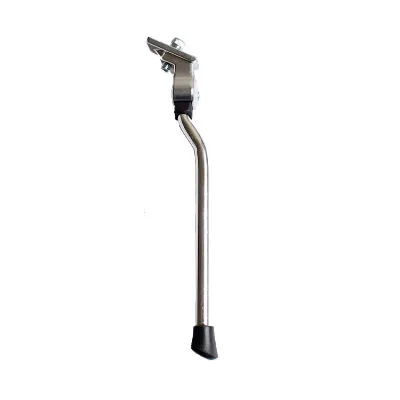
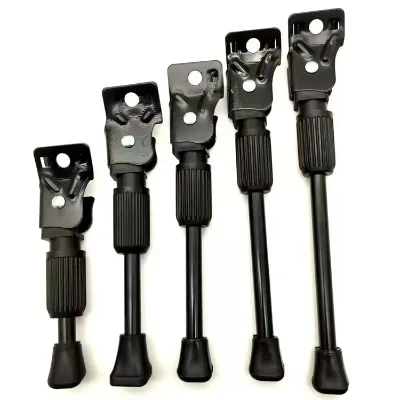
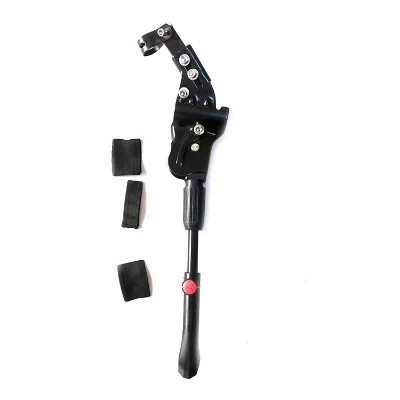
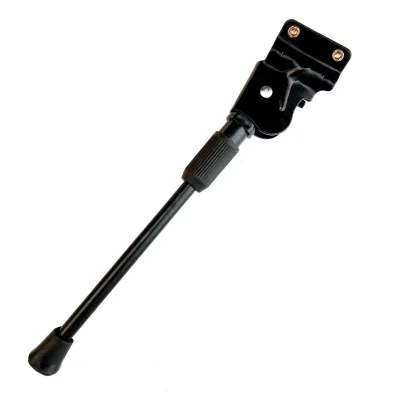
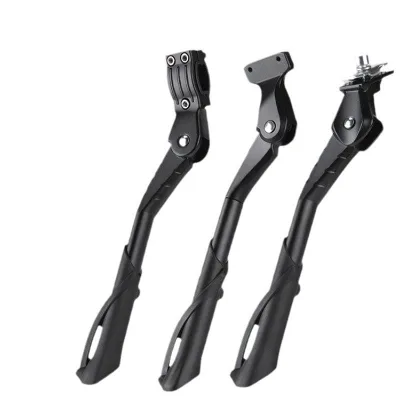
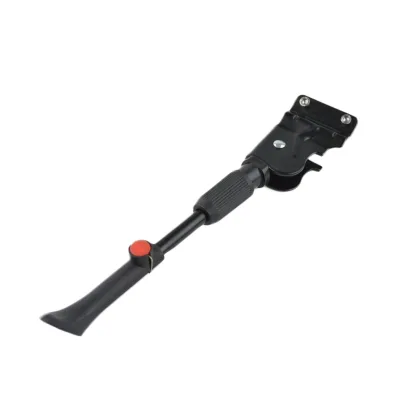
High Quality Safety Adjustable Bicycle Kickstand Lightweight Replaceable for Mountain Road Bike
$2.46 - $4.10
MOQ: 2 pieces
Pengjia (Shenzhen) Technology Co., Ltd.
- Manufacturer, Trading Company, Distributor/Wholesaler
- Guangdong, China
- Lead time0 days
- Avg. response≤ 4h
Main productsBicycle Lights,Bicycle Pumps,Bicycle Grips,Bicycle Tapes,Bicycle Accessories
Main marketsNorth America(40.00%), Eastern Europe(25.00%), Western Europe(10.00%), Africa(5.00%), Mid East(5.00%)

Anhui Hongjian Electronic Technology Co., Ltd.
- Verified by CTI
- Combined
- China Anhui
- Lead time15 days
- Avg. response≤ 3h
Main marketsAfrica,Southeast Asia/ Mideast,Domestic,Europe

Quick Release Adjustable Kickstand Universal Bicycle Side Stand Electric Bicycle Kickstand
$2.93 - $3.45
MOQ: 200 Pieces

Nanjing Hiking Star Sports Products Co., Ltd.
- Verified by SGS Group
- Manufacturer, Trading Company
- Lead time7 days
- Avg. response≤ 2h
Main productsBicycle Saddle, Bicycle Frame, Electric Bicycle, Bicycle Accessory
Main marketsNorthern Europe(40%), Southern Europe(30%), North America(20%)

XINGTAI WINWAY IMPORT & EXPORT TRADING CO., LTD.
- Trading Company
- China Hebei
- Lead time23 days
- Avg. response≤ 21h
Main productsMotorcycle Shock Absorber, Motorcycle Brake Shoe, Motorcycle Cable, Motorcycle Sprocket, Motorcycle Mirror, Motorcycle Speedometer, Motorcycle Headlight, Motorcycle Oil Seal, Motorcycle Spark Plug, Motorcycle Kick Staerter
Main marketsSouth America,Africa,Southeast Asia/ Mideast
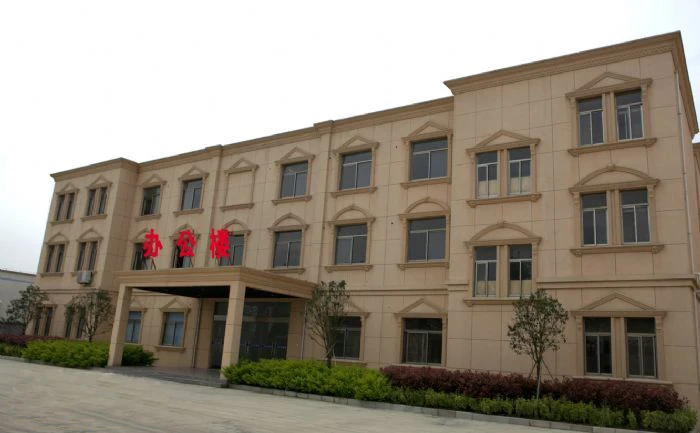
Hebei Jinli Bicycle Parts Co., Ltd.
- Trading Company
- Hebei, China
- Lead time0 days
- Avg. response≤ 12h
Main productsBike Kickstand,Bike Parking Stand; Bike Trainer; Bike Repair Stand; Bike Rear Carrier,bike repair stand,bike rack,Bike Trainer
Main marketsWestern Europe(40.00%), Northern Europe(30.00%), Domestic Market(10.00%), Eastern Europe(6.00%), Southern Europe(5.00%), South Asia(1.00%), Central America(1.00%), North America(1.00%), Africa(1.00%), South America(1.00%), Eastern Asia(1.00%), Southeast Asia(1.00%), Mid East(1.00%), Oceania(1.00%)
Hebei Huansen Automotive Industry Co., Ltd.
- Verified by TüVRheinland
- Manufacturer, Trading Company
- Lead time0 days
- Avg. response≤ 3h
Main productsBicycle Luggage Rack, Bicycle Wall Hanger, Bicycle Parking Rack, Bicycle Foot Brace, Bicycle Mobile Phone Bracket
Main marketsDomestic Market(50%), Eastern Europe(10%), Southern Europe(10%)
Hebei Haozun Trading Co., Ltd.
- Trading Company
- Hebei, China
- Lead time10 days
- Avg. response≤ 8h
Main productsMountain Bike, Bike Cassette, Bike Chain, Bike Tires, Shimano Parts
Main marketsWestern Europe(25.00%), North America(20.00%), South America(10.00%), Eastern Europe(10.00%), Mid East(10.00%), Oceania(7.00%), Southeast Asia(5.00%), Northern Europe(4.00%), Southern Europe(3.00%), Central America(3.00%), Africa(2.00%), Eastern Asia(1.00%)
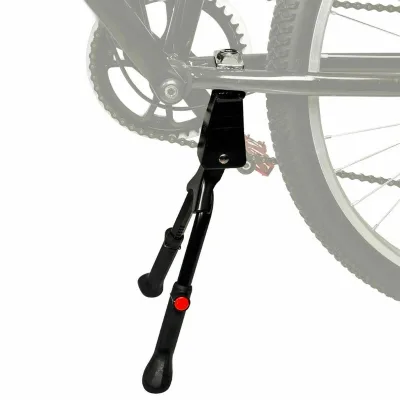
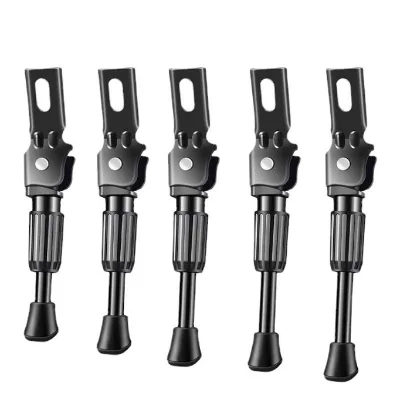
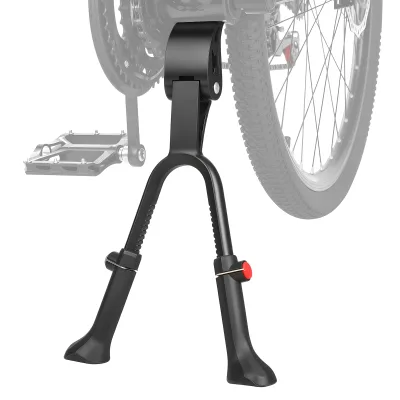
Bike Middle Double Kickstand Support Steel Fit for 26-29 Inch 700C Bicycle Kick Bike Stands
$1.11 - $2.18
MOQ: 50 pieces
Jinhua Beite Industry And Trade Co., Ltd.
- Manufacturer
- Zhejiang, China
- Lead time20 days
- Avg. response≤ 4h
Main productsElectric bike,Fat ebike,Folding ebike,Horse carriage,Mobility Scooter
Main marketsWestern Europe(50.00%), North America(20.00%), Mid East(10.00%), Southern Europe(10.00%), Eastern Europe(5.00%), South America(5.00%)
Ningbo Haishu District Yongteng Vehicle Parts Co., Ltd.
- Manufacturer, Trading Company
- Zhejiang, China
- Lead time20 days
- Avg. response≤ 12h
Main productsQuick release,Seat post clamp,Stem extender,Threaded headset,Grips
Main marketsNorth America(30.00%), Domestic Market(10.00%), Northern Europe(10.00%), Central America(10.00%), South America(10.00%), Eastern Asia(5.00%), South Asia(5.00%), Southern Europe(5.00%), Southeast Asia(5.00%), Eastern Europe(5.00%), Western Europe(5.00%)

Hebei Naqiang Automobile Industry Co., Ltd
- Verified by TUVRHEINLAND
- Manufacturer/Factory
- China Hebei
- Lead time30 days
- Avg. response≤ 3h
Main productsElectric Bike, E Bike, Scooter, Children Toy, Balance Bike, Sport Product, Motor Bike, Bike Spear Parts
Main marketsSouth America,Eastern Europe,Mid East,North America,Southeast Asia,Eastern Asia,Oceania,Western Europe,Africa

- Verified by TUVRHEINLAND
- Trading Company,Manufacturer/Factory
- China Tianjin
- Lead time45 days
- Avg. response≤ 11h
Main productsMountain Bike, Electric Bicycle, Folding Bike, City Bike, Road Bike, Electric Scooter, Adult Tricycle, Kids Bike, Baby Tricycle, Baby Stroller
Main marketsSouth America,Eastern Europe,Mid East,North America,Southeast Asia,Eastern Asia,Oceania,Western Europe,Africa

- Trading Company,Manufacturer/Factory
- China Tianjin
- Lead time45 days
- Avg. response≤ 14h
Main productsMountain Bike, Electric Bicycle, Folding Bike, City Bike, Kids Bike, Baby Tricycle, Adult Tricycle, Road Bike, Electric Scooter
Main marketsSouth America,Eastern Europe,Mid East,North America,Southeast Asia,Eastern Asia,Oceania,Western Europe,Africa






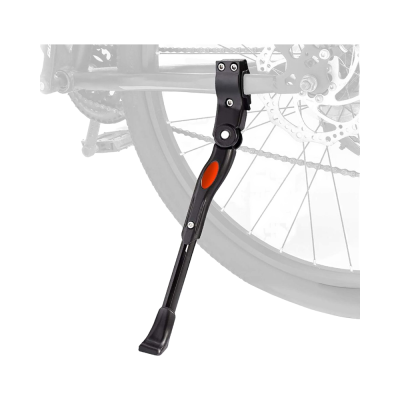
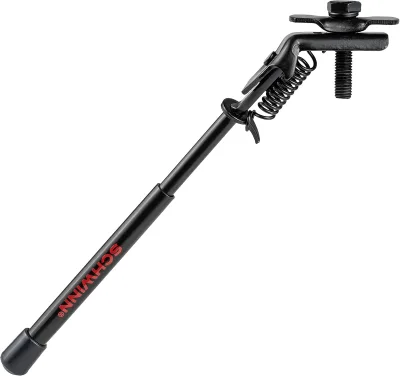
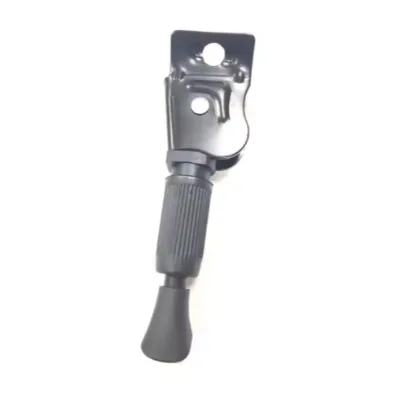
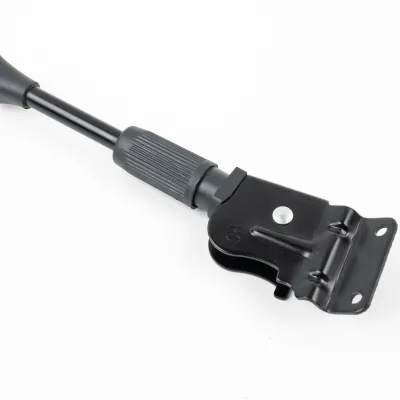


Comprehensive Sourcing Guide
Kids Bike Kickstand Supplier Concentration and Factory Types
Current data indicates a concentration of manufacturing activity in China, specifically within the Hebei and Jiangsu provinces, alongside operations in Guangxi. These regions host a mix of company types, including dedicated manufacturers, trading companies, and combined entities that handle both production and distribution. Manufacturers in these areas often possess their own brands and offer OEM or ODM capabilities, suggesting a capacity for customizing products like steel or alloy kickstands for specific age groups. The presence of combined entities implies a supply chain that may integrate painting tools or other bicycle accessories, potentially streamlining the procurement of related items alongside the primary kickstand order.
When evaluating the factory types, buyers should note that some suppliers list their main products as bicycle parts and accessories, while others focus on broader categories like electric bicycle parts or general hand tools. The distinction between a pure manufacturer and a trading company is critical for understanding the depth of technical support available. Manufacturers typically control the welding processes, such as argon-arc welding, and material selection, ranging from steel frames to aluminum alloys. Trading companies may offer a wider variety of models but might have less direct control over the production timeline or specific customization details. Verifying the actual company type against the listed main products helps determine if the supplier can handle complex orders or if they are primarily resellers of existing inventory.
How to Verify Kids Bike Kickstand Suppliers
Verification begins with scrutinizing the response time and the specific product attributes listed in the supplier's catalog. Some suppliers demonstrate rapid engagement with response times as low as two hours, while others may take over ten hours to reply. Buyers must cross-reference these response metrics with the detailed product evidence provided, such as the specific model numbers like 9495H or SL-KC001, and the associated certifications. For instance, certain listings explicitly state CE certification, while others may only list a Declaration of Conformity or no system certification at all. This discrepancy requires immediate clarification to ensure the products meet the safety standards required for children's bicycles.
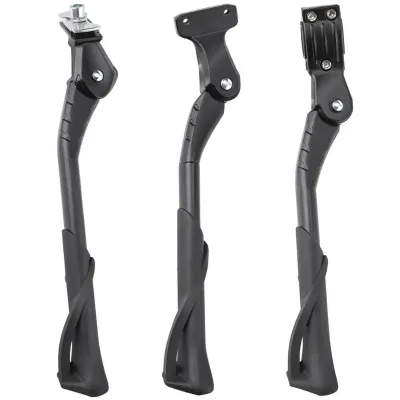
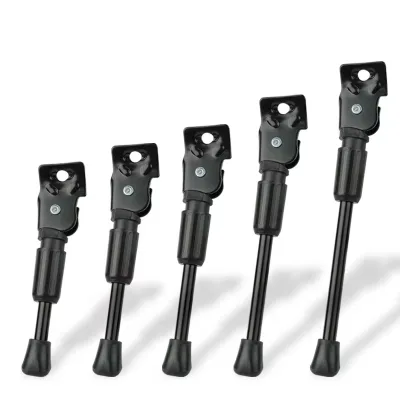
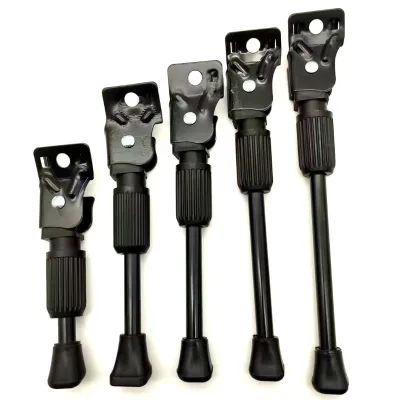
Beyond response speed, buyers should verify the physical attributes of the kickstand against the supplier's claims. Evidence shows variations in materials, with some products using steel frames and others utilizing aluminum alloy or general alloy constructions. The mounting type is another critical verification point, as some kickstands are designed for pivot mounting while others require chain stay welding or specific mounting holes. Buyers must confirm that the listed fit dimensions, such as 12-20 inches or 24-29 inches, align with their specific inventory needs. If a supplier claims customization is available, they must provide clear evidence of how the frame material, color, or length can be adjusted to meet unique requirements without compromising structural integrity.
What to Compare Across Kids Bike Kickstand Suppliers
Comparing suppliers requires a detailed analysis of lead times, minimum order quantities, and pricing structures. Lead times vary significantly, with some suppliers indicating a standard thirty-day window, while others may list zero days, which warrants further investigation into their stock availability. Minimum order quantities also differ, ranging from 300 units for certain steel models to 1000 units for adjustable alloy stands. Buyers must calculate the total cost of ownership by factoring in these MOQs alongside the unit price, which can range from $0.70 to $4.20 depending on the material and complexity of the design. A lower unit price might be offset by a higher MOQ, affecting the overall budget and cash flow for the order.
In addition to cost and volume, the scope of main products and certification status should be compared across potential partners. Some suppliers specialize in bicycle parts and accessories, while others offer a broader range including painting tools or car accessories. The presence of certifications like BSCI or CE is a key differentiator, as it indicates adherence to specific social and safety standards. Buyers should also compare the customization options available, noting whether a supplier offers non-customized items only or provides flexible customization for age groups, colors, and frame materials. A supplier with a broader product range might offer better bundling opportunities, but a specialized manufacturer might provide superior quality control for the specific kickstand models required.
Common Kids Bike Kickstand Sourcing Risks
One significant risk involves the inconsistency of certification claims across different product listings. While some products explicitly list CE certification, others show no system certification or only a Declaration of Conformity. This lack of uniformity can lead to compliance issues if the buyer imports these items into markets with strict safety regulations for children's products. Furthermore, the variation in material specifications, such as the use of steel versus aluminum alloy, presents a quality risk if the supplier does not clearly define the welding standards or frame durability. Buyers must ensure that the argon-arc welding mentioned in some listings is consistently applied to prevent structural failures in the final product.
Another risk lies in the ambiguity of lead times and the actual capacity of the supplier to fulfill orders. A listed lead time of zero days might suggest immediate stock availability, but this could also indicate a lack of production capacity or a reliance on third-party fulfillment. If a supplier claims to offer OEM or ODM services, there is a risk that the customization process may introduce delays or quality deviations if not managed correctly. Additionally, the fit specifications for different bike sizes, such as 12-20 inches versus 24-29 inches, must be verified to ensure the kickstand is compatible with the intended bicycle models. Misalignment in these specifications can result in rejected shipments and significant financial losses for the buyer.
Kids Bike Kickstand Regional Sourcing and Logistics
Sourcing from China, particularly from regions like Hebei, Jiangsu, and Guangxi, offers access to a dense network of bicycle component manufacturers. These regions are known for their specialized clusters in bicycle parts and accessories, which can facilitate efficient logistics and reduced shipping costs for bulk orders. However, buyers must account for the geographical distance and the specific logistics capabilities of each supplier. Some suppliers may have established relationships with freight forwarders, while others might require the buyer to arrange their own shipping. Understanding the origin of the product, whether it is explicitly stated as Hebei or China, helps in assessing the reliability of the supply chain and the potential for transit delays.
Logistics planning should also consider the packaging standards and the physical dimensions of the products. Evidence shows that kickstands are often packed in cartons with specific dimensions, such as 3174 cm or 345-400mm lengths. These dimensions impact the number of units that can be loaded into a container, directly affecting the shipping cost per unit. Buyers should verify the packing details with the supplier to ensure that the packaging is robust enough to prevent damage during transit. Additionally, the origin of the product, whether it is a direct factory output or a trading company's inventory, can influence the speed of dispatch and the accuracy of the shipping documentation required for customs clearance.
Kids Bike Kickstand Commercial Terms and Order Planning
Commercial terms for Kids Bike Kickstand orders often revolve around the minimum order quantity and the pricing tiers associated with different volumes. Suppliers may offer unit prices ranging from $0.70 to $4.20, with lower prices typically requiring higher order volumes. Buyers must carefully plan their orders to meet these MOQs, which can range from 300 to 1000 units, to avoid incurring additional costs or facing stock shortages. The customization options available, such as specific colors or frame materials, may also influence the commercial terms, potentially adding to the lead time or unit cost. It is essential to negotiate these terms clearly before placing an order to ensure that the final agreement aligns with the buyer's budget and inventory requirements.
Order planning should also account for the response time and the reliability of the supplier in meeting delivery schedules. Suppliers with faster response times, such as those with a two-hour response window, may be better equipped to handle urgent orders or last-minute changes. However, buyers must verify that the claimed response time translates into actual production efficiency and timely delivery. The lead time, whether it is thirty days or zero days, should be factored into the overall supply chain timeline to prevent stockouts. Additionally, buyers should consider the potential for escrow services or other payment protections to mitigate risks associated with non-delivery or quality issues, ensuring a secure transaction throughout the procurement process.
FAQs
What is the price range for kids bike kickstands?
Kids bike kickstands typically cost between $0.70 and $4.20 per unit. Prices vary based on material and customization. Steel models start around $0.80, while alloy options range higher. Bulk orders often secure lower rates, with minimum order quantities starting at 300 units for standard items.
What materials are used for children's bicycle kickstands?
Manufacturers primarily use steel and aluminum alloy for durability. Steel frames offer strength for younger riders, while aluminum provides lightweight performance. Some products feature argon-arc welding for enhanced structural integrity. Buyers can choose between standard steel or premium alloy options depending on budget and weight requirements.
What certifications are available for kids bike accessories?
Many kickstands carry CE certification for safety compliance. Some suppliers also hold BSCI certification for social responsibility standards. These certifications ensure products meet international quality and ethical manufacturing guidelines. Buyers should verify specific certificates for their target markets to ensure regulatory compliance and product safety assurance.
What is the typical lead time for orders?
Standard production lead times are approximately 30 days. Some suppliers offer faster turnaround options with zero-day processing for specific items. Response times vary, with some manufacturers replying within two hours. Buyers should confirm exact schedules with suppliers to align with their inventory needs and shipping deadlines.
What is the minimum order quantity for kickstands?
Minimum order quantities typically range from 300 to 1000 units. Lower MOQs may be available for standard steel models, while alloy or customized options often require higher volumes. Bulk purchasing helps reduce per-unit costs. Buyers should check specific supplier requirements to determine the best fit for their order size.
Where are these suppliers located?
Manufacturers are primarily located in China, including Hebei, Jiangsu, and Guangxi regions. These areas specialize in bicycle parts and accessories production. Buyers can source from various locations depending on logistics preferences. Proximity to ports may influence shipping costs and delivery times for international orders.