Kickstand Extension for Kawasaki Eliminator Suppliers And Manufacturers
Explore 17 verified options for Kickstand Extension for Kawasaki Eliminator parts sourced from Guangdong and Zhejiang. Compare lead times, response speeds, and material specifications to find the right fit. Contact suppliers directly to request quotes and verify warranty terms; review the available evidence before requesting comparable quotations from suitable candidates.
Suppliers List
Guangzhou Defeng E-Commerce Co., Ltd.
- Trading Company, Distributor/Wholesaler
- Guangdong, China
- Lead time30 days
- Avg. response≤ 3h
Main productsMotorcycle protective cover
Main marketsEastern Europe(30.00%), South America(30.00%), North America(30.00%), Western Europe(10.00%)
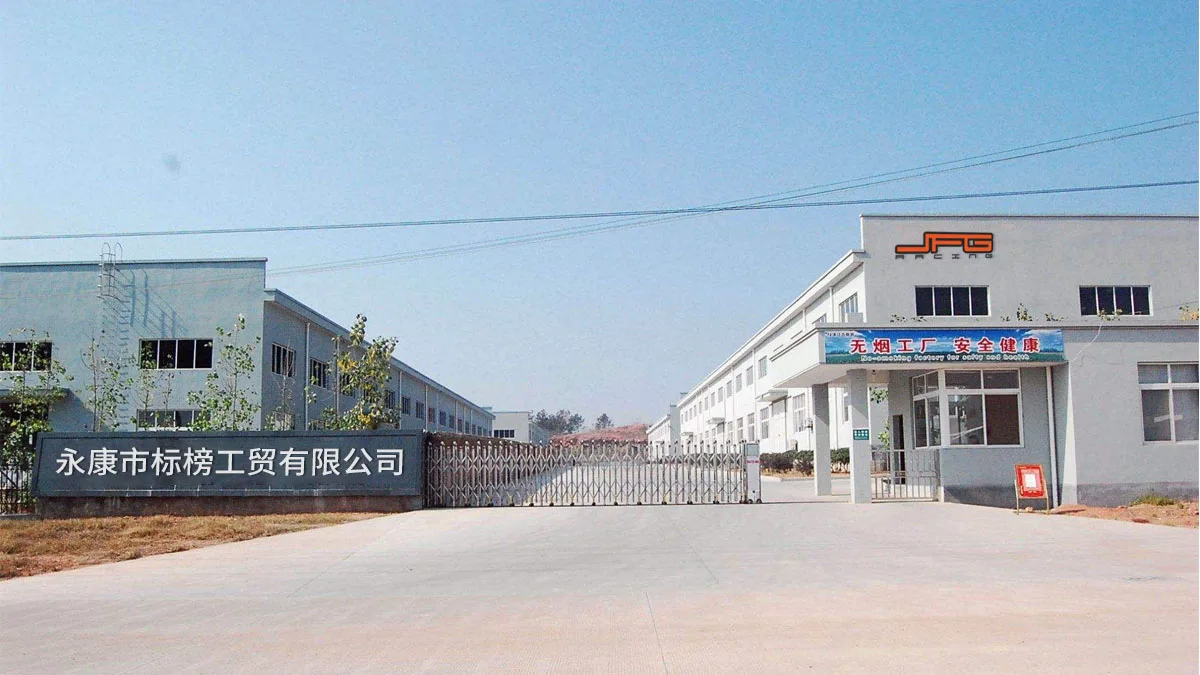
Yongkang Biaobang Industry & Trading Co., Ltd.
- Trading Company
- Zhejiang, China
- Lead time15 days
- Avg. response≤ 3h
Main productsCNC Customize,Carbon Fiber Customize,Plastic Customize,Handlebar Customize,Chain Custmozie
Main marketsOceania(10.00%), Eastern Asia(10.00%), Southeast Asia(10.00%), Eastern Europe(10.00%), South America(10.00%), North America(10.00%), Western Europe(6.00%), Northern Europe(6.00%), Domestic Market(6.00%), Southern Europe(5.00%), Africa(5.00%), Central America(5.00%), Mid East(4.00%), South Asia(3.00%)
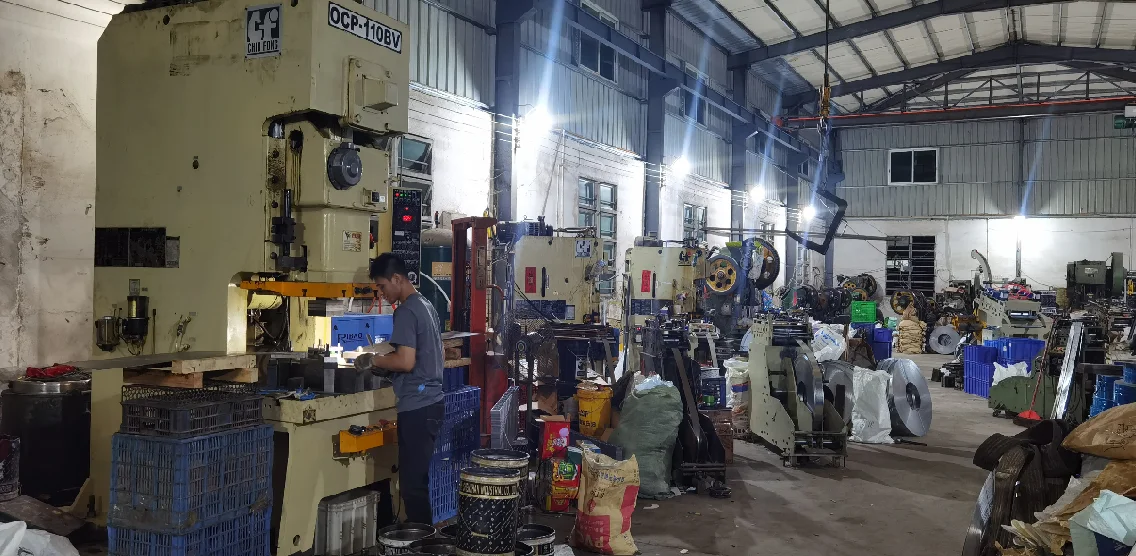
Guangzhou Jinbalai Trading Co., Ltd.
- Manufacturer, Trading Company
- Guangdong, China
- Lead time3 days
- Avg. response≤ 3h
Main productsMotorcycle Mirror,Motorcycle Grips,Motorcycle CNC Parts,Motorcycle Light,Motorcycle Brackets
Main marketsSouth Asia(30.00%), Western Europe(20.00%), North America(20.00%), South America(20.00%), Africa(10.00%)
Shenzhen Casdony Technology Co., Ltd.
- Manufacturer, Trading Company
- Lead time旺季: "1 - 201":30,"202 - 1001":60,"> 1001":"To be negotiated", 淡季: "1 - 201":30,"202 - 1001":60,"> 1001":"To be negotiated"
- Avg. response≤ 12h
Main productsVideo & Audio,iPhone Accessories,Computer Peripherals,Cameras & Photo Accessories,Smart Device & Safety
Yongkang Songhui Trading Co., Ltd.
- Verified by TüVRheinland
- Trading Company
- Lead time15 days
- Avg. response≤ 3h
Main productsMotorcycle CNC Accessories, Motorcycle Universal Accessories, Carbon Fiber Accessories, Motorcycle Ramps, Motorcycle Tools
Main marketsNorth America(38%), South America(20%), Southeast Asia(18%)
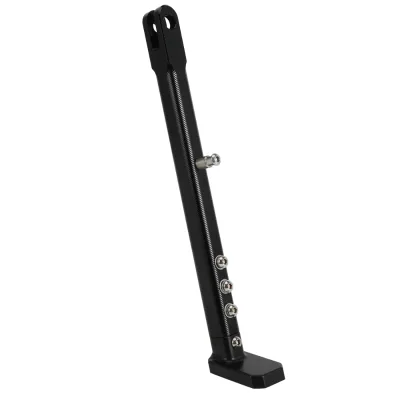
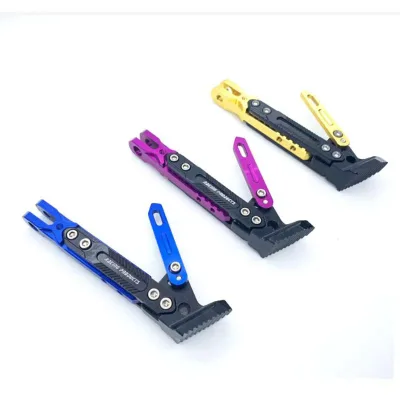
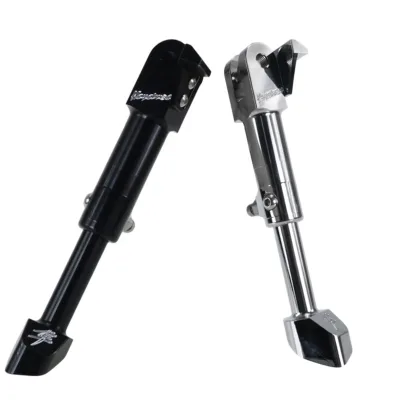
Motorcycle Adjustable Foot Side Support Stand Kickstand Universal for Honda
$20.00 - $25.00
MOQ: 2 sets
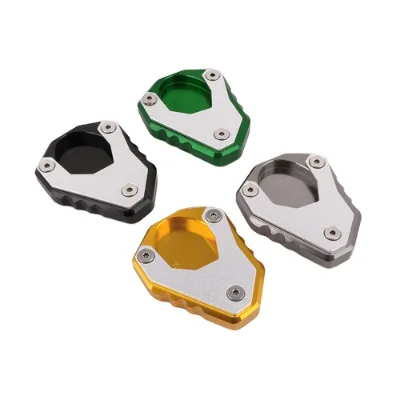
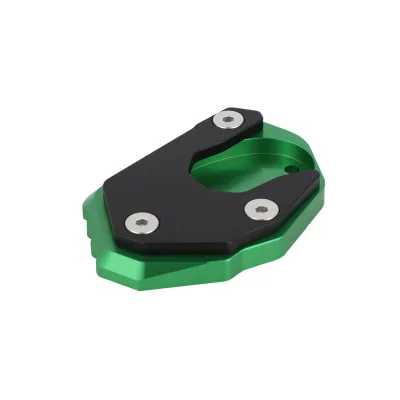
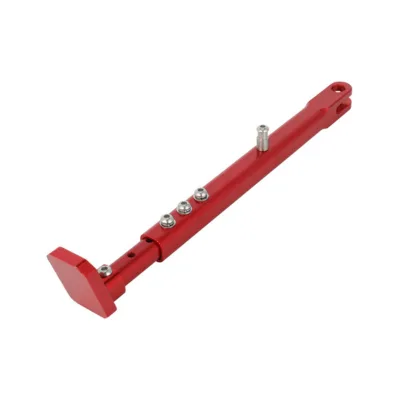
For Honda Adjustable Kickstand Foot Side Stand Universal
$20.00 - $25.00

- Verified by SGS
- Trading Company
- China Zhejiang
- Lead time15 days
- Avg. response≤ 19h
Main productsCar Mat, Car Air Freshener, Car Seat Cover, Steering Wheel Cover, Car Phone Holder, Car Roof Tent, Car Sunshade, Jerry Can
Main marketsEurope,Australia

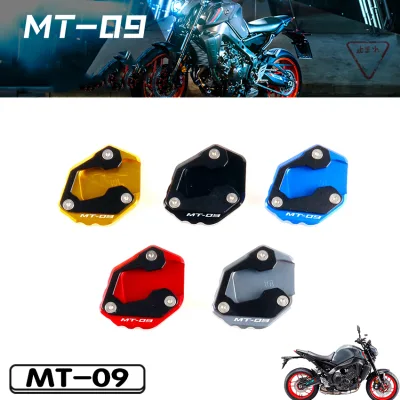
Premium Universal Rubber Side Stand Pad Protective Durable Motorcycle Kickstand Extension Pad
$0.15 - $0.17
MOQ: 5790 Pieces

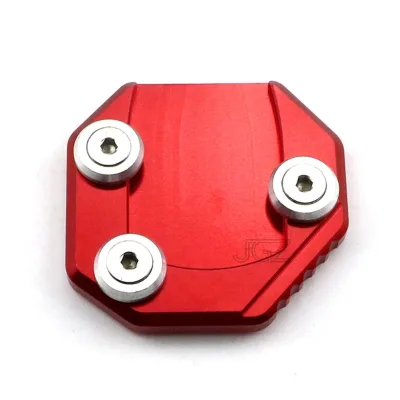
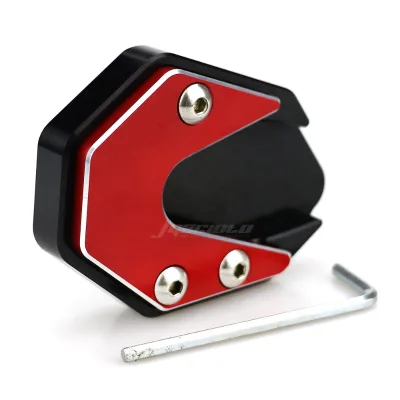
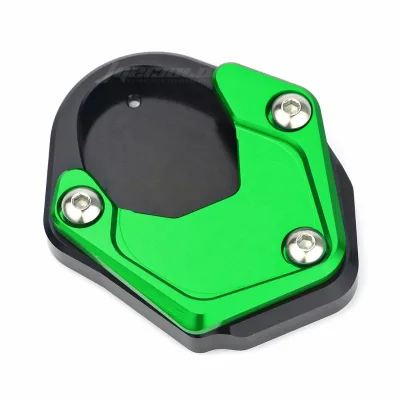
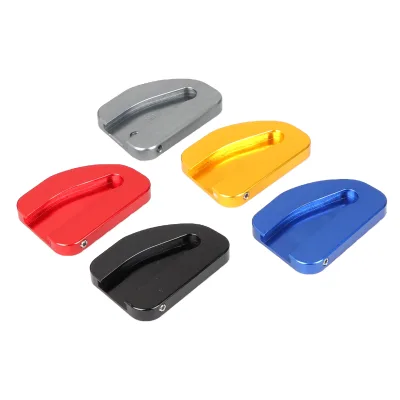
Premium CNC Aluminum Side Stand Extension Pad Protective Universal Motorcycle Kickstand Pad
$1.03 - $1.15
MOQ: 870 Pieces
Ningbo Inunion Import And Export Co., Ltd.
- Trading Company
- Lead time旺季: "1 - 10":36,"> 10":"To be negotiated", 淡季: "1 - 10":36,"> 10":"To be negotiated"
- Avg. response≤ 2h
Main productsMachining Parts, Stamping Parts, Casting Parts, Injection Plastic Parts
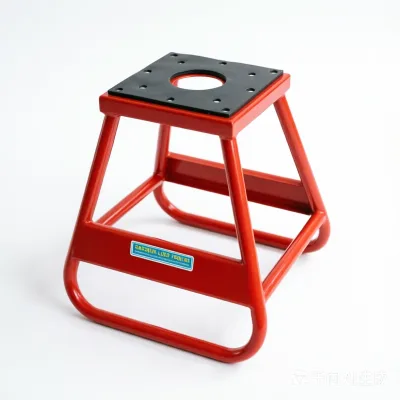
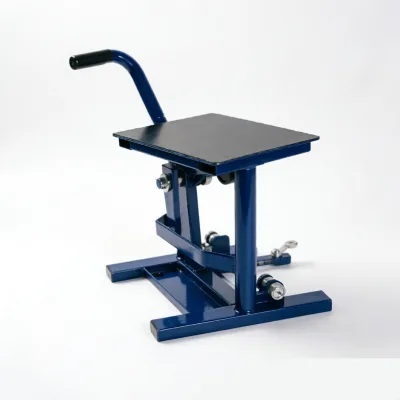
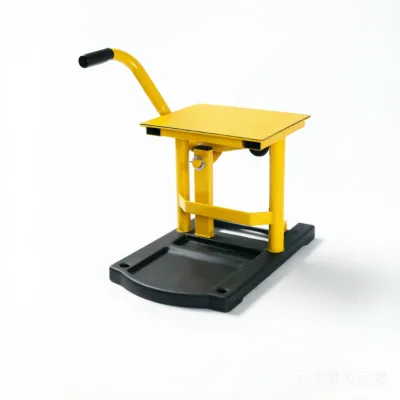
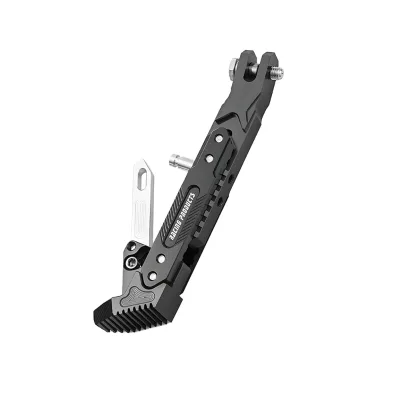
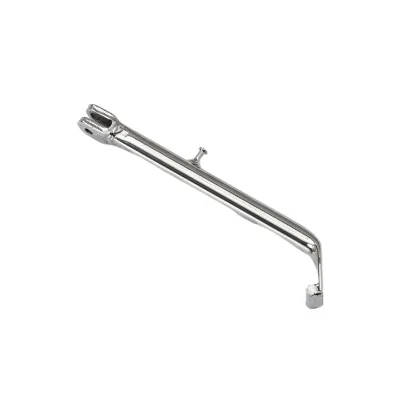
Durable Side Kickstand for Motorcycle Support
$15.00 - $28.00

Fuzhou Linde Technology Co., Ltd.
- Trading Company
- China Fujian
- Lead time0 days
- Avg. response≤ 2h
Main productsAuto Parts

Free Height Adjustment & Good Fit Silver Motorcycle Kickstand for E-Bike
$5.88 - $6.46
MOQ: 100 Pieces

Anodized Red Universal Side Stand Motorcycle Kickstand CNC Machined Stand
$5.88 - $6.46
MOQ: 100 Pieces


Jiangmen Xiaomanniu Motorcycle Parts Co., Ltd.
- Manufacturer
- Guangdong, China
- Lead time30 days
- Avg. response≤ 1h
Main productsMotorcycle Modification Parts,CNC Processing,Cnc One-stop Service,OEM/ODM Aluminum Alloy And Stainless Steel Products,Sheet Metal Processing
Main marketsDomestic Market(60.00%), Southeast Asia(15.00%), South Asia(5.00%), Eastern Europe(5.00%), Northern Europe(5.00%), Western Europe(5.00%), North America(5.00%)
Taizhou Huangyan Huakeqi Motorcycle Co., Ltd.
- Manufacturer
- Zhejiang, China
- Lead time0 days
- Avg. response≤ 4h
Main productsMotorcycle accessories
Main marketsNorth America(40.00%), South America(20.00%), Southern Europe(10.00%), Oceania(10.00%), Northern Europe(10.00%), Western Europe(5.00%), Eastern Europe(5.00%)
Foshan Mo Duo Dao Trading Co., Ltd.
- Verified by TüVRheinland
- Manufacturer, Trading Company
- Lead time0 days
- Avg. response≤ 4h
Main productsMotorcycle Accessories
Main marketsSoutheast Asia(30%), Northern Europe(30%), Eastern Europe(10%)
Guangzhou Fuxing Motorcycle Parts Co., Ltd.
- Verified by Intertek
- Trading Company
- Lead time5 days
- Avg. response≤ 3h
Main productsMotorcycle Brake Cluth Lever, Motorcycle Taillight, Motorcycle Windshield, Motorcycle Crash Guard, Motorcycle Water Tank Net
Main marketsNorth America(23%), South America(23%), Southeast Asia(14%)

Changzhou Showhum Precision Technology Co., Ltd.
- Verified by SGS
- Manufacturer/Factory
- China Jiangsu
- Lead time45 days
- Avg. response≤ 3h
Main productsCNC Part, CNC Machine Part, Car Parts, CNC Milling Part, Plastic Products, Forged Part, Welding Part, Waterjet Cutting Parts, Motorcycle Parts, Bicycle Parts
Main marketsSouth America,Eastern Europe,Mid East,North America,Eastern Asia,Western Europe

Guangzhou Fonsenx Technology Co.,ltd
- Manufacturer, Trading Company, Distributor/Wholesaler
- Guangdong, China
- Lead time15 days
- Avg. response≤ 7h
Main productsMotorcycles Parts,Dirt Bikes Parts,ATVS Parts,UTVS Parts,CNC Customization
Main marketsEastern Europe(20.00%), Western Europe(20.00%), North America(20.00%), South America(10.00%), Eastern Asia(10.00%), South Asia(5.00%), Africa(5.00%), Southeast Asia(5.00%)
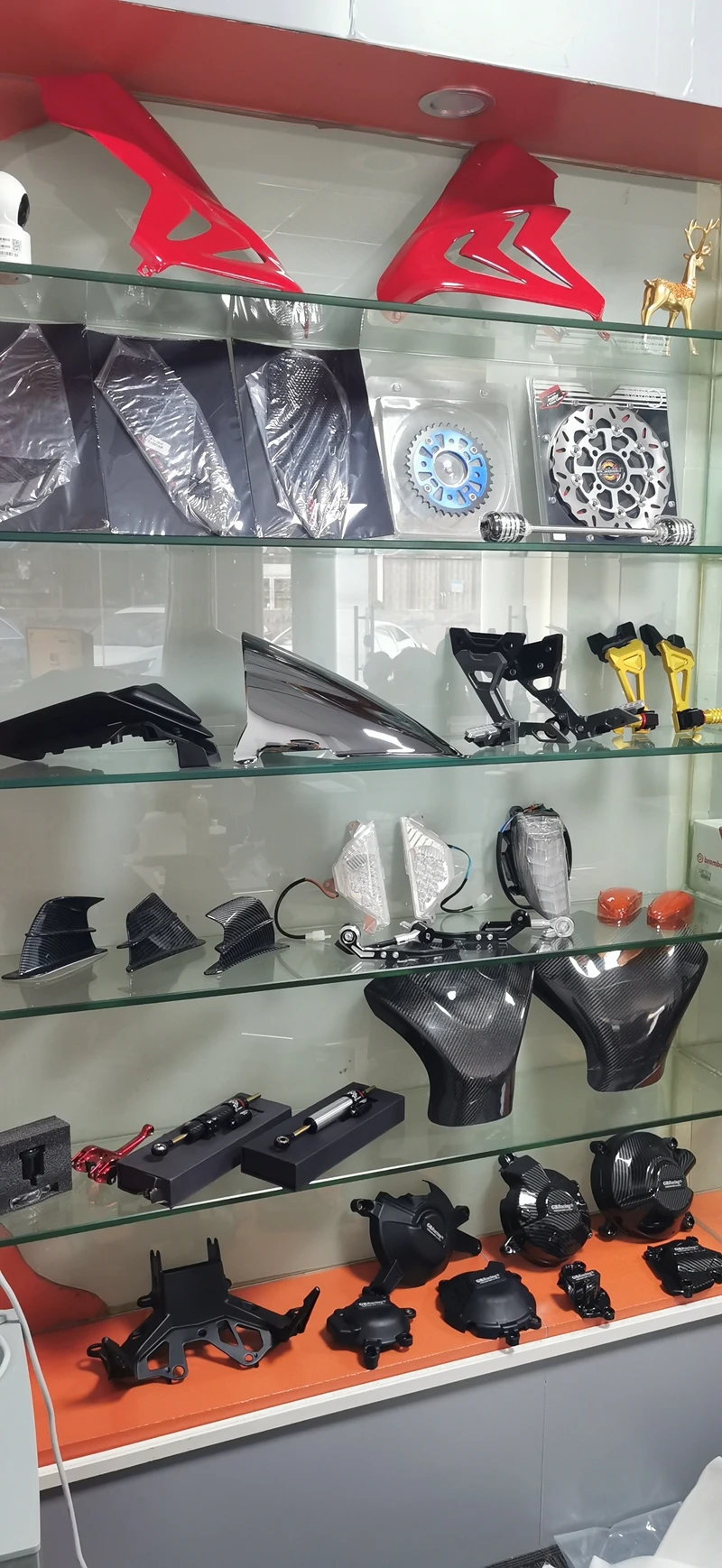
Guangzhou Jie Mozhi Trading Co., Ltd.
- Trading Company, Distributor/Wholesaler
- Guangdong, China
- Lead time7 days
- Avg. response≤ 5h
Main productsTail lights,Wheel Rims,ank Traction Pad,Foot rest,Lap timer
Main marketsSoutheast Asia(20.00%), Eastern Europe(20.00%), Southern Europe(20.00%), Western Europe(20.00%), Domestic Market(10.00%), Mid East(5.00%), South America(5.00%), North America(5.00%)

XINGTAI WINWAY IMPORT & EXPORT TRADING CO., LTD.
- Trading Company
- China Hebei
- Lead time23 days
- Avg. response≤ 20h
Main productsMotorcycle Shock Absorber, Motorcycle Brake Shoe, Motorcycle Cable, Motorcycle Sprocket, Motorcycle Mirror, Motorcycle Speedometer, Motorcycle Headlight, Motorcycle Oil Seal, Motorcycle Spark Plug, Motorcycle Kick Staerter
Main marketsSouth America,Africa,Southeast Asia/ Mideast
Chongqing Huanta Technology Co., Ltd.
- Trading Company
- Chongqing, China
- Lead time15 days
- Avg. response≤ 3h
Main productsCylinder Head assy,cylinder block,Crankshaft,Clutch,Motorcycle engine
Main marketsSouth America(35.00%), Southeast Asia(25.00%), Mid East(10.00%), Africa(7.00%)
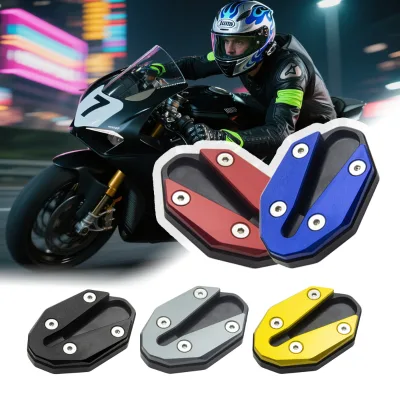
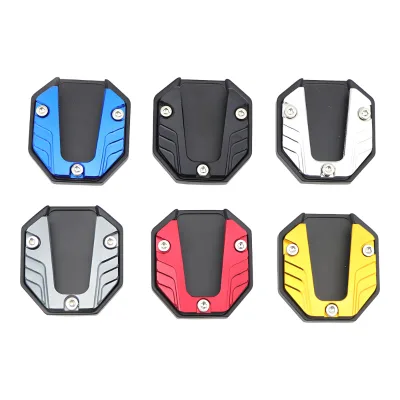
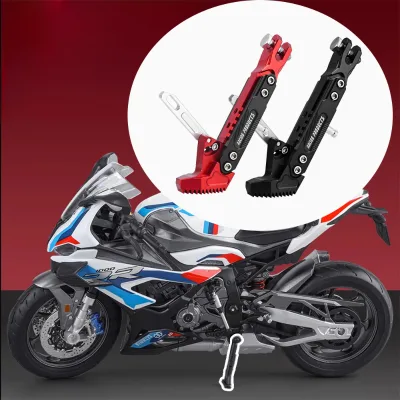
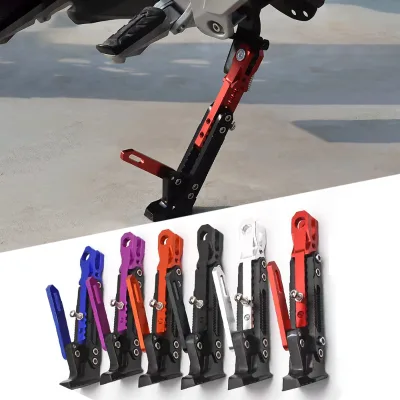


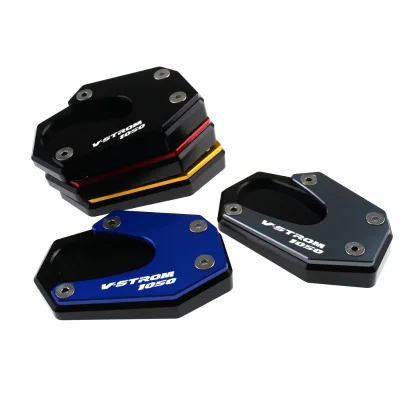
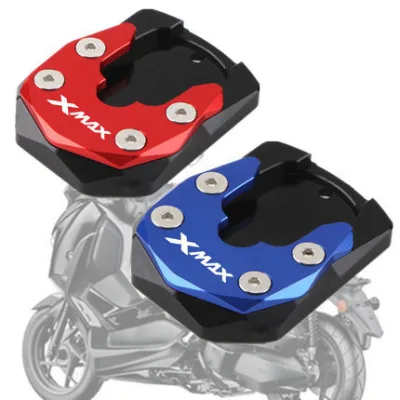
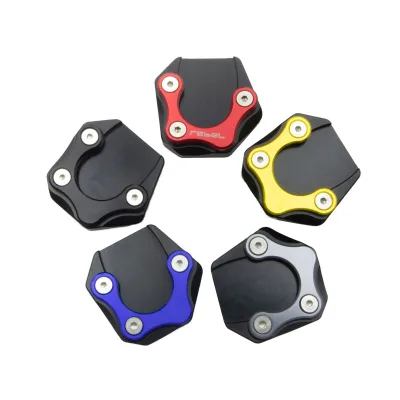
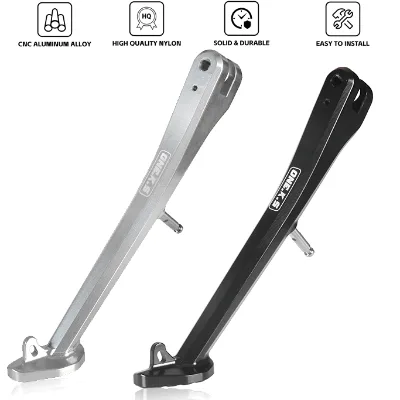


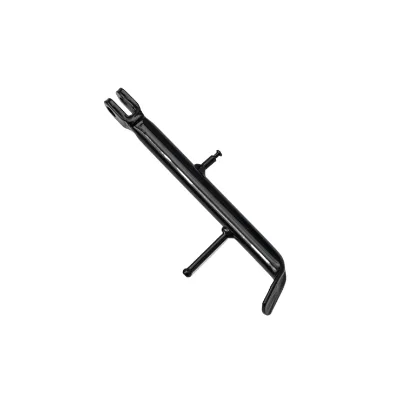
Comprehensive Sourcing Guide
Kickstand Extension for Kawasaki Eliminator Supplier Concentration and Factory Types
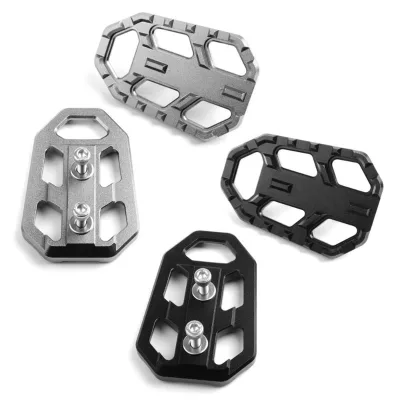
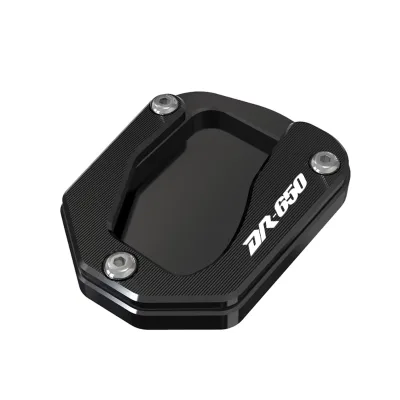
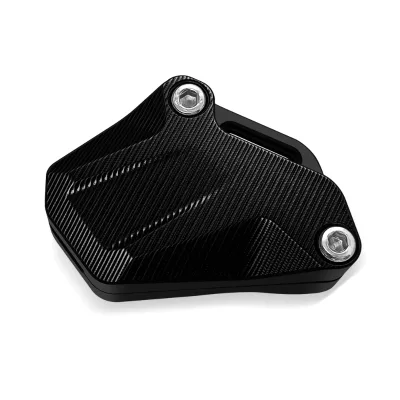
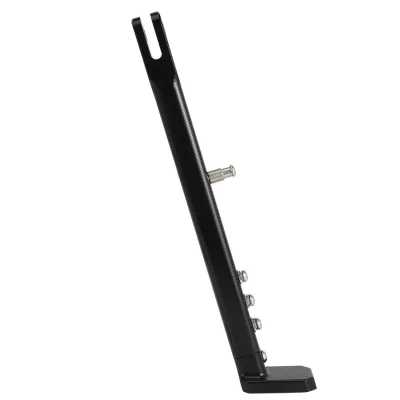
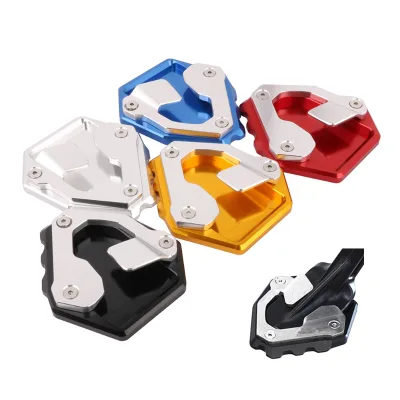
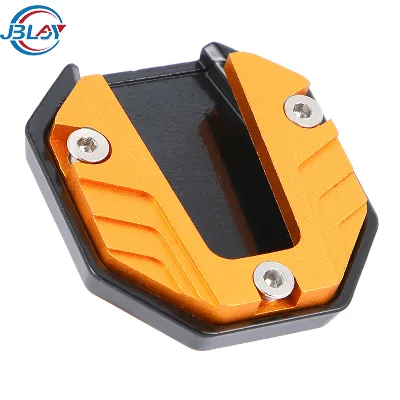
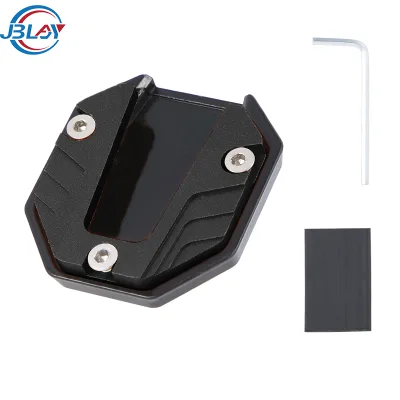
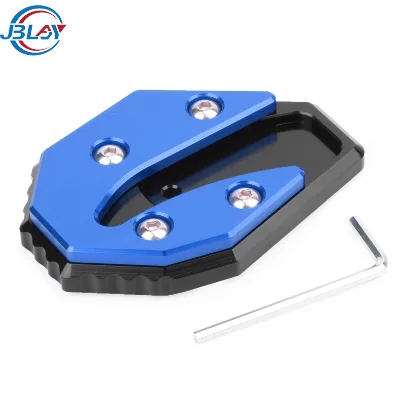
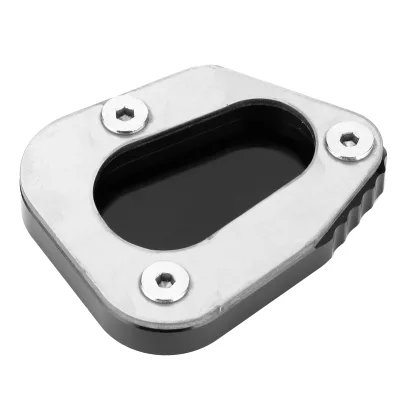
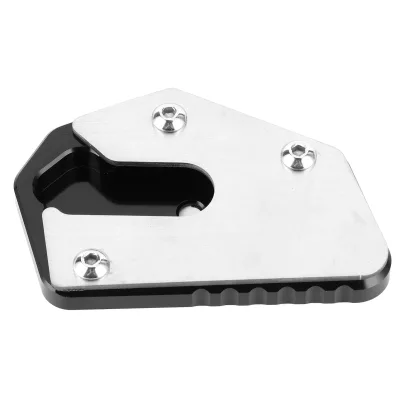
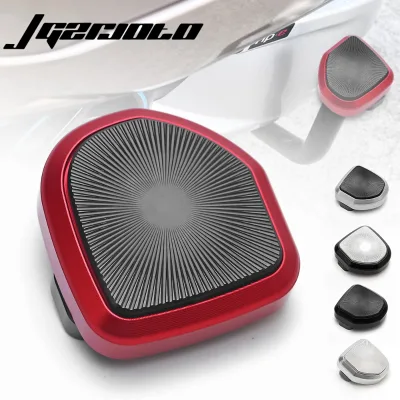
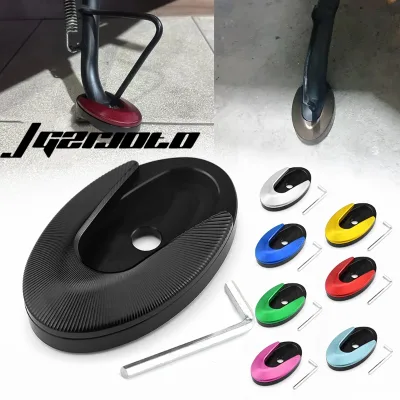
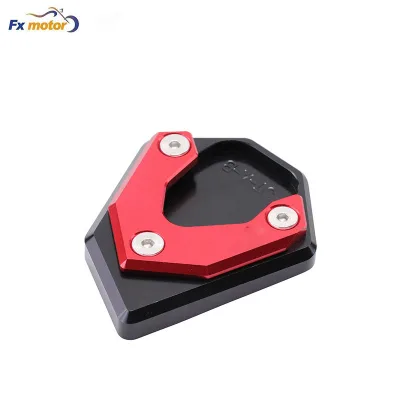
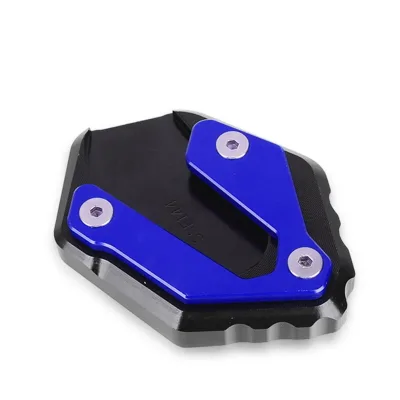
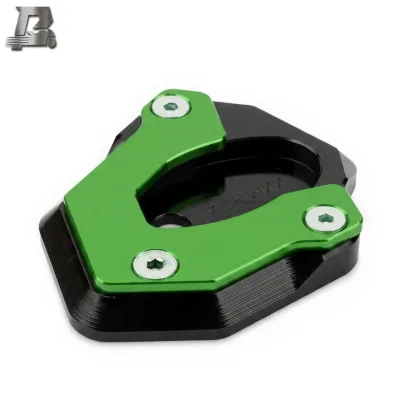
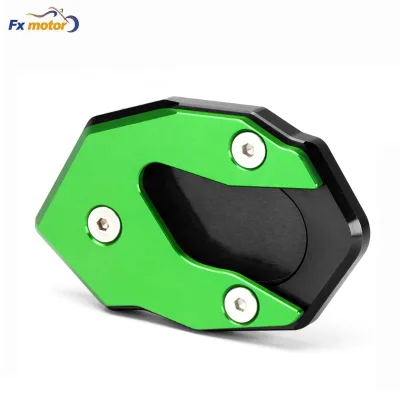
The current search results indicate a concentration of suppliers located in Guangdong, China, which serves as a primary manufacturing cluster for motorcycle accessories. These suppliers often operate as trading companies or distributors, offering a range of products including protective covers and specific body system components. The presence of multiple entities in this region suggests a mature supply chain capable of handling volume orders for items like stainless steel foot pads and aluminum alloy extensions. Buyers should note that while some suppliers list themselves as manufacturers, the majority in this specific result set identify as trading companies, which may influence their direct control over production schedules and quality assurance processes.
In contrast, a secondary cluster appears in Zhejiang, China, where suppliers focus on CNC customization and carbon fiber components. These entities often combine manufacturing and trading capabilities, providing a different value proposition compared to the Guangdong-based distributors. The Zhejiang suppliers listed demonstrate a focus on broader motorcycle parts like mirrors, grips, and lights, alongside specific kickstand extensions. This diversity in supplier types means buyers must distinguish between a pure trading entity that sources from third-party factories and a manufacturer that controls the production line. Understanding this distinction is critical when evaluating the reliability of lead times and the ability to customize specific fitments for the Kawasaki Eliminator models.
How to Verify Kickstand Extension for Kawasaki Eliminator Suppliers
Verification begins by cross-referencing the stated location with the product origin details found in the supplier's catalog. For instance, products explicitly listing Guangdong, China as the place of origin align with the supplier's registered location, providing a baseline for authenticity. Buyers should scrutinize the "Place of Origin" field in product attributes to ensure consistency across the supplier's entire catalog, as discrepancies may indicate a reseller rather than a direct source. Additionally, checking the response time metric, which appears as a numerical value in the data, offers a tangible indicator of operational efficiency. A supplier with a response time of three days may require different communication strategies compared to those with faster turnaround capabilities.
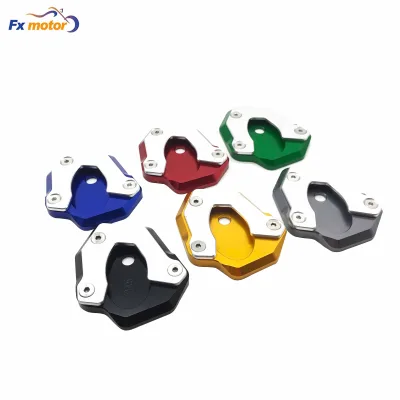
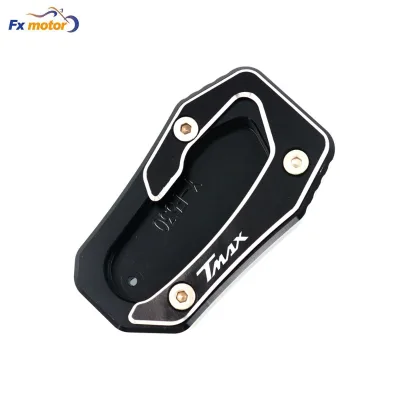
Beyond location and response metrics, buyers must validate the specific product attributes against their requirements for the Kawasaki Eliminator. The data shows variations in materials, such as stainless steel versus aluminum alloy, and different installation methods like direct bolt-on versus modification. It is essential to confirm that the "Compatible Make" and "Compatible Model" fields explicitly match the target motorcycle to avoid fitment issues. Furthermore, verifying the warranty period, which ranges from six months to one year in the observed results, provides insight into the supplier's confidence in their product quality. Buyers should request detailed installation guides or technical specifications to ensure the "No Cutting & Modification" claims are accurate for their specific bike model.
What to Compare Across Kickstand Extension for Kawasaki Eliminator Suppliers
When evaluating multiple suppliers, the primary comparison points should include lead times, minimum order quantities, and pricing structures. The observed data reveals a lead time of 30 days for some suppliers, while others in the Zhejiang cluster offer a significantly shorter 15-day window. This variance directly impacts inventory planning and project timelines, making it a critical factor in supplier selection. Buyers should also compare the minimum order quantity, which is explicitly listed as 20 units for certain products, against their own volume needs. Suppliers with lower MOQs may be more suitable for small-scale testing or niche orders, whereas those with higher thresholds might offer better economies of scale for bulk procurement.
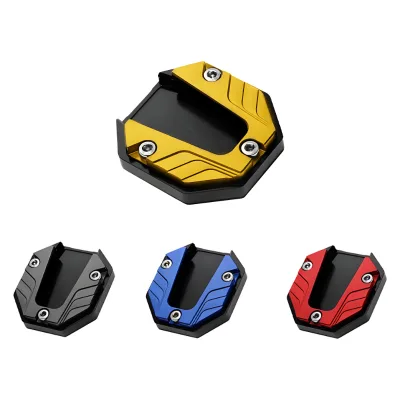
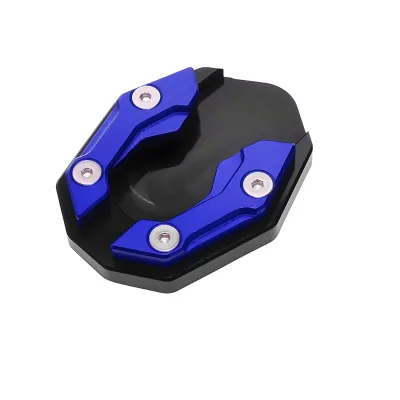
Pricing and material specifications form another crucial layer of comparison. The price range for similar products varies significantly, with some items listed between 3.00 and 9.99, while others range from 19.59 to 24.12. These differences often correlate with material quality, such as the distinction between standard metal and aluminum alloy, or the inclusion of specific features like anti-slip surfaces. Buyers must analyze whether the higher price point justifies the added value in terms of durability or aesthetic finish. Additionally, comparing the "Main Products" list helps identify suppliers with a specialized focus on motorcycle accessories versus general traders, ensuring that the selected partner has deep expertise in the specific category of kickstand extensions required.
Common Kickstand Extension for Kawasaki Eliminator Sourcing Risks
One significant risk involves the potential mismatch between the supplier's stated capabilities and the actual product specifications. The data shows that some products are categorized under "Motorcycle Frame & Body Parts" while others fall under "Motorcycle Footpegs & Controls," indicating a lack of standardization in how suppliers classify their inventory. This inconsistency can lead to confusion regarding the intended function and compatibility of the part. Buyers must carefully review the "Purpose" attribute, which distinguishes between items designed for retrofit/upgrade versus those intended for replace/repair, to ensure the product meets the specific operational needs of the motorcycle.
Another risk pertains to the reliability of warranty claims and the clarity of installation instructions. While some suppliers offer a one-year warranty, others provide only six months, and a few list the warranty status as undefined or generic. This inconsistency suggests varying levels of after-sales support and quality assurance. Furthermore, the "Installation" attribute varies from "Direct Bolt-On" to requiring modifications, which poses a risk if the buyer assumes a simple installation process. Without clear, verified documentation, buyers may face delays or additional costs if the product does not fit as expected. It is vital to verify these details before committing to an order to mitigate the risk of receiving incompatible or poorly supported components.
Kickstand Extension for Kawasaki Eliminator Regional Sourcing and Logistics
Sourcing from Guangdong, China, offers access to a dense network of suppliers specializing in motorcycle accessories, but it also entails specific logistical considerations. The region's established infrastructure supports efficient shipping, yet buyers should account for the 30-day lead time observed in some listings when planning their supply chain. This duration includes production and potential consolidation time, which can affect the overall delivery schedule. Buyers should verify the single package size and gross weight, as these dimensions influence shipping costs and handling requirements. For example, a package measuring 25x22x18 cm with a weight of 0.5 kg presents different logistical challenges compared to smaller, lighter items.
In contrast, sourcing from Zhejiang, China, may offer faster lead times, with some suppliers indicating a 15-day production window. This region's focus on CNC customization and broader motorcycle parts suggests a different logistical profile, potentially involving more complex packaging for specialized components. The single package sizes here, such as 39x29x4 cm, indicate larger or more irregular shapes that may require specialized freight arrangements. Buyers must evaluate the trade-off between the speed of production and the complexity of shipping. Understanding the specific packaging dimensions and weight for each supplier allows for more accurate freight cost calculations and ensures that the logistics plan aligns with the supplier's operational capabilities.
Kickstand Extension for Kawasaki Eliminator Commercial Terms and Order Planning
Commercial terms vary significantly among suppliers, particularly regarding minimum order quantities and pricing tiers. The data indicates that some suppliers require a minimum order of 20 units, which may be a barrier for buyers seeking small quantities for testing or initial market entry. In contrast, other suppliers list their selling units as a single item, offering greater flexibility for smaller orders. Buyers should carefully review these terms to determine the most cost-effective approach for their specific volume needs. Additionally, the price range for similar products can differ by several dollars, necessitating a detailed cost-benefit analysis that considers material quality, warranty duration, and potential bulk discounts.
Order planning must also account for the response time and lead time metrics provided in the supplier data. A response time of three days suggests a moderate level of communication efficiency, which buyers should factor into their project timelines. Combined with a lead time of 30 days, this creates a substantial window for order fulfillment that requires precise scheduling. Buyers should plan for potential delays by maintaining buffer stock or establishing clear communication channels with the supplier. Furthermore, verifying the warranty period, which ranges from six months to one year, is essential for long-term planning and risk management. Ensuring that the commercial terms align with the buyer's operational requirements is crucial for a successful sourcing outcome.
FAQs
What is the price range for Kawasaki Eliminator kickstand extensions?
Prices for these extensions typically range from 3.00 to 15.50 USD per unit depending on the specific model and material. Some stainless steel options start at 5.00 USD while aluminum alloy versions may cost up to 15.50 USD. Buyers should verify exact pricing based on their selected quantity and specific product attributes.
Where are these motorcycle parts manufactured?
Most listed products originate from Guangdong or Zhejiang provinces in China. Specific items like stainless steel extensions are made in Guangdong, while aluminum alloy versions also come from this region. Buyers should check the product details for the exact place of origin before placing an order.
How long does it take to receive the order?
Lead times vary between 3 and 30 days depending on the supplier and product availability. Some manufacturers offer faster turnaround times of 3 days, while others may require up to 30 days for production and shipping. Buyers should confirm the specific lead time with the supplier before finalizing the purchase.
What materials are used for these kickstand extensions?
Common materials include stainless steel and aluminum alloy for durability and corrosion resistance. Some products specify aluminum alloy construction while others use stainless steel for the foot pads. Buyers should review the product specifications to ensure the material meets their specific durability and aesthetic requirements.
Are there minimum order quantities for these parts?
Minimum order quantities can vary, with some suppliers requiring a minimum of 20 units per order. Other listings may allow single item purchases without a strict minimum. Buyers should check the specific product page for the exact MOQ requirements before initiating a transaction with the supplier.
What warranty is provided for these motorcycle accessories?
Warranty periods typically range from 6 months to 1 year depending on the specific product and supplier. Some aluminum alloy extensions offer a 1-year warranty while other models may provide 6 months of coverage. Buyers should verify the warranty terms listed on the product page before completing their purchase.
How quickly do suppliers respond to inquiries?
Response times for supplier inquiries are generally around 3 days based on available data. Some suppliers may respond faster while others might take longer depending on their current workload. Buyers should expect a response within this timeframe and follow up if no reply is received after the initial period.