Large Capacity Removable Card Binder Suppliers and Manufacturers
Explore 16 verified options for Large Capacity Removable Card Binder suppliers offering PU covers, PP inner pages, and custom printing. Compare response times, lead times, certifications, and MOQs to find the right factory for your needs; review the available evidence before requesting comparable quotations from suitable candidates.
Suppliers List
Dongguan Yapu Stationery Packaging Products Co., Ltd.
- Verified by TüVRheinland
- Manufacturer, Trading Company
- Lead time15 days
- Avg. response≤ 4h
Main productsPP Page, Toploader Binder, Card Binder, PU Album, Page Protector
Main marketsSouth America(30%), North America(20%), Southern Europe(10%)

DONGGUAN SENGTOR PLASTICS PRODUCTS CO., LTD
- Combined
- China Guangdong
- Lead time15 days
- Avg. response≤ 2h
Main productsCard Sleeves, Card Box, Card Binder, Inner Pages, Biodegradable Bag, Mask
Main marketsEast Asia(Japan/ South Korea),Europe,North America

Large Custom Print Protected Zippered Oversized Trading Card Binder 12 Pocket
$5.65 - $6.85
MOQ: 100 pieces


$18.00 - $25.00
MOQ: 100 pieces

9-Pocket Leather Card Binder Sleeves Trading Card Binder Card Zip Binder
$5.65 - $6.85
MOQ: 100 pieces

Dongguan Hande Plastic Technology Co., Ltd.
- Manufacturer/Factory
- China Guangdong
- Lead time45 days
- Avg. response≤ 7h
Main productsPP Foam File Folders, PP Foam Sheets, PP Foam Clipboard, PP Foam Expanding File, China Marking Crayon Pencil, PP Foam Display Book, PP Foam Lever Arch File, PP Foam Notebook, Stationery Accessories, Stationery Products
Main marketsSouth America,Mid East,North America,Southeast Asia,Eastern Asia,Oceania,Western Europe,Africa


Large Custom Print Protected Zippered Oversized Trading Card Binder 12 Pocket
$4.00 - $4.30
MOQ: 100 Pieces


$2.30 - $2.60
MOQ: 100 Pieces


Wholesale PU Trading Custom 9 Sheet 288 Card Album Cards Binder Full Printing Card Binder
$4.00 - $4.30
MOQ: 100 Pieces

DG Continent Fame PKG Co., LTD
- Verified by TUVRHEINLAND
- Combined
- China Guangdong
- Lead time15 days
- Avg. response≤ 6h
Main productsCard Sleeves, Magnetic Card Holder, Toploaders, Trading Card Pages, Trading Card Albums, Grading Card Slab, Card Deck Boxes, Vinyl Record Sleeves, Comic Book Bags, Baseball Display Cases
Main marketsNorth America

Premium 12 Pocket Large Capacity PU Leather Card Binder for Collectors Presentation Blue
$7.50 - $8.00
MOQ: 200 Pieces

Card Binder 9 Pockets Trading Card Album Folder, 360 Side Loading Pocket Binder
$2.50 - $3.50
MOQ: 100 Pieces

3 Inch Ring Album 3" Heavy-Duty D-Ring Binder for Collectors Storage and Card Protection
$2.70 - $3.40
MOQ: 500 Pieces



Gstar Technology (Shenzhen) Co., Ltd.
- Manufacturer
- Guangdong, China
- Lead time20 days
- Avg. response≤ 2h
Main productspurse,Card holder,Card holder Card holder,Wallet with metal card holder
Main marketsNorth America(25.00%), Western Europe(16.00%), South America(15.00%), Eastern Europe(10.00%), Southeast Asia(8.50%), Central America(8.00%), Mid East(6.50%), Northern Europe(5.00%), Southern Europe(2.10%), Eastern Asia(1.50%), Africa(1.20%), South Asia(0.70%), Oceania(0.30%), Domestic Market(0.20%)
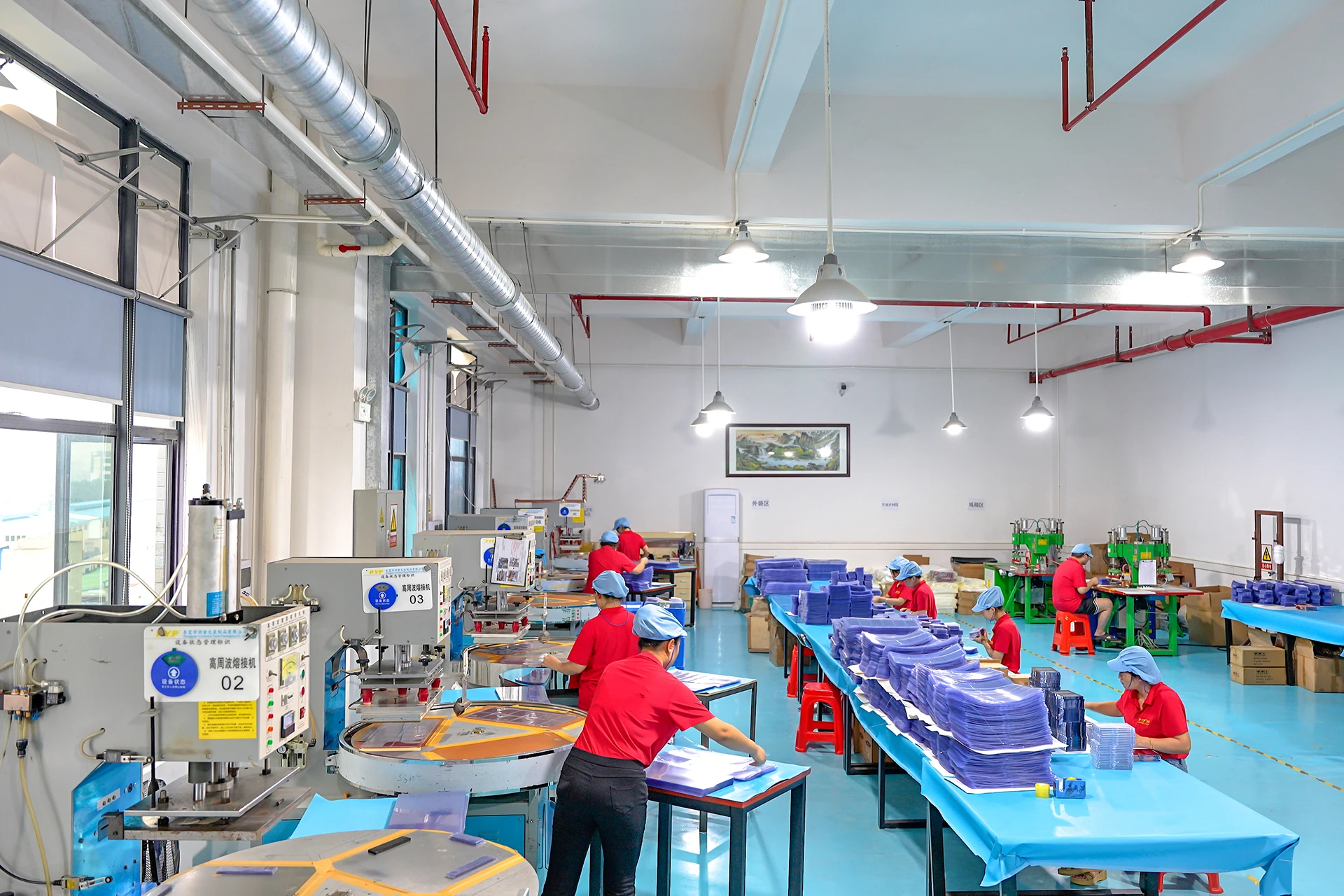
Anhui Yageli Display Co., Ltd.
- Manufacturer
- Anhui, China
- Lead time7 days
- Avg. response≤ 5h
Main productscard binder,card deck box,card sleeves,card holder,Top-Open Rigid Cases
Main marketsSouth America(18.00%), Domestic Market(13.00%), North America(13.00%), Oceania(9.00%), Africa(9.00%), Southeast Asia(9.00%), Eastern Europe(8.00%), Central America(5.00%), Southern Europe(4.00%), Northern Europe(4.00%), Eastern Asia(3.00%), Western Europe(3.00%), Mid East(1.00%), South Asia(1.00%)

Xiamen Le Young Imp. & Exp. Co., Ltd
- Verified by BV
- Trading Company,Manufacturer/Factory
- China Fujian
- Lead time23 days
- Avg. response≤ 3h
Main productsLeather Folder, Trave Wallet, Leather Notebook, Leather Compendium, Leather Portfolio, Leather Diary, Leather Journal, Hotel Supply, Leather Card Holder, Leather Wallet
Main marketsSouth America,Eastern Europe,Mid East,North America,Southeast Asia,Eastern Asia,Oceania,Western Europe,Africa


Promotional Gift Zipper Portfolio Banknote Folder Leather Cards Album Custom Card Binder
$3.29 - $3.59
MOQ: 300 Pieces

Multifile Custom Best Stamp Collecting Books Cardboard Storage Boxesalbums
$5.07 - $9.99
MOQ: 300 Pieces

GUANGZHOU TIMI PRINTING CO.,LIMITED
- Verified by SGS
- Manufacturer/Factory
- China Guangdong
- Lead time38 days
- Avg. response≤ 2h
Main productsBook Printing, Children Books, Planner and Notebook, Toys, Puzzles, Game Cards, Cloth Books, Magazine, Stationery, Hardcover and Softcover Book
Main marketsSouth America,Eastern Europe,Mid East,North America,Southeast Asia,Eastern Asia,Oceania,Western Europe,Africa


Customizable Organizer File Folder Stationery Notebook Ring Binder Printing
$0.50 - $1.50
MOQ: 500 piece
Dongguan Guangrong Stationery Co., Ltd.
- Verified by Intertek
- Manufacturer, Trading Company
- Lead time30 days
- Avg. response≤ 8h
Main productsCD Storage, Card Album Binder, Folder, Storage Bag, Card Sleeves
Main marketsNorth America(40%), Southeast Asia(25%), Domestic Market(15%)
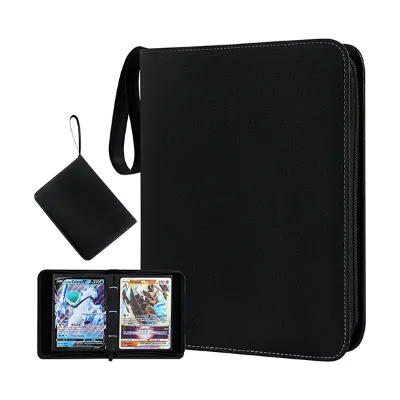
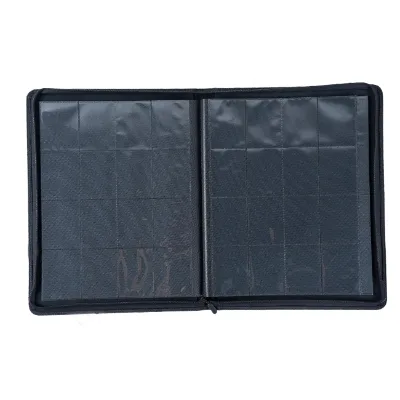
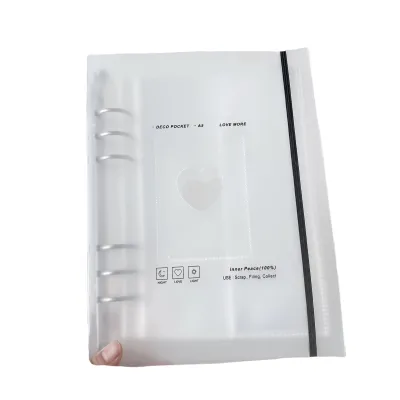
Large Capacity Trading Card Binder 16-Pocket Leather Side Load Cards Album Black
$7.30 - $8.00
MOQ: 200
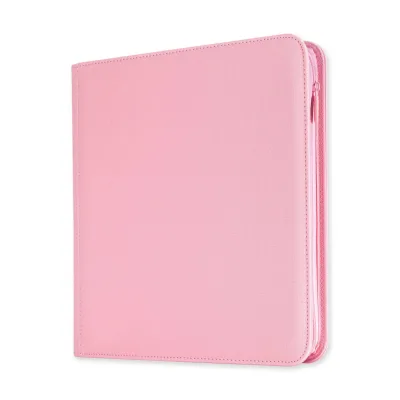
Dongguan HWD Acrylic Co., Ltd.
- Verified by SGS Group
- Manufacturer, Trading Company
- Lead time30 days
- Avg. response≤ 8h
Main productsAcrylic Photo Frame, Acrylic Stationery, Acrylic Display, Acrylic Furniture, Acrylic Storage Box
Main marketsWestern Europe(35%), North America(20%), Oceania(10%)

Xiamen Top Packing Industry Co., Ltd.
- Trading Company,Manufacturer/Factory
- China Fujian
- Lead time23 days
- Avg. response≤ 3h
Main productsPackaging Box, Kids Toy, Puzzle, Bag, Casino Supplies, Books/Magazine, Board Game/Playing Card, Office Supply, Photo Frame, Daily Supplies
Main marketsSouth America,Eastern Europe,Mid East,North America,Southeast Asia,Eastern Asia,Oceania,Western Europe,Africa


Multi-Functional Bill Card Ticket Holder Travel Passport Holder Business Card Storage Bag
$0.99 - $3.99
MOQ: 2000 Pieces
Dongguan Huiqi Stationery Co., Ltd.
- Manufacturer, Trading Company
- Guangdong Province, China
- Lead time15 days
- Avg. response≤ 5h
Main productssheet protector,Card sleeve,card album,photo album,folder
Main marketsDomestic Market(7.14%), South Asia(7.14%), Southern Europe(7.14%), Northern Europe(7.14%), Central America(7.14%), Western Europe(7.14%), Eastern Asia(7.14%), Mid East(7.14%), Oceania(7.14%), Africa(7.14%), Southeast Asia(7.14%), Eastern Europe(7.14%), South America(7.14%), North America(7.14%)

Tianjin Caile Printing Co., Ltd
- Verified by TUVRHEINLAND
- Trading Company
- China Tianjin
- Lead time60 days
- Avg. response≤ 9h
Main productsPlanner, Journal, Notebook, Calendar, Box, Diary, PU Leather Binder, Pop up Book, First Aid Kit, Gift Set
Main marketsEurope,Australia,North America

A6 Leather Ring Binder with Card Holder for Budget Saving Binder Personal
$1.99 - $3.99
MOQ: 100 Pieces

$1.00 - $4.00
MOQ: 100 Pieces

Ningbo Good Technology Company Ltd.
- Trading Company
- Zhejiang, China
- Lead time10 days
- Avg. response≤ 6h
Main productsStationery, Toys, Sporting Equipment, Electrical Equipment, Tools
Main marketsNorth America(22.00%), Eastern Europe(18.00%), Domestic Market(15.00%), Southeast Asia(15.00%), Eastern Asia(12.00%), Mid East(8.00%), South America(5.00%), Africa(5.00%)
Deli9524 Multifunctional Large Durable Binder Office and Learning Supplies High Quality
$1.00 - $1.50
MOQ: 1 Minimum
Deli 9414 Multi-function Portable Binder Fashionable and Beautiful High Quality high quality
$1.04 - $1.56
MOQ: 1 Minimum

Jiang-house Co-operated Co., Limited
- Verified by BV
- Manufacturer/Factory
- China Guangdong
- Lead time23 days
- Avg. response≤ 6h
Main productsPersonal Planner, Journals, Agenda, Baby Book, File Folder, Ring Binder, Notebook, Wedding Book, Paper Box, Board Game
Main marketsEastern Europe,North America,Western Europe


Customized Document Organizer Paper File Folder for Office Supply Hardcover Ring Binder
$0.59 - $1.59
MOQ: 500 Pieces

$0.59 - $1.99
MOQ: 500 Pieces

DONGGUAN XIANGHUI COLOR PRINTING CO.,LTD.
- Manufacturer/Factory
- China Guangdong
- Lead time30 days
- Avg. response≤ 25h
Main productsPaper Packaging Box, Gift Box, Round Gift Box, Jewelry Box, Sticker, Instruction, Mobile Phone Packaging Box, Paper Bag, Paper Box, Cake Box
Main marketsEastern Europe,North America,Eastern Asia
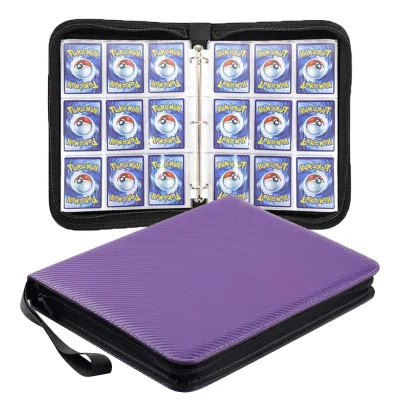


Comprehensive Sourcing Guide
Large Capacity Removable Card Binder Supplier Concentration and Factory Types
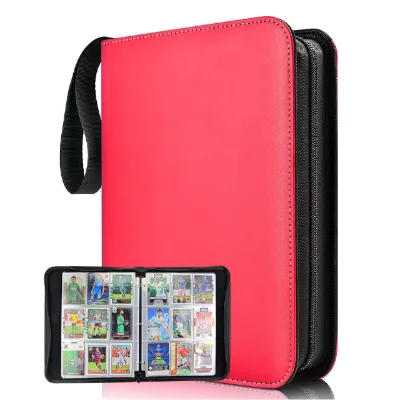
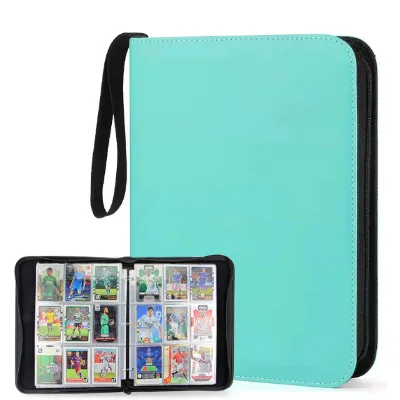
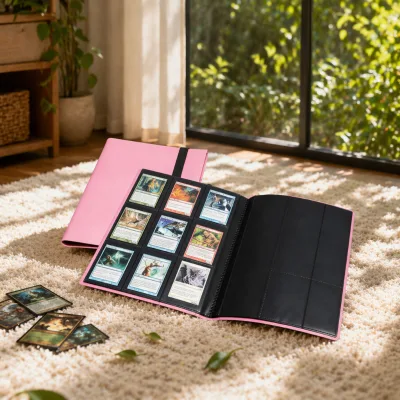
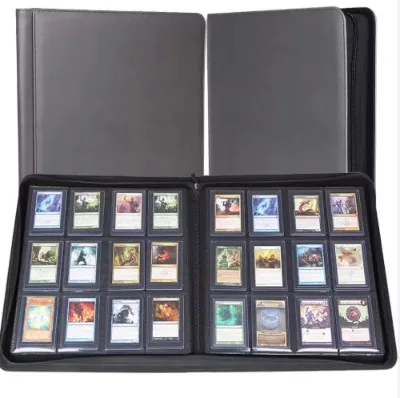
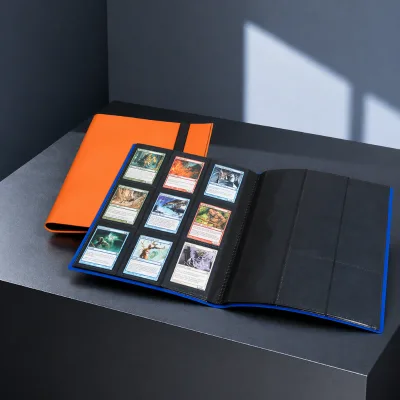
The current supplier landscape for large capacity removable card binders reveals a mix of manufacturing and trading entities operating primarily within Guangdong, China. Evidence indicates that production capabilities are concentrated in this specific region, where factories offer diverse output ranging from PP page protectors to PU albums and specialized card binders. Some suppliers function as manufacturers with in-house capabilities for sample processing and graphic design, while others operate as trading companies or combined entities that may source from various workshops. This distinction is critical because manufacturers often provide direct control over the production process, whereas trading companies might offer broader product ranges including card sleeves and biodegradable bags alongside the binders themselves.
When evaluating the concentration of these suppliers, buyers should look for specific facility attributes such as the ability to handle customized on-demand orders and graphic processing. The data shows that many suppliers in this cluster possess the capacity for complex printing methods, including thermal transfer, offset, and UV printing, which are essential for high-quality large capacity binders. However, not every supplier in the region will offer the same depth of customization or the specific pocket configurations required for large capacity storage. Buyers must verify if a supplier's primary focus aligns with their specific needs, whether that involves 9-pocket, 12-pocket, or other custom configurations, rather than assuming all Guangdong-based entities offer identical large capacity solutions.
How to Verify Large Capacity Removable Card Binder Suppliers
Verification of suppliers for large capacity removable card binders requires a rigorous check of their system certifications and third-party audit results. Available data points to specific credentials such as RoHS and CE compliance, which are essential for ensuring the materials used in the binders meet international safety standards. Furthermore, some suppliers have undergone verification by recognized bodies like TüVRheinland, providing an additional layer of trust regarding their operational integrity. Buyers should prioritize suppliers who can present these specific certificates rather than relying on general claims, as the presence of ISO9001:2015 or similar quality management certifications indicates a structured approach to production consistency.
Beyond certifications, the verification process must include assessing the supplier's response time and their capacity for rapid prototyping. The observed response times vary, with some suppliers demonstrating a speed of 1.73 units while others operate at a baseline of 4 units, which can significantly impact project timelines. Buyers should request proof of their sample processing capabilities and graphic processing services to ensure they can handle custom designs for large capacity binders. It is also vital to confirm the supplier's ability to produce specific product attributes, such as the use of PU leather covers or PP inner pages, and to verify that their stated capabilities match the actual product evidence provided in their listings.
What to Compare Across Large Capacity Removable Card Binder Suppliers
Comparing suppliers for large capacity removable card binders involves analyzing key operational metrics such as minimum order quantities, lead times, and pricing structures. The data indicates that MOQs can range significantly, with some suppliers requiring orders as low as 100 pieces while others mandate a minimum of 200 or even 1000 pieces. Lead times also vary, with observed figures suggesting a standard processing window of around 15 days, though this can fluctuate based on the complexity of the customization and the specific pocket configuration required. Buyers must carefully align their order volume with these MOQs to avoid unnecessary costs or delays in receiving their large capacity binders.
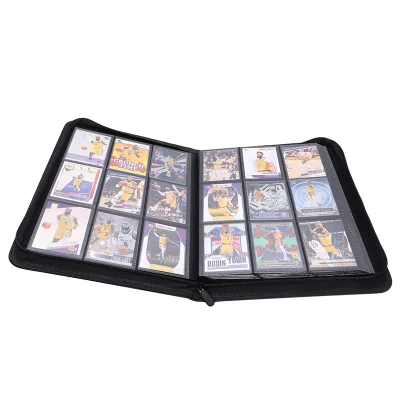
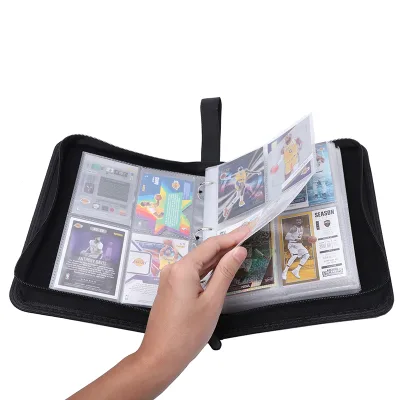
In addition to volume and time, buyers should compare the specific product attributes and material compositions offered by different suppliers. Evidence shows variations in cover materials, with options ranging from PU leather to plastic, and differences in inner page materials like PP. The printing methods available also differ, with some suppliers offering up to six-color printing while others may be limited to fewer options. Buyers should evaluate whether the supplier can provide the specific surface finishing required, such as matte varnishing or gold stamping, and ensure that the pocket sizes, such as 67*92mm, match their storage needs. These detailed comparisons ensure that the selected supplier can deliver a product that meets both functional and aesthetic requirements.
Common Large Capacity Removable Card Binder Sourcing Risks
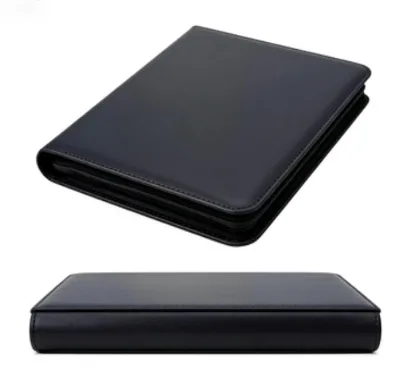
One significant risk in sourcing large capacity removable card binders is the potential mismatch between advertised customization capabilities and actual production capacity. While many suppliers claim to offer OEM and ODM services, the reality may vary depending on their specific equipment and expertise. Some suppliers may struggle with complex printing methods like embossing or gravure printing, leading to delays or subpar quality. Buyers must verify that the supplier has the specific machinery and skilled labor required to execute their custom design requests, particularly for large capacity binders that require precise pocket alignment and durable binding.
Another critical risk involves the consistency of material quality and the reliability of the supply chain. The use of materials such as PU leather and PP pages must meet specific durability standards to ensure the binders can hold large volumes of cards without damage. There is a risk that some suppliers may use lower-grade materials to reduce costs, which could compromise the longevity of the product. Additionally, the variability in response times and lead times can disrupt project schedules, especially if the supplier faces unexpected production bottlenecks. Buyers should mitigate these risks by requesting material samples and conducting thorough due diligence on the supplier's production history and quality control processes.
Large Capacity Removable Card Binder Regional Sourcing and Logistics
Sourcing large capacity removable card binders from the identified region of Guangdong, China, offers logistical advantages due to the concentration of manufacturing facilities and established export infrastructure. The proximity of suppliers to major ports facilitates efficient shipping, which is crucial for managing lead times and ensuring timely delivery of large orders. However, buyers must be aware that the specific location within Guangdong can impact shipping costs and transit times, as different factories may be situated in varying distances from port facilities. Understanding the precise location of the supplier is essential for accurate logistics planning and cost estimation.
Logistics planning also involves considering the packaging requirements for large capacity binders, which can be bulky and require careful handling to prevent damage during transit. Evidence suggests that suppliers typically use carton and OPP bag packaging, but buyers should verify if additional protective measures are available for international shipping. The variability in product sizes, ranging from 4 inches to 10 inches, further complicates logistics, as larger binders may require more space and specialized handling. Buyers should work closely with their suppliers to determine the most efficient packaging and shipping methods, ensuring that the large capacity binders arrive in perfect condition and within the agreed-upon timeframe.
Large Capacity Removable Card Binder Commercial Terms and Order Planning
Commercial terms for large capacity removable card binders often include specific pricing structures that vary based on order volume and customization levels. The observed price ranges indicate that costs can fluctuate between approximately 4.08 and 6.85 units per piece, depending on factors such as the number of pockets, the type of cover material, and the complexity of the printing. Buyers should negotiate these terms carefully, considering the MOQ requirements and the potential for volume discounts. It is also important to clarify payment terms and any additional costs associated with customization, such as mold fees or setup charges for specific printing methods.
Order planning for large capacity removable card binders requires a strategic approach to align production schedules with business needs. Given the lead times and response times observed, buyers should initiate orders well in advance to accommodate any potential delays. Planning should also account for the specific product attributes required, such as the number of pages, the color options, and the closure type, to ensure that the final product meets all specifications. By carefully managing these commercial terms and planning the order timeline, buyers can secure a reliable supply of high-quality large capacity removable card binders that meet their specific requirements and budget constraints.
FAQs
What is the typical lead time for large capacity removable card binders?
The typical lead time for these binders is 15 days. This duration allows manufacturers to process custom orders, including graphic processing and on-demand customization. Buyers should confirm specific timelines with suppliers, as production schedules may vary based on order volume and printing requirements.
What is the minimum order quantity for custom card binders?
The minimum order quantity varies by supplier, with common thresholds of 100, 200, or 1000 pieces. Some manufacturers offer lower MOQs for standard items, while others require higher volumes for custom logo printing or specific binding styles. Always verify the exact MOQ with the supplier before placing an order.
What materials are used for the covers and inner pages?
Covers are typically made from PU leather or plastic, offering durability and a professional finish. Inner pages are constructed from PP material, ensuring protection for cards. These materials provide waterproof and eco-friendly features, making them suitable for storing trading cards, business cards, or collectibles in various sizes.
What printing methods are available for custom branding?
Suppliers offer a wide range of printing methods, including thermal transfer, offset, UV, digital, embossing, gravure, silk screen, and letterpress printing. Options include 4-color, 5-color, or 6-color printing. These methods allow for high-quality logo placement and custom designs on the binder covers and inner pages.
Are these binders certified for safety and quality?
Many suppliers hold certifications such as RoHS, CE, and ISO9001:2015. These certifications indicate compliance with international standards for safety and quality management. Buyers should verify specific certification documents with the supplier to ensure the products meet their regulatory requirements and quality expectations for the target market.
What is the price range for large capacity card binders?
Prices typically range from approximately $4.08 to $6.85 per unit. The final cost depends on factors like material choice, printing complexity, and order quantity. Suppliers often provide tiered pricing based on volume, so buyers should request detailed quotes to understand the cost implications of their specific customization needs.