Eco-Friendly Reusable Garment Bag Suppliers and Manufacturers
Source 18 verified suppliers for Eco-Friendly Reusable Garment Bag options. Compare response times, lead times, MOQs, and certifications to find the right partner. Contact suppliers directly to request quotes and samples; review the available evidence before requesting comparable quotations from suitable candidates.
Suppliers List

Wenzhou Bangji Crafts Co., Ltd.
- Manufacturer
- Zhejiang, China
- Lead time0 days
- Avg. response≤ 2h
Main productsNon woven bag,Pp woven bag,Drawstring bag,Cotton bag,Cooler bag
Main marketsSouth America(30.00%), North America(15.00%), Eastern Europe(10.00%), Domestic Market(5.00%), Southern Europe(5.00%), Northern Europe(5.00%), Central America(5.00%), Western Europe(5.00%), Eastern Asia(5.00%), Mid East(5.00%), Oceania(5.00%), Southeast Asia(5.00%)
Xiamen Weihuang Textile Products Co., Ltd.
- Verified by CTI
- Combined
- China Fujian
- Lead time30 days
- Avg. response≤ 5h
Main marketsSoutheast Asia/ Mideast,East Asia(Japan/ South Korea),Domestic

Fuzhou Yuanyang Future Import and Export Co., Ltd.
- Verified by SGS
- Combined
- China Fujian
- Lead time15 days
- Avg. response≤ 4h
Main productsPackaging Bag, Bag, Travel Bag, Shopping Bag, Tote Bag, Paper Bag, Sports Bag, Backpack, Gift Bag, Promotioan Bag
Main marketsAustralia

Hangzhou Initi Imp&Exp Co., Ltd.
- Verified by SGS
- Combined
- China Zhejiang
- Lead time30 days
- Avg. response≤ 7h
Main productsTote Bag, Cotton Bag, Canvas Bag, Drawstring Bag, Garment Bag, Cooler Bag, Cosmetic Bag, Shaker Bottle, Felt Bag, Corduroy Bag
Main marketsSoutheast Asia/ Mideast,East Asia(Japan/ South Korea),Europe,Australia,North America


Personalized Custom Eco Friendly Non Woven Dust Cover Foldable Garment Bag
$0.60 - $1.08
MOQ: 100 Pieces


Wenzhou Lvlin Bag Making Co., Ltd.
- Verified by SGS
- Combined
- China Zhejiang
- Lead time15 days
- Avg. response≤ 3h
Main productsNonwoven Bag, Canvas Bag, Tote Bag, PP Woven Bag, Jute Bag
Main marketsDomestic

Guangzhou Blf Packing Co., Ltd.
- Verified by TUVRHEINLAND
- Combined
- China Guangdong
- Lead time15 days
- Avg. response≤ 12h
Main productsPaper Bag, Paper Box, Gift Box, Non Woven Bag, Book, Tag, Sticker, Air Freshener, Cards, Jewelry Box
Main marketsOthers(foreignTradeCapacity.exportBusinessCapacityMarketOther),Europe,North America

Shenyang Zhonghe Plastic Packaging Products Co., Ltd.
- Verified by SGS
- Manufacturer
- China Liaoning
- Lead time15 days
- Avg. response≤ 2h
Main productsGarbage Bag, Food Packing Bag, Plastic Packing Bag, Biodegradable Plastic Bag, Non Woven Bag, OPP Bag, Vest Bag, PE Bag, Frozen Food Flat Bag, Stand up Pouch


Comprehensive Trace Quality Custom Garment Bag for Eco-Friendly Packaging
$0.03 - $0.03
MOQ: 85000 Pieces


Eco-Friendly Custom Waterproof Garment Bag for Wholesale Clothing Packaging
$0.03 - $0.03
MOQ: 85000 Pieces


Shanghai Touch Industrial Development Co., Ltd.
- Verified by TUVRHEINLAND
- Combined
- China Shanghai
- Lead time15 days
- Avg. response≤ 5h
Main productsInstant Hot Pack, Hot Cold Pack, Gel Eye Mask, Gel Ice Pack, Gel Bottle Cooler, Instant Ice Pack, Hand Warmer, Heat Pack, Cooling Scarf, Gel Beads
Main marketsSouth America,Others(foreignTradeCapacity.exportBusinessCapacityMarketOther),Southeast Asia/ Mideast,East Asia(Japan/ South Korea),Domestic,Europe,Australia,North America

Dongguan Xinyali Hardware Products Co., Ltd.
- Verified by BV
- Combined
- China Guangdong
- Lead time23 days
- Avg. response≤ 1h
Main productsStainless Steel Components, CNC Prototype Customisation, Hardware Precision Parts Milling, CNC Prototype Customised Parts, Hardware Precision Parts Lathe Machining, Aluminium Alloy Parts, Medical Device Parts, Aluminium Alloy Shaped Parts, Special Parts, Stainlesssteel
Main marketsDomestic

Hangzhou Langjie Technology Co., Ltd.
- Verified by TUVRHEINLAND
- Trading Company
- China Zhejiang
- Lead time15 days
- Avg. response≤ 4h
Main productsNon-Woven Bag, Paper Box, Laminated Bag, Thermal Insulation Bag, Paper Bag, Canvas Bag, Notebook, Clothing Dust-Proof Bag, Sticker, Cosmetics Bag
Main marketsDomestic,North America

Guangdong Min Sun Environmental Protection Packaging Technology Co., Ltd.
- Verified by SGS
- Manufacturer
- China Guangdong
- Lead time15 days
- Avg. response≤ 2h
Main productsPlastic Packaging Products, Printed Plastic Products, Film Rolls, Laminated Plastic Packaging Products, Food Packaging Bag, Industry Packaging Bag, Medicine Use Packaging Bag, Shrink Label, Gravure Printing Products, Custom Packaging Service
Main marketsEurope,North America
Guangdong huahao nonwoven fabric co.,ltd
- Manufacturer
- guangdong, China
- Lead time7 days
- Avg. response≤ 2h
Main productsnonwoven fabric,nonwoven bag,Laminating,pp non woven fabric,pp spunbond nonwoven fabric
Main marketsNorth America(20.00%), Central America(10.00%), Eastern Asia(10.00%), South America(10.00%), Domestic Market(5.00%), South Asia(5.00%), Southern Europe(5.00%), Northern Europe(5.00%), Southeast Asia(5.00%), Western Europe(5.00%), Eastern Europe(5.00%), Mid East(5.00%), Oceania(5.00%), Africa(5.00%)

Lianyungang Yuede Packaging New Materials Co., Ltd.
- Verified by TUVRHEINLAND
- Combined
- China Jiangsu
- Lead time30 days
- Avg. response≤ 2h
Main productsPackaging Materials
Main marketsNorth America


Compostable Bag for Eco-Friendly Grocery Shopping and Customization Options
$1.57 - $1.72
MOQ: 3000 kg


Fujian Angel Nonwoven Fabric Tech Co., Ltd.
- Verified by SGS
- Manufacturer
- China Fujian
- Lead time15 days
- Avg. response≤ 8h
Main productsNonwoven Fabric, Disposable Bed Sheet, Meltblown, Nonwoven Bag, Mattress Cover, Earloop/Nose Wire for Mask, PLA/Pet Nonwoven Fabric, Landscape Cover, Weed Control, TNT Table Cloth
Main marketsSoutheast Asia/ Mideast,Europe

Wholesale Reusable Eco Friendly Reutilizables Ecological Non Woven Handle Bag
$0.06 - $0.09
MOQ: 10000 Pieces

Promotion Non-Woven Clothing Shopping Bags with Logo Reusable Non Woven Grocery Bag
$0.06 - $0.12
MOQ: 10000 Pieces


XIAMEN J-MAX INDUSTRY AND TRADE CO., LTD.
- Trading Company,Manufacturer/Factory
- China Fujian
- Lead time45 days
- Avg. response≤ 7h
Main productsSustainable Bags, Foldable Bags, Shopping Bags, Cooler Bags, Travel Bags, Backpack, ...etc
Main marketsSouth America,Eastern Europe,Mid East,North America,Southeast Asia,Eastern Asia,Oceania,Western Europe


Lightweight Custom Eco-Friendly Recyclable Portable Reusable Stylish Storage Tote Bag F
$0.63 - $0.83
MOQ: 500 Pieces
Laizhou Pairuike Crafts Co., Ltd.
- Manufacturer/Factory
- China Shandong
- Lead time45 days
- Avg. response≤ 3h
Main productsBusiness Scope: Processing and Selling Hand-Wove, PLA Non Woven Bag, RPET Woven Bag, PP Woven Bag, Lamination Non Woven Bag, Non Woven Bag
Main marketsSouth America,Eastern Europe,Mid East,North America,Southeast Asia,Eastern Asia,Oceania,Western Europe,Africa

Longgang Green Harmony Bags & Trading Co., Ltd.
- Verified by SGS
- Trading Company
- China Zhejiang
- Lead time15 days
- Avg. response≤ 1h
Main productsNon Woven Bags, Canvas Bags, Non Woven Laminated Bags, Tyvek Bags, Jute Bags, Non Woven Suit Cover, Cotton Bags, Non Woven Ultrasonic Bags, PP Woven Bags, Polyester Drawstring Bags
Main marketsSouth America,North America

Laizhou Jinhong Textile Co., Ltd.
- Combined
- China Shandong
- Lead time23 days
- Avg. response≤ 10h
Main productsPP Spunbond Nonwoven Fabric, Weed Mat, Nonwoven Fabric, Landscape Fabric, Ground Cover, Weed Control Fabric, Plant Cover, Disposable Coverall
Main marketsEast Asia(Japan/ South Korea),Europe,North America
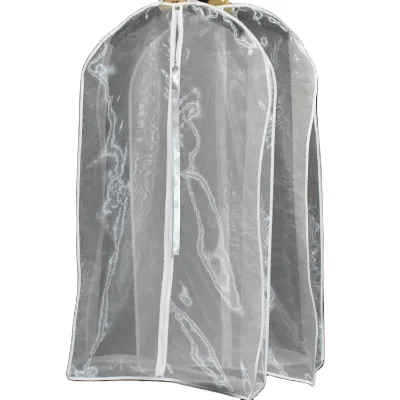
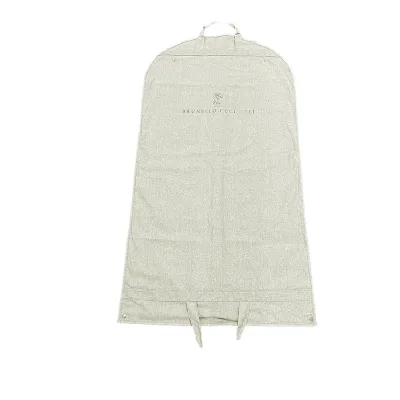


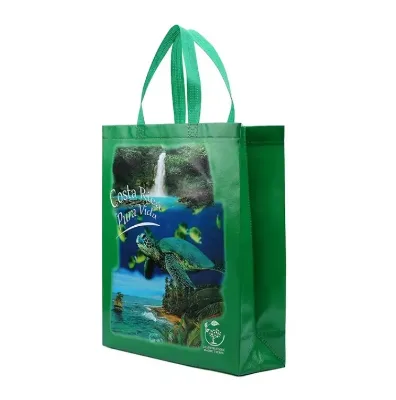
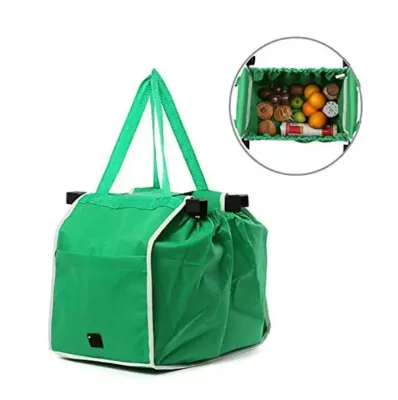


Comprehensive Sourcing Guide
Eco-Friendly Reusable Garment Bag Supplier Concentration and Factory Types
Manufacturing clusters for non-woven and woven bags are concentrated in specific Chinese provinces, with Zhejiang and Fujian emerging as key hubs for this category. Factories in these regions often specialize in producing a wide range of textile packaging, including drawstring bags, cooler bags, and cotton bags alongside garment bags. When evaluating potential partners, buyers should look for suppliers listing these specific main products, as this indicates an established production line capable of handling diverse bag types. The presence of a manufacturer type rather than a trading company often suggests direct control over the production process, which can be critical for maintaining quality standards in eco-friendly materials.
Supplier types vary significantly across the market, ranging from pure manufacturers to combined entities that handle both production and trading. A manufacturer typically offers direct access to factory floors and may provide more flexibility for customizations like specific sizes or printing methods. In contrast, combined suppliers might offer a broader catalog but could have less direct oversight over the manufacturing nuances. Buyers must verify the company type to understand the supply chain structure. If a supplier lists ODM or OEM capabilities, it confirms they can adapt designs, which is essential for creating unique eco-friendly garment bags that meet specific sustainability goals.
How to Verify Eco-Friendly Reusable Garment Bag Suppliers
Verification of supplier credibility relies heavily on third-party audit reports and specific verification badges rather than self-declared claims. Some suppliers display verification from recognized bodies like CTI or SGS, which indicates that an independent party has assessed their business operations or product quality. These badges serve as a primary filter for buyers seeking reliable partners, as they provide an external layer of trust that is not easily fabricated. However, the absence of a specific certification badge does not automatically disqualify a supplier, but it does require the buyer to request additional documentation to confirm their operational legitimacy.
Beyond verification badges, buyers should scrutinize the specific product attributes and certifications listed in the supplier's catalog. For eco-friendly garment bags, look for explicit mentions of materials like non-woven or cotton, and check for attributes such as "Eco-Friendly: Yes" or "Biodegradable" in the product specifications. Some listings may include details about printing processes like silk screen or heat transfer, which can impact the environmental footprint of the final product. If a supplier claims a specific standard or certification, the buyer must ask for the certificate number or a copy of the document to ensure the claim is valid and current before proceeding with any order.
What to Compare Across Eco-Friendly Reusable Garment Bag Suppliers
When comparing suppliers, response time and lead time are critical metrics that indicate operational efficiency and reliability. Response times can vary significantly, with some suppliers replying within two hours while others may take nearly five hours or more. A faster response time often correlates with better communication channels and a more active sales team, which is vital for resolving issues quickly during the sourcing process. Lead times also differ, ranging from immediate availability to thirty days or more, depending on the complexity of the order and the supplier's current production load. Buyers should prioritize suppliers who can provide realistic and consistent lead time estimates to avoid delays in their supply chain.
Minimum Order Quantities (MOQ) and pricing structures are another essential area for comparison across different suppliers. MOQs can range from as low as 100 pieces to 500 pieces or higher, depending on the customization level and material used. Pricing also varies, with some suppliers offering rates as low as $0.50 per unit while others charge upwards of $8.00 for specialized eco-friendly options. Buyers must balance the cost per unit against the MOQ to determine the total investment required. It is important to note that lower prices often come with higher MOQs, so buyers should calculate the total cost of ownership rather than focusing solely on the unit price to ensure the deal aligns with their budget and inventory needs.
Common Eco-Friendly Reusable Garment Bag Sourcing Risks
One significant risk in sourcing eco-friendly garment bags is the discrepancy between claimed sustainability and actual material composition. Suppliers may use terms like "eco-friendly" or "biodegradable" without providing concrete evidence or third-party verification of the materials used. Buyers must be cautious of vague marketing language and should insist on detailed material specifications, such as the exact type of non-woven fabric or the percentage of cotton content. Without clear documentation, there is a risk of receiving products that do not meet the intended environmental standards, which could damage the buyer's brand reputation and lead to compliance issues in their target markets.
Another common risk involves the inconsistency in product dimensions and customization capabilities. While some suppliers offer standardized sizes like 60x100 cm, others may provide custom sizes that vary significantly from the initial sample. This inconsistency can lead to production errors where the final batch does not match the approved prototype. Additionally, the availability of customization options like printing or specific closures may be limited by the supplier's equipment or capacity. Buyers should verify the supplier's ability to maintain strict quality control over these customizations and ensure that the final product matches the agreed-upon specifications to avoid costly returns or rework.
Eco-Friendly Reusable Garment Bag Regional Sourcing and Logistics
Sourcing from regions like Zhejiang and Fujian in China offers access to a dense network of manufacturers specializing in textile packaging. These regions benefit from established logistics infrastructure, which can facilitate the efficient movement of goods from the factory to the port. However, buyers must account for the specific location of the supplier when calculating shipping costs and transit times. Suppliers located in different provinces may have varying access to major shipping hubs, which can impact the overall delivery schedule. Understanding the geographic location of the supplier is crucial for planning the logistics chain and ensuring that the goods arrive on time.
Logistics planning also involves considering the packaging and handling requirements for the final shipment. Suppliers often pack garment bags in OPP bags or cartons, with quantities varying from 10 to 50 pieces per inner bag. This packaging method affects the volume and weight of the shipment, which in turn influences freight costs. Buyers should verify the packing details with the supplier to ensure that the packaging is robust enough to protect the goods during transit. Additionally, the supplier's ability to handle export documentation and coordinate with freight forwarders can streamline the logistics process, reducing the risk of delays or customs issues at the destination.
Eco-Friendly Reusable Garment Bag Commercial Terms and Order Planning
Commercial terms such as payment methods and escrow services play a vital role in securing a safe transaction between buyers and suppliers. While some suppliers may offer standard payment terms, others might require specific conditions like partial payments or full payment upfront. Buyers should verify if the supplier accepts escrow services, which provide a layer of protection by holding funds until the goods are delivered and inspected. This is particularly important for first-time transactions or when dealing with suppliers who have limited verification badges. Understanding the payment structure helps buyers manage their cash flow and mitigate financial risks associated with international trade.
Order planning requires a clear understanding of the supplier's capacity and production schedule to ensure timely delivery. Suppliers with ODM or OEM capabilities may have longer lead times due to the customization involved, while those with standard products might offer faster turnaround. Buyers should plan their orders well in advance, considering the lead time and any potential delays in production or shipping. It is also essential to confirm the supplier's ability to handle large volumes if the order quantity exceeds their standard capacity. By aligning the order timeline with the supplier's production capabilities, buyers can ensure a smooth procurement process and avoid disruptions in their supply chain.
FAQs
What are the typical prices for reusable garment bags?
Prices for reusable garment bags vary by material and customization. Non-woven options start around 0.50 to 0.55 dollars per unit. Eco-friendly cotton or polyester bags range from 2.15 to 8.39 dollars depending on features like PVC windows or specific printing methods required for your brand.
What are the minimum order quantities for these bags?
Minimum order quantities depend on the specific product model and customization needs. Some standard non-woven bags require a minimum of 100 pieces. Others, particularly those with custom logos or specific eco-friendly certifications, may require orders of 200, 500, or more units to proceed.
How long does it take to receive these garment bags?
Lead times for production vary significantly based on the supplier and order complexity. Some manufacturers can deliver within 15 days for standard orders. Others may require up to 30 days for customized designs or larger volumes. Immediate availability is rare for custom specifications.
Are these bags available in different sizes and materials?
Yes, suppliers offer various sizes including 60x100cm, 60x140cm, and 60x180cm options. Materials range from non-woven fabric to biodegradable cotton and polyester. Many vendors provide customized sizing to fit specific suit or dress requirements while maintaining durability and eco-friendly standards.
Can I get custom printing or logos on these bags?
Customization is widely available for printing logos and designs. Suppliers offer silk screen printing, embroidery, heat transfer, and offset printing methods. Most vendors accept OEM and ODM requests, allowing you to tailor the bag appearance to match your brand identity and marketing needs effectively.
Where are the manufacturers of these bags located?
Manufacturers are primarily located in Zhejiang and Fujian provinces in China. These regions host numerous factories specializing in textile packaging and garment bags. Buyers can verify specific factory locations and shipping origins to ensure logistics compatibility with their supply chain requirements.
Do these suppliers offer eco-friendly or biodegradable options?
Several suppliers provide eco-friendly and biodegradable garment bags made from cotton or non-woven materials. These products are designed for sustainable living and often feature PVC windows for visibility. Buyers should verify specific eco-certifications and material composition to ensure they meet their environmental standards.