Large Capacity Handcrafted Honey Pot with Spoons Suppliers and Manufacturers
Explore 31 verified suppliers offering Large Capacity Handcrafted Honey Pot with Spoons from Fujian, China. Compare response times, lead times, MOQs, and certifications like SGS and FDA before requesting samples or custom designs; review the available evidence before requesting comparable quotations from suitable candidates.
Suppliers List

Xiamen Yoyo Ceramic Trading Co., Ltd.
- Verified by BV
- Combined
- China Fujian
- Lead time23 days
- Avg. response≤ 10h
Main productsCeramic Mugs, Ceramic Plates, Teawares, Ceramic Canisters, Ceramic Vases, Ceramic Flower Planters, Ceramic Coin Bank, Flowerpot, Canisters, Resin Crafts
Main marketsSouth America,Africa,Southeast Asia/ Mideast,East Asia(Japan/ South Korea),Europe,Australia,North America
Quanzhou Deerli Arts & Crafts Co., Ltd.
- Manufacturer, Trading Company
- Fujian, China
- Lead time15 days
- Avg. response≤ 8h
Main productsresin craft gift,ceramic product,home decoration,outdoor garden decoration,ceramic craft
Main marketsCentral America(20.0%), North America(15.0%), Domestic Market(12.0%), Northern Europe(11.0%), Southern Europe(10.0%), South America(10.0%), Eastern Europe(5.0%), Mid East(5.0%), Eastern Asia(5.0%), South Asia(4.0%), Western Europe(3.0%)
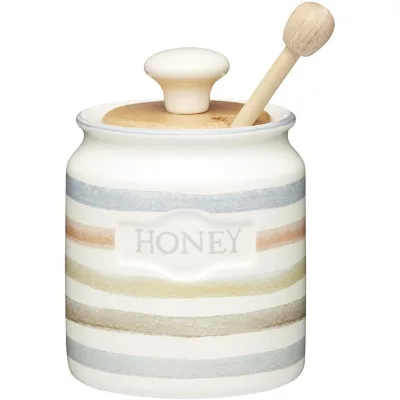
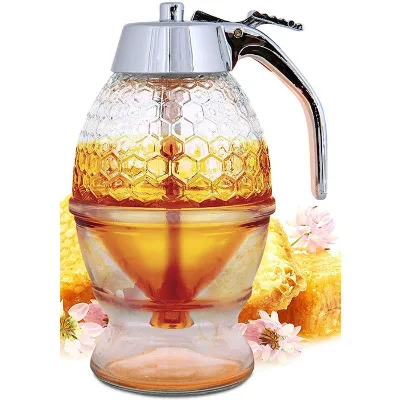
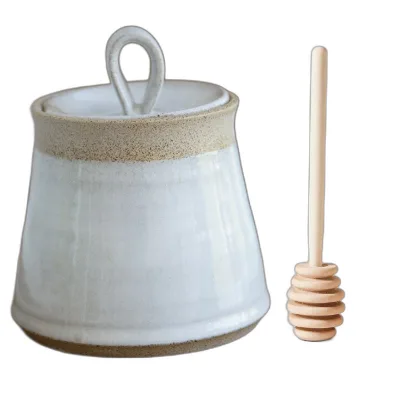
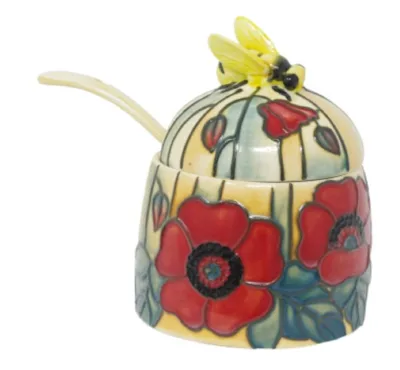
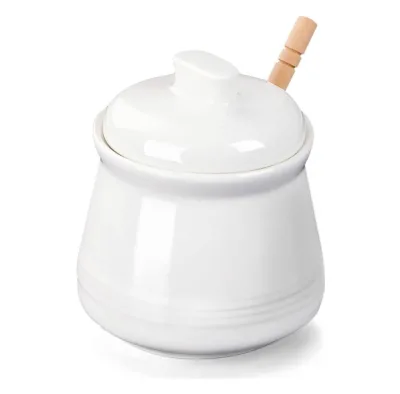
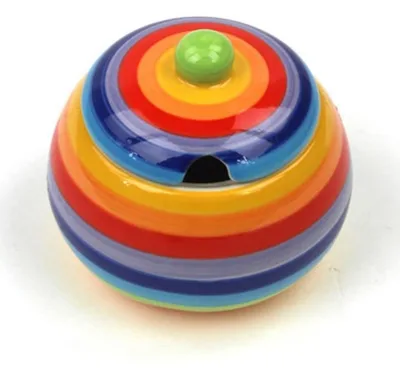
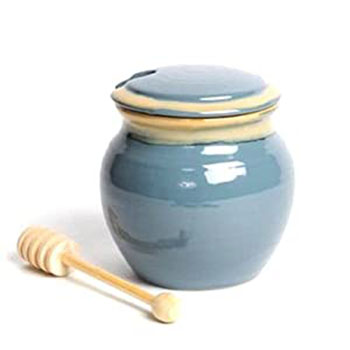
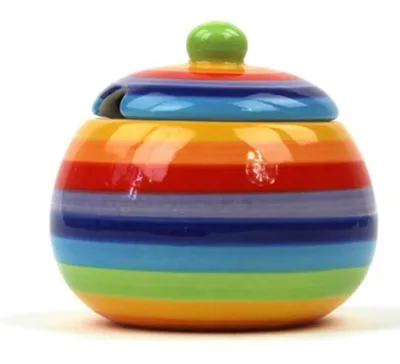
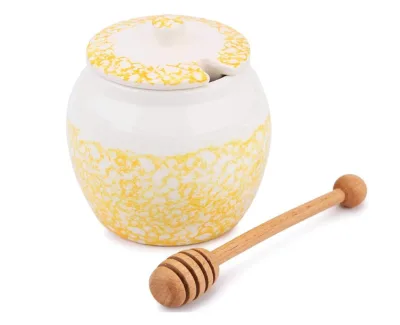
Ceramic Honey Pot Striped Sugar Pot, Sugar Bowl, Ceramic Stoneware Sugar Pot
Contact supplier
Moq: 300

Linyi Feifan Imp. & Exp. Co., Ltd.
- Verified by TUVRHEINLAND
- Trading Company
- China Shandong
- Lead time30 days
- Avg. response≤ 12h
Main productsEnamel Mug/Cup, Enamel Bowl, Enamel Basin, Enamel Plate/Tray/Kettle, Enamel Casserole/Pot, Enamel Bucket, Safety Shoe/Boot, Safety Gloves
Main marketsSoutheast Asia/ Mideast,Domestic

Guangzhou Nantian Sources Co., Ltd.
- Manufacturer/Factory
- China Guangdong
- Lead time15 days
- Avg. response≤ 6h
Main productsKitchen Equipment, Kitchenware, Food Machine, Kitchen Appliance, Glassware, Food Machinery, Bakery Equipment, Dinnerware, Kitchen Utensils, Food Processor
Main marketsSouth America,Mid East,Southeast Asia,Eastern Asia,Oceania,Africa
Hejian Hongyi Glass Products Co., Ltd.
- Verified by SGS Group
- Manufacturer, Trading Company
- Lead time15 days
- Avg. response≤ 2h
Main productsGlass Decanter, Glass Cup, Glass Bottle, Glass Tea Pots
Main marketsNorth America(50%), Southeast Asia(20%), South America(5%)

ANHUI IDEA TECHNOLOGY CO., LTD
- Verified by TUVRHEINLAND
- Trading Company
- China Anhui
- Lead time23 days
- Avg. response≤ 5h
Main productsGlass Jar, Glass Bottle, Pet Preform, Aluminum Cans, Glass Cup, Bottle Caps Jar Lids, Candle Jars, Perfume Bottle, Cosmetic Bottle
Main marketsSouth America,Africa,Southeast Asia/ Mideast,East Asia(Japan/ South Korea),Europe,Australia,North America

Eagle Catering Equipment Co., Ltd.
- Manufacturer/Factory
- China Guangdong
- Lead time30 days
- Avg. response≤ 7h
Main productsTrolleys, Gastronorm Containers, Table, Shelves, Sink, Barrier Post, Cookware, Buffetware, Barware, Kitchen Utensils
Main marketsSouth America,Eastern Europe,Mid East,North America,Southeast Asia,Eastern Asia,Oceania,Western Europe,Africa
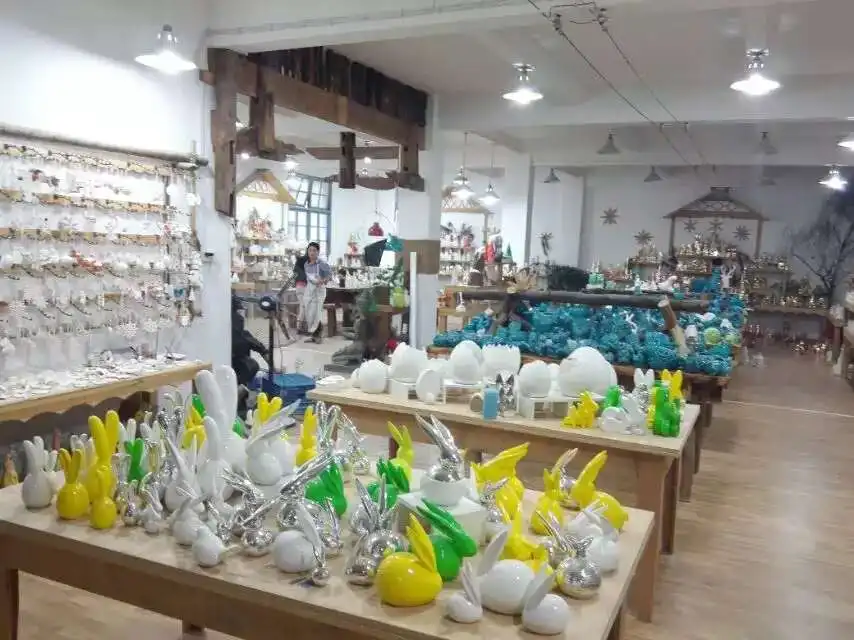
Dehua Beauty Rich Arts & Crafts Co., Ltd.
- Manufacturer, Trading Company
- Fujian, China
- Lead time30 days
- Avg. response≤ 10h
Main productsPolyresin crafts,Ceramic crafts,PVC crafts,Home decoration,Garden decoration
Main marketsEastern Europe(15.0%), North America(15.0%), South America(12.0%), Mid East(5.0%), Oceania(5.0%), South Asia(3.0%), Southern Europe(3.0%), Northern Europe(3.0%), Central America(3.0%), Western Europe(3.0%), Eastern Asia(3.0%), Domestic Market(3.0%), Southeast Asia(3.0%), Africa(2.0%)
Chaozhou Ssfishss Stainless Steel Products Factory
- Verified by CTI
- Combined
- China Guangdong
- Lead time30 days
- Avg. response≤ 7h
Main productsoutdoor products
Main marketsAfrica,Southeast Asia/ Mideast,East Asia(Japan/ South Korea),Domestic,Europe,North America

- Verified by SGS
- Trading Company,Manufacturer/Factory
- China Guangdong
- Lead time45 days
- Avg. response≤ 1h
Main productsStainless Steel Cookware, Stainless Steel Untensil, Stainless Steel Kitchenware, Stainless Steel Colander Bowl, Stainless Steel G. N Pan, Stainless Steel Pressure Cooker, Stainless Steel Buckets, Stainless Steel Dishes Rack, Stainless Steel Chafing Dishes, Stainless Steel Fittings
Main marketsSouth America,Eastern Europe,Mid East,North America,Southeast Asia,Eastern Asia,Oceania,Western Europe,Africa
Anhui Creative Packaging Technology Co., Ltd.
- Verified by BV
- Trading Company,Manufacturer/Factory
- China Anhui
- Lead time23 days
- Avg. response≤ 5h
Main productsGlass Jars, Glass Bottles, Glass Liquor/Beer/Oil Bottles, Glass Cosmetic/Perfume Bottles, Glass Cup, Candle Jar, Preform, Lids/Cap, Aluminum Cans, Wine Glass
Main marketsSouth America,Eastern Europe,Mid East,North America,Southeast Asia,Eastern Asia,Oceania,Western Europe,Africa

Shenzhen Imooo Innovation Design Limited
- Manufacturer, Buying Office, Distributor/Wholesaler
- Guangdong, China
- Lead time1 days
- Avg. response≤ 1h
Main productsGifts & Crafts,Home & Garden,Car Accessories,Office Products,Sports & Outdoors
Main marketsMid East(10.0%), South Asia(10.0%), Central America(10.0%), Southeast Asia(10.0%), Eastern Europe(10.0%), South America(10.0%), North America(10.0%), Southern Europe(5.0%), Northern Europe(5.0%), Domestic Market(5.0%), Western Europe(5.0%), Eastern Asia(5.0%), Oceania(3.0%), Africa(2.0%)
Dongguan DND Display Products Co., Ltd.
- Verified by SGS
- Combined
- China Guangdong
- Lead time23 days
- Avg. response≤ 3h
Main productsAcrylic Household Products, Acrylic Display Products, Acrylic Furniture
Main marketsSoutheast Asia/ Mideast,Domestic,Europe,North America
Xuzhou Hongfeng Glass Technology Co., Ltd.
- Verified by SGS
- Trading Company
- China Jiangsu
- Lead time15 days
- Avg. response≤ 5h
Main marketsSouth America,Africa,Southeast Asia/ Mideast,East Asia(Japan/ South Korea),Europe,Australia,North America

Shenzhen Bright Glassware Co., Ltd.
- Verified by SGS
- Manufacturer/Factory
- China Guangdong
- Lead time23 days
- Avg. response≤ 8h
Main productsGlassware, Candle Jar, Glass Candle Holder, Reed Diffuser Bottle, Glass Perfume Bottle, Drinkware, Food Storage Jar, Candle Lid, Packaging Gift Box
Main marketsNorth America,Oceania,Western Europe

Hemera (Tianjin) Technology Development Limited
- Verified by TUVRHEINLAND
- Manufacturer/Factory
- China Tianjin
- Lead time38 days
- Avg. response≤ 5h
Main productsGlass Cup, Glass Teapot, Glass Jar&Container, Glass Pitcher&Carafe, Water Jug, Coffee Set, Wine Set, Glass Cooking Ware
Main marketsSouth America,Eastern Europe,Mid East,North America,Southeast Asia,Eastern Asia,Oceania,Western Europe,Africa
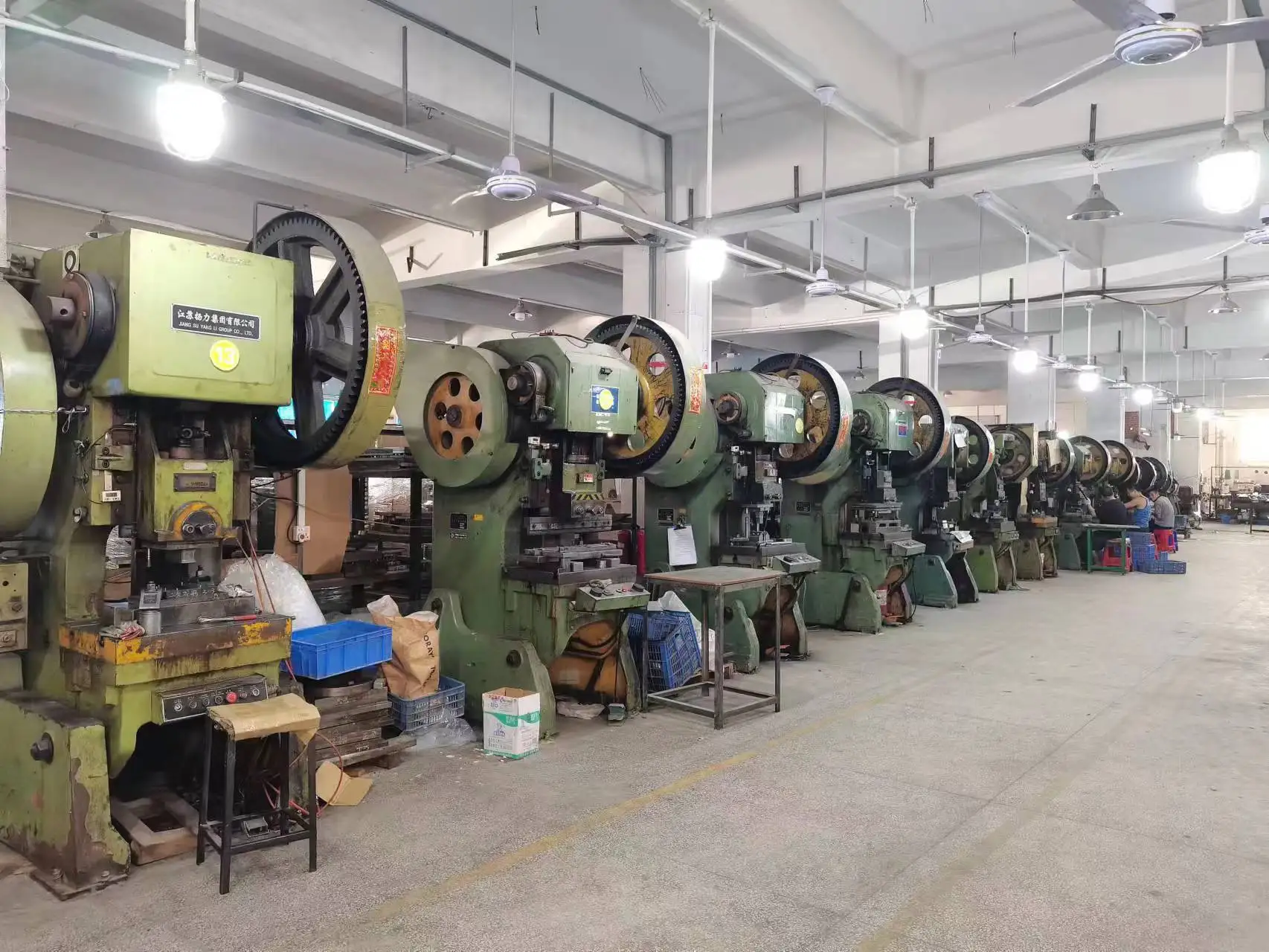
Dongguan Hiben Metal Products Company Limited
- Manufacturer, Trading Company
- Guangdong, China
- Lead time60 days
- Avg. response≤ 9h
Main productsmetal products,Bathroom products,dishes,decorations,artificial plants
Main marketsMid East(50.0%), South Asia(10.0%), Eastern Asia(10.0%), North America(10.0%), South America(10.0%), Western Europe(5.0%), Southern Europe(5.0%)

Qingdao Jianhai International Trade Co., Ltd.
- Verified by BV
- Trading Company,Manufacturer/Factory
- China Shandong
- Lead time23 days
- Avg. response≤ 3h
Main productsGlassware, Cosmetic Bottle, Mason Jar, Storage Bottle, Vase, Wine Bottle, High Borosilicate Glass, Glass Bottle, Cup, Glass Craft
Main marketsSouth America,Eastern Europe,Mid East,North America,Southeast Asia,Eastern Asia,Oceania,Western Europe,Africa
Hefei Vast Source Company Limited
- Manufacturer/Factory
- China Anhui
- Lead time23 days
- Avg. response≤ 6h
Main productsGlass Bottle, Glass Jar, Glass Cup, Plastic Bottle, Cap, Lid, Aluminum Can, Paper Cup, Straw
Main marketsSouth America,Eastern Europe,Mid East,North America,Southeast Asia,Eastern Asia,Oceania,Western Europe,Africa
Hebei Xingchen Glass Technology Co., Ltd.
- Verified by CTI
- Combined
- China Hebei
- Lead time30 days
- Avg. response≤ 10h
Main productsGlass Cup, French Press, Coffee Pot, Glass Jar, Teapot, Syphon Coffee Maker, Glass Cooking Pot, Glass Pitcher, Glass Straw, Glass Teacup
Main marketsSouth America,Africa,Others(foreignTradeCapacity.exportBusinessCapacityMarketOther),Southeast Asia/ Mideast,East Asia(Japan/ South Korea),Europe,Australia,North America

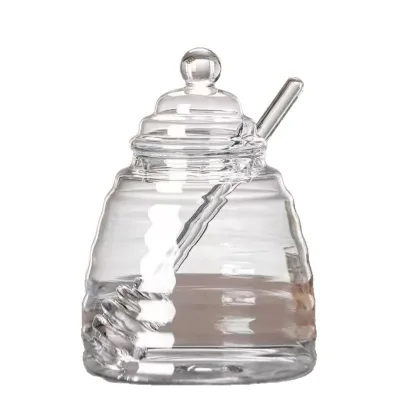
High Borosilicate Handmade Glass Honey Jar Honey Pot Glass Jam Jar Honey Dispenser
$1.50 - $3.50
Moq: 200


Wuhan Newray Packaging Solutions Co., Ltd.
- Verified by TUVRHEINLAND
- Manufacturer/Factory
- China Hubei
- Lead time23 days
- Avg. response≤ 3h
Main productsGlass Honey Jars, Glass Spice Jars, Glass Candy Jars, Glass Jam Jars, Glass Bird-Nest Jars, Glass Spirit and Wine Bottles, Glass Beverage Bottles, Glass Perfume and Diffuser Bottles, Glass Roll on Bottle, Glass Storage Bottles
Main marketsSouth America,Eastern Europe,Mid East,North America,Southeast Asia,Eastern Asia,Oceania,Western Europe,Africa
Jinhua Hengyang Cross-Border Trade Limited Liability Company
- Verified by SGS
- Trading Company
- China Zhejiang
- Lead time15 days
- Avg. response≤ 7h
Main productsCoffee Maker Air Fryer Storage Box Knife Set, Silicone Baking Mold Robot Vacuum Cleaning Table, Shower Head Non-Slip Shower Curtain Vacuum Stora, Collapsible Laundry Basket Bohemian Wall Tapestr, Fringe Pillow Cover Bedding Set Memory Foam Pill, Bamboo Tissue Biodegradable Trash Bags LED Fair, Smart Plug Fairy Lights Pet Food Bowl, Household Daily Necessities Kitchen Cleaning, Bathroom Storage and Care Fabric Home Decor, Bedding Daily Chemical Paper Products
Main marketsEurope
Yancheng Gold Best Glassware Co., Ltd.
- Trading Company
- Jiangsu, China
- Lead time20 days
- Avg. response≤ 3h
Main productsHome Decoration,Tableware,Kitchenware,Lighting Accessories,Glass Crafts
Main marketsNorth America(25.0%), Domestic Market(20.0%), Northern Europe(10.0%), Southern Europe(7.000000000000001%), Western Europe(7.000000000000001%), South America(5.0%), South Asia(5.0%), Eastern Asia(5.0%), Eastern Europe(5.0%), Oceania(5.0%), Central America(2.0%), Mid East(2.0%), Africa(1.0%), Southeast Asia(1.0%)


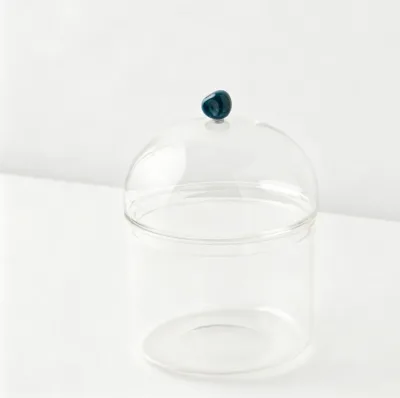
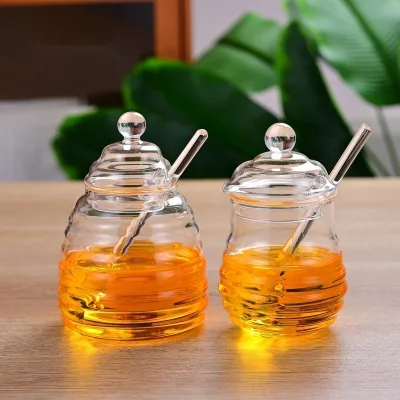
Wholesale Customized Glass Food Storage Jar Containers Glass Sugar Pot With Spoon
$4.31 - $5.65
Moq: 500
JINAN FLAME GLASSWARE COMPANY LIMITED
- Verified by SGS
- Trading Company
- China Shandong
- Lead time23 days
- Avg. response≤ 17h
Main marketsDomestic

Xiamen Monake Import and Export Co., Ltd.
- Verified by TUVRHEINLAND
- Trading Company
- China Fujian
- Lead time30 days
- Avg. response≤ 4h
Main productsEngine Mounting, Strut Mount, Rubber Bush, Center Bearing, Control Arm, Arm Bushing, Auto Parts, Fan Blade, Auto Spare Parts, Car Parts
Main marketsOthers(foreignTradeCapacity.exportBusinessCapacityMarketOther),Domestic
Yangzhou Youcai Import and Export Trading Co., Ltd
- Trading Company
- China Jiangsu
- Lead time0 days
- Avg. response≤ 4h
Xiamen Amoycrafts Industrial Co., Ltd.
- Verified by SGS Group
- Manufacturer, Trading Company
- Lead time45 days
Main productsCeramic Ware, Drinkware, Resin Ware, Dinnerware, Bar & Wine
Main marketsNorth America(45%), Northern Europe(13%), Eastern Europe(10%)
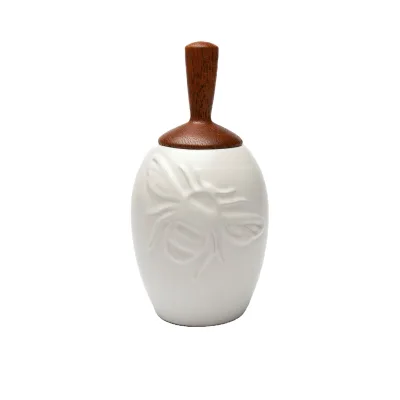
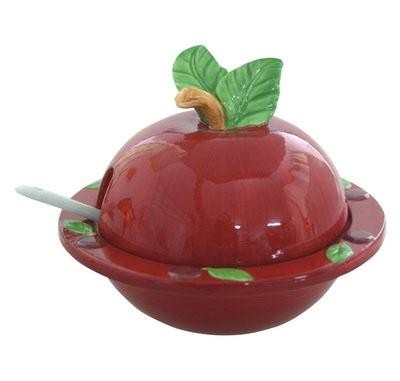
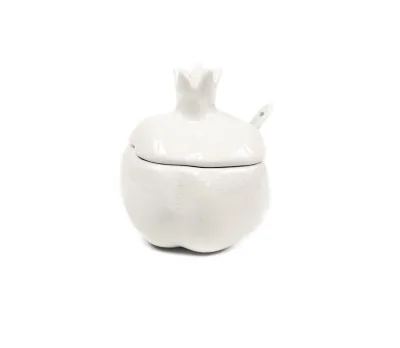
Wholesale Ceramic Honey Pot Dipper Custom White Small Pomegranate Shaped Honey Jar
$1.86 - $5.68
Moq: 500

Tianjin Jiaming Technology Co., Ltd.
- Verified by SGS
- Trading Company
- China Tianjin
- Lead time15 days
- Avg. response≤ 10h
Main productsGlass Jar, Glass Cup, Kitchen Utensils, Teapot, Glass Pitcher
Main marketsOthers(foreignTradeCapacity.exportBusinessCapacityMarketOther)
ZHENGZHOU ENZHER IMP& EXP CO., LTD
- Verified by CTI
- Trading Company
- China Henan
- Lead time15 days
- Avg. response≤ 11h
Main productsbeekeeping equipment
Main marketsAustralia

Changsha Happy Go Products Developing Co., Ltd.
- Trading Company
- China Hunan
- Lead time45 days
- Avg. response≤ 6h
Main productsCoffee Mug, Dinner Set, Bowl, Mug, Dinnerware, Tableware, Plate, Porcelain, Crockery, Coffee Cup
Main marketsSouth America,Africa,Southeast Asia/ Mideast,East Asia(Japan/ South Korea),Europe,Australia,North America

ZHOUKOU BEST KITCHENWARE CO., LTD.
- Verified by TUVRHEINLAND
- Trading Company
- China Henan
- Lead time15 days
- Avg. response≤ 8h
Main productsEnamelware, Enamel Mug, Enamel Casserole, Enamel Storage Bowl, Enamel Kettle, Enamel Basin, Round Tray, Cup, Enamel Pot, Enamel Plate
Main marketsAfrica,Europe






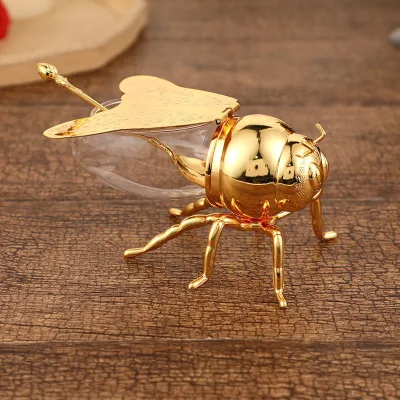


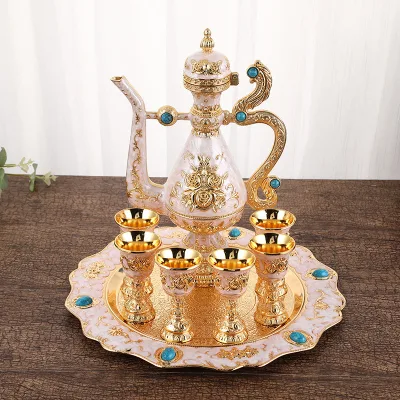
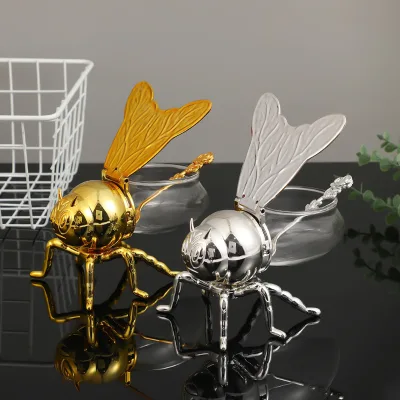


Comprehensive Sourcing Guide
Large Capacity Handcrafted Honey Pot with Spoons Supplier Concentration and Factory Types
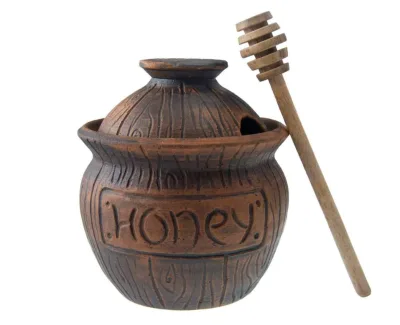
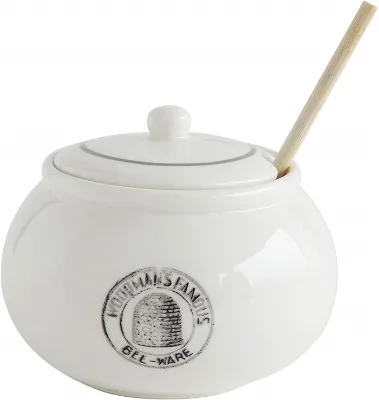
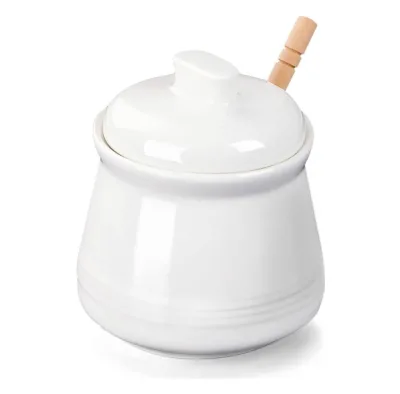
The sourcing landscape for large capacity handcrafted honey pots with spoons reveals a distinct geographic concentration in China, specifically within the Fujian province. This region serves as a primary manufacturing hub for ceramic and resin-based tableware and home decor items. Suppliers located in this area often leverage local clay resources and established kiln infrastructure to produce high-quality stoneware and porcelain products. The presence of these manufacturers indicates a mature supply chain capable of handling both standard and customized ceramic orders. Buyers looking for authentic handcrafted aesthetics should prioritize suppliers based in Fujian, as the local expertise directly influences the final texture and finish of the honey pots. The concentration of factories in this specific province suggests that logistics and raw material sourcing are optimized for ceramic production, potentially offering better consistency in firing temperatures and glaze applications compared to other regions.
Factory types in this sector vary significantly, ranging from pure manufacturers to combined entities that include trading companies. Many suppliers operate as combined businesses, allowing them to offer a broader range of products such as ceramic mugs, plates, and decorative vases alongside honey pots. This diversification can be advantageous for buyers seeking to consolidate orders for multiple kitchenware items. However, it is crucial to distinguish between pure manufacturing capabilities and trading operations. Pure manufacturers typically have direct control over the production line, including the firing process which can reach temperatures of 1280 degrees Celsius for stoneware. Combined companies may offer more flexible design services and OEM/ODM support, catering to brands that require custom logo printing or unique embossed designs. Understanding the company type helps buyers assess whether they are dealing with the source of production or an intermediary, which impacts pricing structures and communication efficiency during the sourcing process.
How to Verify Large Capacity Handcrafted Honey Pot with Spoons Suppliers
Verification is a critical step in ensuring the reliability of suppliers offering large capacity handcrafted honey pots with spoons. Buyers should prioritize suppliers who have undergone third-party verification processes, such as Bureau Verifications (BV) certification. This verification status provides a layer of confidence regarding the supplier’s business legitimacy and operational stability. Additionally, checking for system certifications is essential, although many ceramic suppliers may not display specific system certifications in their initial profiles. Buyers must actively inquire about product-specific standards rather than relying solely on general company certifications. The absence of displayed system certifications does not necessarily indicate a lack of quality, but it requires the buyer to dig deeper into product-level compliance documents. Requesting copies of recent test reports for food safety is a standard and necessary practice when sourcing items that will come into direct contact with consumable goods like honey.
Product evidence and attribute verification form another pillar of the due diligence process. Buyers should examine detailed product attributes such as material composition, firing temperature, and quality grades. For instance, stoneware honey pots often specify a firing temperature of 1280 degrees, which indicates durability and vitrification. Quality grades, such as "Ab Grade," should be clarified to understand what constitutes acceptable defects or variations in the handcrafted process. Furthermore, verifying the origin of the product is vital; attributes should explicitly state the place of origin, such as Fujian, China, to ensure alignment with sourcing expectations. Buyers should also look for evidence of customization capabilities, including OEM and ODM welcome signs, which indicate the supplier’s flexibility in meeting brand-specific requirements. Cross-referencing these product attributes with the supplier’s main product list helps confirm that they specialize in the relevant category rather than offering honey pots as a minor accessory to unrelated items.
What to Compare Across Large Capacity Handcrafted Honey Pot with Spoons Suppliers
When evaluating multiple suppliers, comparing key operational metrics is essential for selecting the most suitable partner. Lead time is a significant differentiator, with some suppliers offering production times of 23 days, while others may require 30 to 45 days after sample confirmation. Buyers must align these lead times with their inventory planning and seasonal demands. Minimum Order Quantities (MOQ) also vary widely, ranging from as low as 60 pieces for certain plastic or specialized designs to 1000 pieces for standard ceramic items. This variation allows buyers to choose suppliers based on their order volume capabilities. Response time is another critical factor, with some suppliers demonstrating rapid communication speeds, such as an average response time of 8 to 9 hours. Faster response times often correlate with better project management and quicker resolution of queries during the sampling and production phases.
Price and customization options are equally important comparison points. Unit prices for honey pots can range from approximately $0.85 to $5.01, depending on material, complexity, and customization level. Buyers should compare these prices against the specified MOQ to calculate the total landed cost accurately. Customization availability, including logo printing and design support, should be explicitly compared. Some suppliers offer decal printing, while others provide hand-painted options or embossed designs. The availability of OEM and ODM services indicates the supplier’s ability to create unique products that stand out in the market. Additionally, comparing packaging options is crucial, as safe packing methods like normal safe packing or customized boxes impact product protection during transit. Buyers should also consider the sample time, which typically ranges from 15 to 30 days, as this affects the overall time-to-market for new product launches.
Common Large Capacity Handcrafted Honey Pot with Spoons Sourcing Risks
One of the primary risks in sourcing handcrafted ceramic honey pots is the variability inherent in the manufacturing process. Handcrafted items may exhibit slight differences in shape, color, or glaze finish, which can lead to inconsistencies in bulk orders. Buyers must establish clear quality standards and acceptable tolerance levels with their suppliers to mitigate this risk. The use of quality grades, such as "Ab Grade," requires explicit definition to ensure that the delivered goods meet the buyer’s expectations. Without clear guidelines, discrepancies between samples and bulk production can result in rejected shipments or customer complaints. Additionally, the fragility of ceramic materials poses a significant logistical risk. Improper packaging can lead to breakage during transit, resulting in financial losses and delayed deliveries. Buyers should insist on robust packaging solutions, such as polyfoam and safety cartons, to protect the products throughout the supply chain.
Another risk involves the accuracy of product specifications and compliance with international standards. Suppliers may claim that their products meet specific food safety standards, such as FDA, SGS, or LFGB, but these claims must be verified with current test reports. Relying on unverified assertions can lead to regulatory issues in the buyer’s target market. Furthermore, the use of different materials, such as plastic versus ceramic, can impact the product’s perceived value and functionality. Buyers must ensure that the material specified in the product attributes matches their requirements, as miscommunication can result in receiving plastic items when ceramic was expected. The discrepancy between the product name and actual material, such as a ceramic honey pot description paired with a plastic material attribute, highlights the need for careful review of all product details. Buyers should also be cautious of suppliers who do not provide clear information about their production capabilities or customization limits, as this can lead to unmet expectations and project delays.
Large Capacity Handcrafted Honey Pot with Spoons Regional Sourcing and Logistics
Sourcing from the Fujian region in China offers distinct logistical advantages due to the concentration of ceramic manufacturers in this area. The local infrastructure is well-equipped to handle the export of fragile goods, with many suppliers having established relationships with freight forwarders experienced in ceramic shipping. Buyers should leverage this regional expertise to optimize logistics costs and ensure timely delivery. The proximity of raw material sources, such as high-quality clay, reduces lead times for material procurement and allows for more efficient production scheduling. Additionally, the presence of specialized kilns capable of reaching high firing temperatures ensures that the ceramic products meet the necessary durability standards. Buyers can benefit from this localized ecosystem by coordinating closely with suppliers to streamline the production and shipping processes. Understanding the regional logistics landscape helps buyers anticipate potential bottlenecks and plan their inventory replenishment strategies more effectively.
Logistics planning must also account for the specific packaging requirements of ceramic and resin products. Suppliers in Fujian typically use a combination of inner packaging, such as white boxes or polyfoam, and outer packaging, such as safety cartons, to protect the items during transit. Buyers should verify the packaging details specified in the product attributes to ensure they align with their shipping needs. Customized packaging options are often available, allowing buyers to include branding elements that enhance the product’s market appeal. However, customized packaging may increase lead times and costs, so buyers should weigh these factors against their branding goals. Additionally, buyers should consider the impact of packaging on container loading efficiency. Efficient packing methods can reduce shipping costs per unit, improving overall profitability. Collaborating with suppliers to optimize packaging dimensions and weights is a strategic move that can yield significant savings in the long run, especially for large volume orders.
Large Capacity Handcrafted Honey Pot with Spoons Commercial Terms and Order Planning
Commercial terms and order planning are pivotal for successful procurement of large capacity handcrafted honey pots with spoons. Buyers should negotiate clear payment terms that protect their interests while accommodating the supplier’s cash flow needs. Common terms may include a deposit for production and the balance upon shipment, but buyers should strive for favorable conditions such as escrow services or letters of credit for larger orders. Understanding the production time, which can range from 23 to 45 days, is essential for accurate order planning. Buyers must factor in sample approval time, which typically takes 15 to 30 days, into their overall timeline. Delays in sample confirmation can significantly impact the final delivery date, so establishing a strict schedule for feedback and approval is crucial. Clear communication regarding production milestones helps prevent misunderstandings and ensures that the order stays on track.
MOQ and pricing structures also play a significant role in order planning. Buyers should assess whether their order volume meets the supplier’s MOQ requirements, which can range from 60 to 1000 pieces. If the order volume is below the MOQ, buyers may need to consider consolidating orders with other products or negotiating a higher unit price. Pricing should be compared across multiple suppliers to ensure competitiveness, but buyers should also consider the total cost, including shipping and tariffs. Customization options, such as logo printing and design changes, may incur additional costs, so these should be factored into the budget. Additionally, buyers should plan for potential quality control measures, such as pre-shipment inspections, to ensure that the products meet the agreed-upon standards. By carefully managing commercial terms and order planning, buyers can minimize risks and maximize the value of their sourcing investments in the honey pot category.
FAQs
What is the typical lead time for large capacity honey pots?
Manufacturers in Fujian, China, generally require 15 to 45 days for production after sample confirmation. Specific timelines depend on order volume and customization needs. Some suppliers offer a standard 23-day lead time, while others may take up to 50 days for complex designs. Buyers should confirm exact delivery schedules during negotiation.
What is the minimum order quantity for ceramic honey pots?
Minimum order quantities vary significantly by supplier and product type. Standard ceramic items often require 1000 pieces, while specialized designs may accept 300 pieces. Some plastic or unique shaped options allow for as low as 60 pieces. Buyers should verify the specific MOQ for their chosen model before placing an order.
Are these honey pots safe for food contact?
Yes, most ceramic honey pots are food safe and dishwasher safe. Products are tested against standards like SGS, FDA, PROP65, and LFGB. The firing temperature for ceramic items is typically 1280 degrees, ensuring durability. Buyers should request current test reports to verify compliance with their local food safety regulations.
Can I customize the logo and design on the honey pot?
Customization is widely available, including OEM and ODM services. Buyers can add custom logo printing using decal technology or hand-painted techniques. Design options include embossed patterns or specific styles like American style. Suppliers welcome custom requests, though production times may extend to 30 days or more for bespoke items.
What is the price range for large capacity honey pots?
Prices typically range from $0.85 to $5.01 per unit depending on material and complexity. Ceramic honey pots with wooden dippers usually cost between $1.35 and $5.01. Simpler ceramic serving pots may start at $0.85. Bulk orders often secure lower unit prices, so buyers should request quotes based on their specific quantity requirements.
How long does it take to receive a sample?
Sample production usually takes 15 to 30 days. Some suppliers offer faster turnaround times of 15 days for standard models. Buyers should account for shipping time when planning their sourcing schedule. Confirming sample details and paying any associated fees will help expedite the process and ensure the final product meets expectations.