EVA Stethoscope Case with Zipper Suppliers and Manufacturers
Explore 31 verified options for EVA Stethoscope Case with Zipper from Guangdong factories. Compare response times, lead times, MOQs, certifications, and prices to select a suitable partner. Request samples to validate quality before placing orders; review the available evidence before requesting comparable quotations from suitable candidates.
Suppliers List
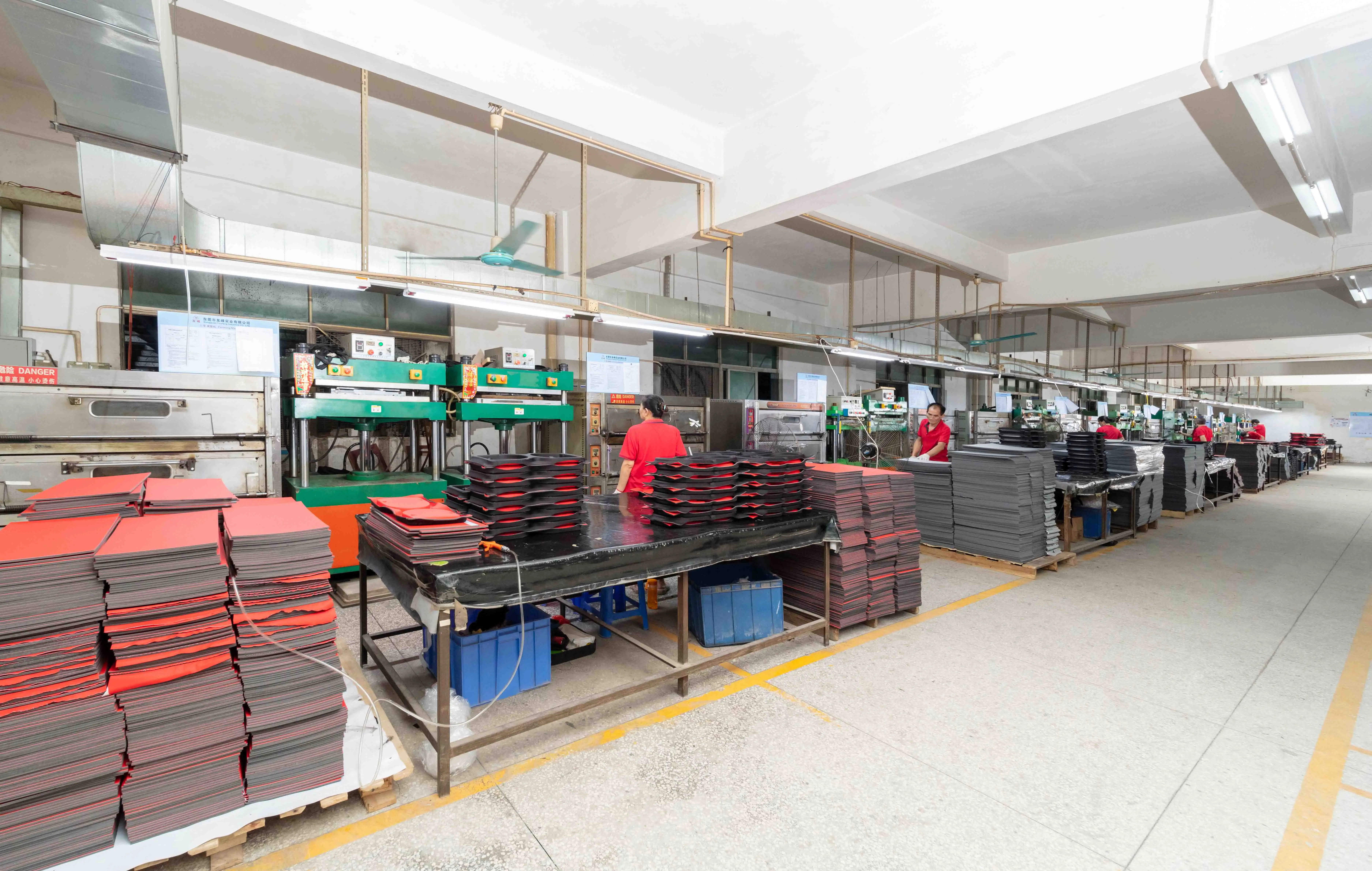
Dongguan Gufeng Industrial Co., Ltd.
- Manufacturer
- Guangdong, China
- Lead time0 days
- Avg. response≤ 2h
Main productseva case,carry case,medical case,abs case,motorcycle bag
Main marketsNorth America(30.00%), Domestic Market(15.00%), Northern Europe(10.00%), Western Europe(10.00%), Southeast Asia(10.00%), Eastern Europe(10.00%), South America(5.00%), South Asia(5.00%), Southern Europe(5.00%)
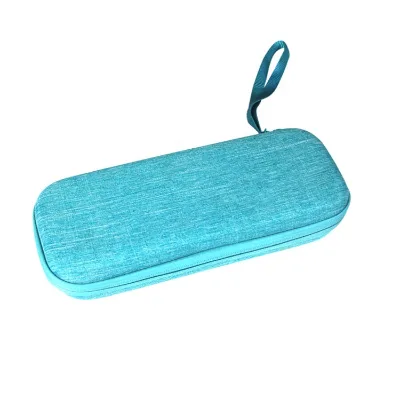
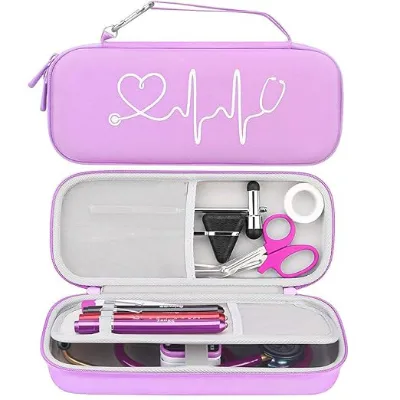
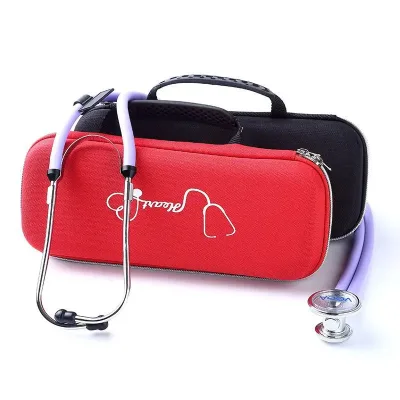
$2.00 - $3.50
MOQ: 500 pieces
Dongguan Hongjun Packaging Products Co., Ltd.
- Verified by SGS Group
- Manufacturer, Trading Company
- Lead time25 days
- Avg. response≤ 4h
Main productsEVA Case, PU Case, ABS Case, Handbag, Soft Bag
Main marketsDomestic Market(50%), Northern Europe(25%), North America(15%)
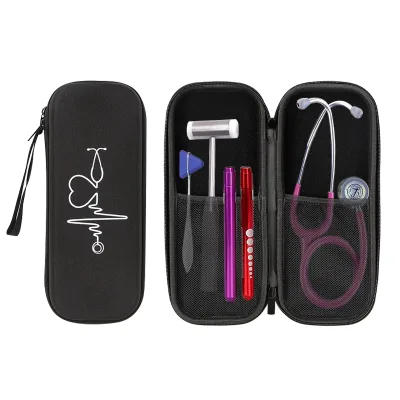
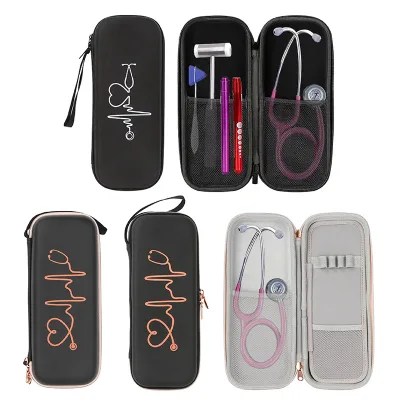
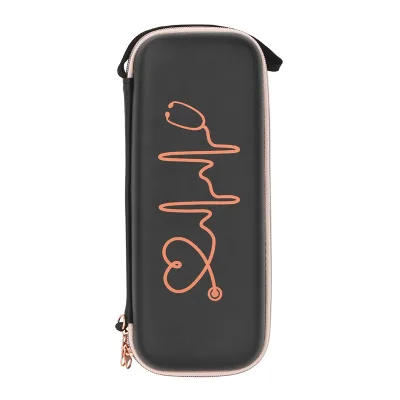
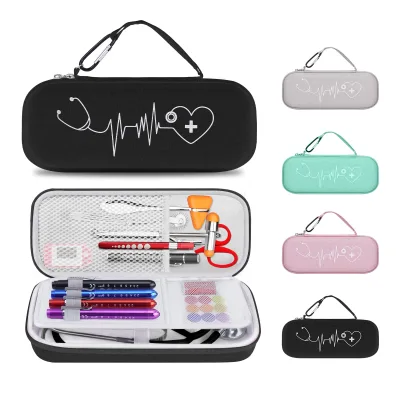
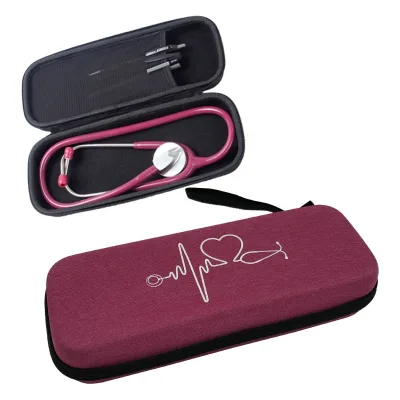
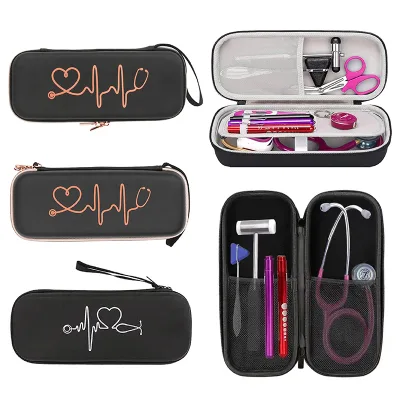
OEM Custom EVA Hard Protective Stethoscopes Carrying Case Travel Medical Tool Case Bag
$2.03 - $3.04
MOQ: 500 pieces
Dongguan Brilliant Packaging Co., Ltd.
- Manufacturer, Trading Company
- Lead time旺季: "1 - 500":31,"501 - 1000":31,"1001 - 3000":31,"> 3000":"To be negotiated", 淡季: "1 - 500":31,"501 - 1000":31,"1001 - 3000":31,"> 3000":"To be negotiated"
- Avg. response≤ 4h
Main productsEVA Case, ABS Case
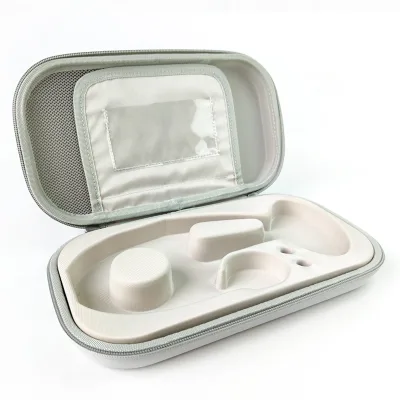
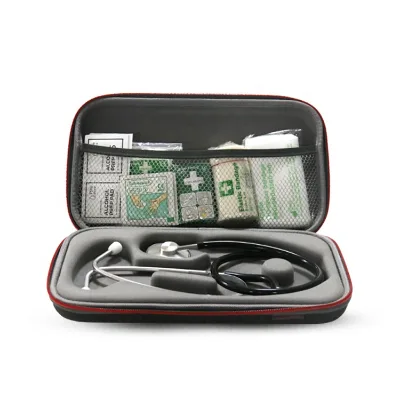
Custom Shockproof Stethoscope Case Travel Carrying Case for Stethoscope Eva Stethoscope Case
$2.40 - $2.50
MOQ: 500 pieces
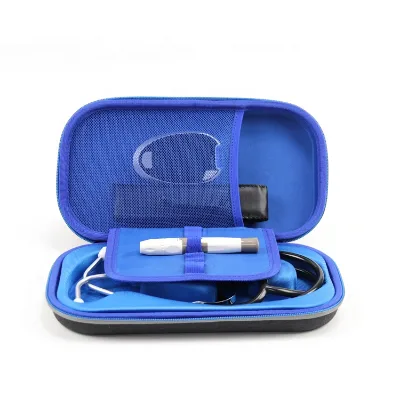
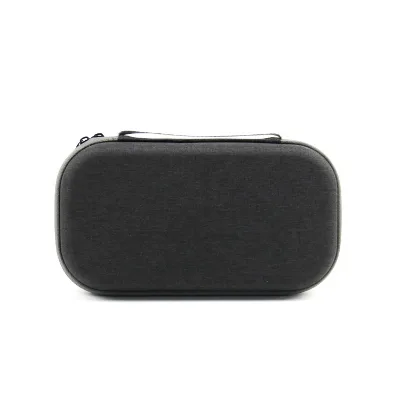
High Quality EVA Stethoscope Case Shockproof Stethoscope Holder Case Medical Storage Bag
$3.10 - $3.30
MOQ: 500 cases

Yangzhou Goldenwell Import&Export Co., Ltd.
- Verified by BV
- Trading Company,Manufacturer/Factory
- China Jiangsu
- Lead time23 days
- Avg. response≤ 6h
Main productsMedical Devices, Syringe, Medical Tape, Medical Bandage
Main marketsSouth America,Eastern Europe,Mid East,North America,Southeast Asia,Eastern Asia,Oceania,Western Europe,Africa
Shenzhen Always Electronics Co., Ltd.
- Manufacturer, Trading Company, Distributor/Wholesaler
- Guangdong, China
- Lead time15 days
- Avg. response≤ 3h
Main productsGame Accessories,Game Protective Case,Game Stand,USB Cable,VR Accessories
Main marketsNorth America(25.00%), Domestic Market(12.00%), Western Europe(12.00%), Southern Europe(12.00%), Northern Europe(12.00%), Central America(10.00%), Eastern Asia(5.60%), South America(5.00%), Southeast Asia(3.00%), Eastern Europe(2.00%), Mid East(1.00%), South Asia(0.20%), Africa(0.10%), Oceania(0.10%)
Dongguan Jupiter Cases And Bags Co., Ltd.
- Manufacturer
- Guangdong, China
- Lead time20 days
- Avg. response≤ 7h
Main productseva case,eva protective case,eva carrying case,eva travel case,eva bag
Main marketsOceania(15.00%), Northern Europe(11.00%), Southern Europe(10.00%), Central America(6.00%), South America(5.00%), Southeast Asia(5.00%), Western Europe(5.00%), Eastern Europe(5.00%), Africa(5.00%), Domestic Market(3.00%), North America(3.00%), South Asia(2.00%)

Shanghai Goldenwell Medical Technology Co., Ltd.
- Verified by CTI
- Trading Company
- China Shanghai
- Lead time15 days
- Avg. response≤ 7h
Main productsMedical Devices, Sports Support, Medical Dressings
Main marketsSoutheast Asia/ Mideast,Europe
Jiangxi Brilliant Technology Co., Ltd.
- Verified by TüVRheinland
- Manufacturer, Trading Company
- Lead time20 days
- Avg. response≤ 2h
Main productsEVA Bags & Cases
Main marketsNorth America(50%), Eastern Asia(20%), Domestic Market(11%)
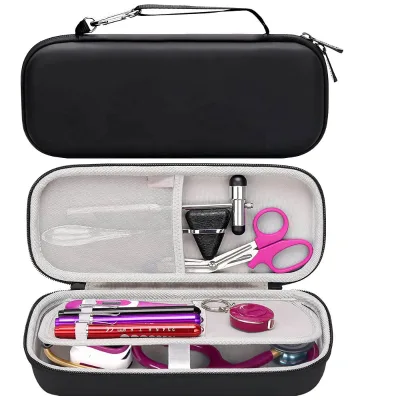
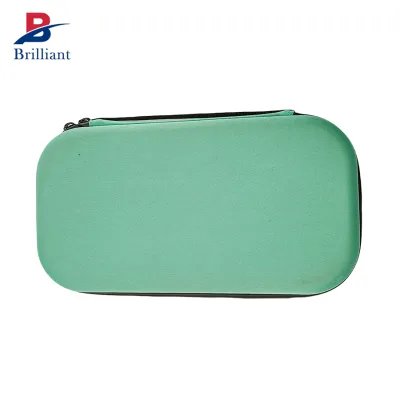
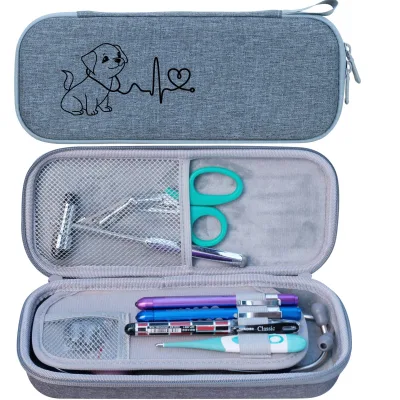
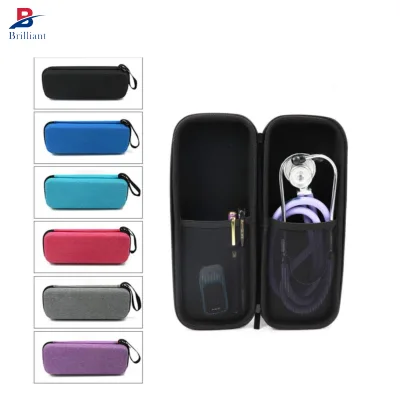
$1.46 - $2.90
MOQ: 1000 pieces
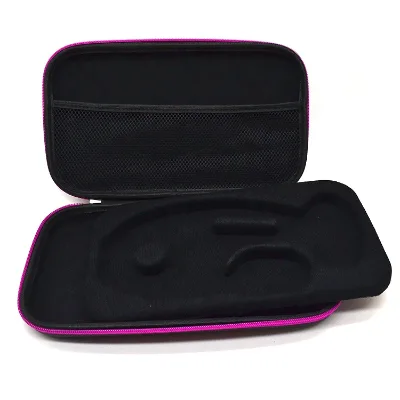
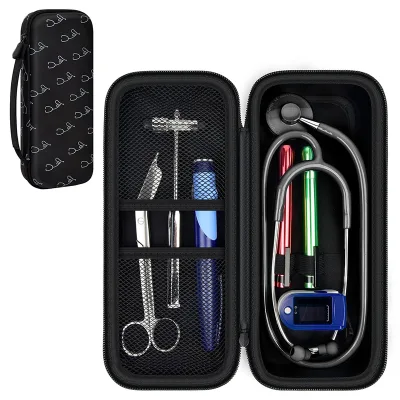
$2.45 - $2.96
MOQ: 500 pieces
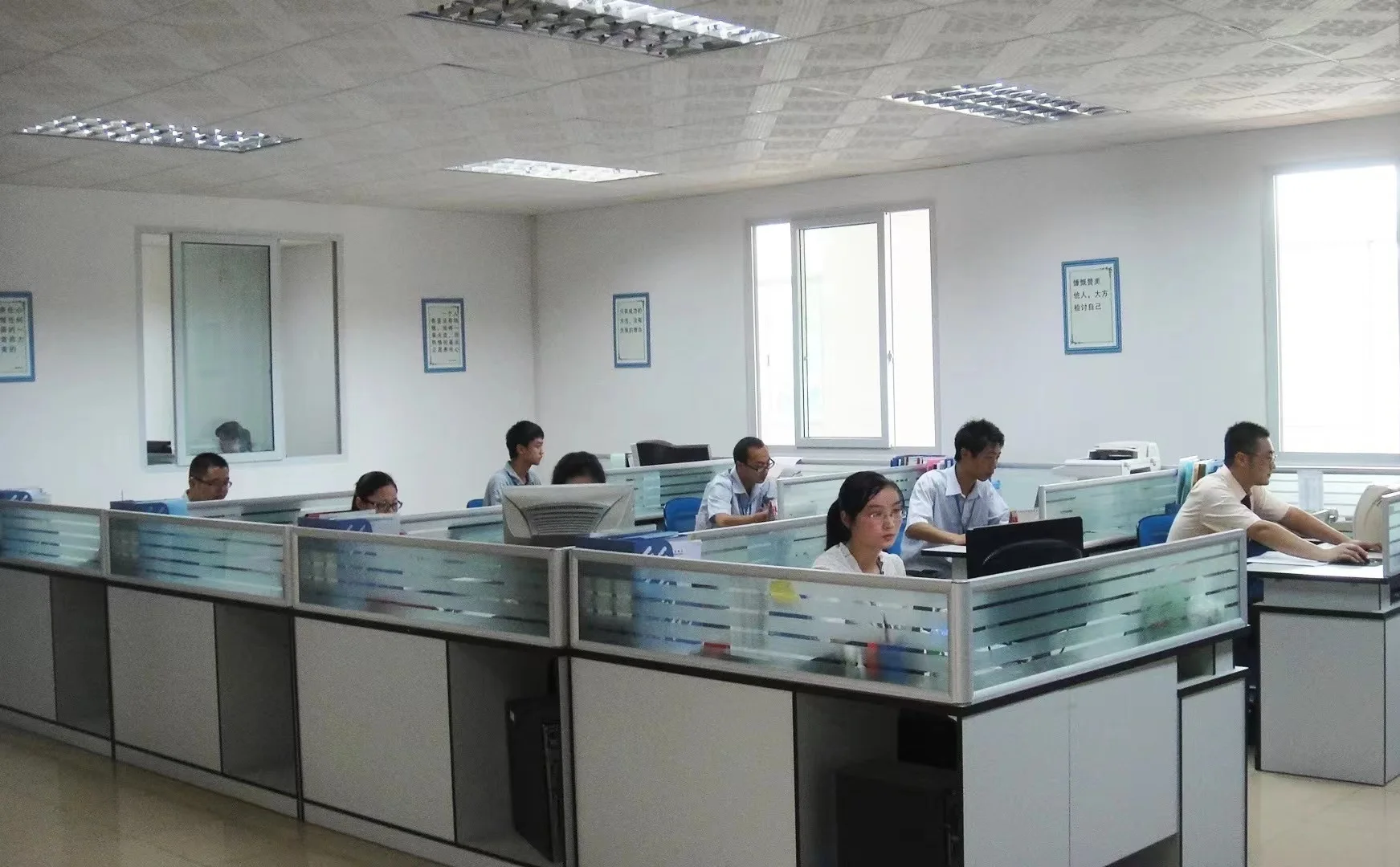
Shenzhen Chengzhi Technology Co., Ltd.
- Manufacturer, Trading Company
- Guangdong, China
- Lead time30 days
- Avg. response≤ 5h
Main productsEVA Storage Case, EVA Hard Drive Case, EVA Speaker Case, EVA Tool Case, Handbag
Main marketsDomestic Market(50.00%), North America(20.00%), Western Europe(15.00%), Eastern Asia(5.00%), Eastern Europe(5.00%), South America(3.00%), Oceania(1.00%), Southeast Asia(1.00%)
Jinhe (dongguan) Technology Product Co., Ltd.
- Verified by TüVRheinland
- Manufacturer, Trading Company
- Lead time15 days
- Avg. response≤ 2h
Main productsEVA Products, Protective Gears, Foam Products, Electronic Accessories, EVA Bags
Main marketsNorth America(38%), Eastern Europe(15%), Southeast Asia(8%)
Dongguan Beixinnai Technology Co., Ltd.
- Verified by SGS Group
- Manufacturer, Trading Company
- Lead time0 days
- Avg. response≤ 8h
Main productsEVA Bags, Luggage, Backpacks, Thermal Insulation Bag, Special Purpose Bags
Main marketsNorth America(30%), Domestic Market(30%), South America(5%)
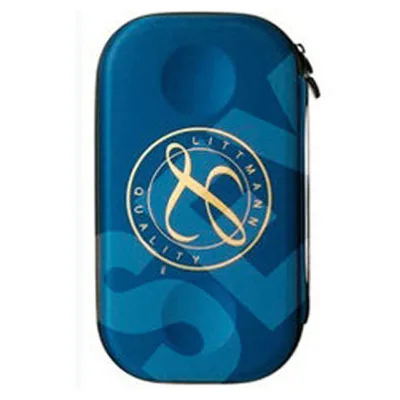
$2.64 - $2.95
MOQ: 500 Minimum
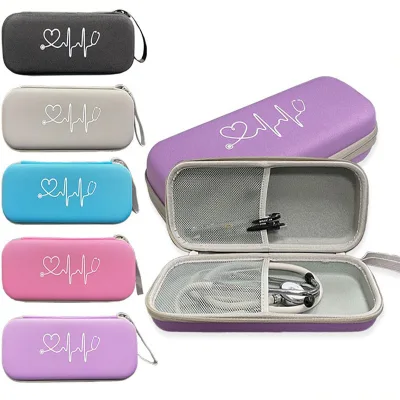
$0.51 - $5.08
MOQ: 500 Minimum
Ningbo Hongnian Packaging Co., Ltd.
- Trading Company
- Zhejiang, China
- Lead time0 days
- Avg. response≤ 2h
Main productsTool Case,Storage Case,Medical Case,Custom EVA Case,Carry Case
Main marketsCentral America(30.00%), South America(23.00%), North America(19.00%), Eastern Europe(10.00%), Northern Europe(9.00%), Southern Europe(6.00%), Western Europe(3.00%)
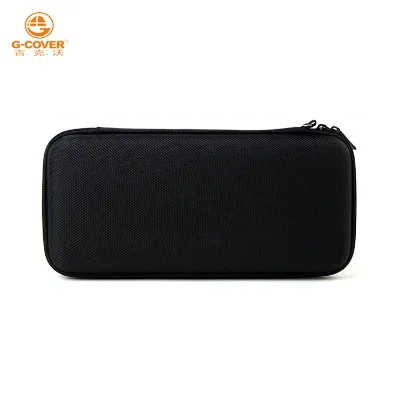
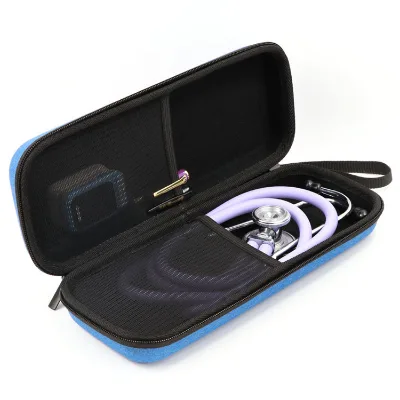
Guangzhou G-Cover Leather Trading Co., Ltd.
- Manufacturer, Distributor/Wholesaler, Other
- Guangdong, China
- Lead time20 days
- Avg. response≤ 3h
Main productsRangefinder Case,EVA HDD Case,Tool Case,Diving material 3C digital bag,EVA3C digital product pack
Main marketsNorthern Europe(90.00%), Central America(90.00%), Western Europe(90.00%), South Asia(90.00%), Southern Europe(90.00%), Oceania(90.00%), Southeast Asia(90.00%), Eastern Europe(90.00%), South America(90.00%), North America(90.00%), Mid East(5.00%), Eastern Asia(3.00%), Domestic Market(1.00%)
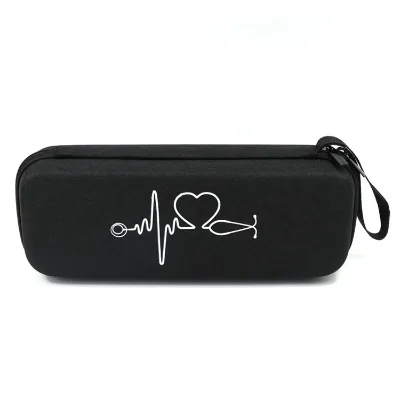
$1.97 - $2.30
MOQ: 500 pieces
Dongguan Chengyuan Bag Co., Ltd.
- Verified by TüVRheinland
- Manufacturer, Trading Company
- Lead time25 days
- Avg. response≤ 3h
Main productsEVA Tool Case, EVA Game Case, EVA Headphone Case, EVA Laptop Bag, EVA Cap Carrying Case
Main marketsDomestic Market(33%), North America(20%), Eastern Europe(10%)

- Verified by BV
- Trading Company
- China Zhejiang
- Lead time30 days
- Avg. response≤ 5h
Main productsOEM/ODM Hard Plastic Tool Cases, OEM/ODM Aluminum Cases, OEM/ODM Bags
Main marketsSouth America,Southeast Asia/ Mideast,Europe,North America

Ningbo Multi Channel Co., Ltd.
- Trading Company
- China Zhejiang
- Lead time23 days
- Avg. response≤ 13h
Main productsFirst Aid Kit, Wound Dressing, Bandage, Outdoor Emergency Supplies, Hot/Cold Therapy, Surgery Supplies, Laboratory Supplies, Medical Devices, Anethesia Breathing Supplies, Daily Care
Main marketsSouth America,Southeast Asia/ Mideast,East Asia(Japan/ South Korea),Europe,North America


$15.50 - $16.90
MOQ: 500 Pieces
Dongguan Chengyi Handbag Co., Ltd.
- Verified by TüVRheinland
- Manufacturer, Trading Company
- Lead time15 days
- Avg. response≤ 5h
Main productsLuggage, Children's Luggage, 3C Electronic Luggage, Tool Kit, Diving Storage Bag
Main marketsNorth America(30%), Domestic Market(28%), South America(10%)
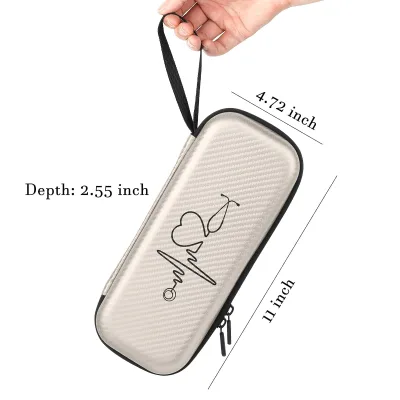
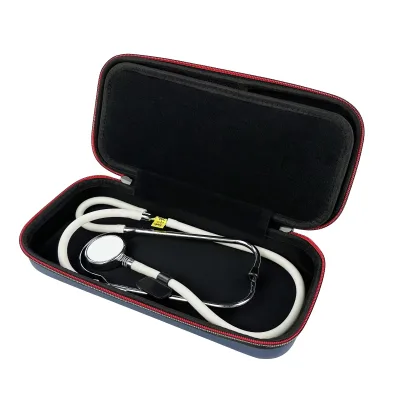
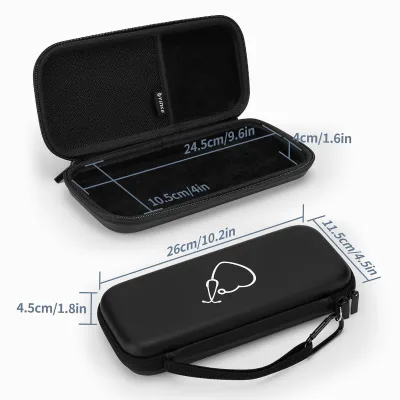
Shockproof Nurse Medical Stethoscope Hard Carry Case Bag Thin Stethoscope Carrying Case
$1.20 - $3.50
MOQ: 10 pieces

Dongguan Lianping Luggage Products Co., Ltd.
- Verified by BV
- Combined
- China Guangdong
- Lead time23 days
- Avg. response≤ 6h
Main productsEVA Case, EVA Pencil Case, EVA Earphone Case, EVA Headphone Case, EVA Power Bank Case, EVA Tool Storage Case, EVA Camera Case, EVA Electronic Storage Case, EVA Tablet Storage Case, EVA Bra Storage Case
Main marketsSouth America,Africa,Southeast Asia/ Mideast,East Asia(Japan/ South Korea),Europe,Australia,North America

$1.55 - $1.99
MOQ: 500 Pieces

Black EVA Manufacturers Portable Protective Stethoscope Carrying Case Personalized Stethoscope Case
$0.79 - $1.09
MOQ: 500 Pieces
Dongguan Huijin Industrial Co., Ltd.
- Verified by TüVRheinland
- Manufacturer, Trading Company
- Lead time30 days
- Avg. response≤ 5h
Main productsEVA Case, EVA Tool Case, EVA Hard Case, Watch Case, Pencil Case
Main marketsWestern Europe(35%), North America(30%), Domestic Market(25%)
Shenzhen JXY Technology Co., Ltd.
- Manufacturer
- Guangdong, China
- Lead time15 days
- Avg. response≤ 6h
Main productsEVA Cases/Tablet Cases,Tool Cases,Travel Bags,Sport Bags
Main marketsNorth America(35.00%), Western Europe(20.00%), Domestic Market(17.00%), Eastern Asia(15.00%), Southern Europe(5.00%), Northern Europe(3.00%), South America(2.00%), Eastern Europe(1.00%), Mid East(1.00%), Southeast Asia(1.00%)
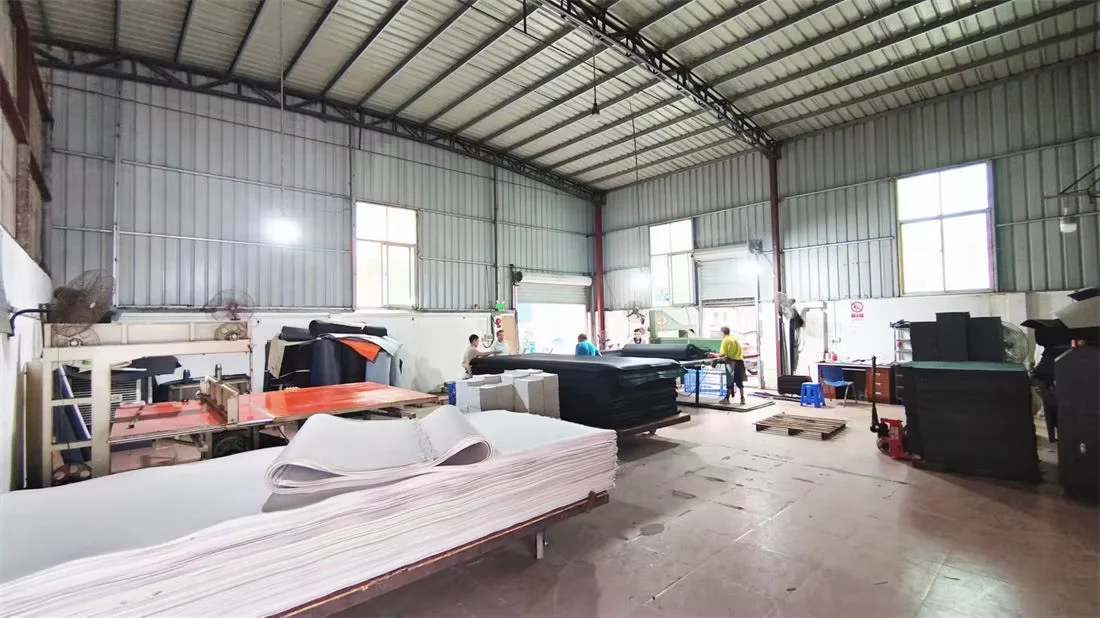
Dongguan Yirui Packaging Products Co., Ltd.
- Manufacturer
- Guangdong, China
- Lead time25 days
- Avg. response≤ 4h
Main productsEVA Case,PU Case,Custom Case,Tool Case,Handbag
Main marketsNorth America(40.00%), Eastern Europe(20.00%), Western Europe(20.00%), Northern Europe(10.00%), South America(10.00%)

- Trading Company,Manufacturer/Factory
- China Shandong
- Lead time0 days
- Avg. response≤ 6h
Main productsTourniquet, Nonwoven Consumables, Surgical Suture, Bandage, Ostomy Bag, Urine Bag, Cotton Wool Roll, Blood Lancet, Lab Consumable

Factory Price Stethoscope Box Waterproof EVA Storage Box Storage Case Box
$3.00 - $4.00
MOQ: 100 Pieces

Medical Doctor Storage Manual Carrying Tool Personalized Stethoscope Case
$3.50 - $4.00
MOQ: 100 Pieces

Travel Carring Medical Waterproof EVA Storage Nurse Doctor Stethoscope Box
$3.50 - $4.00
MOQ: 100 Pieces
Dongguan Zhenxiang Sports Technology Co., Ltd.
- Manufacturer
- Guangdong, China
- Lead time20 days
- Avg. response≤ 16h
Main productsleather products,neoprene products,rubber/silicone products,EVA case/bag,wallets
Main marketsDomestic Market(40.00%), North America(32.00%), Eastern Asia(18.00%), Eastern Europe(7.00%), Southeast Asia(3.00%)
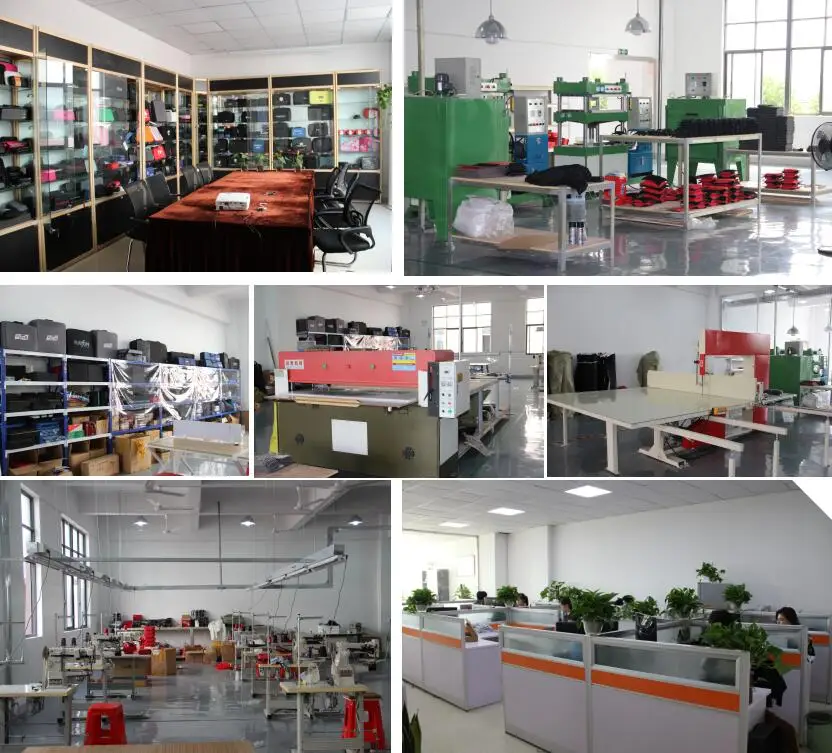
- Manufacturer, Trading Company
- Jiangsu, China
- Lead time25 days
- Avg. response≤ 2h
Main productsEVA Case,Aluminum Case,Plastic Case,EVA Foam,Soft Bag
Main marketsNorth America(26.00%), Northern Europe(20.00%), Western Europe(10.00%), Eastern Asia(10.00%), Eastern Europe(8.00%), Southern Europe(5.00%), Southeast Asia(5.00%), South America(5.00%), South Asia(3.00%), Oceania(3.00%), Domestic Market(3.00%), Mid East(2.00%)
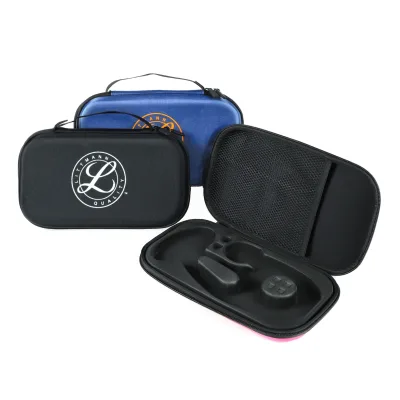
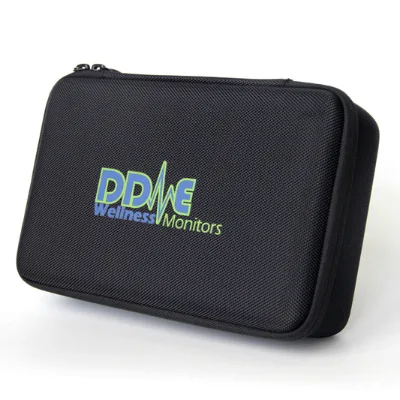
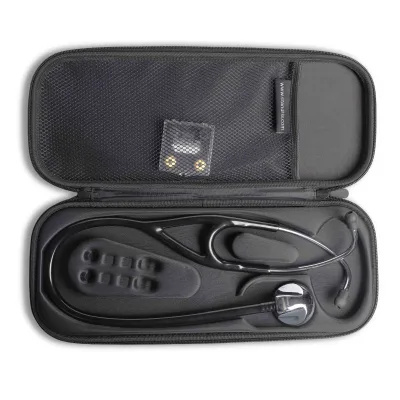
Customizable Waterproof Soft EVA Stethoscope Case for Medical Instruments
$1.45 - $2.31
MOQ: 500 pieces
Dongguan Changxin Handbag Co., Ltd.
- Manufacturer, Trading Company
- Guangdong, China
- Lead time15 days
- Avg. response≤ 9h
Main productsCustom Eva Tool Case,Backpacks,Stethoscope Case,Cnc Foam,Hat case
Main marketsSouthern Europe(20.00%), Western Europe(15.00%), Oceania(15.00%), North America(10.00%), Northern Europe(10.00%), Central America(10.00%), Eastern Europe(10.00%), South America(10.00%)
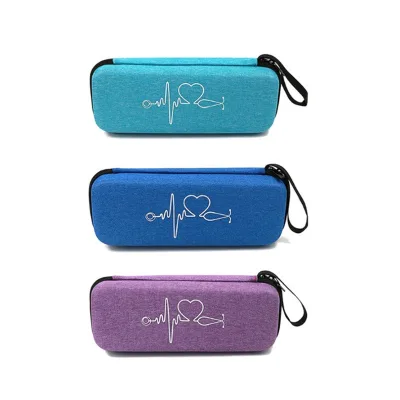
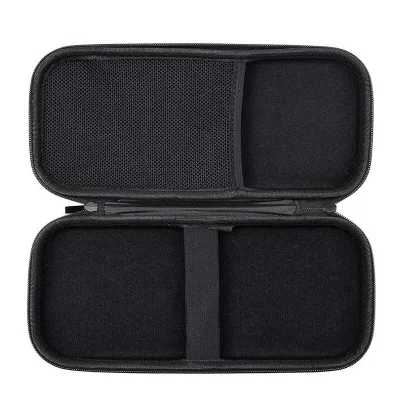
China Stethoscope Package Carrying Travel Light Blue Eva Case for Stethoscopes Organizer
$1.50 - $2.50
MOQ: 300 pieces
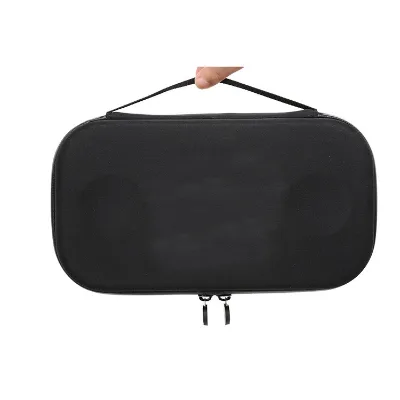
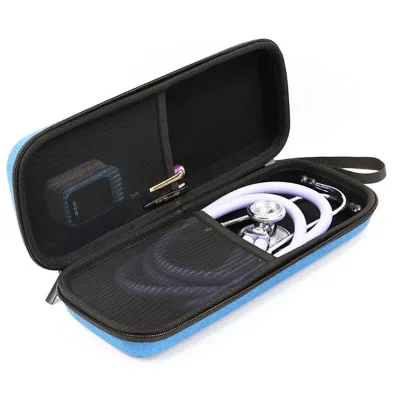
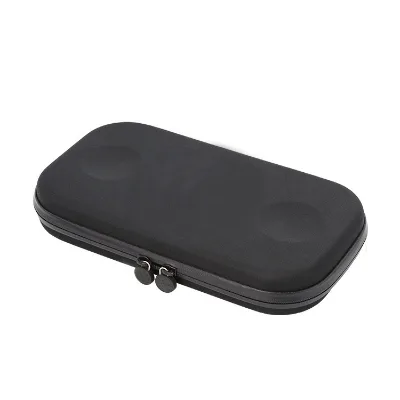
$1.53 - $2.55
MOQ: 500 pieces
Hangzhou Initi Imp&Exp Co., Ltd.
- Verified by SGS Group
- Manufacturer, Trading Company
- Lead time30 days
- Avg. response≤ 4h
Main productsTote Bag, Cosmetic Bag, Cooler Bag, Garment Bag, Aprons
Main marketsNorth America(40%), Western Europe(30%), Northern Europe(10%)
- Trading Company
- Guangdong, China
- Lead time10 days
- Avg. response≤ 2h
Main productsEVA Packaging Cases,EVA Mats,EVA Cosmetic Container,EVA Instrument Box,EVA Wine Box
Main marketsEastern Asia(24.00%), Southern Europe(22.00%), North America(22.00%), Domestic Market(22.00%), Western Europe(7.00%), Northern Europe(3.00%)
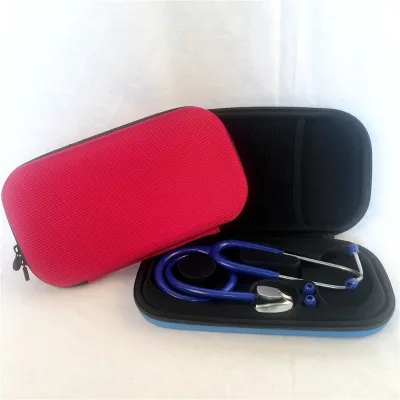
Hot Selling Custom Hard EVA Stethoscope Carrying Travel Case with Protective Molded Foam Insert
$2.10 - $5.00
MOQ: 500 pieces
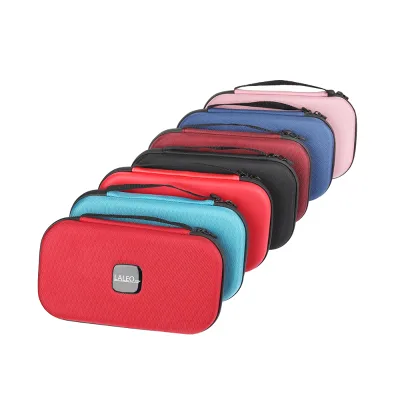
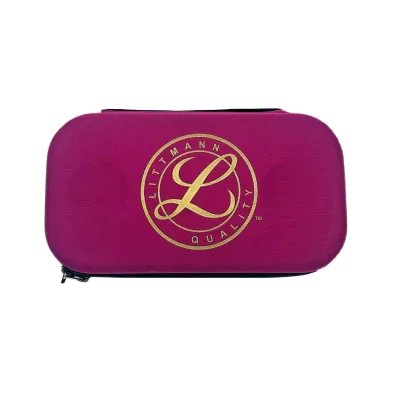
$2.98 - $3.07
MOQ: 100 pieces
- Verified by Intertek
- Manufacturer, Trading Company
- Lead time30 days
- Avg. response≤ 2h
Main productsEVA Packaging Cases, EVA Mats
Main marketsEastern Europe(25%), North America(20%), Central America(15%)
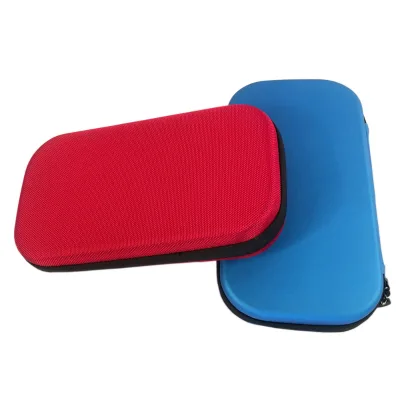
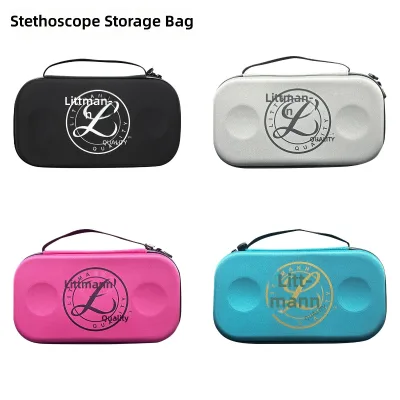
Customizable Manufacturer EVA Stethoscope Bag Cases Colored Litman Storage Box Waterproof
$1.60 - $2.70
MOQ: 300 pieces
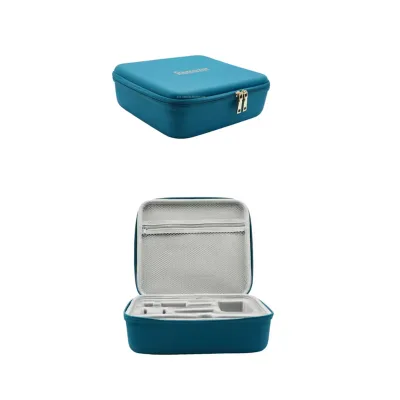
Factory Eva Case Custom Portable Protective Eva Medical Instruments Case
$5.10 - $6.12
MOQ: 300 pieces
Dongguan North Stars Technology Co., LTD
- Verified by Intertek
- Manufacturer, Trading Company
- Lead time0 days
- Avg. response≤ 2h
Main productsEVA Case, ABS Case
Main marketsEastern Asia(40%), North America(35%), Western Europe(15%)
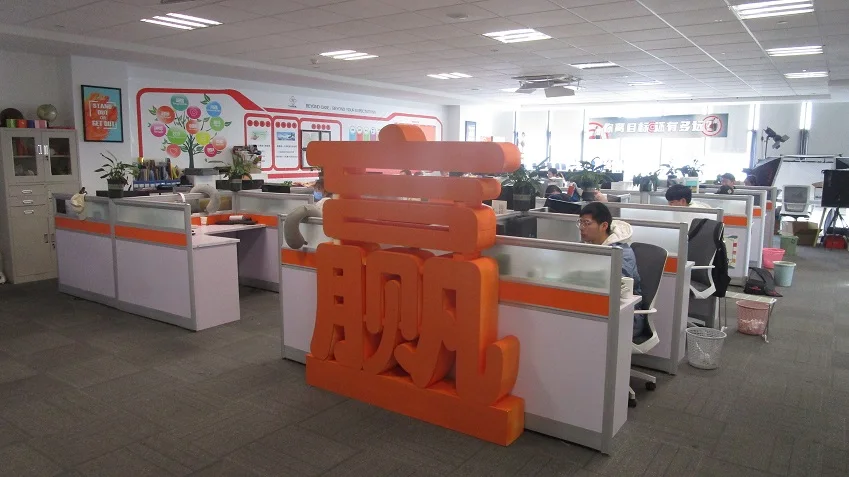
Suzhou Beyond Packaging Co., Ltd.
- Manufacturer, Trading Company
- Jiangsu, China
- Lead time20 days
- Avg. response≤ 3h
Main productsEVA Case, Soft Bag, Alumimum Case, Foam Case, Medical Case
Main marketsEastern Europe(20.00%), North America(20.00%), Central America(5.00%), Western Europe(5.00%), Eastern Asia(5.00%), Mid East(5.00%), Oceania(5.00%), Africa(5.00%), Southeast Asia(5.00%), South America(5.00%)
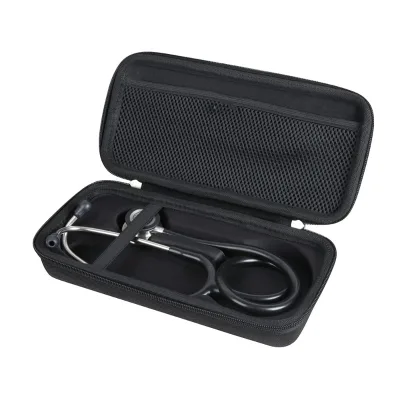
Custom Medical Cardiology Stethoscope Storage Box Case for Stethoscope Littmann
$2.11 - $2.99
MOQ: 500
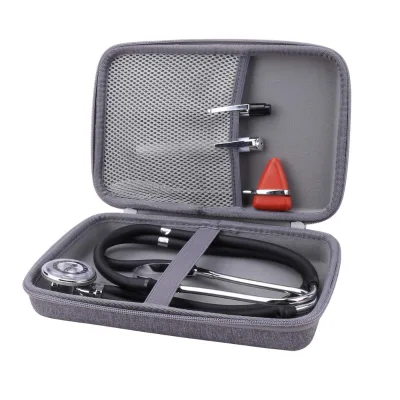

JU MEI (GUANGZHOU) BAGS COMPANY LIMITED
- Verified by BV
- Trading Company,Manufacturer/Factory
- China Guangdong
- Lead time45 days
- Avg. response≤ 5h
Main productsLaptop Bag, Backpack, Sleeve, Computer Bag, Laptop Backpack, Canvas Bag, Travel Bag, Sport Bag, Climbing Bag
Main marketsSouth America,Eastern Europe,Mid East,North America,Southeast Asia,Eastern Asia,Oceania,Western Europe,Africa

Customize Shockproof Portable EVA Hard Shell Stethoscope Organizer Storage Case Box
$4.00 - $6.00
MOQ: 500 Pieces

$4.00 - $5.00
MOQ: 500 Pieces

Customize Shockproof Portable EVA Hard Shell Stethoscope Organizer Storage Box Case (CY0400)
$4.00 - $6.00
MOQ: 500 Pieces

$5.50 - $6.50
MOQ: 500 Pieces


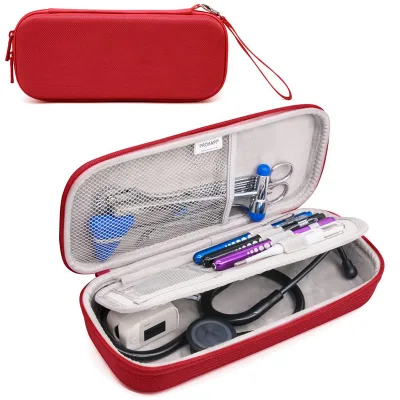
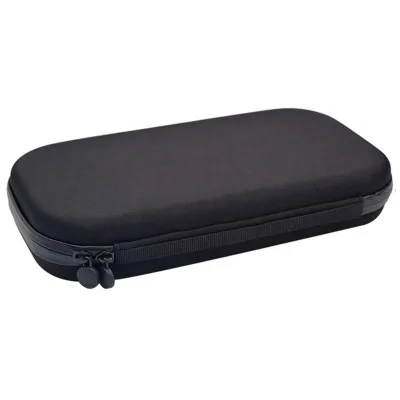
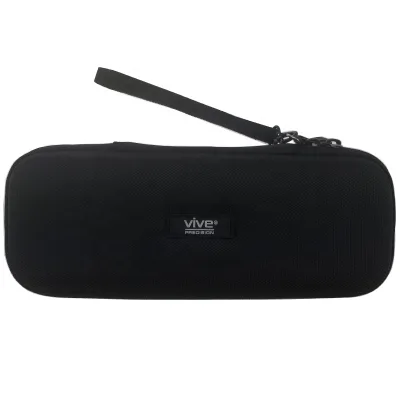


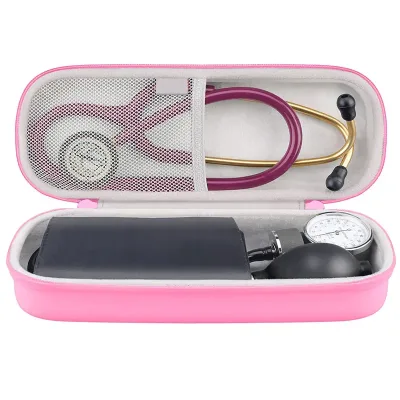
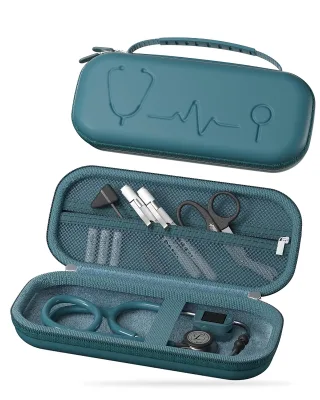
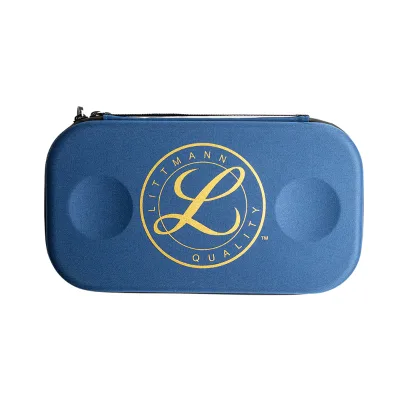
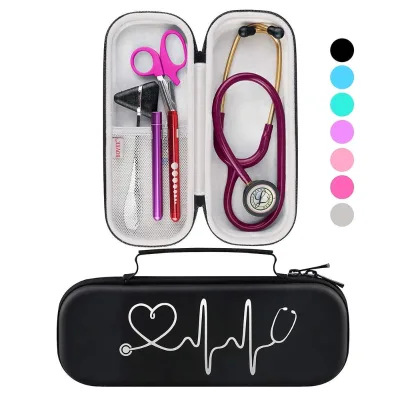
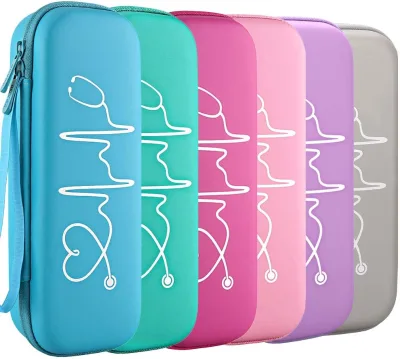
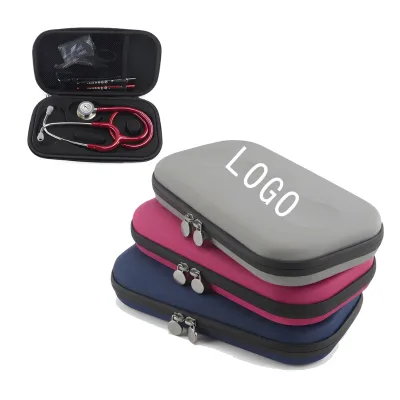
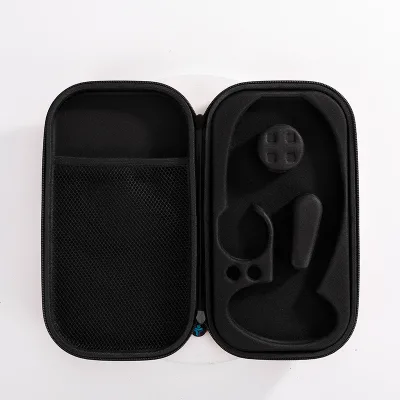
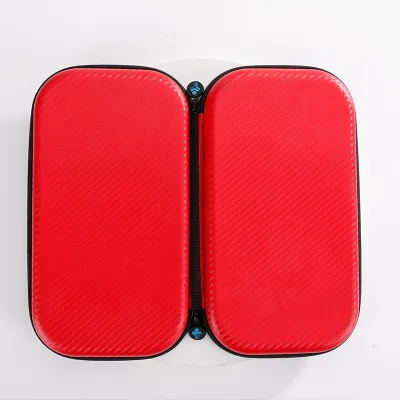
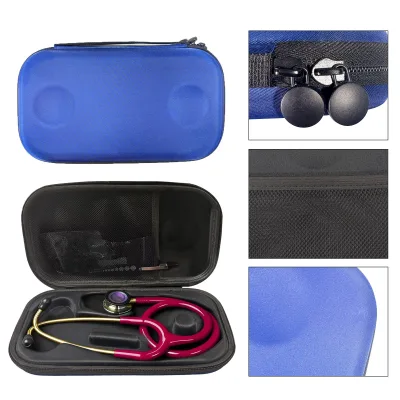


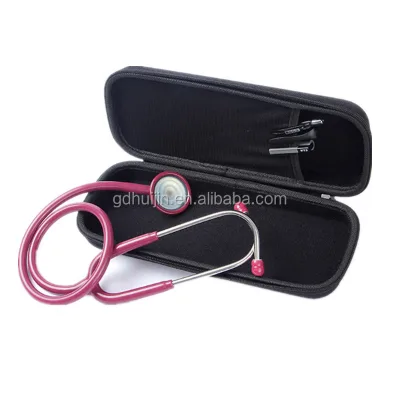
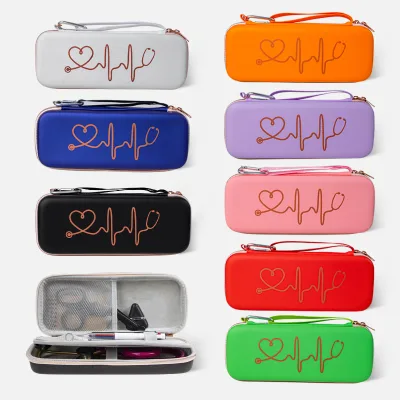
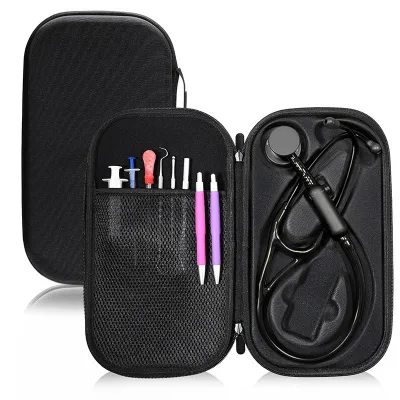
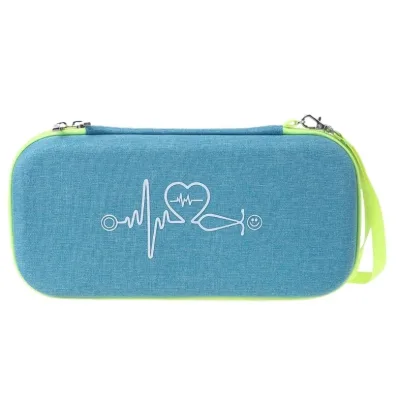
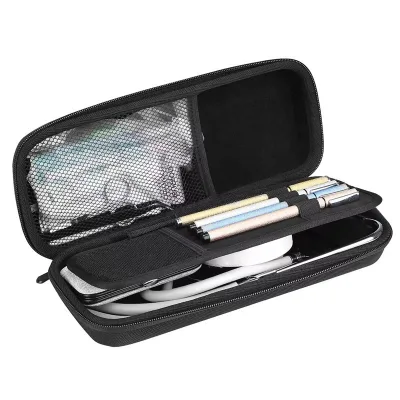
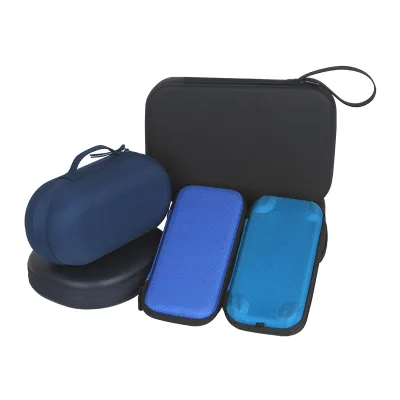
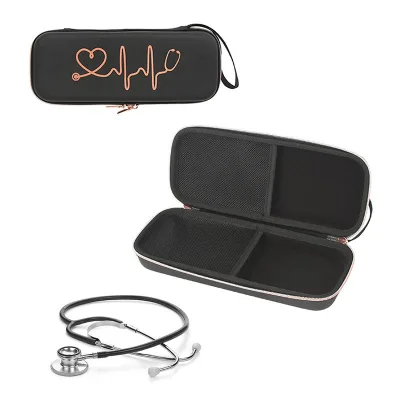
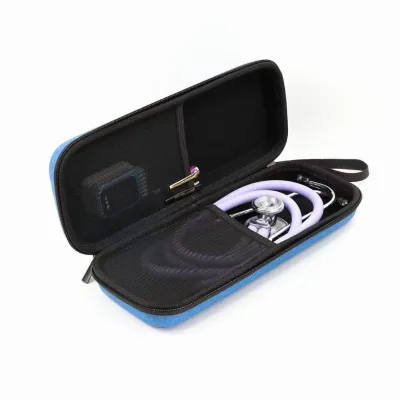
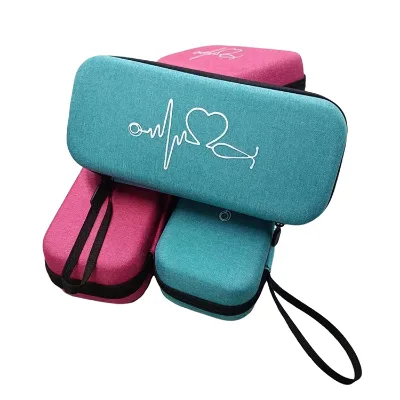
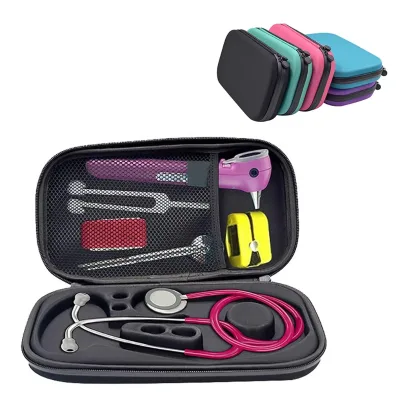
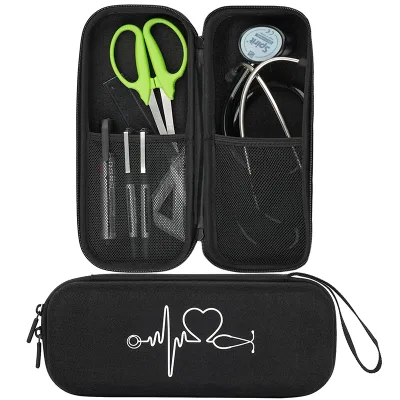
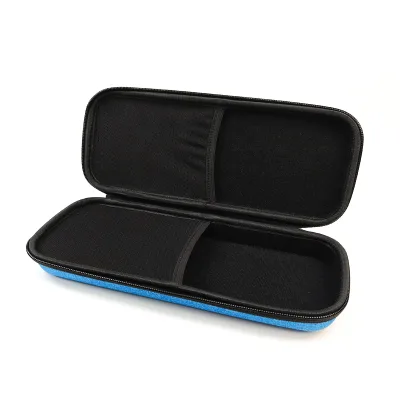
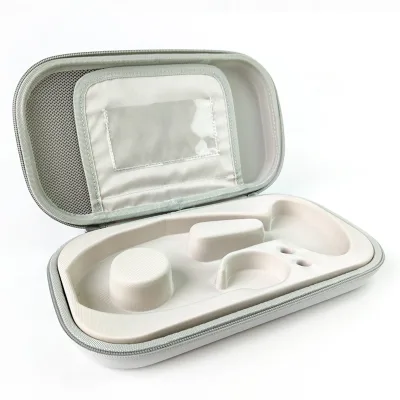
Comprehensive Sourcing Guide
EVA Stethoscope Case with Zipper Supplier Concentration and Factory Types
Current data indicates that manufacturing clusters for these cases are concentrated in Guangdong, China, where specific factories produce EVA, ABS, and PU cases alongside medical equipment storage solutions. This region hosts a mix of pure manufacturers and trading companies that offer diverse product lines including motorcycle bags and specialized luggage. Buyers should verify if a supplier operates as a direct factory or a trading entity, as this distinction impacts control over production quality and customization capabilities. The presence of multiple company types suggests a competitive market where direct factory relationships may offer better pricing for large orders, while trading companies might provide broader catalog access.
When evaluating the supplier base, note that some entities list main products ranging from EVA cases to soft bags and handbags, indicating potential for bundled sourcing. However, not all suppliers in this region specialize exclusively in medical accessories; some maintain broader portfolios that include tool storage and general protective cases. Buyers must confirm the specific manufacturing focus to ensure the supplier has dedicated capacity for stethoscope cases rather than treating them as a minor product line. The concentration in Guangdong allows for efficient logistics, but verifying the actual production site within the province remains essential for quality assurance and supply chain stability.
How to Verify EVA Stethoscope Case with Zipper Suppliers
Verification processes should prioritize checking for recognized system certifications such as ISO9001, ISO10012, and ISO14001, which appear in product attributes for specific manufacturers. Some suppliers display BSCI certification, indicating adherence to social compliance standards, while others may hold SGS Group verification status. Buyers must request current certification documents directly from the supplier rather than relying on displayed badges, as these credentials validate the factory's quality management systems and environmental practices. The presence of these standards suggests a structured approach to production, though the specific scope of certification should be confirmed against the buyer's requirements.
Beyond certifications, buyers should assess the supplier's response time and sample processing capabilities to gauge operational efficiency. Data shows response times ranging from two to four hours, with sample lead times often cited as three to seven workdays. A supplier offering rapid response and quick sample turnaround demonstrates a responsive supply chain capable of handling urgent orders. Additionally, verifying the supplier's establishment history, such as those claiming thirteen years of bag experience, provides insight into their market longevity and accumulated expertise. Buyers should cross-reference these claims with business licenses and past performance records to ensure the supplier's stated experience aligns with actual operational capacity.
What to Compare Across EVA Stethoscope Case with Zipper Suppliers
Comparison efforts must focus on key commercial dimensions including minimum order quantities, lead times, and pricing structures to identify the most suitable partner. Current product listings show MOQs varying significantly, with some suppliers requiring 200 pieces while others set the threshold at 500 pieces. Lead times also differ, with some factories indicating zero days for immediate stock or rapid production, while others specify a twenty-five-day window for custom orders. Buyers should create a comparison matrix to evaluate these variables alongside unit prices, which range from approximately two to four dollars depending on material composition and customization levels.
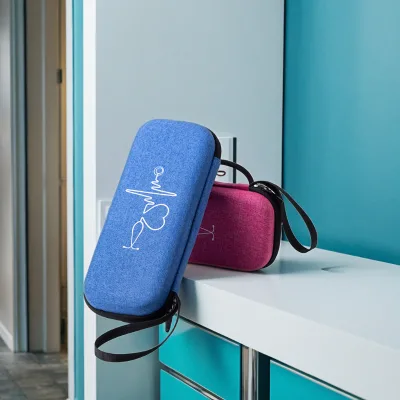
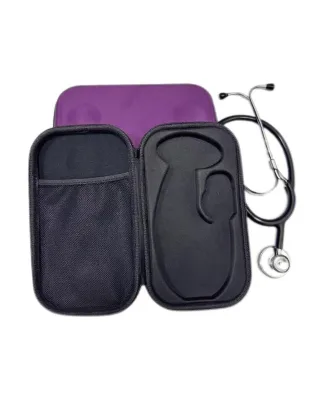
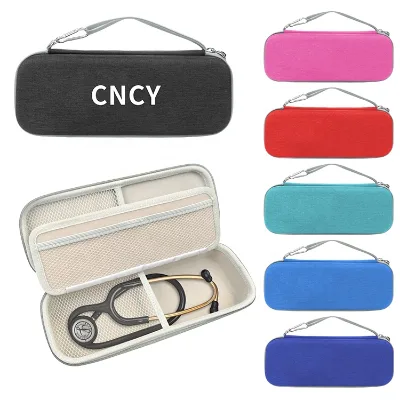
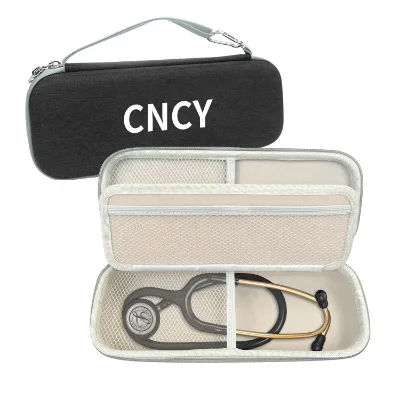
Material specifications and customization options form another critical comparison point, as suppliers offer different combinations of EVA, polyester, velvet, and mesh. Some products feature single-piece packaging with specific dimensions, while others allow for custom sizes and colors to match brand identity. The availability of OEM and ODM services varies, with some suppliers explicitly welcoming custom logo placement and design changes, while others may have limited flexibility. Buyers should also compare warranty terms, with some suppliers offering three-year warranties, and assess the functional features like waterproofing, shockproofing, and dustproofing capabilities to ensure the case meets the specific durability needs of medical professionals.
Common EVA Stethoscope Case with Zipper Sourcing Risks
One significant risk involves the discrepancy between claimed material quality and actual product composition, as some listings describe complex material blends while others specify single-material construction. Buyers must verify the exact material composition, such as whether the case uses positive ion polyester or standard EVA, to ensure it meets hygiene and durability standards. Inconsistent material descriptions can lead to receiving products that lack the advertised shockproof or waterproof features, potentially damaging sensitive medical instruments during transit. Clear specification agreements and pre-shipment samples are essential to mitigate this risk and ensure the final product matches the ordered requirements.
Another risk relates to the reliability of lead times and the potential for production delays, especially when dealing with suppliers who have varying response times and capacity levels. While some factories claim rapid turnaround, others may have longer production cycles that could disrupt inventory planning. The variation in sample times, ranging from three to seven workdays, indicates that production scheduling is not uniform across the supplier base. Buyers should establish clear communication channels and confirm production schedules before placing large orders to avoid delays. Additionally, the lack of standardized packaging descriptions across suppliers can lead to logistical issues, making it crucial to define packaging requirements explicitly in the purchase agreement.
EVA Stethoscope Case with Zipper Regional Sourcing and Logistics
Sourcing from Guangdong, China, offers logistical advantages due to the region's established infrastructure and proximity to major shipping ports. However, buyers must account for the specific location of the factory within the province, as this impacts inland transportation costs and delivery timelines to the port. The concentration of manufacturers in this area facilitates efficient consolidation of orders, but verifying the exact factory address is necessary to calculate accurate freight charges. Buyers should also consider the impact of regional holidays and production cycles on shipping schedules, as these factors can cause unexpected delays in order fulfillment.
Logistics planning should also address the packaging dimensions and weight variations observed across different product listings, which affect shipping costs and container utilization. Some cases are packaged in single units with specific dimensions, while others use bulk packaging methods like OPP bags and carton boxes. These differences influence the total volume and weight of the shipment, directly impacting freight rates and customs clearance procedures. Buyers should request detailed packing lists and dimensions from the supplier to optimize container loading and minimize shipping expenses. Additionally, understanding the export documentation requirements for medical accessories is vital to ensure smooth customs clearance in the destination country.
EVA Stethoscope Case with Zipper Commercial Terms and Order Planning
Commercial terms should be negotiated with attention to payment structures, warranty provisions, and intellectual property protection for custom designs. Some suppliers offer warranties up to three years, providing a safety net for product defects, while others may have limited or no warranty coverage. Buyers must clarify the terms of the warranty, including what constitutes a defect and the process for claims, to ensure adequate protection. Furthermore, establishing clear agreements on OEM and ODM rights is crucial to prevent unauthorized use of custom designs or logos by the supplier or third parties.
Order planning requires careful consideration of the minimum order quantities and the flexibility of the supplier to accommodate partial shipments or split orders. With MOQs ranging from 200 to 500 pieces, buyers need to assess whether their initial order volume aligns with these thresholds or if they can negotiate lower quantities for trial runs. The availability of sample processing and graphic customization services should be integrated into the order timeline to ensure sufficient time for design approval and production. Buyers should also plan for potential price fluctuations based on raw material costs and exchange rates, securing fixed pricing agreements where possible to maintain budget stability throughout the production cycle.
FAQs
What is the minimum order quantity for these cases?
The minimum order quantity varies by supplier, with options starting at 200 pieces or 500 pieces. Buyers should verify the specific MOQ for their selected model before placing an order to ensure it meets their volume requirements.
How long does it take to receive a sample?
Sample production typically requires 3 to 7 working days for delivery. This timeframe allows manufacturers to prepare custom designs or standard units before shipping them to the buyer for quality inspection and approval.
Are these cases waterproof and shockproof?
Yes, many models feature waterproof, shockproof, and dustproof properties. These cases are designed to protect medical instruments like stethoscopes from moisture and impact during transport or daily use in various environments.
Can I customize the size and logo of the case?
Custom sizes are accepted, and suppliers offer OEM and ODM services for branding. Buyers can request specific dimensions and have their logo printed on the case to match their professional or corporate identity needs.
What materials are used to make these carrying cases?
Common materials include EVA, polyester, velvet, and mesh combinations. Some cases also incorporate PU leather for a premium look while maintaining durability and protection for sensitive medical equipment during travel.
Do suppliers hold ISO certifications for quality assurance?
Several manufacturers hold ISO9001 and ISO14001 certifications to ensure quality management standards. Buyers should verify specific certification documents to confirm compliance with international safety and environmental requirements for medical accessories.
What is the typical price range for these cases?
Prices generally range from 1.99 to 4.42 US dollars per unit depending on specifications. The final cost is influenced by material quality, customization level, order volume, and specific features like waterproofing or extra storage compartments.
Where are these manufacturers located?
Most suppliers are located in Guangdong, China, which is a major manufacturing hub. This location allows for efficient production and logistics, though buyers should confirm the exact factory address for shipping calculations.