Handmade Portable Sunglass Case Suppliers and Manufacturers
Explore 29 verified options for Handmade Portable Sunglass Case suppliers offering PVC, PU, and metal materials. Compare response times, lead times, certifications, and prices to find the right partner. Contact suppliers directly to request samples and confirm customization details; review the available evidence before requesting comparable quotations from suitable candidates.
Suppliers List

Yiwu Baokai Import And Export Co., Ltd.
- Trading Company
- Zhejiang, China
- Lead time5 days
- Avg. response≤ 1h
Main productsglass,Sunglasses,glass box,glass tissue,Eyewear
Main marketsNorth America(20.00%), Eastern Europe(18.00%), Africa(14.00%), Western Europe(10.00%), Southeast Asia(5.00%), Southern Europe(5.00%), Mid East(5.00%), Northern Europe(5.00%), South America(5.00%), South Asia(4.00%), Central America(4.00%), Eastern Asia(3.00%), Domestic Market(1.00%), Oceania(1.00%)

- Trading Company,Manufacturer/Factory
- Hongkong_China Hongkong
- Lead time23 days
- Avg. response≤ 5h
Main productsCustom Paper Puzzle, Packaging Box, Books/Magazine, PU Album, Plastic Ziplock Bag, Paper Bag, Photo Frame, Board Game
Main marketsSouth America,Eastern Europe,North America,Southeast Asia,Eastern Asia,Oceania,Western Europe,Africa

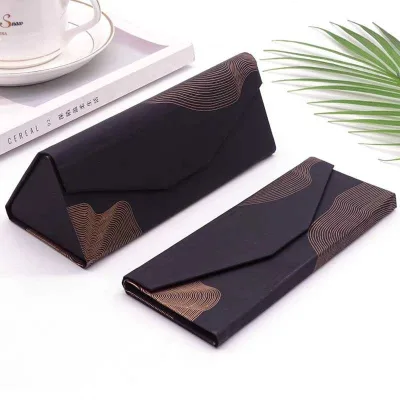
Eyeglasses Packaging Case Sunglasse Eyewear Reading Glasses Triangle Foldable Handmade Case
$0.98 - $1.85
MOQ: 500 Pieces


Glasses Bag PU Hand-Held Sunglasses Bag Microfiber Holding Eyeglasses Case
$0.98 - $1.85
MOQ: 500 Pieces


Wuxi Dongtian Textile Science and Technology Co., Ltd.
- Verified by TUVRHEINLAND
- Trading Company,Manufacturer/Factory
- China Jiangsu
- Lead time0 days
- Avg. response≤ 8h
Main productsMicrofiber, Microfiber Glasses Cloth, Microfiber Cleaning Cloth, Microfiber Pouch, Microfiber Towel, Microfiber Mouse Pad, Eyeglasses Case, Microfiber Glove, Microfiber Cooling Cloth, Cleaning Liquid Kit
Main marketsSouth America,Eastern Europe,Mid East,North America,Southeast Asia,Eastern Asia,Oceania,Western Europe,Africa

$0.45 - $0.69
MOQ: 500 Pieces

Fashion Optical PU Leather Glasses Case Protective Handmade Magnetic Sunglasses Case
$0.60 - $0.95
MOQ: 500 Pieces

Foldable PU Leather Hard Handmade Eyeglass Case Custom Logo Portable Triangle Glasses Case
$0.49 - $0.69
MOQ: 500 Pieces

Custom Logo PU Leather Soft Glasses Case Portable Sunglasses Packaging Magnet Case
$0.65 - $0.85
MOQ: 500 Pieces

PU Leather Portable Shades Soft Glasses Case Sunglasses Packaging Pouch Bag
$0.65 - $0.98
MOQ: 500 Pieces

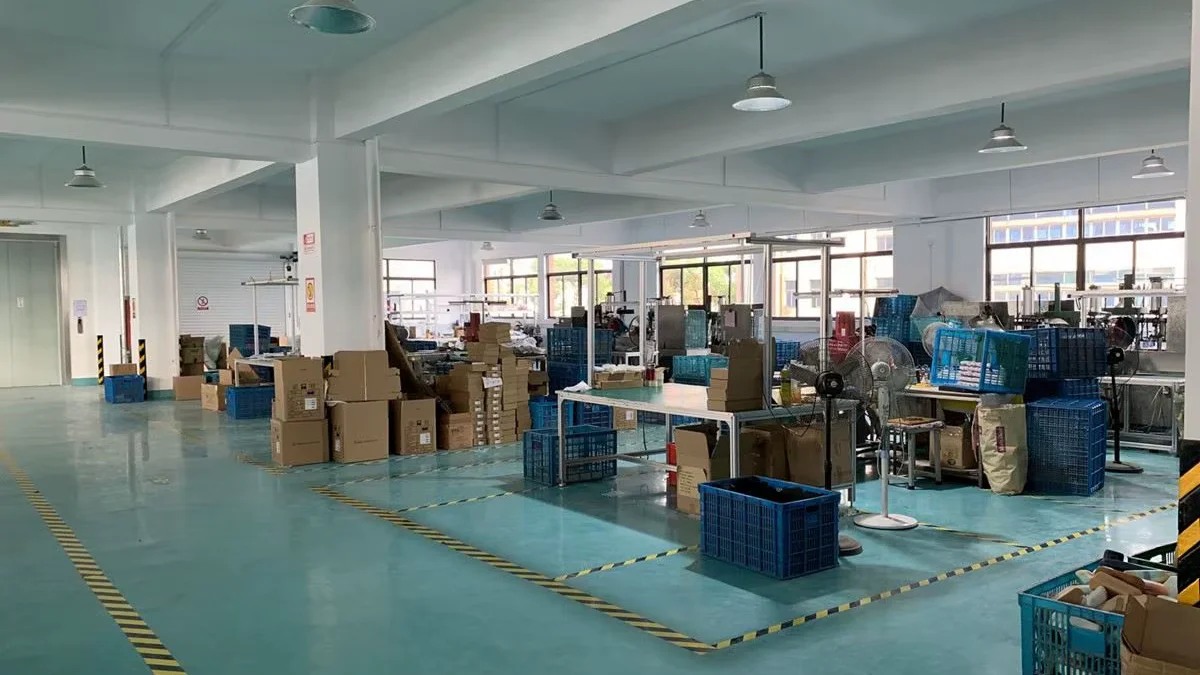
Wuxi Blue Feather New Technology Ltd.
- Manufacturer, Trading Company
- Jiangsu, China
- Lead time30 days
- Avg. response≤ 11h
Main productsEyeglasses Case,Make up Bags,Soft Bag,Pencil Cases,other eyeglasses package
Main marketsDomestic Market(31.00%), Southeast Asia(20.00%), Western Europe(17.00%), Southern Europe(11.00%), Central America(5.00%), North America(5.00%), South America(5.00%), Eastern Europe(3.00%), Mid East(3.00%)

Wenzhou Nighthawk Glasses Co., Ltd
- Verified by BV
- Trading Company
- China Zhejiang
- Lead time15 days
- Avg. response≤ 1h
Main productsSunglasses, Optical Frames, Reading Glasses, Eyewear Cases, Kids Frames
Main marketsNorth America


$0.60 - $0.80
MOQ: 200 Pieces

- Verified by BV
- Trading Company
- China Zhejiang
- Lead time30 days
- Avg. response≤ 6h
Main productsSunglass, Optical Frame, Sports Sunglasses, Kid's Optical Frames, Reading Glasses, Polarized Sunglasses, Eyeglasses Frame, Sun Glasses, Eyewear Frame, Sunglasses Case
Main marketsEurope,North America

Xiamen Top Packing Industry Co., Ltd.
- Trading Company,Manufacturer/Factory
- China Fujian
- Lead time23 days
- Avg. response≤ 3h
Main productsPackaging Box, Kids Toy, Puzzle, Bag, Casino Supplies, Books/Magazine, Board Game/Playing Card, Office Supply, Photo Frame, Daily Supplies
Main marketsSouth America,Eastern Europe,Mid East,North America,Southeast Asia,Eastern Asia,Oceania,Western Europe,Africa

$1.88 - $5.98
MOQ: 1000 Pieces

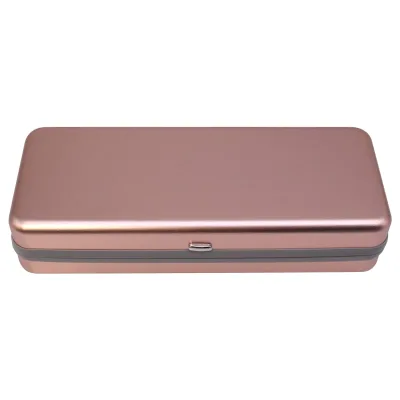
Velvet Metal Eyeglass Case Pressure Resistant Portable Sunglasses Box Sunglasses Case Metal Case
$1.88 - $5.98
MOQ: 1000 Pieces

Custom Glasses Case Leather Eyeglasses Case Sunglasses Case Eyeglasses Storage Bag
$1.88 - $5.98
MOQ: 1000 Pieces

Portable Storage Glasses Bag Sunglasses Case Factory Sells Customizable Women Bag
$1.88 - $5.98
MOQ: 1000 Pieces

Fashion Folding Sunglasses Case Handmade Myopic Eyeglasses Box Metal Case with Bamboo Printing
$1.88 - $5.98
MOQ: 1000 Pieces

Custom Leather Handmade Soft Hard Glasses Eyewear Case Set for Sunglasses with Pink Box
$1.88 - $5.98
MOQ: 1000 Pieces
- Verified by SGS Group
- Manufacturer, Trading Company
- Lead time20 days
- Avg. response≤ 2h
Main productsGlasses Case, Glasses Cleaning Cloth, Paper Box, Spray Bottle, Sunglasses Pouch
Main marketsEastern Europe(20%), Oceania(15%), North America(10%)
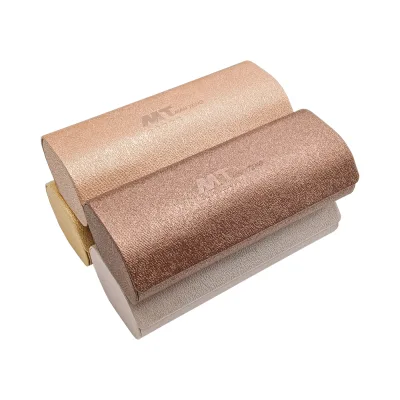
$0.59 - $0.75
MOQ: 1000 pieces
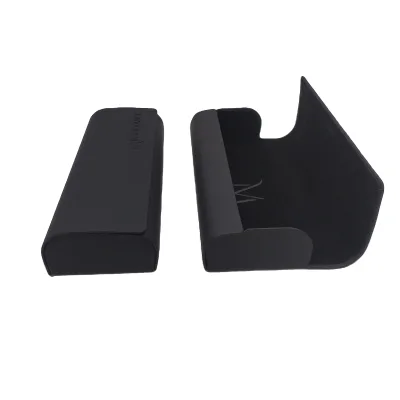
Durable Semi Hard Handmade Sunglasses Eyeglasses Case Optical Glasses Holder
$0.77 - $0.82
MOQ: 200 pieces
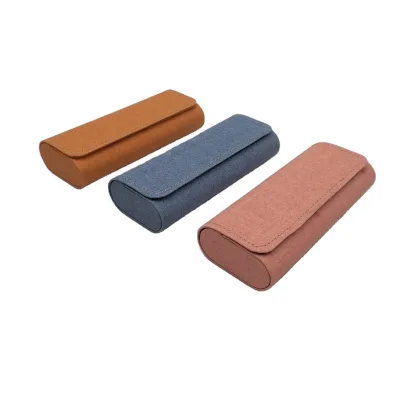
Good Quality Fashion Handmade Sun Glasses case Customize Luxury Sunglasses case
$0.90 - $1.01
MOQ: 500 pieces

Wenzhou Ouyuan Optical Co., Ltd.
- Verified by SGS
- Trading Company
- China Zhejiang
- Lead time60 days
- Avg. response≤ 4h
Main productsSunglasses, OEM ODM Sunglasses, Custom Sunglasses, Glasses, Eyeglass, Glasses Case, Estuche Para Gafas, Reading Glasses, Polarized Lens, Gafas De Sol
Main marketsEurope,North America

$0.65 - $0.71
MOQ: 1000 Pieces

Grey Whlose Sunglasses Cases Wholesale Customized Fashion Folding Handmade Case
$1.07 - $1.13
MOQ: 1000 Pieces


Glasses Case Sunglasses Optical Bag Blue Orange Black Eyeglass Case for Men
$0.43 - $0.55
MOQ: 1000 Pieces


- Manufacturer, Trading Company
- Jiangsu, China
- Lead time40 days
- Avg. response≤ 4h
Main productsGlasses case,Hydraulic components,Lens cloth,Hydraulic Motor,Glasses accessories
Main marketsWestern Europe(50.00%), South America(15.00%), North America(10.00%), Oceania(5.00%), Northern Europe(4.00%), Eastern Asia(3.00%), Africa(2.00%), Domestic Market(2.00%), Eastern Europe(2.00%), Southeast Asia(2.00%), Southern Europe(2.00%), Central America(1.00%), South Asia(1.00%), Mid East(1.00%)

Dongguan Heda Packing Box Co., Ltd.
- Trading Company
- Guangdong, China
- Lead time45 days
- Avg. response≤ 5h
Main productshat case,speaker case,switch case,bra case,glass case
Main marketsEastern Europe(20.00%), Southeast Asia(20.00%), North America(20.00%), South Asia(10.00%), South America(10.00%), Northern Europe(5.00%), Central America(5.00%), Western Europe(5.00%), Southern Europe(3.00%), Africa(2.00%)

Fuzhou Whole Line Trading Co., Ltd.
- Verified by BV
- Trading Company,Manufacturer/Factory
- China Fujian
- Lead time23 days
- Avg. response≤ 6h
Main productsCustomized Products, Lanyard Short Strap, Lanyard, Bandana, Pen, Bags, T-Shirt, Pillow Case, Socks, Promotional Gifts
Main marketsSouth America,Eastern Europe,Mid East,North America,Southeast Asia,Eastern Asia,Oceania,Western Europe,Africa

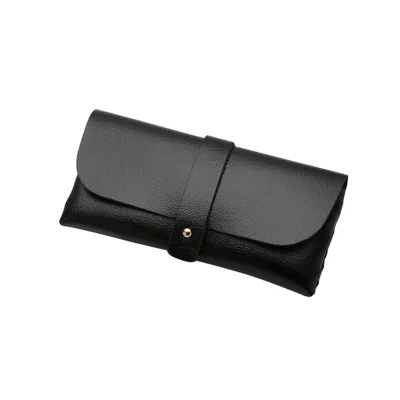
Leather Optical Glasses Case Sunglasses Packaging Box Custom Logo Black Handmade Eyewear Case
$0.47 - $0.57
MOQ: 100 Pieces


$3.51 - $5.22
MOQ: 100 Pieces

New Luxury Sunglass Organizer Case Custom Design Sunglass Case Sunglasses Folding Case
$3.51 - $5.22
MOQ: 100 Pieces

Leather Eyewear Case New Style Sunglasses Eyewear Organizer Storage Box Eye Glasses Case
$0.47 - $0.57
MOQ: 100 Pieces

$3.51 - $5.22
MOQ: 100 Pieces
Dongguan Nancheng Shunkeda Trading Firm
- Manufacturer/Factory
- China Guangdong
- Lead time0 days
- Avg. response≤ 10h
Main productsWatch, Watch Accessories

Taizhou Feirong Glasses Co., Ltd.
- Manufacturer
- Zhejiang, China
- Lead time25 days
- Avg. response≤ 1h
Main productsSunglasses,Custom sunglasses,Promotional Sunglasses,Smart glasses,Sport sunglasses
Main marketsEastern Europe(25.00%), North America(15.00%), Southern Europe(10.00%), Northern Europe(10.00%), Central America(10.00%), Western Europe(10.00%), Southeast Asia(10.00%), South America(10.00%)

Dongguan Miao Xin Craft Co., Ltd.
- Verified by BV
- Trading Company
- China Guangdong
- Lead time15 days
- Avg. response≤ 5h
Main productsPaper Box, Gift Box, Tissue Paper, Sticker, Jewelry Box, Corrugated Carton, Paper Bag, Booklet, Name Card, Playing Card
Main marketsNorth America

$0.02 - $0.28
MOQ: 500 Pieces


$0.02 - $0.28
MOQ: 500 Pieces

Xiamen Le Young Imp. & Exp. Co., Ltd
- Verified by BV
- Trading Company,Manufacturer/Factory
- China Fujian
- Lead time23 days
- Avg. response≤ 4h
Main productsLeather Folder, Trave Wallet, Leather Notebook, Leather Compendium, Leather Portfolio, Leather Diary, Leather Journal, Hotel Supply, Leather Card Holder, Leather Wallet
Main marketsSouth America,Eastern Europe,Mid East,North America,Southeast Asia,Eastern Asia,Oceania,Western Europe,Africa

Portable Eyewear Cases Cover Sunglasses Hard Case for Women Men Glasses Box
$2.05 - $4.88
MOQ: 300 Pieces


Portable Glasses Storage Bag Felt Sunglasses Pouch Eyeglasses Sleeve for Men Women
$0.08 - $0.29
MOQ: 1000 Pieces

Triangle Foldable Eye Glasses Case Leather Magnetic Travel Hard Shell Sunglasses Case
$0.45 - $0.68
MOQ: 300 Pieces

Wholesale Sunglasses Case Leather Glasses Holder Eyeglass Box for Promotion
$3.17 - $3.22
MOQ: 300 Pieces

Fashion Zipper Eyewear Glasses Case Box PU Leather Watch & Sunglasses Storage Case
$5.02 - $7.89
MOQ: 300 Pieces

- Trading Company
- China Zhejiang
- Lead time0 days
- Avg. response≤ 3h
Main productsOptical Glasses, Reading Glasses, Sunglasses, Blue Light Blocking Glasses, Eyeglasses Frames, Kid's Sunglasses, Titanium Optical Frame, Women Reading Glasses, Mens Spectacles Frames, Fashion Sunglasses


$0.40 - $0.50
MOQ: 1000 Pieces

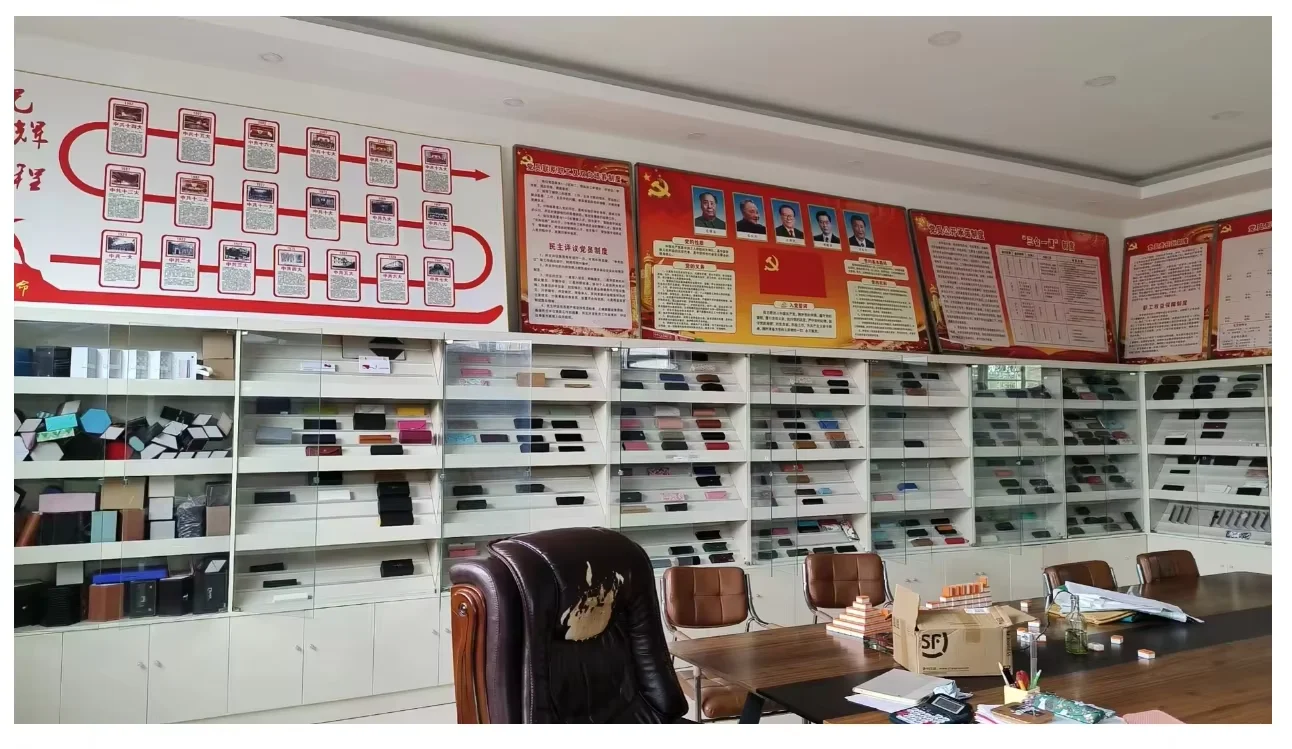
Yiwu Hongchuan Trading Firm (individual Business)
- Trading Company
- Zhejiang, China
- Lead time0 days
- Avg. response≤ 2h
Main productsGlasses case,Glasses cloth,Glasses box,Home decoration product,glass ware
Main marketsNorth America(35.00%), Central America(25.00%), South America(20.00%), Northern Europe(15.00%), Eastern Europe(5.00%)

Beijing Ulike Technology Co., Ltd.
- Trading Company,Manufacturer/Factory
- China Beijing
- Lead time23 days
- Avg. response≤ 9h
Main productsHome Storage, Laundry and Kitchen Products
Main marketsSouth America,Mid East,North America,Southeast Asia,Eastern Asia,Western Europe

Portable Felt Eyeglasses Case Sunglasses Storage Case Pouch Bag Soft Felt Glasses Case
$0.35 - $0.40
MOQ: 1000 Pieces

Anti-Scratch Eyewear Case Portable Felt Glasses Pouch for Men and Women Protective Sunglasses Bag
$0.35 - $0.40
MOQ: 1000 Pieces

Simple Felt Glasses Bag with Logo Custom Sun Glasses Sleeve Bag Sunglasses Organizer Bag
$0.35 - $0.40
MOQ: 1000 Pieces
Jiangsu Best-Clean Industrial Co., Ltd.
- Trading Company
- Jiangsu, China
- Lead time20 days
- Avg. response≤ 4h
Main productsGlasses Case,Glasses Pouch,Microfiber Cleaning cloth,Lens Cleaning Solution,Eyewear Accessories
Main marketsNorth America(30.00%), Mid East(10.00%), Southern Europe(10.00%), South America(10.00%), Northern Europe(10.00%), Eastern Europe(10.00%), Western Europe(10.00%), Oceania(5.00%), Domestic Market(5.00%)
Ningbo Craftman Trade Co., Ltd
- Verified by SGS
- Trading Company
- China Zhejiang
- Lead time23 days
- Avg. response≤ 2h
Main productsSunglasses Opitcal Frame Scarf, Dress Pullover, Baseball Cap Beanie Hat Music Box Badge, Coat Sweater, Silver Jewelry Alloy Necklace Earring Bracelet, Hoodie Suit, Shopping Bag Plush Toy Key Chain, Pants Blouse, Elastic Shoelace Lanyard Luggage Belt, Jacket
Main marketsEurope

Xiamen Ebei Import & Export Co., Ltd.
- Verified by CTI
- Trading Company,Manufacturer/Factory
- China Fujian
- Lead time45 days
- Avg. response≤ 2h
Main productsEco-Friendly Products, Bamboo Tableware, Bamboo Furniture, Bamboo Kitchenware, Bamboo Office Supply, Bamboo Fibre Products, Biodegradable Products, Bamboo Towel, Solar Energy Products, Bamboo Garden Products
Main marketsSouth America,Eastern Europe,Mid East,North America,Southeast Asia,Eastern Asia,Oceania,Western Europe,Africa


Portable Sunglasses Sunglasses Storage
MOQ: 1000 Sets

Bamboo Case for Sunglasses Storage Holder
MOQ: 500 Pieces

Guangzhou Wangjia Leatherware Co., Ltd.
- Manufacturer/Factory
- China Guangdong
- Lead time30 days
- Avg. response≤ 4h
Main productsWestern Cowboy & Cowgirl Belts, Western Buckles, Buckle Sets, Conchos, Dog Collars & Hat Belts, PU Belts, Leather Belts, PU Handbags, Straw Beach Bags, Wallets
Main marketsSouth America,Eastern Europe,Mid East,North America,Southeast Asia,Eastern Asia,Oceania,Western Europe,Africa

$6.00 - $6.40
MOQ: 100 Pieces

$4.10 - $4.50
MOQ: 100 Pieces


- Verified by BV
- Trading Company
- China Zhejiang
- Lead time30 days
- Avg. response≤ 4h
Main productsOEM/ODM Hard Plastic Tool Cases, OEM/ODM Aluminum Cases, OEM/ODM Bags
Main marketsSouth America,Southeast Asia/ Mideast,Europe,North America

Innovation Plastic Industry Co., Ltd.
- Combined
- China Jiangsu
- Lead time30 days
- Avg. response≤ 9h
Main productsGlasses Case, Eyewear Case, Metal Case, Aluminum Case, Handmade Case, Lens Cleaning Cloth, Glasses Pouch, Plastic Case, Eyewear Cords
Main marketsAfrica,Europe,North America

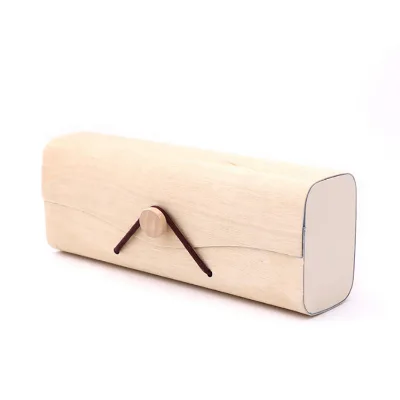
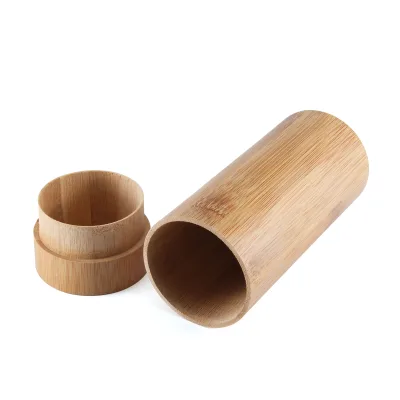
Wholesale Bamboo-Wooden Round Glasses Case; Handmade Hard Protective Sunglasses Case
$0.24 - $2.28
MOQ: 1000 Pieces

$2.29 - $2.49
MOQ: 300 Pieces
Yiwu Conchen Glasses Co., Ltd.
- Manufacturer, Trading Company
- Lead time旺季: "1 - 100":7,"> 100":"To be negotiated", 淡季: "1 - 100":7,"> 100":"To be negotiated"
- Avg. response≤ 4h
Main productsSunglasses, Eyeglasses frame, Bamboo Wood Sunglasses, Eyewear accessories, Sports sunglasses
- Verified by SGS
- Trading Company
- China Zhejiang
- Lead time30 days
- Avg. response≤ 3h
Main productsOptical Frames, Sunglasses, Reading Glasses, Blue Block Glasses, Glasses Cases, Clean Cloth, Glasses Accessories, Clip on Glasses, Glasses Lenses
Main marketsSouth America,Africa,Southeast Asia/ Mideast,Europe,North America

$1.30 - $1.60
MOQ: 600 Pieces

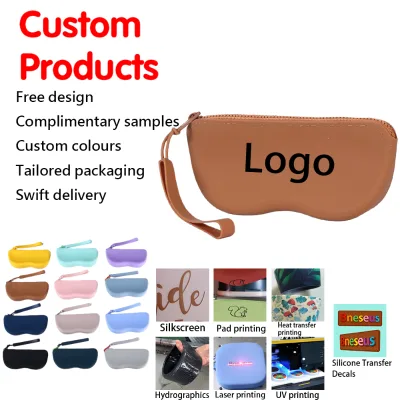
Custom Logo Eyeglasses Sunglasses Storage Bag Waterproof Case Fashion Silicone Sun Glasses Box
$0.55 - $0.89
MOQ: 600 Pieces

Danyang Xinjingjie Glasses Co., Ltd.
- Trading Company
- China Jiangsu
- Lead time0 days
- Avg. response≤ 5h
Main productsEyeglasses Accessories, Kids Eyeglasses, Sunglasses, Optical Glasses, Sun Lens/ Tinted Lens, Blue Cut Lenses
Dongguan Qiyun Jewelry Co., Ltd.
- Verified by Intertek
- Trading Company
- Lead time0 days
- Avg. response≤ 2h
Main productsSilicone Mat, Silicone Spoon, Silicone Bowl, Silicone Bag, Silicone Toy
Main marketsWestern Europe(25%), Northern Europe(25%), Southern Europe(20%)


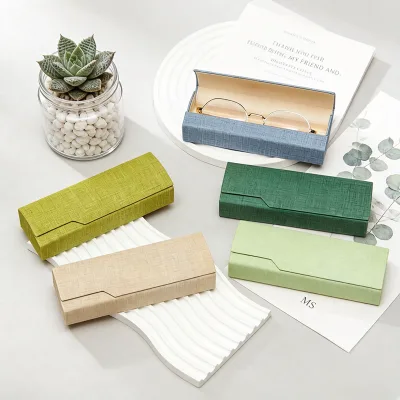
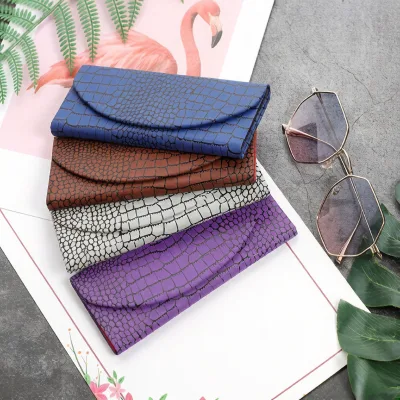
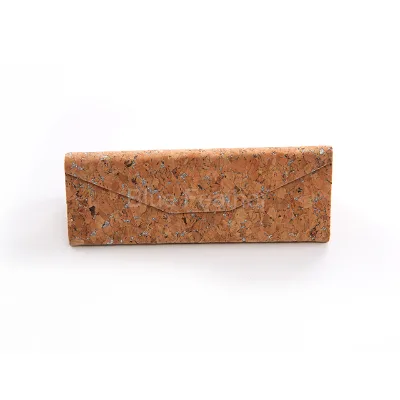


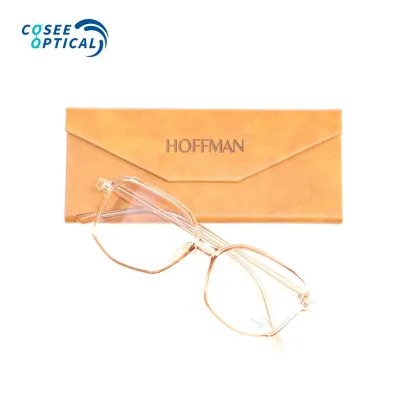


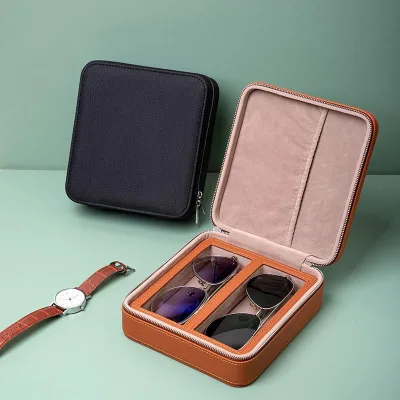
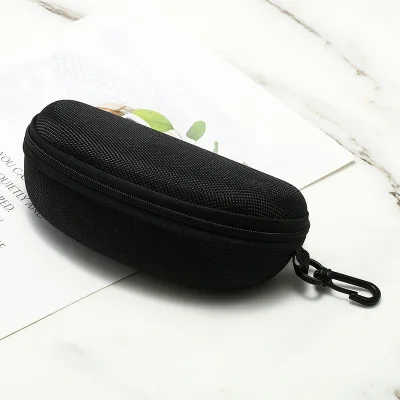
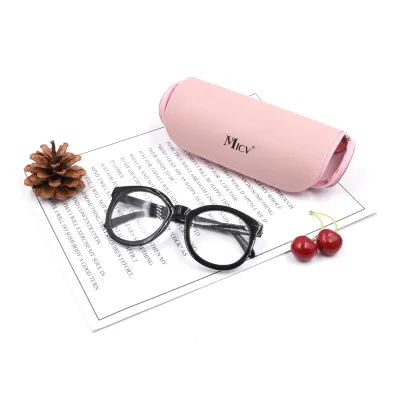
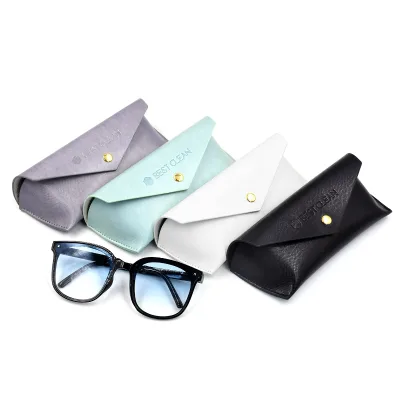




Comprehensive Sourcing Guide
Handmade Portable Sunglass Case Supplier Concentration and Factory Types
Current data indicates a concentration of suppliers in Zhejiang, China, alongside specific product origins in Hebei and Jiangsu provinces. These regions host a mix of trading companies and manufacturers capable of producing glass, eyewear, and specialized packaging like PVC or PU leather cases. Some suppliers list their main products as glass boxes and tissue, while others focus specifically on eyewear accessories and custom packaging solutions. The presence of both trading companies and manufacturer/factory types suggests a diverse supply chain where some entities source from local workshops while others manage direct production lines. Buyers should note that product attributes often vary by origin, with some items explicitly stating a place of origin in Hebei while others are listed as Zhejiang or general China. This geographic spread requires careful verification of the actual production site rather than relying solely on the supplier's registered address.
When evaluating factory types, it is essential to distinguish between pure trading entities and those with direct manufacturing capabilities. The observed data includes suppliers identified as trading companies, while others are listed as both trading companies and manufacturers. This distinction impacts the ability to customize products like handmade PVC leather cases or metal hard cases. Some suppliers offer OEM and ODM capacities, indicating they can modify designs, while others may only offer standard catalog items. The main products listed often include a broad range of items such as paper puzzles, books, and plastic bags, which suggests these suppliers may have diversified portfolios. Buyers must verify if the specific Handmade Portable Sunglass Case is a core competency or a secondary offering within a larger product line to ensure quality control and production priority.
How to Verify Handmade Portable Sunglass Case Suppliers
Verification begins with checking for recognized system certifications such as BSCI, ISO 9001, and SEDEX, which appear in the profiles of several active suppliers. These credentials provide a baseline assurance of social compliance and quality management systems, though they do not guarantee specific product performance. Additionally, third-party verification marks like TÜV Rheinland indicate a higher level of external audit and trust. Buyers should request current certification documents directly from the supplier to confirm validity, as these standards can vary in scope and renewal status. The presence of these certifications is a strong indicator of a supplier's commitment to international standards, particularly for products involving leather, PVC, or metal components that require specific safety and material testing.
Beyond certifications, response time and lead time data offer critical insights into operational reliability. Observed response times range from approximately one hour to nearly eight hours, while lead times vary significantly from five days to over twenty-three days. A supplier with a rapid response time may indicate a leaner operation or a dedicated sales team, whereas longer lead times might reflect complex customization processes or high production volumes. Buyers should cross-reference these metrics with the specific product requirements, such as the need for custom logos or specific folding mechanisms. It is also vital to confirm the actual production capacity by asking for recent order examples or factory tour videos, ensuring the supplier can handle the volume and timeline required for the Handmade Portable Sunglass Case order without compromising quality.
What to Compare Across Handmade Portable Sunglass Case Suppliers
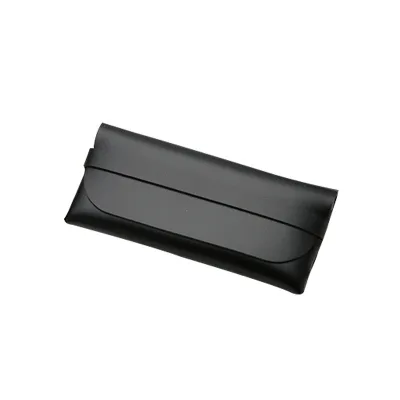
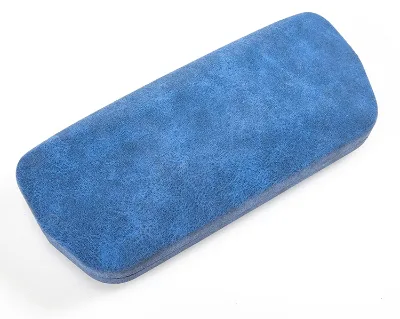
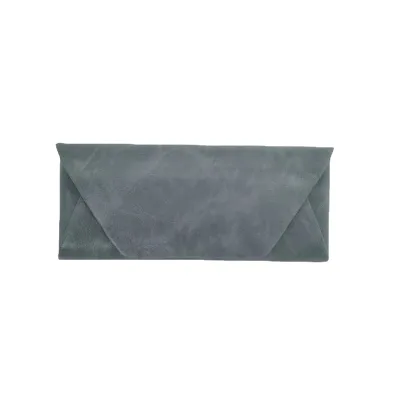
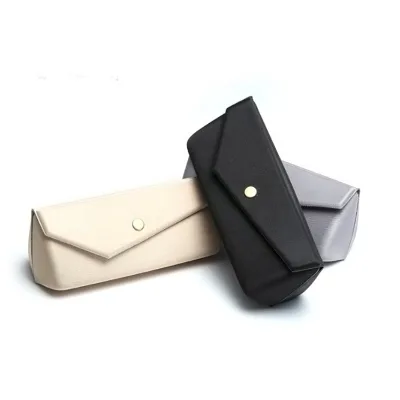
Comparing suppliers requires a detailed analysis of product specifications, including material composition, dimensions, and customization options. The market offers cases made from PVC, PU leather, and metal, each with distinct durability and aesthetic properties. For instance, some products are described as soft and foldable with leather interiors, while others are hard, pressure-proof, and made of metal. Buyers must compare these material attributes against their brand requirements, noting that model numbers and standard sizes like 160x69x65mm or 156x60x30mm vary by supplier. Price ranges also differ, with some items listed between $0.37 and $0.42, while others range from $0.98 to $1.85, reflecting differences in material quality, branding, and production complexity.
Minimum Order Quantities (MOQ) and packaging standards are equally critical comparison points. Data shows an MOQ of 500 units for certain foldable leather cases, which may be a barrier for smaller buyers. In contrast, other suppliers may have lower thresholds or flexible terms for custom orders. Packaging details, such as OPP bags or cardboard boxes, also vary and can impact shipping costs and product protection. Buyers should compare the finishing options available, including foil stamping, embossing, and screen printing, to ensure the supplier can meet branding needs. Additionally, the availability of OEM and ODM services should be verified, as some suppliers accept these requests while others may only offer standard products. A thorough comparison ensures the selected supplier aligns with both budget constraints and quality expectations.
Common Handmade Portable Sunglass Case Sourcing Risks
One significant risk involves the discrepancy between the supplier's registered location and the actual place of origin listed for the product. For example, a supplier based in Zhejiang may list a product origin in Hebei, suggesting a third-party manufacturing arrangement. This separation can complicate quality control and communication, as the buyer may be dealing with a trading company that does not directly oversee the production process. Buyers must verify the actual factory location to ensure they are dealing with the entity responsible for the handmade aspects of the case. Without this clarity, there is a risk of receiving products that do not match the expected craftsmanship or material specifications, particularly for items requiring specific folding or magnetic closure mechanisms.
Another risk relates to the variability in lead times and the potential for delays in custom orders. While some suppliers list short lead times of five days, others indicate periods of 15 to 25 days or even longer. This variance can disrupt supply chain planning, especially for time-sensitive campaigns or seasonal launches. Buyers should be cautious of suppliers who promise rapid turnaround without confirming their current production capacity. Furthermore, the complexity of customization, such as adding specific logos or patterns, can extend lead times beyond standard estimates. It is essential to establish clear communication channels and written agreements regarding delivery schedules to mitigate the risk of delays. Buyers should also verify the supplier's ability to handle rush orders and understand the potential costs associated with expedited production.
Handmade Portable Sunglass Case Regional Sourcing and Logistics
Sourcing from regions like Zhejiang, Hebei, and Jiangsu offers access to established manufacturing clusters, but logistics planning must account for the specific origin of each product. Suppliers in these regions may have different shipping capabilities and export experience, which can affect delivery times and costs. For instance, products originating from Hebei might have different freight routes compared to those from Jiangsu, even if the supplier is registered in Zhejiang. Buyers should request detailed shipping terms and verify the supplier's experience with international logistics to ensure smooth transit. Understanding the regional logistics network helps in anticipating potential bottlenecks and planning for adequate buffer time in the supply chain.
Logistics also involve considerations for product protection during transit, especially for fragile or delicate items like handmade cases. Some suppliers use specific packing methods, such as cardboard boxes or OPP bags, which may require additional outer packaging for long-distance shipping. Buyers should confirm the packaging standards and request samples to assess the durability of the packaging. Additionally, the size and weight of the cases, such as the 160x75x65mm standard, influence shipping costs and container utilization. Buyers should work with suppliers to optimize packaging for efficiency, ensuring that the handmade portable sunglass cases arrive in perfect condition. Clear communication regarding shipping responsibilities and Incoterms is essential to avoid unexpected costs and delays.
Handmade Portable Sunglass Case Commercial Terms and Order Planning
Commercial terms for handmade portable sunglass cases often include specific pricing structures based on order volume and customization levels. Prices observed range from $0.37 to $1.85, reflecting differences in material quality, such as PVC versus metal, and the complexity of the design. Buyers should negotiate based on the total order value and the specific features required, such as waterproofing or logo printing. It is crucial to clarify whether the quoted price includes all costs, such as tooling fees for custom molds or additional charges for special finishes. Understanding the pricing breakdown helps in budgeting accurately and avoiding hidden costs that could impact the overall profitability of the product line.
Order planning must also account for the supplier's capacity to handle the requested volume and timeline. With lead times varying from five to twenty-three days, buyers should plan their orders well in advance to accommodate production schedules. For custom orders, the lead time may extend further due to the need for design approval and sample production. Buyers should establish a clear timeline for each stage of the process, from initial inquiry to final delivery. Additionally, payment terms and escrow options should be discussed to ensure financial security. By carefully planning the order and maintaining open communication with the supplier, buyers can mitigate risks and ensure a successful procurement process for their handmade portable sunglass cases.
FAQs
What is the price range for handmade portable sunglass cases?
Prices for these cases typically range from $0.37 to $1.85 per unit. The cost varies based on material selection, such as PVC, PU leather, or metal. Buyers should expect lower prices for basic PU options and higher costs for premium metal or complex handmade designs. Volume discounts may apply for larger orders.
What materials are commonly used for handmade sunglass cases?
Common materials include PVC, PU leather, and metal. PVC cases offer durability and portability, while PU leather provides a luxury feel. Metal cases are noted for being hard and pressure-proof. Some cases feature leather interiors for added protection. The choice depends on the desired aesthetic and protective requirements for the eyewear.
What is the typical lead time for manufacturing these cases?
Lead times vary significantly by supplier, ranging from 5 days to 23 days. Some manufacturers offer faster turnaround times for standard items, while others require up to 25 days for customized orders. Buyers should confirm specific timelines with suppliers, as production schedules depend on order volume and customization complexity.
Do suppliers offer customization and logo printing services?
Yes, many suppliers accept OEM and ODM requests, allowing for custom logos and designs. Services often include foil stamping, embossing, and screen printing. Buyers can specify colors, patterns, and sizes to match their brand identity. Customization is widely available across different material types, ensuring unique packaging solutions.
What certifications do these suppliers typically hold?
Suppliers often hold ISO 9001 and BSCI certifications, ensuring quality management and social compliance. Some manufacturers also possess SEDEX certifications and third-party verifications like TÜV Rheinland. These credentials indicate adherence to international standards for production quality and ethical manufacturing practices, providing buyers with confidence in supplier reliability.
What is the minimum order quantity for these cases?
Minimum order quantities vary, with some suppliers requiring as few as 500 units. Others may have different thresholds depending on the product type and customization level. Buyers should verify the specific MOQ with each supplier, as it impacts initial investment and inventory management strategies for new product launches.
Where are these suppliers primarily located?
Suppliers are primarily located in Zhejiang, Hebei, Jiangsu, and Hong Kong in China. These regions are known for their manufacturing capabilities in eyewear accessories. Buyers can source from trading companies or direct manufacturers in these areas, ensuring access to a wide variety of materials and production techniques.