Laser Logo Racing CVT System Suppliers and Manufacturers
Explore 20 verified options for Laser Logo Racing CVT System from China and Taiwan. Compare response times, lead times, certifications, and customization capabilities to find the right factory. Contact suppliers directly to request quotes and verify product specifications; review the available evidence before requesting comparable quotations from suitable candidates.
Suppliers List

YONGKANG BODE INDUSTRY CO., LTD.
- Verified by CTI
- Trading Company,Manufacturer/Factory
- China Zhejiang
- Lead time15 days
- Avg. response≤ 24h
Main productsATV, Quad, Buggy, Dirt Bike, UTV, Karting, Motorcycle, Pit Bike, Self Balancing Scooter, Skateborad
Main marketsSouth America,Eastern Europe,Mid East,North America,Eastern Asia,Oceania,Africa
- Manufacturer, Trading Company
- Taiwan, China
- Lead time0 days
- Avg. response≤ 9h
Main productsmotor parts sell,production motor parts,modify motorcycle,customization engine
Main marketsSoutheast Asia(40.00%), South America(40.00%), Eastern Asia(10.00%), Africa(10.00%)
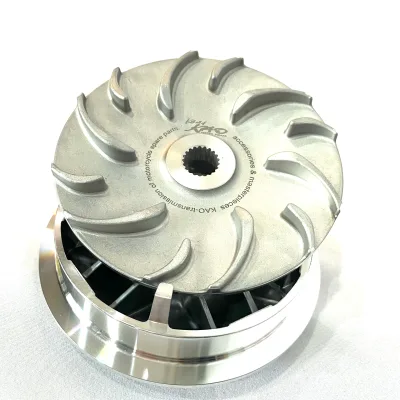
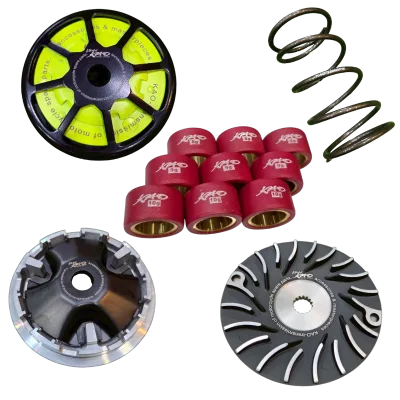
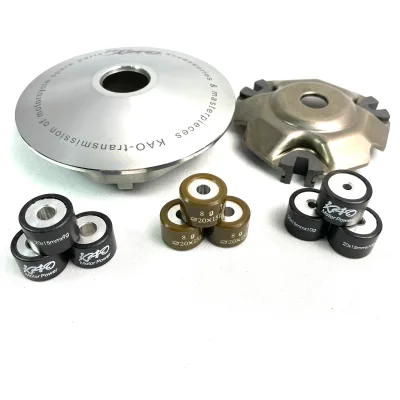
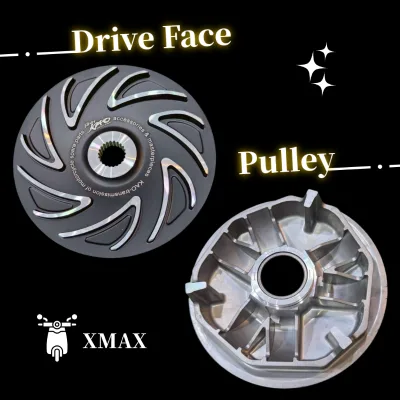
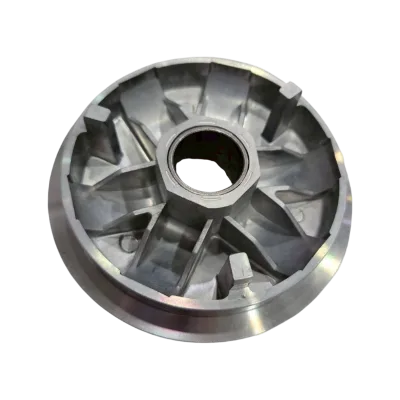
KAO DRG CVT Drive Pulley Set for Scooter Motorcycle Racing System Made in Taiwan LOGO Laser OEM
$112.81 - $205.10
MOQ: 1 sets
RUIMOVE(YANCHENG)TECHNOLOGY CO., Ltd.
- Verified by TUVRHEINLAND
- Combined
- China Jiangsu
- Lead time15 days
- Avg. response≤ 3h
Main productsGo Kart, Safety Barriers
Main marketsEurope,Australia

$4000.00 - $4500.00
MOQ: 1 Pieces


Flash Badger Integrated Display Kart Durable, Safe, and Perfect for Commercial Racing
$4000.00 - $4500.00
MOQ: 1 Pieces

Flash Badger Smart Electric Kart Integrated Display for Smarter Racing, Low Maintenance
$4000.00 - $4500.00
MOQ: 1 Pieces

Speedsculptor 65km/H Kart with Quickcell Swap & Stickercanvas Running Badger
$7350.00 - $7900.00
MOQ: 1 Pieces


Shanghai Lannmarker Industrial Co., Ltd.
- Verified by TUVRHEINLAND
- Manufacturer/Factory
- China Shanghai
- Lead time15 days
- Avg. response≤ 3h
Main productsElectric Scooter, Electric Bike, Rice Transplanter, ATV/UTV, Motorcycle, Golf Cart, Plastic Bathtub
Main marketsSouth America,Eastern Europe,Mid East,North America,Southeast Asia,Eastern Asia,Oceania,Western Europe,Africa

Shandong Tongcai New Energy Machinery Co., Ltd.
- Verified by SGS
- Trading Company
- China Shandong
- Lead time30 days
- Avg. response≤ 3h
Main productsGolf Car, Golf Cart, ATV, Electric Golf Cart
Main marketsSouth America,Africa,North America

ATV800cc4 Canadian Cvtech CVT System Reliable Durable Smooth Ride Comfortable Seats
$7900.00 - $8165.00
MOQ: 1 Pieces


Yongkang Raymon Industry&Trade Co., Ltd
- Combined
- China Zhejiang
- Lead time30 days
- Avg. response≤ 24h
Main productsATV Quad 110cc-800cc, Electric Scooter, Electric Harley Scooter, City Coco, 3 Wheels Electric Scooter, Motorcycle, Go Kart, Snow Buggy, Farm ATV
Main marketsSouth America,Southeast Asia/ Mideast,North America

Jiangsu Hanbang Intelligent System Integration Co., Ltd.
- Verified by SGS
- Combined
- China Jiangsu
- Lead time15 days
- Avg. response≤ 2h
Main productsIntelligent Display Screen, Digital Signage, Smart Waste Bins, Digital Bus Station Signage, Self-Service Kiosk, Intelligent Interactive Machine
Main marketsSoutheast Asia/ Mideast,Domestic,Europe,Australia


Multiplayer Interactive Ar Cycling System for Calorie-Burning Competitions
$11000.00 - $11269.00
MOQ: 1 Pieces
Guangdong Zhongke Intelligent Sports Technology Co., Ltd.
- Verified by SGS
- Trading Company
- China Guangdong
- Lead time30 days
- Avg. response≤ 6h
Main marketsDomestic

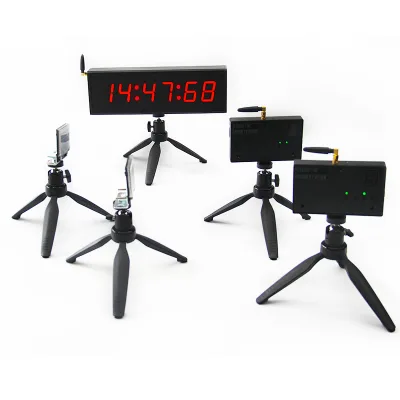
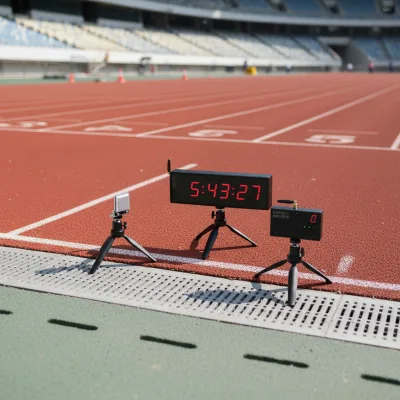
Track and Field Timing and Scoring System Athletics Timing System for Championships
$1000.00 - $15000.00
MOQ: 1 Sets

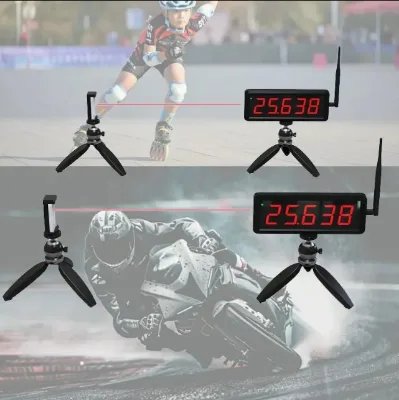
Innovative Track and Field Starting Foul Detection System by Zksports for Races
$9558.00 - $12300.00
MOQ: 1 Pieces


Track and Field Starting Foul Detection System by Zksports for Accurate Results
$9558.00 - $12300.00
MOQ: 1 Pieces
Binzhou Jinyi Equipment Co., Ltd.
- Verified by TUVRHEINLAND
- Combined
- China Shandong
- Lead time30 days
- Avg. response≤ 5h
Main marketsSoutheast Asia/ Mideast

Jamma Amusement Technology Co., Ltd
- Combined
- China Guangdong
- Lead time23 days
- Avg. response≤ 11h
Main productsVr Simulator
Main marketsAfrica,Southeast Asia/ Mideast,North America
Hangzhou Cheetie Electronic Co., Ltd.
- Verified by TüVRheinland
- Manufacturer, Trading Company
- Lead time15 days
- Avg. response≤ 3h
Main productsCountdown Timer, Digital Clock, GYM Timer, Digital Scoreboard, LED Clock
Main marketsWestern Europe(35%), North America(25%), Oceania(8%)

Yongkang Jinbang Industry and Trade Co., Ltd.
- Manufacturer/Factory
- China Zhejiang
- Lead time15 days
- Avg. response≤ 5h
Main productsATV, UTV, Dirt Bike, Quad Bike, Quad ATV, Farm ATV, Electric ATV, Snow ATV, 4X4 ATV
Main marketsSouth America,Eastern Europe,Mid East,North America,Southeast Asia,Eastern Asia,Oceania,Western Europe,Africa

- Verified by SGS
- Combined
- China Beijing
- Lead time15 days
- Avg. response≤ 6h
Main productsFiber Laser Marking Machine, Laser Marking Machine, CO2 Laser Marking Machine, 3D Fiber Laser Marking Machine, Electric DOT Peen Marking Machine, Pneumatic DOT Peen Marking Machine, Portable Laser Marking Machine, Laser Cutting Machine, Laser Cleaning Machine
Main marketsEast Asia(Japan/ South Korea),Europe

Foshan Tianyi Amusement Equipment Co., Ltd
- Verified by SGS
- Combined
- China Guangdong
- Lead time30 days
- Avg. response≤ 2h
Main productsChildren's Playground, Naughty Fort, Indoor Amusement Equipment, Million Ocean Ball Pool, Slide, Indoor Playground, Interactive Projection, Trampoline, Children's Go Kart, Trampoline Park
Main marketsDomestic
- Verified by SGS
- Manufacturer/Factory
- China Guangdong
- Lead time45 days
- Avg. response≤ 6h
Main productsGolf Cart, UTV, ATV, Motorcycle, Utility Vehicle, Electric Robot, Spare Parts
Main marketsSouth America,Eastern Europe,Mid East,North America,Southeast Asia,Eastern Asia,Oceania,Western Europe,Africa


Powerful&Popular Racing-Style Sport ATV
MOQ: 3 unit

WUYI QIDE INDUSTRY AND TRADE CO., LTD.
- Verified by CTI
- Trading Company
- China Zhejiang
- Lead time30 days
- Avg. response≤ 5h
Main productsDirt Bike, ATV, Quad, Pocket Bike, Go Kart, Chopper, Scooter, Electric Bike, Mini Bike, Motorcycle
Main marketsSoutheast Asia/ Mideast,North America

Yongkang Guihou Industry and Trade Co., Ltd.
- Manufacturer/Factory
- China Zhejiang
- Lead time23 days
- Avg. response≤ 7h
Main productsATV, Dirt Bike, Pocket Bike, Electric Scooter, Electric ATV, Motorcycle, Scooter, Go Kart, Gas Scooter, Skate Board
Main marketsSouth America,Eastern Europe,Mid East,North America,Southeast Asia,Eastern Asia,Oceania,Western Europe,Africa

Yongkang Hao Hao Vehicle Co., Ltd.
- Verified by SGS
- Combined
- China Zhejiang
- Lead time30 days
- Avg. response≤ 16h
Main productsATV
Main marketsEurope

Huzhou Tengfon Intelligent Equipment Co., Ltd.
- Combined
- China Zhejiang
- Lead time30 days
- Avg. response≤ 2h
Main productsConveyer, Roller, Belt Conveyor, Roller Conveyor, Chain Conveyor, Elevator, Flexible Roller Conveyor, Telescopic Belt Conveyor, Rgv
Main marketsDomestic


High-Efficiency Rgv with Patented Drive System and Customizable Load Capacity
$20.00 - $500.00
MOQ: 50 Pieces

Guangzhou Xiao Tong Yao Amusement Equipment Co., Ltd.
- Verified by TUVRHEINLAND
- Combined
- China Guangdong
- Lead time15 days
- Avg. response≤ 3h
Main productsAmusement Equipment, Game Machine, Arcade Machine, Outdoor Amusement, Indoor Playground, Amusement Car, Kiddie Rides, Rolling Car, Happy Car, Le Bar Car
Main marketsSoutheast Asia/ Mideast,Domestic,North America


Factory Directly Provide 32"LCD Tt Motorcycle Racing Simulator Video Arcade Game Machine Motorcycle
$1200.00 - $1700.00
MOQ: 1 Pieces




Comprehensive Sourcing Guide
Laser Logo Racing CVT System Supplier Concentration and Factory Types
Current data indicates a concentration of suppliers in China Zhejiang and Taiwan, China, offering distinct manufacturing profiles for laser logo racing CVT systems. In China Zhejiang, the supplier base includes both trading companies and manufacturers capable of producing complete vehicles like ATVs and karts alongside specific transmission components. These entities often list OEM capabilities as a primary service, allowing for the customization of engine parts and racing transmission systems. The presence of ISO 9000 and ISO 9001 certifications among these suppliers suggests a baseline of quality management systems, though specific factory audits remain necessary to confirm production standards for high-performance racing parts.
Conversely, suppliers located in Taiwan, China, frequently specialize in high-precision motor parts and engine modifications. These manufacturers often focus on exclusive configurations for racing transmission systems, such as drive pulley sets and CVT assemblies for specific motorcycle models. The distinction between a trading company and a manufacturer is critical here, as some entities in this region may act as intermediaries while others operate dedicated production lines for laser logo applications. Buyers must verify if the supplier is the actual factory producing the laser logo or merely a reseller, as this impacts the ability to customize branding and control production timelines for specialized racing components.
How to Verify Laser Logo Racing CVT System Suppliers
Verification of suppliers offering laser logo racing CVT systems requires a rigorous check of their stated credentials and operational history. The presence of CTI verification on some supplier profiles provides a layer of confidence regarding their business legitimacy, but this should be supplemented by checking for specific product certifications like CE, which appears on certain ATV and karting product listings. Buyers should request proof of the ISO 9001 certification mentioned in supplier profiles to ensure that the manufacturing process for precision parts like pulley sets adheres to international quality standards. Without direct evidence of these certifications in the current data, buyers must explicitly ask for valid certificates before proceeding with any order.
Response time and lead time data offer immediate insights into a supplier's operational readiness and reliability. Some suppliers in the current results demonstrate a response time of approximately 24 hours, while others in the Taiwan cluster show a significantly faster response time of 9 hours, indicating potentially more agile communication channels. Lead times vary, with some listings showing a 15-day window for vehicle production and others indicating zero days for specific parts, which may imply stock availability or a drop-shipping model. Buyers should verify these figures by requesting a formal production schedule, as the actual lead time for custom laser logo applications may differ from the standard lead times listed for generic inventory items.
What to Compare Across Laser Logo Racing CVT System Suppliers
When evaluating potential partners, buyers should prioritize comparing minimum order quantities (MOQ) and customization availability, as these factors directly impact the feasibility of small-batch racing orders. Current product evidence shows an MOQ of 1 unit for specific transmission kits in Taiwan, while other listings for complete ATVs or karts in China Zhejiang require a minimum of 2 units. This variation is crucial for buyers seeking to test the market with custom laser logos before committing to larger volumes. Additionally, the availability of customization services must be confirmed, as some suppliers explicitly state that branding and logo application are available, whereas others may only offer standard configurations without the option for laser engraving or custom branding.
Price ranges and product specifications provide another critical dimension for comparison across the supplier landscape. Specific listings for racing transmission systems show price points ranging from approximately 100 to 205 units of currency, depending on the model and material composition, such as stainless steel or aluminum alloy. Buyers must compare these figures against the detailed product attributes, including displacement, engine type, and transmission system details like shaft drive or chain drive. It is essential to ensure that the quoted price includes all necessary components for the laser logo application and that the product standard matches the intended racing category, whether it be for a 150cc ATV or a 300cc racing quad.
Common Laser Logo Racing CVT System Sourcing Risks
One significant risk involves the discrepancy between advertised product attributes and the actual deliverable, particularly regarding the origin and quality of the laser logo application. While some product listings explicitly state a "China" or "Taiwan" origin, the specific factory location for the logo application might differ from the main assembly plant. Buyers face the risk of receiving products where the laser logo is applied by a third party, potentially leading to inconsistencies in branding quality or durability. Without a verified supply chain map, it is difficult to guarantee that the laser logo process meets the high standards required for professional racing equipment, making it vital to request photos of the actual logo application process.
Another risk pertains to the reliability of the lead time and the potential for delays in custom orders. Although some suppliers list a lead time of zero days, this often applies only to standard stock items and may not reflect the time required for custom laser logo engraving or specific model modifications. The variation in response times, ranging from 9 to 24 hours, can also signal potential communication bottlenecks that might delay critical order adjustments. Buyers should be wary of suppliers who do not provide clear timelines for custom work, as this can lead to missed racing seasons or inventory gaps. Verifying the actual production capacity for custom orders is essential to mitigate these scheduling risks.
Laser Logo Racing CVT System Regional Sourcing and Logistics
Sourcing from China Zhejiang offers access to a broad range of complete vehicles and parts, but logistics can be complex due to the distance and the nature of the cargo. Suppliers in this region often use steel frames and cartons for packing, which is suitable for protecting heavy components like ATVs and karts during transit. However, buyers must verify if the packaging is sufficient for international shipping, especially for delicate parts like CVT pulley sets that require precise alignment. The origin of the product, whether listed as Zhejiang or China, dictates the shipping route and potential customs duties, which can significantly affect the final landed cost of the racing components.
In contrast, sourcing from Taiwan, China, may offer advantages in terms of specialized parts and faster response times, but logistics costs can vary based on the specific port of departure. Products from this region, such as racing transmission systems, are often packed in standard export cartons or exquisite packaging, which may reduce the risk of damage during transit. Buyers should confirm the specific packing standards, such as "1PCS/CARTON" or "Steel Frame with Strong Carton," to ensure that the logistics provider can handle the cargo appropriately. Understanding the regional logistics capabilities is crucial for planning the delivery of custom laser logo racing CVT systems to ensure they arrive in perfect condition for immediate use.
Laser Logo Racing CVT System Commercial Terms and Order Planning
Commercial terms for laser logo racing CVT systems often include specific conditions regarding payment, warranty, and after-sales support. While some listings mention a warranty of "Quality assurance and customized service," the exact duration and coverage of this warranty are not always detailed in the initial product data. Buyers must clarify the terms of the warranty, particularly for custom laser logo applications, to ensure that any defects in the branding or the transmission system are covered. Additionally, the availability of OEM services, such as logo laser engraving, should be confirmed as part of the commercial agreement to avoid unexpected costs or delays during the order fulfillment process.
Order planning requires a clear understanding of the production capacity and the ability to scale orders based on demand. Suppliers with OEM capabilities can accommodate larger orders, but buyers must verify the maximum production capacity to ensure timely delivery. The variation in lead times, from zero days for stock items to 15 days for custom vehicles, necessitates careful planning to align production schedules with racing events or market launches. Buyers should also consider the impact of the minimum order quantity on their inventory strategy, as ordering small batches may be necessary for testing but could result in higher per-unit costs. Strategic planning is essential to balance cost, quality, and delivery timelines effectively.
FAQs
What is the typical lead time for ATV orders from China suppliers?
The typical lead time for ATV orders from China suppliers is 15 days. This duration applies to standard manufacturing cycles for vehicles like 150cc and 300cc ATVs. Buyers should confirm specific timelines based on order volume and customization needs before finalizing purchases.
Do suppliers offer laser logo customization for racing CVT systems?
Yes, suppliers offer laser logo customization for racing CVT systems. Specific products like the KAO DRG set feature LOGO Laser OEM options. This service allows buyers to brand parts for scooters and motorcycles while maintaining high-performance transmission standards for racing applications.
What is the minimum order quantity for racing transmission parts?
The minimum order quantity for racing transmission parts is often one set or single item. Some suppliers list an MOQ of 1 for specific kits like the KAO DRG pulley set. Others may require a minimum of 2 units for complete ATV models depending on the product type.
Which certifications are available for the ATV and motorcycle products?
Available certifications include ISO 9000, ISO 9001, and CE for specific products. The 150cc ATV model holds CE certification, while the supplier system maintains ISO standards. Buyers should verify that specific batches meet these quality and safety requirements before placing large orders.
Where are the main manufacturing locations for these racing vehicles?
Main manufacturing locations are in Zhejiang, China, and Taiwan. Products like the 350CC ATV originate from Zhejiang, while racing transmission systems are made in Taiwan. Buyers can source components from these regions to ensure authenticity and access to specific manufacturing capabilities.
What is the response time for inquiries from verified suppliers?
Response times vary, with some suppliers showing a response time of 9 hours and others around 23.92 hours. Verified suppliers with CTI status often provide faster communication. Buyers should expect prompt replies when contacting manufacturers specializing in motorcycle parts and racing systems.
Are OEM services available for customizing engine and transmission parts?
OEM services are available for customizing engine and transmission parts. Suppliers offer customization for logos and specific models like the DRG pulley set. Buyers can request tailored solutions for racing applications while ensuring compatibility with existing vehicle models and performance standards.