Laser Pointer Suppliers and Manufacturers in China
Source 14 Laser Pointer suppliers from China to compare response times, lead times, and certifications like ISO 9001. Review product specs such as 5MW output and metal construction to verify capabilities. Filter by MOQ and pricing to identify suitable partners for your procurement needs.
Suppliers List

Jinggoal International Limited
- Verified by BV
- Manufacturer/Factory
- China Guangdong
- Lead time23 days
- Avg. response≤ 14h
Main productsGift, Pen, Wall Clock, Travel Adapters, Book Wire Binding & Machine, Lock, Table Lamp, LED, Keychain, Alarm
Main marketsSouth America,Eastern Europe,North America,Southeast Asia,Eastern Asia,Oceania,Western Europe,Africa

Foshan Aplus Precision Hardware Co., Ltd.
- Verified by SGS
- Combined
- China Guangdong
- Lead time15 days
- Avg. response≤ 3h
Main productsQd Adapter, Mount Rails, Scope Rings, Sling Swivels, Slings, Flashlights, Hand Guards
Main marketsDomestic,Europe,North America

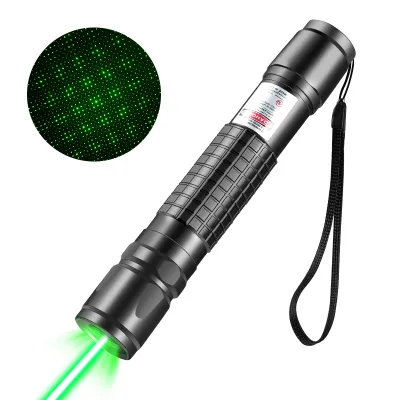
Green Laser Sight with Windage and Elevation Adjustment Rechargeable Laser Pointer
$15.70 - $18.20
MOQ: 5 Pieces

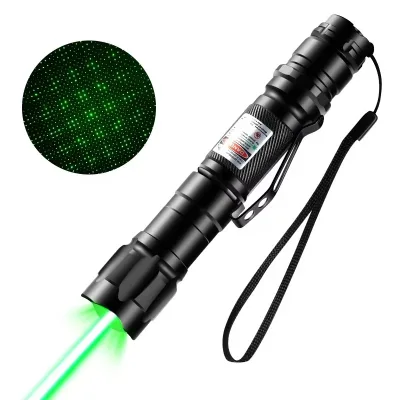
Laser Sight with Windage and Elevation Adjustment USB Rechargeable Blue Laser Pointer
$19.30 - $22.40
MOQ: 5 Pieces

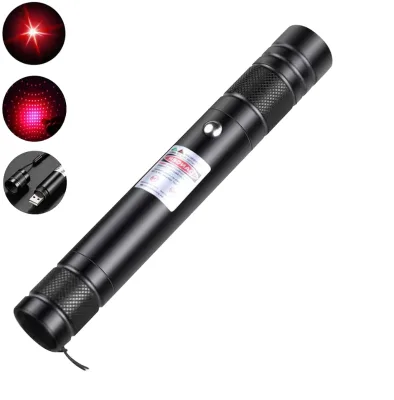
Red Laser Pointer with Windage and Elevation Adjustment Rechargeable Laser Sight
$14.50 - $16.80
MOQ: 5 Pieces
- Trading Company
- Lead time旺季: "1 - 100":36,"> 100":"To be negotiated", 淡季: "1 - 100":36,"> 100":"To be negotiated"
- Avg. response≤ 4h
Main productstv stick,tv box,ups,antenna,bms

Qingdao Tlead International Co., Ltd.
- Trading Company
- China Shandong
- Lead time23 days
- Avg. response≤ 25h
Main productspH Meters, Counter Meters, Arbor Press, Tools, Ddvp
Main marketsSouth America,Africa,Southeast Asia/ Mideast,East Asia(Japan/ South Korea),Europe,Australia,North America

Zhong Shan He Tong Optics Electronic Technology Co.,LTD
- Verified by TUVRHEINLAND
- Combined
- China Guangdong
- Lead time23 days
- Avg. response≤ 2h
Main productsLaser Light
Main marketsEurope


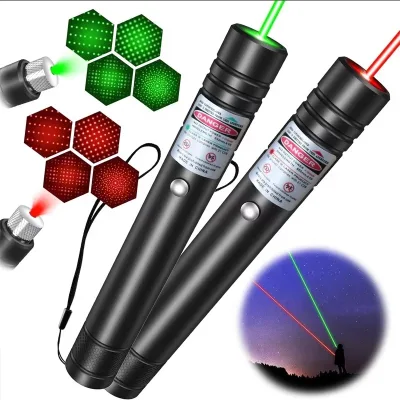
China Manufacturer USB Rechargeable Portable with Customized Logo Laser Pointer
$2.49 - $2.89
MOQ: 1000 Pieces

China Supplier Powerful Quality with Key for Sale High Intensity Laser Pointer
$2.79 - $3.19
MOQ: 1000 Pieces


Customized Strong Star Hot Selling Promotion Gift High Quality High Power Laser Pointer
$2.79 - $3.19
MOQ: 1000 Pieces
Shanghai Total Industrial Co., Ltd.
- Verified by SGS
- Manufacturer/Factory
- China Shanghai
- Lead time0 days
- Avg. response≤ 23h
Main productsFeeder Clamp, Weather Shield Enclosure, Rubber Grommet, Hoisting Grip, Cable Entry, Flexible Jumper Cable, Cablen Ties, Terminal Lugs, Conduit and Fittings, Hole Saw


Contact supplier
Chengdu Lucky Bird Technology Co., Ltd.
- Trading Company
- Sichuan, China
- Lead time7 days
- Avg. response≤ 2h
Main productsLaser pointers,laser stage lights,laser flashlight,laser pumps,laser modules
Main marketsNorth America(40.0%), Western Europe(19.0%), Eastern Europe(8.0%), Mid East(7.000000000000001%), South America(7.000000000000001%), Southeast Asia(5.0%), Africa(4.0%), South Asia(3.0%), Northern Europe(3.0%), Oceania(3.0%), Domestic Market(1.0%)
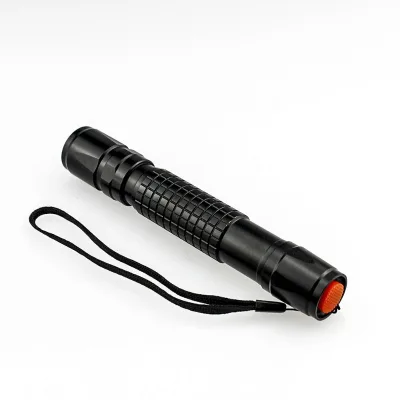
488nm Wavelength Blue-green Portable Laser Pointer With Rechargeable Battery
$27.00 - $35.00
MOQ: 1 packs
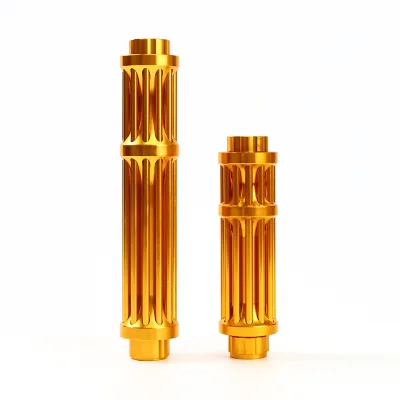
USA EU Style Popular Rechargeable 450nm Blue Laser Lazer Pointer with All Accessories Batteries
$20.43 - $27.57
MOQ: 1 parcels
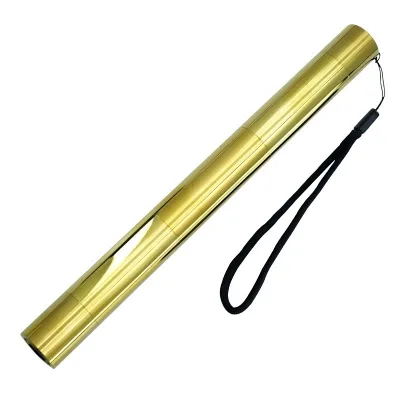
$31.88 - $35.48
MOQ: 1 packs
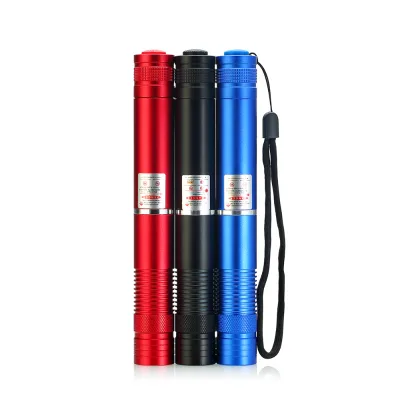
Long Range Bright 532nm Green Astronomy Laser Pointer With Rechargeable 18650 Battery on off Switch
$3.71 - $7.21
MOQ: 1 packs
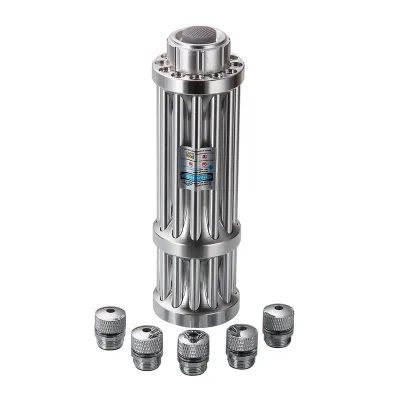
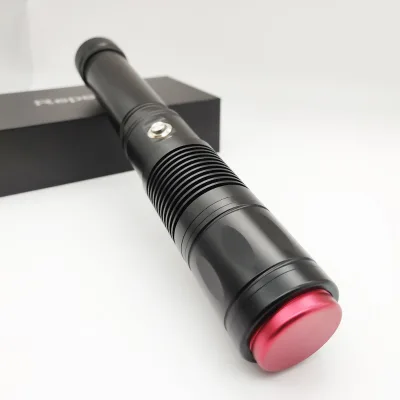
Rechargeable Handheld Black Shell Laser Pointer with SOS Strobe Light 26350 Battery
$287.92 - $426.74
MOQ: 1 Minimum

Zhangzhou Green-Lake Import & Export Co., Ltd.
- Verified by TUVRHEINLAND
- Trading Company
- China Fujian
- Lead time15 days
- Avg. response≤ 18h
Main productsCanned Food
Main marketsSouth America,Eastern Europe,Mid East,North America,Southeast Asia,Eastern Asia,Oceania,Western Europe,Africa

Shenzhen Hongxingjiake Electronic Co., Ltd.
- Trading Company, Agent, Distributor/Wholesaler
- Guangdong, China
- Lead time0 days
- Avg. response≤ 3h
Main productscar accessories,Smart watch,Earphone,Mobile accessories,Tablet pc
Main marketsSouth America(50.0%), North America(30.0%), Domestic Market(5.0%), Central America(5.0%), Southeast Asia(5.0%), Eastern Europe(5.0%)

Yiwu Runson Outdoor Products Co., Ltd.
- Trading Company
- Zhejiang, China
- Lead time15 days
- Avg. response≤ 8h
Main productsOutdoor survival kit,Outdoor whistle,Outdoor compass,Outdoor poncho,Outdoor sleeping bag
Main marketsNorth America(50.0%), Western Europe(10.0%), Eastern Europe(10.0%), South America(10.0%), Central America(5.0%), Southern Europe(5.0%), South Asia(2.0%), Africa(2.0%), Eastern Asia(2.0%), Mid East(2.0%), Oceania(1.0%), Southeast Asia(1.0%)
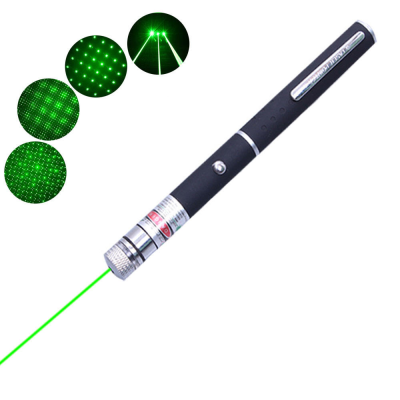
High Quality Laser Pointer High Performance Laser Pointer High Power Green X-y Laser Pointer
$0.95 - $1.65
MOQ: 100 pieces
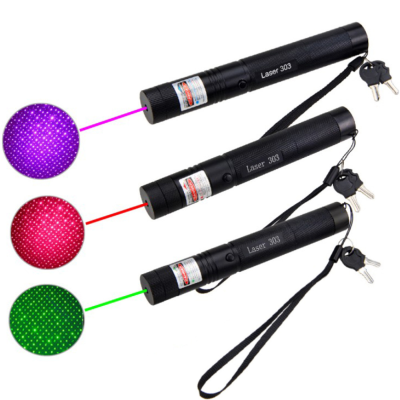

Dongguan Blueuniverse Laser Co., Ltd.
- Combined
- China Guangdong
- Lead time15 days
- Avg. response≤ 7h
Main productsLaser Diode, Laser Module, Bicycle Laser Light, White Laser Source
Main marketsSoutheast Asia/ Mideast,Europe,North America

Shaanxi Deruite Industry and Trade Co., Ltd.
- Verified by BV
- Trading Company
- China Shaanxi
- Lead time23 days
- Avg. response≤ 6h
Main productsSurveying Instrument, Accessories, Tripod, Staff, Prism, Prism Poles
Main marketsSouth America,Africa,Southeast Asia/ Mideast,East Asia(Japan/ South Korea),Europe,Australia,North America

Jinan Azure International Trade Co., Ltd.
- Trading Company
- China Shandong
- Lead time23 days
- Avg. response≤ 1h
Main productsThermal Imaging Camera, Laser Distance Meter, Thermal Imaging Module, Laser Distance Module, Handheld Thermal Imager, Industrial Thermal Cameras, Time-of-Flight Distance Sensors, Thermal Imaging Components for Drones, Laser Rangefinder Devices, Portable Infrared Cameras
Main marketsSouth America,Eastern Europe,Mid East,North America,Southeast Asia,Eastern Asia,Oceania,Western Europe,Africa

Mini 1.5km Laser Rangefinder Sensor with Laser Pointer for Night Vision Scope
$133.00 - $156.00
MOQ: 1 Pieces

Lightweight 1500m Laser Distance Sensor with Pointer for Night Sight Devices
$133.00 - $156.00
MOQ: 1 Pieces

Kales Tool Industry & Trade Co., Ltd.
- Verified by SGS
- Trading Company
- China Zhejiang
- Lead time30 days
- Avg. response≤ 7h
Main productsMeasuring Tools, Garden Tools, Handware Tools, Diamond Tools, Spirit Levels, Hand Tools
Main marketsSouth America,Southeast Asia/ Mideast,Europe






Comprehensive Sourcing Guide
Laser Pointer Supplier Concentration and Factory Types
The available data indicates a concentration of manufacturing activity in China, specifically within the Guangdong province, where several entities operate as manufacturers or factories. These facilities often list diverse product portfolios that include consumer electronics alongside laser pointers, suggesting a broader industrial base capable of supporting specialized optical components. Some suppliers in this region also operate as combined entities, blending manufacturing capabilities with trading functions to offer a wider range of accessories like mount rails and scope rings. This structural diversity allows buyers to find partners who can handle both the core laser device and related tactical equipment in a single transaction.
When evaluating the factory type, it is crucial to distinguish between pure manufacturers and trading companies, as this impacts direct communication and customization flexibility. The observed data shows a mix of company types, including those explicitly labeled as manufacturers and others identified as trading companies or combined operations. Buyers should verify the specific operational model of each potential partner to ensure they align with the project's needs for original design manufacturing or private labeling. Understanding whether a supplier controls the production line or acts as an intermediary is essential for negotiating technical specifications and ensuring quality control over the final Laser Pointer output.
How to Verify Laser Pointer Suppliers
Verification processes for Laser Pointer suppliers often involve checking third-party audit reports and certification status to confirm operational legitimacy. The current results show that some suppliers hold Business Verification status from recognized agencies, while others display specific system certifications like ISO 9000 or ISO 14001. However, not all suppliers in the dataset possess visible certifications, with some listing them as not applicable or missing entirely. Buyers must treat the absence of a displayed certification as a signal to request documentation directly rather than assuming non-compliance, ensuring that the supplier can meet international quality and environmental standards before proceeding.
Beyond certifications, the response time and verification badges provide immediate indicators of supplier reliability and engagement levels. Data points reveal response times ranging from approximately two to thirteen hours, which can influence the speed of initial negotiations and technical clarifications. A faster response time often correlates with a more active sales team, though it does not guarantee product quality on its own. Buyers should cross-reference these response metrics with the supplier's verification status to build a composite view of their operational readiness. It is also necessary to confirm that the supplier's claimed capabilities, such as ODM capacity, are backed by tangible evidence rather than just marketing claims.
What to Compare Across Laser Pointer Suppliers
Comparing suppliers requires a systematic analysis of key operational metrics such as lead times, minimum order quantities, and pricing structures. The observed data highlights significant variations in lead times, with some suppliers indicating a standard twenty-three days while others show fifteen days or seasonal adjustments. Minimum order quantities also differ widely, ranging from as low as five units to fifty or more, depending on the specific product model and customization requirements. Buyers must align these figures with their inventory strategy and cash flow constraints to avoid overstocking or facing production delays that could disrupt their supply chain.
Pricing and product attributes form another critical layer of comparison, as costs can fluctuate based on material, power output, and customization options. The dataset shows price ranges for green laser pointers starting near two dollars and extending to over five dollars, while tactical laser sights with advanced features command prices between fifteen and twenty-two dollars. Attributes such as material composition, wavelength, and battery type directly influence these price points and must be evaluated against the intended application. Buyers should request detailed quotes that break down costs for standard versus customized versions to ensure transparency and to identify any hidden fees associated with packaging or specific technical requirements.
Common Laser Pointer Sourcing Risks
One significant risk in sourcing laser pointers involves the discrepancy between advertised power outputs and actual product specifications, which can lead to regulatory non-compliance. The data includes products labeled with power ratings such as 5MW or 10MW, yet some tactical models explicitly state output levels below 5MW. This inconsistency highlights the need for buyers to demand independent test reports or third-party verification of laser output to ensure the product meets safety standards and legal limits in the destination market. Relying solely on supplier-provided specifications without external validation can result in shipments being seized or rejected by customs authorities.
Another risk pertains to the reliability of supply chains during peak seasons, where lead times may extend significantly beyond standard estimates. The observed data notes that lead times can increase to thirty-six days or become "to be negotiated" during busy periods, which poses a challenge for time-sensitive projects. Buyers must account for these potential delays by building buffer time into their production schedules and maintaining open communication with suppliers regarding capacity constraints. Additionally, the lack of standardized certifications across all suppliers means that quality control processes may vary, requiring buyers to implement rigorous pre-shipment inspections to mitigate the risk of receiving defective or substandard laser devices.
Laser Pointer Regional Sourcing and Logistics
Sourcing laser pointers from China, particularly from the Guangdong region, offers access to a mature manufacturing ecosystem but requires careful logistics planning. The concentration of factories in this area facilitates efficient production but also means that shipping routes and customs procedures must be optimized to handle electronic goods effectively. Buyers should verify the specific origin city, such as Foshan or Zhejiang, as local infrastructure and port access can vary, impacting transit times and shipping costs. Understanding the regional logistics landscape helps in selecting suppliers who have established relationships with reliable freight forwarders capable of handling sensitive electronic components.
Logistics planning must also consider the specific packaging requirements and dimensions of the Laser Pointer products to ensure safe transport. The data indicates that products are often packed in gift boxes or cartons with specific dimensions, which influences container loading efficiency and overall shipping volume. Buyers need to confirm that the packaging meets international shipping standards to prevent damage during transit, especially for items with optical components that are sensitive to shock. Additionally, verifying the supplier's experience with export documentation and compliance with destination country regulations is essential to avoid delays at customs and ensure a smooth delivery process from the factory floor to the final destination.
Laser Pointer Commercial Terms and Order Planning
Commercial terms for Laser Pointer orders often include specific conditions regarding sample availability, warranty periods, and payment structures. The dataset reveals that some suppliers accept samples, which is a critical step for validating product quality before committing to a larger order. Warranty terms vary, with some products offering coverage for ninety days, while others may have different or undefined warranty periods. Buyers should explicitly negotiate these terms in the purchase agreement to ensure that any defects or performance issues are addressed promptly, protecting their investment and maintaining customer satisfaction in the end market.
Order planning must also account for the customization capabilities and production capacity of the selected supplier. Many suppliers in the results list ODM capabilities and offer customization for materials, models, and packaging, which allows for tailored solutions but requires clear technical specifications. Buyers should confirm the supplier's ability to handle their specific volume requirements, noting that lead times may change based on order size and seasonal demand. Establishing a clear timeline for design approval, sample production, and mass manufacturing is essential to align with business goals and ensure that the Laser Pointer products are delivered on schedule for market launch or distribution.
FAQs
What is the typical lead time for Laser Pointer orders?
Lead times vary by supplier and order volume. Some manufacturers report a standard lead time of 23 days, while others offer faster turnaround of 15 days. For large orders exceeding 100 units, lead times may extend to 36 days or require negotiation during peak seasons.
What are the minimum order quantities for green laser pens?
Minimum order quantities differ across product listings. Some suppliers require a minimum of 50 units for standard models, while others accept orders as low as 5 units. Specific products like the 5MW Green Laser Pointer Pen have a minimum order quantity of 5 pieces.
Are these laser pointers customizable for branding or design?
Yes, customization is available for many Laser Pointer models. Suppliers indicate that features like material, packing, and specific models can be tailored. Options include metal construction and gift box packaging, allowing buyers to request specific configurations for their needs.
What certifications do the Laser Pointer manufacturers hold?
Certifications vary by supplier type. Some manufacturers hold ISO 9000, ISO 14001, and ISO 9001 certifications. Other suppliers may not list specific system certifications. Verification services like BV or SGS are also used to confirm supplier status and reliability.
Where are the Laser Pointer suppliers located?
Most suppliers are located in China, specifically in Guangdong and Foshan. Some products originate from Zhejiang. Buyers should verify the specific origin listed for each product, as locations like Foshan and Zhejiang are explicitly mentioned in product attributes.
What is the price range for green laser pointers?
Prices vary significantly based on specifications and volume. Basic green laser pointers range from 1.95 to 5.35 per unit. Tactical laser sights with windage and elevation adjustments are priced higher, ranging from 14.50 to 22.40 per unit depending on the color and model.
How quickly do suppliers typically respond to inquiries?
Response times differ among suppliers. Some report an average response time of 2.63 hours, while others take around 4 hours. A few suppliers indicate a response time of 13.41 hours. Buyers should check individual supplier profiles for the most current response metrics.