Carburetor Starter Suppliers and Manufacturers in China
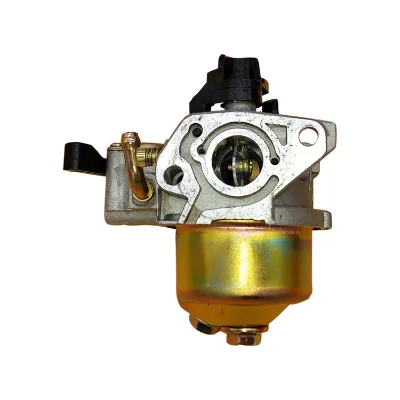
Explore 23 verified Carburetor Starter suppliers in China offering products like carburetors and starter motors. Compare locations, lead times, certifications, and prices to find the right partner. Contact suppliers directly to request quotes and verify specifications; review the available evidence before requesting comparable quotations from suitable candidates.
Suppliers List
Shanghai Yonghengsheng Industrial Co., Ltd
- Verified by TUVRHEINLAND
- Trading Company
- China Shanghai
- Lead time15 days
- Avg. response≤ 3h
Main productsGenerator, Control Cabinet, Transformer, Generater Parts, Transformer Core, Portable Generator, Containerized Diesel Generator, PLC Control Cabinet, Variable Frequency Control Cabinet, Explosion Prevent Cabinet
Main marketsAfrica,Southeast Asia/ Mideast,East Asia(Japan/ South Korea),Domestic


Starter Motor Replacement Gasoline Generator Accessories for Start Gasoline
$35.00 - $40.00
MOQ: 5 sets

Ningbo Eastar Electromechanical Industrial Trading Co., Ltd.
- Trading Company,Manufacturer/Factory
- China Zhejiang
- Lead time45 days
- Avg. response≤ 7h
Main productsChainsaw Parts, Chainsaw, Brush Cutter, Lawn Mower, Brush Cutter Parts, Lawn Mower Parts, Garden Tools and Machine, Agricultural Machinery Parts, Zero Trun Mower Parts, Carburetor
Main marketsSouth America,Eastern Europe,Mid East,North America,Southeast Asia,Eastern Asia,Oceania,Western Europe,Africa


High Quality LPG Gas Carburetor 163cc Carburetor Carb Carburettor for Gx160 168f Generator
$15.04 - $23.14
MOQ: 99 Pieces

High Quality LPG Gas Carburetor Generator 270cc Carburetor Carb Carburettor for Gx270 Generator
$11.63 - $17.90
MOQ: 99 Pieces


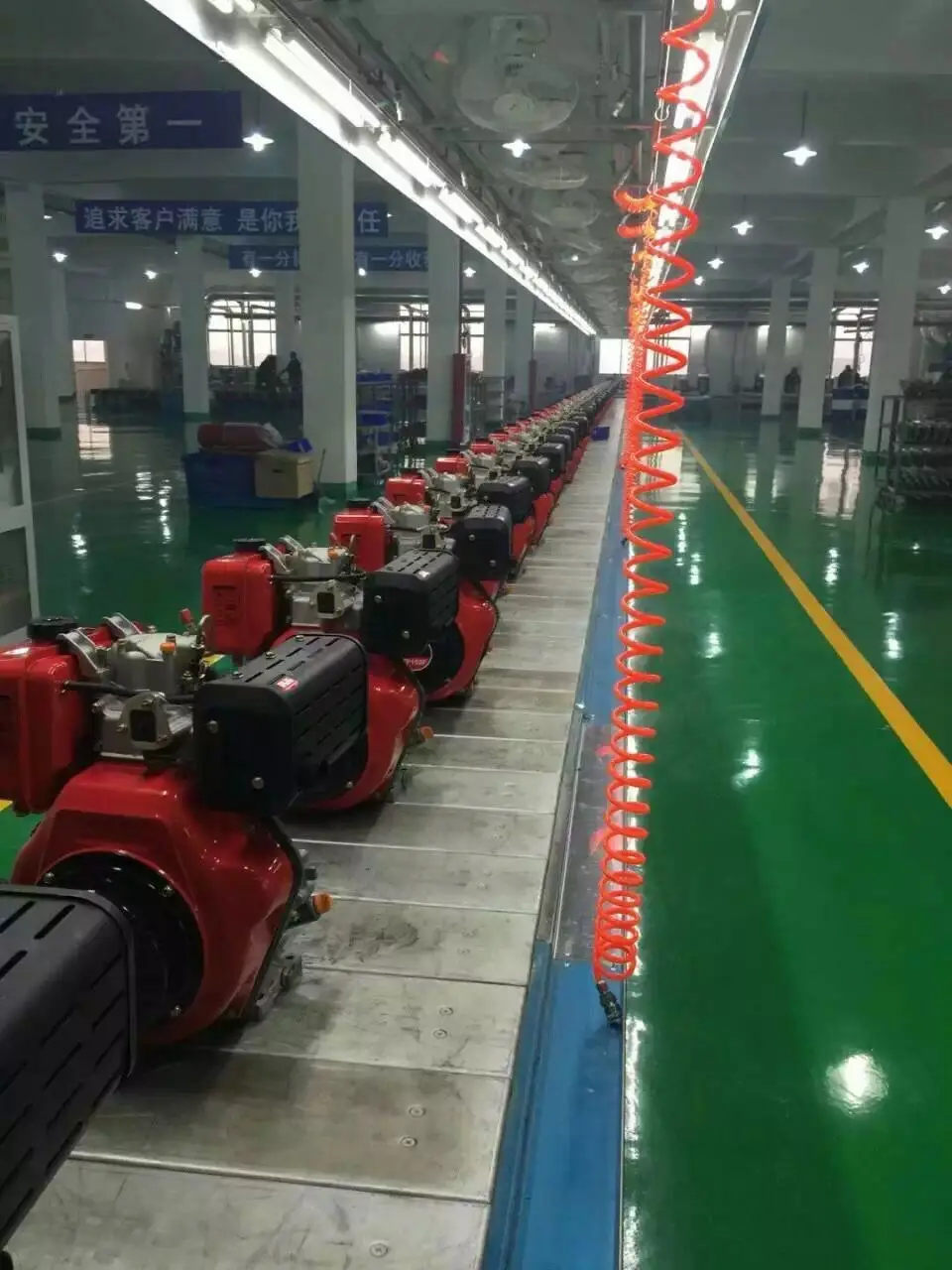
Fuzhou Feheng Machiney Co., Ltd.
- Manufacturer, Trading Company
- Fujian, China
- Lead time20 days
- Avg. response≤ 3h
Main productsGenerator Parts, Gasoline Generators, Pumps, Pumps Parts, Bruch Cutter Parts
Main marketsAfrica(28.00%), Mid East(20.00%), North America(20.00%), South America(20.00%), South Asia(6.00%), Eastern Asia(4.00%), Domestic Market(2.00%)

LIAOCHENG YONGSUN MACHINERY CO., LTD.
- Trading Company,Manufacturer/Factory
- China Shandong
- Lead time38 days
- Avg. response≤ 22h
Main productsBrush Cutter, Mist Duster, Sprayer, Engine, Chain Saw, Water Pump, Power Sprayer, Trimmer, Blower, Lawn Mowers
Main marketsSouth America,Eastern Europe,Mid East,North America,Southeast Asia,Eastern Asia,Oceania,Western Europe,Africa

Carburetor Assy (engine parts)
MOQ: 100 Pieces

Starter Pulley Assy for Engine
MOQ: 100 Pieces

Yog Auto Mobile Parts Co., Ltd.
- Verified by BV
- Trading Company,Manufacturer/Factory
- China Guangdong
- Lead time30 days
- Avg. response≤ 22h
Main productsMotorcycle Accessory, Motorcycle Chain, Motorcycle Engine Parts, Motorcycle Camshaft, Motorcycle Sprocket, Motorcycle Brake, Motorcycle Horn, Motorcycle Piston and Ring, Motorcycle C. D. I
Main marketsSouth America,Eastern Europe,Mid East,Southeast Asia,Eastern Asia,Oceania,Africa
Ningbo Eastar Electromechanical Industrial Trading Co., Ltd.
- Manufacturer, Trading Company
- Zhejiang, China
- Lead time25 days
- Avg. response≤ 3h
Main productsLawn mower,Chainsaw,Brush cutter,garden tools,Labor-Protecting Tools
Main marketsNorth America(40.00%), South America(25.00%), Africa(10.00%), Eastern Europe(10.00%), Central America(5.00%), Western Europe(5.00%), Mid East(5.00%)
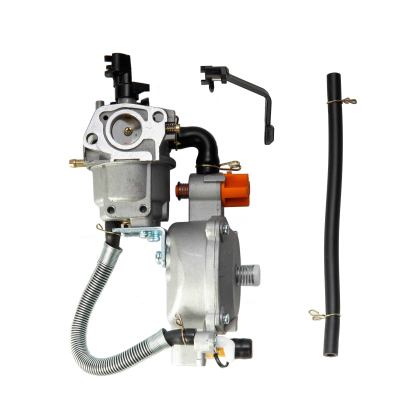
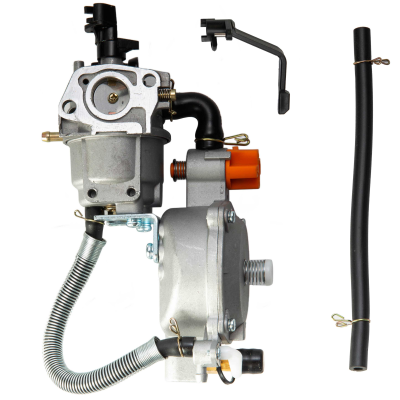
High Quality 163cc Carburetor Carb Carburettor for GX160 168F Generator
$11.03 - $16.97
MOQ: 99 pieces
Foshan Hzw Import and Export Trading Company Ltd
- Verified by SGS
- Trading Company
- China Guangdong
- Lead time15 days
- Avg. response≤ 2h
Main marketsSoutheast Asia/ Mideast,Europe,Australia,North America
Ruian Jilong Automobile Electric Appliances Co.,Ltd.
- Trading Company,Manufacturer/Factory
- China Zhejiang
- Lead time60 days
- Avg. response≤ 14h
Main productsStarter Motor, Starter Armature, Starter Field Case Assembly, Starter Drive, Brush Holder, Alternator, Alternator Rotor, Alternator Stator, Door Lock Actuator, Tailgate Switch
Main marketsSouth America,Eastern Europe,Mid East,North America
Yongkang Kunyu Garden Machinery Co., Ltd.
- Combined
- China Zhejiang
- Lead time23 days
- Avg. response≤ 20h
Main productsChainsaw, Chain Saw and Spare Parts, Brush Cutter and Spare Parts, Generator and Spare Parts
Main marketsSouth America,Africa,Southeast Asia/ Mideast,East Asia(Japan/ South Korea),Europe,North America

MOQ: 100 Pieces

MOQ: 100 Pieces

Chongqing Proud Import & Export Trade Co., Ltd.
- Trading Company
- China Guangdong
- Lead time30 days
- Avg. response≤ 18h
Main productsCylinder Kit, Piston Kit, Magneto Coil, Rocker Arm, Camshaft, Clutch, Motorcycle Engine, Chain, Headlight, Wheel
Main marketsSouth America,Africa,Southeast Asia/ Mideast

Yb125 Carburetor High Quality Motorcycle Carburetor
MOQ: 200 Pieces

En125 Carburetor High Quality Motorcycle Carburetor
MOQ: 200 Pieces

Hebei Hongdu Technology Co., Ltd.
- Verified by SGS
- Manufacturer/Factory
- China Hebei
- Lead time30 days
- Avg. response≤ 3h
Main productsTerminal, Cable Clamp, Spacer Damper
Main marketsSouth America,Eastern Europe,Mid East,North America,Southeast Asia,Eastern Asia,Oceania,Western Europe,Africa

Shanghai Sanyu Industry Co., Ltd.
- Trading Company,Manufacturer/Factory
- China Shanghai
- Lead time23 days
- Avg. response≤ 3h
Main productsFrequency Inverter, Soft Starter, AC Drive, Frequency Converter, Welding Machine, Cutting Machine, Inverter, MMA, TIG, MIG
Main marketsSouth America,Eastern Europe,Mid East,North America,Southeast Asia,Eastern Asia,Oceania,Western Europe,Africa
ZHEJIANG KST AUTO ELECTRIC MOTOR CO., LTD.
- Verified by TUVRHEINLAND
- Manufacturer/Factory
- China Zhejiang
- Lead time23 days
- Avg. response≤ 4h
Main productsAlternator Starter Motor, Alternator, Starter Motor, Alternator Generator, Starter, Starter Parts, Alternator Parts
Main marketsSouth America,Eastern Europe,Mid East,North America,Southeast Asia,Eastern Asia,Oceania,Western Europe,Africa

Ningbo Jalyn International Trading Co., Ltd.
- Trading Company,Manufacturer/Factory
- China Zhejiang
- Lead time30 days
- Avg. response≤ 21h
Main productsMotorcycle Parts, Motorcycle Accessories, Aftermarket Motorcycle Parts, ATV Parts, Bicycle Parts, Motorcycle Plastic Parts, Motorcycle Mirror, Motorcycle Handle Grips, Motorcycle Engine, Bicycle Accessories
Main marketsSouth America,Eastern Europe,North America,Eastern Asia,Oceania,Western Europe,Africa
Anhui Tla Machinery Equipment Co., Ltd.
- Verified by SGS
- Trading Company
- China Anhui
- Lead time30 days
- Avg. response≤ 2h
Main productsForklift Parts, Forklift Spare Parts, Forklift Attachment, Forklift Radiator, Forklift Wheel, Forklift Air Filter, Forklift Accessories, Forklift Parts Hydraulic Pump, Forklift PU Wheel, Forklift Sensors
Main marketsSouth America,Africa,Southeast Asia/ Mideast,Europe,North America
Ningbo Yinzhou Zongone Imp& Exp Co., Ltd
- Verified by SGS
- Manufacturer/Factory
- China Zhejiang
- Lead time45 days
- Avg. response≤ 21h
Main productsStarter Motors, Alternator Regulators, Alternators, Starter Drives, Starter Armatures, Starter Field Cases, Starter Solenoids, Alternator Pulley, Alternator Stators, Alternator Rotors
Main marketsSouth America,Eastern Europe,Mid East,North America,Southeast Asia,Eastern Asia,Oceania,Western Europe,Africa
Shandong Syys Industrial &Commercial Co., Ltd.
- Verified by TUVRHEINLAND
- Trading Company
- China Shandong
- Lead time15 days
- Avg. response≤ 16h
Main productsAutoparts, Bus Spare Parts, Automotive, Bearing
Main marketsEurope

Ruian Shengliang Trading Co., Ltd.
- Verified by TUVRHEINLAND
- Trading Company,Manufacturer/Factory
- China Zhejiang
- Lead time45 days
- Avg. response≤ 10h
Main productsCooling System Parts, Suspension Parts, Engine Parts, Sensor Parts, Chassis Parts
Main marketsSouth America,Eastern Europe,Mid East,Western Europe

Taizhou Able Garden Machinery Co., Ltd.
- Verified by SGS
- Combined
- China Zhejiang
- Lead time30 days
- Avg. response≤ 10h
Main productsChain Saw, Brush Cutter, Earth Auger, Hedge Trimmer, Garden Tool, Chainsaw, Garden Machinery, Garden Machine, Wood Cutting Machine, Wood Cutting
Main marketsSoutheast Asia/ Mideast,Europe

Ruian Weichuang Auto Parts Co., Ltd.
- Trading Company,Manufacturer/Factory
- China Zhejiang
- Lead time0 days
- Avg. response≤ 22h
Main productsStarter Solenoid, Starter Solenoid Caps, Standard Price, Auto Parts, Starter Solenoid Screw, Epb, Electronic Parking Motor, Braking System
Main marketsNorth America

Guangzhou Disong Machinery Equipment Co., Ltd.
- Trading Company,Manufacturer/Factory
- China Guangdong
- Lead time15 days
- Avg. response≤ 14h
Main productsExcavator Part, Machinery Engine Part, Wheel Loader Part, Bulldozer Parts, Dump Truck Parts, Generator Set Parts, Heavy Truck Parts, Hydraulic Parts, Electronic Parts, Seal and Gasket
Main marketsSouth America,Eastern Europe,Mid East,North America,Southeast Asia,Eastern Asia,Oceania,Western Europe,Africa

Yueqing Quansheng Electric Co., Ltd.
- Manufacturer/Factory
- China Zhejiang
- Lead time23 days
- Avg. response≤ 19h
Main productsAir Circuit Breaker, Molded Case Circuit Breaker, Vacuum Circuit Breaker, Fireman Switch, Miniature Circuit Breakers
Main marketsSouth America,Eastern Europe,Mid East,Southeast Asia,Eastern Asia,Africa

Hangzhou Yes New Energy Tech Co., Ltd
- Verified by SGS
- Combined
- China Zhejiang
- Lead time30 days
- Avg. response≤ 9h
Main productsDiesel Engine Spare Parts, Generator Set Parts, Agriculture Machinery Parts, Construction Machine Parts, Aerial Work Platform Parts, Refrigeration Transport Parts
Main marketsSoutheast Asia/ Mideast,Europe,North America


Aftermarket Starter 25-38750-00 25-37640-00 25-37725-00 for Engine CT 4.114
$65.00 - $75.00
MOQ: 1 Pieces


Comprehensive Sourcing Guide
Carburetor Starter Supplier Concentration and Factory Types
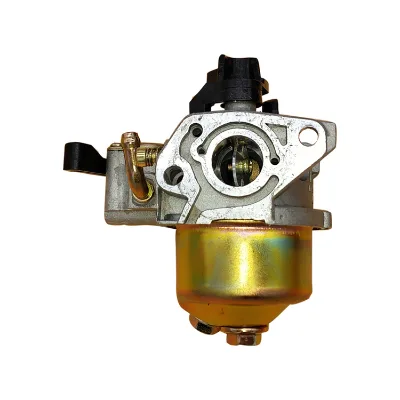
Current data indicates a concentration of suppliers in China, specifically within Shanghai and Zhejiang provinces, with additional presence noted in Fujian. These regions host a mix of trading companies and manufacturers who list generator parts, carburetors, and starter motors as primary products. Some entities in Zhejiang operate with dual capabilities as both trading companies and factories, offering OEM and ODM services alongside their own branded lines. This structural diversity means buyers may encounter suppliers who source components from various workshops while others maintain direct production lines for items like the 178SA carburetor or specific starter assemblies.
When evaluating the factory type, it is critical to distinguish between pure trading entities and those with manufacturing capacity. A supplier listing as a trading company may offer broader product ranges, such as control cabinets and transformers alongside carburetors, whereas a manufacturer might focus deeply on specific engine components. The presence of certifications like ISO 9001-2015 or ISO 9000 often correlates with manufacturing facilities, though trading companies may also hold these for their quality management systems. Buyers should verify if the listed main products include the specific starter or carburetor models required, as some suppliers specialize in motorcycle parts while others focus on industrial generator components.
How to Verify Carburetor Starter Suppliers
Verification begins with checking for recognized third-party audit badges, such as the TUVRHEINLAND verification status observed in some supplier profiles. This credential suggests a baseline level of operational scrutiny, though it does not guarantee specific product quality for every item listed. Buyers must cross-reference this verification with the supplier's claimed certifications, such as ISO 9001-2015, CCC, CE, or RoHS, which appear on product pages for specific carburetor models. These certifications are often tied to specific product lines rather than the entire company, so confirming that the certification applies to the exact starter or carburetor model is essential before proceeding.
Beyond digital badges, buyers should request evidence of the supplier's physical capabilities and response reliability. The response time metric, which varies from approximately 2.6 hours to nearly 7 hours in current results, serves as a proxy for communication efficiency and operational readiness. A supplier with a slow response time may indicate a larger, less agile organization or a trading company with multiple clients. Additionally, checking the "Customization" attribute is vital; while many suppliers list customization as available, the actual ability to modify starter motors or carburetor specifications depends on their engineering capacity. Buyers should ask for proof of these capabilities, such as previous custom order records or detailed engineering drawings, to ensure the supplier can meet specific technical requirements.
What to Compare Across Carburetor Starter Suppliers
Comparing suppliers requires a systematic review of key operational metrics, including lead time, minimum order quantity, and price ranges. Current data shows lead times ranging from 15 days to 45 days, a significant variance that impacts inventory planning and project timelines. Minimum order quantities also differ widely, with some suppliers requiring as few as one unit for specific carburetors while others demand 500 units for repair kits. Price points fluctuate based on these volumes and product specifications, with some carburetors listed between $0.99 and $8.99, while starter motors or specialized fuel injection systems may range from $10 to $40. Buyers must align these figures with their budget and volume needs to avoid unexpected cost escalations.
Product attributes and warranty terms provide another layer of comparison essential for long-term reliability. Warranty periods observed in the data span from three months to one year, indicating varying levels of confidence in product durability. Buyers should compare the specific warranty terms for the starter motor or carburetor against the product's intended application, such as portable generators or industrial machinery. Additionally, the "Quality Class" and material specifications, such as aluminum construction or air-cooled methods, should be matched against the operational environment. Packing methods, ranging from simple cartons to color boxes, also affect shipping costs and product protection, making this a practical comparison point for logistics planning.
Common Carburetor Starter Sourcing Risks
One significant risk involves the discrepancy between product keywords and actual specifications, particularly when searching for generic terms like "starter" or "carburetor." Suppliers often list broad keywords such as "Motorcycle Parts" or "Engine" alongside specific generator components, which can lead to confusion about compatibility. For instance, a carburetor listed for a motorcycle might be incompatible with a gasoline generator without modification. Buyers must carefully inspect the "Fit for" attributes and model numbers, such as GX160 or 178SA, to ensure the part matches their equipment exactly. Relying solely on broad search terms without verifying specific model compatibility can result in receiving unusable components.
Another risk stems from inconsistent certification claims across different product listings from the same supplier. While a supplier may display ISO 9001 certification for one product, another item from the same vendor might lack clear certification details or list different standards like CCC or RoHS. This inconsistency suggests that certifications may be product-specific rather than company-wide, requiring individual verification for each order. Furthermore, the "Customization" attribute is frequently marked as available, but the actual feasibility of customizing a starter motor or carburetor depends on the supplier's technical resources. Buyers should treat customization claims with caution and request detailed technical validation before committing to custom orders to avoid production delays or non-compliant parts.
Carburetor Starter Regional Sourcing and Logistics
Sourcing from China, particularly from hubs like Shanghai, Zhejiang, and Fujian, offers access to a dense network of suppliers specializing in generator parts and engine components. These regions benefit from established logistics infrastructure, facilitating the export of small components like carburetors and starter motors. However, the specific origin of the product, such as Ningbo or Shanghai, can influence shipping costs and transit times. Buyers should verify the "prod_origin" field for each item, as some products may be sourced from different cities within the same province, affecting the final delivery schedule. Understanding the specific regional origin helps in estimating accurate freight costs and potential customs clearance times.
Logistics planning must also account for the packaging standards listed in supplier data, which vary from simple cartons to color boxes or specialized packaging. The choice of packaging impacts the volume and weight of the shipment, directly influencing freight charges. For example, products packed in color boxes may require more space than those in standard cartons, potentially increasing shipping costs for high-volume orders. Additionally, the lead time of 15 to 45 days must be factored into the total delivery timeline, including the time required for packaging and handover to the logistics provider. Buyers should coordinate closely with suppliers to confirm packaging details and ensure that the chosen logistics partner can handle the specific dimensions and weight of the ordered items efficiently.
Carburetor Starter Commercial Terms and Order Planning
Commercial terms for carburetor starters often include specific minimum order quantities that can range from single units to hundreds, depending on the product type. Some suppliers offer low MOQs for standard items like the 178SA carburetor, while others require higher volumes for specialized repair kits or custom configurations. Buyers must plan their orders to meet these thresholds to secure the best pricing, which can vary significantly between $0.99 and $40.00 per unit. Understanding these MOQ requirements is crucial for inventory management, as ordering below the threshold may result in higher per-unit costs or order rejection.
Payment and warranty terms also play a vital role in order planning and risk management. Warranty periods typically span from three months to one year, providing a safety net for product defects but requiring clear documentation of the claim process. Buyers should clarify the warranty coverage for specific components, such as the starter motor or carburetor, to ensure it aligns with their operational needs. Additionally, the availability of escrow services or secure payment methods should be confirmed to protect against non-delivery or quality issues. By carefully reviewing these commercial terms and aligning them with production schedules, buyers can mitigate financial risks and ensure a smooth procurement process for their Carburetor Starter needs.
FAQs
What is the typical lead time for carburetor orders?
Lead times vary by supplier, with some offering 15 days and others up to 45 days. Buyers should verify specific delivery schedules before placing orders to ensure timely project completion and avoid production delays.
Do suppliers offer customization for carburetor products?
Yes, customization is available for many carburetor models listed in the search results. Buyers can request specific modifications to fit their generator or engine requirements, ensuring the parts meet exact operational needs.
What certifications do carburetor suppliers typically hold?
Suppliers often hold ISO 9001, ISO 9000, ISO 14001, CCC, CE, and RoHS certifications. These standards indicate quality management and environmental compliance, providing assurance regarding product safety and manufacturing consistency for international buyers.
What is the minimum order quantity for carburetors?
Minimum order quantities range from 1 piece to 500 pieces depending on the specific product and supplier. Buyers should check individual listings to find options that match their inventory needs and budget constraints effectively.
Where are the carburetor suppliers located?
Suppliers are primarily located in Shanghai, Zhejiang, and Fujian in China. These regions offer established manufacturing hubs for generator parts, allowing buyers to source directly from major industrial centers with efficient logistics networks.
How quickly do suppliers respond to inquiries?
Response times vary, with some suppliers replying within 2.61 hours and others taking up to 6.87 hours. Fast response times help buyers clarify technical details and negotiate terms more efficiently during the sourcing process.
What warranty periods are available for carburetors?
Warranty periods typically range from 3 months to 1 year for generator parts. Buyers should confirm the specific warranty terms with each supplier to ensure protection against defects and maintain equipment reliability over time.
What is the price range for carburetor accessories?
Prices for carburetor accessories range from approximately 0.99 to 40.00 USD per unit. The final cost depends on the model, material, and customization options selected by the buyer during the purchasing decision.