Motorcycle Rear Wheel Axle Protection Suppliers and Manufacturers
Explore 21 verified options for Motorcycle Rear Wheel Axle Protection from Zhejiang, Hebei, and Guangdong. Compare response times, lead times, certifications like RoHS and ISO, and pricing to find the right fit. Contact suppliers directly to request quotes; review the available evidence before requesting comparable quotations from suitable candidates.
Suppliers List

Ningbo Breeze Imp. & Exp. Corp., Ltd.
- Trading Company
- China Zhejiang
- Lead time30 days
- Avg. response≤ 13h
Main productsFastener, Roller Bearing, Bolt, Nut, Screw, Bearing, Linear Guide, Ball Screw, Ball Bearing, LED Fleshlight
Main marketsSoutheast Asia/ Mideast,Europe,North America
Runda Accessories Import and Export Co., Ltd
- Verified by SGS
- Trading Company
- China Hebei
- Lead time23 days
- Avg. response≤ 23h
Main productsMotorcycle Accessories, Motorcycle Parts
Main marketsSouth America,North America,Southeast Asia,Africa


High-Quality Motorcycle Rear Wheel Axle Exported to Indonesia and South America
$0.30 - $0.45
MOQ: 10000 Pieces

$0.30 - $0.45
MOQ: 10000 Pieces


Yog Auto Mobile Parts Co., Ltd.
- Verified by BV
- Trading Company,Manufacturer/Factory
- China Guangdong
- Lead time30 days
- Avg. response≤ 22h
Main productsMotorcycle Accessory, Motorcycle Chain, Motorcycle Engine Parts, Motorcycle Camshaft, Motorcycle Sprocket, Motorcycle Brake, Motorcycle Horn, Motorcycle Piston and Ring, Motorcycle C. D. I
Main marketsSouth America,Eastern Europe,Mid East,Southeast Asia,Eastern Asia,Oceania,Africa

TTP Power Development Co., Ltd.
- Verified by SGS
- Trading Company
- China Guangdong
- Lead time30 days
- Avg. response≤ 9h
Main productsMotorcycle Parts, Motorcycle Accessory, Motorcycle Engine Parts, Motorcycle Body Parts, Motorcycle Electrical Parts, Pockit Bike, ATV, Scooter, Motorcycle Cylinder, Crankshaft
Main marketsEurope,North America
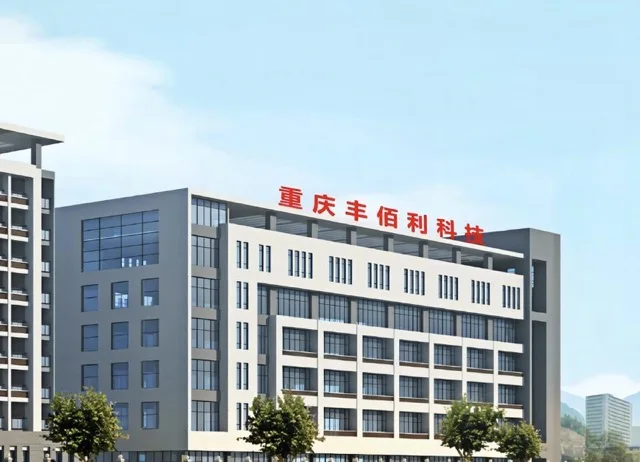
Chongqing Fengbaili Technology Co., Ltd.
- Manufacturer, Trading Company
- Chongqing, China
- Lead time15 days
- Avg. response≤ 2h
Main productsbuggy parts,ATV parts,motorcycle parts
Main marketsMid East(20.00%), Africa(20.00%), Southeast Asia(20.00%), South America(20.00%), North America(20.00%)

Hangzhou Riji Technology Co., Ltd.
- Verified by SGS
- Trading Company,Manufacturer/Factory,Group Corporation
- China Zhejiang
- Lead time45 days
- Avg. response≤ 14h
Main productsMotorcycle Spare Parts & Accessories, Scooter Spare Parts & Accessories, ATV/UTV Spare Parts & Accessories
Main marketsSouth America,Eastern Europe,Mid East,North America,Southeast Asia,Eastern Asia,Oceania,Western Europe,Africa


Motorcycle Front Rear Brake Shoe High Quality Motorcycle Parts Repuesto PARA Moto
$0.50 - $1.50
MOQ: 100 Pieces
Chongqing Huanta Technology Co., Ltd.
- Trading Company
- Chongqing, China
- Lead time15 days
- Avg. response≤ 3h
Main productsCylinder Head assy,cylinder block,Crankshaft,Clutch,Motorcycle engine
Main marketsSouth America(35.00%), Southeast Asia(25.00%), Mid East(10.00%), Africa(7.00%)
Wuxi Gelanten Technology Co., Ltd.
- Verified by TUVRHEINLAND
- Manufacturer/Factory
- China Jiangsu
- Lead time23 days
- Avg. response≤ 2h
Main productsCNC Machining Parts, Custom Machining Part, OEM Parts, CNC Machining Service, Custom Machinery Part, Technology Solution Service, High Precision Customized Fixture, High Precision Shaft, Metal Injection Molding Part, Aluminum Casting Mold
Main marketsSouth America,Eastern Europe,Mid East,North America,Southeast Asia,Eastern Asia,Oceania,Western Europe,Africa

Taizhou Spare Parts Expert Import & Export Co., Ltd.
- Trading Company
- China Zhejiang
- Lead time30 days
- Avg. response≤ 6h
Main productsMotorcycle Parts, Scooters Accessories, Motorcycle Accessories, Gy6 Engine Accessories, Italika Spare Parts, Bike Accessories, Cg125 Jog 50, Bajaj, Helmet, Remote Controller
Main marketsSouth America,Southeast Asia/ Mideast,Europe

Ningbo Jalyn International Trading Co., Ltd.
- Trading Company,Manufacturer/Factory
- China Zhejiang
- Lead time30 days
- Avg. response≤ 21h
Main productsMotorcycle Parts, Motorcycle Accessories, Aftermarket Motorcycle Parts, ATV Parts, Bicycle Parts, Motorcycle Plastic Parts, Motorcycle Mirror, Motorcycle Handle Grips, Motorcycle Engine, Bicycle Accessories
Main marketsSouth America,Eastern Europe,North America,Eastern Asia,Oceania,Western Europe,Africa


Jalyn Motorcycle Spare Parts Motorcycle Parts Motorcycle Rear Wheel for Gy6-150
$4.00 - $9.00
MOQ: 300 Pieces

Motorcycle Spare Part Motorcycle Front Wheel for Ax-100
MOQ: 50 Pieces

Motorcycle Parts Motorcycle Gear Fit for Ax-100
MOQ: 500 Pieces

- Verified by TUVRHEINLAND
- Trading Company
- China Tianjin
- Lead time15 days
- Avg. response≤ 3h
Main productsNails Wires
Main marketsSouth America,Others(foreignTradeCapacity.exportBusinessCapacityMarketOther),Europe


Motorcycle Support Stand for Front & Rear Wheel
MOQ: 100 Pieces
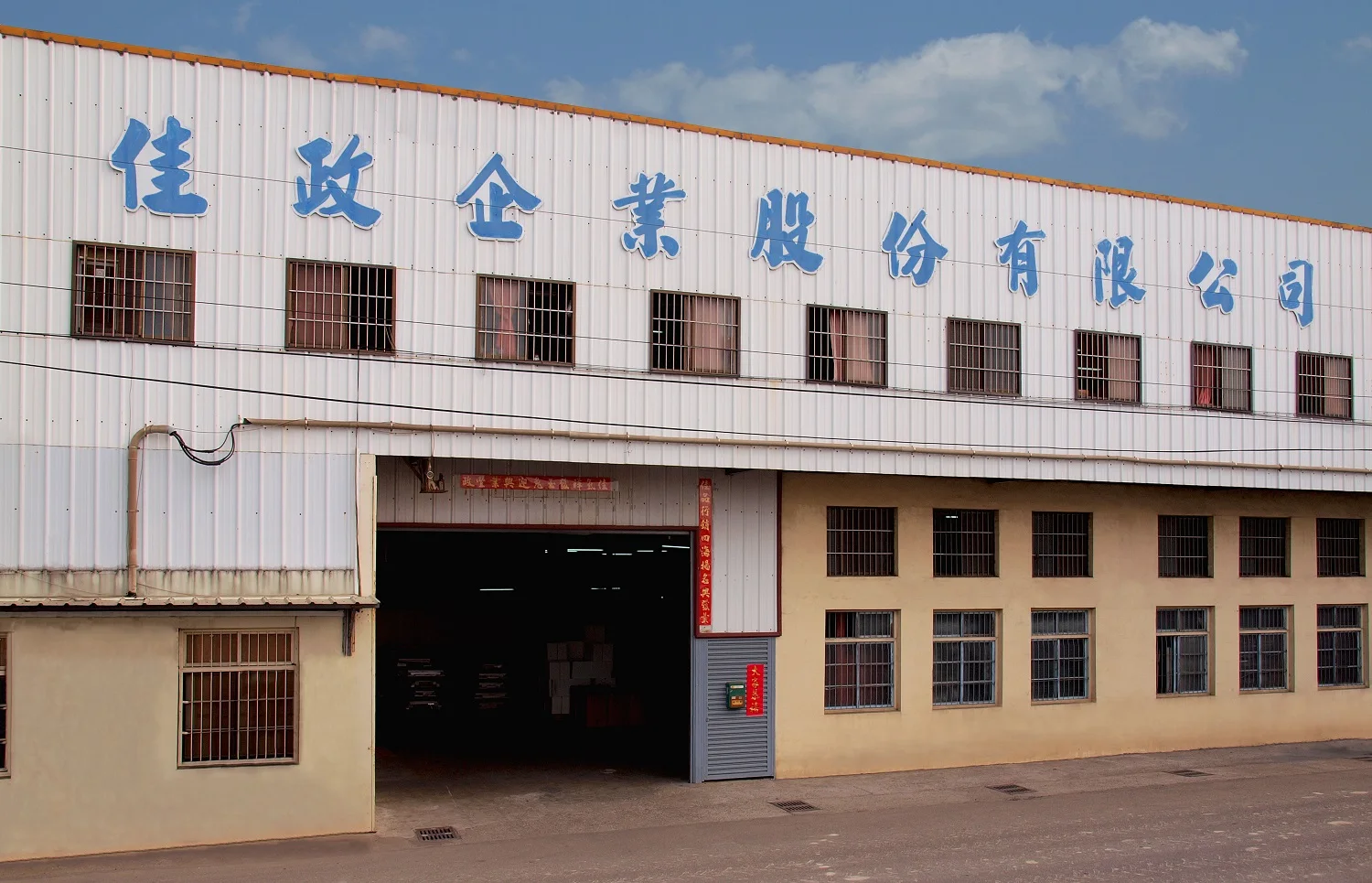
CHIA JENGS ENTERPRISE CO., LTD.
- Manufacturer
- Taiwan, China
- Lead time45 days
- Avg. response≤ 1h
Main productsSwimming Floating Equipment,Sporting Equipment,Sporting Protector,Medical protector,EVA panel,EVA Foam Related Product
Main marketsNorth America(62.00%), Southeast Asia(38.00%)

Jiangmen Sonlink Motorcycle Co., Ltd.
- Verified by BV
- Combined
- China Guangdong
- Lead time30 days
- Avg. response≤ 5h
Main productsMotorcycle, Motorbike, Motor Scooter, Tricycle, Motorcycle Engine, Motorcycle Parts, Motorcycle Spare Parts, Motor Cycle, Cub Motorcycle, Cargo Tricycle
Main marketsSoutheast Asia/ Mideast

Motorcycle Rear Wheel Drum Brake Cover Brake Shoe Motorbike Brake Spare Part
$4.30 - $9.29
MOQ: 500 Pieces


$4.30 - $9.29
MOQ: 500 Pieces

125cc Motorbike Accessories Motorcycle Rear Shock Absorber 150cc Motor Parts
$4.04 - $9.04
MOQ: 500 Pieces


Xingtai Yazheng I&E Trade Co., Ltd.
- Verified by BV
- Trading Company
- China Hebei
- Lead time15 days
- Avg. response≤ 18h
Main productsMotorcycle Piston Kit
Main marketsSouth America

Ningbo Maxwell Mechanical and Electrical Co.,Ltd.
- Verified by TUVRHEINLAND
- Combined
- China Zhejiang
- Lead time30 days
- Avg. response≤ 22h
Main productsShaft
Main marketsSoutheast Asia/ Mideast


Double Spring Shock Absorber Rear Suspension for Motorcycle Scooter ATV Rear Shock
$10.00 - $50.00
MOQ: 50 Pieces
- Trading Company
- Henan, China
- Lead time30 days
- Avg. response≤ 21h
Main productsTricycle,Electric Tricycle,Passenger Tricycle,Refrigerator Tricycle Tricycle,Food Tricycle
Main marketsWestern Europe(100.00%), Eastern Asia(100.00%), Southern Europe(100.00%), Oceania(100.00%), Central America(100.00%), Northern Europe(100.00%), Domestic Market(100.00%), South Asia(100.00%), North America(100.00%), Africa(44.00%), Southeast Asia(19.00%), Mid East(17.00%), South America(11.00%), Eastern Europe(9.00%)
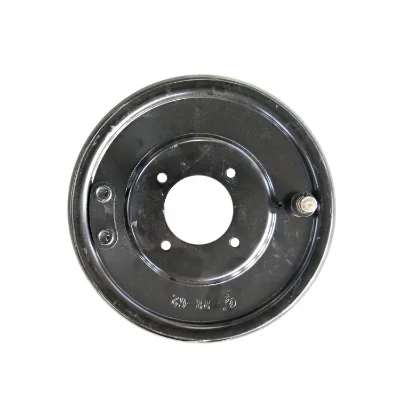
Full Floating Rear Axle Three Wheel Motorcycle With Rear Axle Truck Rear Axle Differential
$5.32 - $6.14
MOQ: 100 sets
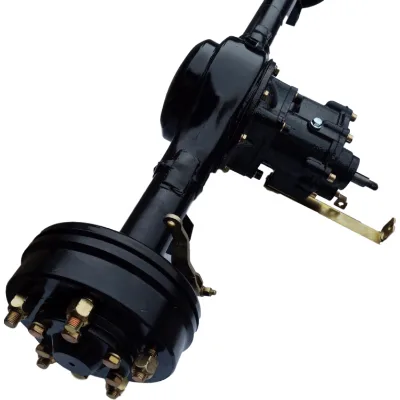
Three Wheel Motorcycle Rear Axle China 2 Speed Rear Axle Common Booster Rear Axle
$92.00 - $98.00
MOQ: 100
Ningbo Tower Machinery Co., Ltd
- Verified by TUVRHEINLAND
- Manufacturer/Factory
- China Zhejiang
- Lead time30 days
- Avg. response≤ 8h
Main productsSheet Metal Fabrication, CNC Machining Parts, Laser Cutting Parts, Tube Bending Parts, Welding Parts, Stamping Parts, Bus Seat, Trailer Jack, Electric Winch, Wheel Spacer
Main marketsSouth America,Eastern Europe,Mid East,North America,Southeast Asia,Eastern Asia,Oceania,Western Europe,Africa

Aluminum Motorcycle Bicycle Accessories Parts Motorcycle Shock Absorber Front Fork
$60.00 - $80.00
MOQ: 100 Pieces

Customized Motorcycle Parts Rear Shock Absorber Motorcycle Front Suspention Fork
$60.00 - $80.00
MOQ: 100 Pieces
Chongqing Best Creative Technology Co., Ltd.
- Manufacturer, Trading Company
- Chongqing, China
- Lead time20 days
- Avg. response≤ 4h
Main productsmotorcycle accessories,Motorcycle pedals,motorcycle wheel,Motorcycle Accessories Processing,Custom Motorcycle Fabrication & Processing
Main marketsSoutheast Asia(20.00%), Africa(20.00%), North America(20.00%), Northern Europe(10.00%), Western Europe(10.00%), South America(10.00%), Mid East(10.00%)

Qingdao Rearun Industrial Co., Ltd.
- Verified by CTI
- Combined
- China Shandong
- Lead time30 days
- Avg. response≤ 3h
Main productsPlastic Injection, Plastic Pallet, Plastic Accessories for Household Appliances, Plastic Folding Box, Disposable Food Lunch Box, Logistics Breeding Turnover Box, Plastic Tiles for Parking Lot, Plastic Food Container, Plastic Tray, Livestock Products
Main marketsDomestic

Qingdao Hongxite Rubber and Plastic Co., Ltd.
- Verified by TUVRHEINLAND
- Combined
- China Shandong
- Lead time15 days
- Avg. response≤ 13h
Main productsMotorcycle Tire, Motorcycle Inner Tube, Rubber Wheels, Tire and Tube, Wheelbarrow's Tire
Main marketsAfrica,Europe,North America

Quality Top High Wearability High Fit Motorcycle Rear Wheel for Enhanced Traction
$4.50 - $5.50
MOQ: 200 Pieces

Chinese Wholesale Factory High Buffering Long Lasting (90/90-14) Motorcycle Rear Wheel for off-Road
$3.60 - $4.60
MOQ: 200 Pieces

Nanpi County Bo Hao Hardware Manufacturing Co., Ltd.
- Verified by BV
- Combined
- China Hebei
- Lead time23 days
- Avg. response≤ 24h
Main productsbrake pad clip
Main marketsDomestic,North America


Spare Motorcycle Part Accessory Brake Pad Brake Pad
MOQ: 2000 Pieces

Brake Pad Motorcycle Spare Part Accessory Brake Pad Brake Pad
MOQ: 2000 Pieces

Brake Pad Motorcycle Spare Part Accessory Brake Pad Brake Pad
MOQ: 2000 Pieces


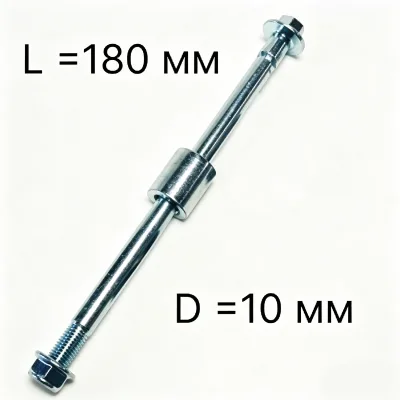
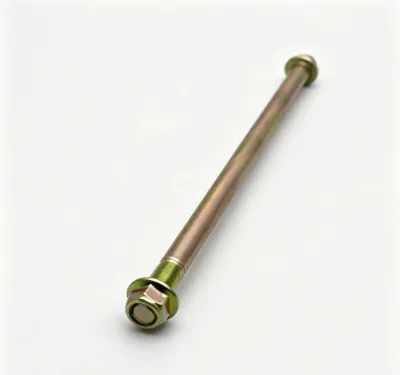
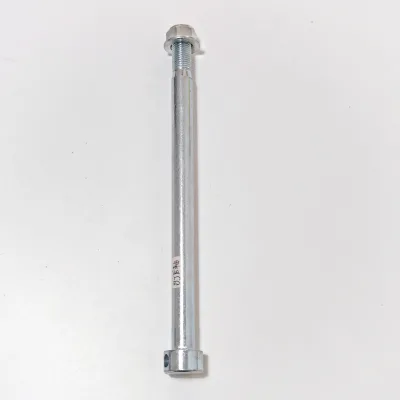
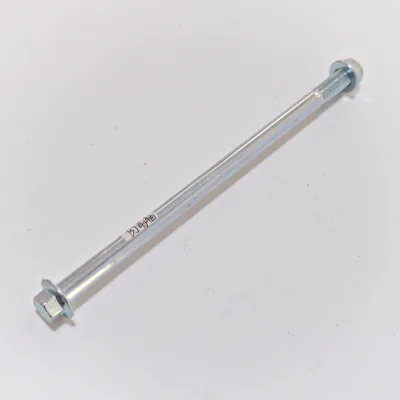






Comprehensive Sourcing Guide
Motorcycle Rear Wheel Axle Protection Supplier Concentration and Factory Types
Current data indicates that suppliers offering Motorcycle Rear Wheel Axle Protection components are concentrated in specific Chinese provinces, with Zhejiang and Hebei emerging as primary manufacturing hubs. Fact records show suppliers in Zhejiang, China, listing main products that include fasteners, bolts, and various axle types, while Hebei-based entities focus heavily on motorcycle accessories and parts. Guangdong is also identified as a location where trading companies and manufacturers operate, offering a mix of engine parts and suspension components. These regional clusters suggest that buyers should prioritize sourcing from these areas to access a higher density of relevant inventory and specialized production capabilities.
The supplier landscape in these regions includes a mix of trading companies and manufacturers, which impacts the nature of the products available. In Zhejiang, the company type is explicitly listed as a trading company, suggesting a focus on aggregating goods from various factories rather than direct production. Conversely, suppliers in Guangdong are described as both trading companies and manufacturers, potentially offering more direct control over production processes and customization options. Buyers must verify whether a specific supplier is a factory or a middleman to understand the depth of their technical expertise and their ability to handle complex customization requests for axle protection systems.
How to Verify Motorcycle Rear Wheel Axle Protection Suppliers
Verification of supplier credibility relies on checking specific third-party audit results and certification statuses provided in the product data. Some suppliers in the current results display verification badges from recognized agencies such as SGS and BV, which serve as initial indicators of operational stability and quality management systems. For instance, a supplier in Hebei is noted as being verified by SGS, while a Guangdong-based entity holds BV verification. These credentials are critical for buyers to confirm that the supplier has undergone external scrutiny regarding their business practices and product quality standards before engaging in significant transactions.
Beyond verification badges, buyers should examine the specific certifications listed for individual products to ensure compliance with international standards. Product attributes for motorcycle axles in the data include certifications such as RoHS, ISO 9000, and ISO 9001, which indicate adherence to environmental and quality management protocols. A supplier in Zhejiang lists RoHS certification for their alloy axle products, while another in Guangdong mentions ISO/TS and GMP certifications. Buyers must cross-reference these specific product-level certifications with their own regulatory requirements, as the presence of a general company verification does not automatically guarantee that every specific axle component meets the necessary safety and material standards for their target market.
What to Compare Across Motorcycle Rear Wheel Axle Protection Suppliers
When evaluating potential partners, buyers should compare key operational metrics such as lead times, minimum order quantities, and response speeds to determine logistical feasibility. The data reveals significant variation in these areas; for example, one supplier in Zhejiang lists a lead time of 30 days with a response time of 12.78 hours, while a Hebei-based supplier offers a shorter lead time of 23 days but a slower response time of 22.60 hours. Another supplier in Hebei indicates a delivery window of 9 to 28 days, highlighting the need for buyers to align their inventory planning with the specific production capacity and speed of each potential vendor.
Minimum order quantities and pricing structures also vary widely across the supplier pool, requiring careful financial analysis before commitment. A Zhejiang supplier offers a minimum order quantity of 1,000 pieces with a unit price of $0.50, whereas a Hebei supplier requires a much larger commitment of 10,000 pieces for their universal axle models. Pricing for similar components can range from $0.24 to $0.68 depending on the material, such as alloy versus aluminum, and the specific customization level required. Buyers must calculate the total cost of ownership, including the impact of higher MOQs on cash flow, rather than focusing solely on the per-unit price to ensure the supplier fits their business scale and budget constraints.
Common Motorcycle Rear Wheel Axle Protection Sourcing Risks
One significant risk in sourcing motorcycle axle components involves the discrepancy between claimed product attributes and actual material specifications. The data shows products listed with materials like "Alloy" and "Aluminum," yet some entries contain inconsistent or generic descriptions that may not reflect the specific durability required for rear wheel protection. Buyers must verify the exact material composition and mechanical properties, as a generic "Alloy" designation does not guarantee the tensile strength or corrosion resistance needed for heavy-duty motorcycle applications. Relying on broad product keywords without demanding detailed material test reports can lead to receiving components that fail under stress or environmental exposure.
Another critical risk is the variability in packaging and shipping standards, which can affect product integrity during transit. Product attributes in the results indicate diverse packing methods, ranging from "Carton/ Woven Bag" to "Plastic Bag and Carton" and "Color Box." Inconsistent packaging standards, such as the use of simple plastic bags for precision axle parts, increase the risk of damage, contamination, or loss of critical components during international shipping. Buyers should explicitly require packaging specifications that match the fragility and precision of the axle protection parts, ensuring that the supplier's standard packing method includes adequate protection against moisture, impact, and physical deformation during the logistics journey.
Motorcycle Rear Wheel Axle Protection Regional Sourcing and Logistics
Sourcing from the identified Chinese regions of Zhejiang, Hebei, and Guangdong offers distinct logistical advantages and challenges that buyers must navigate. Zhejiang suppliers are noted for their focus on fasteners and bearings, often utilizing standard shipping methods like cartons and woven bags. Hebei-based suppliers, who specialize in brake pads and axle hardware, may have different port access and shipping routes that affect transit times and costs. The presence of suppliers in Guangdong, which is a major export hub, often implies more streamlined logistics infrastructure and potentially faster shipping options to international markets compared to inland locations.
Buyers should assess the origin details provided in product attributes to anticipate potential customs and tariff implications. Product data explicitly lists origins such as "Zhejiang, China," "Heibei," and "Guangzhou China," which are crucial for accurate HS code classification and duty calculation. Variations in spelling, such as "Heibei" versus "Hebei," highlight the need for buyers to verify the exact administrative region to ensure correct documentation. Understanding the specific port of loading associated with each region allows buyers to better estimate total landed costs and delivery schedules, ensuring that the supply chain remains resilient against regional disruptions or port congestion.
Motorcycle Rear Wheel Axle Protection Commercial Terms and Order Planning
Commercial terms regarding payment and delivery are pivotal for managing financial risk and ensuring timely order fulfillment. The data indicates that some suppliers require specific payment structures, such as a 30% TT deposit, which is a common practice for manufacturing orders but requires careful cash flow management. Delivery times vary from 9 to 28 days depending on the supplier and order volume, meaning that buyers must plan their production schedules well in advance to avoid stockouts. Understanding these specific terms is essential for negotiating favorable conditions that align with the buyer's operational rhythm and financial capabilities.
Order planning must also account for the customization capabilities and model specifications offered by different suppliers. Many suppliers list customization as available, with specific models ranging from universal fits to specific designs like "CG125/CG150" or "m10-1.25." Buyers need to confirm that the customization process includes clear communication channels and defined timelines for sample approval before mass production begins. The presence of specific model numbers and material options suggests that buyers should provide detailed technical drawings or specifications to ensure the final product matches their exact requirements, preventing costly errors or delays caused by miscommunication regarding the axle protection component design.
FAQs
What is the typical lead time for motorcycle rear wheel axles?
Lead times vary by supplier and location. Some suppliers in Zhejiang offer a 30-day lead time, while those in Hebei may provide delivery within 9 to 28 days. Buyers should confirm specific timelines based on their order volume and customization needs before placing an order.
What are the minimum order quantities for these axles?
Minimum order quantities differ significantly across suppliers. Some listings require 1,000 pieces, while others set the threshold at 10,000 pieces. Buyers must check individual product pages to verify the specific MOQ required for their desired axle model and material specifications.
Which certifications are available for motorcycle axle products?
Several certifications are available depending on the manufacturer. Products may carry RoHS certification, while others hold ISO 9001 or ISO 9000 standards. Some suppliers also list additional certifications like CE, GMP, or HACCP. Buyers should verify the specific certification documents for each product listing.
What materials are used for motorcycle rear wheel axles?
Common materials include Alloy and Aluminum for standard axles. Some brake pad components may use Stainless Steel. Buyers should review the product attributes section to confirm the exact material composition, as this affects durability and compatibility with specific motorcycle models and sizes.
How quickly do suppliers typically respond to inquiries?
Response times vary among the listed suppliers. Some companies respond within approximately 12 hours, while others may take up to 22 hours. Buyers should expect different response speeds based on the supplier's location and current workload, so prompt communication is recommended for urgent orders.
What is the price range for motorcycle rear wheel axles?
Prices vary by product type and specifications. Basic axles may start around 0.50 USD per unit, while specialized parts like brake pads range from 0.24 to 0.28 USD. Other components like shock absorbers can cost between 8.50 and 9.50 USD. Buyers should check specific listings for accurate pricing.
Where are the motorcycle axle suppliers located?
Suppliers are primarily located in China, specifically in Zhejiang, Hebei, and Guangdong provinces. Zhejiang and Hebei are common hubs for axle manufacturing, while Guangdong hosts companies offering both trading and manufacturing services. Buyers should filter results by location to find suppliers near their preferred shipping routes.