Lifting Rotating Boat Seat Suppliers and Manufacturers
Compare 15 verified suppliers offering Lifting Rotating Boat Seat options with customizable features and ISO certifications. Review response times, lead times, and MOQs to select the right partner for your marine needs; review the available evidence before requesting comparable quotations from suitable candidates.
Suppliers List

Xiamen Mellow Rotomolding Co., Ltd.
- Combined
- China Fujian
- Lead time23 days
- Avg. response≤ 16h
Main productsPontoon Boat Seat, Plastic Fuel Tank, Military Case, Cooler Box
Main marketsEurope,Australia,North America
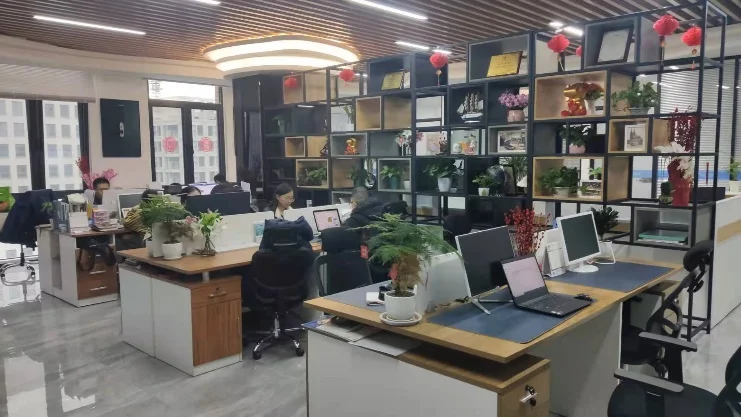
Qingdao Allshine Marine Accessories Co., Ltd.
- Manufacturer, Trading Company
- Shandong, China
- Lead time30 days
- Avg. response≤ 7h
Main productsBoat Seat,Marine Hardware,Boat Ladder,Rod Holder,Pontoon Boat Furniture
Main marketsWestern Europe(21.00%), Oceania(21.00%), North America(19.00%), Southeast Asia(11.00%), Northern Europe(9.00%), Southern Europe(8.00%), Eastern Asia(5.00%), South Asia(2.00%), Eastern Europe(2.00%), Mid East(2.00%)
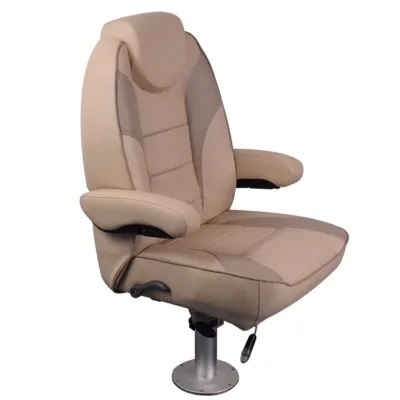
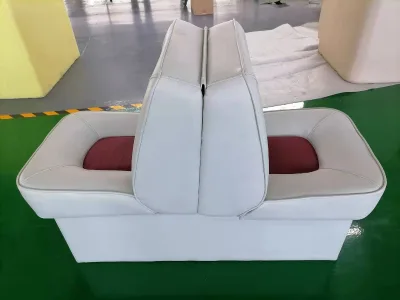
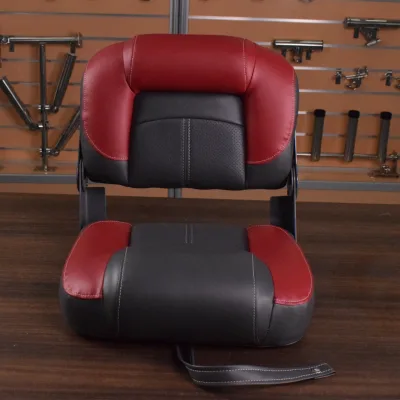
Boat Seat Back-to-Back Lounge Seat Classic Back to Back Seats
$200.00 - $240.00

Shenxian Shenghui Stainless Co., Ltd.
- Verified by TUVRHEINLAND
- Combined
- China Shandong
- Lead time30 days
- Avg. response≤ 5h
Main productsmarine stainless steel
Main marketsSouth America,Southeast Asia/ Mideast,East Asia(Japan/ South Korea),Europe,North America


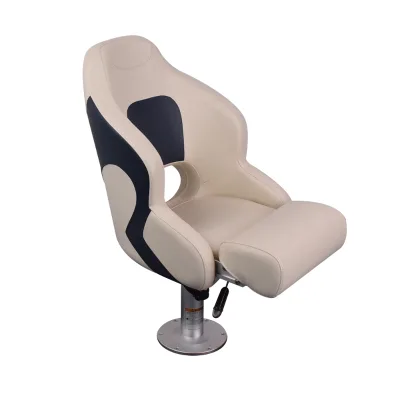
Mechanical Suspension Construction Seat with Height Adjustment Marine Boat Seat
$49.00 - $57.00
MOQ: 2 Pieces

Marine Boat Seat Captain Driving Chair Yacht Seat Boat Seat Manufacturer
$126.00 - $175.00
MOQ: 2 Pieces

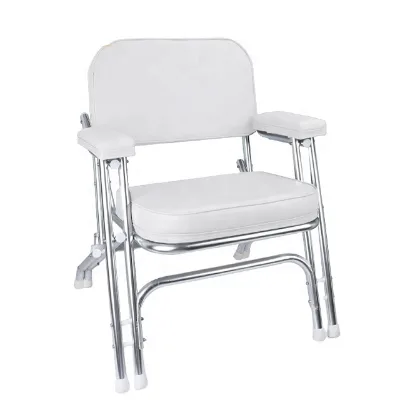
Wholesale Comfortable Luxury Marine Seats Folding Fishing Boat Seat Flip-up Yacht Seat
$126.00 - $175.00
MOQ: 2 Pieces


Nanchang Qinglin Automobile Accessories Co., Ltd.
- Verified by TUVRHEINLAND
- Combined
- China Jiangxi
- Lead time30 days
- Avg. response≤ 4h
Main productsForklift Seats, Tractor Seats, Agricultural Seats, Boat Seats, Truck Seats, Lawn Tractor Seats, Scooter/ATV/Wheelchair Seats, Riding Mower Seats, Lawn Tractor Seat Cover, Excavator Seats
Main marketsEast Asia(Japan/ South Korea),Europe,Australia,North America
- Verified by SGS Group
- Manufacturer, Trading Company
- Lead time0 days
- Avg. response≤ 2h
Main productsLED Lighting, Switch Panel, Busbar, Foam Fender, Boat Seat
Main marketsNorth America(30%), Domestic Market(30%), Southeast Asia(6%)

Ningbo Tower Machinery Co., Ltd
- Verified by TUVRHEINLAND
- Manufacturer/Factory
- China Zhejiang
- Lead time30 days
- Avg. response≤ 8h
Main productsSheet Metal Fabrication, CNC Machining Parts, Laser Cutting Parts, Tube Bending Parts, Welding Parts, Stamping Parts, Bus Seat, Trailer Jack, Electric Winch, Wheel Spacer
Main marketsSouth America,Eastern Europe,Mid East,North America,Southeast Asia,Eastern Asia,Oceania,Western Europe,Africa

- Verified by SGS
- Trading Company,Manufacturer/Factory
- China Shandong
- Lead time45 days
- Avg. response≤ 6h
Main productsHorse Stirrups, Horse Stables, Livestock Panel, Horse Bits, Horse Spurs, Horse Girths, Horse Grooming Tool, Horse Whips, Marine Seats, Marine Portlight
Main marketsSouth America,Eastern Europe,Mid East,North America,Southeast Asia,Eastern Asia,Oceania,Western Europe,Africa

Wholesale Comfortable Luxury Marine Seats Folding Fishing Boat Seat Flip-up Yacht Seat
$90.00 - $185.00
MOQ: 10 Pieces


Ningbo Yinzhou Henglu Plastic Industry&Trading Co., Ltd.
- Verified by BV
- Trading Company,Manufacturer/Factory
- China Zhejiang
- Lead time23 days
- Avg. response≤ 15h
Main productsBumper, Fender, Dock Cleat, Marine Hardwares, Marine Steering Wheel, Boat Seat, Boat Accessories, Dock Wheel, Auto Steering Wheel, OEM Plastic Parts
Main marketsNorth America,Southeast Asia,Eastern Asia,Oceania,Western Europe

Boat Chairs/Boat Seats/Yacht Seats
MOQ: 100 Pieces

Boat Chairs/Boat Seats/Yacht Seats
MOQ: 100 Pieces

Boat Chairs/Boat Seats/Yacht Seats
MOQ: 100 Pieces

Comfortable Design Boat Seats/Yacht Chairs
MOQ: 100 Pieces


Cheap Boat Seat/Yacht Chairs/Yacht Accessories
MOQ: 100 Pieces
Auto Transportation Technology (Suzhou) Co., Ltd.
- Trading Company
- Jiangsu, China
- Lead time25 days
- Avg. response≤ 8h
Main productsModified Auto Parts,Electric Luxury Auto Seat,Exterior Parts for car,bus seat,ferry seat
Main marketsNorth America(20.00%), Domestic Market(15.00%), Northern Europe(10.00%), South America(10.00%), Southern Europe(10.00%), Southeast Asia(10.00%), Eastern Europe(10.00%), Eastern Asia(5.00%), Mid East(5.00%), South Asia(5.00%)
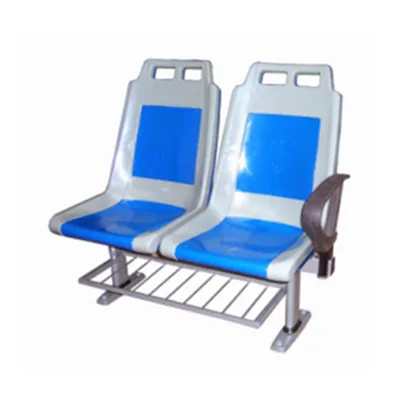
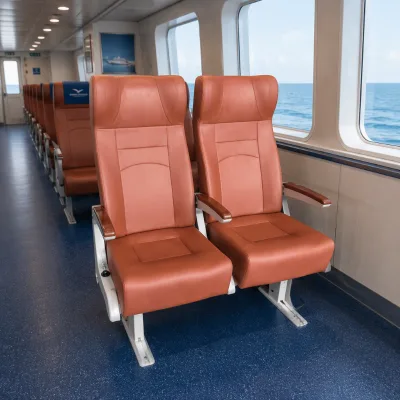
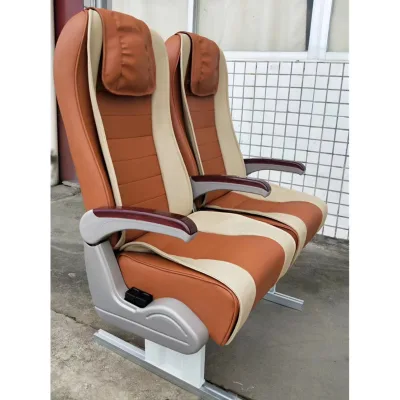
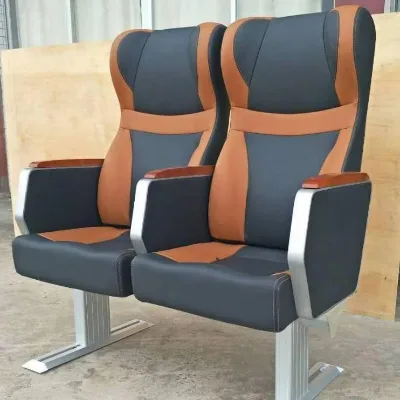
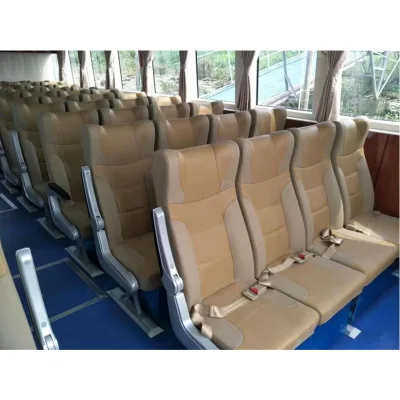
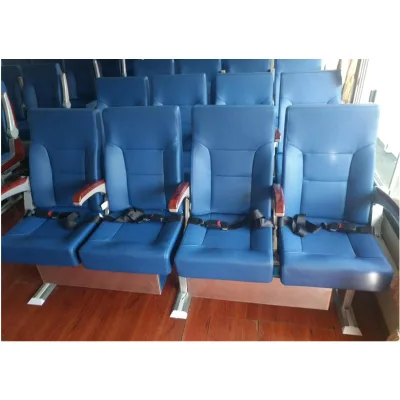
Comfortable Folding Boat Seat for Yacht
$70.00 - $75.00

Zhenjiang Normanship Co., Ltd.
- Trading Company,Manufacturer/Factory
- China Jiangsu
- Lead time120 days
- Avg. response≤ 6h
Main productsLifeboat&Rescue Boat, Davit&Crane, Outfittings, Lifeboat Replacements, Mooring Fittings, Propeller, Marine Door, Marine Cover, Marine Equipment, Rib Boat
Main marketsSouth America,Eastern Europe,Mid East,North America,Southeast Asia,Eastern Asia,Oceania,Western Europe,Africa

Qingdao Colton Yacht Co., Ltd.
- Trading Company
- China Shandong
- Lead time30 days
- Avg. response≤ 22h
Main productsAluminum Rib, Fiberglass Rib, Inflatable Boat, Fiberglass Boat, Aluminum Boat, Boat Accessories
Main marketsEurope,Australia,North America


Hot Selling Low Back Foldable Yacht Seat of Folding Marine Boat Seat for Sale
$20.00 - $50.00
MOQ: 10 Pieces

Deluxe Low Back Boat Seat Hot Sale Manufacture Marine Fast Ferry Boat Seat
$20.00 - $50.00
MOQ: 10 Pieces

Marine Swivel Seat Inflatable Boat Seat Aluminum Folding Deluxe Boat Seat
$20.00 - $50.00
MOQ: 10 Pieces
Nantong Dorham Machinery Co., Ltd.
- Trading Company
- Jiangsu, China
- Lead time30 days
- Avg. response≤ 6h
Main productsMarine Accessories,Cutting Machine
Main marketsSouth Asia(30.00%), Southeast Asia(20.00%), Domestic Market(20.00%), Eastern Asia(20.00%), Western Europe(10.00%)

Qingdao Aqualand Marine Co., Ltd
- Trading Company,Manufacturer/Factory
- China Shandong
- Lead time15 days
- Avg. response≤ 1h
Main productsBoat, Rib Boat, Aluminum Boat, Aluminium Boat, Fishing-Boat, Passenger Boat, Motor Boat, Patrol Boat, Military Boat, Speed Boat
Main marketsSouth America,Eastern Europe,Mid East,North America,Southeast Asia,Eastern Asia,Oceania,Western Europe,Africa

Jingjiang Trust Trading Co., Ltd.
- Trading Company
- China Jiangsu
- Lead time30 days
- Avg. response≤ 10h
Main productsWinch, Ancor Chain, Life Boat, Ship Models, Ladder, Window, Heating Treatment Fixtures, Bathroom Cabin Unit, Propeller & Shaft, Galvanized Steel Plank
Main marketsSouth America,Africa,Others(foreignTradeCapacity.exportBusinessCapacityMarketOther),Southeast Asia/ Mideast,East Asia(Japan/ South Korea),Domestic,Europe,Australia,North America


Luxury Yacht Folding Type Marine Boat Seats
MOQ: 1 Pieces

Zhenjiang Matchau Marine Equipment Co., Ltd.
- Verified by TUVRHEINLAND
- Trading Company,Manufacturer/Factory,Group Corporation
- China Jiangsu
- Lead time23 days
- Avg. response≤ 5h
Main productsWater Weight Bag, Life Boat, Life Raft, Life Jacket, Rescue Boat, Single Arm Davit, Davit, Crane, Rubber Fender, Anchor Chain
Main marketsSouth America,Eastern Europe,Mid East,North America,Southeast Asia,Eastern Asia,Oceania,Western Europe,Africa


High Quality Boat Seat Marine Suspension Chair with Shock Absorbing for Ferries
$100.00 - $500.00
MOQ: 1 Pieces


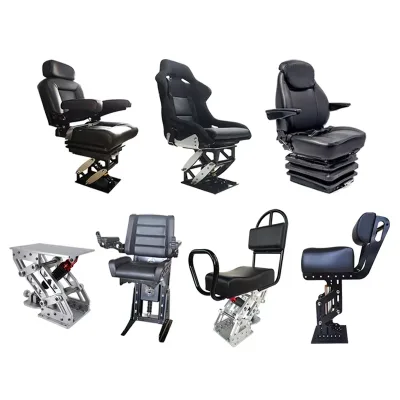
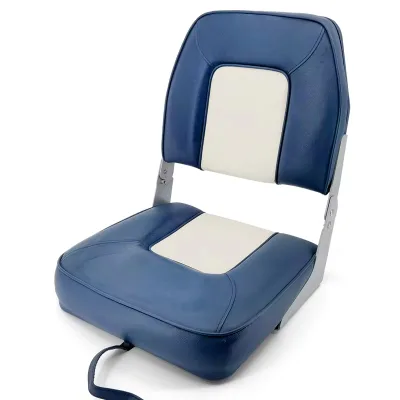


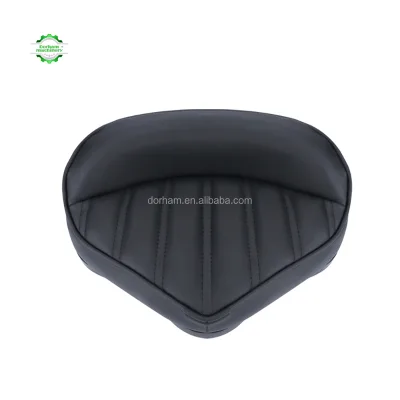
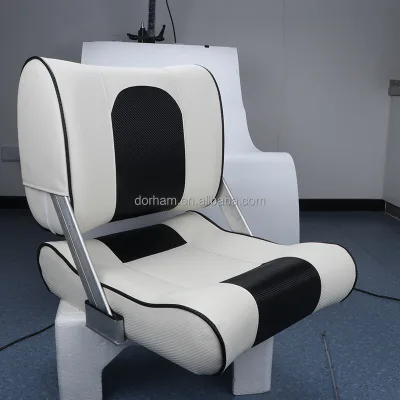
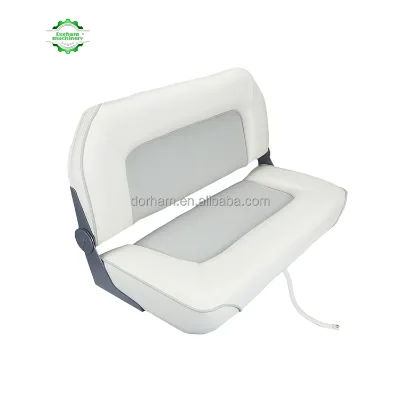
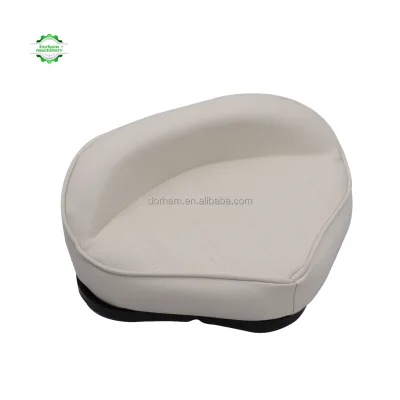


Comprehensive Sourcing Guide
Lifting Rotating Boat Seat Supplier Concentration and Factory Types
Current data indicates a concentration of manufacturing capabilities in China, specifically within the Fujian and Shandong provinces. Suppliers in these regions often operate as combined entities, functioning as both manufacturers and trading companies to offer broader product ranges. The primary product focus for these facilities includes pontoon boat seats, plastic fuel tanks, military cases, and cooler boxes, suggesting a specialized capacity for rotational molding and marine hardware fabrication. This dual operational model allows for flexibility in handling both original equipment manufacturer and original design manufacturer requests, catering to diverse client needs for customized marine seating solutions.
When evaluating the factory types available, buyers should look for evidence of specific production capabilities such as rotational molding, which is essential for creating durable plastic boat seats. The observed supplier profiles highlight a mix of companies offering own brands alongside OEM and ODM services, indicating a mature industrial ecosystem capable of adapting to specific design requirements. While some suppliers focus on marine hardware and boat ladders, others specialize in high-back captain seats and folding passenger chairs. Understanding whether a supplier is purely a manufacturer or a trading company is critical, as this distinction impacts the directness of communication and the potential for cost negotiation on complex lifting and rotating mechanisms.
How to Verify Lifting Rotating Boat Seat Suppliers
Verification begins with checking for recognized system certifications that validate quality management and product safety standards. Several observed suppliers hold ISO9001:2015 certificates, which serve as a baseline for consistent manufacturing processes. More specialized facilities may possess additional certifications such as ISO 4892, ASTM G21, IMO MSC 307, and RoHS, which are particularly relevant for marine environments exposed to harsh conditions and sunlight. The presence of third-party verification marks, such as those from TÜV Rheinland, further strengthens the credibility of a supplier's claims regarding their production standards and material integrity.
Beyond certifications, buyers must assess the responsiveness and operational transparency of the potential partner. Response times vary significantly across the market, with some suppliers replying within seven hours while others may take over fifteen hours. This metric is a strong indicator of the supplier's operational efficiency and their capacity to handle urgent inquiries or custom design requests. Additionally, verifying the specific product attributes listed, such as the availability of customization, the specific model numbers like MLKJ20260523-1 or 86573, and the detailed packing standards, ensures that the supplier can meet the precise technical requirements of a Lifting Rotating Boat Seat project.
What to Compare Across Lifting Rotating Boat Seat Suppliers
A critical comparison point is the minimum order quantity, which varies widely depending on the product complexity and supplier capacity. Some listings indicate a minimum order of 100 pieces, while others require 200 pieces or even 30 pieces for specialized mechanical suspension seats. Buyers must align their order volume with these thresholds to avoid unnecessary costs or rejected orders. Furthermore, the price range for these components can differ substantially, with some basic plastic seats listed between 78 and 113 units of currency, while more complex mechanical suspension models may range from 200 to 329 units. Understanding these price bands helps in budgeting for the total project cost.
Lead times and response speeds are equally vital factors when comparing suppliers for time-sensitive projects. Observed lead times range from 23 days to 30 days, reflecting the complexity of the manufacturing process and the current production load. A supplier with a shorter lead time might be preferable for urgent restocking, whereas a longer lead time could indicate a more rigorous quality control process or a custom fabrication workflow. Additionally, comparing the main product portfolios reveals whether a supplier is a generalist or a specialist; those focusing on marine parts and accessories often provide more tailored solutions for lifting and rotating mechanisms than general hardware traders.
Common Lifting Rotating Boat Seat Sourcing Risks
One significant risk involves the discrepancy between advertised customization capabilities and actual production feasibility. While many suppliers list customization as available, the specific mechanical requirements for lifting and rotating seats demand precise engineering. Buyers must verify if the supplier has the specific rotational molding or metal fabrication capacity to execute complex designs without compromising structural integrity. Relying solely on generic product descriptions without confirming the technical specifications for the lifting mechanism can lead to products that fail to meet safety standards or functional expectations in a marine environment.
Another risk pertains to the consistency of material quality and the validity of warranty claims. Some products are described as having marine-grade vinyl or durable plastic, but without specific test results or detailed material certifications, the longevity of the seat remains uncertain. The observed warranty periods, such as a one-year guarantee, provide some protection, but buyers should verify the terms and conditions associated with these warranties. Furthermore, the reliance on third-party certifications like ISO9001 does not automatically guarantee that every batch of seats will meet the same high standard, making pre-shipment inspections a necessary step to mitigate the risk of receiving substandard goods.
Lifting Rotating Boat Seat Regional Sourcing and Logistics
Sourcing from the identified regions of Fujian and Shandong in China offers access to established marine manufacturing clusters, but logistics planning must account for the specific shipping requirements of heavy or bulky marine seats. The product dimensions, such as standard sizes of 600510520mm or 540610510mm, influence the packing efficiency and the total volume of the shipment. Suppliers typically use marine-grade cartons or exported packages wrapped in PE film to protect the seats during transit, but buyers should confirm the packing details to ensure the seats arrive without damage. The origin of the product is consistently listed as China, which simplifies the origin verification process but requires careful attention to shipping routes.
Logistics costs and transit times can vary based on the destination and the specific shipping method chosen. The lead time of 23 to 30 days mentioned in supplier data refers to production, not shipping, so buyers must add the transit duration to their overall timeline. For suppliers in Shandong, the proximity to major ports may offer logistical advantages for international shipping, whereas Fujian-based suppliers might have different port access dynamics. Buyers should verify the single gross weight and volume of the items, as these factors directly impact freight charges. Ensuring that the supplier provides accurate packing lists and weight specifications is essential for calculating the total landed cost of the lifting rotating boat seats.
Lifting Rotating Boat Seat Commercial Terms and Order Planning
Commercial terms regarding payment and order planning must be clearly defined before committing to a purchase, especially when dealing with customized marine seating. The minimum order quantities observed, ranging from 30 to 200 pieces, dictate the initial investment required and the inventory levels a buyer must maintain. Buyers should plan their orders to align with these MOQs to maximize cost efficiency while avoiding overstocking. Additionally, the price ranges provided, such as 99 to 113 or 85 to 85, serve as a baseline for negotiation, but final prices may fluctuate based on order volume, material costs, and the complexity of the customization requested.
Order planning also involves coordinating the production schedule with the supplier's lead time and response capabilities. A supplier with a response time of seven hours may be better equipped to handle last-minute changes or urgent production requests compared to one with a fifteen-hour response time. Buyers should establish a clear communication channel to track the progress of their order, ensuring that the production model numbers and specifications match the initial agreement. Verifying the establishment year and company type, whether manufacturer or trading company, helps in assessing the supplier's stability and long-term reliability for future orders and potential scale-up requirements.
FAQs
What is the minimum order quantity for pontoon boat seats?
The minimum order quantity varies by product, with some listings requiring 100 pieces while others set the threshold at 200 pieces. Buyers should verify the specific MOQ for their selected model before placing an order to ensure compliance with supplier requirements.
How long does it take to receive orders from China?
Lead times for these marine products typically range from 23 to 30 days depending on the supplier and order volume. Suppliers located in Fujian and Shandong provinces generally adhere to these timelines, though custom orders may require additional processing time.
Are these boat seats customizable for specific vessel needs?
Yes, customization is available for many models, allowing buyers to specify dimensions, colors, and features like armrests or rotation. Suppliers offer OEM and ODM services, enabling tailored solutions for different boat types including pontoons and yachts.
What certifications do the manufacturers hold for quality assurance?
Manufacturers often hold ISO9001:2015 certificates, while some also possess ISO14001:2015 and specific marine standards like IMO MSC 307. Additional certifications such as RoHS and ASTM G21 may apply depending on the specific product line and supplier location.
What is the typical price range for marine boat seats?
Prices for these seats generally range from 32.50 to 329.00 USD per unit based on features and materials. Basic folding chairs start lower, while premium suspension seats with armrests command higher prices within this observed market range.
How quickly do suppliers typically respond to inquiries?
Response times vary significantly, with some suppliers replying within 7 hours and others taking up to 15 hours. Buyers seeking urgent assistance should prioritize suppliers with faster response metrics to ensure timely communication regarding order details.
Where are the primary manufacturing locations for these seats?
Most suppliers are located in Fujian and Shandong provinces in China. These regions specialize in rotational molding and marine hardware production, offering a concentrated supply base for various boat seat types and accessories.