Carbon Fiber Car Steering Wheel Suppliers and Manufacturers
Explore 23 verified options for Carbon Fiber Car Steering Wheel from China Anhui and Zhejiang. Compare response times, lead times, certifications like TS 16949 and ISO 9001, and pricing ranges to find the right partner. Review product details and request quotes directly.
Suppliers List

Anhui Jagrow Auto Parts Co., Ltd.
- Verified by TUVRHEINLAND
- Trading Company,Manufacturer/Factory
- China Anhui
- Lead time45 days
- Avg. response≤ 4h
Main productsPerformance Parts, Exhaust System, Air Intake System, Cooling System, Carbon Fiber Parts, Exhaust Downpipe, Exhaust Manifold, Exhaust Catback, Oil Cooler, Turbo Intercooler
Main marketsSouth America,Eastern Europe,Mid East,North America,Southeast Asia,Eastern Asia,Oceania,Western Europe,Africa


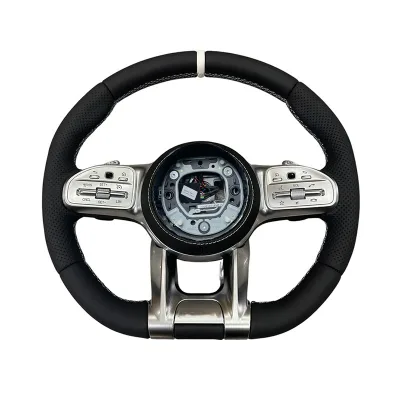
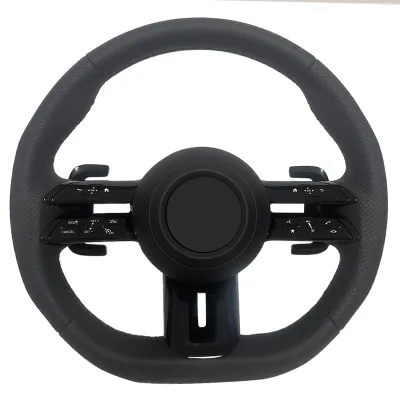
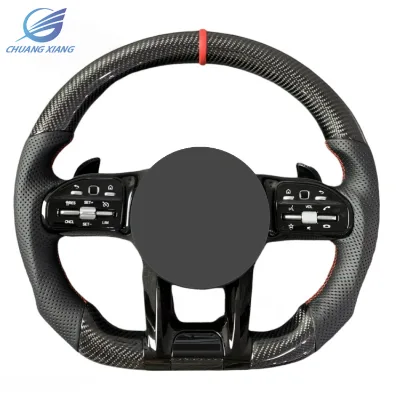
Carbon Fiber Steering Wheel for Mercedes Benz Amg Flat Bottom Customization Steering Wheel
$940.00 - $942.00
MOQ: 1 Pieces


Yiwu Shengying Auto Accessory Co., Ltd.
- Verified by SGS
- Trading Company
- China Zhejiang
- Lead time15 days
- Avg. response≤ 4h
Main productsSteering Wheel, Car Seat, Gear Knob, License Plate Frame, Auto Filter
Main marketsSouth America,Southeast Asia/ Mideast,East Asia(Japan/ South Korea),Europe,Australia,North America

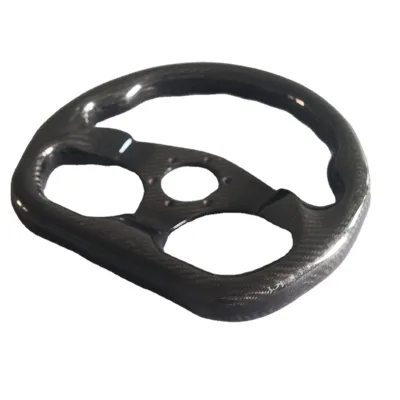
High Quality Shape Racing Car Steering Wheel Carbon Fiber Car Steering Wheel
$99.00 - $119.99
MOQ: 10 pieces


$45.08 - $78.40
MOQ: 10 pieces


Tiypeor 350mm Custom Universal Fashion Design Carbon Fiber Modified Steering Wheel
$101.00 - $115.00
MOQ: 1 pieces
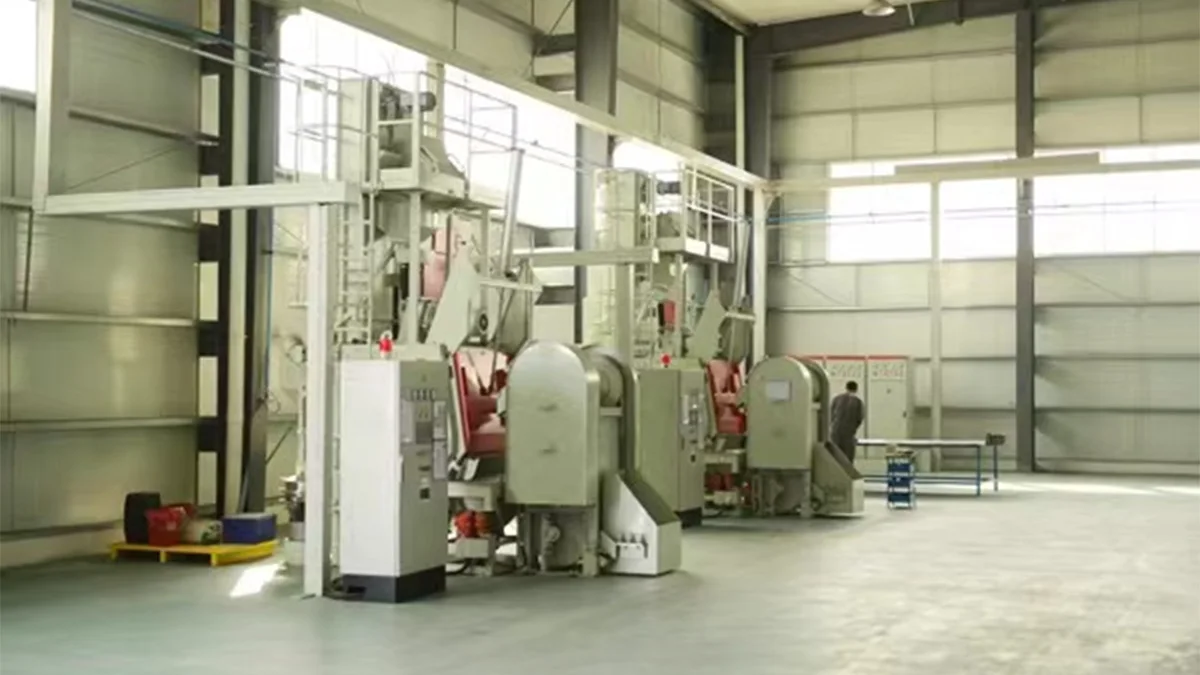
Wenzhou Guli Trading Co., Ltd.
- Trading Company
- Zhejiang Province, China
- Lead time7 days
- Avg. response≤ 2h
Main productsShift Gear Knob,car LED modified light,Motorcycle light,ambient light
Main marketsSouth America(50.00%), Southern Europe(10.00%), Northern Europe(10.00%), Western Europe(10.00%), Eastern Europe(10.00%), North America(10.00%)

Ningbo Autocare Car Accessory Co., Ltd.
- Trading Company
- China Zhejiang
- Lead time30 days
- Avg. response≤ 8h
Main productsAuto Accessories, Car Accessories, Car Steering Wheel Cover, Steering Wheel Cover, Seat Cushion, Sun Shade
Main marketsSouth America,Africa,Southeast Asia/ Mideast,East Asia(Japan/ South Korea),Europe,Australia,North America
Dongguan Juli Composite Technology Co., Ltd.
- Verified by SGS Group
- Manufacturer, Trading Company
- Lead time0 days
- Avg. response≤ 6h
Main products3K Carbon Fiber Tubes, 3K Carbon Fiber Sheet, Carbon Fiber Molding Parts, Carbon Fiber Propellers, Fiberglass Tube
Main marketsNorth America(35%), Western Europe(30%), Domestic Market(15%)

Ningbo Yinzhou Henglu Plastic Industry&Trading Co., Ltd.
- Verified by BV
- Trading Company,Manufacturer/Factory
- China Zhejiang
- Lead time23 days
- Avg. response≤ 15h
Main productsBumper, Fender, Dock Cleat, Marine Hardwares, Marine Steering Wheel, Boat Seat, Boat Accessories, Dock Wheel, Auto Steering Wheel, OEM Plastic Parts
Main marketsNorth America,Southeast Asia,Eastern Asia,Oceania,Western Europe

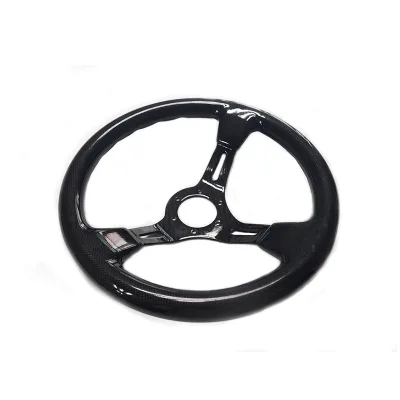
Carbon Fiber Racing Steering Wheels
MOQ: 100 Pieces

Carbon Fiber Racing Steering Wheels
MOQ: 100 Pieces

Carbon Fiber Racing Steering Wheels (HL1001742)
MOQ: 100 Pieces

MOQ: 100 Pieces

MOQ: 100 Pieces

Steering Wheels for Vehicles/Bus Steering Wheels
MOQ: 500 Pieces
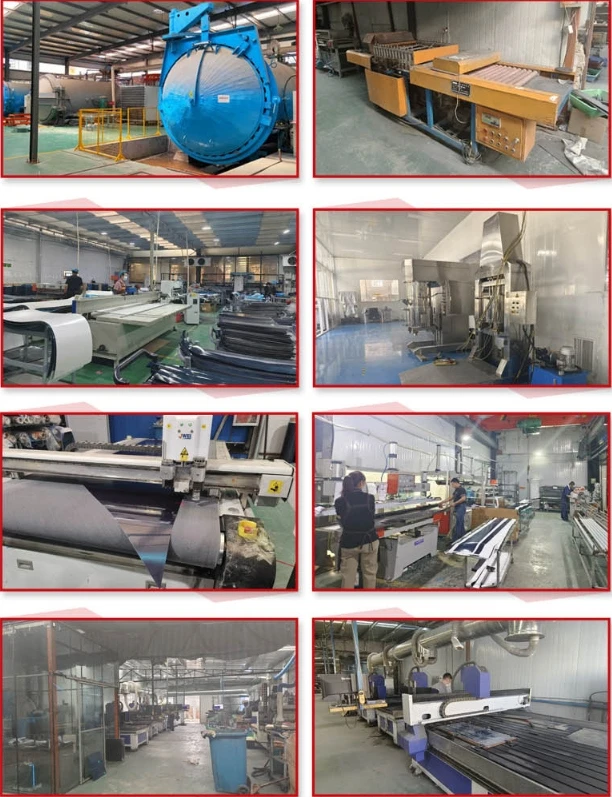
Dongguan Fenway Composite Technology Co., Ltd.
- Trading Company
- Guangdong, China
- Lead time7 days
- Avg. response≤ 2h
Main productscarbon fiber molding part,carbon fiber cnc part,carbon fiber sheet,carbon fiber tube,carbon fiber products
Main marketsNorth America(30.00%), Eastern Europe(15.00%), Northern Europe(10.00%), Oceania(10.00%), South America(10.00%), Western Europe(5.00%), Central America(5.00%), Southeast Asia(5.00%), Southern Europe(3.00%), Domestic Market(2.00%), South Asia(2.00%), Mid East(2.00%), Eastern Asia(1.00%), Africa(1.00%)
Nanchang JiYiDa Automotive Parts Co., Ltd.
- Verified by TüVRheinland
- Trading Company
- Lead time0 days
- Avg. response≤ 3h
Main productsExhaust System
Main marketsNorth America(55%), Western Europe(20%), Southeast Asia(15%)
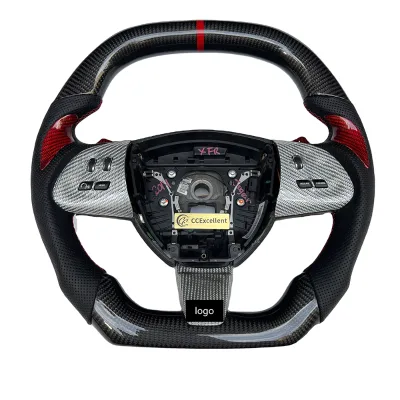
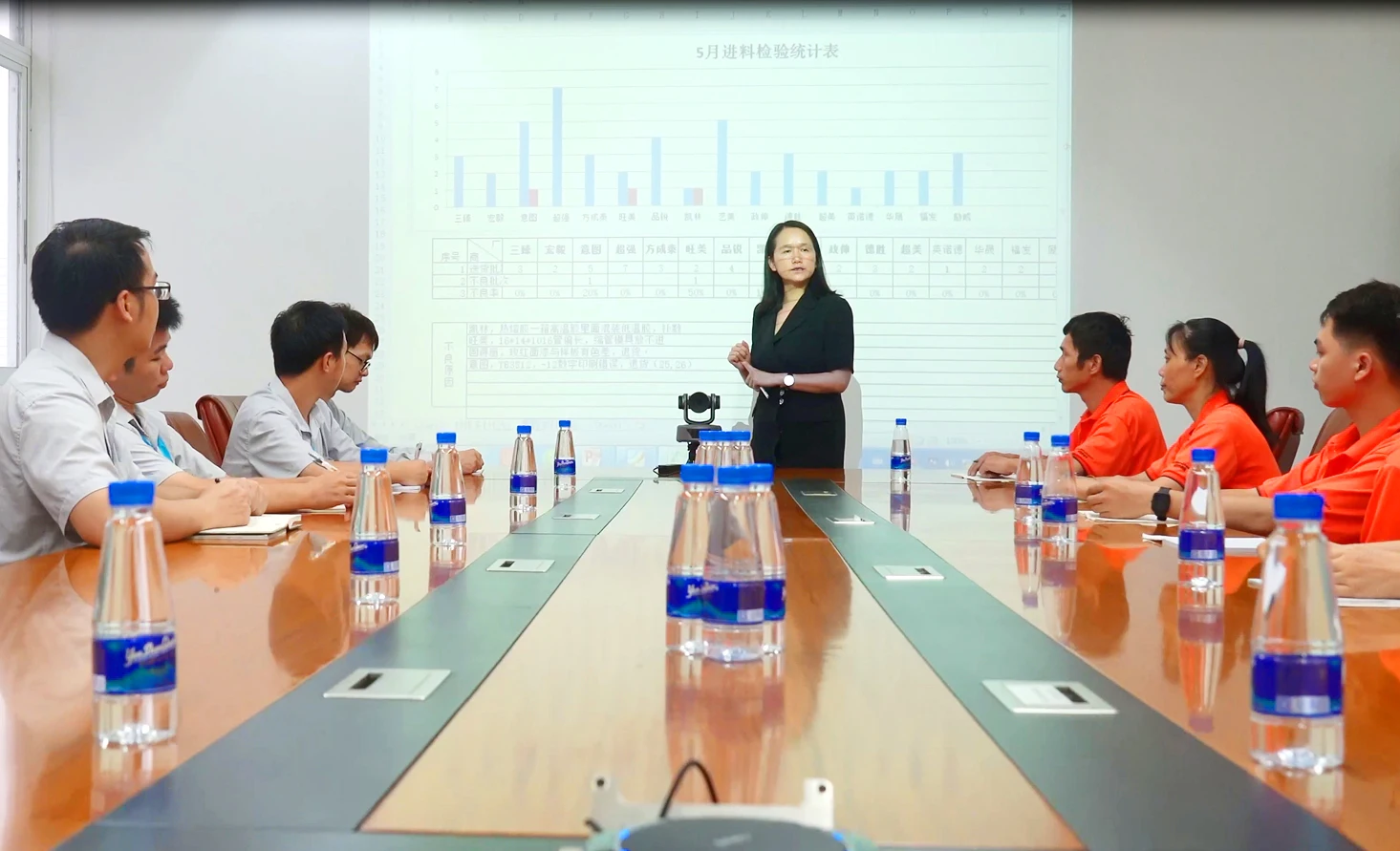
Guangzhou Ccexcellent Auto Parts Co., Ltd.
- Verified by SGS Group
- Trading Company
- Lead time20 days
- Avg. response≤ 5h
Main productsSteering Wheel, Carbon Fiber Steering Wheel, Carbon Fiber Accessories, Steering Wheel Accessories
Main marketsNorth America(25%), South America(25%), Eastern Europe(19%)
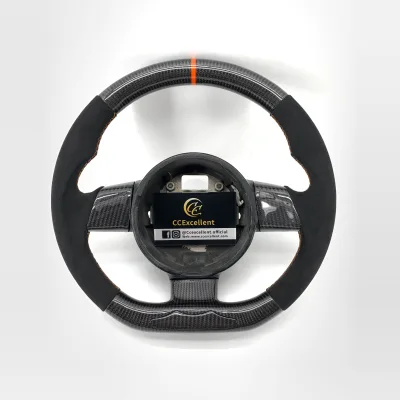
$835.71 - $866.18
MOQ: 1 pieces
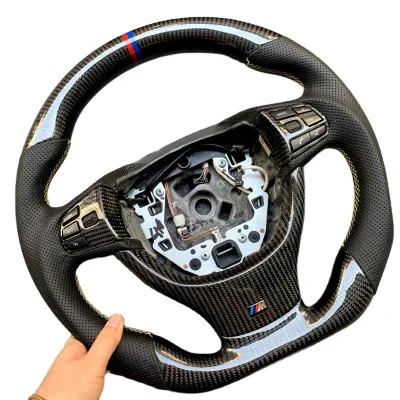
Zhongshan Talent New Material Technology Co., Ltd.
- Manufacturer
- Guangdong, China
- Lead time60 days
- Avg. response≤ 9h
Main productsCarbon Fiber Car Parts,Carbon Fiber Sporting Goods,Carbon Fiber Accessories,Carbon Fiber Customized Gifts,Carbon Fiber Medical Equipment Parts
Main marketsNorth America(45.00%), Western Europe(15.00%), South America(5.00%)
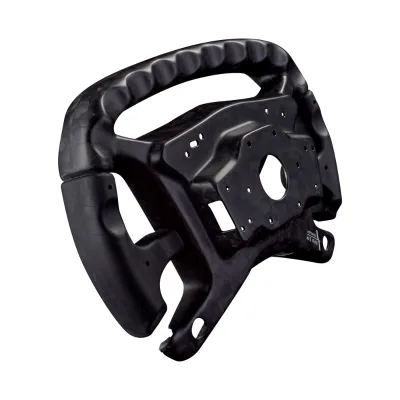
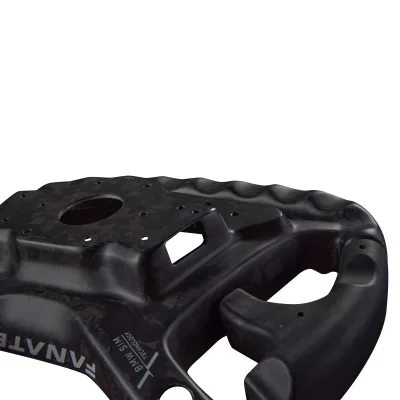
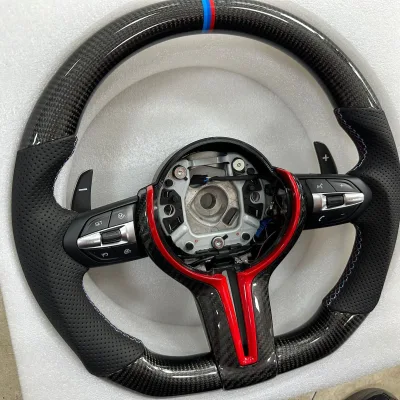
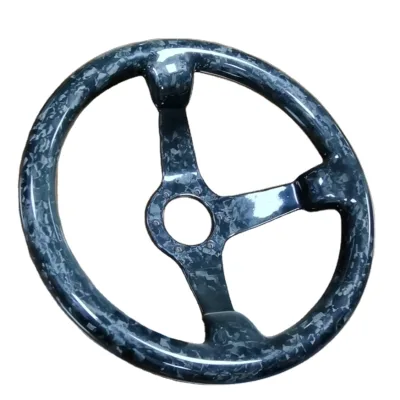
Custom Forged Carbon Fiber Racing Car Steering Wheel for for All Car Models
$400.00 - $430.00
MOQ: 2 pieces
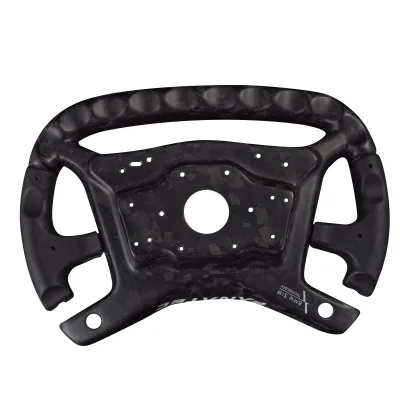
Beijing Yujing Dingsheng Auto Decoration Co., Ltd.
- Trading Company
- Beijing, China
- Lead time0 days
- Avg. response≤ 2h
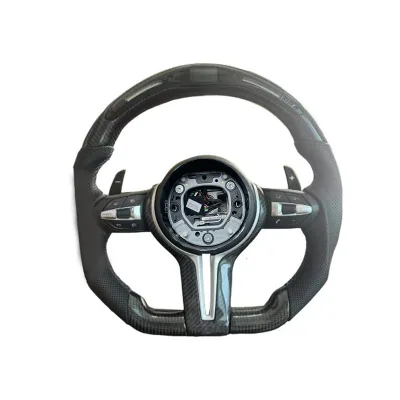
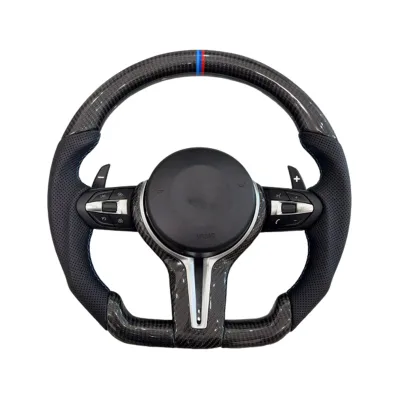
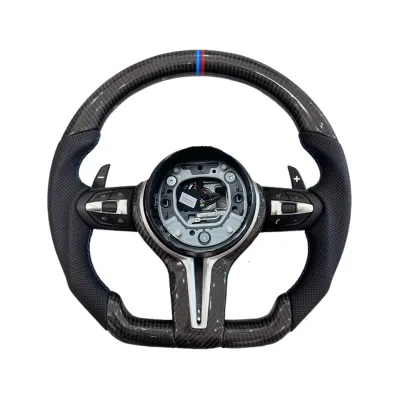
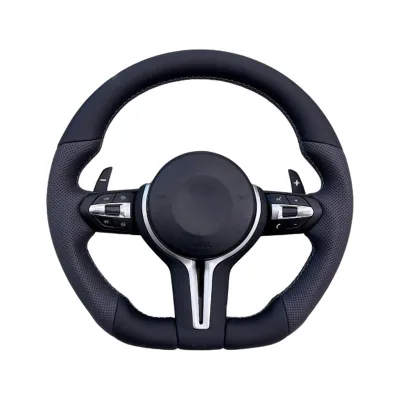
$140.00 - $430.00
MOQ: 1 pieces

Dongguan Julisheng New Material Technology Co., Ltd.
- Verified by BV
- Combined
- China Guangdong
- Lead time30 days
- Avg. response≤ 7h
Main productsPU Foam, PU Corner Guard, Accessories PU Armrest, PU Self-Skinning, PU High Rebound, PU Slow Rebound, PU Imitation Wood Hard Foam, PU Foam Rugby, PU Traction Pillow, PU Foam Wheel
Main marketsDomestic


350mm 6 Bolt Modified Carbon Look Car Steering Wheel Sport Genuine Leather Steering Wheel with Logo
$18.30 - $19.50
MOQ: 10 Pieces


14inch ND Carbon Film Steering Wheel Universal Modified Car Sports Steering Wheel
$18.30 - $19.50
MOQ: 10 Pieces

Car Leather Steering Wheel 350mm Universal Steering Wheel with Horn Button
$18.30 - $19.50
MOQ: 10 Pieces

Guangdong Shenyang New Material Technology Co., Ltd.
- Verified by CTI
- Combined
- China Guangdong
- Lead time15 days
- Avg. response≤ 2h
Main productsCarbon Fiber Composite Materials, Carbon Fiber Sheets, Carbon Fiber Tubes, Carbon Fiber Drone Frames, Carbon Fiber Sports Equipment, Carbon Fiber Automotive Parts, Carbon Fiber Aerospace Components, Carbon Fiber Industrial Products, Carbon Fiber Medical Devices, Carbon Fiber Consumer Goods
Main marketsSouth America,Africa,Southeast Asia/ Mideast,East Asia(Japan/ South Korea),Domestic,Europe,Australia,North America


Lightweight Durable Custom Carbon Fiber RC Car Steering Wheel for High-Performance Racing
$1.00 - $100.00
MOQ: 1 Pieces

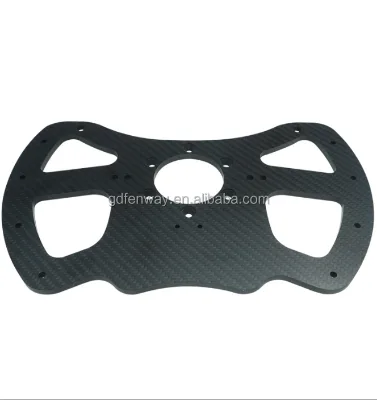
High Quality Carbon Fiber Steering Wheel Face Panel for Performance Cars
$0.90 - $999.00
MOQ: 100 Pieces
Guangzhou Fangyuyuan Product Design Service Co., Ltd.
- Manufacturer
- Lead time旺季: "1 - 1":8,"> 1":"To be negotiated", 淡季: "1 - 1":8,"> 1":"To be negotiated"
- Avg. response≤ 2h
Main productsCarbon Fiber Kit,Automobile Parts,Carbon Fiber Steering Wheel,Carbon Fiber Spoiler Wing,Carbon Fiber Mirror Shell
Dongguan Juli Composite Technology Co., Ltd.
- Manufacturer, Trading Company
- Lead time旺季: "1 - 100":20,"101 - 500":35,"> 500":"To be negotiated", 淡季: "1 - 100":20,"101 - 500":35,"> 500":"To be negotiated"
- Avg. response≤ 3h
Main productsCarbon Fiber Tube, Carbon Fiber Products, Carbon Fiber Golf Shaft, Carbon Fiber Sheet, New Energy Vehicle Parts
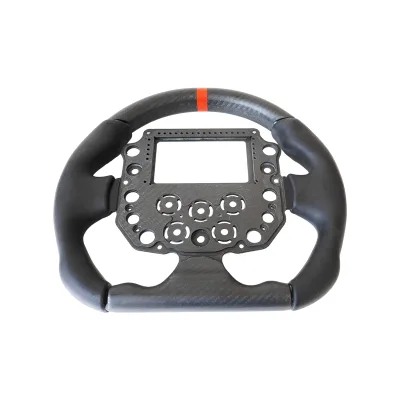
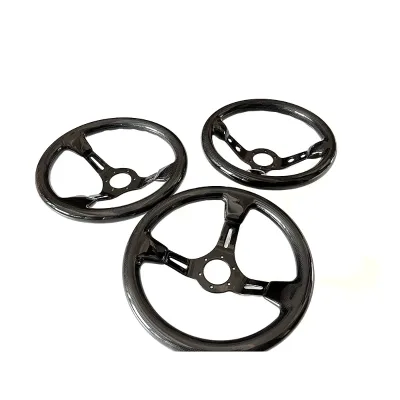
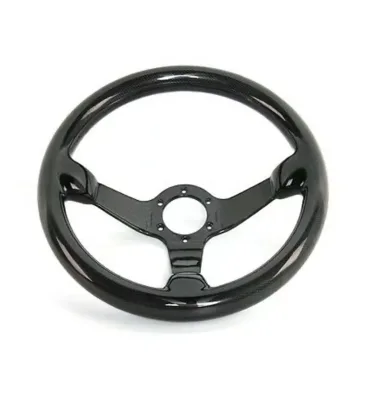
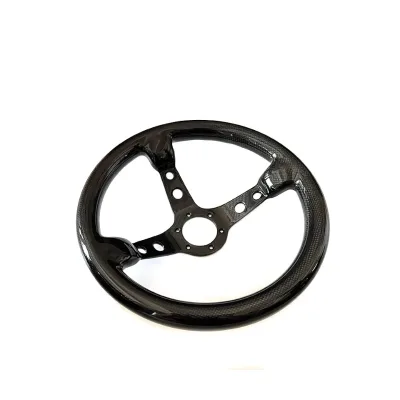
14-Inch 350mm Carbon Fiber Sports Sedan Steering Wheel Universal Fit for All Vehicle Types
$35.74 - $91.91
MOQ: 1 pieces

Ningbo Govi Auto Parts Co., Ltd.
- Verified by BV
- Trading Company
- China Zhejiang
- Lead time30 days
- Avg. response≤ 17h
Main productsAir Filter, Flexible Pipe, Aluminum Pipe, Muffler, Silicone Hose, Auto Parts, Exhaust Tip, Oil Catch Tank, Spare Parts, Throttle Body
Main marketsSoutheast Asia/ Mideast,Australia,North America
Dongguan Juli Composite Technology Co., Ltd.
- Manufacturer, Trading Company
- Lead time旺季: "1 - 100":5,"101 - 200":8,"> 200":"To be negotiated", 淡季: "1 - 100":5,"101 - 200":8,"> 200":"To be negotiated"
- Avg. response≤ 7h
Main products3K Carbon Fiber Tubes, 3K Carbon Fiber Sheet, Carbon Fiber Molding Parts, Carbon Fiber Autoclave Parts, Fiberglass Tube
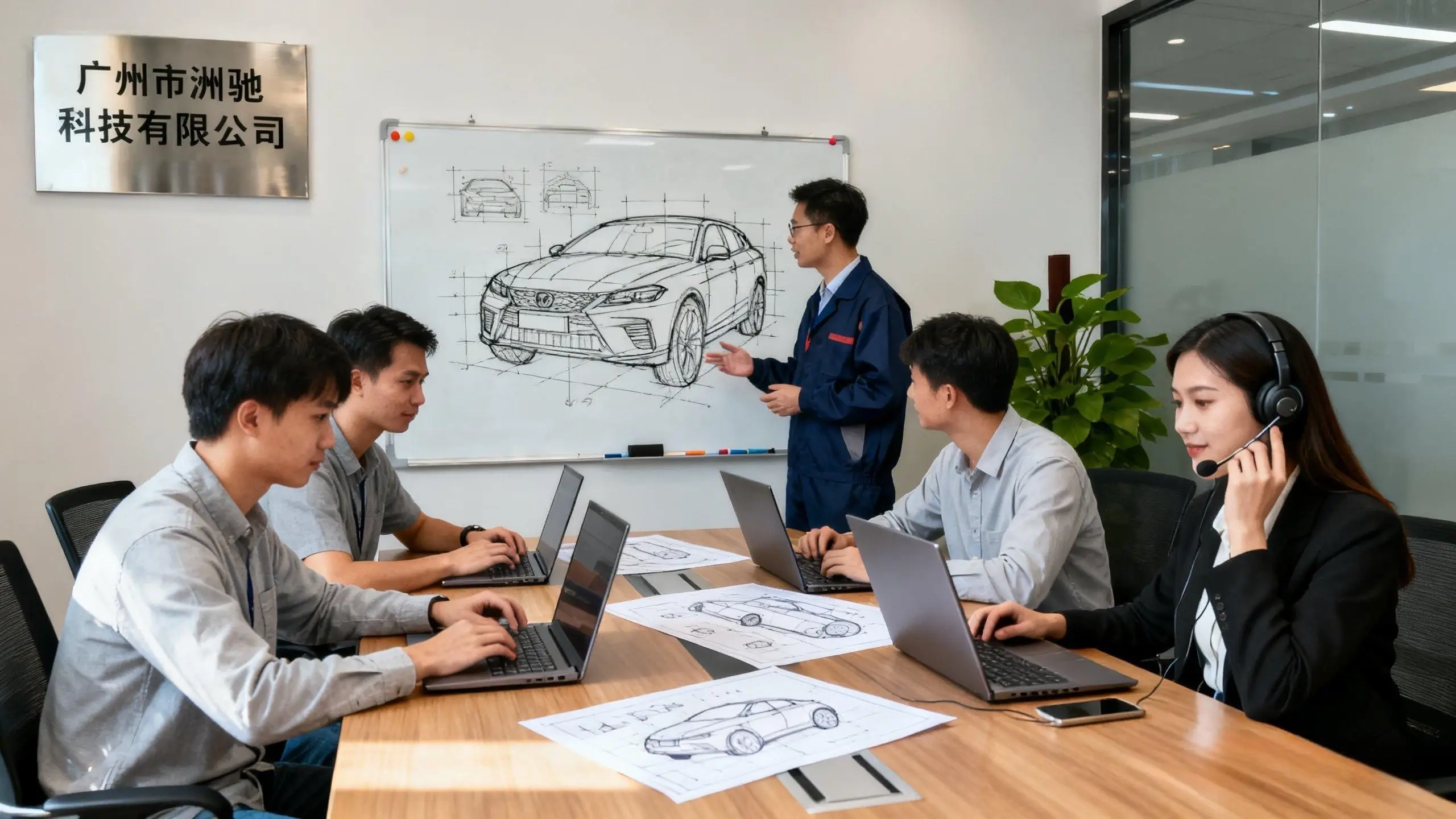
Guangzhou Zhouchi Technology Co., Ltd.
- Trading Company, Distributor/Wholesaler, Other
- Guangdong, China
- Lead time7 days
- Avg. response≤ 3h
Main productsAuto Body Kit,Carbon Fiber Product,Headlight Lens,Headlight DRL Tube,Headlight Ballast Module
Main marketsNorth America(35.00%), Mid East(20.00%), Western Europe(20.00%), South America(15.00%), South Asia(5.00%), Eastern Asia(5.00%)
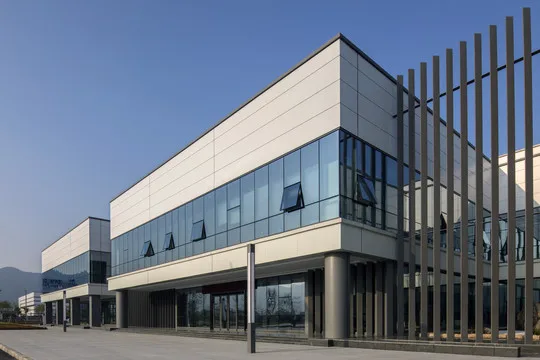
Guangzhou Huyi Automotive Products Co., Ltd.
- Manufacturer, Trading Company, Distributor/Wholesaler
- Guangdong, China
- Lead time0 days
- Avg. response≤ 6h
Main productsshift knob,keychain,steering wheel,lug nut,license plate frame
Main marketsEastern Asia(30.00%), North America(30.00%), Northern Europe(10.00%), Central America(10.00%), South America(10.00%), Southeast Asia(10.00%)
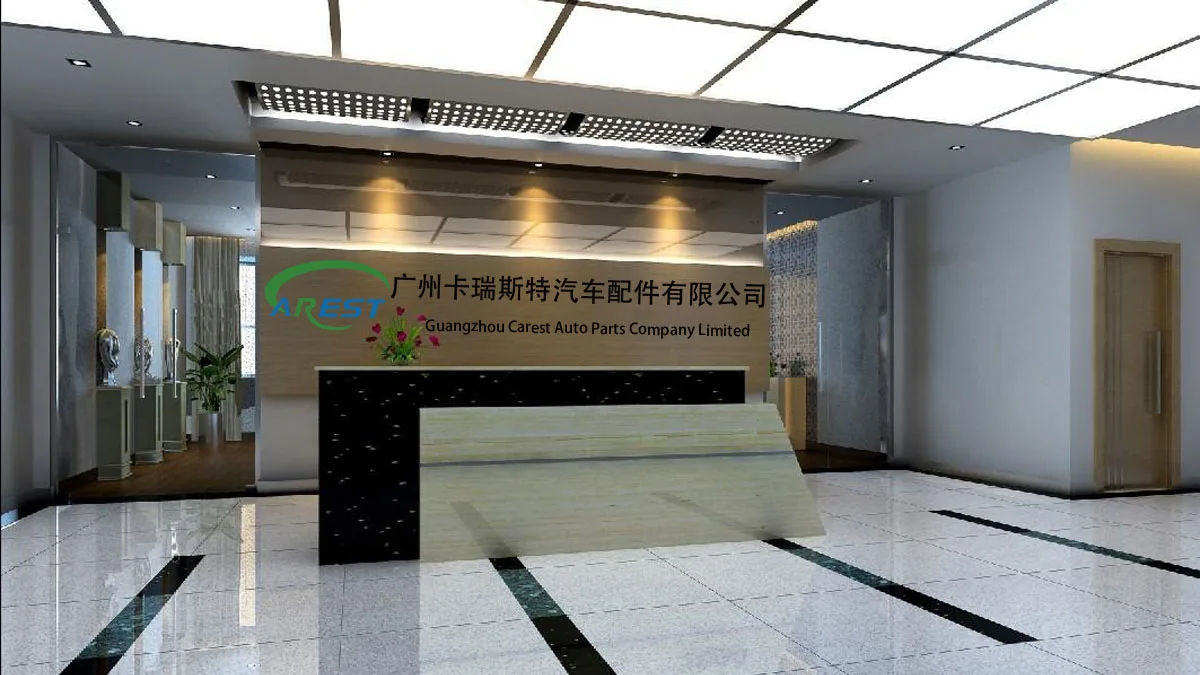
Guangzhou Carest Auto Parts Co., Ltd.
- Manufacturer, Distributor/Wholesaler, Business Service (Transportation, finance, travel, Ads, etc)
- guangdong, China
- Lead time10 days
- Avg. response≤ 7h
Main productsCar Conditioning sysytem,Automobile braking system,Car decoration parts,Auto lighting system,Automotive electronics
Main marketsEastern Europe(30.00%), North America(20.00%), Mid East(15.00%), South America(15.00%), South Asia(12.00%), Southeast Asia(5.00%), Africa(3.00%)
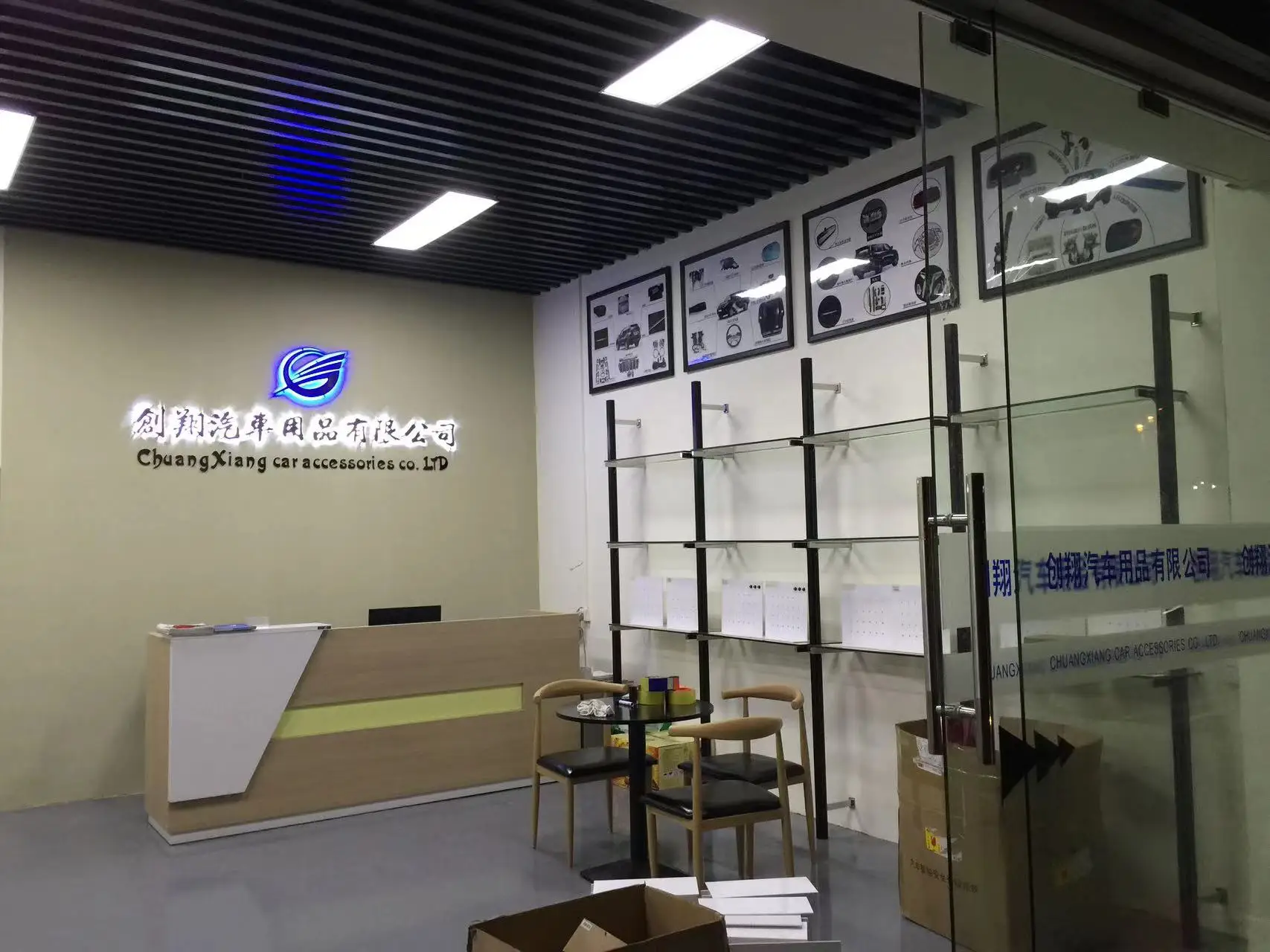
Guangzhou Chuangxiang Automotive Supplies Co., Ltd.
- Manufacturer, Trading Company, Distributor/Wholesaler
- Guangdong, China
- Lead time15 days
- Avg. response≤ 1h
Main productsside mirror,LED Side mirror,Electric folding rearview mirror,Electric anti glare rearview mirror,Steering wheel
Main marketsMid East(30.00%), Domestic Market(25.00%), Central America(10.00%), Eastern Europe(10.00%), Northern Europe(10.00%), Eastern Asia(5.00%), Southern Europe(5.00%), Western Europe(2.00%), Southeast Asia(2.00%), North America(1.00%)

Ningbo Dawei Automotive Parts Co., Ltd
- Trading Company
- China Zhejiang
- Lead time0 days
- Avg. response≤ 1h
Main productsMan Truck Pars, Auto Parts, Automobile Electronics, Plastic, Auto Electric, Steering Column, Truck Parts, Door Hinge, Ignition Switch, Head Lamp Leveling Actuator


14-Inch PU Leather Racing Steering Wheel for Car Modification Universal Fit
$18.00 - $29.00
MOQ: 10 Pieces


14-Inch PU Leather Steering Wheel for Universal Car Modification Racing Style
$18.00 - $29.00
MOQ: 10 Pieces

Universal Car Modification Steering Wheel with PU Leather for Racing Use
$12.00 - $18.00
MOQ: 10 Pieces

Ningbo WWS Industrial Co., Ltd.
- Verified by BV
- Combined
- China Zhejiang
- Lead time30 days
- Avg. response≤ 10h
Main productsCNC Machining Parts, Casting Parts, Stamping Parts, Plastic Injection Parts, Forging Parts, Rubber Molding Parts, Hardware
Main marketsDomestic


Racing Car Steering Wheel Quick Release Hub Steering Wheel Quick Release Kit
$1.00 - $20.00
MOQ: 100 Pieces
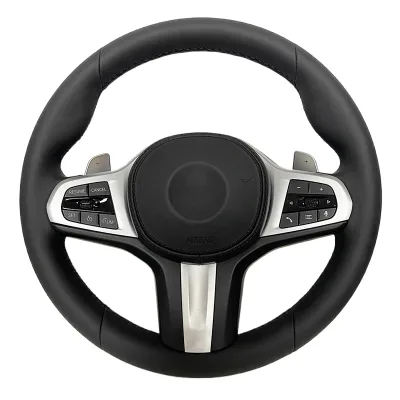


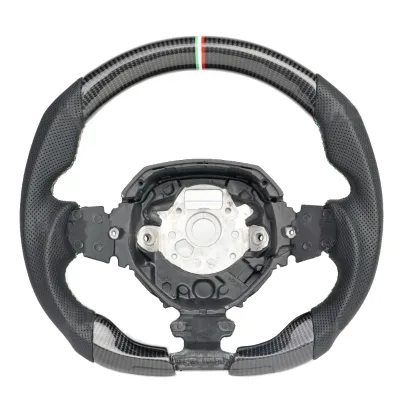
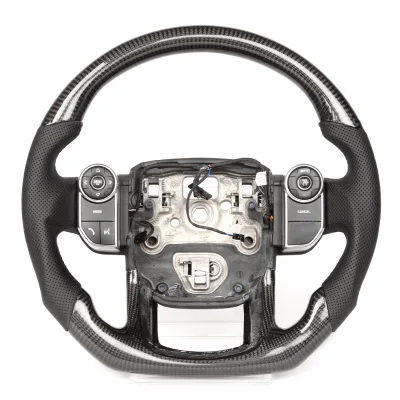
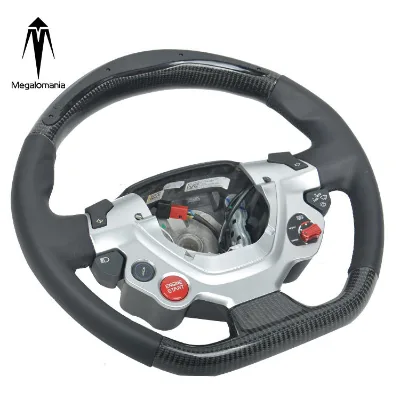
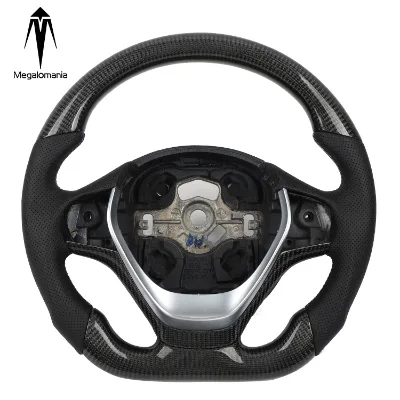


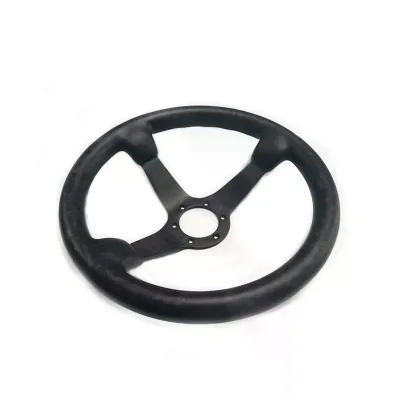
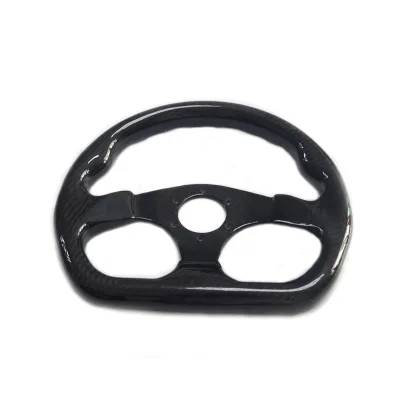
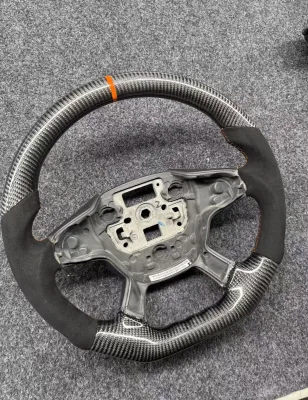
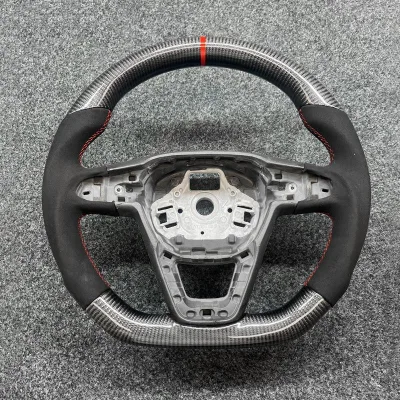
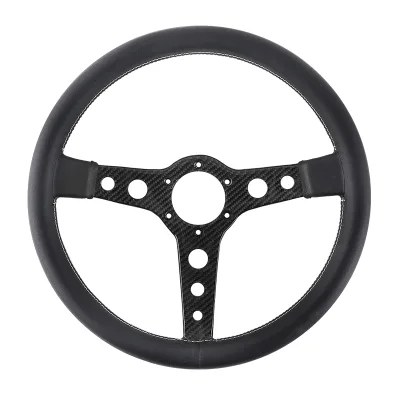
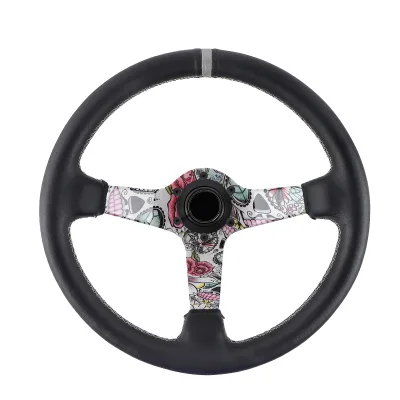
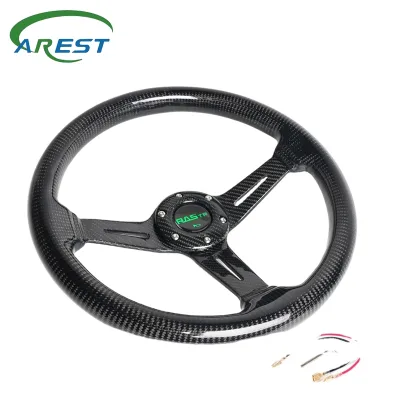
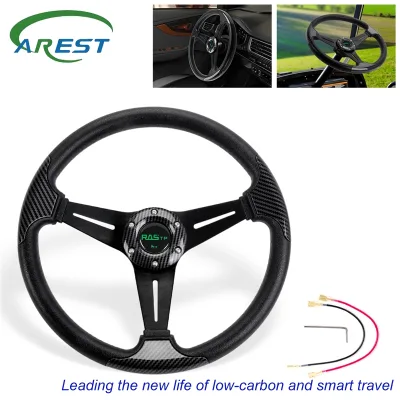
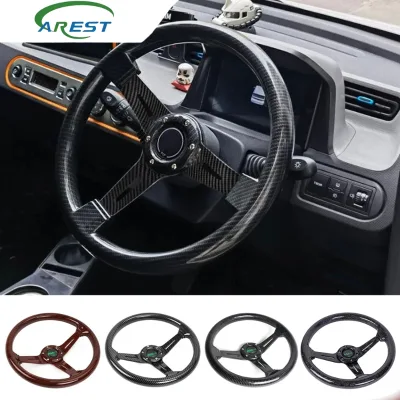
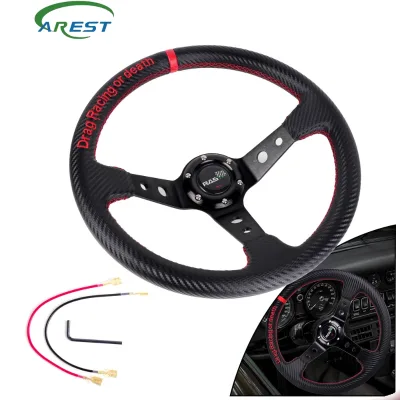
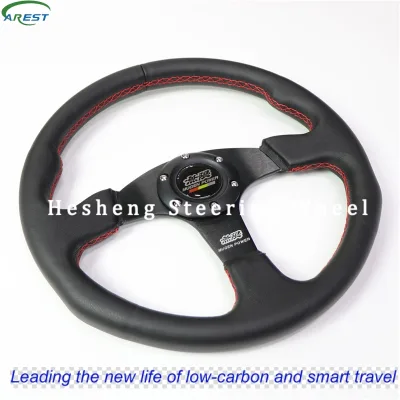
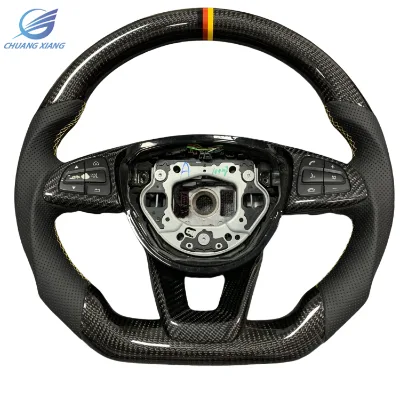
Comprehensive Sourcing Guide
Carbon Fiber Car Steering Wheel Supplier Concentration and Factory Types
Current data indicates that verified suppliers for carbon fiber car steering wheels are concentrated in specific Chinese provinces, with Anhui and Zhejiang emerging as key manufacturing hubs. Suppliers in Anhui often operate as a hybrid of trading companies and manufacturers, offering a broad range of performance parts including exhaust systems, cooling components, and carbon fiber accessories. This dual operational model allows them to manage complex supply chains while maintaining direct oversight of production quality for items like steering wheels and downpipes. The presence of established facilities in these regions suggests a mature ecosystem capable of supporting both OEM and ODM requirements for automotive interior accessories.
In contrast, suppliers located in Zhejiang frequently present as trading companies focused on specific product lines such as steering wheels, car seats, and gear knobs. These entities often emphasize rapid response times and flexible order fulfillment, catering to buyers who require quick turnaround for custom or universal fitment parts. While some manufacturers in these clusters hold certifications like TS 16949 and ISO 9001, others may rely on third-party verification services such as SGS or TÜV Rheinland to validate their operational standards. Buyers should investigate whether a supplier's primary focus is on high-volume production or specialized customization, as this distinction significantly impacts lead times and the ability to handle unique design requests for carbon fiber components.
How to Verify Carbon Fiber Car Steering Wheel Suppliers
Verification of supplier credibility relies heavily on checking for recognized third-party audit reports and system certifications rather than relying solely on self-declared claims. Many suppliers in the current results display verification badges from organizations like TÜV Rheinland or SGS, which serve as external validation of their business legitimacy and operational processes. Additionally, system certifications such as ISO 9001 and TS 16949 are critical indicators that a manufacturer adheres to international quality management standards required for automotive components. Buyers must confirm that these certifications are current and specifically cover the production of carbon fiber parts, as general factory audits may not guarantee the specific material handling expertise needed for high-performance steering wheels.
Beyond certifications, buyers should scrutinize the response time metrics provided in supplier profiles to gauge communication reliability and operational efficiency. A response time of approximately 3.5 hours suggests a dedicated sales team capable of addressing technical queries regarding material specifications, customization options, and fitment details promptly. It is essential to verify that the supplier can provide detailed product attributes, such as material composition, certification marks like CE or ISO, and specific model compatibility for vehicles like the Golf Mk6, Corvette C8, or BMW X5M. If a supplier lacks clear verification status or fails to provide detailed product evidence, buyers should request direct proof of their manufacturing capabilities and quality control procedures before proceeding with any order.
What to Compare Across Carbon Fiber Car Steering Wheel Suppliers
When evaluating potential partners, buyers must compare lead times and minimum order quantities (MOQ) to ensure alignment with their inventory and production schedules. Current data shows significant variation in lead times, ranging from 15 days for some trading companies to 45 days for manufacturers with more complex production lines. Similarly, MOQs can differ drastically, with some suppliers accepting single-unit orders while others require a minimum of ten pieces. These differences directly impact the feasibility of small-batch testing versus large-scale procurement, making it crucial to match supplier capabilities with specific project requirements before committing to a partnership.
Price structures and customization availability also require careful comparison across different supplier profiles. Product listings indicate price ranges that vary based on the specific vehicle model, such as Golf Mk6, Corvette C8, or Mercedes-Benz AMG, with costs fluctuating between approximately $99 and $971 depending on the complexity and material specifications. Buyers should verify whether the quoted price includes customization services, as some suppliers explicitly list customization as available while others may charge extra for tailored designs. Additionally, comparing the main products offered by each supplier helps identify those with a broader portfolio of performance parts, which can simplify the sourcing process for buyers looking to consolidate orders for exhaust systems, air intakes, and steering wheels from a single source.
Common Carbon Fiber Car Steering Wheel Sourcing Risks
One significant risk in sourcing carbon fiber steering wheels involves the discrepancy between advertised certifications and actual product compliance. While some listings claim certifications like CE, ISO, or TS standards, the specific discharge standards or noise levels may not be clearly defined for every product variant. Buyers must be cautious of generic claims and ensure that the specific steering wheel model they intend to purchase has been tested against the relevant automotive safety and environmental standards. Without clear evidence of compliance, there is a risk of receiving products that do not meet local regulatory requirements, potentially leading to customs delays or legal liabilities in the target market.
Another critical risk is the inconsistency in material quality and product origin claims. Although many suppliers state that their products originate from China, the specific manufacturing processes and material grades can vary widely between factories. Some listings mention carbon fiber materials, while others may list aluminum or mixed composites, creating confusion about the actual composition of the final product. Buyers should verify the material specifications and request detailed product attributes, such as weight, dimensions, and packing standards, to ensure the product matches their performance expectations. Failure to validate these details can result in receiving substandard components that compromise vehicle safety or fail to deliver the desired aesthetic and functional benefits.
Carbon Fiber Car Steering Wheel Regional Sourcing and Logistics
Sourcing from Chinese manufacturing clusters like Anhui and Zhejiang offers logistical advantages but requires careful planning regarding shipping and delivery timelines. Suppliers in these regions typically offer lead times ranging from 15 to 45 days, which must be factored into the overall supply chain schedule to avoid production bottlenecks. The distance between the factory and the destination port can influence transit times, and buyers should account for potential delays caused by customs clearance or seasonal shipping constraints. Understanding the specific location of the supplier helps in estimating the total time from order placement to final delivery, ensuring that inventory levels are maintained effectively.
Logistics planning also involves evaluating the packaging and shipping methods provided by different suppliers to protect the carbon fiber components during transit. Some suppliers utilize neutral packing or specific box types designed to prevent damage, while others may offer customized packaging solutions for bulk orders. Buyers should verify the single gross weight and package dimensions to calculate accurate shipping costs and select the most efficient freight method. Additionally, the availability of payment methods such as L/C, D/P, T/T, or Western Union can impact the speed of transaction processing and the overall security of the order. Coordinating these logistical details with the supplier ensures a smooth delivery process and minimizes the risk of damage or loss during transportation.
Carbon Fiber Car Steering Wheel Commercial Terms and Order Planning
Commercial terms for carbon fiber steering wheels often include specific payment methods and delivery conditions that must be clearly defined before order confirmation. Suppliers may accept various payment options, including L/C, D/P, T/T, and Western Union, each carrying different levels of risk and processing times for the buyer. It is essential to negotiate terms that align with the buyer's financial policies and risk tolerance, ensuring that payment is released only after satisfactory verification of the product quality and specifications. Clear communication regarding these terms helps prevent disputes and ensures a transparent transaction process for both parties involved in the supply chain.
Order planning must also account for the customization capabilities and production capacity of the selected supplier. Many suppliers offer OEM, ODM, and own-brand services, allowing buyers to tailor products to their specific brand requirements or vehicle models. However, the capacity to handle custom orders may vary, with some suppliers requiring longer lead times for specialized designs. Buyers should confirm the supplier's ability to meet their volume requirements and delivery deadlines, especially when dealing with complex customization requests. By carefully planning the order timeline and verifying the supplier's capacity, buyers can ensure a successful procurement process that meets their business objectives and maintains high standards of product quality.
FAQs
Where are carbon fiber steering wheel suppliers located?
Suppliers are located in China Anhui and China Zhejiang. These regions host manufacturers and trading companies offering performance parts. Buyers should verify specific factory addresses and shipping origins to ensure accurate logistics planning for international orders.
What certifications do these steering wheels hold?
Products carry CE, ISO, TS 16949, and ISO 9001 certifications. Some listings also mention Euro V discharge standards. Buyers must confirm which specific certification applies to their order to ensure compliance with local vehicle safety regulations.
What is the typical lead time for orders?
Lead times range from 15 days to 45 days depending on the supplier. Some factories offer faster delivery within 7 to 15 days for specific items. Buyers should confirm the exact production schedule before placing bulk orders to avoid delays.
What are the minimum order quantities for these parts?
Minimum order quantities vary from 1 piece to 10 pieces per item. Some suppliers allow single unit purchases while others require a batch of ten. Buyers should check the specific MOQ for their chosen model to plan inventory effectively.
How quickly do suppliers respond to inquiries?
Response times are recorded at approximately 3.42 to 3.59 hours. This indicates a relatively fast communication channel for potential buyers. Prompt replies help clarify customization options and pricing details before finalizing any purchase agreements.
Can these steering wheels be customized for specific cars?
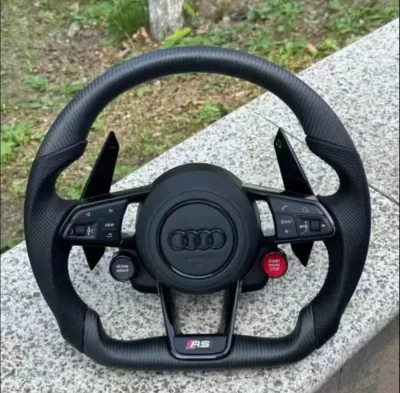
Customization is available for models like Golf Mk6, Corvette C8, and BMW X5M. Buyers can request specific materials and finishes. Verify that the supplier supports your vehicle model before ordering to ensure proper fitment and functionality.
What is the price range for carbon fiber steering wheels?
Prices range from 99 USD to 971 USD depending on the model and specifications. Lower costs apply to universal racing wheels while premium models for luxury cars cost more. Buyers should compare specific product listings to find the best value.