Dashboard Suppliers and Manufacturers in China
Source 32 verified Dashboard suppliers from Jiangsu, Guangdong, and Liaoning. Compare response times, lead times, certifications, and pricing to find the right partner. Review product specs and contact suppliers directly to initiate your sourcing process; review the available evidence before requesting comparable quotations from suitable candidates.
Suppliers List
Yangzhou Boom New Energy Electric Vehicle Technology Co., Ltd.
- Trading Company
- Jiangsu, China
- Lead time0 days
- Avg. response≤ 19h
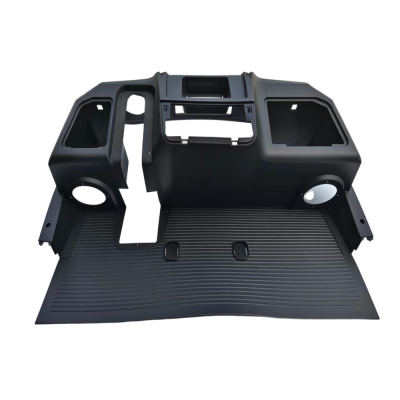
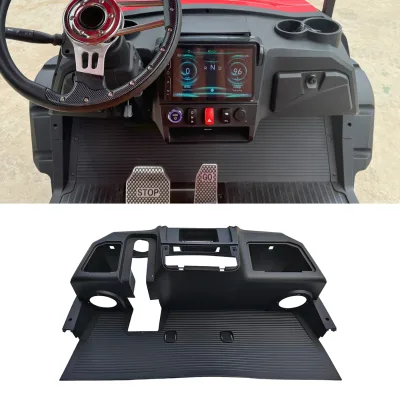
Main productsgolf cart,Lithium battery,Parts and components
Main marketsSouth America(40.00%), North America(30.00%), Eastern Europe(10.00%), Western Europe(10.00%), Northern Europe(10.00%)
Shenzhen Binwan Jicui Technology Co., Ltd.
- Trading Company
- Guangdong, China
- Lead time7 days
- Avg. response≤ 3h
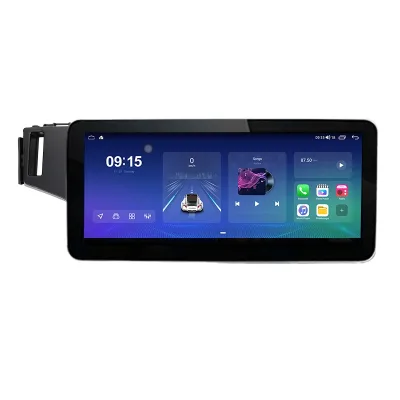
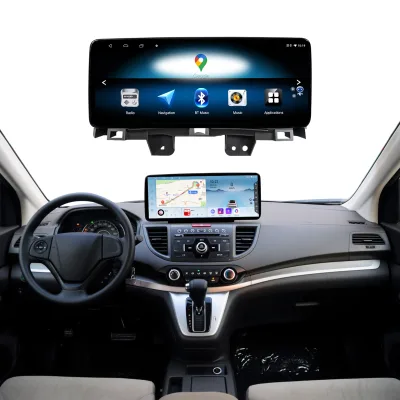
Main productsCar Radio Video Player,Bus Dashboard Android Player,Linux Car Radio Video Player
Main marketsNorth America(20.00%), South America(15.00%), Western Europe(10.00%), Eastern Asia(10.00%), Eastern Europe(8.00%), Northern Europe(8.00%), Southern Europe(7.00%), Southeast Asia(5.00%), Mid East(5.00%), South Asia(3.00%), Oceania(3.00%), Domestic Market(3.00%), Africa(2.00%), Central America(1.00%)
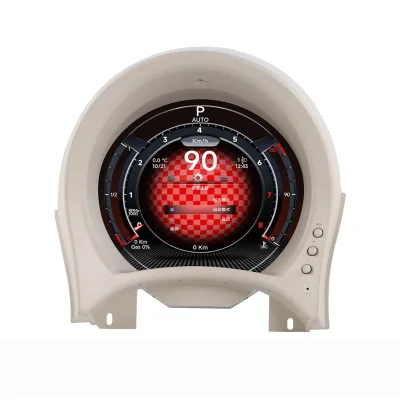
$391.03 - $452.78
MOQ: 1 pieces

Dalian Geeton Electronics Co., Ltd.
- Verified by SGS
- Combined
- China Liaoning
- Lead time23 days
- Avg. response≤ 1h
Main productsIml Automotive Interior Trim Parts, Ins, IMD Home Appliance Accessories, Film Sensors, Cover Lenses, Automotive Dashboards, Membrane Switches, Membrane Panels, Graphic Overlay, Hud
Main marketsSouth America,Southeast Asia/ Mideast,East Asia(Japan/ South Korea),Domestic,Europe,Australia,North America
Guangzhou Asvegen Electronic Technology Co., Ltd.
- Trading Company
- Lead time旺季: "1 - 1":15,"2 - 10":31,"> 10":"To be negotiated", 淡季: "1 - 1":15,"2 - 10":31,"> 10":"To be negotiated"
- Avg. response≤ 3h
Main productsCar Video Player,Car Stereo,Android Car Radio Player,AC Panel,Car Rear Camera
Guangzhou Jinyichang Electronic Technology Co., Ltd.
- Verified by Intertek
- Trading Company
- Lead time0 days
- Avg. response≤ 5h
Main productsSmart Modification Of Automobiles, Android Car Radio, Car Headlight/Taillight, Car Automotive Ambient Lighting, The Automobile Steering Wheel
Main marketsNorth America(50%), Northern Europe(20%), Central America(15%)
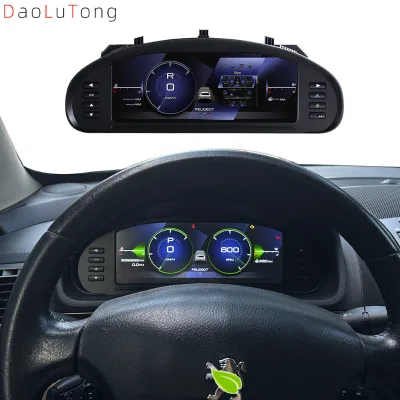
DaoLuTong New Car Digital Cluster Dashboard for Peugeot 407 LCD Speedometer Instrument
$340.00 - $363.00
MOQ: 1 pieces
Hefei Xinjunhua Import And Export Co., Ltd.
- Manufacturer
- Anhui, China
- Lead time3 days
- Avg. response≤ 3h
Main productsCar interior upgrade,New car sales,Luxury seat,car seat cover,Three - and four-wheeled electric vehicles
Main marketsNorth America(40.00%), South America(30.00%), Eastern Europe(20.00%), Eastern Asia(2.00%), Domestic Market(1.00%), Northern Europe(1.00%), Central America(1.00%), Western Europe(1.00%), Southeast Asia(1.00%), Mid East(1.00%), Oceania(1.00%), Africa(1.00%)

Wonderful Auto Parts Co., Ltd.
- Verified by SGS
- Trading Company
- China Jiangsu
- Lead time30 days
- Avg. response≤ 18h
Main productsDashboard /Instrument Panel, Airbag Cover, Car Bumper Grille, Auto Plastic Parts, Car Metal Body Parts, Auto Accessories, Car Steps, Car Hood, Car Door, Car Fender
Main marketsEurope

Matte-Colored Car Dashboard Leather
MOQ: 10 Pieces

- Manufacturer, Trading Company
- Guangdong, China
- Lead time5 days
- Avg. response≤ 4h
Main productsCar Ai Box, Car DVD, Car Dashboard, Car HUD, Motorcycle Screen
Main marketsDomestic Market(55.00%), Western Europe(25.00%), South America(10.00%), Southeast Asia(3.00%), North America(1.00%), Southern Europe(1.00%), Eastern Asia(1.00%), Northern Europe(1.00%), Africa(1.00%), Eastern Europe(1.00%), Mid East(1.00%)
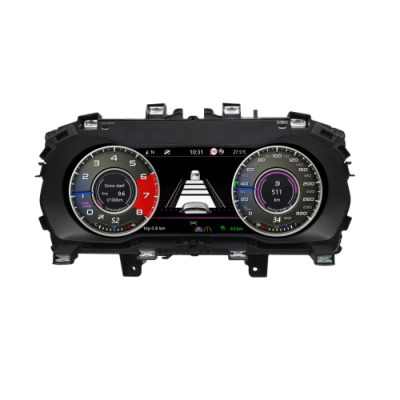
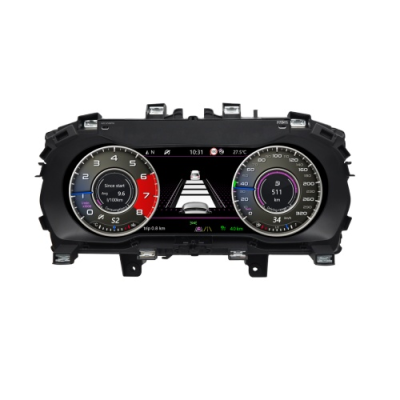
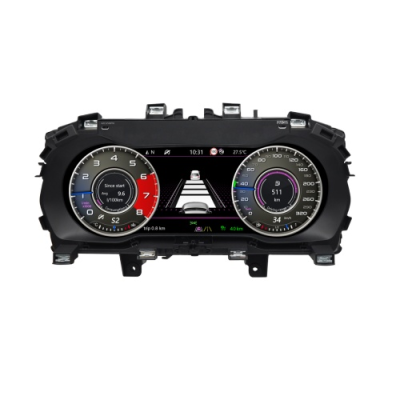
12.3" Linux Car Dashboard Meter LCD Instrument Display for Golf Digital Dashboard
$388.08 - $428.93
MOQ: 1 boxes
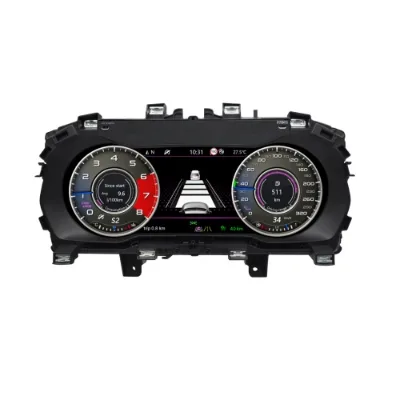
OEM Custom Car Dash LCD Digital Instrument LCD Cluster Dashboard for Golf
$385.96 - $426.59
MOQ: 1 boxes
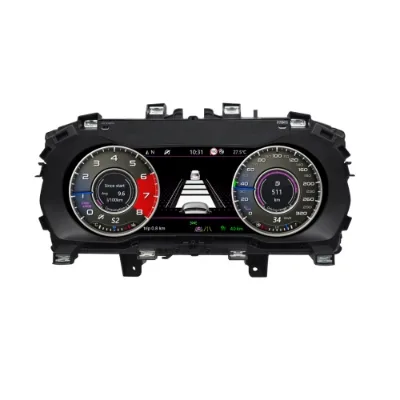
LCD Dashboard Auto Player Digital Cluster Instrument Panel Multifunctional QLED Speed Meter Screen
$388.08 - $428.93
MOQ: 1 boxes
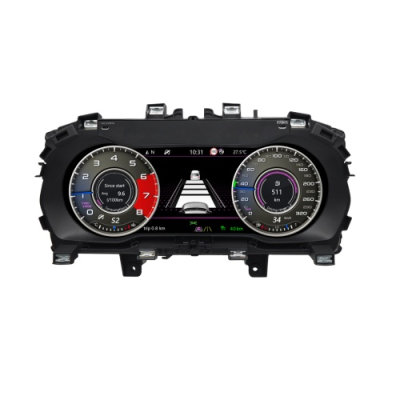
- Trading Company
- Hong Kong S.A.R.
- Lead time0 days
- Avg. response≤ 5h
Main productsCar multimedia player,Smart Stereo Screen,Vehicle Digital Instruments,Car Digital Cluster
Main marketsNorth America(50.00%), Eastern Europe(10.00%), South America(10.00%), Southeast Asia(7.00%), Africa(5.00%), Domestic Market(2.00%), South Asia(2.00%), Southern Europe(2.00%), Northern Europe(2.00%), Central America(2.00%), Western Europe(2.00%), Eastern Asia(2.00%), Mid East(2.00%), Oceania(2.00%)
Dongguan kailexin trading co., LTD
- Trading Company
- China Guangdong
- Lead time15 days
- Avg. response≤ 8h
Main productsPower Bank, Bluetooth Speaker, Bluetooth Earphone, Phone Screen Protector, Phone Case, Car Dash Cam, Smart Watch, Smart Glasses, 4G Camera, Phone Holder
Main marketsSoutheast Asia/ Mideast

Shenzhen Ouxiang Electronics Co., Ltd.
- Verified by TUVRHEINLAND
- Manufacturer/Factory
- China Guangdong
- Lead time23 days
- Avg. response≤ 4h
Main productsG Smart Helmet Camera, 4G Dash Camera, DC Charge Controller, Tactical Helmet Camera, Ar Smart Helmet Camera, 4G Mobile DVR, Law Enforcement Bodycam
Main marketsSouth America,Eastern Europe,Mid East,North America,Southeast Asia,Eastern Asia,Western Europe,Africa
Guangzhou Asvegen Electronic Technology Co., Ltd.
- Verified by TüVRheinland
- Manufacturer, Trading Company
- Lead time7 days
- Avg. response≤ 2h
Main productsCar DVD Player, Navigation & GPS
Main marketsNorth America(50%), South America(20%), Mid East(20%)
Hefei Senchi Electronic Technology Co., Ltd.
- Verified by TüVRheinland
- Trading Company
- Lead time15 days
- Avg. response≤ 4h
Main productsCar Steering Wheel, Car Multimedia Player, LCD Digital Dashboard Cluster, Car Ambient Lighting
Main marketsNorth America(28%), Eastern Europe(20%), Southern Europe(20%)
Shenzhen Huayi Technology Co., Ltd.
- Manufacturer
- Guangdong, China
- Lead time10 days
- Avg. response≤ 10h
Main productssmart esl,eink products,pcb&pcba,smart home appliances,smart plug & power strip
Main marketsDomestic Market(49.00%), Southeast Asia(15.00%), Mid East(10.00%), Africa(6.00%), Eastern Asia(5.00%), Western Europe(5.00%), South Asia(3.00%), Central America(3.00%), Eastern Europe(3.00%), South America(1.00%)
Huizhou Chengye Trade Co., Ltd
- Verified by SGS
- Trading Company
- China Guangdong
- Lead time23 days
- Avg. response≤ 3h
Main productsAuto Parts, Car Frame, Car DVD Player, Car DVD Player Frame, Automotive Ambient Lighting, Car Parts, Car Radio Frame, Car Android Frame, Universal Radio Frame, Car MP3 Player
Main marketsAfrica
Guangzhou Bisitai Auto Accessories Co., Ltd.
- Manufacturer
- Guangdong, China
- Lead time30 days
- Avg. response≤ 12h
Main products4x4 Fender Flares,4x4 Roof trays,4x4 Grilles,4x4 Bumpers,Pickup Trucks Accessories
Main marketsNorth America(80.00%), Northern Europe(10.00%), Mid East(10.00%)

Guangzhou Ruihu Electric Co., Ltd.
- Trading Company,Individuals/Soho,Manufacturer/Factory,Other
- China Guangdong
- Lead time15 days
- Avg. response≤ 22h
Main productsPower Capacitor, Cable Accessories, Transformer Components, Pad Mounted Transformer Componesnts, Rmu, Bushing, Arrest, Gis Rmu, AIS Rmu, Battery
Main marketsMid East,North America,Africa

Kay-EE Membrane Keyboard Switch Co., Ltd.
- Combined
- China Guangdong
- Lead time30 days
- Avg. response≤ 4h
Main productsTouch Panel, Membrane Switch, Graphic Overlay, Touch Screen, Label, SMT Product
Main marketsSouth America,Africa,Southeast Asia/ Mideast,East Asia(Japan/ South Korea),Domestic,Europe,Australia,North America


Front Side of Touch Screen Panel
MOQ: 50 Pieces

Back Side of Touch Screen Panel
MOQ: 50 Pieces
Huangshan Benma Group Co., Ltd.
- Verified by TüVRheinland
- Manufacturer, Trading Company
- Lead time15 days
- Avg. response≤ 7h
Main productsMotorcycle Brake Pad, Motorcycle Clutch Shoes, Motorcycle Clutch Assembly, Motorcycle Clutch Disc
Main marketsDomestic Market(68%), South America(12%), Africa(5%)
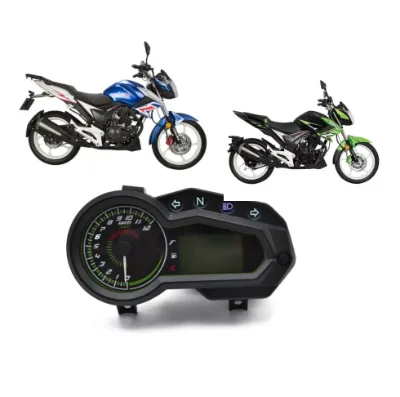
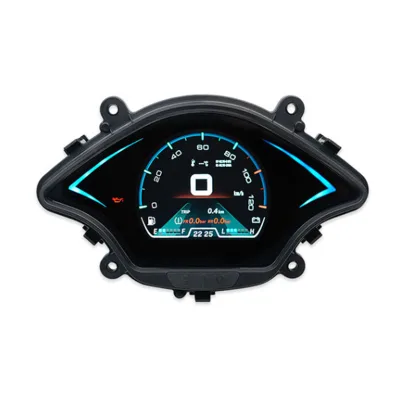
Factory Direct Sale Sprint150 Spring150 Modification Lcd bluetooth Dashboard Sprint 150
$87.00 - $106.00
MOQ: 100 pieces
Dongguan Flysonic Electronics Co., Ltd.
- Verified by TüVRheinland
- Manufacturer, Trading Company
- Lead time20 days
- Avg. response≤ 2h
Main productsCar DVD Player, Car Radio, Car MP3 Player, Android Car Radio, Car MP5 Player
Main marketsNorth America(43%), Eastern Europe(14%), Southeast Asia(14%)
Shenzhen Aijia Plastic Electronics Co., Ltd.
- Verified by Intertek
- Manufacturer, Trading Company
- Lead time5 days
- Avg. response≤ 3h
Main productsCar Frame, Car radio, Car Cables, car Air Outlet Vent, Car Camera
Guangzhou Qianda Electronic Technology Co., Ltd.
- Manufacturer, Trading Company
- Guangdong Province, China
- Lead time15 days
- Avg. response≤ 2h
Main products360 around view,car dvr,Car Rear View Camera,car display screen,Astern radar
Main marketsSoutheast Asia(25.00%), North America(20.00%), South America(15.00%), South Asia(10.00%), Africa(10.00%), Eastern Europe(10.00%), Central America(5.00%), Northern Europe(5.00%)
Ewa (shenzhen) Industrial Co., Ltd.
- Verified by SGS Group
- Manufacturer, Trading Company
- Lead time0 days
- Avg. response≤ 2h
Main productsCar Multimedia Player, HMI, Audio Play
Main marketsEastern Europe(50%), Eastern Asia(30%), North America(10%)

Jiangmen Meisound Electronics Technology Co., Ltd.
- Combined
- China Guangdong
- Lead time30 days
- Avg. response≤ 21h
Main productsCar MP3 Player, Car MP5 Player, Car CD/DVD Player, Car Audio
Main marketsSouth America,Africa,Southeast Asia/ Mideast

Wholesale Universal 2 DIN 6.2 Inch Touch screen Car GPS Navigation with Am/Bluetooth/USB
$45.00 - $65.00
MOQ: 100 Pieces

Wholesale Universal 2 DIN 6.2 Inch Touch Screen Car GPS Navigation with Am/Bluetooth/USB
$45.00 - $65.00
MOQ: 100 Pieces
Dongguan Antaina Electronic Technology Co., Ltd
- Verified by TUVRHEINLAND
- Combined
- China Guangdong
- Lead time30 days
- Avg. response≤ 1h
Main productsVehicle Monitor, Vehicle Camera, Vehicle Parking Sensor, Vehicle Wireless Monitor, Vehicle Wireless Camera, Vehicle Ai Detection Camera, Vehicle Video Recorder, Car Monitor, Vehicle Monitor and Camera Accessories, Car Camera
Main marketsEurope

Mingshang Technology Co., Ltd.
- Manufacturer/Factory,Group Corporation
- China Guangdong
- Lead time23 days
- Avg. response≤ 5h
Main productsRear View Camera, Mobile DVR, Rear View System, Wireless Camera System, Vehicle Safety System, Ai Camera, 360 Camera System, Adas, DMS, Bsd
Main marketsEastern Europe,North America,Western Europe
Jiangmen Aokatoo Smart Technology Electronics Co., Ltd.
- Verified by SGS
- Combined
- China Guangdong
- Lead time23 days
- Avg. response≤ 14h
Main productsCar Audio, Car MP3 Player, Car Video
Main marketsEurope,North America


New Design Android 10.0 Allwinner T5 DAB Voice Control Dual Camera Stereo
$110.00 - $116.00
MOQ: 500 Pieces

- Verified by BV
- Trading Company
- China Guangdong
- Lead time23 days
- Avg. response≤ 7h
Main productsCar Ahd Monitor, Car Ahd DVR Monitor, Car 1080P Ahd Recording Screen, Car Waterproof Monitor, Car Reverse Camera Kits, Car Ahd Reverse Camera, Car Bsd Monitor
Main marketsEurope
Shenzhen Bogelanda Technology Co., Ltd.
- Manufacturer
- Guangdong, China
- Lead time0 days
- Avg. response≤ 2h
Main productsCar DAB Antenna,Car Shark Fin Antenna,Car DAB splitter,Car Antenna,Car AM/FM Antenna
Main marketsEastern Europe(50.00%), North America(25.00%), Southern Europe(8.00%), Western Europe(5.00%), Oceania(2.00%), South Asia(2.00%), Domestic Market(1.00%), Africa(1.00%), South America(1.00%), Northern Europe(1.00%), Southeast Asia(1.00%), Central America(1.00%), Eastern Asia(1.00%), Mid East(1.00%)
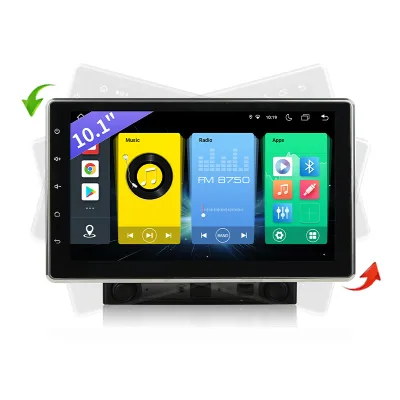
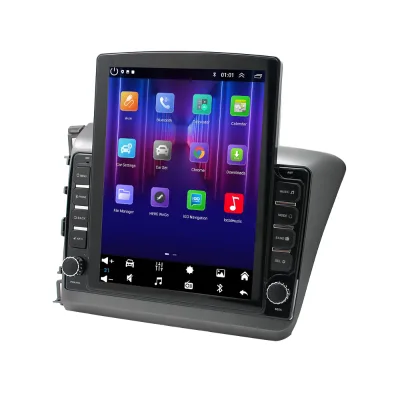
$248.60 - $262.91
MOQ: 1 pieces
- Verified by SGS
- Trading Company
- China Zhejiang
- Lead time15 days
- Avg. response≤ 18h
Main productsCar Mat, Car Air Freshener, Car Seat Cover, Steering Wheel Cover, Car Phone Holder, Car Roof Tent, Car Sunshade, Jerry Can
Main marketsEurope,Australia

Changzhou Eagle International Trade Corp.
- Trading Company
- China Jiangsu
- Lead time30 days
- Avg. response≤ 17h
Main productsRemote Control, Speaker, Multimeter, Connector, Megphone, Soldering Iron, CCAM Wire, LED Screen, LED TV Light Bar, TV Stand
Main marketsSouth America,Africa,Southeast Asia/ Mideast

MINQING FULITONG INDUSTRIAL AND TRADING CO., LTD.
- Trading Company,Manufacturer/Factory
- China Fujian
- Lead time23 days
- Avg. response≤ 7h
Main productsSteel Door, Security Door, Aluminum Door, Glass Door, Melamine Door, Fireproof Door, Stainless Door, Copper Door, America Steel Panel Door
Main marketsSouth America,Mid East,North America,Africa











Comprehensive Sourcing Guide
Dashboard Supplier Concentration and Factory Types
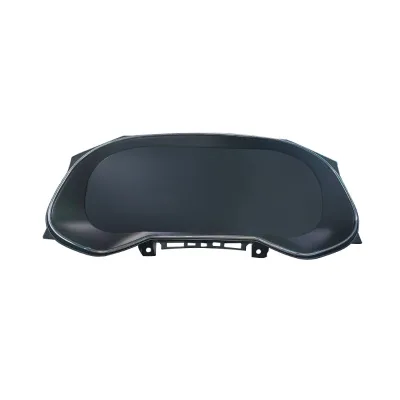
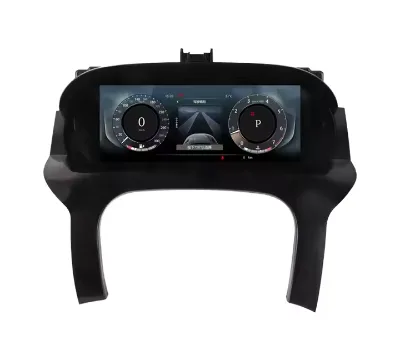
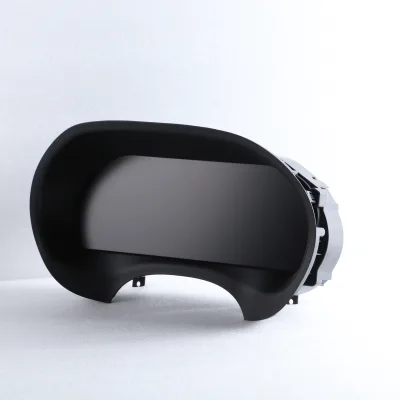
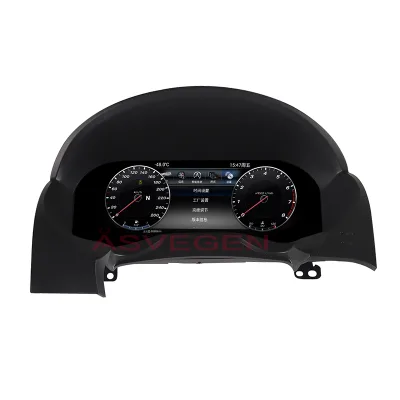
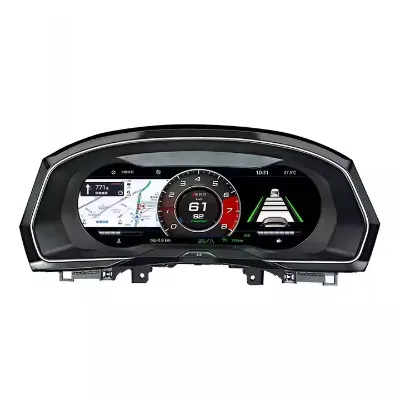
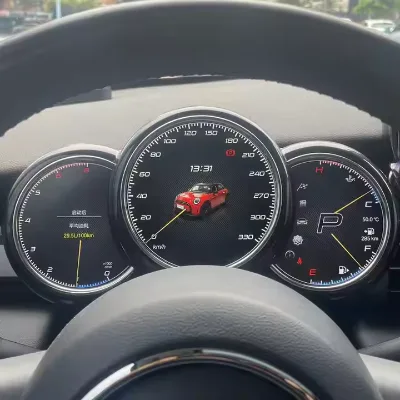
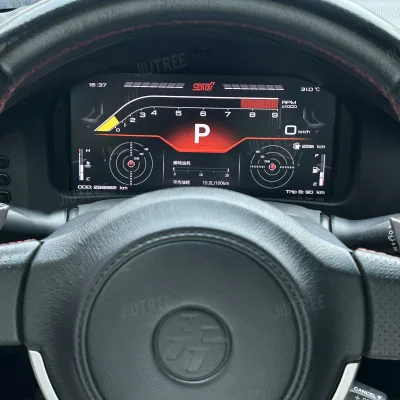
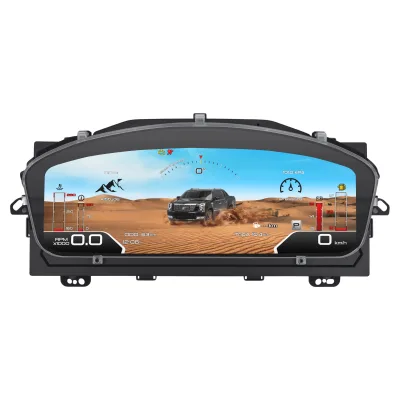
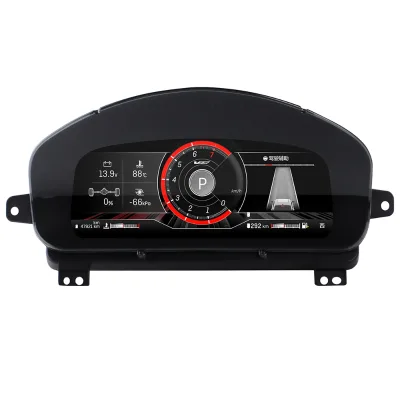
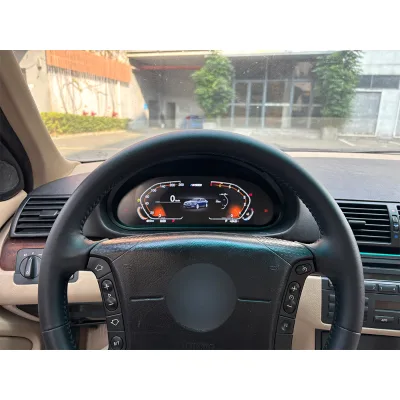
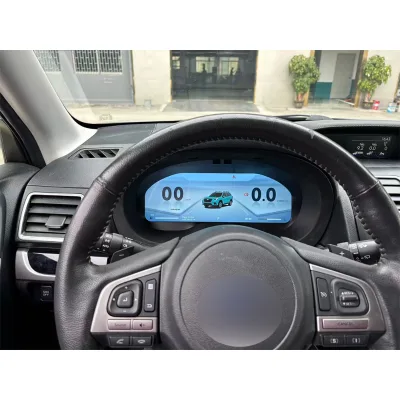
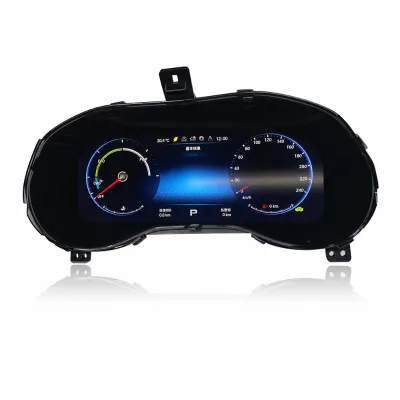
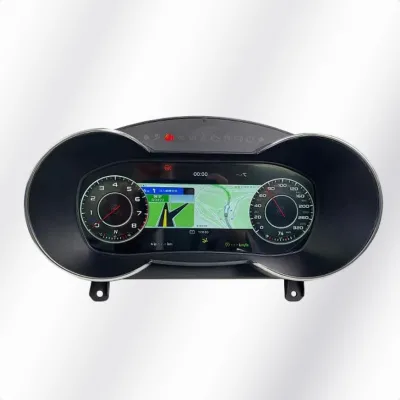
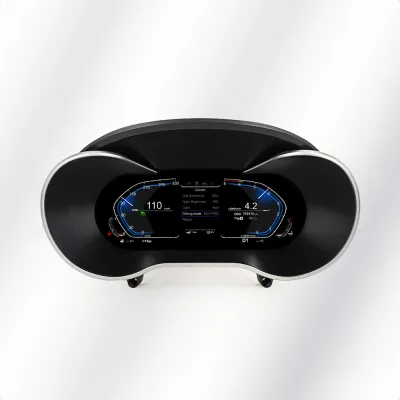
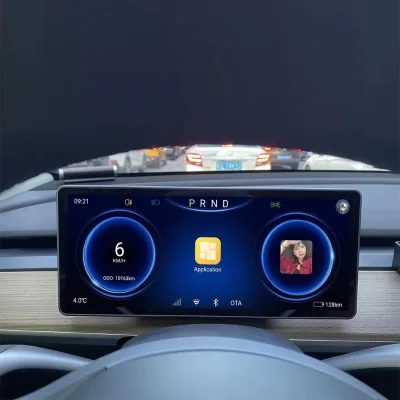
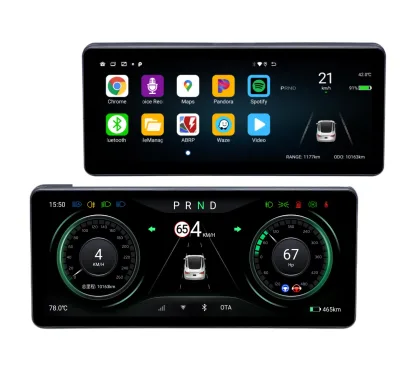
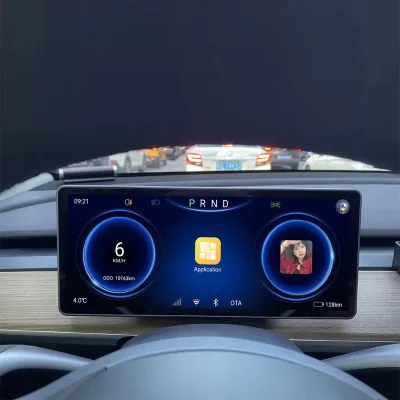
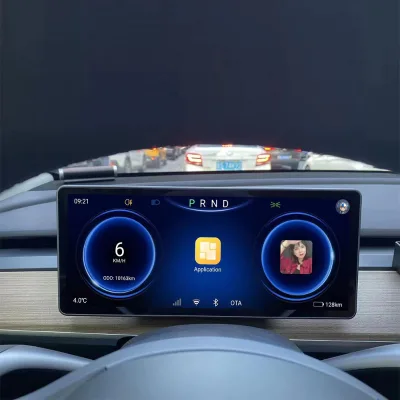
Automotive Dashboard suppliers on B2B platforms are not evenly distributed. The results visible to you span several Chinese provinces, and that geographic spread matters because it reflects genuinely different manufacturing specializations. Some listings originate from Guangdong, a province widely associated with automotive electronics, and the products offered there are predominantly digital instrument clusters, LCD dashboards, and multi-media dash panels with built-in GPS and touch screens. Other listings come from Jiangsu, where the same Dashboard keyword surfaces alongside golf carts, lithium batteries, and replacement trim components, pointing to a cluster serving low-speed vehicles and spare parts rather than passenger-car electronics. A third pattern appears in Liaoning, where the offering is automotive interior trim itself — dial faces, overlay panels, printed sheets, and HUD components — produced by a combined manufacturer-and-trader entity rather than a pure trading company.
When you scan a supplier list, classify each entry by type before comparing anything else. A trading company may list dashboards but source them from elsewhere, which affects pricing depth and technical support. A manufacturer focused on electronics will control firmware, displays, and vehicle-model compatibility. A trim-parts specialist will control tooling, printing, and materials but may not assemble complete clusters. Note that company type labels are not always displayed for every supplier in the results, so where the label is missing, infer from the main-product list and product evidence rather than assuming a factory behind the listing.
How to Verify Dashboard Suppliers
Verification starts with what the platform actually shows you and ends with what you confirm independently. Several Dashboard suppliers in current results carry a SGS verification badge, and one Liaoning-based supplier shows ISO9001:2015 and ISO14001:2015 system certificates plus ODM and OEM capability declarations. Treat these as starting points: a certificate name on a profile is not the same as a valid, in-scope certificate, so ask the supplier for the certificate document, check the certifying body, and confirm the scope covers Dashboard or instrument-panel production rather than an unrelated product line. For suppliers with no certification displayed — which is the majority in this results set — request their quality-system documentation during first contact and treat silence as a signal.
Second, verify the product itself against the listing evidence. One supplier's Dashboard listings state "Place of Origin: China," new condition, single-item selling units, and replace/repair purpose; electronics suppliers list model numbers, resolutions, plug-and-play interfaces, and CE/FCC/ROHS claims on specific products. Ask for the actual test reports behind any certification claim on a product page, sample photos of the exact model number, and confirmation that the listed resolution, screen size, and vehicle fitment match what ships. Third, verify operational reality: response time fields in the results range from under an hour to 19 hours, and lead times from zero to 23 days are displayed. Message each shortlisted supplier with a technical question and measure how quickly, and how specifically, they answer before committing to sampling.
What to Compare Across Dashboard Suppliers
Build a comparison sheet using the dimensions the platform exposes, without assuming every supplier displays every field. Location is shown for most entries — Guangdong, Jiangsu, and Liaoning appear in current results — and it drives both shipping cost and specialization, so group suppliers by region first. Main products are the next filter: a supplier whose core lines are digital clusters and car radio players is a different partner from one whose main products are golf carts and lithium batteries that happens to list Dashboard covers. Compare product depth within the Dashboard category, including how many vehicle models or Dashboard types each supplier covers.
Then compare operational metrics. Response time values in the current results range from 0.56 hours to 19 hours; for a category involving fitment questions and firmware versions, faster structured replies usually indicate better engineering support. Displayed lead times range from 7 days to 23 days, with one entry showing zero, which typically means no published lead time rather than instant delivery — always confirm in writing. MOQs vary dramatically in this category: some Dashboard listings allow a single-unit order, others require two pieces, and electronics clusters may quote per-unit prices that drop only at volume. Record quoted price ranges too, since one supplier lists dashboards at roughly 70 to 300 USD while digital clusters from another span several hundred to over a thousand USD per unit. Finally, compare company type, establishment year where shown, and whether ODM/OEM customization is declared, because these determine whether the supplier can adapt a Dashboard to your vehicle range.
Common Dashboard Sourcing Risks
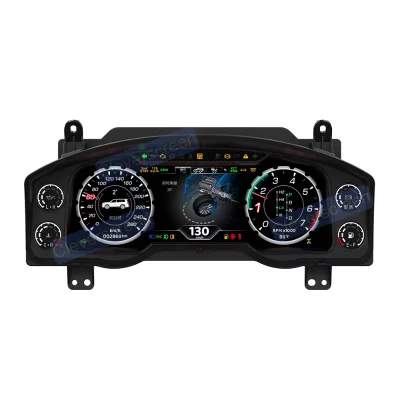
The most frequent risk in this category is fitment mismatch. Dashboard and instrument-cluster listings are highly model-specific — one cluster targets 2007–2024 Fiat 500, another 2008–2016 Land Cruiser, another 2014–2020 Yukon, another 2007–2013 Escalade — and a supplier who cannot confirm the exact model year, LHD/RHD configuration, and connector compatibility will ship parts that do not install. Require written fitment confirmation with the model number, not just the vehicle name in a listing title. A related risk is specification drift: a listing may advertise 1920×720 resolution, built-in GPS, or plug-and-play installation, but the shipped batch differs. Mitigate this by approving a golden sample and referencing its serial or photos in the contract.
Second, beware of profile claims outrunning product evidence. Certifications like CE, FCC, and ROHS appear on product attribute lists, but these are claims, not verified facts, and a trading company listing dashboards it does not manufacture cannot support warranty or firmware updates. The 12-month or 1-year warranty fields shown on some electronics listings should be checked for what the warranty actually covers and who handles returns internationally. Third, watch order-scale mismatches: a listing permitting a one-piece MOQ at a fixed price may be a sample-oriented offer, and bulk pricing, tooling, and lead time can change sharply once you commit. Finally, mixed product portfolios — golf carts and dashboards under one supplier — raise the question of who actually produces the part, so demand supply-chain disclosure before placing deposits.
Dashboard Regional Sourcing and Logistics
Regional sourcing for dashboards should follow the specialization visible in the results. If your need is digital instrument clusters, LCD dashboards, or GPS-integrated dash units for passenger vehicles, the Guangdong-based suppliers in the current results list exactly those product lines, with model numbers, screen sizes from 7 to 15 inches, and declared origins in Guangdong, China. If your need is Dashboard trim — dial faces, overlay panels, gauge faces, or printed components — the Liaoning supplier listing automotive interior trim parts and film sensors is the closer match, and its ISO9001 and ISO14001 system certificates plus ODM/OEM declarations are relevant to a tooling-heavy, print-intensive category. If you serve the low-speed vehicle market, the Jiangsu entry pairing dashboards with golf carts and components illustrates a niche cluster for replacement parts.
On logistics, note what the listings themselves disclose: single package sizes around 38×35×25 cm and gross weights near 4 kg for electronics clusters, which matters for air-freight cost per unit, while small trim covers at single-item selling units ship differently. Displayed lead times of 7 days versus 23 days suggest very different production models — stocked electronics versus made-to-order trim — so align your freight mode with the actual production cycle. Confirm export experience, packaging for fragile displays, and whether the supplier consolidates with other electronics, since dashboards with screens need protective cartons and drop-test-appropriate packing for sea freight.
Dashboard Commercial Terms and Order Planning
Plan your commercial terms around the price structures the results reveal. Dashboard listings in current data range from about 70 USD for plug covers to 300 USD for a golf-cart Dashboard, with one repair-part listing near 81.54 USD, while digital clusters span roughly 391–453 USD, 775–815 USD, 792 USD, and 1062 USD depending on screen size and vehicle platform. These are listing prices, not negotiated quotes, so request tiered quotations tied to specific volumes, and confirm whether the price includes firmware customization, harnesses, and packaging. MOQs differ by listing — single-unit and two-piece minimums appear — so use low-MOQ listings for sampling and negotiate volume MOQs separately rather than assuming the listing MOQ applies to production runs.
On payment and order protection, verify what escrow or trade-assurance mechanisms the platform actually offers for each supplier rather than assuming coverage; the results do not uniformly display escrow status. Structure first orders with staged payments — deposit against production start, balance against pre-shipment inspection — and tie the balance to inspection of fitment, screen quality, and function against the approved sample. For lead-time planning, use the displayed ranges (7 days for one electronics supplier, 23 days for the trim specialist) as opening positions, then confirm production lead time separately from dispatch time. Finally, align reorders: electronics dashboards may need firmware updates or model-year changes, so negotiate a standing agreement covering update support, spare-module availability, and a defined response window before your first container ships.
FAQs
What is the price range for golf cart dashboards?
Golf cart dashboards are available at various price points depending on the specific component and condition. Basic replacement units start around $70, while comprehensive Dashboard assemblies can cost approximately $300. Buyers should verify the exact model compatibility and whether the item includes necessary mounting hardware before placing an order.
How long does it take to receive digital instrument clusters?
Lead times for digital instrument clusters vary by supplier location and product complexity. Suppliers in Guangdong typically offer a lead time of seven days for standard models. Other manufacturers may require up to twenty-three days for production. Buyers should confirm the specific delivery schedule with the supplier before finalizing the purchase agreement.
What are the minimum order quantities for Dashboard parts?
Minimum order quantities for Dashboard parts differ based on the product type. Some suppliers accept orders for a single item, making them suitable for small repairs. Others require a minimum of two units for specific plug covers. Buyers must check the specific product listing to determine the exact MOQ required for their purchase.
Do digital dashboards include GPS navigation features?
Many modern digital dashboards include built-in GPS navigation systems. These units often feature high-resolution displays and support multiple languages. They are designed for plug-and-play installation in various vehicle models. Buyers should verify the specific interface compatibility and video support resolution to ensure the device meets their functional requirements.
Are suppliers certified for quality management?
Some suppliers hold ISO9001:2015 and ISO14001:2015 certifications for quality and environmental management. These certifications indicate adherence to international standards for manufacturing processes. Buyers seeking verified suppliers can look for those with SGS verification status. It is advisable to request current certification documents to confirm compliance before placing large orders.
What is the typical response time for suppliers?
Supplier response times vary significantly across different regions and company types. Some trading companies respond within nineteen hours, while specialized manufacturers may reply in under one hour. Faster response times often indicate higher operational efficiency. Buyers should prioritize suppliers with quick response rates to ensure timely communication regarding quotes and order status.