Light Version Clicky Mouse Switch Suppliers and Manufacturers
Source 15 verified suppliers for Light Version Clicky Mouse Switch components. Compare grounded dimensions including Zhejiang and Guangdong origins, CCC and CE certifications, and pricing from $0.10 to $1.00. Review lead times and MOQs to identify the right partner for your manufacturing needs.
Suppliers List

YUEQING TONGDA WIRE ELECTRIC FACTORY
- Verified by SGS
- Combined
- China Zhejiang
- Lead time15 days
- Avg. response≤ 1h
Main productsMicro Switch
Main marketsSoutheast Asia/ Mideast,Europe,North America

Shenzhen Alisi Electronic Technology Co., Ltd.
- Trading Company, Distributor/Wholesaler
- Guangdong, China
- Lead time3 days
- Avg. response≤ 2h
Main productselectron component,temperature controller,Auto parts,sensor,Wireless Controller
Main marketsSouth America(20.0%), Eastern Europe(20.0%), North America(15.0%), Western Europe(5.0%), Domestic Market(5.0%), South Asia(5.0%), Southern Europe(5.0%), Northern Europe(5.0%), Central America(5.0%), Eastern Asia(3.0%), Mid East(3.0%), Oceania(3.0%), Africa(3.0%), Southeast Asia(3.0%)
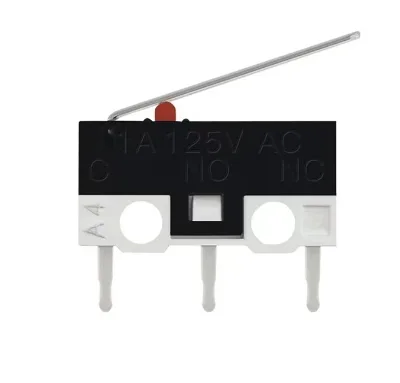
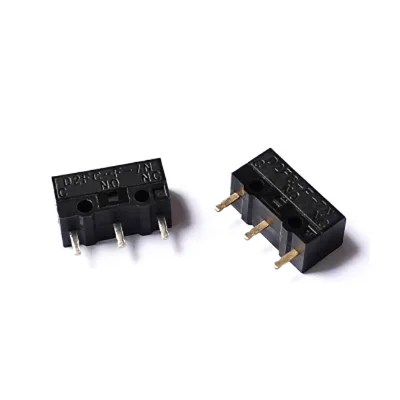
Newest mouse switch micro switch D2FC-F-7N(10M) 3PIN
Contact supplier

Dongguan kailexin trading co., LTD
- Trading Company
- China Guangdong
- Lead time15 days
- Avg. response≤ 3h
Main productsPower Bank, Bluetooth Speaker, Bluetooth Earphone, Phone Screen Protector, Phone Case, Car Dash Cam, Smart Watch, Smart Glasses, 4G Camera, Phone Holder
Main marketsSoutheast Asia/ Mideast

Dongguan Siyaji Electronic Technology Co.,Ltd
- Verified by BV
- Manufacturer
- China Guangdong
- Lead time30 days
- Avg. response≤ 1h
Main productsDesktop Wireless Keyboard, Tablet Leather Keyboard Case, iPad Education Keyboard, Folding Bluetooth Keyboard, Keyframe, Keyboard and Mouse Combo, Wired Keyboard, Membrane Keyboard, Wireless Keyboard, Gaming Keyboard

Scissor Switch Keyboard and Ergonomic Mouse with 5 Million Keystroke Lifespan Design
$13.00 - $13.50
Moq: 1000


Portable Scissor Switch Keyboard and Mouse Combo with Full-Size Layout and Wireless Mouse
$13.00 - $13.50
Moq: 1000


Ultra-Slim Scissor Switch Bluetooth 4.2 Wireless Keyboard and Mouse with 78 Keys
$12.00 - $13.00
Moq: 500


- Manufacturer/Factory
- China Jiangsu
- Lead time68 days
- Avg. response≤ 20h
Main productsSwitches, Stamping Part, CNC Part, Sheet Metal Part, Die Casting Part, Metal Nut, CNC Machining Part, Metal Stamping Part, Sheet Metal Stamping, Metal Extrusion Part
Main marketsSouth America,Eastern Europe,Mid East,North America,Southeast Asia,Eastern Asia,Oceania,Western Europe,Africa
Shenzhen XMS Technology Co., Ltd.
- Manufacturer, Trading Company, Buying Office
- guangdong, China
- Lead time7 days
- Avg. response≤ 2h
Main productsIC,Modules,Relay,Switch,LED
Main marketsDomestic Market(5.0%), South Asia(5.0%), Southern Europe(5.0%), Northern Europe(5.0%), Central America(5.0%), Western Europe(5.0%), Eastern Asia(5.0%), Mid East(5.0%), Oceania(5.0%), Africa(5.0%), Southeast Asia(5.0%), Eastern Europe(5.0%), South America(5.0%), North America(5.0%)
Wenzhou Yuanda Electrical Equipment Co., Ltd.
- Verified by TUVRHEINLAND
- Combined
- China Zhejiang
- Lead time15 days
- Avg. response≤ 21h
Main productsAVR SVC Voltage Stabilizer/Regulator, Power Distribution Cabinet, EV Charger, Low Voltage Switchgear, Electrical Switchgear, High Voltage Switchgear
Main marketsDomestic
Guangdong Yilian Digital Industry Co., Ltd.
- Manufacturer, Trading Company
- Guangdong, China
- Lead time30 days
- Avg. response≤ 23h
Main productsMobile Charger,Data Cable,Sports,Others,TWS
Main marketsSouth America(40.0%), South Asia(10.0%), Western Europe(10.0%), Eastern Asia(10.0%), Mid East(10.0%), Africa(10.0%), Southeast Asia(10.0%)

SNT Electronics Technology Co., Ltd.
- Verified by SGS
- Combined
- China Guangdong
- Lead time30 days
- Avg. response≤ 1h
Main productsMembrane Switches, Overlay Panel, Backlight Membrane Switches, Pet Printed Circuit
Main marketsDomestic,Europe,Australia,North America

Kay-EE Membrane Keyboard Switch Co., Ltd.
- Combined
- China Guangdong
- Lead time30 days
- Avg. response≤ 3h
Main productsTouch Panel, Membrane Switch, Graphic Overlay, Touch Screen, Label, SMT Product
Main marketsSouth America,Africa,Southeast Asia/ Mideast,East Asia(Japan/ South Korea),Domestic,Europe,Australia,North America

NINGBO FBELE ELECTRONICS CO., LTD.
- Trading Company
- China Zhejiang
- Lead time15 days
- Avg. response≤ 12h
Main productsSolar Cell, Buzzer, Fuse and Fuse Holder, Terminal Block, Switch, Speaker, Telephone Receiver, Siren, Rj, USB Connector
Main marketsSouth America,Southeast Asia/ Mideast,Europe
Freenman Technology Shenzhen Limited
- Verified by SGS Group
- Trading Company
- Lead time30 days
Main productsMouse, Gaming Mouse, Keyboard, Mechanical Keyboard, Headset
Main marketsNorth America(25%), Eastern Europe(20%), Southeast Asia(20%)

NINGBO HAISHU HOPE-U INTERNATIONAL TRADING CO., LTD.
- Manufacturer/Factory
- China Zhejiang
- Lead time45 days
- Avg. response≤ 6h
Main productsGift, Beauty Device, Bluetooth Speaker, Skin Care, Cosmetics, Promotional Products, Camping Lamp, Fan, Keyboard and Mouse, Humidifier
Main marketsSouth America,Eastern Europe,North America,Southeast Asia,Western Europe
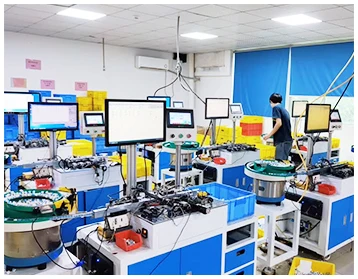
Guangzhou Jiediao Electronic Technology Co., Ltd.
- Manufacturer, Trading Company
- Guangdong, China
- Lead time45 days
- Avg. response≤ 2h
Main productsKeyboard, Headset, Mouse, Speaker, Bluetooth Earphones
Main marketsMid East(15.0%), Southeast Asia(15.0%), North America(10.0%), South America(10.0%), Eastern Asia(10.0%), Central America(10.0%), Eastern Europe(10.0%), South Asia(5.0%), Oceania(5.0%), Africa(5.0%), Domestic Market(5.0%)

Tyshen Technology Co., Limited
- Trading Company,Manufacturer/Factory
- China Guangdong
- Lead time45 days
- Avg. response≤ 5h
Main productsComputer Keyboard, Computer Mouse, Powr Bank, Mouse Keyboard, Computer Speaker, Bluetooth Speaker
Main marketsSouth America,Eastern Europe,Mid East,North America,Southeast Asia,Eastern Asia,Western Europe,Africa


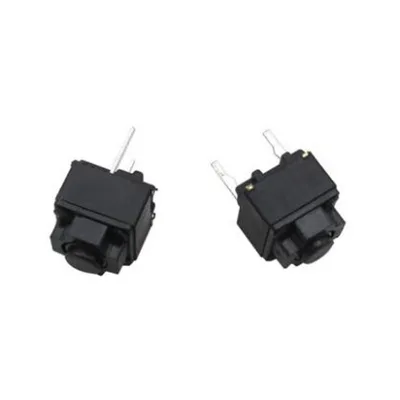
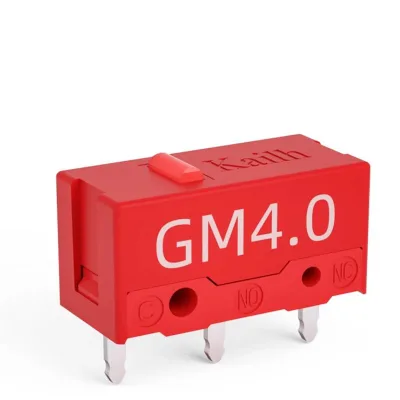


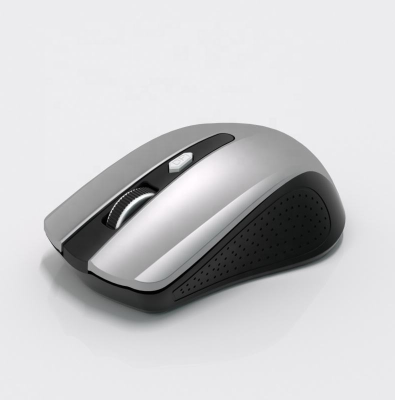
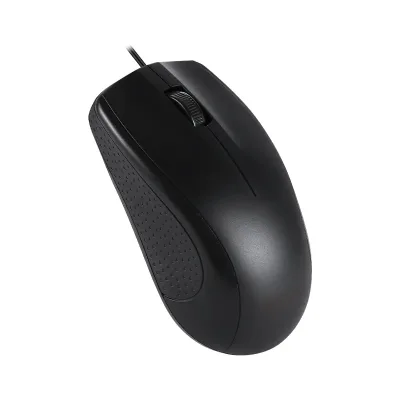


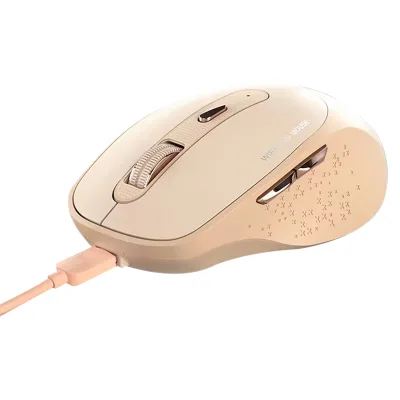





Comprehensive Sourcing Guide
Light Version Clicky Mouse Switch Supplier Concentration and Factory Types
The current supplier landscape for light version clicky mouse switches reveals a distinct geographic and structural concentration that buyers must navigate carefully. Evidence indicates that manufacturing capabilities are heavily clustered in China, with specific results pointing to Zhejiang and Guangdong provinces as primary hubs. In Zhejiang, suppliers are identified as combined entities capable of handling both Original Design Manufacturing (ODM) and Original Equipment Manufacturing (OEM) requests. This suggests a robust infrastructure for customizing switch mechanisms, such as the HK-10-016 model, which features specific operating forces and lever options. These factories often produce micro switches with certifications like CCC, CE, and ISO, indicating a compliance with international electrical standards. The presence of these certifications in Zhejiang-based listings implies that buyers sourcing from this region can expect a higher baseline of quality assurance and regulatory adherence for their electronic components.
In contrast, suppliers located in Guangdong, China, present a different operational profile, often categorized as trading companies or distributors rather than pure manufacturers. These entities focus on a broader range of electronic components, including temperature controllers, sensors, and wireless controllers, alongside mouse switches. The main products listed for these Guangdong suppliers suggest a diversified inventory strategy rather than specialized micro-switch production. This distinction is critical for buyers because trading companies may offer faster access to existing stock but might lack the direct engineering support available from combined factories in Zhejiang. The response times for these Guangdong-based suppliers vary, with some showing a two-hour response window, which is competitive but distinct from the specialized OEM capabilities found elsewhere. Understanding this split between manufacturing hubs and trading distributors allows buyers to align their sourcing strategy with their need for customization versus immediate availability.
How to Verify Light Version Clicky Mouse Switch Suppliers
Verifying the legitimacy and capability of suppliers requires a multi-layered approach that goes beyond simple product listings. Buyers should prioritize suppliers who display third-party verification badges, such as SGS, which serves as a tangible indicator of operational scrutiny. In the current results, at least one supplier in Zhejiang holds SGS verification, providing a layer of trust regarding their business practices and product quality. However, verification badges alone are insufficient; buyers must cross-reference these claims with the supplier’s stated company type. For instance, distinguishing between a combined factory and a trading company is essential because their verification processes and quality control measures differ significantly. A trading company might be verified for its business license, but that does not guarantee the manufacturing quality of the micro switches it sells. Therefore, buyers should request detailed documentation of the actual production facility, especially when dealing with entities that claim OEM capabilities but operate as distributors.
Another critical verification step involves examining the technical specifications and certifications listed for specific product models. Suppliers listing products with CCC, CE, and ISO certifications provide concrete evidence of their adherence to safety and environmental standards. Buyers should verify that these certifications are current and applicable to the specific switch models they intend to purchase, such as the HK-10-016 or the WK-418. Additionally, the presence of detailed product attributes, such as breaking capacity, operating force, and lever types, indicates a supplier’s technical proficiency. Buyers should request test reports or datasheets that confirm these specifications, particularly for high-current or waterproof variants. If a supplier cannot provide clear evidence of these technical details or if their product listings lack specific model numbers and certifications, it is a red flag. Engaging in direct communication to ask for proof of these credentials can further validate the supplier’s reliability and ensure that the components meet the required engineering standards for the buyer’s final product.
What to Compare Across Light Version Clicky Mouse Switch Suppliers
When evaluating multiple suppliers, buyers must compare key operational metrics to determine the best fit for their supply chain needs. Lead time is a primary differentiator, with some suppliers offering a fifteen-day turnaround while others claim a three-day lead time. These variations often correlate with the supplier’s type and location; manufacturing hubs in Zhejiang may have longer lead times due to the complexity of OEM orders, whereas trading companies in Guangdong might offer faster dispatch for standard items. Buyers should align their inventory planning with these lead times to avoid stockouts or excessive warehousing costs. Additionally, the Minimum Order Quantity (MOQ) varies significantly, ranging from small batches of ten units to larger orders of one thousand units. This disparity allows buyers to test samples with low MOQs before committing to large-scale production, but it also requires careful cost analysis to ensure that the per-unit price remains competitive at higher volumes.
Response time and pricing structure are equally important factors in supplier comparison. Suppliers with response times under two hours, such as those in Guangdong, may offer better communication support for urgent inquiries or custom requests. However, faster response times do not always guarantee better product quality or competitive pricing. Buyers should compare price ranges across different models, noting that prices can range from as low as $0.10 to over $1.00 per unit depending on features like waterproofing, current rating, and lever customization. It is crucial to assess whether the price includes packaging and shipping, as some suppliers list standard box packing while others may charge extra for specialized packaging. By creating a comparison matrix that includes lead time, MOQ, response speed, and total landed cost, buyers can objectively rank suppliers and select those that offer the best balance of speed, cost, and reliability for their specific procurement requirements.
Common Light Version Clicky Mouse Switch Sourcing Risks
One of the most significant risks in sourcing light version clicky mouse switches is the potential mismatch between advertised specifications and actual product performance. Suppliers may list generic attributes such as "standard" model numbers or vague functional applications, which can obscure the true quality and durability of the switches. For example, some listings mention a "20 million clicks life" but lack detailed test data or third-party validation to support this claim. Buyers must be cautious of suppliers who do not provide comprehensive technical datasheets or who use non-standard terminology for critical parameters like operating force and travel distance. Without precise specifications, there is a risk of receiving components that do not meet the mechanical requirements of the final mouse design, leading to premature failure or inconsistent user experience. This risk is particularly acute when dealing with trading companies that may not have direct control over the manufacturing process or quality assurance protocols.
Another common risk involves the variability in certification validity and compliance with international standards. While some suppliers prominently display CCC, CE, and ISO certifications, buyers must verify that these certifications are specific to the products being supplied and are not merely generic company credentials. There is a risk that a supplier might use outdated or invalid certificates, or that the products supplied do not match the certified specifications. Additionally, the risk of intellectual property infringement exists, especially when sourcing switches that mimic popular designs or use branded model numbers without authorization. Buyers should ensure that the suppliers they engage have clear policies regarding IP compliance and that the products they offer are either original designs or properly licensed. Failing to address these risks can lead to legal complications, product recalls, or damage to the buyer’s brand reputation. Therefore, thorough due diligence and clear contractual agreements are essential to mitigate these potential pitfalls.
Light Version Clicky Mouse Switch Regional Sourcing and Logistics
Sourcing from specific regions in China offers distinct logistical advantages and challenges that buyers must consider. Zhejiang province, identified as a hub for combined factories, provides access to specialized manufacturing capabilities for custom micro switches. The logistical infrastructure in this region is well-developed for industrial goods, facilitating efficient shipping of bulk orders. However, buyers should account for the potential for longer transit times if the supplier is located in inland areas of Zhejiang. In contrast, Guangdong province, home to many trading companies and distributors, benefits from proximity to major ports like Shenzhen and Guangzhou. This geographic advantage often translates to faster shipping options and more flexible logistics solutions, particularly for smaller orders or urgent replenishments. The presence of a diverse range of electronic components in Guangdong also allows buyers to consolidate shipments, reducing overall logistics costs and simplifying supply chain management.
Buyers must also consider the impact of regional sourcing on communication and time zone management. Suppliers in China generally operate within the same time zone, facilitating real-time communication during business hours. However, the nature of the supplier—whether a factory or a trading company—can affect the quality of this communication. Factories in Zhejiang may provide more technical support and engineering insights, while trading companies in Guangdong might offer more flexible customer service and order handling. Buyers should evaluate their need for technical collaboration versus logistical flexibility when choosing a region. Additionally, the packaging standards listed by suppliers, such as standard boxes or cartons, can influence shipping efficiency and product protection. Ensuring that the packaging is suitable for international shipping and meets the buyer’s storage requirements is a critical logistical consideration that can prevent damage and reduce handling costs upon arrival.
Light Version Clicky Mouse Switch Commercial Terms and Order Planning
Effective order planning for light version clicky mouse switches requires a clear understanding of commercial terms and payment structures. Buyers should negotiate terms that align with their cash flow needs, considering the varying MOQs and price points offered by different suppliers. For instance, suppliers with an MOQ of one thousand units may offer more competitive pricing, making them suitable for large-scale production runs. In contrast, suppliers with lower MOQs, such as ten units, are ideal for prototyping and small-batch testing. Buyers should also clarify the payment terms, including deposit requirements and balance payments, to manage financial risk. It is advisable to use secure payment methods, such as escrow services, to protect against non-delivery or quality disputes. Understanding these commercial terms helps buyers structure their orders efficiently and maintain a healthy supplier relationship.
In addition to payment terms, buyers must plan for potential variations in production and delivery schedules. Lead times can fluctuate based on order volume, customization requirements, and supplier capacity. Buyers should establish clear communication channels with their suppliers to stay informed about production progress and any potential delays. It is also important to consider the total cost of ownership, including shipping, duties, and handling fees, when evaluating supplier quotes. By incorporating these factors into their order planning, buyers can minimize disruptions and ensure a steady supply of components. Furthermore, buyers should develop contingency plans for supply chain disruptions, such as identifying alternative suppliers or maintaining safety stock. This proactive approach to commercial terms and order planning enhances supply chain resilience and supports the long-term success of the buyer’s product offerings.
FAQs
What is the price range for micro mouse switches?
Prices typically range from $0.10 to $1.00 per unit depending on specifications. Basic models start around $0.10, while specialized gaming switches cost up to $1.00. Buyers should verify exact pricing based on order volume and customization requirements before finalizing procurement decisions.
What certifications are available for these switches?
Common certifications include CCC, CE, and ISO standards. These ensure compliance with international safety and quality regulations. Buyers should request specific certification documents to verify product suitability for their target markets and ensure regulatory adherence during the sourcing process.
What is the typical lead time for orders?
Lead times generally range from 3 to 15 days depending on the supplier and order complexity. Faster turnaround options are available for standard items, while customized switches may require additional production time. Confirm specific timelines with suppliers to align with project schedules.
What is the minimum order quantity for these switches?
Minimum order quantities vary, with some suppliers requiring as few as 10 units and others setting thresholds at 1,000 units. Buyers should check individual supplier listings to determine the most suitable MOQ for their specific procurement needs and budget constraints.
Where are these switches manufactured?
Manufacturing locations primarily include Zhejiang and Guangdong provinces in China. These regions are known for their robust electronics manufacturing infrastructure. Buyers can filter suppliers by location to ensure proximity to logistics hubs or specific regional quality standards.
What response times can buyers expect from suppliers?
Supplier response times typically range from 0.70 to 2.28 hours. Faster responses indicate active customer service teams ready to address inquiries promptly. Buyers should prioritize suppliers with quicker response times to ensure efficient communication throughout the sourcing and negotiation process.