Real Skin Feeling Brow Mannequin Suppliers and Manufacturers
Compare 16 verified suppliers offering Real Skin Feeling Brow Mannequin with details on location, lead times, and response times. Review product specifications like material and customization options before contacting factories in China Guangdong or Jiangsu for quotes; review the available evidence before requesting comparable quotations from suitable candidates.
Suppliers List

Dongguan Yongzhao Hardware Products Co., Ltd.
- Combined
- China Guangdong
- Lead time15 days
- Avg. response≤ 5h
Main productsHanger, Plastic Hanger, Clothes Hangers, Mannequins, Fiberglass Mannequins, Clothing Hangers, Velvet Hangers, Rubber Coating Hanger, Lingerie Hanger, Swimwear Hanger
Main marketsSouth America,Southeast Asia/ Mideast,Europe,Australia,North America

Suzhou Highbright Enterprise Limited
- Combined
- China Jiangsu
- Lead time30 days
- Avg. response≤ 4h
Main productsShopping Trolley, Shopping Cart, Gondola Shelf, Display Shelf, Shop Fittings, Store Fixtures, Roll Container, Shopping Basket, Checkout Counter, Swing Gate
Main marketsSouth America,Africa,Southeast Asia/ Mideast,East Asia(Japan/ South Korea),Europe,Australia,North America

Suzhou Malltek Supply China Co., Ltd.
- Verified by BV
- Trading Company
- China Jiangsu
- Lead time15 days
- Avg. response≤ 2h
Main productsShopping Trolley, Shopping Bakset, Airport Trolley, Supermarket Cart, Supermarket Shelf, Mannequin, Wire Container, Storage Rack, Shopping Cart, Checkout Counter
Main marketsSouth America,Africa,Others(foreignTradeCapacity.exportBusinessCapacityMarketOther),Southeast Asia/ Mideast,East Asia(Japan/ South Korea),Europe,Australia,North America


Black Fiberglass Female Mannequin with Wooden Hands for Clothing Display
$78.00 - $80.00
MOQ: 5 Pieces

PEIDA MACHINERY GROUP CO., LTD.
- Verified by BV
- Manufacturer/Factory
- China Anhui
- Lead time90 days
- Avg. response≤ 10h
Main productsBarge, Tugboat, Oil Tanker Ship, Cargo Ship, Tug Boat, Floating Crane Barge, Passenger Ship, Passenger Boat, Deck Barge, Oil Barge
Main marketsSouth America,North America,Southeast Asia,Western Europe,Africa


Clothes Display Shop Window Male Female Skin Color Full Body Skin Mannequin
$30.00 - $300.00
MOQ: 1 Pieces


Ownway Display Equipment (Guangzhou) Co., Ltd.
- Verified by TUVRHEINLAND
- Trading Company
- China Guangdong
- Lead time23 days
- Avg. response≤ 6h
Main productsDisplay Showcase, Retail Display Cabinet, Store Fixtures, Shop Furniture, Jewelry Display Cabinet, Cosmetic Display Cabinet, Optical Store Furniture, Retail Store Design, Display Rack, Mannequin
Main marketsOthers(foreignTradeCapacity.exportBusinessCapacityMarketOther),Southeast Asia/ Mideast,Domestic,North America

Mannequin Female Full Body Fiberglass Clothing Mannequin Plus Size Male Mannequin
$59.00 - $149.00
MOQ: 1 Pieces

Wholesale Full Body Mannequins Golden Yellow Electroplating Mannequin Female Mannequin
$195.00 - $215.00
MOQ: 3 Pieces

Factory Wholesale Woman Full Body Standing Female Mannequin Realistic Display Manikin
$99.00 - $110.00
MOQ: 3 Pieces

Custom Fiberglass Mannequin Head with Makeup Dark Skin Black Women Head Mannequin
$25.00 - $50.00
MOQ: 3 Pieces


Mannequin Female Half Body Mannequin Female for Luxury Clothing Store Plus Size Female Mannequin
$55.00 - $79.00
MOQ: 3 Pieces
Guangzhou Leo Mannequins Co., Ltd.
- Manufacturer, Trading Company, Buying Office
- Guangdong, China
- Lead time15 days
- Avg. response≤ 9h
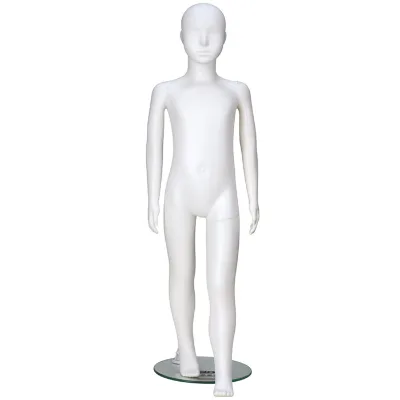
Main productsFiberglass mannequin,Plastic mannequin,Female mannequin,Male mannequin,Child mannequin
Main marketsEastern Europe(5.1%), Africa(5.1%), Southeast Asia(4.6%), South Asia(4.3%), North America(4.1%), South America(4.0%), Western Europe(3.2%), Southern Europe(2.6%), Eastern Asia(2.1%), Northern Europe(2.1%)

Suzhou Kasa Fashion Model Props Co., Ltd
- Verified by CTI
- Trading Company
- China Jiangsu
- Lead time30 days
- Avg. response≤ 1h
Main productsMannequin, Dress Form, Female Mannequin, Male Mannequin, Child Mannequin, Half Body Mannequin, Full Body Mannequin, Display
Main marketsDomestic

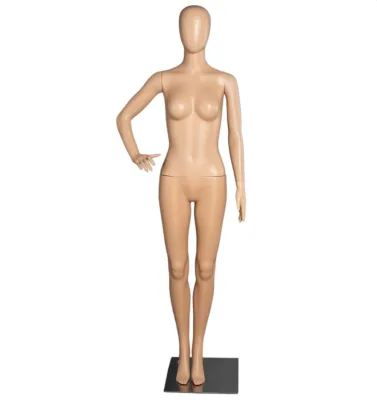
Plastic Model Female Big Butt Breast Full Body Manneqyub Realistic Female Mannequin
$13.00 - $41.00
MOQ: 20 Pieces

Female Mannequin Clothing Store Female Full Body White Models Window Display Mannequin
$52.00 - $65.00
MOQ: 20 Pieces


Full Body Mannequins for Clothing Store Male Mannequin for Window Display Mannequins
$58.00 - $78.00
MOQ: 20 Pieces


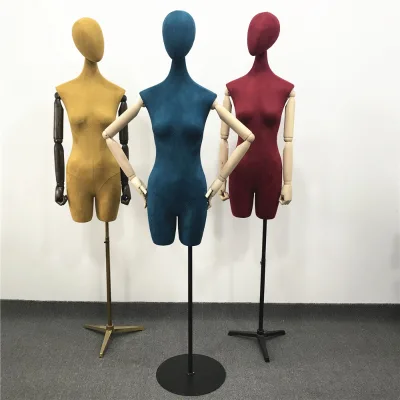
Velvet Female Mannequin with Gold Silver Arms Adjustable Half Body Mannequin
$36.00 - $45.00
MOQ: 20 pieces
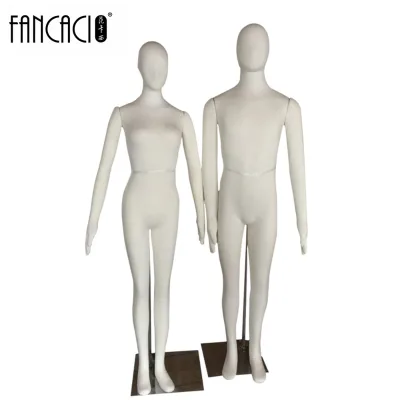
Changshu Fancaci Display Co., Ltd.
- Trading Company
- Jiangsu, China
- Lead time30 days
- Avg. response≤ 1h
Main productsmannequins,grinder head,shopping cart,machine parts,shopfitting
Main marketsNorth America(40.0%), Northern Europe(20.0%), Domestic Market(10.0%), South America(10.0%), Western Europe(10.0%), Africa(10.0%)

Taizhou Manikin Plastic & Mould Co., Ltd.
- Trading Company
- Zhejiang, China
- Lead time20 days
- Avg. response≤ 5h
Main productsPlastic mannequin,fiberglass mannequin,hanger,hologram fan,display props
Main marketsWestern Europe(30.0%), North America(30.0%), Domestic Market(10.0%), Central America(10.0%), South America(10.0%), Mid East(10.0%)

Quanzhou Hexing Display Products Co., Ltd.
- Verified by SGS
- Combined
- China Fujian
- Lead time15 days
- Avg. response≤ 4h
Main productsMannequin, Shoe Tree, Clothes Hanger
Main marketsSouth America,Africa,Southeast Asia/ Mideast,East Asia(Japan/ South Korea),Domestic,Europe,Australia,North America
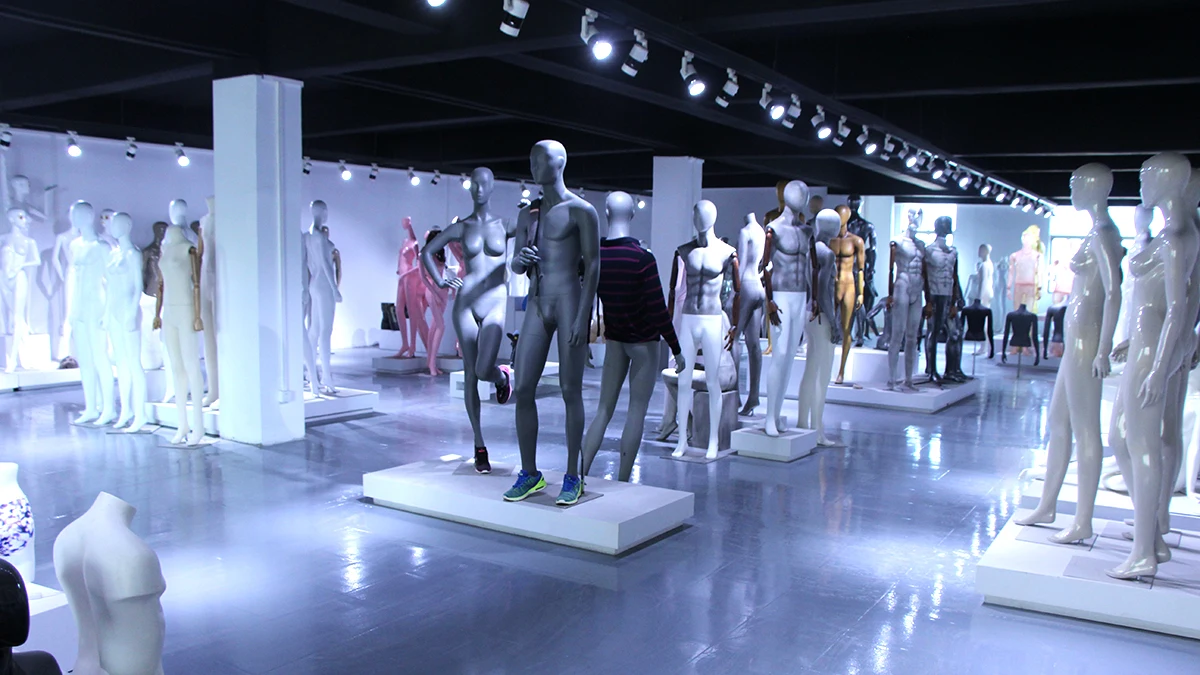
Dongguan Jasmine Display Products Co., Ltd.
- Trading Company
- Guangdong, China
- Lead time15 days
- Avg. response≤ 2h
Main productsmannequin,hanger,display rack,dress form
Main marketsMid East(65.0%), North America(25.0%), Western Europe(10.0%)

Suzhou Sigmetal Business Equipment Co., Ltd.
- Verified by SGS
- Trading Company
- China Jiangsu
- Lead time30 days
- Avg. response≤ 11h
Main productsDisplay Rack, Gondola Shelving, Store Fixtures, Shop Fitting, Checkout Counter, Shopping Trolley, Display Hook, Shopping Basket, Furniture Accessories, Supermarket Supporting Facilities
Main marketsEurope,Australia
Quanzhou Hexing Display Products Co., Ltd.
- Verified by TüVRheinland
- Manufacturer, Trading Company
- Lead time7 days
- Avg. response≤ 2h
Main productsMannequins, Shoe Tree, Clothes Hanger
Main marketsSouthern Europe(15%), North America(10%), Eastern Europe(10%)

Xuchang Leyide Import And Export Trading Co., Ltd.
- Trading Company,Manufacturer/Factory
- China Henan
- Lead time23 days
- Avg. response≤ 4h
Main productsHair Products, Wig Making Tools, Remy Human Hair, Mannequin, Stand Tripod, Synthetic Hair Extensions, Wigs, Virgin Human Hair, Satin Wig Bonnet, Lace Glue
Main marketsSouth America,Eastern Europe,Mid East,North America,Southeast Asia,Eastern Asia,Oceania,Western Europe,Africa

Qingyuan County Hongyun Penindustry Co., Ltd.
- Combined
- China Zhejiang
- Lead time30 days
- Avg. response≤ 3h
Main productsWood Pencil Wood Color Pencil, Plastic Pencil Plastic Color Pencil, Wood-Free Pencil Wood-Free Color Pencil, Art Set Stationery Set, Wooden Easel Wooden Case, Brush Canvas Wooden Mannequin Wooden Manikins, Acrylic Paint Oil Paint Gouache Paint, Solid Tempera Paint Paint Stick, Gel Pen Marker Pen Watercolor Pen, Crayon Oil Pastel
Main marketsEast Asia(Japan/ South Korea),Europe,Australia
Quanzhou Hexing Display Factory
- Verified by TüVRheinland
- Manufacturer, Trading Company
- Lead time8 days
- Avg. response≤ 5h
Main productsMannequins, Clothes Hanger, Shoe Tree
Main marketsSouthern Europe(15%), North America(10%), Eastern Europe(10%)








Comprehensive Sourcing Guide
Real Skin Feeling Brow Mannequin Supplier Concentration and Factory Types
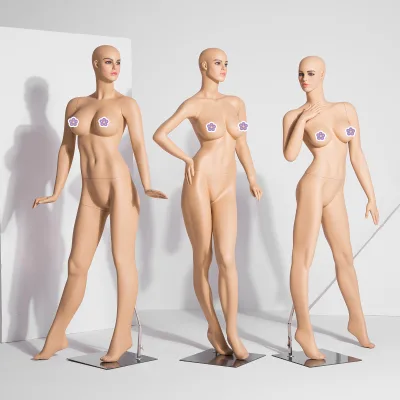
The current search results indicate a concentration of manufacturing capabilities in China, specifically within the Guangdong and Jiangsu provinces. Suppliers in these regions often operate as combined entities, offering both Original Design Manufacturing and Original Equipment Manufacturing services. This dual capacity suggests that factories are equipped to handle custom orders while maintaining standard production lines for general inventory. The presence of combined company types implies a flexibility in production that can accommodate both small custom batches and larger volume orders, which is critical for buyers seeking specific "real skin feeling" finishes.
When evaluating factory types, buyers should look for evidence of in-house research and development capabilities alongside standard OEM services. Some suppliers list their main products as diverse categories including mannequins, hangers, and broader store fixtures, indicating a specialized focus on retail display solutions. The ability to produce fiberglass mannequins with specific surface treatments like matte or glossy finishes is a key indicator of technical proficiency. Buyers must verify if the factory possesses the specific molding and painting equipment required to achieve the realistic skin texture, as this is not a standard feature across all general mannequin producers.
How to Verify Real Skin Feeling Brow Mannequin Suppliers
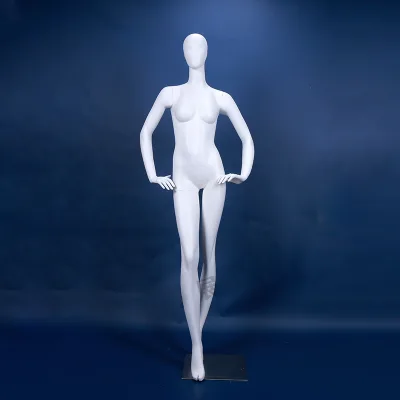
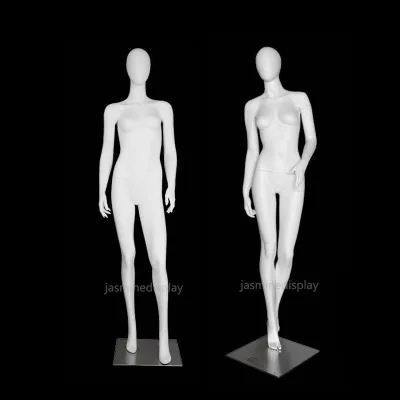
Verification begins with scrutinizing the specific product attributes listed in the supplier catalog, such as material composition and surface finish options. The available data shows that fiberglass is a primary material, often paired with PVC for specific models, which allows for the creation of lightweight yet durable structures. Buyers should request detailed specifications regarding the "real skin feeling" aspect, ensuring the supplier can provide samples that match the desired tactile and visual texture. It is essential to confirm that the customization options explicitly include surface treatments that mimic human skin tones and textures, rather than relying on generic color descriptions.
Response time and communication efficiency are critical metrics for verifying supplier reliability. The observed response times in the current results vary, with some suppliers showing a response time of approximately 3.53 hours and others around 4.51 hours. A faster response time often correlates with a more active sales team and better project management capabilities. Buyers should also check for established certifications, such as ISO9001:2015, which indicates a commitment to quality management systems. While not all suppliers in the current list display this certification, its presence is a strong indicator of a factory that adheres to international standards for production consistency and quality control.
What to Compare Across Real Skin Feeling Brow Mannequin Suppliers
Buyers must compare lead times and minimum order quantities to determine which supplier aligns with their inventory planning and budget constraints. The data reveals a range of lead times, with some suppliers offering a 15-day turnaround while others require up to 30 days for production. Minimum order quantities also vary significantly, with some products requiring a minimum of 20 pieces and others demanding 30 pieces or more. These differences directly impact the total cost of ownership and the ability to test the market with smaller initial orders. A supplier with a lower MOQ might be preferable for startups, while a supplier with a shorter lead time is better for urgent restocking needs.
Price and customization capabilities are equally vital comparison points when selecting a partner. The price range for similar fiberglass mannequins in the current results spans from approximately 80 to 125 units of currency, depending on the specific model and finish. Suppliers offering "customized" sizes and colors provide greater flexibility but may come with higher price points or longer lead times. Buyers should also compare the specific product attributes, such as whether the mannequin is designed for floor-standing or wall-mounted use, as this affects the final application in a retail environment. Ensuring the supplier can meet specific aesthetic requirements without compromising on the structural integrity of the fiberglass is a key differentiator.
Common Real Skin Feeling Brow Mannequin Sourcing Risks
One significant risk involves the inconsistency of surface finishes when ordering custom "real skin feeling" textures. While suppliers claim customization is available, the actual result can vary based on the specific batch of fiberglass and the painting process used. Without a pre-production sample approval process, buyers risk receiving mannequins that do not match the desired skin tone or texture, leading to potential rejection of the entire shipment. The reliance on visual descriptions like "skin color" or "rose gold" without standardized color codes can lead to misunderstandings between the buyer and the factory regarding the final appearance of the product.
Another risk is the variability in production capacity and lead time adherence. Some suppliers list bulk production times ranging from 18 to 25 days, while others indicate a 30-day lead time. If a supplier overcommits on delivery dates, it can disrupt the buyer's retail launch schedule. Additionally, the lack of standardized packaging across different suppliers can lead to damage during transit. While some products are packed in standard paper cartons, others may use different methods. Buyers must verify that the packaging is robust enough to protect the delicate fiberglass surface, especially for mannequins with intricate poses or specific surface treatments that are prone to scratching.
Real Skin Feeling Brow Mannequin Regional Sourcing and Logistics
Sourcing from China, particularly from the Guangdong and Jiangsu provinces, offers access to a mature supply chain for fiberglass products. These regions have established clusters of manufacturers specializing in retail fixtures and display solutions, which can streamline the logistics of sourcing multiple related items. However, buyers must account for the distance and potential shipping complexities involved in importing from these locations. The lead times observed, ranging from 15 to 30 days, do not include international shipping duration, which can add significant time to the overall delivery schedule. Understanding the specific port of origin and the shipping method is crucial for accurate delivery planning.
Logistics planning should also consider the weight and dimensions of the mannequins, as these factors influence freight costs. The product attributes indicate that some mannequins are designed to be lightweight, which can reduce shipping expenses compared to heavier alternatives. However, the fragility of fiberglass requires careful handling and specialized packaging to prevent breakage during transit. Buyers should verify if the supplier offers export-standard packaging and if they have experience shipping to the buyer's specific region. Coordinating with a freight forwarder who understands the requirements for fragile goods is often necessary to ensure the mannequins arrive in perfect condition.
Real Skin Feeling Brow Mannequin Commercial Terms and Order Planning
Commercial terms regarding payment and order planning must be clearly defined to avoid disputes. The current data shows that suppliers offer various customization options, including logo placement and specific color requests, which often require a deposit before production begins. Buyers should establish clear terms for sample approval, ensuring that the final bulk order matches the approved sample in terms of texture and finish. The presence of a "sample time" of 3 to 7 days suggests that suppliers are willing to produce prototypes, but the cost and shipping of these samples should be agreed upon in advance.
Order planning should also account for the potential need for reorders and the scalability of the supplier. Suppliers with established OEM and ODM capabilities are better positioned to handle increased volume if the initial order is successful. Buyers should verify the supplier's capacity to maintain consistent quality over multiple production runs, as this is critical for maintaining brand image in retail displays. Additionally, understanding the return policy and warranty terms for defective goods is essential. While specific warranty details are not always listed, buyers should negotiate these terms before placing a large order to protect their investment in the "real skin feeling" mannequins.
FAQs
What is the typical lead time for mannequin orders?
Manufacturers in China typically require 15 to 30 days for production. Specific timelines depend on the supplier location and order volume. Guangdong suppliers often offer faster turnaround times compared to those in Jiangsu. Buyers should confirm exact dates with the supplier before placing bulk orders to ensure timely delivery for store openings.
What is the minimum order quantity for mannequins?
Minimum order quantities generally range from 20 to 30 pieces. Some suppliers require a minimum of 20 units for standard fiberglass models. Others may set the threshold at 30 pieces for specific styles or customizations. Buyers should verify the exact MOQ for their chosen product model to avoid order rejection or additional fees.
Are fiberglass mannequins available in custom sizes?
Yes, customization is widely available for fiberglass mannequins. Suppliers offer sizes that can be tailored to specific requirements, such as 177cm height or other dimensions. Buyers can request custom molds or adjustments to fit unique display needs. This flexibility ensures that mannequins match specific brand aesthetics or store layout requirements precisely.
What materials are used for female mannequins?
Fiberglass is the primary material used for most female mannequins. Some models also incorporate PVC for specific features or structural components. Fiberglass provides durability and a smooth surface suitable for displaying clothing. Buyers can choose between matte or glossy finishes depending on their visual preferences and store lighting conditions.
How quickly do suppliers respond to inquiries?
Supplier response times typically average between 3.5 and 4.5 hours. Jiangsu-based suppliers often respond faster, averaging around 3.53 hours. Guangdong suppliers may take slightly longer, averaging approximately 4.51 hours. Prompt communication helps buyers clarify specifications and negotiate terms efficiently. Faster response times indicate active and responsive customer service teams.
What is the price range for full-body mannequins?
Prices for full-body mannequins generally range from $80 to $125 per unit. Basic models start around $80, while more complex or customized designs may cost up to $125. Prices vary based on material, finish, and customization options. Buyers should request detailed quotes to understand the total cost, including shipping and any customization fees.