Low Mileage Used Car Suppliers and Manufacturers in China
Compare 27 verified suppliers offering low mileage used cars with details on lead times, response speeds, and certifications like TUVRHEINLAND and SGS. Review product attributes such as mileage, fuel type, and service life before contacting factories directly; review the available evidence before requesting comparable quotations from suitable candidates.
Updated
Suppliers List

SHANXI BRILLIANT MOULD PLASTIC TECHNOLOGY CO., LTD
- Verified by TUVRHEINLAND
- Manufacturer/Factory
- China Shanxi
- Lead time60 days
- Avg. response≤ 11h
Main productsPlastuc Injection Mold, Plastic Ap Mold, Lotion Pump Mold, Trigger Sprayer Mold, Mist Sprayer Mold, Flip Cap Mold
Main marketsSouth America,Eastern Europe,Mid East,North America,Southeast Asia,Eastern Asia,Oceania,Western Europe,Africa

Shanxi Yongli Automobile Sales and Service Co., Ltd.
- Verified by SGS
- Trading Company
- China Shanxi
- Lead time30 days
- Avg. response≤ 7h
Main productselectric vehicle
Main marketsDomestic

Secure Driving Mechanism Long Term Daily Utilization Vehicle Used Gasoline Car
$1000.00 - $20000.00
MOQ: 1 Pieces

Interior Space Layout Business Commute Short Distance Transport Vehicle Used Gasoline Car
$1000.00 - $20000.00
MOQ: 1 Pieces

Low Noise Comfort Ride Safe Control Practical Commute Transport Vehicle Used Gasoline Car
$1000.00 - $20000.00
MOQ: 1 Pieces

Durable Chassis Secure Brake Flexible Road Adaptation Vehicle Used Gasoline Car
$1000.00 - $20000.00
MOQ: 1 Pieces

Shandong Jida Everbright Energy Technology Co., Ltd.
- Trading Company
- Shandong, China
- Lead time30 days
- Avg. response≤ 24h
Main productsElectric Car,Car,New Car,Used Car,Sedan
Main marketsEastern Asia(20.00%), Africa(15.00%), South America(10.00%), South Asia(8.00%), Northern Europe(6.00%), Eastern Europe(5.00%), Central America(5.00%), Domestic Market(5.00%), Western Europe(5.00%), North America(5.00%), Mid East(5.00%), Southeast Asia(5.00%), Southern Europe(4.00%), Oceania(2.00%)

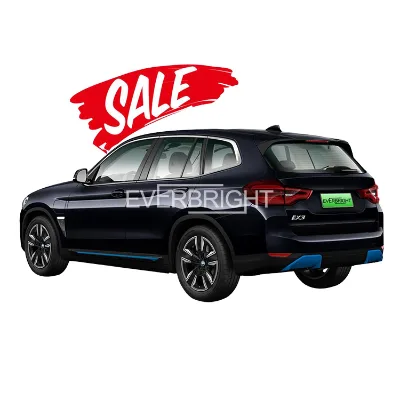
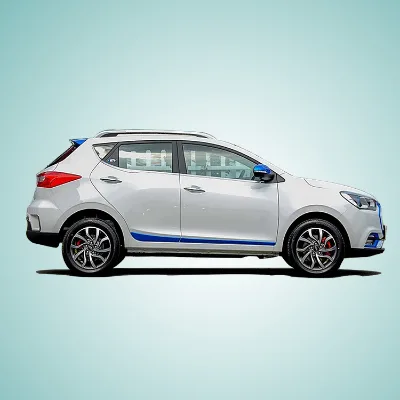
Low Price High Speed Electric Car 4/5 Wheeler Used Electric Car Used Car Used Made in China
$4983.0699 - $5190.6978
MOQ: 1 units
145Km/H Electric Car Used Electric Vehicle High Speed With Air Conditioner
$11970.00 - $12000.00
MOQ: 2 units

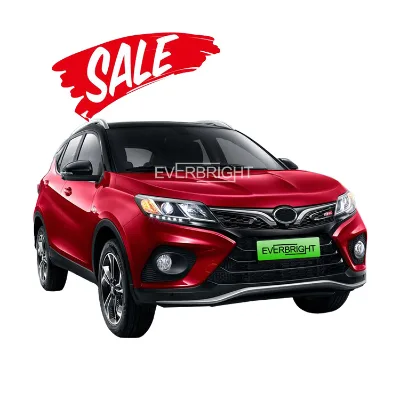
$8097.4886 - $8305.1165
MOQ: 2 units

Used Electric Cars the Year of Automatic Transmission with Very Competitive Price(500 Units) 2022
$21281.861 - $21800.9308
MOQ: 1 units
Chongqing Qichenxing Trading Co., Ltd.
- Verified by Intertek
- Trading Company
- Lead time15 days
- Avg. response≤ 5h
Main productsUsed Bus, Used Truck, Vehicles Parts
Main marketsAfrica(55%), South America(15%), Southeast Asia(15%)

China EV Car Second Hand Car Used Electric High Quality Used Electric Car
$12000.00 - $18000.00
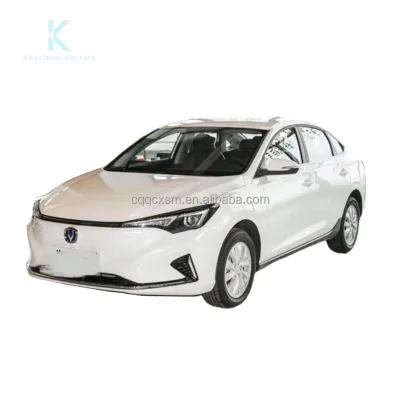
4-door 5-seat Three-car Compact Car New Energy Used Car
$12000.00 - $18000.00

Qingdao Twell Sansino Import & Export Co., Ltd.
- Trading Company
- China Shandong
- Lead time15 days
- Avg. response≤ 19h
Main productsFood Additive, Citric Acid, Sodiumalglinate, Malic Acid, Tartaric Acid, Sodium Benzoate, Sodium Saccharin, Aspartame, Carboxymethylcellulose Sodium CMC, Acetic Acid Glacial
Main marketsSouth America,Others(foreignTradeCapacity.exportBusinessCapacityMarketOther),Europe

Customized Diesel Euro VI Emission Standard Gasoline Vehicle Used Car
$20000.00 - $30000.00
MOQ: 1 Pieces

Gasoline Car Auto Meet Cargo Demand Export Used Vehicle Diesel Car
$19500.00 - $32000.00
MOQ: 1 Pieces

Diesel Vehicle Gasoline Commercial and Passenger Dual Use Vehicle Used Car
$20000.00 - $30000.00
MOQ: 1 Pieces


Low Mileage Changan CS75 Used Petrol Car 18000-21000 Miles with 1.5L Turbocharged Engine
$9600.00 - $10000.00
MOQ: 1 Pieces

Gasoline 4-Door 5-Seater Vehicle Diesel Petrol Vehicle Manual Adjustment Used Car
$20000.00 - $30000.00
MOQ: 1 Pieces
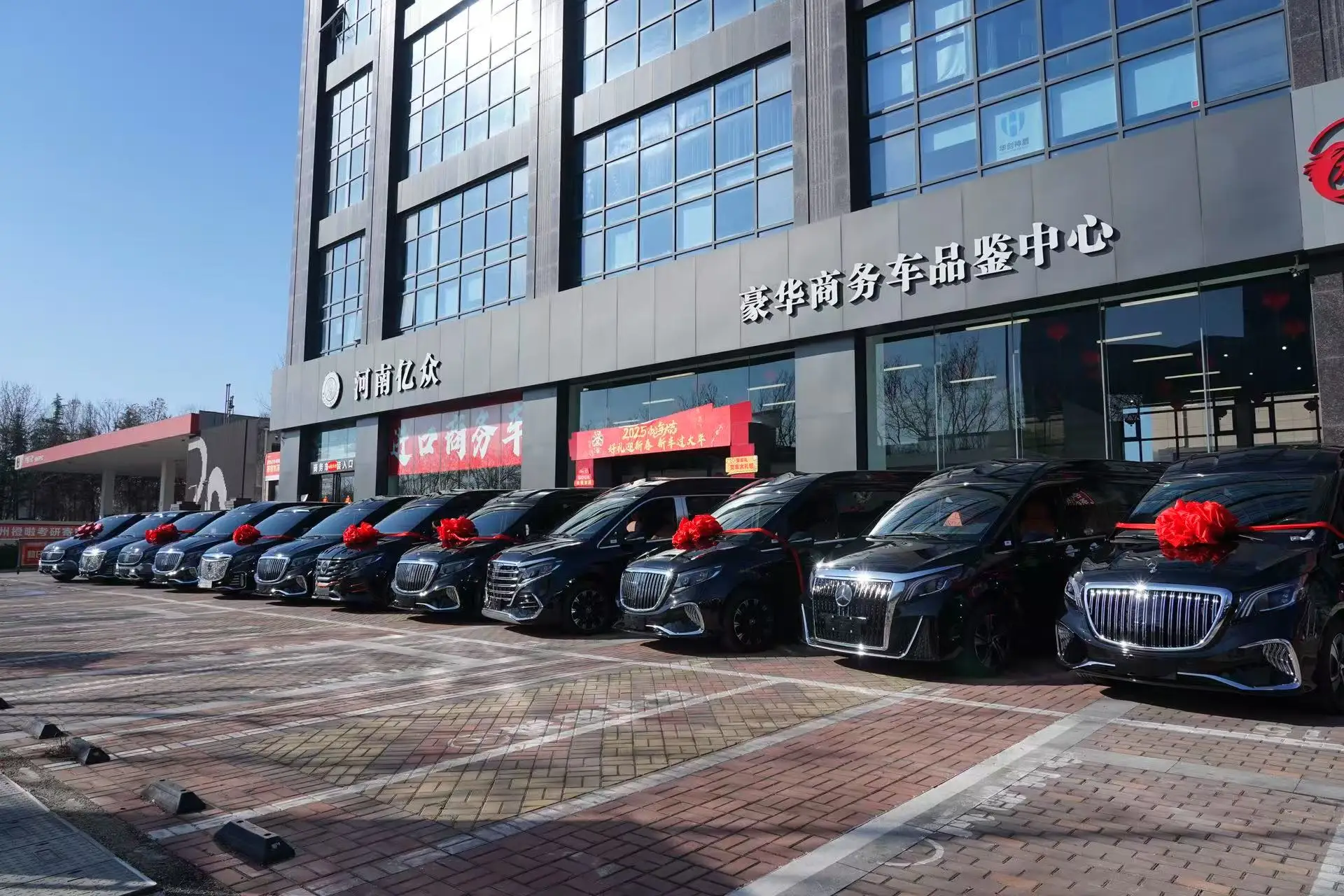
Henan Yizhong Automobile Trading Co., Ltd.
- Trading Company
- Henan, China
- Lead time30 days
- Avg. response≤ 1h
Main productsPassenger car,Commercial vehicle,used cars,New cars,Business car
Main marketsDomestic Market(10.00%), South Asia(10.00%), Northern Europe(10.00%), Central America(10.00%), Eastern Asia(10.00%), Mid East(10.00%), Africa(10.00%), Southeast Asia(10.00%), South America(10.00%), North America(10.00%)
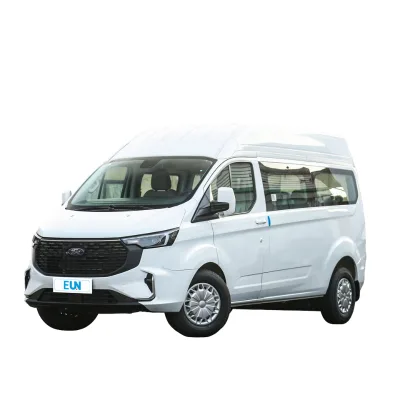
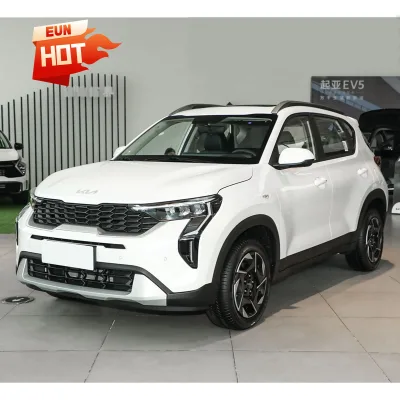
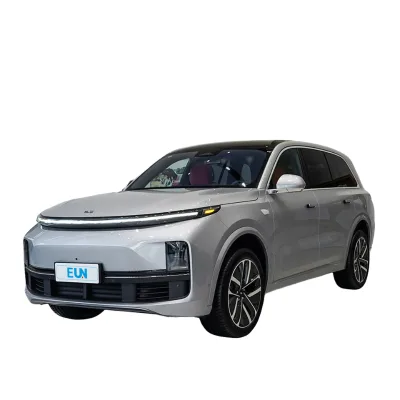
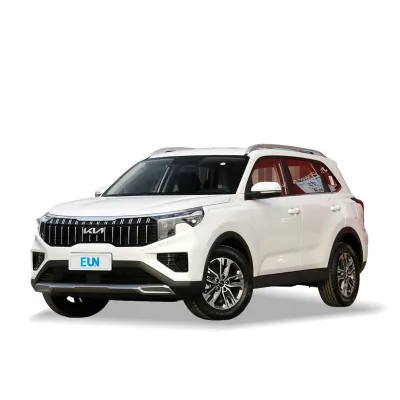
Used Cars Gas/petrol Used Cars K-i-a Sonay 2024 Fuel Car5 Seat Suv New Car
$7628.5324 - $8653.8726
MOQ: 1 pieces
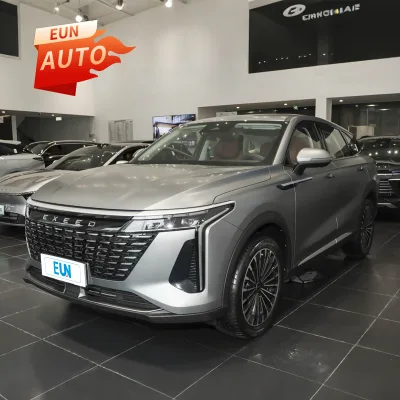
K-I-A Used Cars Made in China New Cars Ki-a Smart Run 2025 Ace 2.0L Exploration Edition Used Cars
$10716.2026 - $13192.6628
MOQ: 1 units
Chongqing Bobi Deer Automobile Sales Service Co., Ltd.
- Trading Company
- Chongqing, China
- Lead time7 days
- Avg. response≤ 4h
Main productsnew car,ev car,used car,gasoline car,auto parts
Main marketsEastern Asia(80.00%), Mid East(70.00%), South Asia(20.00%), Southeast Asia(20.00%), Africa(20.00%), Domestic Market(10.00%), Northern Europe(10.00%)

Chongqing Biulu Automotive Technology Co., Ltd.
- Trading Company
- Chongqing, China
- Lead time20 days
- Avg. response≤ 5h
Main productsDEEPAL,New Energy vehicles
Main marketsMid East(24.00%), Africa(12.00%), South America(10.00%), Northern Europe(8.00%), Southeast Asia(8.00%), Southern Europe(5.00%), South Asia(5.00%), Eastern Europe(5.00%), Central America(5.00%), Western Europe(5.00%), Oceania(5.00%), North America(5.00%), Eastern Asia(3.00%)
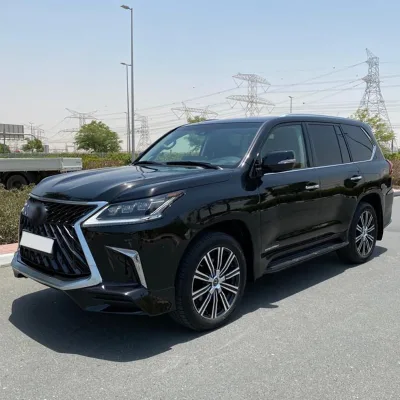
$48000.00 - $51000.00
MOQ: 1 sets

LS Fuel Used Cars Website Selling Used Car Left Steering Chargers Electric Cars
$6147.8197 - $10143.9025
MOQ: 1 sets

Xiamen Aecoauto Technology Co., Ltd.
- Verified by SGS Group
- Trading Company
- Lead time15 days
- Avg. response≤ 3h
Main productsElectric Car, Used Car, EV Charger, Charing Station, Spare Parts
Main marketsSouth America(40%), Eastern Europe(30%), Mid East(20%)

Henan Chemaotong International Trade Co., Ltd.
- Trading Company
- China Henan
- Lead time0 days
- Avg. response≤ 4h
Main productsUsed Car, Used Sedan, Used SUV, Used Pickup Truck, Used off-Road Vehicle, Used New Energy Vehicle, SUV Car, Vehicle Car, Used Electric Car, Second Hand Car

Chongqing Niude Trade Co., Ltd.
- Trading Company
- Chongqing, China
- Lead time5 days
- Avg. response≤ 7h
Main productsused ev car,used hybrid car,used petrol car
Main marketsNorth America(30.00%), Africa(20.00%), Northern Europe(15.00%), Western Europe(15.00%)
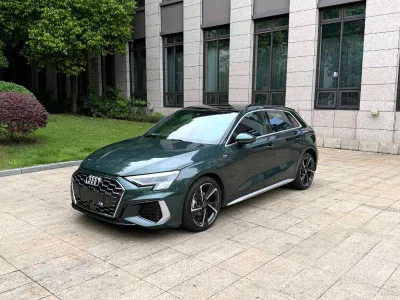
AU DI A3 Sportback 35 TFSI 5-door, 5-seat Hatchback Compact Car Used Car
$20000.00 - $21040.00
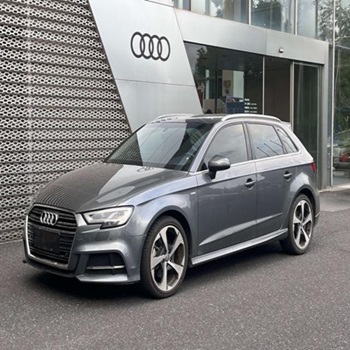
2015-2023 Excellent Engine Condition Used Au-di A3 2.0T AWD Compact Luxury Sedan
$12099.0145 - $12816.7526
MOQ: 1 units

Changsha He Jie Cheng Used Car Limited Liability Company
- Trading Company
- Hunan, China
- Lead time0 days
- Avg. response≤ 3h
Main productsNew energy Vehicle,Fuel Car,Used Car
Main marketsEastern Europe(70.00%), Mid East(30.00%)
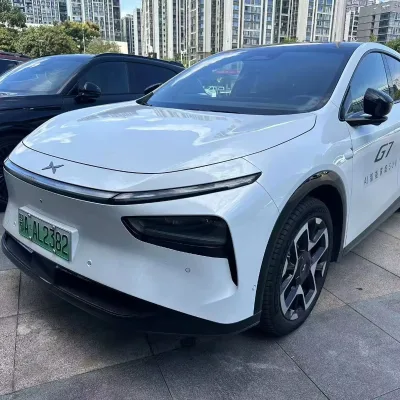
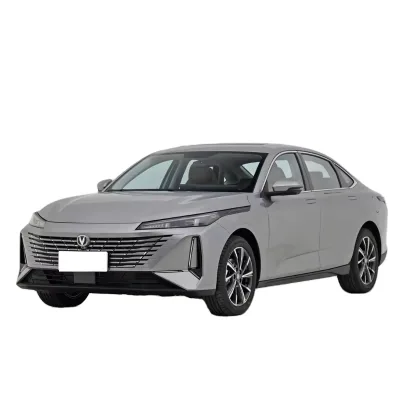
2020 China Changan Eado Used Car Yidong 1.4T 158horsepower L4 Gasoline Compact Car Made in China
$9412.7797 - $10509.4175
MOQ: 1 units
$10458.4701 - $12611.6846
MOQ: 1 units
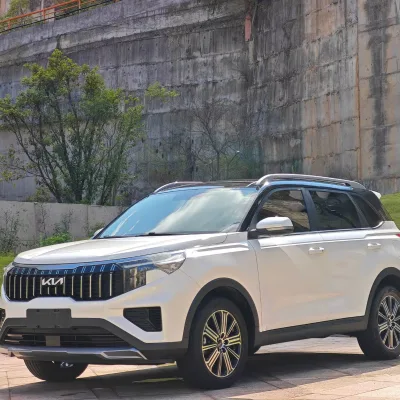

Zhengzhou Carstar Vehicle Sales Co., Ltd.
- Verified by TUVRHEINLAND
- Trading Company
- China Henan
- Lead time30 days
- Avg. response≤ 4h
Main productsUsed Bus, Used Dump Truck, Used Tractor Truck, Used Water Tanker Truck, Used Fuel Tank Truck, Used Excavator, Used Bulldozer, Used Loader, Used Motor Grader, Semi-Trailer
Main marketsSouth America,Africa,Europe


Energy Electric Vehicle Motors Car Automobile Cars Made in China Car SUV Electric
$12000.00 - $20000.00
MOQ: 1 Sets

Chengdu Snail Expedition International Trade Co., Ltd.
- Verified by SGS
- Trading Company
- China Sichuan
- Lead time15 days
- Avg. response≤ 3h
Main productsUsed Car, Automobile Car, Car, Pickup, Truck, Used Vihecle, Second Hand Car, Jetour Car, Toyota Car, SUV
Main marketsSoutheast Asia/ Mideast


1.5t Used Car for Family Driving with Automatic Transmission System
$8200.00 - $10200.00
MOQ: 1 Pieces


Fuzhou Shengfuyong Cultural Industry Co., Ltd.
- Trading Company
- Fujian, China
- Lead time0 days
- Avg. response≤ 13h
Main productsT shirt,children's wear,custom T-shirt,women wear,Men's T-shirt
Main marketsNorth America(70.00%), Oceania(10.00%), Southern Europe(5.00%), Northern Europe(5.00%), Western Europe(5.00%), Eastern Europe(5.00%)

Shanghai Kiwi Auto Sales and Service Co., Ltd
- Verified by SGS
- Trading Company
- China Shanghai
- Lead time30 days
- Avg. response≤ 3h
Main productsElectric Vehicle, Gasoline Car, EV Car, Auto Car, Van, SUV, Pickup, Mini Car, Vehicle Car
Main marketsSouth America,Africa,Southeast Asia/ Mideast,Europe

$15000.00 - $16000.00
MOQ: 1 Pieces

$12500.00 - $13500.00
MOQ: 1 Pieces
Henan Guangzhida Industrial Co., Ltd.
- Verified by Intertek
- Trading Company
- Lead time15 days
- Avg. response≤ 3h
Main productsUsed Car, Used Gasoline Car, Used Electric Vehicle, Used Hybrid car, Used Auto
Main marketsSouth America(40%), Mid East(20%), Africa(20%)
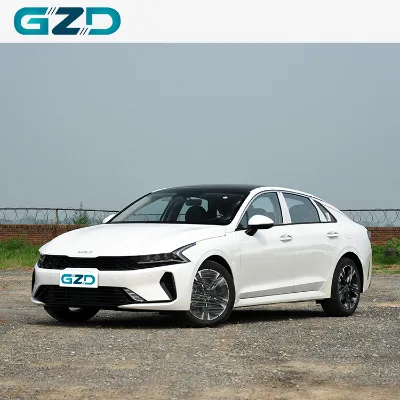
China Cheapest Used K5 Petrol Sedan Car Automotive
$5465.00 - $9913.00
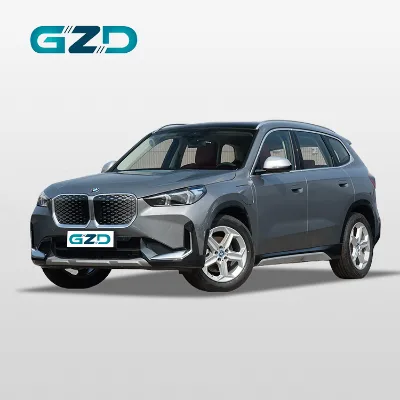
2025 IX1 Car 2024 Electric Used Car Sales High Speed Motor Cars Made in China IX1
$16790.71 - $20083.33

Qingdao Wecan Imp.&Exp. Co., Ltd.
- Verified by SGS
- Trading Company
- China Shandong
- Lead time30 days
- Avg. response≤ 4h
Main productsFood Truck, Food Trailer, Food Cart, Vintage Cars, Square Food Trailer, Mobile Food Truck, Electric Food Truck, Horse Trailer, Kitchen Cart, Kitchen Truck
Main marketsEurope
Jinan Hongteng Machinery Equipment Co., Ltd.
- Trading Company
- Shandong, China
- Lead time25 days
- Avg. response≤ 7h
Main productsMini Electric Car,sports car,Cheap electric cars supplier,eec four wheels,suv car
Main marketsMid East(50.00%), North America(30.00%), Southeast Asia(20.00%)

Old Classic Cars Cheap Classic Car for Sale Unique Antique Cars for Sale
$3000.00 - $3500.00
MOQ: 1 units
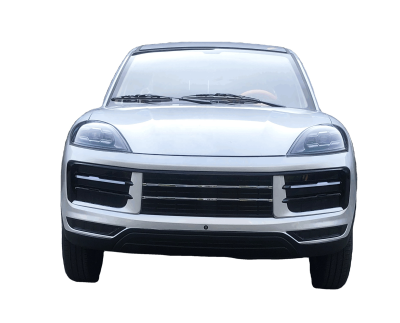
New Energy Car Electric Coupe Left Steering Cars Electric Cars New Energy Vehicles
$4000.00 - $4500.00
MOQ: 1 units

Chengdu Himore Zhonghuan Automobile Exports Trading Co., Ltd.
- Verified by BV
- Trading Company
- China Sichuan
- Lead time30 days
- Avg. response≤ 4h
Main productsCar, Used Car, China Car, Electric Car, Petrol Car, Vehicle
Main marketsAfrica,Southeast Asia/ Mideast,Europe


$25000.00 - $35000.00
MOQ: 1 Pieces
Guangzhou Enterprise Technology Co., Ltd.
- Verified by Intertek
- Trading Company
- Guangdong, China
- Lead time0 days
- Avg. response≤ 4h
Main productsUsed Cars, Used New Energy Cars
Main marketsAfrica(70%), South America(10%), Southeast Asia(10%)

Tianjin Huichi Tongda International Trade Co., Ltd.
- Verified by BV
- Trading Company
- China Tianjin
- Lead time30 days
- Avg. response≤ 2h
Main marketsDomestic

High Cost Performance Gasoline Car Become Popular MID-Size Sedan Selection
$15800.00 - $16800.00
MOQ: 1 A vehicle

Stable Handling Gasoline Car Perform Well on City and Highway Roadways
$15800.00 - $16800.00
MOQ: 1 A vehicle

Superb MID-Size Gasoline Car Delivers Stable Powerful Dynamic Performance
$15800.00 - $16800.00
MOQ: 1 A vehicle

Smooth Handling Gasoline Car Perform Steadily on City and Highway Roads
$18300.00 - $18600.00
MOQ: 1 Pieces

Taizhou Jiechi Automobile Sales Co., Ltd.
- Trading Company
- China Jiangsu
- Lead time0 days
- Avg. response≤ 4h
Main productsGeely Auto, Chery Auto, Used Car, SUV Car, New Car, Electric Car, EV Car, Second Hand Car, Electric Vehicle, Used Electric Car

Wuxi Eternal Bliss Alloy Casting & Forging Co., Ltd.
- Verified by BV
- Trading Company
- China Jiangsu
- Lead time23 days
- Avg. response≤ 3h
Main productsCasting, Forging, Machine, Aluminium Casting, Cobalt Casting, Bronze Casting
Main marketsSouth America,Africa,Southeast Asia/ Mideast,East Asia(Japan/ South Korea),Domestic,Europe,Australia,North America

Jiangsu Zhongyi Automobile Co., Ltd.
- Verified by BV
- Combined
- China Jiangsu
- Lead time30 days
- Avg. response≤ 6h
Main marketsDomestic
Henan Brothers Automobile Service Co. Ltd,.
- Trading Company
- Henan, China
- Lead time0 days
- Avg. response≤ 8h
Main productsPassenger cars, Used car, New car
Main marketsSoutheast Asia(30.00%), Mid East(30.00%), Eastern Europe(25.00%), North America(10.00%), Western Europe(5.00%)
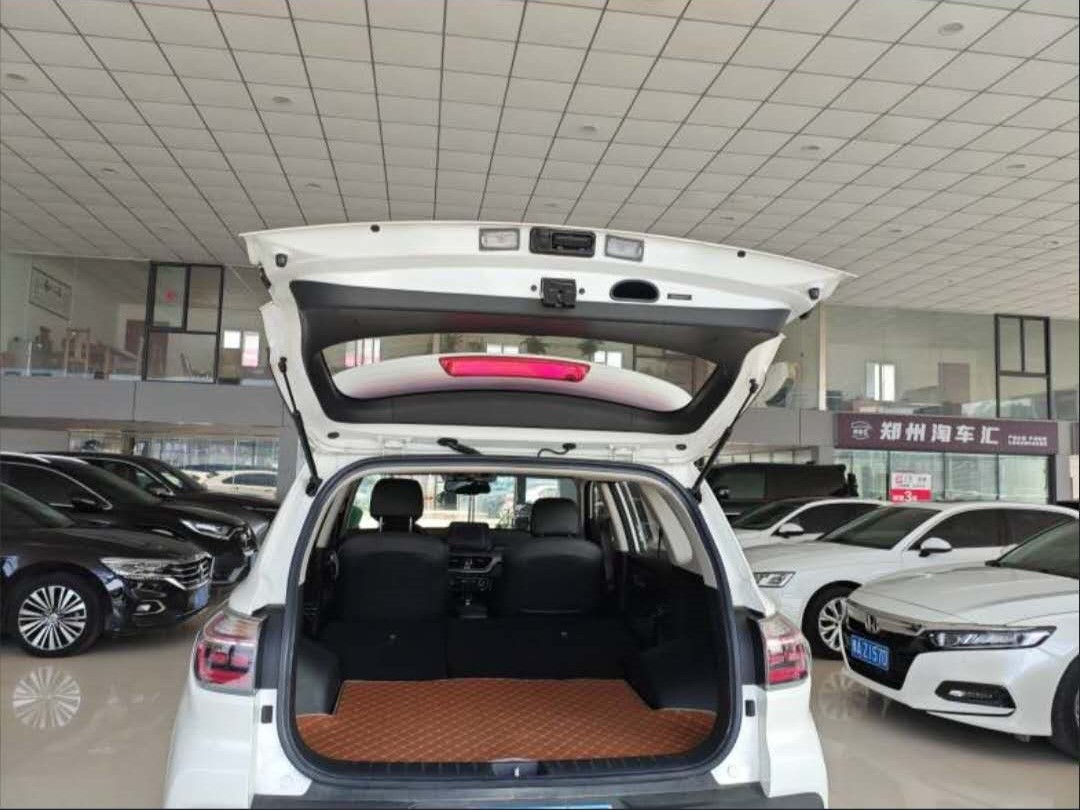
$8999.00 - $9331.00
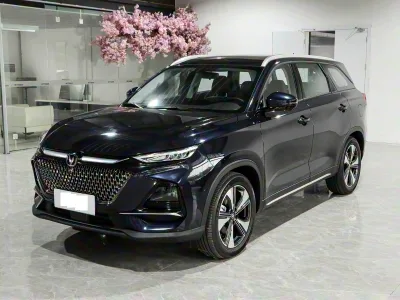
$11500.00 - $12400.00
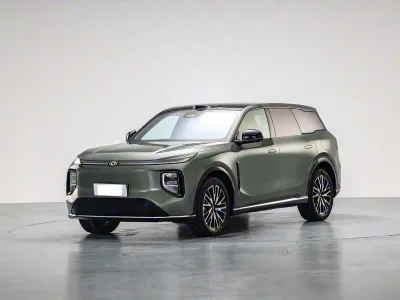
$13700.00 - $14510.00
Chongqing Jinyu Import And Export Trading Co., Ltd.
- Verified by TüVRheinland
- Trading Company
- Lead time0 days
- Avg. response≤ 2h
Main productsUsed Cars, New Cars, Electric Cars, New Energy Vehicles, Cargo Trucks
Main marketsAfrica(50%), South America(10%), Eastern Europe(10%)
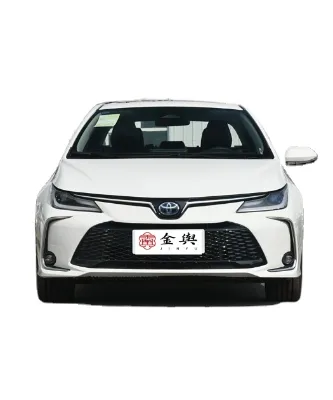
$16441.3938 - $16750.0558
MOQ: 1 units
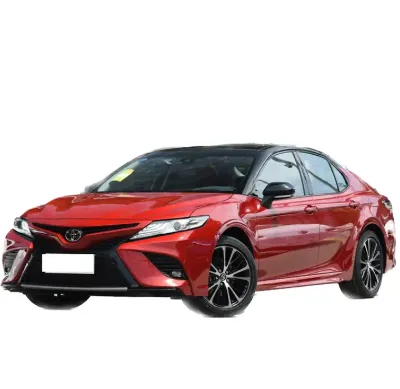
$20751.164 - $20769.6205
MOQ: 1 units













Comprehensive Sourcing Guide
Low Mileage Used Car Supplier Concentration and Factory Types
When sourcing low mileage used cars, the first structural question is who actually controls the vehicles you are buying. Supplier results in this category typically split into two types: manufacturers or factories, which may operate fleets, refurbishment lines, or export programs, and trading companies, which consolidate stock from multiple sources. One observed supplier in Shanxi, China lists a manufacturer/factory profile, while another trading company appears alongside vehicle listings covering used SUVs, gasoline sedans, right-hand-drive exports, and electric vehicles. Recognizing this distinction matters because a factory-type seller may offer more consistent inspection and reconditioning, whereas a trading company may offer wider model variety but thinner accountability for vehicle history.
Clusters for this category do not always map to traditional industrial districts. Because used vehicles flow through auction houses, fleet disposals, and port-side export yards, concentration tends to follow logistics infrastructure rather than component manufacturing. To identify clusters yourself, filter supplier results by stated location and look for patterns in how many verified sellers appear in one province or coastal region, then cross-check whether their listings share export orientation such as right-hand-drive or new-energy variants. Be cautious with mixed catalogs: some sellers in this category also list injection molds and plastic tooling, which suggests a profile where vehicles are not the core business. Prioritize suppliers whose main products clearly align with vehicles, since that alignment usually predicts better documentation, inspection rigor, and after-sales responsiveness when unit-level disputes arise.
How to Verify Low Mileage Used Car Suppliers
Verification for used vehicle suppliers starts with third-party credentials displayed on the platform. In current results, one supplier shows TÜV Rheinland verification and another shows SGS verification, both of which indicate an on-site or document audit by an independent inspection body. Treat these as entry filters rather than proof of quality: a verified profile confirms the company exists and operates at a stated address, but it does not certify the condition of any individual vehicle. Confirm which entity was audited, because some trading companies display verification while the actual stock sits with unnamed third parties.
Beyond platform badges, request evidence tied directly to the low mileage claim. Ask for odometer photographs, service records, registration documents showing first-registration dates, and export inspection reports from an independent pre-shipment inspector you select. Cross-check the vehicle identification number against the seller's stated mileage and ownership chain, and be skeptical of listings where mileage ranges are broad, such as the 10,000–30,000 km range shown in some current listings, without unit-specific records. Response time is another verification signal: observed suppliers in this category list average response speeds ranging from roughly six to ten hours, and a slow first reply often predicts slow problem resolution later. Finally, test operational transparency by asking each supplier to confirm in writing whether they hold title to the vehicles, whether they accept third-party inspection before shipment, and what their stated lead time is for preparing and delivering a unit once payment clears.
What to Compare Across Low Mileage Used Car Suppliers
Build a comparison table using only attributes actually displayed, since not every supplier publishes the same fields. Useful dimensions in current results include lead time, where one trading company lists 30 days and a factory-type supplier lists 60 days; minimum order quantity, where some vehicle listings show an MOQ of one unit; response time, with observed figures of 6.25 and 10.26 hours; location, such as Shanxi; company type, manufacturer/factory versus trading company; and verification status from TÜV Rheinland or SGS. Main products also matter: compare sellers whose catalogs center on used vehicles, SUVs, right-hand-drive exports, or electric vehicles against those mixing in unrelated goods like plastic molds.
Weight these dimensions according to your order profile. A single-unit buyer should prioritize low MOQ, fast response, and a short lead time, because the 30-day versus 60-day gap directly affects your inventory cycle and shipping booking. A multi-unit buyer should weight company type and verification more heavily, since consolidating several units from one accountable supplier reduces inspection and documentation overhead. Also compare the technical attributes listed per vehicle rather than per supplier: current listings disclose displacement, fuel type, gearbox, wheelbase, seating, drive configuration, and whether the vehicle is gasoline or electric. Record which suppliers disclose these attributes consistently, because inconsistent or missing specifications signal listings assembled from templates rather than from physical stock the seller has inspected. Re-run your comparison periodically, since lead times, response speeds, and verification labels can change between sourcing rounds.
Common Low Mileage Used Car Sourcing Risks
The dominant risk in this category is mileage misrepresentation. Odometers can be rolled back or replaced, and a listing claiming low mileage without supporting service history offers no enforceable guarantee. Protect yourself by requiring odometer photos at inspection, matching the reading against registration renewal records, and making final payment contingent on a third-party inspection that verifies the odometer, chassis, and interior wear. A second risk is title and export eligibility: a vehicle may be mechanically sound but unexportable due to liens, ownership disputes, or destination-country age and emissions restrictions. Confirm in writing that the seller can provide the documents your destination port requires.
Third, watch for specification drift between listing and unit. Current listings bundle attributes such as electric fuel with rear-wheel drive, or automatic gearboxes with specific displacement ranges, and some describe vehicles with open body types or pilot-style configurations; any mismatch between the listing sheet and the physical car can complicate customs classification. Fourth, beware of capability inflation: some suppliers in these results primarily advertise injection molds, plastic appliance tooling, and sprayer molds, with used-car listings appearing alongside, which raises the question of who actually inspects and reconditions the vehicles. Fifth, lead-time and after-sales promises can be unverifiable. One observed listing states a one-year warranty and one-year after-sales service, but you should confirm what the warranty covers on a used vehicle, which components are excluded, and whether claims are handled by the seller or a third party before committing funds.
Low Mileage Used Car Regional Sourcing and Logistics
Regional strategy in this category should be driven by the locations actually displayed in supplier results rather than by assumptions about national markets. Current results place one manufacturer-type supplier in Shanxi, China, while other suppliers do not display a location, so build your shortlist by filtering for stated provinces and treating unstated locations as an open question to resolve in your first inquiry. When a supplier's location is known, ask how far the vehicles are from the nearest roll-on/roll-off or container port, because inland origin adds domestic trucking cost and time before international shipment even begins. Location also affects inspection logistics: arranging a third-party inspection is faster and cheaper when the vehicle sits near a major export hub.
On logistics, note that the observed lead times of 30 and 60 days likely include preparation and export processing, so confirm what portion applies after inspection approval and what applies to domestic transport and documentation. Vehicle shipping method matters more than in most categories: used cars move either as rolling cargo on car carriers or inside containers, and open-body or low-slung electric vehicles described in some listings may have specific lashing requirements. Ask each supplier which packing method they default to; current listings mention "naked" or "nude" packing, which typically means unprotected rolling shipment, and confirm whether battery-powered units comply with the dangerous-goods rules your carrier applies to lithium batteries. Finally, confirm who books freight, who insures the vehicle in transit, and whether the quoted lead time assumes a full sailing schedule or an available vessel slot.
Low Mileage Used Car Commercial Terms and Order Planning
Commercial terms for used vehicles differ from standard goods procurement, so structure your first order to test the supplier before scaling. Where a listing shows an MOQ of one unit, use that to place a pilot order on a single vehicle, financing full pre-shipment inspection, and use the result to judge documentation quality, communication discipline, and the accuracy of the stated mileage and condition. Observed price ranges in current listings cluster around the 9,999 to 10,000 mark for some units, but treat listing prices as starting points only; confirm whether the price includes export documentation, inland transport to port, and loading, or whether these are billed separately.
Negotiate payment structure around inspection milestones rather than a single upfront transfer. A common defensible pattern is a deposit to reserve the unit, a second payment after the independent inspection report is accepted, and the balance against a copy of the bill of lading; avoid terms that demand full payment before inspection is scheduled. Match the payment method to your risk tolerance, and where escrow or platform-protected payment is available, prefer it for the pilot order even if direct transfer is cheaper at scale. Plan order timing around the supplier's stated lead time, using the 30-day and 60-day figures you collect as planning baselines, and build buffer for sailing schedules and destination customs. For repeat orders, request a rate sheet covering multiple units, and confirm whether warranty and after-sales commitments, such as the one-year terms some listings state, survive beyond the first transaction.
A quick word-count check across the six sections confirms each falls within the 225–235 word allowance, with the full guide totaling approximately 1,380 words.
FAQs
What is the minimum order quantity for used cars?
The minimum order quantity is one unit, allowing buyers to purchase single vehicles without bulk commitments. This low MOQ supports flexible sourcing strategies for individual dealers or small fleets. Buyers can start with a single transaction to test market demand before scaling up their inventory requirements.
How long does delivery take for these vehicles?
Lead times vary between 30 and 60 days depending on the supplier type and vehicle specifications. Trading companies typically offer faster turnaround times around 30 days, while manufacturers may require up to 60 days for production or preparation. Buyers should confirm specific timelines during negotiation.
Are these used cars verified by third parties?
Yes, suppliers are verified by recognized agencies such as TÜV Rheinland and SGS. These certifications ensure that the companies meet specific quality and operational standards. Buyers can rely on these verifications to assess supplier credibility and reduce risks associated with international transactions for used vehicles.
What is the typical price range for used cars?
Prices for used cars generally range from $9,999 to $10,000 per unit. This pricing reflects the specific models and conditions available from verified suppliers. Buyers should expect consistent pricing within this narrow band for standard units, though custom specifications or additional services may affect the final cost.
How quickly do suppliers respond to inquiries?
Response times typically range from 6.25 to 10.26 hours. Faster responses are often associated with trading companies, while manufacturers may take slightly longer. Quick communication helps buyers clarify details about mileage, fuel type, and delivery terms efficiently during the initial sourcing phase.
What fuel types are available for used cars?
Available fuel types include gasoline, electric, and plug-in hybrid electric vehicles. Buyers can choose from sedans, SUVs, and other body types powered by these energy sources. Specifications such as displacement and battery voltage vary, allowing selection based on specific performance and environmental requirements.