apt-x wired earphone Suppliers and Manufacturers
Compare 32 suppliers of apt-x wired earphone products across verified sourcing dimensions, including Guangdong and other China locations, product categories, response times, lead times, MOQ, and customization options such as OEM and ODM. Shortlist candidates and request quotes or samples to confirm specifications.
Updated
Suppliers List

- Combined
- China Guangdong
- Lead time15 days
- Avg. response≤ 10h
Main productsRear View Camera, Reversing Camera System, Car LCD Monitor, Blind Spot Detect System, Mobile DVR, Rearview Camera System, Backup Camera, 360 Degree Surround System, IP Camera
Main marketsSoutheast Asia/ Mideast,Europe,North America

Shenzhen Yi Ang Electronic Technology Co., Ltd.
- Manufacturer, Trading Company, Buying Office
- Guangdong, China
- Lead time7 days
- Avg. response≤ 3h
Main products3c accessories,Mobile phone accessories,computer accessories
Main marketsSouthern Europe(10.00%), Northern Europe(10.00%), Central America(10.00%), Western Europe(10.00%), South Asia(10.00%), Mid East(10.00%), Domestic Market(10.00%), Africa(10.00%), Southeast Asia(10.00%), Eastern Europe(10.00%), South America(10.00%), North America(10.00%), Eastern Asia(0.60%), Oceania(0.40%)

Hangzhou Longwin Industry Limited
- Verified by TUVRHEINLAND
- Trading Company,Manufacturer/Factory
- China Zhejiang
- Lead time23 days
- Avg. response≤ 7h
Main productsShoe Rack Kitchen Rack Flower Rack Drying Rack, Shirt, Electric Scooter, Earphone, RC Car, Bag, Phone Case, Smart Watch, Clothes, Shoes
Main marketsSouth America,Eastern Europe,Mid East,North America,Southeast Asia,Eastern Asia,Oceania,Western Europe,Africa

Earphones with Packing and Blotooth Transparent Wire Earphone Earphone&Headphone
$3.00 - $5.00
MOQ: 10 Pieces


- Manufacturer
- Guangdong, China
- Lead time10 days
- Avg. response≤ 3h
Main productsSleeping Eye Mask,In-ear Earphone,On-ear Earphone,Call Center Headset,Over-ear headphones
Main marketsWestern Europe(38.20%), North America(25.00%), Domestic Market(11.10%), Southeast Asia(7.60%), Northern Europe(6.00%), South America(5.00%), Mid East(4.60%), Central America(2.20%), Eastern Europe(0.10%), South Asia(0.10%), Africa(0.10%)
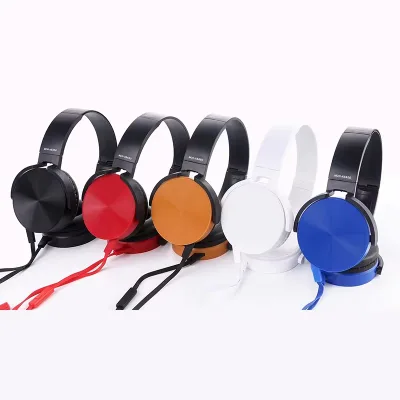
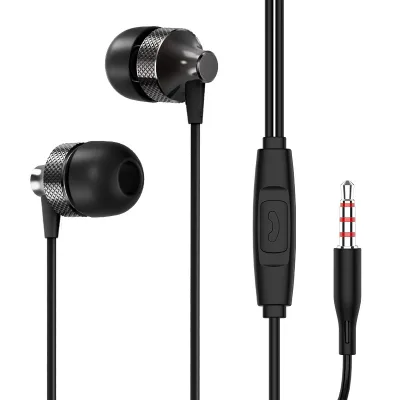
$0.6826 - $0.8383
MOQ: 20 pieces
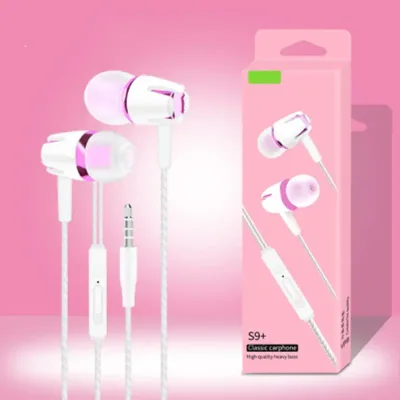
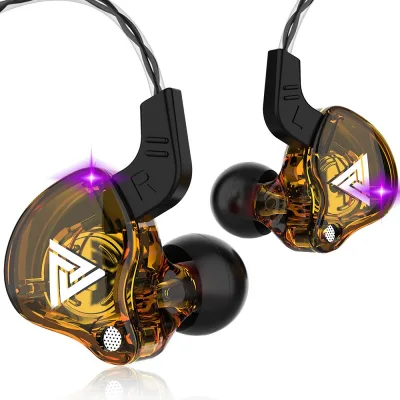

Guangzhou Aspor Electronics Co., Ltd.
- Verified by BV
- Combined
- China Guangdong
- Lead time15 days
- Avg. response≤ 5h
Main productsVape, E Cig
Main marketsSouth America,Africa,Southeast Asia/ Mideast,East Asia(Japan/ South Korea),Domestic,Europe,Australia,North America


$2.06 - $2.20
MOQ: 360 Pieces


The 2022 Hot Selling Bluetooth in-Ear Wired Earphone for Lighting Interface
$2.80 - $3.00
MOQ: 240 Pieces

Guangzhou Kingleen Electronics Co., Ltd.
- Manufacturer, Trading Company
- Guangdong, China
- Lead time5 days
- Avg. response≤ 10h
Main productsUSB Cable, Home Changer, Earphone, Power Bank, Car Charger
Main marketsMid East(20.00%), Southeast Asia(20.00%), South Asia(5.00%), Eastern Asia(5.00%), North America(5.00%), South America(5.00%), Oceania(5.00%), Western Europe(5.00%), Southern Europe(5.00%), Central America(5.00%), Northern Europe(5.00%), Africa(5.00%), Eastern Europe(5.00%), Domestic Market(5.00%)

Huanyu Electronics Industrial Co., Limited
- Verified by BV
- Trading Company,Manufacturer/Factory
- China Guangdong
- Lead time15 days
- Avg. response≤ 9h
Main productsPower Bank, Wireless Charger, Bluetooth Speaker, Bluetooth Earphone/Earbuds/Headphone, Smart Watch, Drone, Charger/Adapter, Solar Radio, USB Cable, Other Mobiles& Computer Accessoriess
Main marketsSouth America,Eastern Europe,Mid East,North America,Southeast Asia,Eastern Asia,Oceania,Western Europe,Africa


Cheap Wired Earphone Telephone Headset, Earphones Wired Cell Phone Headphone
$0.90 - $1.70
MOQ: 10 Pieces


Shenzhen Flyda Technology Co., Ltd.
- Trading Company
- Guangdong, China
- Lead time3 days
- Avg. response≤ 1h
Main productsMP3 Player,Tablet PC,Mobile phone,Smart watch,Earphone
Main marketsSouthern Europe(11.11%), Northern Europe(11.11%), Central America(11.11%), Western Europe(11.11%), Oceania(11.11%), Eastern Europe(11.11%), South America(11.11%), North America(11.11%)

Shenzhen Tina Nis Electronics Co., Ltd.
- Verified by SGS
- Trading Company
- China Guangdong
- Lead time15 days
- Avg. response≤ 8h
Main productsEarphone, Headphone, Adapter, Phone Case, Speaker, Stylus, Earbuds
Main marketsEurope


Popular Wired Gaming on-Ear Over-Ear Headphones Wirees Gaming Headset Earphones Dr57
$6.90 - $8.97
MOQ: 10 Pieces


SHENZHEN AIL INDUSTRIAL LIMITED
- Verified by TUVRHEINLAND
- Trading Company,Manufacturer/Factory
- China Guangdong
- Lead time15 days
- Avg. response≤ 7h
Main productsPower Bank, Bluetooth Earbuds, Bluetooth Speaker, Bluetooth Watch, USB Flash Drive, Video Book, Promotional Gifts, USB Fan, Book, T Shirt
Main marketsSouth America,Eastern Europe,Mid East,North America,Southeast Asia,Eastern Asia,Oceania,Western Europe,Africa

Guangxi Fusui Huayunuo Trading Co., Ltd.
- Manufacturer, Trading Company
- Guangxi, China
- Lead time20 days
- Avg. response≤ 2h
Main productsUniversal Earphones,Disposable Earphones,DC motor controller,Disposable Airline Earphones,City Sightseeing Earphones
Main marketsSouth America(15.00%), Western Europe(12.00%), Africa(8.00%), Central America(8.00%), North America(8.00%), Mid East(8.00%), South Asia(7.00%), Eastern Europe(7.00%), Southern Europe(6.00%), Eastern Asia(6.00%), Oceania(5.00%), Southeast Asia(5.00%), Northern Europe(5.00%)
Shenzhen Zone Huanyu Industrial Co., Ltd.
- Manufacturer
- Guangdong, China
- Lead time0 days
- Avg. response≤ 6h
Main productsTool Battery Charger,Battery Adapter,Mobile Phone Accessories,Customer Electronics,Other Hot Sale Products
Main marketsNorth America(45.00%), Western Europe(34.00%), Southeast Asia(20.00%), Africa(1.00%)
Shenzhen BTX Electronics Co., Ltd.
- Verified by TüVRheinland
- Manufacturer, Trading Company
- Lead time15 days
- Avg. response≤ 3h
Main productsWired Earphone, Wireless Earphone, MFi Earphone, Audio Cable, Charging Cable
Main marketsDomestic Market(32%), North America(22%), Western Europe(12%)
Shenzhen Bassworld Technology Co., Ltd.
- Verified by SGS Group
- Manufacturer, Trading Company
- Lead time30 days
- Avg. response≤ 3h
Main productsHeadsets, Earphone, Microphone, Speaker
Main marketsEastern Europe(23%), Western Europe(20%), North America(15%)
Guangdong Gongke Electronic Industry Co., Ltd.
- Verified by TüVRheinland
- Manufacturer, Trading Company
- Lead time30 days
- Avg. response≤ 2h
Main productsWired Headphone, Wireless Headphone, TWS Earphone, Sport Earphone, BT Speaker
Main marketsDomestic Market(30%), North America(28%), South America(14%)
Guangzhou Guangzhiyuan Electronic Technology Co., Ltd.
- Manufacturer, Trading Company
- Guangdong, China
- Lead time7 days
- Avg. response≤ 4h
Main productsEarphones, Data Cables, Chargers & Adapters
Main marketsDomestic Market(40.00%), Southeast Asia(30.00%), North America(10.00%), Mid East(5.00%), South America(3.00%), Western Europe(2.00%), Africa(2.00%), Eastern Europe(2.00%), South Asia(1.00%), Eastern Asia(1.00%), Oceania(1.00%), Southern Europe(1.00%), Central America(1.00%), Northern Europe(1.00%)
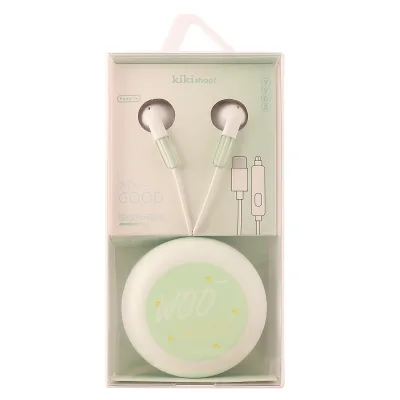
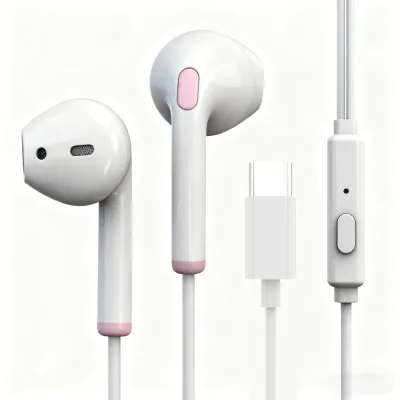
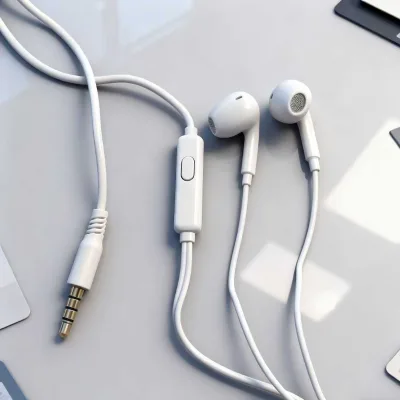
Private Label Cell Phone Headsets Wired Earphones c Type Earphones Type c Wired Earphone
$1.05 - $1.25
MOQ: 100 pieces

Shenzhen Jilianuo Technology Co., Ltd. (Group)
- Verified by TUVRHEINLAND
- Trading Company
- China Guangdong
- Lead time30 days
- Avg. response≤ 3h
Main productsBluetooth Speaker, Tws Earbuds, Ai Glass
Main marketsEast Asia(Japan/ South Korea),Europe,North America
Shenzhen Yisiwei Technology Co., Ltd.
- Manufacturer, Trading Company, Distributor/Wholesaler
- Guangdong, China
- Lead time0 days
- Avg. response≤ 6h
Main productsadapter,amazon hot selling,smart watch,earbuds,data cables
Main marketsEastern Europe(38.00%), South America(33.00%), North America(12.00%), Northern Europe(9.00%), Southeast Asia(6.00%), Western Europe(2.00%)
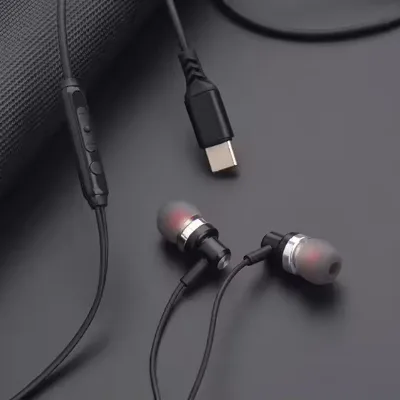
Sports Earphones Monitor Earphones In-ear Type c Stereo Cord Controlled Earphones Wired Earbuds
$0.69 - $1.29
MOQ: 100 pieces

Jin Kaiyue (Dongguan) Technology Co., Ltd.
- Manufacturer, Trading Company
- Guangdong, China
- Lead time30 days
- Avg. response≤ 2h
Main productswired earphone,wireless earphone,audio adapter,audio cable,wireless carplay adapter
Main marketsNorth America(20.00%), Eastern Europe(15.00%), South America(15.00%), Domestic Market(5.00%), Southern Europe(5.00%), Northern Europe(5.00%), Central America(5.00%), Western Europe(5.00%), Eastern Asia(5.00%), Mid East(5.00%), Oceania(5.00%), Africa(5.00%), Southeast Asia(5.00%)
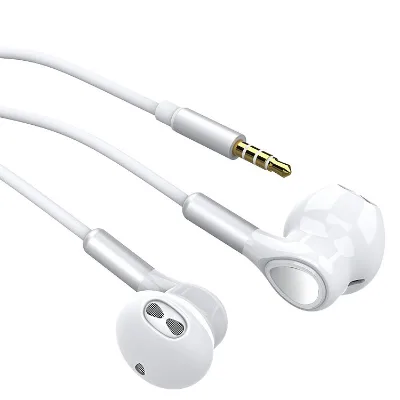
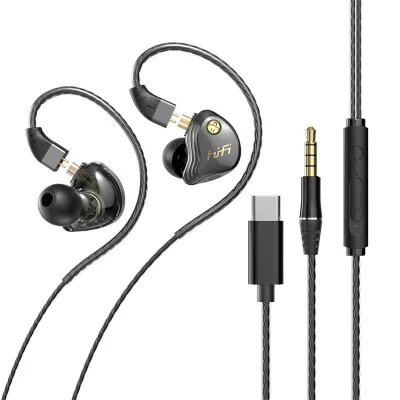
Manufactory OEM Latest Designed Wired Earphones 3.5 Mm With Microphone and Volume Control for Phone
$2.80 - $3.20
MOQ: 10 pieces
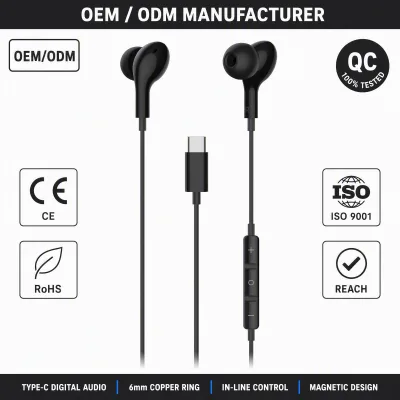
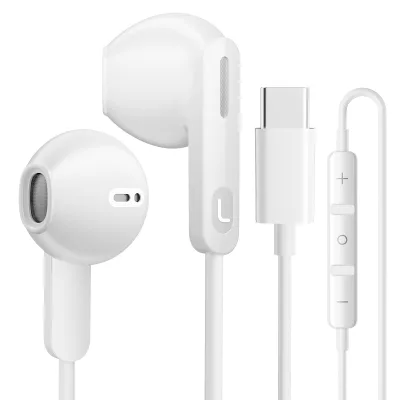
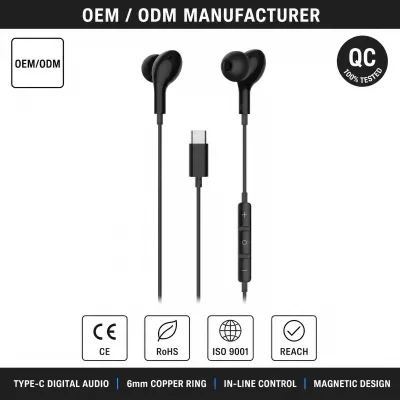
2024 Newest Wholesale Digital Half in Ear Monitor Type-c Earphones Wired Headphones with Mic
$5.1123 - $5.5299
MOQ: 10 pieces

Xiamen Inbertec Electronic Technology Co., Ltd
- Manufacturer
- China Fujian
- Lead time15 days
- Avg. response≤ 2h
Main productsHeadset, Call Center Headset, Aviation Headset, Contact Center Headset, Bluetooth Headset, Ground Support Headset, Pilot Headset, Office Headset, Noise Cancellation Headset, Atc Headset
Main marketsAfrica,Southeast Asia/ Mideast,Europe,Australia,North America
- Verified by SGS Group
- Manufacturer, Trading Company
- Lead time25 days
- Avg. response≤ 4h
Main productsBluetooth Noise Cancelling Headphone, Bluetooth Headphone, Bluetooth Transmitter and Receiver, TWS Wireless Earbuds, Kids Bluetooth Headphone
Main marketsWestern Europe(30%), North America(25%), Oceania(20%)
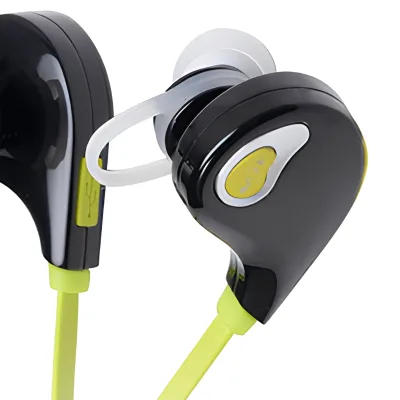
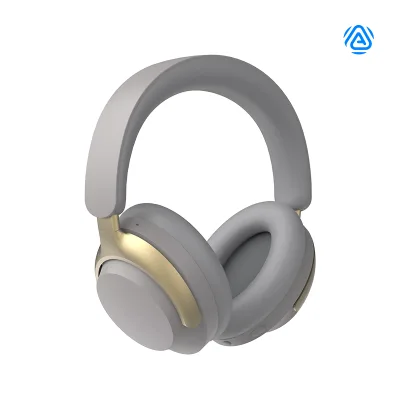
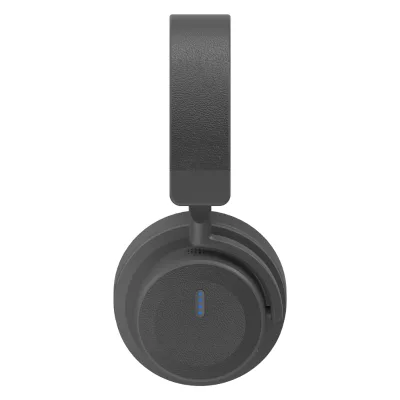
$50.1764 - $61.9713
MOQ: 200 sets
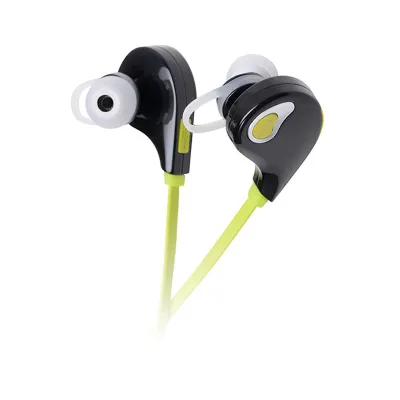
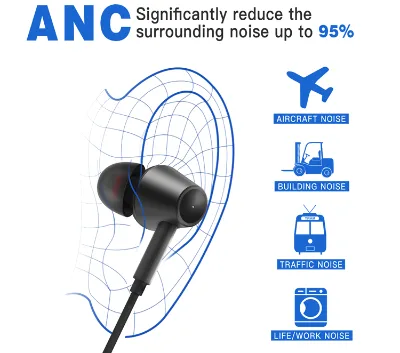
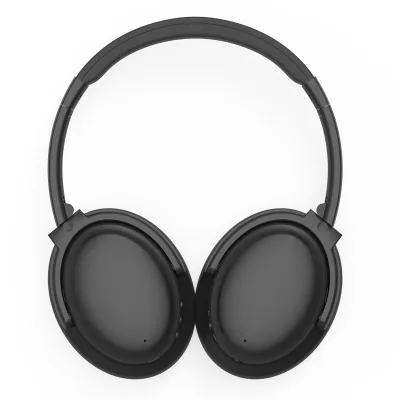
OEM Custom Portable Remote Mic Smart Phone Handsfree Earphone in Ear
$12.4056 - $15.5089
MOQ: 2 pieces
Shenzhen Kouvolsen Electronic Co., Ltd.
- Manufacturer, Trading Company, Distributor/Wholesaler
- Guangdong, China
- Lead time10 days
- Avg. response≤ 5h
Main productsUSB data cable,USB Wall Charger,Radio,AUX Cable,USB Car Charger
Main marketsSouthern Europe(20.00%), North America(15.00%), Eastern Europe(15.00%), South America(15.00%), Northern Europe(10.00%), Western Europe(10.00%), South Asia(5.00%), Eastern Asia(5.00%), Central America(5.00%)
- Trading Company
- Guangdong, China
- Lead time15 days
- Avg. response≤ 8h
Main productsphone charger,usb cable,earphone,car charger,speaker
Main marketsSouth America(22.00%), North America(15.00%), South Asia(10.00%), Northern Europe(10.00%), Oceania(8.00%), Western Europe(8.00%), Southern Europe(6.00%), Mid East(5.00%), Central America(5.00%), Eastern Asia(4.00%), Eastern Europe(3.00%), Southeast Asia(2.00%), Africa(2.00%)

Guangdong Besell Electronics Co., Ltd
- Verified by SGS
- Combined
- China Guangdong
- Lead time30 days
- Avg. response≤ 3h
Main marketsSouth America,Africa,East Asia(Japan/ South Korea),Europe,Australia,North America

Shenzhen Power-Time Technology Co., Ltd.
- Verified by SGS
- Combined
- China Guangdong
- Lead time30 days
- Avg. response≤ 4h
Main productsTwo-Way Radio Accessories, Battery, Charger, Earphone, Walkie Talkie Accessories, Aviation Headset, Tactical Headset, Noise Reduction Headset, Bone Conduction Headset, Audio Connectors
Main marketsEast Asia(Japan/ South Korea),North America

- Verified by SGS
- Trading Company
- China Guangdong
- Lead time15 days
- Avg. response≤ 9h
Main productsConsumer Electronics, Car Accessories, Mini Thermal Printers, Garden Lights, Lawn Mower Accessories, Portable Speakers, Digital Camera, Mini Projectors
Main marketsOthers(foreignTradeCapacity.exportBusinessCapacityMarketOther),Europe


Trn Azure Dragon 2.5+3.5+4.4mm Wired HiFi Earphone 14.6mm Planar Diaphragm Detachable in-Ear Headset
$139.00 - $159.00
MOQ: 1 Pieces

Shenzhen Xinfan Technology Co., Ltd.
- Verified by SGS
- Trading Company
- China Guangdong
- Lead time15 days
- Avg. response≤ 3h
Main productsBluetooth Headphones, Charger, Cable, Power Bank, Bluetooth Speaker
Main marketsEurope,North America
Shenzhen Yale Electronics Co., Ltd.
- Manufacturer, Trading Company
- Guangdong, China
- Lead time7 days
- Avg. response≤ 5h
Main productsBluetooth Headphone, Bluetooth Speaker, Wireless Earphone, Power Bank, Smart Watch
Main marketsSoutheast Asia(25.00%), Mid East(14.00%), Domestic Market(11.00%), Southern Europe(10.00%), Eastern Asia(7.00%), South Asia(6.00%), Western Europe(5.00%), North America(4.00%), Northern Europe(4.00%), South America(3.00%), Central America(3.00%), Africa(3.00%), Eastern Europe(3.00%), Oceania(2.00%)

Shenzhen Yujia'an Technology Co., Ltd.
- Verified by SGS
- Trading Company
- China Guangdong
- Lead time15 days
- Avg. response≤ 7h
Main productsEarphone, Phone Chargers, Phone Cables, Phone Case, Phone Accessories, Bluetooth Speaker, Memory Card, Flash Drive, Wireless Chargers, Car Chargers
Main marketsAustralia

in-Ear Handsfree Wired Earphone Stereo 3.5mm Type C Earphones Premium Quality
$1.89 - $3.00
MOQ: 10 Pieces

Wired Earphone 3.5mm in-Ear with Microphone Wired Headset S8 S9 S10 Headphone Earphones S10
$1.89 - $3.00
MOQ: 10 Pieces
Shenzhen Kingstar Mould Co., Ltd.
- Verified by SGS Group
- Manufacturer, Trading Company
- Lead time15 days
- Avg. response≤ 11h
Main productsPlastic Product, Wireless Speaker, Massage Gun, Wireless Earbuds, Smart Watch
Main marketsNorth America(35%), Southern Europe(30%), Domestic Market(20%)
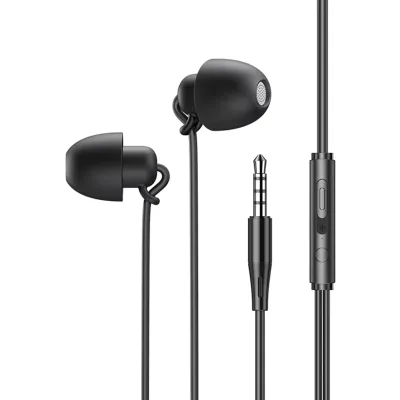
Sleep Comfort Wired Earphone HD Mic In-Ear Fashion Design Lightweight Portable Wired Headphone
$0.741 - $0.8129
MOQ: 100 pieces
Weiyicheng Technology (dongguan) Co., Ltd.
- Trading Company
- Guangdong, China
- Lead time10 days
- Avg. response≤ 4h
Main productsCharger,Cable,Earphone,microphone,hub
Main marketsNorth America(60.00%), Western Europe(20.00%), Southeast Asia(15.00%), Eastern Europe(5.00%)

Quanzhou Ruihui Electronic Technology Co., Ltd.
- Verified by SGS
- Trading Company
- China Fujian
- Lead time15 days
- Avg. response≤ 4h
Main marketsDomestic


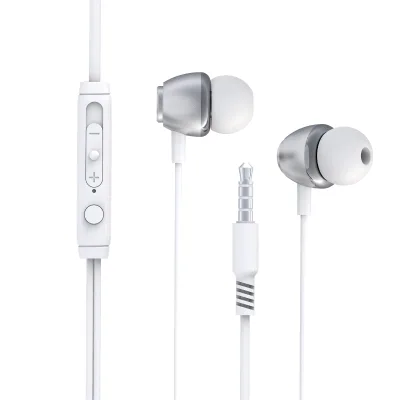
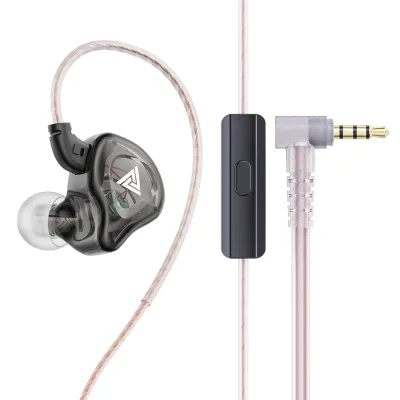
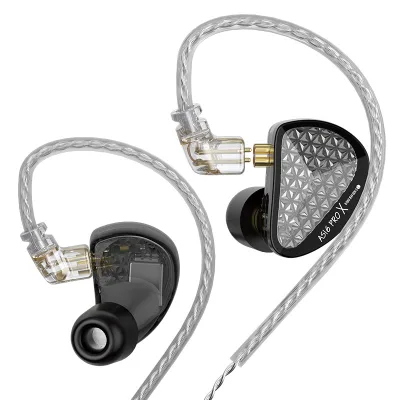
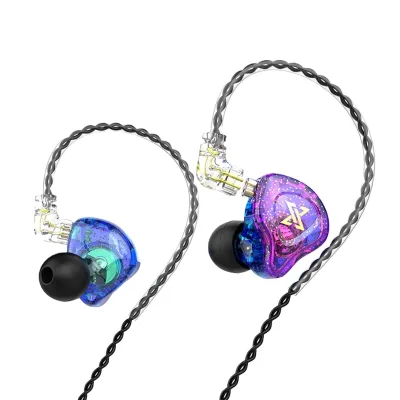
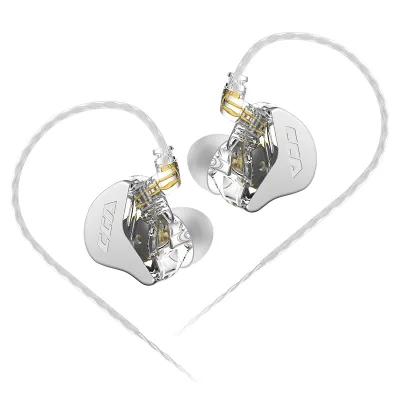


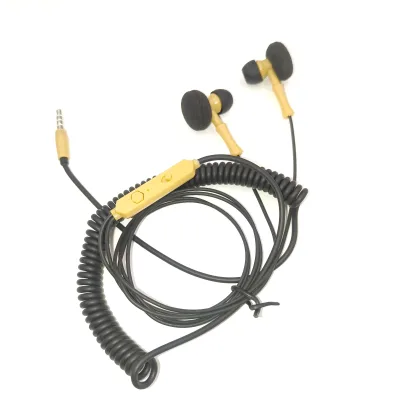
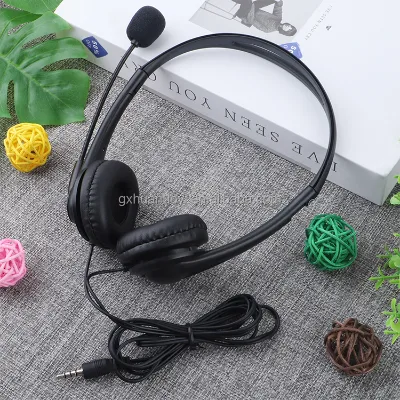
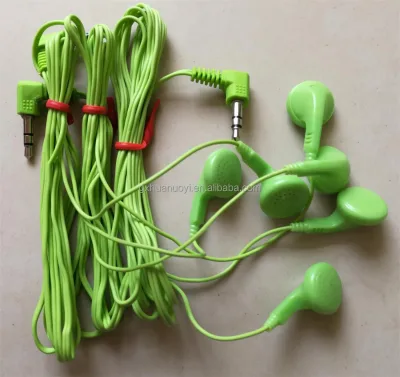
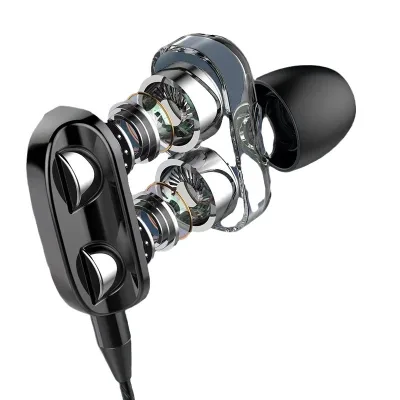
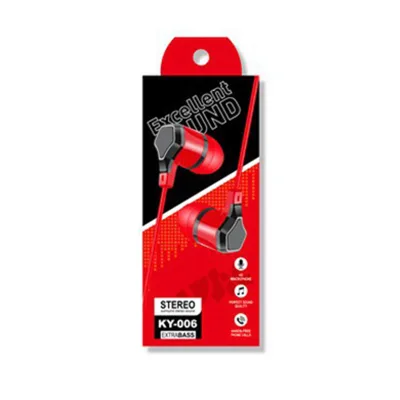
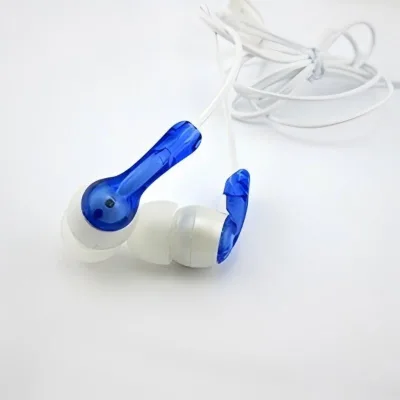
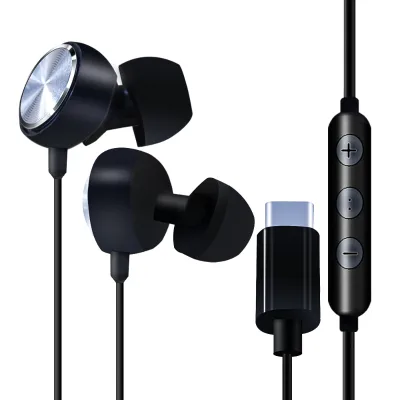
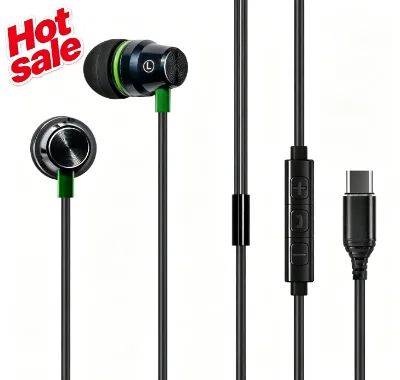
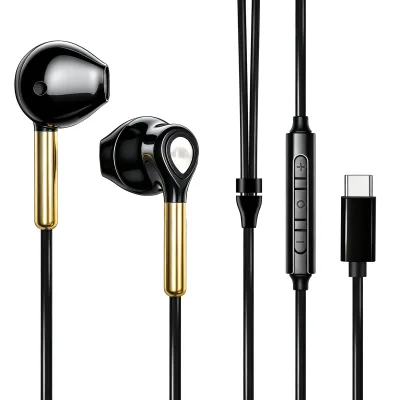
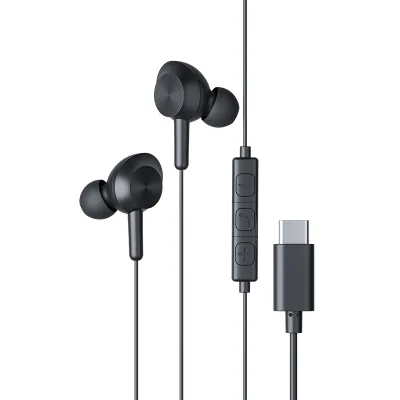
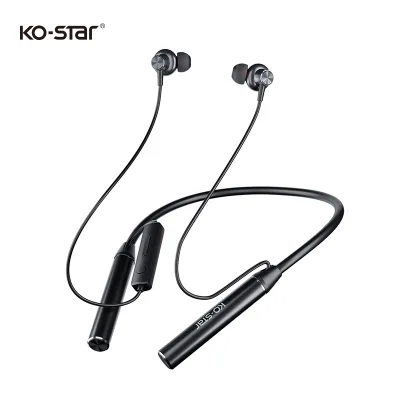
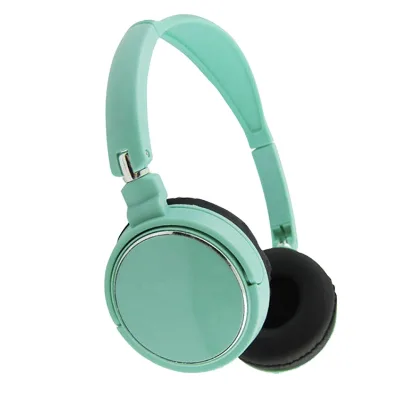
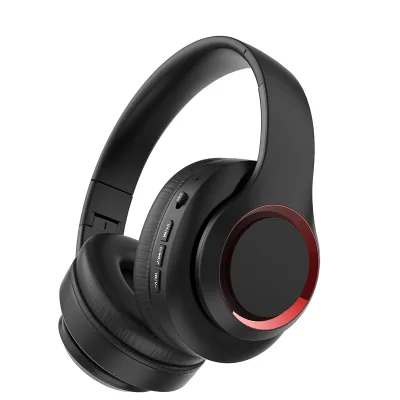


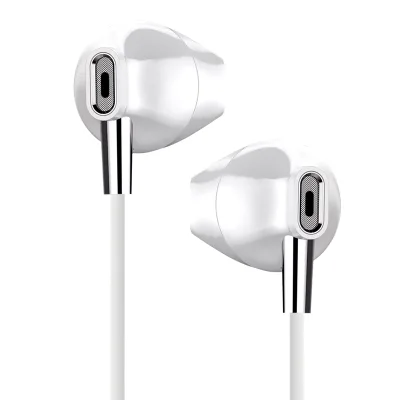
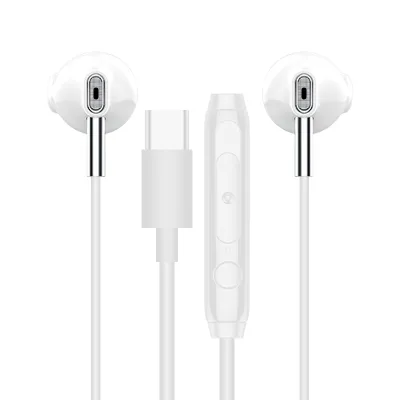
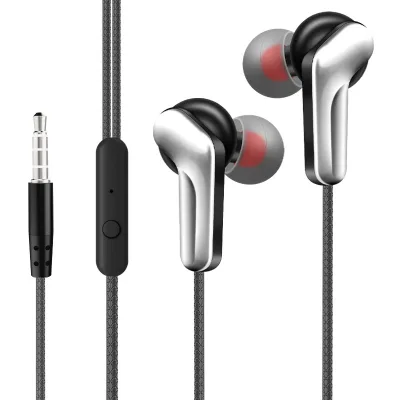
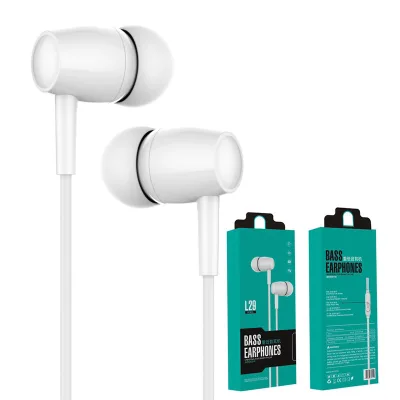
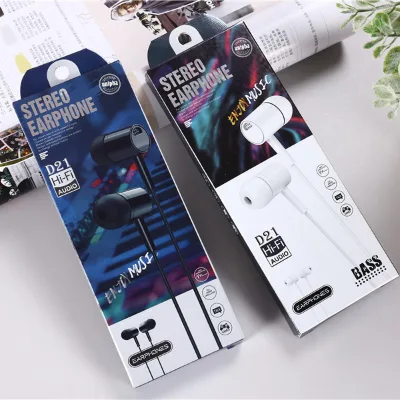


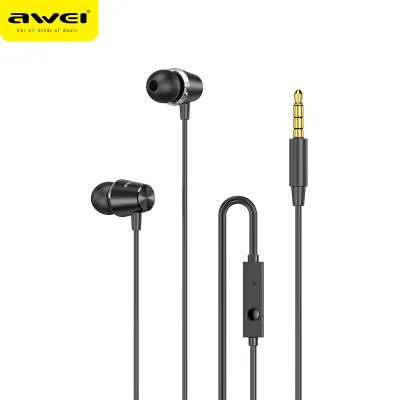
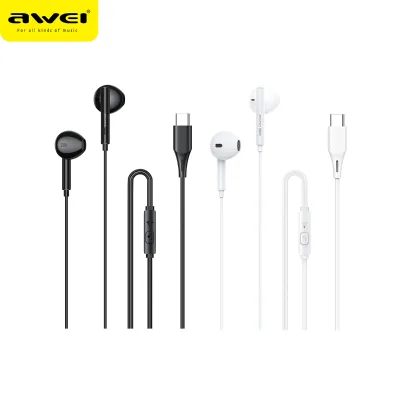
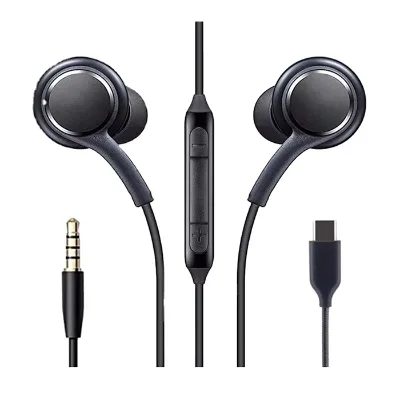
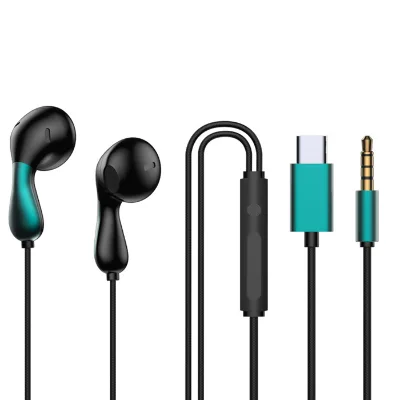
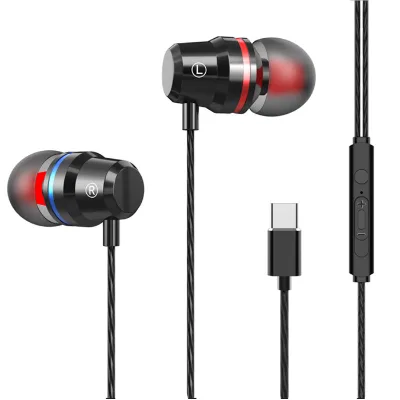


Comprehensive Sourcing Guide
Apt-X Wired Earphone Supplier Concentration and Factory Types
Buyers searching for an Apt-X wired earphone typically encounter two overlapping supply pools: electronics accessory factories that list wired earphones, in-ear headsets, and computer audio products among their main products, and combined manufacturer-trading operations that aggregate audio accessories from surrounding workshops. In the current results, the suppliers that display a location cluster in Guangdong, China, which is a well-known electronics accessory manufacturing region, though one listing also ties an individual product's origin to Chongqing. Treat displayed product origin and company registration location as separate data points, because they do not always match.
Factory types matter more than raw count. A manufacturer listing own-brand, ODM, and OEM capability suggests in-house tooling and acoustic tuning, which is relevant when codec licensing and driver consistency matter. A combined manufacturer-and-trading-company profile may offer wider catalog coverage but can add a markup and blur accountability for quality defects. Some listings are clearly assembled catalogs: the same results show wired ear-hook and in-ear models alongside unrelated items such as rear-view camera systems and mobile DVR products, which signals a broad-line trading profile rather than a dedicated audio specialist. When you cannot confirm where the cluster is from the data in front of you, verify it yourself by checking where displayed factories ship from, where similar listings repeat, and whether the same mold or model numbers appear across multiple companies before assuming a regional concentration.
How to Verify Apt-X Wired Earphone Suppliers
Verification starts with separating what a profile claims from what it proves. A supplier type label such as "Manufacturer, Trading Company, Buying Office" tells you the declared role, not the audited reality. Ask for a business license and check that the registered scope covers audio or consumer electronics manufacturing. Where a system certification field is empty or marked NIL, as it is for some profiles in these results, treat that as a gap to close directly: request the factory's quality-management certificate, audit report, or third-party inspection history before committing to sampling.
Codec claims deserve special scrutiny. Apt-X is a licensed technology, so ask how the codec is implemented, which chipset is used, and whether licensing documentation can be provided. One displayed listing names a Telink chipset and another a PixArt chipset; require the actual bill of materials for your build rather than trusting listing attributes. Product-level details also reveal sourcing depth: consistent attribute completeness — jack diameter, wire material, moving-coil driver type, packing method, model numbers such as EH-432, PXD-22, JGB-02, or XE100 — suggests the seller handles the product firsthand. Also test responsiveness under load: displayed response times in these results range from roughly 3 hours to under 10, so measure your own reply latency across several messages, in different time zones, and on technical questions. Finally, request references from buyers in your market, verify a signed sample against the specification sheet, and confirm that any customization offered in the listing — several of these products state customization is available — is performed in-house rather than subcontracted without your knowledge.
What to Compare Across Apt-X Wired Earphone Suppliers
Build a comparison sheet with the attributes these profiles actually display, and never assume a missing attribute means the supplier lacks it — it usually means you must ask. Start with lead time: current listings show figures such as 7 days and 15 days, which differ by a factor of two and directly affect your launch calendar. Compare response time as displayed, then confirm it behaviorally. Record location, since Guangdong-based suppliers may offer shorter domestic logistics legs to ports than suppliers registered elsewhere, and note when a product origin differs from the company address.
Compare main products and company type together. A supplier whose main products list 3C accessories, mobile phone accessories, and computer accessories is structurally similar to a broad-line accessory house, while one listing rear-view cameras and DVR systems alongside earphones deserves extra questions about who actually manufactures the audio line. Company type — manufacturer versus combined or trading company — affects pricing layers and defect accountability. Use displayed product data as pricing anchors: examples in these results range from about 0.50 USD to 5.50 USD per unit with MOQs from 1,000 to 5,000 pieces, so compare quoted prices at your own volume against these published ranges and against the specification behind each price. Weigh ODM/OEM capability, private-mold availability (one listing states none), noise-cancellation claims, connector type, and material choices side by side. Score each supplier on evidence quality — how many claims come with documents — rather than on presentation, since polished listings can mask thin manufacturing substance.
Common Apt-X Wired Earphone Sourcing Risks
The most common risk is codec misrepresentation. A listing can advertise apt-X support while shipping a standard codec chip, and buyers often discover this only after retail complaints. Mitigate by requiring the chipset part number in writing — one displayed listing names Telink, another PixArt — and by independent audio testing of pre-production samples. Related to this is specification drift: attributes such as ENC or ANC noise cancellation, dynamic versus balanced-armature drivers, 3.5mm plug type, and PVC or PU wire material may differ between the sample and mass production if the contract does not lock them down.
Catalog-trading risk is second. Several profiles mix earphones with unrelated automotive electronics, and one listing even describes a wired product while listing wireless connectors and IPX-1 waterproofing — internally inconsistent attributes that warn the description was machine-assembled. Such inconsistencies predict weak quality control. Another risk is origin ambiguity: a company may be registered in one province while a product's origin is listed in another, complicating audits and freight planning. Certification gaps appear directly in these results, where at least one system certification field is NIL; shipping unverified goods into markets with mandatory compliance regimes risks customs holds. Finally, MOQ and price mismatch create commercial risk: very low quoted prices against 5,000-piece minimums can hide material downgrades, while low 1,000-piece MOQs sometimes signal trading stock rather than factory production. Protect yourself with written specifications, golden samples, staged payments tied to inspection, and contractual remedies for codec or material substitution discovered post-shipment.
Apt-X Wired Earphone Regional Sourcing and Logistics
Where location data is supplied, use it; where it is not, verify before you build a logistics plan. In these results, company locations cluster in Guangdong, China, a coastal province with mature electronics accessory supply chains and comparatively short drayage to major seaports, while one product listing places its origin in Chongqing, an inland city where goods typically travel longer overland legs before export. This distinction matters for both freight cost and lead-time reliability, so confirm the actual ship-from address per order rather than per company.
Plan logistics around product-specific constraints. Wired earphones are small, light, and high-value-per-kilogram — one listing shows a single gross weight of 0.025 kg with an 8x6x4 cm package — which makes air freight economically viable for samples and launch batches, while sea freight suits replenishment. Carton packing is standard in these listings; specify inner-box counts, master-carton dimensions, and drop-test requirements in writing, since earphone cables and plugs are prone to transit damage. When displayed lead times differ — 7 days versus 15 days in the current results — ask what drives the gap: stock availability, production scheduling, or component procurement for the codec chip. Build buffer time around chipset sourcing, which can be a bottleneck independent of assembly capacity. If you cannot determine a regional cluster from the data available, map it yourself by charting ship-from addresses across your shortlist, checking customs records for repeated exporter names and ports, and asking each factory where its cable, driver, and molding suppliers are physically located.
Apt-X Wired Earphone Commercial Terms and Order Planning
Anchor negotiations in the published data, then negotiate beyond it. Displayed price examples for wired earphones in these results span roughly 0.50 to 5.50 USD, with MOQs of 1,000 and 5,000 pieces — useful benchmarks showing how wide this category's pricing is depending on build quality, codec implementation, and trading layers. Always request quotes against your exact specification, at multiple quantity breaks, with a stated validity period. Clarify Incoterms, currency, and whether tooling or codec-licensing costs are amortized into unit price or billed separately.
Order planning should reflect the category's sampling-heavy workflow. Sequence commitments: pay for samples, verify codec and build, then place a pilot order at the low end of the MOQ range before scaling. One supplier displays ODM and OEM capability and states customization is available on listed products; if you need custom colors, cable lengths, packaging, or a private mold — noting one listing explicitly declares no private mold — price those as line items with agreed lead times. Tie payment milestones to documented checkpoints: deposit after specification sign-off, balance after passed inspection. Use escrow-style or third-party-inspected payment arrangements where the platform or a service supports them, and confirm terms before wiring any deposit. Reconcile the displayed lead time — whether 7 or 15 days — with your own deadline, adding buffer for codec verification and rework. Finally, plan reorders with rolling forecasts, since long-lead components like licensed chipsets can extend replenishment well beyond the assembly lead time quoted at first order.
FAQs
What is apt-X and why does it matter in a wired earphone?
apt-X is an audio codec designed to deliver higher sound quality over constrained bandwidth, and in wired earphones it mainly matters for USB-C or digital-connection models where audio is processed digitally. For traditional 3.5mm analog earphones, sound depends more on drivers and materials. Confirm which connection type and codec support a supplier actually offers before ordering samples.
Can suppliers provide wired earphones with microphone and inline controls?
Many listed earphone products include a microphone, and control options such as button or volume control appear in supplier product data. Availability varies by model, so state your required functions early. Request a sample to verify call quality, button feel, and compatibility with your target phones before committing to bulk production.
What MOQs are typical for wired earphones on this page?
Listed wired earphone products show MOQs of 500 and 1000 units, though requirements differ by model and customization level. Higher customization or custom packaging usually raises the minimum. Ask each supplier to confirm the MOQ for your exact specification, including branding, packaging, and color options, before you request a formal quotation.
What price range can buyers expect for wired earphones?
Listed products range from about 0.50 to 5.50 US dollars per unit, with simple ear-hook models at the low end and feature-rich in-ear or gaming styles higher. Price depends on driver type, materials, codec support, and order volume. Compare quotes for your exact specification rather than relying on listed unit prices alone.
How fast can wired earphone orders be produced and shipped?
Supplier results show lead times of 7 to 15 days depending on the supplier, which typically covers production after order confirmation. Shipping time adds extra days based on destination and method. Confirm the lead time applies to your order size and customization, and factor in sample approval time before mass production begins.
Do these suppliers support OEM or ODM customization?
At least one supplier lists own brand, ODM, and OEM capability, and several products note customization is available. This can cover logo printing, packaging, colors, and sometimes hardware changes. Discuss your customization scope in detail, request a pre-production sample, and confirm any tooling or setup fees before placing your first order.
How quickly do suppliers usually respond to inquiries?
Recorded response times among listed suppliers range from about 3 hours to roughly 10 hours. Faster responses usually indicate an active export team, but response speed can vary by time zone and workload. Send a detailed inquiry covering quantity, specification, and customization, and gauge responsiveness before deciding which suppliers to shortlist.
What product details should I verify with a supplier before ordering?
Confirm the jack type, driver principle, wire material, codec support such as apt-X where claimed, certification status, and packaging. Some listings show system certification as not provided, so ask for test reports relevant to your market. Also verify warranty terms, defect rates, and whether the quoted price includes your requested customization and packaging.