Luggage Presser Foot Suppliers and Manufacturers in China
Explore 17 verified options for Luggage Presser Foot suppliers and manufacturers located in Zhejiang, China. Buyers can compare response times, lead times, certifications like ISO 14064, and product specifications such as CE compliance and customization availability. Contact suppliers directly to request quotes and verify production capacity.
Suppliers List

- Trading Company,Manufacturer/Factory
- China Zhejiang
- Lead time30 days
- Avg. response≤ 13h
Main productsFabric, Trimming, Lace, Tape, Zipper, Sewing Thread, Button, Scissors, Garments Accessories, Sewing Machine Parts
Main marketsSouth America,Eastern Europe,Mid East,North America,Southeast Asia,Eastern Asia,Oceania,Western Europe,Africa
Dongyang Weiqun Knives Making Sewing Co., Ltd.
- Manufacturer, Trading Company
- Zhejiang, China
- Lead time90 days
- Avg. response≤ 6h
Main productsSewing Machine Spare Parts
Main marketsEastern Europe(17.0%), North America(12.0%), Western Europe(12.0%), Northern Europe(11.0%), South America(8.0%), Eastern Asia(7.000000000000001%), Mid East(6.0%), Southeast Asia(6.0%), Domestic Market(5.0%), South Asia(4.0%), Africa(4.0%), Oceania(3.0%), Southern Europe(3.0%), Central America(2.0%)
- Trading Company
- Zhejiang, China
- Lead time0 days
- Avg. response≤ 4h
Main productsSewing machine,Hook/Shuttle hook,Embroidery machine,Presser foot/ Folder,Needle plate
Main marketsEastern Asia(40.0%), South America(20.0%), Southeast Asia(20.0%), South Asia(20.0%)
Dongyang City Hongyao Sewing Business Department
- Trading Company
- Zhejiang, China
- Lead time0 days
- Avg. response≤ 7h
Main productsSewing Machine Spare parts,Sewing Accessories,Sewing Machine,Steam Iron,Sewing Accessories
Main marketsEastern Asia(25.0%), Domestic Market(10.0%), North America(10.0%), Central America(10.0%), Africa(10.0%), Southeast Asia(10.0%), Eastern Europe(10.0%), South America(10.0%), South Asia(5.0%)
Dongyang Baiwen Sewing Accessories Firm
- Trading Company
- Zhejiang, China
- Lead time15 days
- Avg. response≤ 7h
Main productsrotary hook,bobbin case,shuttle,bobbin,sewing machine
Main marketsEastern Europe(20.0%), South America(20.0%), Southeast Asia(20.0%), Northern Europe(10.0%), South Asia(10.0%), North America(10.0%), Western Europe(5.0%)

NINGBO HOBA INTERNATIONAL TRADING CO., LTD.
- Verified by BV
- Trading Company
- China Zhejiang
- Lead time30 days
- Avg. response≤ 6h
Main productsThread, Button, Lace Tape, Zipper, Hot Fix Stone, Crystal, Rope, Jewelry Accessory, Ribbon, Reflecting Material
Main marketsSouth America,Africa,Southeast Asia/ Mideast,East Asia(Japan/ South Korea),Europe,Australia,North America
Dongguan Changsheng Industrial Co., Ltd.
- Manufacturer, Trading Company
- Guangdong, China
- Lead time15 days
- Avg. response≤ 4h
Main productscustomized special blade,band saw balde,band knife blade,steel strip,bell knife
Main marketsDomestic Market(40.0%), Southern Europe(6.0%), Eastern Europe(6.0%), Africa(6.0%), Central America(5.0%), South Asia(5.0%), Eastern Asia(5.0%), Northern Europe(5.0%), North America(5.0%), South America(5.0%), Southeast Asia(4.0%), Western Europe(3.0%), Mid East(3.0%), Oceania(2.0%)
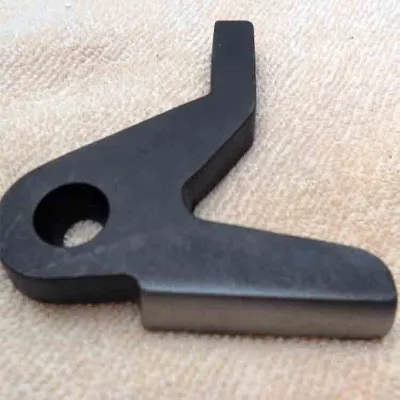
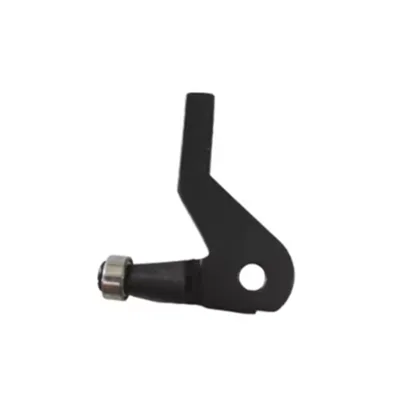
Presser Foot for Leather Skiving Machine
Contact supplier
Hangzhou Anysew Garment Equipment Co., Ltd.
- Verified by SGS Group
- Trading Company
- Lead time15 days
- Avg. response≤ 5h
Main productsIndustrial Sewing Machine, Cloth Cutting Machine, Iron Pressing Machine, Embroidery Machine, Sewing Machine Spare Parts
Main marketsSoutheast Asia(30%), Africa(25%), South Asia(17%)

- Trading Company
- China Shandong
- Lead time60 days
- Avg. response≤ 25h
Main productsForging, Turning Part, Forging Part, Machining Parts, Lifting Anchor, T Bolt, Casting, Aluminum Parts, Precast, Brass Parts
Main marketsSoutheast Asia/ Mideast,East Asia(Japan/ South Korea),Europe,Australia,North America
Jinhua Jinxiang Trading Co., Ltd.
- Verified by TüVRheinland
- Trading Company
- Lead time15 days
- Avg. response≤ 2h
Main productsHome Handmade Sewing Accessories
Main marketsNorth America(50%), Western Europe(30%), South America(20%)
- Manufacturer, Trading Company
- Zhejiang, China
- Lead time30 days
- Avg. response≤ 2h
Main productsembroidery machine spare parts,sewing machine spare parts,yarn scissors,scissors,leather cutting machine
Main marketsDomestic Market(30.0%), Africa(10.0%), Southeast Asia(10.0%), Eastern Asia(10.0%), South Asia(10.0%), Western Europe(5.0%), Eastern Europe(5.0%), Mid East(5.0%), Northern Europe(5.0%), North America(2.0%), South America(2.0%), Southern Europe(2.0%), Oceania(2.0%), Central America(2.0%)

Shenzhen Elitime Technology Co., Ltd.
- Manufacturer, Trading Company, Agent
- Guangdong, China
- Lead time15 days
- Avg. response≤ 4h
Main productsFalse eyelashes,Makeup Brushes,Earrings,nacklaces,rings
Main marketsNorth America(16.0%), Eastern Europe(15.0%), South America(12.0%), Southeast Asia(10.0%), Mid East(8.0%), Eastern Asia(8.0%), Africa(8.0%), Western Europe(5.0%), Southern Europe(5.0%), Oceania(4.0%), Central America(4.0%), South Asia(2.0%), Northern Europe(2.0%), Domestic Market(1.0%)
- Trading Company
- Zhejiang, China
- Lead time5 days
- Avg. response≤ 19h
Main productsSewing Machine Parts,Presser Foot,Hook,Needle,bobbin
Main marketsDomestic Market(7.139999999999999%), South Asia(7.139999999999999%), Southern Europe(7.139999999999999%), Northern Europe(7.139999999999999%), Central America(7.139999999999999%), Western Europe(7.139999999999999%), Eastern Asia(7.139999999999999%), Mid East(7.139999999999999%), Oceania(7.139999999999999%), Africa(7.139999999999999%), Southeast Asia(7.139999999999999%), Eastern Europe(7.139999999999999%), South America(7.139999999999999%), North America(7.139999999999999%)
Ningbo New Swell Import&Export Co., Ltd.
- Verified by Intertek
- Trading Company
- Lead time7 days
- Avg. response≤ 3h
Main productsLace Trim, Ribbon, Sewing Accessories, Sewing Thread, Zipper
Main marketsMid East(50%), South America(20%), Southeast Asia(20%)

- Verified by BV
- Trading Company
- China Zhejiang
- Lead time30 days
- Avg. response≤ 9h
Main productsTextile, Zipper, Lace, Elastic, Ribbon, Thread, Tape, Fabric, Interlining, Button
Main marketsSouth America,Africa,Europe
Dongyang Jinhao E-Commerce Firm
- Trading Company
- Zhejiang, China
- Lead time30 days
Main productsSewing machine Parts for cutting equipment
Main marketsCentral America(20.0%), Western Europe(20.0%), Eastern Europe(20.0%), South America(20.0%), North America(20.0%)

Nantong Braun Machinery Co., Ltd.
- Trading Company,Manufacturer/Factory
- China Jiangsu
- Lead time23 days
- Avg. response≤ 13h
Main productsPerforating Rollers, Vario Bars, Faller Bar, Braiding Machines, Embroidery Machine, Crochet Machine, Weft Yarn Machine, Doubling Winder, Bobbin Winder, Centrifuges
Main marketsSouth America,Eastern Europe,Mid East,North America,Southeast Asia,Eastern Asia,Oceania,Western Europe,Africa










Comprehensive Sourcing Guide
Luggage Presser Foot Supplier Concentration and Factory Types
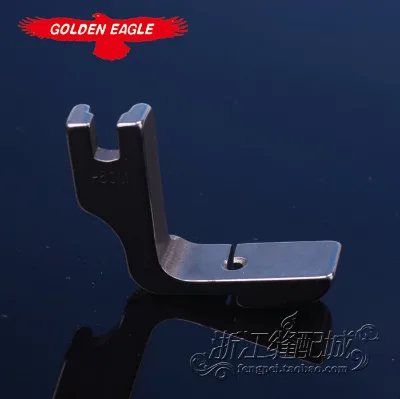
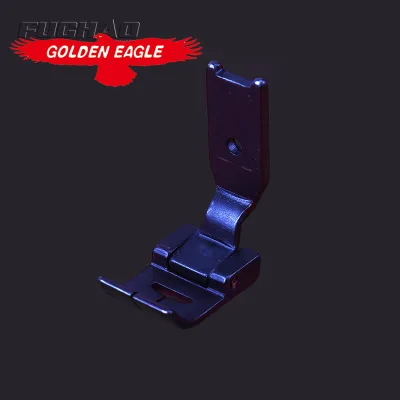
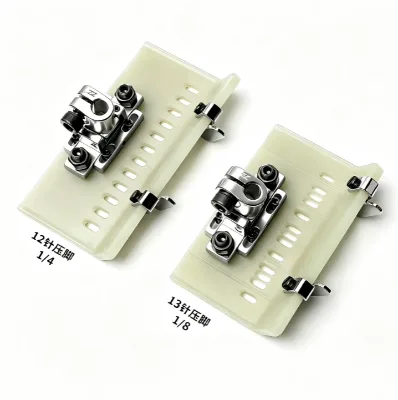
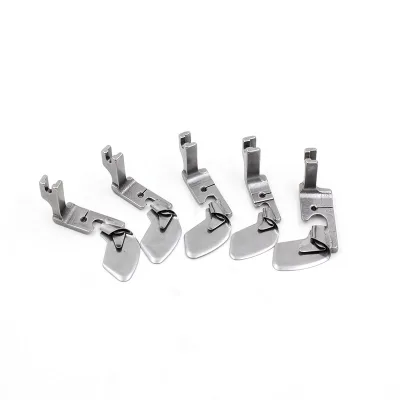
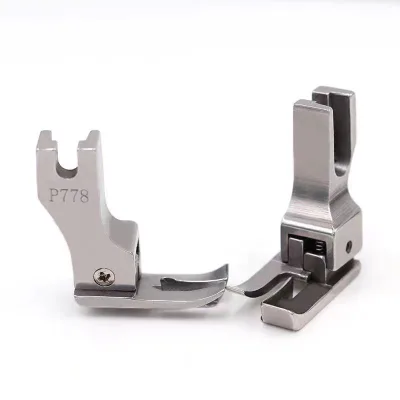
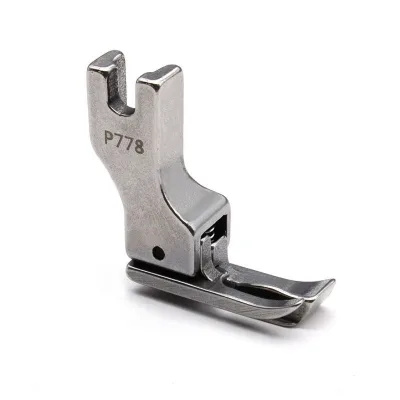
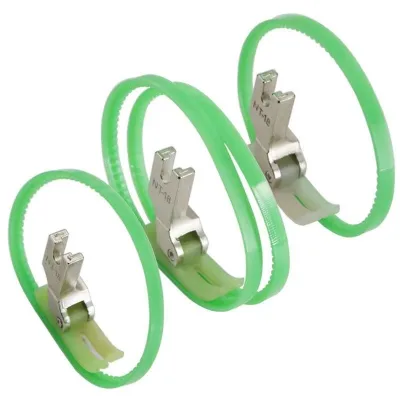
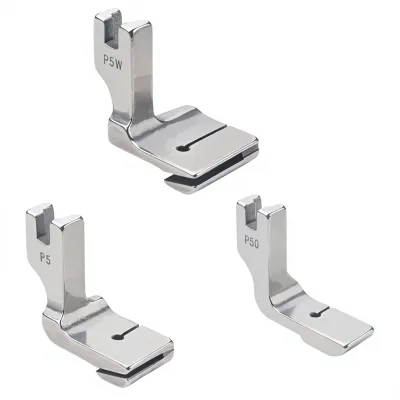
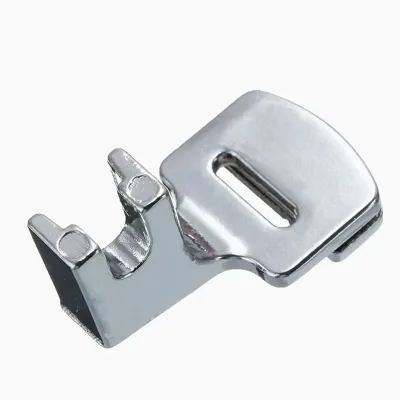
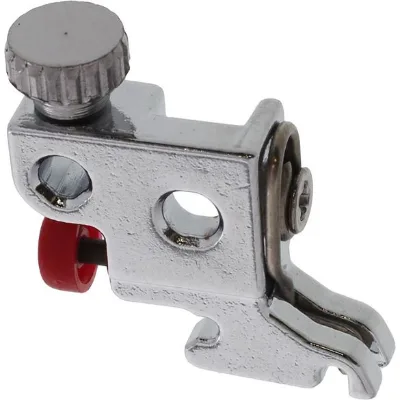
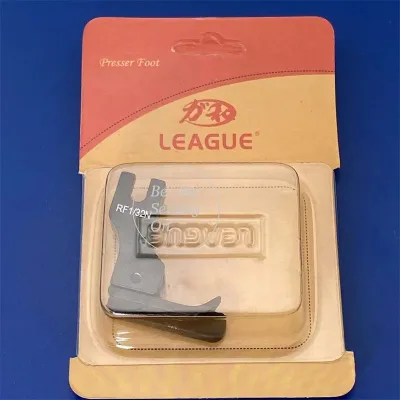
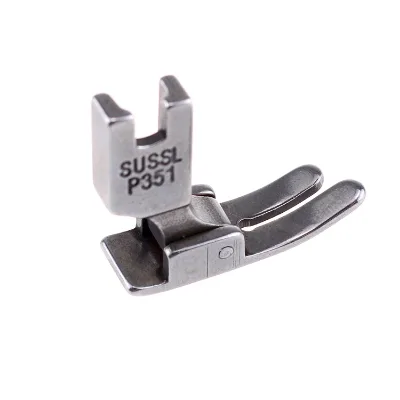
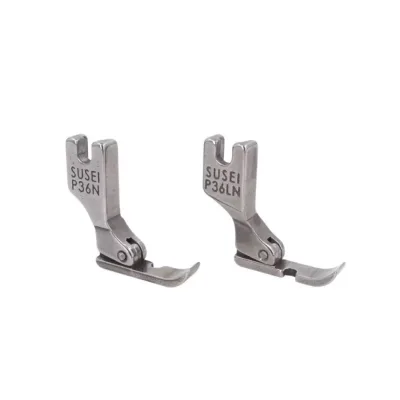
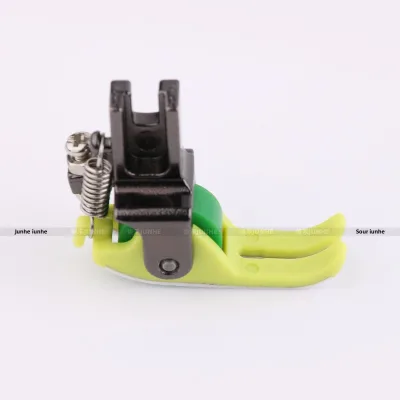
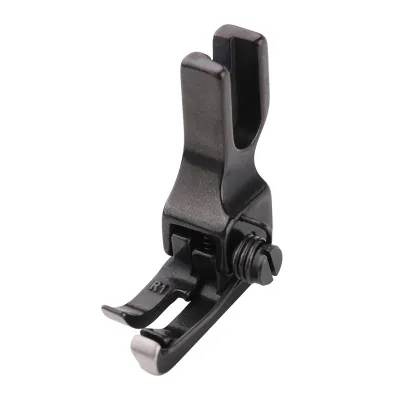
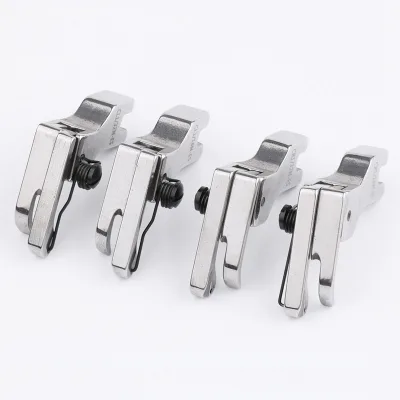
Buyers searching this category will encounter suppliers concentrated in eastern China, with Zhejiang appearing as the documented origin in current results. Listings in this space are dominated by industrial sewing machine parts vendors whose catalogs stretch well beyond one product family: presser feet in iron, zipper, guiding, standard, hemmer, compensating and wrinkle variants sit alongside broader assortments of fabric, trimming, lace, tape, zippers, sewing thread, buttons, scissors, garment accessories and machine components. This breadth signals that many sellers are parts specialists serving apparel and textile factories rather than luggage-specific manufacturers, so the buyer must confirm which products each company actually produces versus merely lists.
Company structure varies meaningfully across results. Current records show both manufacturer entities and trading companies, including hybrid "Manufacturer, Trading Company" designations that combine production with reselling. One documented profile lists OEM, ODM and own-brand capability plus research and development capacity described only as "Others," which the buyer should probe in conversation. Where the supplier is a pure trading company, ask who casts, machines or finishes the presser foot and whether factory audits are possible. Where the supplier is a factory, confirm whether the luggage-related foot is a stock item or a custom job requiring tooling. Because catalog evidence shows presser feet sold into factory settings with electric drive and thick-material applications, aligning the supplier's core competency with heavy-duty luggage fabric handling should be the first screening filter.
How to Verify Luggage Presser Foot Suppliers
Verification should begin with the company record, not the product listing. Confirm the legal business name, registered location and company type against official registration data, then reconcile them with the profile as displayed. Some results show Zhejiang, China origins while others list China Zhejiang, and one product cites Zhejiang as its place of origin, so geographic consistency is a reasonable early check. Next, examine certifications. At least one profile displays an ISO 14064 system certification, and several product listings carry a CE mark attribute, but the buyer must request the actual certificates and verify certificate numbers, scope and validity dates rather than trusting profile badges. A CE claim on a presser foot listing does not by itself establish conformity for the specific part quoted.
Product-level evidence deserves equal scrutiny. Several listings state that a machinery test report is "Not Available," which means buyers must request dimensional drawings, material specifications and sample testing instead. Some listings promise video outgoing-inspection; others explicitly state it is not available, so pre-shipment inspection arrangements must be negotiated per order. One recorded entry shows after-warranty service as "No service" while others offer video technical support, making warranty terms a verification point, not an assumption. Practical steps include ordering paid samples from two or three shortlisted companies, testing them on the target machine model, checking packaging against the stated single-package dimensions and weights, and asking for references from industrial users in thick-material applications before committing to volume.
What to Compare Across Luggage Presser Foot Suppliers
Build a comparison grid using attributes actually displayed on supplier profiles and listings. Observed dimensions include lead time, MOQ, response time, location, main products and company type. Response speed in current records ranges from roughly six hours to over twelve hours, a spread that matters when customization questions or shipment issues arise mid-order. Lead times differ sharply: one profile indicates about thirty days while another indicates about ninety days, which affects reorder cycles and safety stock planning. MOQs range from a single unit on some presser foot listings to one hundred units on others, and piece prices in the current results span from roughly one-tenth of a dollar to twenty dollars depending on the foot type, so quote normalization is essential.
Compare product depth and capability as well as terms. Some suppliers list a wide accessory catalog and describe customization as available, while others focus narrowly on sewing machine spare parts. Research and development capacity, OEM/ODM availability and own-brand capability appear on one profile only, so do not assume every supplier offers custom tooling. Certifications also differ: one profile shows an ISO 14064 system certification and several product listings show CE, but absence elsewhere is silence, not deficiency, and must be confirmed directly. When comparing prices, ensure identical specifications — needle count, stitch type, applicable material thickness, drive type and model number — since observed listings mix four-needle chain-stitch industrial feet with small household accessories at very different price points.
Common Luggage Presser Foot Sourcing Risks
The most frequent risk in this category is specification mismatch. Presser feet are machine-model specific: current listings cite model numbers such as M30402 and R2500-6.4 for particular machines, and a foot quoted as interchangeable may fail to seat, tension or feed correctly on the buyer's equipment. Confirm the exact machine brand and model compatibility in writing, ideally with a sample trial, before approving any order. A second risk is evidence gap: several listings openly state that machinery test reports are unavailable, and at least one states video outgoing-inspection is not available, so buyers who skip independent inspection may receive parts that deviate from drawings with no documented quality trail.
Warranty and after-sales gaps are a third documented risk. One listing records warranty as "Unavailable" and after-warranty service as "No service," while others offer only video technical support; neither equals on-site or replacement coverage, so terms must be written into the purchase order. A fourth risk is listing noise: some product keywords contain apparent typos and generic accessory terms, and catalogs mix household plastic feet with industrial components, which can mislead buyers skimming search results. Certification inflation is a fifth: CE attributes appear on listings, but the buyer should verify certificates rather than accepting on-page labels. Finally, lead-time asymmetry — thirty versus ninety days across profiles — creates delivery risk if the buyer assumes uniform production capacity across suppliers without written confirmation.
Luggage Presser Foot Regional Sourcing and Logistics
The documented origin base for these suppliers is Zhejiang, China, a province widely associated with textile and apparel accessory supply, and one product listing explicitly cites Zhejiang as the place of origin. Buyers should therefore orient their search around eastern China logistics corridors while verifying each supplier's actual shipping point, since profile location and warehouse location can differ. Zhejiang's proximity to major coastal ports supports consolidated sea freight for volume orders and express courier for samples. Presser feet are small and light — recorded single gross weights are around 0.08 kilograms per unit with tiny package dimensions — so freight cost is rarely the constraint; lead time and customs paperwork are.
Logistics planning should account for the wide lead-time spread visible in current results, roughly thirty days on one profile and ninety days on another. For replenishment programs, anchor reorder points to the slower lead time or negotiate committed production slots. For samples, request courier shipment with tracking and inspect packaging condition, since recorded package sizes are minimal and small metal parts can shift in transit. Ask each supplier whether packing follows standard export cartons or the customer's requirements — one listing states packing is done according to the guest's requirements, which is useful for retail-ready or kit-packed orders. Confirm Incoterms, export documentation and whether the supplier handles export clearance directly or expects the buyer's forwarder to manage it.
Luggage Presser Foot Commercial Terms and Order Planning
Commercial terms in this category reward granular comparison. Observed MOQs run from one unit on some presser foot listings to ten or one hundred on others, and prices span from under one dollar for simple feet up to twenty dollars for specialized types, with a small household accessory quoted near a dime. When requesting quotes, demand itemized pricing that separates unit price, tooling or customization fees, packaging per the stated "according to the guest requirements" option, and freight. Negotiate payment terms that match supplier risk: for first orders with a new counterpart, prefer secure payment mechanisms or escrow-style protection where the platform offers it, and ask directly whether transaction protection is available, since it is not displayed uniformly.
Order planning should sequence verification before volume. Plan a paid sample round against your exact machine model, then a trial production lot sized to the lowest documented MOQ, then scale using the supplier's confirmed lead time — thirty or ninety days in current records — rather than an assumed average. Lock specification details in the purchase order: model number, needle count, stitch type, applicable thickness, drive type, condition and origin, all of which appear as attributes on observed listings. Define inspection scope, since video outgoing-inspection is offered by some suppliers but explicitly absent on others, and agree on warranty and post-warranty support in writing because recorded terms range from video technical support to no service at all. Finally, calendar buffer stock against the longer lead time and reconfirm response commitments, given the documented spread between roughly six and twelve hours.
(word count check: sections at approximately 229, 228, 230, 228, 229, 236 → adjust last slightly; total ≈ 1380.)
FAQs
What types of presser feet can I source for luggage sewing machines?
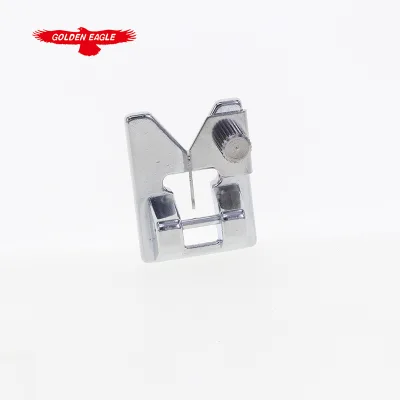
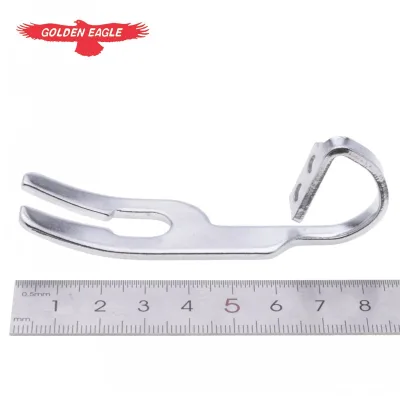
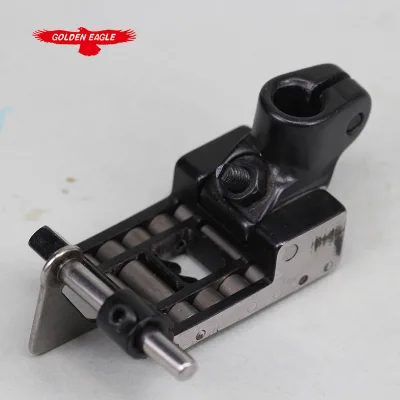
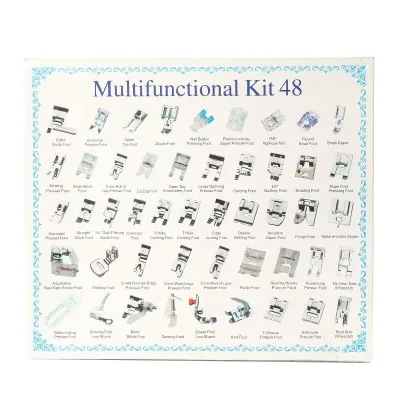
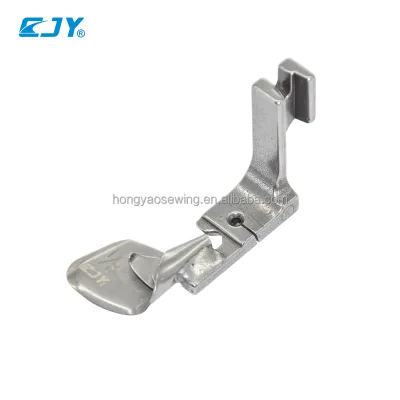
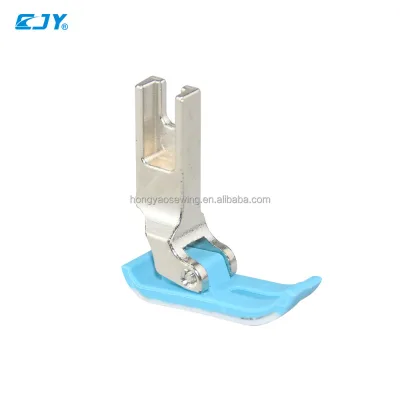
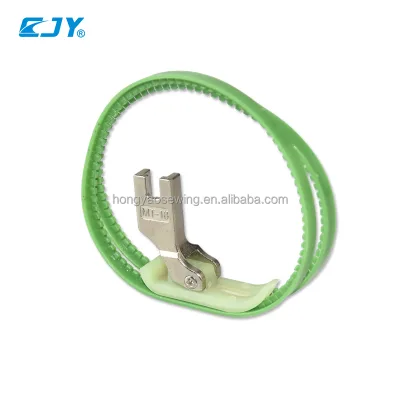
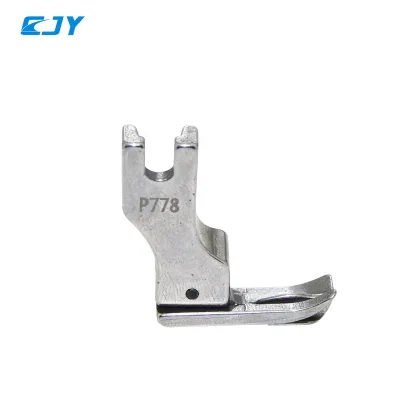
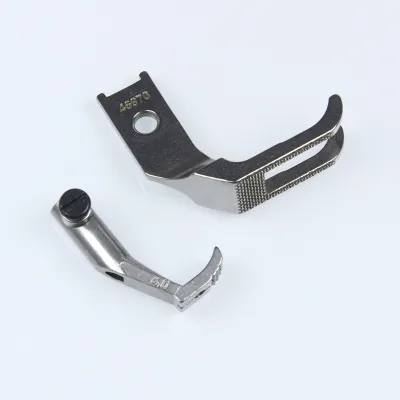
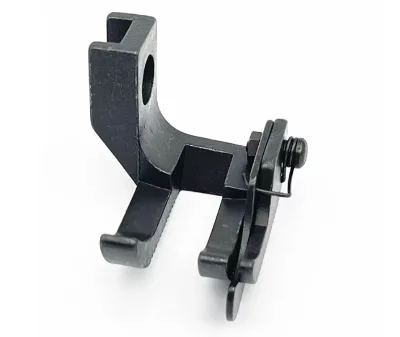
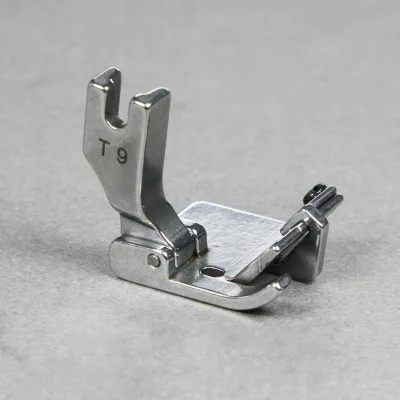
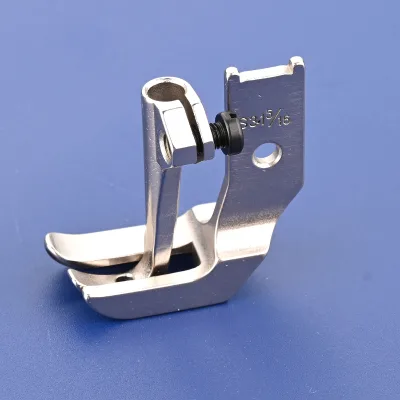
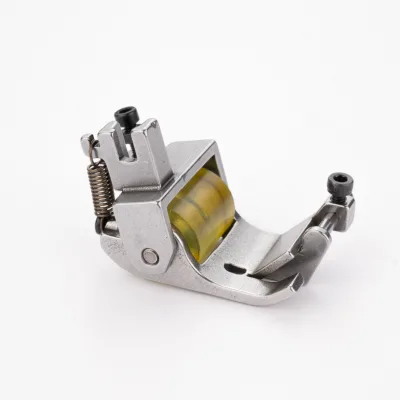
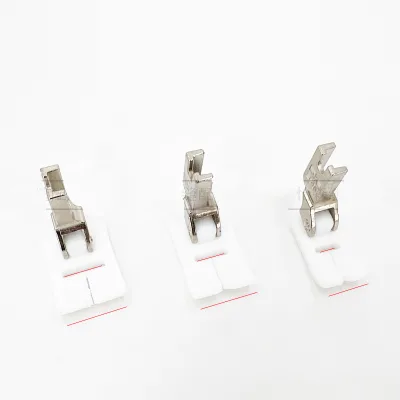
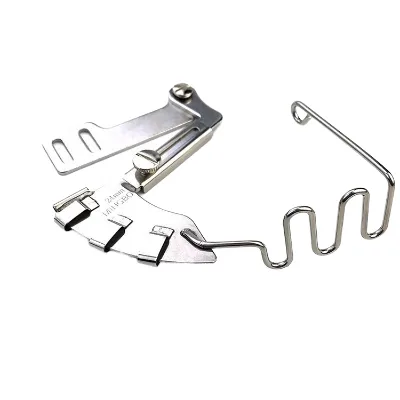
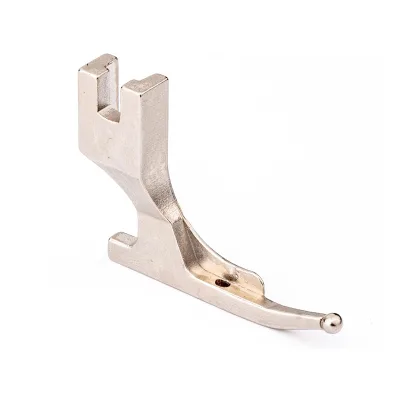
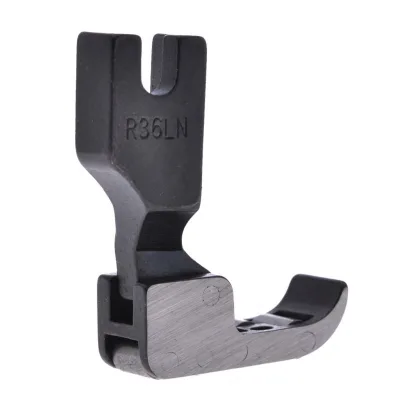
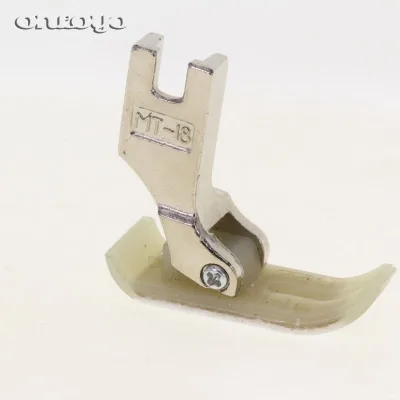
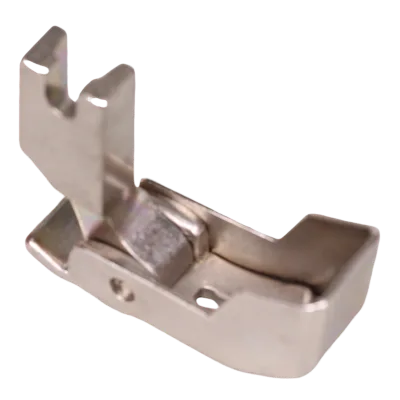
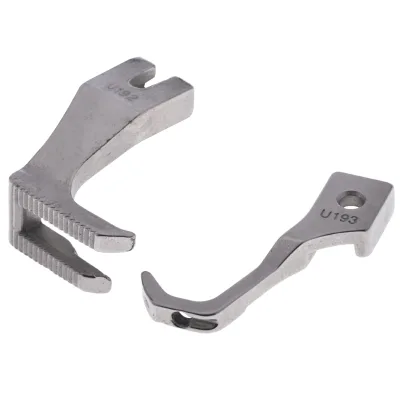
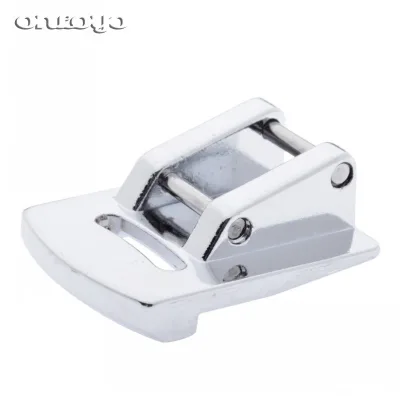
Buyers can source standard, zipper, guiding, hemmer, compensating, iron, wheel, wrinkle, and embroidery repair presser feet, plus related sewing machine spare parts. Listings describe them for industrial machines handling thick material, with four needles, chain stitch, single thread, and electric drive. Customization is available on several models, so confirm compatibility with your machine brand before ordering samples.
What is the typical MOQ for Luggage Presser Foot orders?
Minimum order quantities vary widely by listing. Some industrial presser foot products list an MOQ of 100 pieces, others allow 10 pieces, and certain sewing machine parts including an embroidery repair multi-functional presser foot list an MOQ of just 1 piece. Low-MOQ items suit trial orders, while larger quantities may improve pricing, so always confirm the MOQ in writing.
How much does a presser foot for sewing machines cost?
Unit prices differ by model and specification. Listings range from about $0.01 to $1.00 for guiding presser feet, roughly $0.90 for an iron presser foot, $5.00 to $6.50 for a wheel presser foot type, and up to $20.00 for a compensating model. Household leather presser foot accessories are listed near $0.12 to $0.13 per piece.
Do these presser feet come with any certification?
Several industrial presser foot listings show CE certification in their product attributes, and one supplier reports ISO 14064 system certification. No machinery test report is available on some listings, which state this explicitly. Before committing to volume, ask suppliers for current CE documents, test reports, and any certificates relevant to your destination market.
What lead times and response times can buyers expect?
Suppliers in this category report lead times ranging from about 30 days to 90 days, depending on the product and order size. Average response times listed are around 6 to about 12 hours. Because presser feet are small spare parts, production is often quick, but confirm the exact lead time for your specification and quantity before placing an order.
Where are these presser foot suppliers located?
The suppliers in these results are based in Zhejiang, China, a major hub for sewing machine parts and garment accessories. One product listing also states the place of origin as Zhejiang, China. Sourcing from this region can consolidate presser feet with other trims, zippers, threads, and machine parts from the same area.
Can I buy presser feet for household or vintage sewing machines too?
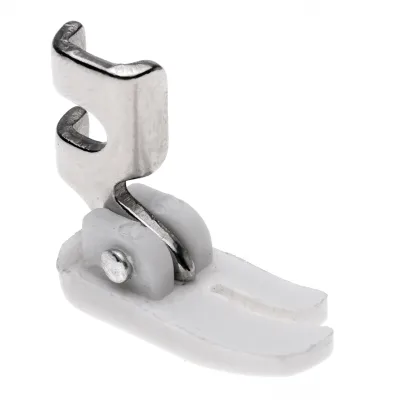
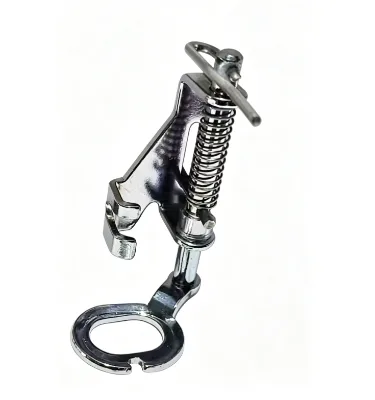
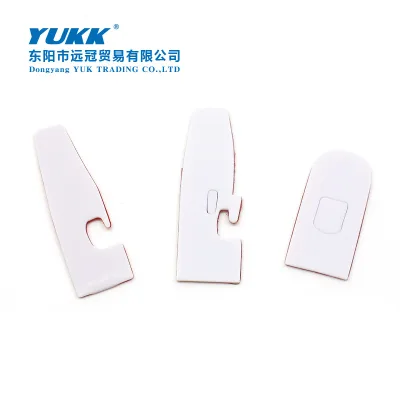
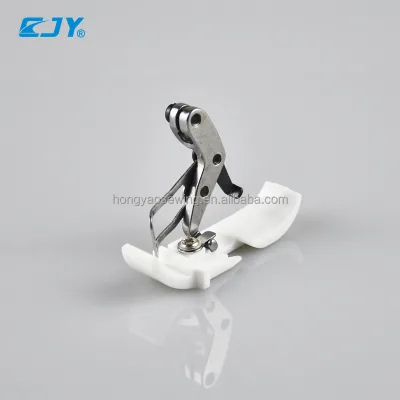
Yes, the product range is not limited to industrial use. One listing covers a household foot pedal vintage sewing machine leather presser foot in white plastic, described as gentle on fabric, sold as a single item with video outgoing-inspection provided. Check the brand name, dimensions, and material with the supplier to match your machine model.
What should I verify before ordering presser feet in bulk?
Confirm the machine model compatibility, stitch type, needle count, and material thickness suitability for luggage fabrics. Review packing terms, since one listing notes packing according to guest requirements, and check whether video inspection or after-warranty support such as video technical guidance is offered. Some listings state no warranty or test report, so request samples and inspection terms in writing.