Luminous Multifunction Watch Dial Suppliers and Manufacturers
Explore 16 verified suppliers offering Luminous Multifunction Watch Dial options with varying lead times, response speeds, and material specs. Compare dimensions, pricing, and certifications to select the right partner for your custom needs; review the available evidence before requesting comparable quotations from suitable candidates.
Suppliers List
Shenzhen Baoan Xixiang Quanyouhui Business
- Verified by TüVRheinland
- Trading Company
- Lead time0 days
- Avg. response≤ 5h
Main productsWatch Dial, Watch Parts, Watch
Main marketsNorth America(40%), Eastern Europe(10%), Southeast Asia(10%)
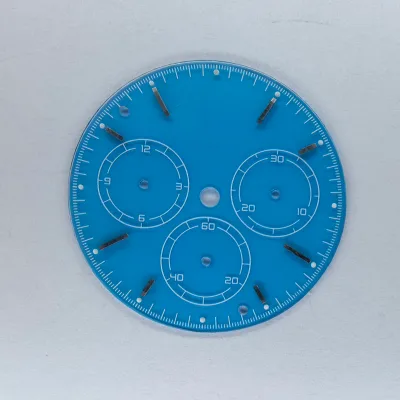
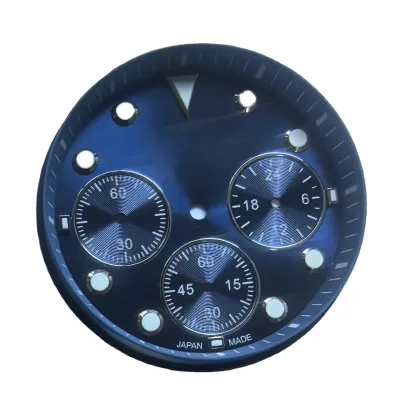
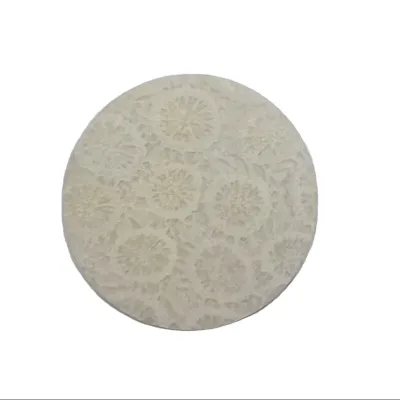
Coral Watch Dial Custom Watch Dial
$14.50 - $16.50
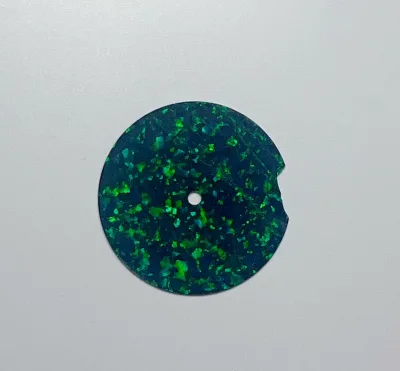
Opal Watch Dial Custom Watch Dial
$26.00 - $28.00
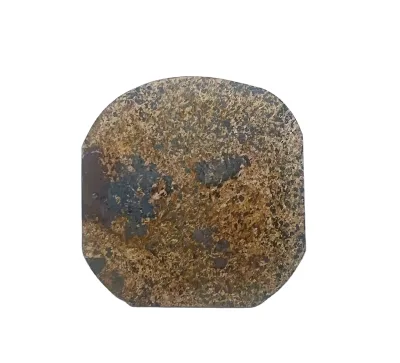
Bronze Watch Dial Custom Watch Dial
$21.00 - $23.00
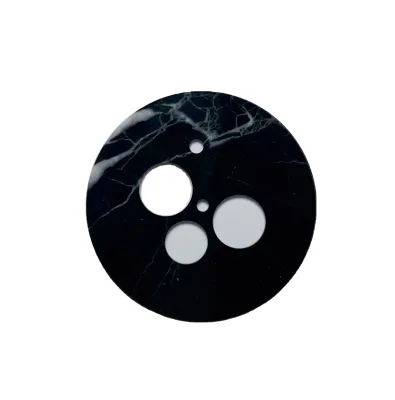
Marble Stone Watch Dial Custom Watch Dial
$7.50 - $9.50
Sillan (Guangzhou) Watch Co., Ltd.
- Distributor/Wholesaler
- Guangdong, China
- Lead time20 days
- Avg. response≤ 2h
Main productswatch accessorier,Batch Bezel,Watch Glass,Watch Hand,Watch Dial
Main marketsDomestic Market(90.00%), Western Europe(90.00%), Oceania(90.00%), North America(80.00%), Eastern Europe(70.00%), Africa(60.00%), South Asia(60.00%), Southern Europe(60.00%), Northern Europe(60.00%), Central America(60.00%), South America(60.00%), Eastern Asia(60.00%), Mid East(60.00%), Southeast Asia(60.00%)
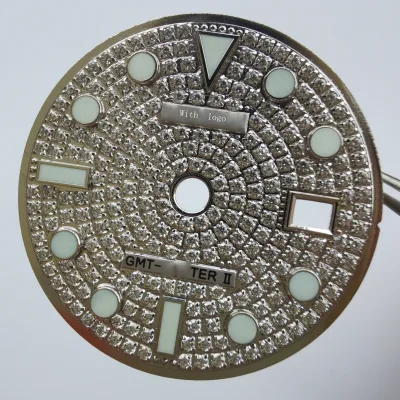
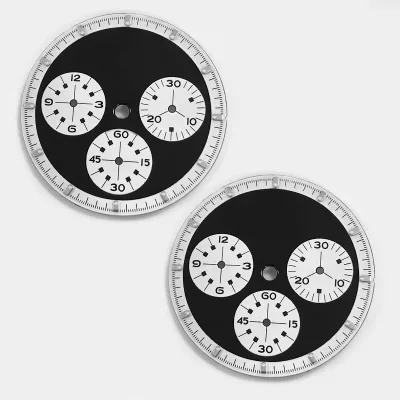
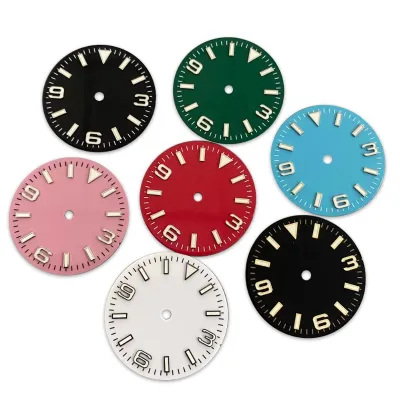
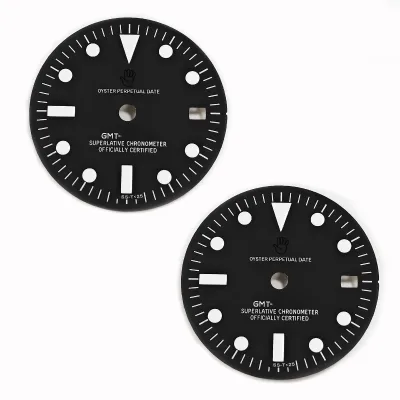
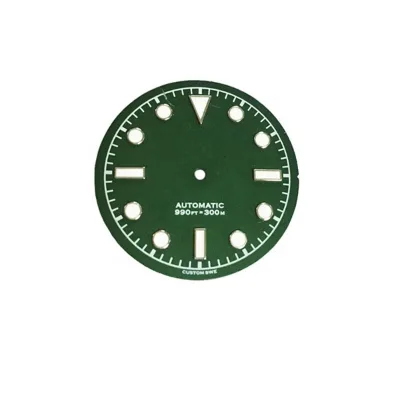
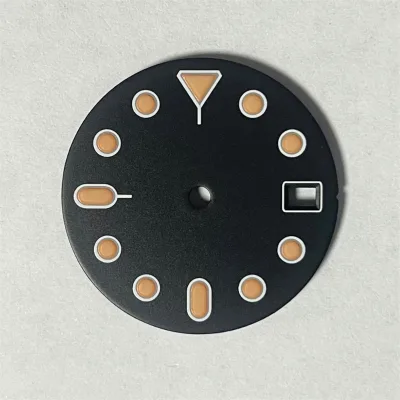
New 28.5MM Green Luminous Watch Dial for NH35/36/4R/7S Movement 3 6 9 Bar-Type Nails Accessories
$5.99 - $7.99
MOQ: 1 pieces
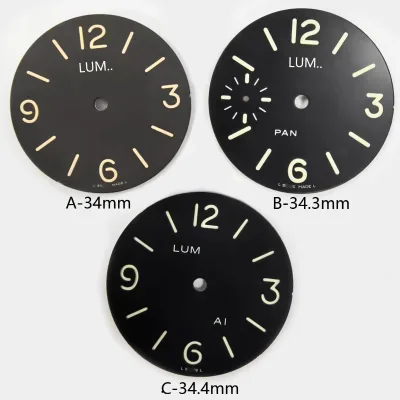
$25.00 - $35.00
MOQ: 2 pieces

Jinjiang Jiaxing Supply Management Co., Ltd.
- Verified by TUVRHEINLAND
- Trading Company
- China Fujian
- Lead time30 days
- Avg. response≤ 1h
Main productsEVA Clogs, Flip Flop, Shoe Charms, Shopping Bags, Wristbands, Gifts, Promotional Gifts, Slipper, Sport Cap, Ball
Main marketsNorth America
Shenzhen Furitime Electronic Ltd.
- Trading Company
- Guangdong, China
- Lead time50 days
- Avg. response≤ 6h
Main productsWatch,diving watches,automatic watches,slim watches,pilot watches
Main marketsNorth America(30.00%), Northern Europe(15.00%), Western Europe(15.00%), Eastern Europe(12.00%), Mid East(10.00%), Southern Europe(5.00%), Central America(5.00%), South America(5.00%), Oceania(3.00%)
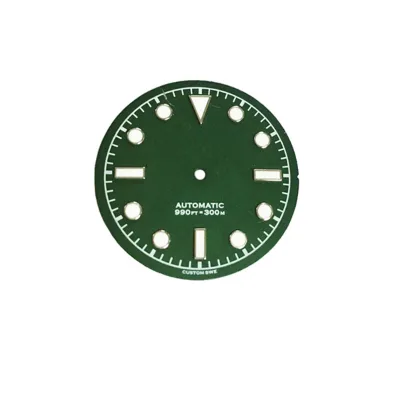
New Style Custom White Super Luminous Watch Dial for Quartz/Automatic Watches
$6.99 - $9.05
MOQ: 300 pieces

GOODLINESS JEWELLERY CO., LIMITED
- Verified by SGS
- Manufacturer
- China Guangdong
- Lead time23 days
- Avg. response≤ 6h
Main productsFashion Glasses, Fashion Watch, Fashion Hair Accessory, Stainless Steel Necklace, Stainless Steel Ring, Stainless Steel Earrings, Key Chain, Brooch
Main marketsSoutheast Asia/ Mideast,Europe,North America
Guangzhou Brig trading Co., LTD
- Manufacturer, Trading Company, Distributor/Wholesaler
- Guangdong, China
- Lead time0 days
- Avg. response≤ 2h
Main productsMechanical Wristwatch,Quartz Watches,Watch Accessories,Watch Parts
Main marketsNorth America(35.17%), Northern Europe(20.49%), South America(12.10%), Mid East(10.90%), South Asia(8.49%), Africa(3.29%), Central America(2.10%), Eastern Europe(1.90%), Western Europe(1.31%), Southern Europe(1.20%), Eastern Asia(1.09%), Southeast Asia(1.06%), Oceania(0.90%)
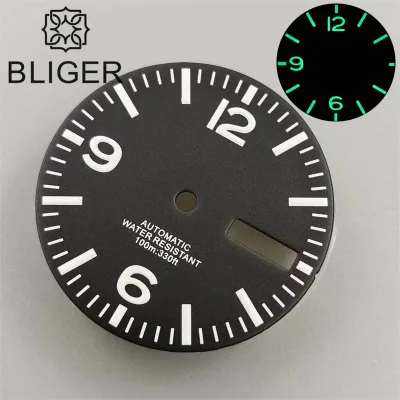
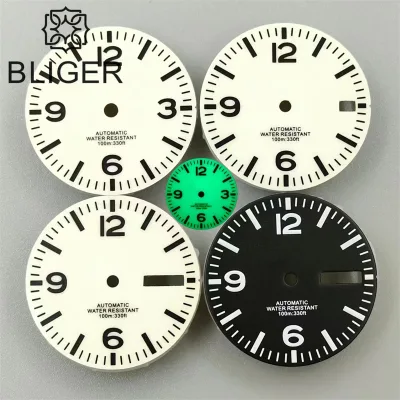
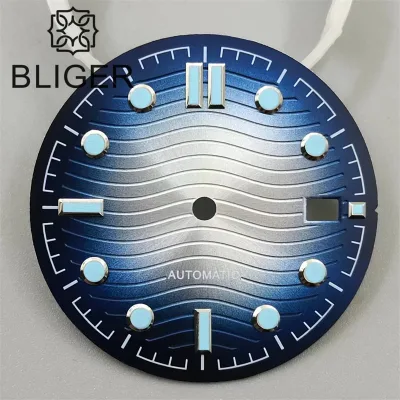
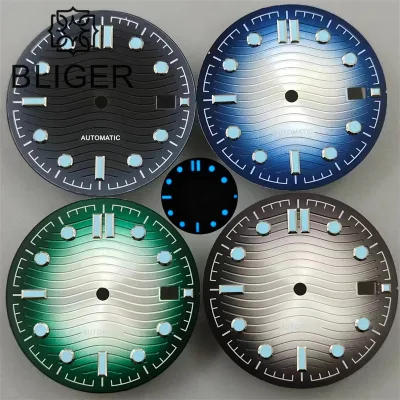
GlowEnhanced 29mm Watch Dial Super C3 Green Luminescent Compatible with DG 2813
$8.00 - $10.00
MOQ: 2 pieces
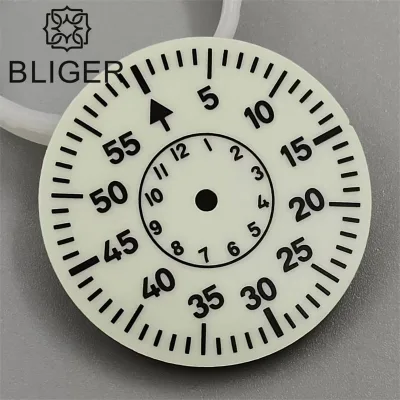
Replacement Watch Dial 29mm C3 Green Luminous Suitable for NH Series Movements
$8.00 - $9.00
MOQ: 2 pieces


Hunan Damai Technology Co., Ltd.
- Verified by CTI
- Manufacturer/Factory
- China Hunan
- Lead time15 days
- Avg. response≤ 23h
Main productsWatch, Moissanite Watch, Moissanite Jewelry, Custom Watch, Watch Accessories, Cultivate Diamond Jewelry
Main marketsSouth America,Eastern Europe,North America,Southeast Asia,Oceania,Western Europe


Multifunction Waterproof Chronograph Square Silicone Strap Sport Quartz Men's Watch
$15.27 - $16.55
MOQ: 1 Pieces

Huizhou Weisheng an Hardware Products Co., Ltd.
- Verified by SGS
- Combined
- China Guangdong
- Lead time30 days
- Avg. response≤ 4h
Main productsWatch Case, Watch Bracelet
Main marketsDomestic

Luminous Dial Markers Watch with Stainless Steel Band for Night Time Visibility
$55.00 - $999.00
MOQ: 5 Pieces

Skeleton Dial Mechanical Style Watch with Exhibition Case Back for Watch Enthusiasts
$55.00 - $999.00
MOQ: 5 Pieces

Full Luminous Dial Watch with Stainless Steel Band for Low Light Environments
$55.00 - $999.00
MOQ: 5 Pieces

Engraved Pattern Dial Watch with Stainless Steel Band for Artistic Expression
$55.00 - $999.00
MOQ: 5 Pieces

Stick Index Dial Watch with Polished Stainless Steel Band for Modern Minimalists
$55.00 - $999.00
MOQ: 5 Pieces
Guangzhou Yanoda Watch Co., Ltd.
- Manufacturer, Trading Company, Distributor/Wholesaler
- Guangdong, China
- Lead time7 days
- Avg. response≤ 2h
Main productsQuartz Watch,Mechanical Pocket Watch,Mechanical Watch,Party Favors,Festive & Party Supplies
Main marketsNorth America(36.00%), Domestic Market(30.00%), Southeast Asia(17.00%), Western Europe(11.00%), South Asia(1.00%), Southern Europe(1.00%), South America(0.50%), Oceania(0.50%), Africa(0.50%), Northern Europe(0.50%), Central America(0.50%), Eastern Europe(0.50%), Eastern Asia(0.50%), Mid East(0.50%)

- Trading Company,Manufacturer/Factory
- China Guangdong
- Lead time23 days
- Avg. response≤ 8h
Main productsGemstone, Jewelry, Gemstone Jewelry, Loose Gemstone Beads, Jewelry Rings, Jewelry Set, Jewellery Earrings, Pendant, Created Emerald, Cubic Zirconia
Main marketsSouth America,Eastern Europe,North America,Western Europe
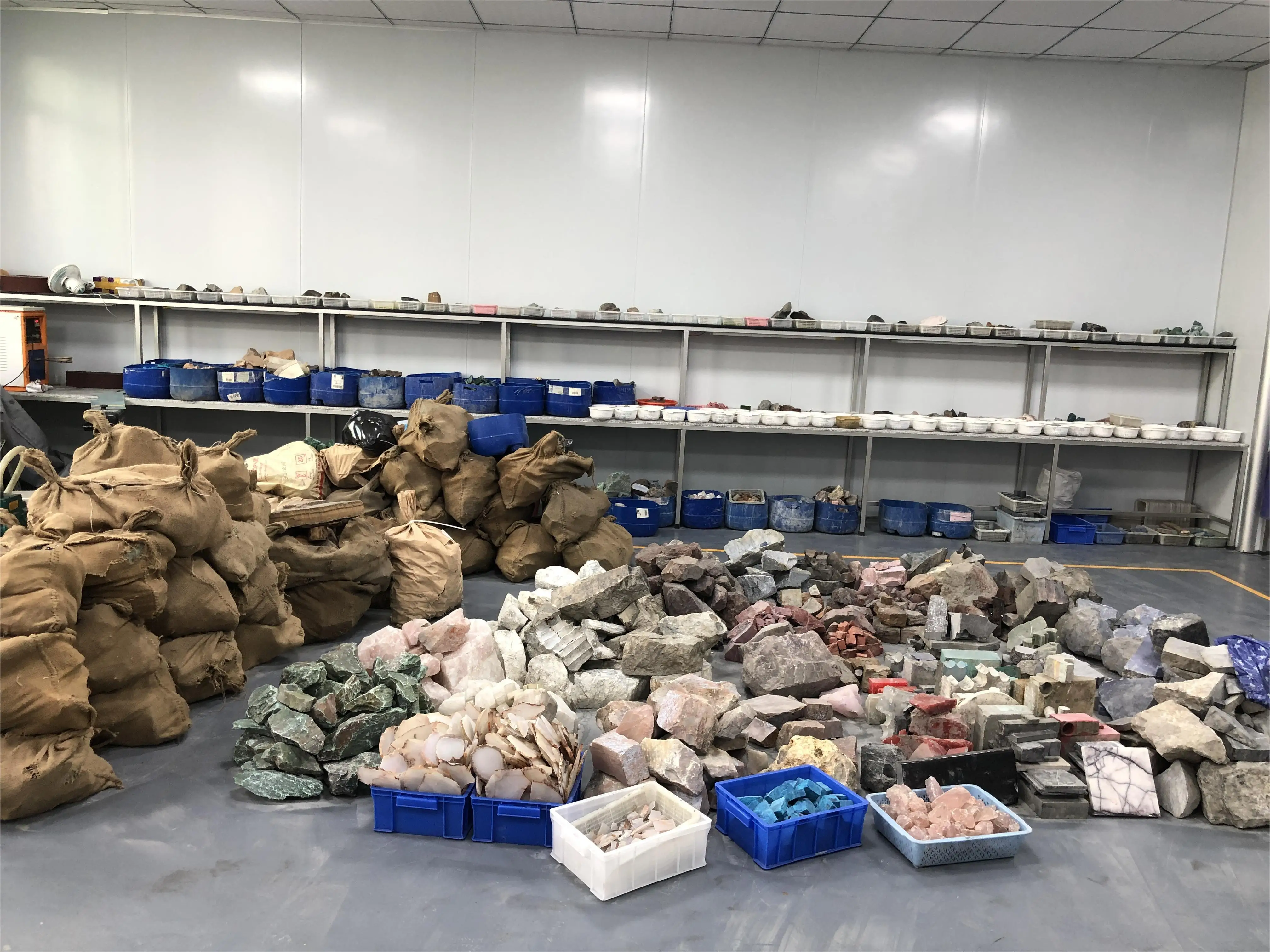
Heyuan Baoshi Technology Co., Ltd.
- Manufacturer, Trading Company
- Guangdong, China
- Lead time14 days
- Avg. response≤ 2h
Main productsStone dial,Stone jewelry,WATCH ACCESSORIES,Jewelry accessories,3C Accessories
Main marketsWestern Europe(40.00%), Northern Europe(20.00%), Eastern Europe(20.00%), North America(10.00%), Oceania(9.00%), Southeast Asia(1.00%)
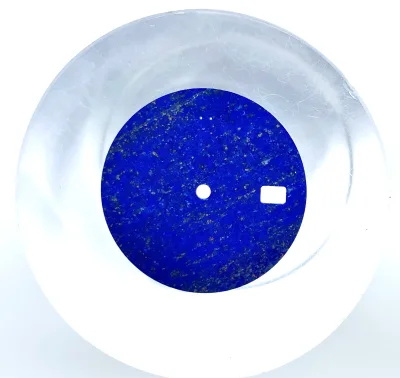
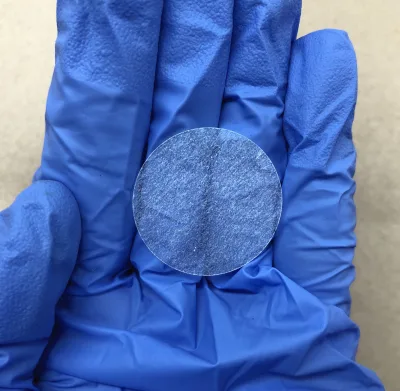
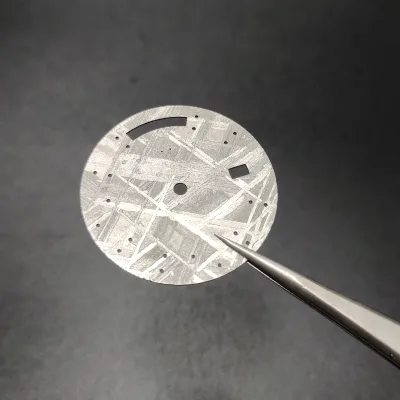
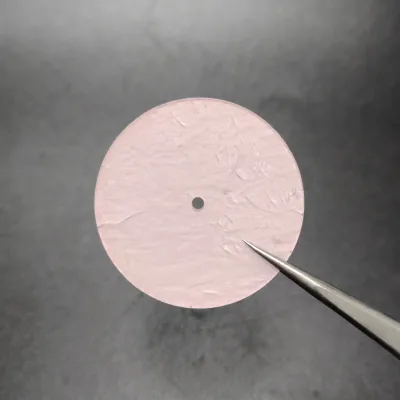
Special Materials Diy Watch Parts Dial for Watch Automatic Mechanical Movement
$16.94 - $20.03
MOQ: 50 pieces
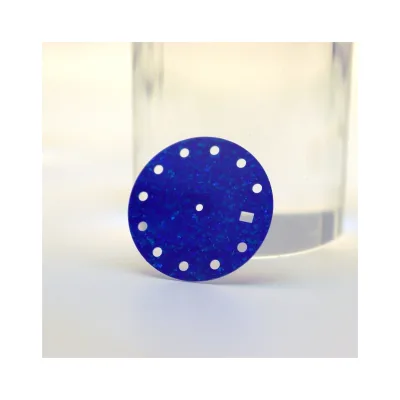
High Quality 30*0.45mm Gem Watch Dial Parts Glow Luxury Customize Watch Dials
$16.34 - $19.92
MOQ: 20 pieces
Quanzhou Beike Laien Trading Co., Ltd.
- Verified by SGS
- Trading Company
- China Fujian
- Lead time15 days
- Avg. response≤ 13h
Main productsWatch
Main marketsEurope,North America


$10.60 - $11.50
MOQ: 10 Pieces
- Trading Company
- Guangdong, China
- Lead time40 days
- Avg. response≤ 6h
Main productsWatches,Watch Part,automatic watch,men watch,lady watch
Main marketsNorth America(60.00%), Northern Europe(10.00%), Western Europe(10.00%), Mid East(6.00%), Southeast Asia(5.00%), Eastern Europe(3.00%), South America(3.00%), Oceania(3.00%)
Shenzhen Chengdaxin Technology Co., Ltd.
- Verified by SGS Group
- Trading Company
- Lead time7 days
- Avg. response≤ 4h
Main productsWatch bands, Smart watch, Jewelry, Watch case
Main marketsNorth America(20%), Africa(15%), Eastern Asia(15%)
$8.25 - $11.34
MOQ: 5 pieces
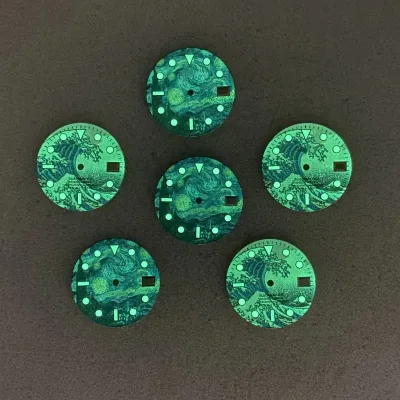
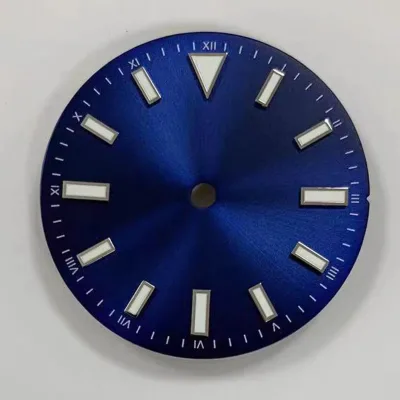
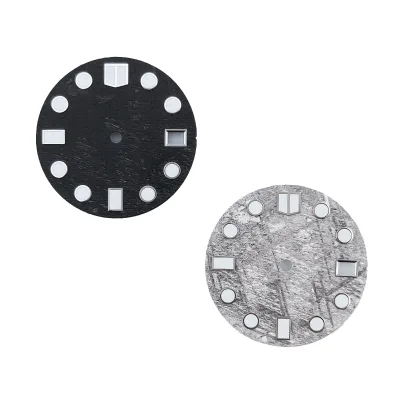
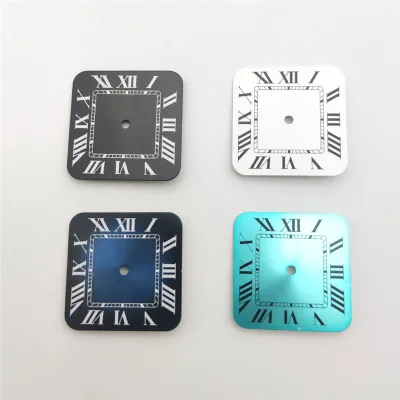

Shenzhen Changthai Technology Co., Ltd.
- Manufacturer, Trading Company, Distributor/Wholesaler
- Guangdong, China
- Lead time30 days
- Avg. response≤ 6h
Main productsWatch,watch parts,clock
Main marketsNorth America(18.00%), Southeast Asia(10.00%), Eastern Europe(10.00%), Western Europe(10.00%), Northern Europe(8.00%), Eastern Asia(8.00%), Mid East(8.00%), Central America(8.00%), South Asia(5.00%), Southern Europe(5.00%), South America(5.00%), Africa(5.00%)
Ganzhou Dengxian Trading Co., Ltd.
- Trading Company
- Jiangxi, China
- Lead time0 days
- Avg. response≤ 2h
Main productswatch,quartz watch,Mechanical watches,Watch accessories,watch dial
Main marketsEastern Europe(70.00%), Southeast Asia(10.00%), North America(10.00%), South America(10.00%)




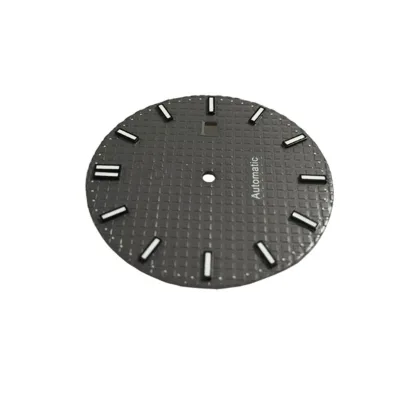
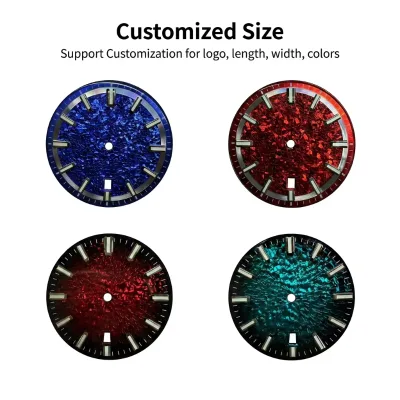
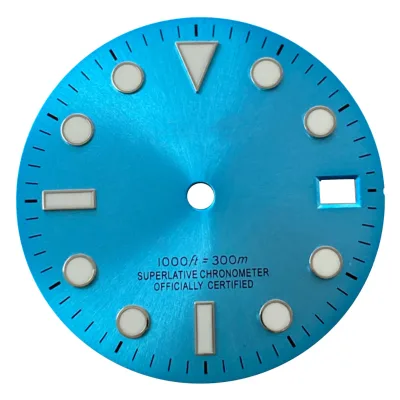
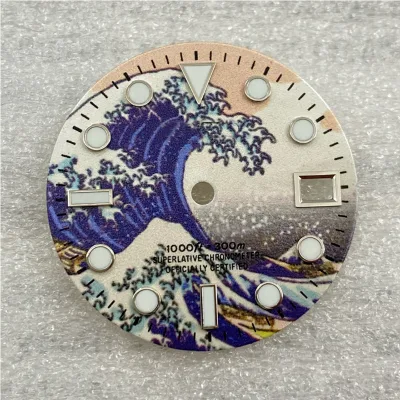
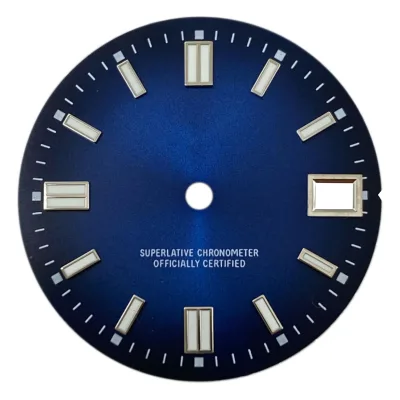
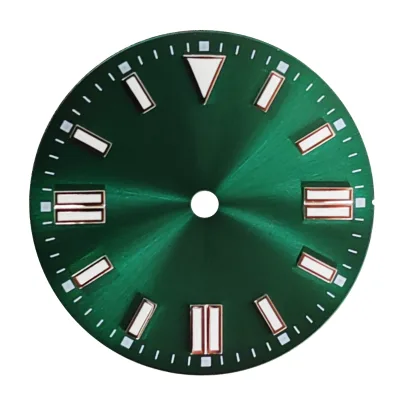
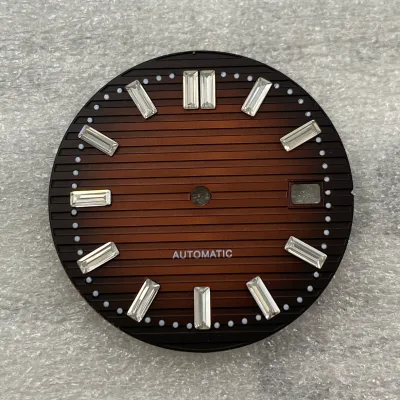
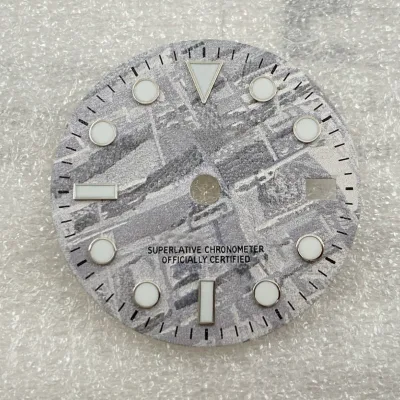
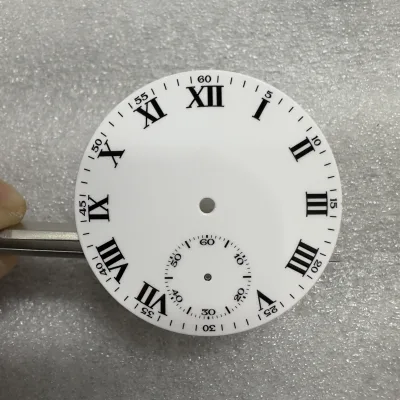
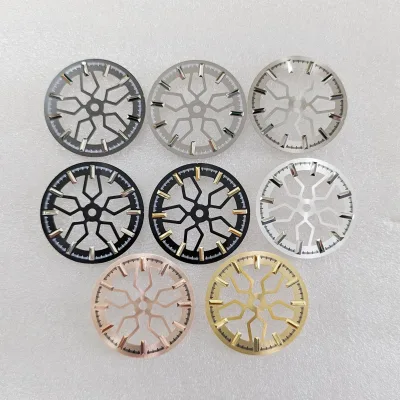
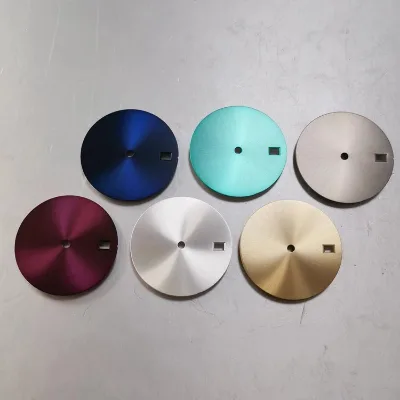
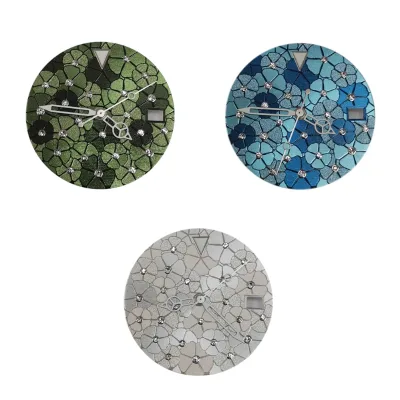
Comprehensive Sourcing Guide
Luminous Multifunction Watch Dial Supplier Concentration and Factory Types
The available data indicates a concentration of suppliers in Guangdong, China, specifically for products like the Custom Watch Dial Sapphire Dial Luminous Dot and various other luminous variants. This region appears to host both Trading Companies and Distributors/Wholesalers who specialize in watch accessories, parts, and glass. Some entities list main products including watch dials, bezels, hands, and glass, suggesting a cluster of specialized manufacturers or aggregators in this province. Buyers should verify if specific factories within this region possess the capacity for sample processing and graphic processing, as these are listed capabilities for some suppliers. The presence of multiple company types implies a supply chain where trading companies may source from local factories or act as intermediaries for distributors.
When assessing the factory types, it is crucial to distinguish between entities that manufacture and those that trade. The observed data shows a mix of Trading Companies and Distributors/Wholesalers, which affects the directness of the supply chain. A Trading Company might offer a broader range of watch parts, while a Distributor could focus on specific movements or branded components. Buyers must confirm the actual manufacturing capability of the supplier rather than assuming a factory status based on the product listing alone. The location in Guangdong suggests access to a mature supply chain for watch components, but the specific factory type determines the level of customization and control a buyer can exert over the production process.
How to Verify Luminous Multifunction Watch Dial Suppliers
Verification of suppliers for luminous multifunction watch dials requires checking specific credentials and response metrics provided in the search results. One observed verification status is TüVRheinland, which serves as a concrete indicator of third-party assessment for certain suppliers. Buyers should prioritize suppliers displaying this or similar verification badges to ensure a baseline of operational reliability. Additionally, response times are a critical metric; some suppliers demonstrate a response time of 2, while others show a time of 5. A faster response time often correlates with better communication channels and more attentive customer service, which is vital for custom orders involving specific luminous features or dial designs.
Beyond verification badges and response speeds, buyers must examine the product evidence to confirm the supplier's actual capabilities. The data includes specific product attributes such as material composition, color options, and movement compatibility. For instance, some listings specify materials like Brass or Stainless Steel and compatibility with movements such as 2836 or 4130. Buyers should cross-reference these technical details with their own requirements to ensure the supplier can deliver the exact specifications needed. It is also important to check if the supplier offers customized options, as indicated by attributes like "custom" size or "as client request" branding. This level of detail helps confirm that the supplier is not merely a generic reseller but can handle specific customization requests for luminous dials.
What to Compare Across Luminous Multifunction Watch Dial Suppliers
Comparing suppliers involves analyzing key operational dimensions such as lead time, minimum order quantity, and pricing structures. The observed data reveals significant variation in lead times, with some suppliers listing a lead time of 0, while others indicate a lead time of 20. This discrepancy suggests differences in inventory availability versus made-to-order production models. Buyers must determine if they require immediate stock or can accommodate a longer production window. Similarly, minimum order quantities (MOQ) vary widely, ranging from 1 unit for specific movement-compatible dials to 50 units for custom dial options. Understanding these thresholds is essential for aligning supplier capabilities with the buyer's order volume and budget constraints.
Pricing and product attributes also require careful comparison across different suppliers. The price range for luminous multifunction watch dials spans from approximately 7.50 to over 112.00, depending on the material, complexity, and movement compatibility. Some products are priced based on single items, while others may have bulk pricing tiers. Buyers should compare the price per unit against the specified material, such as Brass or Stainless Steel, and the specific features like luminous dots or ring indexes. Additionally, the main products listed by each supplier can indicate their specialization; some focus on general watch parts, while others specialize in specific dial types. This comparison helps identify the most cost-effective and suitable supplier for the specific project requirements.
Common Luminous Multifunction Watch Dial Sourcing Risks
One significant risk in sourcing luminous multifunction watch dials is the potential mismatch between product specifications and actual delivery. The data shows that some products have "custom" attributes for size, weight, and usage, which can lead to ambiguity if not clearly defined in the purchase order. Buyers must ensure that all custom requirements, such as specific luminous colors or dial dimensions, are explicitly documented to avoid receiving non-compliant goods. The variability in product attributes, such as color options ranging from Blue and White to Green and Black, highlights the need for precise communication to prevent errors in the final product.
Another risk involves the reliability of lead times and the consistency of supplier response. While some suppliers list a lead time of 0, indicating immediate availability, others show a lead time of 20, which could delay project timelines. If a buyer relies on a supplier with a longer lead time without accounting for it, production schedules may be disrupted. Furthermore, the response time of 2 or 5 indicates the speed of communication, but a slow response could hinder problem resolution during the production process. Buyers should verify these metrics with the supplier directly to ensure they align with the project's urgency and to mitigate the risk of delays or miscommunication.
Luminous Multifunction Watch Dial Regional Sourcing and Logistics
The primary sourcing region identified in the data is Guangdong, China, which appears to be a hub for watch dial manufacturing and distribution. This location is consistently cited in product attributes for various luminous dials, suggesting a concentrated supply chain in this province. Buyers sourcing from this region should be aware of the logistics involved in shipping from Guangdong to international destinations. The proximity of suppliers to major ports in the region can facilitate efficient shipping, but buyers must account for transit times and potential customs procedures. Understanding the regional concentration helps in planning logistics and estimating delivery schedules accurately.
Logistics planning also involves considering the packaging and weight of the products, which are detailed in the product attributes. For example, some items have a single gross weight of 0.500 kg, while others are as light as 0.010 kg. These weight differences impact shipping costs and the choice of freight method. Buyers should calculate the total weight and volume of their order to determine the most cost-effective shipping solution. Additionally, the single package size, such as 18.5X11X8 cm or 13X8X9 cm, affects how items can be consolidated for shipment. Proper logistics planning ensures that the luminous multifunction watch dials arrive safely and on time, minimizing the risk of damage or delays during transit.
Luminous Multifunction Watch Dial Commercial Terms and Order Planning
Commercial terms for luminous multifunction watch dials vary significantly based on the supplier's policies and the specific product requirements. The data indicates that some suppliers offer a minimum order quantity of 1, making them suitable for small-scale testing or prototyping, while others require a minimum of 50 units. Buyers must align their order planning with these MOQs to avoid unnecessary costs or order rejections. Additionally, the price range for these products is broad, reflecting differences in material quality, customization, and movement compatibility. Understanding these commercial terms is crucial for budgeting and ensuring that the order meets the financial constraints of the project.
Order planning also requires attention to the specific attributes of the products, such as movement compatibility and material composition. Some dials are designed for specific movements like the 2836 or 4130, while others are compatible with a range of movements. Buyers must verify these details to ensure the dials fit their intended watch models. The presence of features like luminous dots or ring indexes adds another layer of complexity to the order planning process. By carefully reviewing the product attributes and commercial terms, buyers can create a robust order plan that minimizes risks and ensures the successful acquisition of high-quality luminous multifunction watch dials.
FAQs
What is the price range for custom luminous watch dials?
Custom luminous watch dials typically range from 7.50 to 50.00 USD per unit depending on material and design complexity. Specific items like marble stone dials start at 7.50 USD, while diamond variants can reach 50.00 USD. Prices vary based on color options and specific movement compatibility requirements.
What are the minimum order quantities for these watch parts?
Minimum order quantities vary significantly by product type, ranging from 1 to 50 units. Some standard custom dials require a minimum of 50 pieces, whereas specialized movement-specific dials may allow orders as low as 1 unit. Buyers should verify the specific MOQ for their chosen model before placing an order.
Where are these watch dials manufactured and shipped from?
All listed watch dials originate from Guangdong, China, ensuring consistent manufacturing standards. The products are shipped from this region with specific packaging dimensions provided for each item. Buyers can expect origin details to be clearly stated on product specifications for every custom dial listed.
How quickly do suppliers respond to inquiries about these parts?
Supplier response times for these watch parts are generally fast, with some companies responding within 2 hours. Other suppliers may take up to 5 hours to reply to initial inquiries. This ensures buyers receive timely information regarding availability, pricing, and customization options for their specific needs.
What materials are used to make these custom watch dials?
Common materials include brass, stainless steel, and sapphire glass for various dial types. Some products feature luminous dots or indexes integrated into the brass or steel base. Buyers can find options with specific material properties like durability or multifunction features depending on the selected model.
Are there options for custom branding on these watch dials?
Yes, many suppliers offer custom branding where the brand name can be set as per client requests. Some products allow for logo integration, such as with specific movement compatibility. Buyers should confirm specific branding capabilities and any additional costs associated with customizing the brand name on the dial.
What certifications do the suppliers holding these products have?
Some suppliers are verified by TüVRheinland, indicating a level of quality assurance and reliability. This verification helps buyers trust the manufacturing standards and product consistency. Buyers should check individual supplier profiles for specific certification details relevant to their sourcing requirements.