Luminous Lights Electric Robot Toy Suppliers and Manufacturers
Explore 28 verified suppliers offering luminous lights electric robot toys with ODM and OEM capabilities. Compare response times, lead times, certifications like CE and EN71, and pricing ranges to find the right partner. Contact suppliers directly to request samples and confirm customization options.
Suppliers List

Shantou Chenghai Xaqi Toys Industrial Co., Limited
- Verified by BV
- Combined
- China Guangdong
- Lead time23 days
- Avg. response≤ 5h
Main productsRemote Control Car, Educational Toy, Sport Toy, Pretend Play Toys, Remote Contro Toy, Baby Toy, Summer Toy, B/O Toy
Main marketsSoutheast Asia/ Mideast,Domestic,Europe


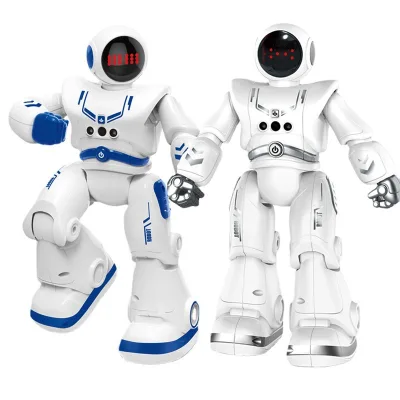
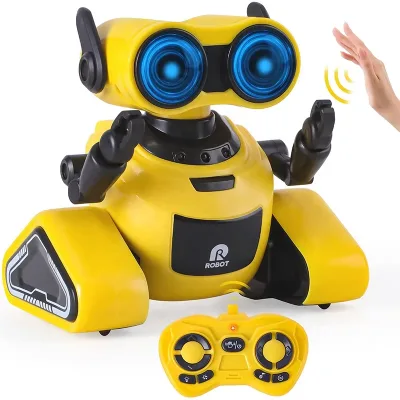
Dancing Intelligent Remote Control Robot Smart Robot /Intelligent RC Toy
$10.54 - $11.54
MOQ: 90 Pieces

Shantou Xinxin Technology Co., Ltd
- Verified by CTI
- Trading Company
- China Guangdong
- Lead time15 days
- Avg. response≤ 3h
Main productsToys, RC Toys, Children's Cosmetics, Drone, Remote Control Toy, Plasticene, Superlight Clay, Electrical Toys, Remote-Control-Toys, Toy
Main marketsSouth America,Southeast Asia/ Mideast,Europe,North America

Programming Remote Control Robot Toy Intelligent Question and Answer Electric Robot Toy
$10.70 - $11.60
MOQ: 120 Pieces

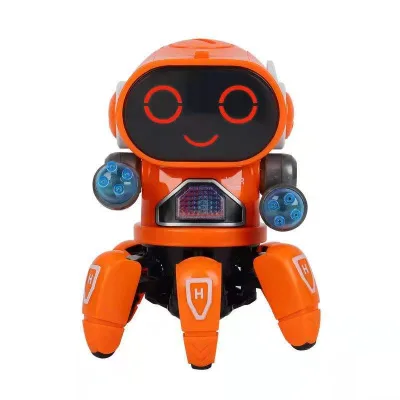
Electric Toy Robot with Light Rotating Dancing Fighting Robot Multifunctional Educational Toy
$3.30 - $3.57
MOQ: 600 Pieces


Jinjiang Zhengzheng Technology Co., Ltd.
- Trading Company
- China Fujian
- Lead time0 days
- Avg. response≤ 1h


Children's Early Education Electric Robot, Music and Light Display Toy, Dancing Robot
$2.22 - $2.52
MOQ: 200 Pieces

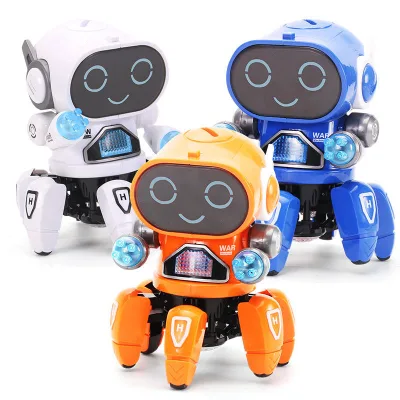
Wholesales New Children's Electric Toy Robot with Colorful Lights, Music
$2.78 - $3.71
MOQ: 200 Pieces

$3.24 - $3.74
MOQ: 200 Pieces

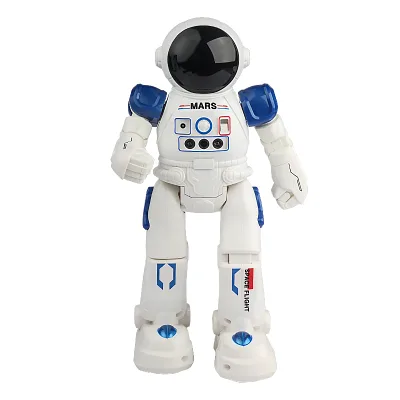
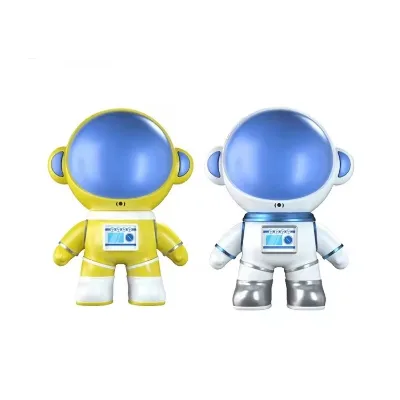
Intelligent Robot Toy Electric Astronaut Fully Automatic Rotating, Multi-Directional Walking
$2.78 - $3.71
MOQ: 200 Pieces

- Verified by TUVRHEINLAND
- Trading Company
- China Zhejiang
- Lead time15 days
- Avg. response≤ 17h
Main productsStationery Set, Calendar, Promotion Pen, Bottle, Car Products, Fidget Toy, DIY Toy, Education Toy, Art Set, Pencil Case
Main marketsSouth America,Europe,North America


Voice Control Multifunction Music Remote Control Intelligent Kids' Electric Robot Toy
$1.00 - $1.80
MOQ: 500 Pieces

Singing Dancing Music Lights Swinging Little Moe Cow Robot Kids Electric Toy
$1.00 - $1.80
MOQ: 500 Pieces

- Verified by TUVRHEINLAND
- Trading Company,Manufacturer/Factory
- China Guangdong
- Lead time45 days
- Avg. response≤ 1h
Main productsDancing Figures, Magic Wand, Bubble Wand, Party Favors, LED Spinner, LED Stick LED Sword LED Gun, Light up Christmas Toy Gift, Light up Halloween Toy Gift, Easter Toy Gift, Electric Toy
Main marketsSouth America,Eastern Europe,Mid East,North America,Southeast Asia,Eastern Asia,Oceania,Western Europe,Africa

Electric Dancing Unicorn Robot Toy with Drumming Action LED Light Music for Kids
$2.71 - $2.90
MOQ: 240 Pieces

Adorable Electric Dancing Panda Robot Toy with Lights and Music for Kids
$2.40 - $2.55
MOQ: 600 Pieces

Electric Interactive Dancing Fox Robot Toy with Light and Music for Kids
$2.45 - $2.55
MOQ: 300 Pieces

Adorable Rabbit Dancing Robot Toy with Flashing Lights and Music for Kids
$2.44 - $2.54
MOQ: 300 Pieces

Fun Electric Duck Robot Toy with Lights Music Rechargeable Battery for Children
$3.21 - $3.52
MOQ: 384 Pieces

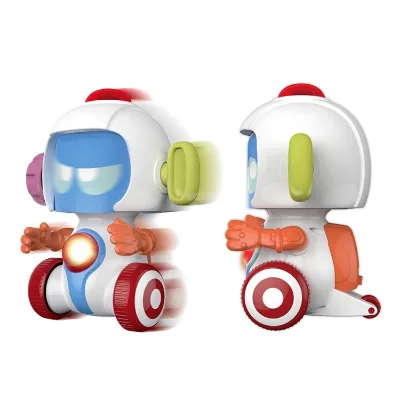
Electric Interactive Musical LED Robot Toy with Rotating Wheels for Children
$2.97 - $3.13
MOQ: 60 Pieces
Shenzhen Jiumai E-Commerce Co., Ltd.
- Manufacturer, Trading Company
- Lead time旺季: "1 - 10":3,"11 - 500":7,"> 500":"To be negotiated", 淡季: "1 - 10":3,"11 - 500":7,"> 500":"To be negotiated"
- Avg. response≤ 3h
Main productsPlush toys,Keychain toys,Remote control car toys,Educational toys,fidget toys

- Verified by BV
- Trading Company
- China Guangdong
- Lead time15 days
- Avg. response≤ 4h
Main productsPlastic Toys, Baby Toys, Educational Toys, Plush Toys, Pretend Play Toys, RC Toys, Doll Toys, Bubble Toys, DIY Toys, B/O Toys
Main marketsSouth America,Southeast Asia/ Mideast,East Asia(Japan/ South Korea),Europe,Australia,North America


$5.05 - $5.15
MOQ: 240 Pieces

Hot Sales High Quality New Smart Interactive Plastic Remote Control Robot Toys
$6.94 - $7.10
MOQ: 90 Pieces

$8.48 - $8.64
MOQ: 60 Pieces
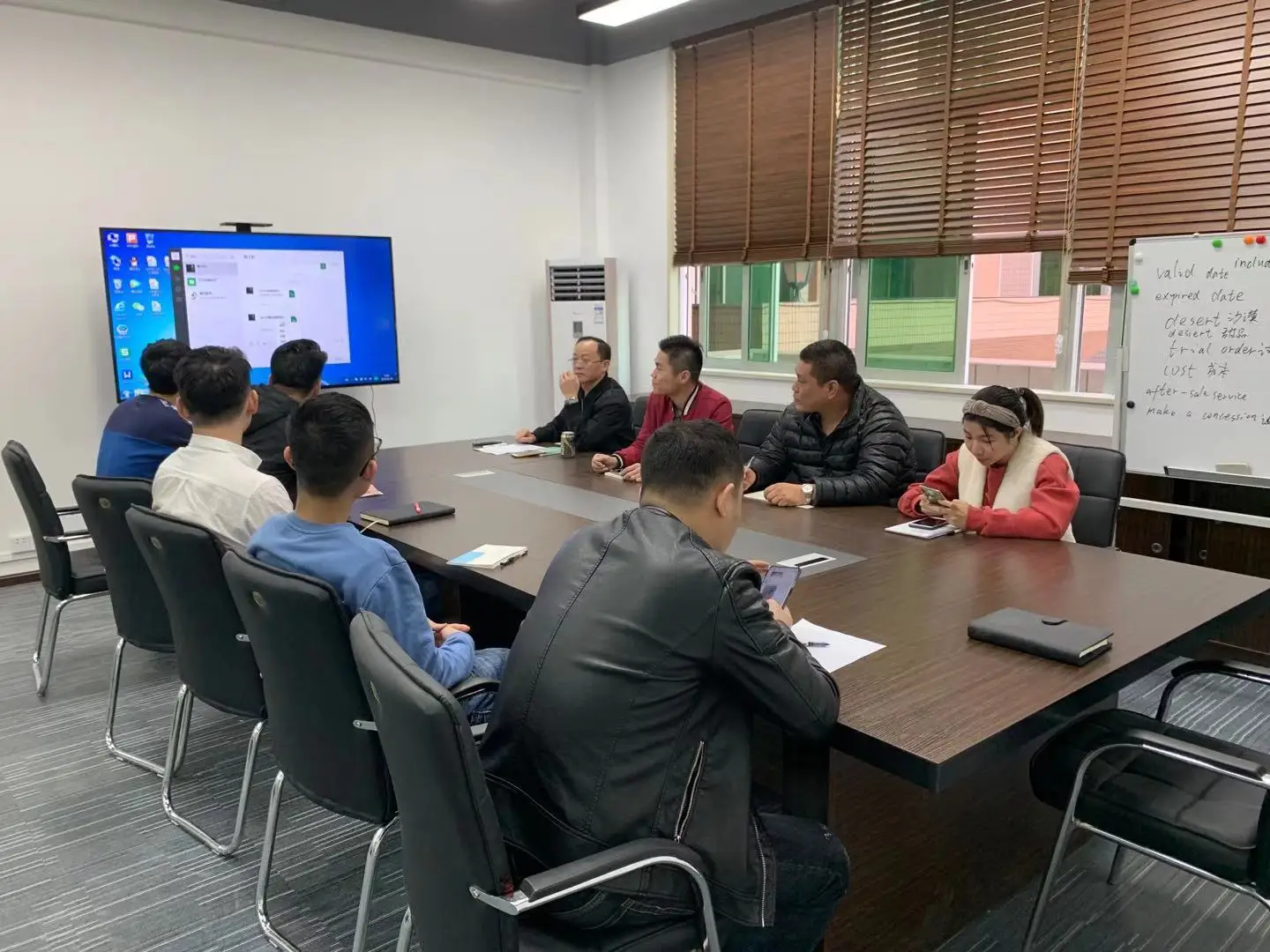
Shantou Yiyuan Trading Co., Ltd.
- Trading Company
- Guangdong, China
- Lead time30 days
- Avg. response≤ 5h
Main productsRemote Control Car,DIY Building Block,Out Door Toys,baby toy,Russia Series Toys
Main marketsEastern Europe(25.00%), Southeast Asia(15.00%), Domestic Market(10.00%), South America(10.00%), North America(10.00%), Africa(5.00%), Northern Europe(5.00%), Central America(5.00%), Eastern Asia(5.00%), Mid East(5.00%), Oceania(5.00%)
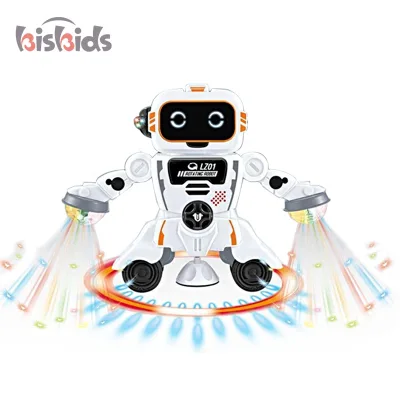
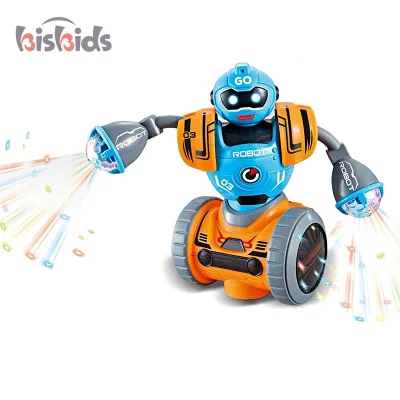
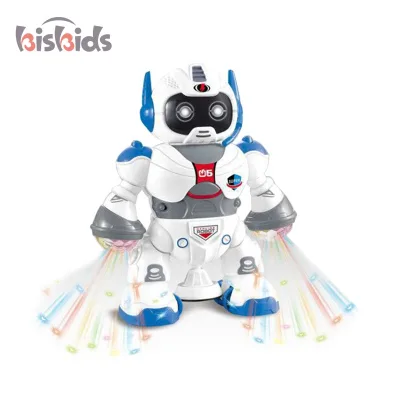
Battery Operated Electric Universal Battle Cool Smart Toy Robot With Music Light
$3.14 - $3.35
MOQ: 48 pieces

- Verified by SGS
- Trading Company
- China Guangdong
- Lead time15 days
- Avg. response≤ 4h
Main productsPlastic Toys, Educational Toys, Baby Toys, RC Toys, Pretend Play Toys, Doll Toys, Robot Toys, Summer Toys, Sport Toys
Main marketsSoutheast Asia/ Mideast,Europe


Walking Robot Electric Remote Control Light Sound Interactive Infrared Dinosaur Toy
$6.90 - $8.00
MOQ: 120 Pieces

Interactive Programmable Remote Control Shining 7 Colors LED Eyes Educational Robot Toy
$6.43 - $7.50
MOQ: 180 Pieces

- Verified by CTI
- Trading Company
- China Guangdong
- Lead time23 days
- Avg. response≤ 5h
Main productsToy, Baby Toy, Educational Toy, Doll, RC Toy, Kids Toy, Pretend Play Toys, Plastic Toys, Stem Toys, Outdoor Toys
Main marketsSouth America,Africa,Europe


$3.69 - $4.37
MOQ: 360 Pieces


- Verified by SGS
- Manufacturer
- China Guangdong
- Lead time30 days
- Avg. response≤ 11h
Main productsRC Toys, Drone
Main marketsDomestic,Europe,Australia,North America


$9.90 - $18.90
MOQ: 40 Pieces


Shantou Kaixin Trading Co., Ltd
- Verified by BV
- Manufacturer
- China Guangdong
- Lead time23 days
- Avg. response≤ 7h
Main productsToy, Educational Toy, Remote Control Toy, Pretend Play Toy Set, Summer Toy, Vehicle Toy, Doll, Promotion Toy, Baby Toy, Game Toy
Shantou Maxland Trading Co., Ltd.
- Verified by SGS Group
- Trading Company
- Lead time15 days
- Avg. response≤ 3h
Main productsPlayhouse Toys, Remote Control Toys, Baby Toys, Educational Toys, Sport Toys
Main marketsMid East(30%), South America(10%), Eastern Europe(10%)

- Verified by BV
- Trading Company
- China Guangdong
- Lead time23 days
- Avg. response≤ 3h
Main productsToys, Plush Toy, Toy Car, Plastic Toys, RC Car, Bath Toys, Educational Toys, Pretend Play Toys, Doll Toys, Candy Toys
Main marketsEurope

Shenzhen KidsMind Manufacturing Technology Co., Ltd.
- Verified by SGS
- Trading Company
- China Guangdong
- Lead time15 days
- Avg. response≤ 6h
Main productsGame Console, Electronic Drum, LCD Writing Tablet, Hair Clipper, Gaming Microphone
Main marketsOthers(foreignTradeCapacity.exportBusinessCapacityMarketOther)
Guangzhou Heimao Electronic Technology Co., Ltd.
- Manufacturer
- Guangdong, China
- Lead time7 days
- Avg. response≤ 2h
Main productsBeauty lamp,Half moon lamp,Atmosphere light,Camping lights,car camera
Main marketsNorth America(25.00%), Southern Europe(15.00%), Northern Europe(15.00%), Western Europe(15.00%), Eastern Europe(15.00%), South America(15.00%)

Shantou XIQI Plastic Products Co., Ltd.
- Verified by SGS
- Manufacturer
- China Guangdong
- Lead time15 days
- Avg. response≤ 3h
Main productsToys Gift Electrical Equipment Household Effe
Main marketsEast Asia(Japan/ South Korea),Europe,North America

$10.20 - $11.70
MOQ: 16 Pieces


Shantou Jietai Crafts&Toys Manufactory
- Verified by SGS
- Combined
- China Guangdong
- Lead time38 days
- Avg. response≤ 4h
Main productsKids Toys, Christmas Decoration, Christmas Santa Claus, Christmss Toys
Main marketsOthers(foreignTradeCapacity.exportBusinessCapacityMarketOther),Domestic

Shantou Gaozheng Trading Co., Ltd.
- Trading Company
- China Guangdong
- Lead time0 days
- Avg. response≤ 3h
Main productsToy, Educational Toy, Building Blocks, Puzzle Toy, OEM/ODM, Baby Toy, Plastic Toy, Board Games, RC Toy, Transformer Toy
Shenzhen Antenger Industrial Co., Ltd.
- Trading Company
- Guangdong, China
- Lead time7 days
- Avg. response≤ 3h
Main productsKids Printing Camera, Portable Printer, Building Block Toy, RC Car Toys, Bubble Toys
Main marketsNorth America(45.00%), Western Europe(15.00%), Africa(8.00%), South Asia(5.00%), Eastern Asia(5.00%), Mid East(5.00%), Southeast Asia(5.00%), South America(4.00%), Eastern Europe(3.00%), Northern Europe(2.00%), Oceania(1.00%), Southern Europe(1.00%), Central America(1.00%)
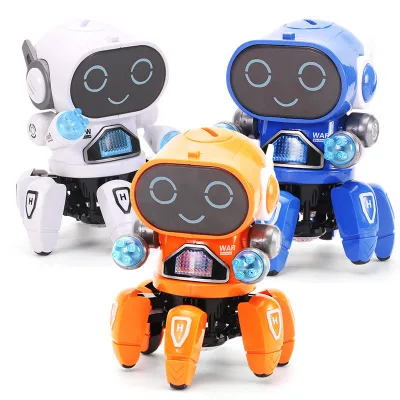
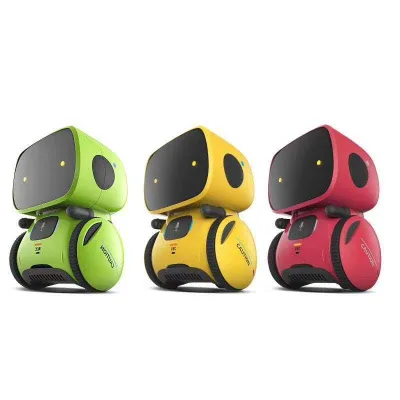
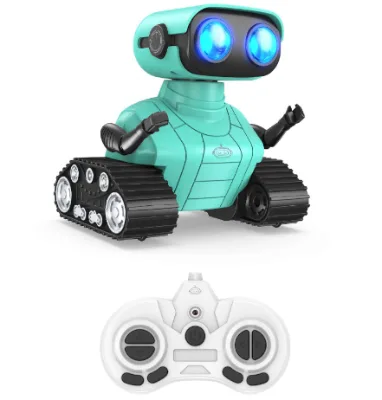
$7.93 - $8.96
MOQ: 10 pieces
Shantou Chenghai Happy Sun Toys Co., Ltd.
- Trading Company
- Guangdong, China
- Lead time7 days
- Avg. response≤ 4h
Main productsHobby Toys,RC Toys,RC Car,RC Truck,Bait Boat
Main marketsNorth America(50.00%), Oceania(10.00%), Western Europe(10.00%), Southeast Asia(10.00%), Eastern Europe(10.00%), Africa(5.00%), Northern Europe(5.00%)

- Verified by TUVRHEINLAND
- Combined
- China Guangdong
- Lead time15 days
- Avg. response≤ 17h
Main productsGun Toys, Child Toy, Baby Toy, Sport Toy, Outdoor Toys, Educational Toy, RC Toy, Plastic Toy
Main marketsDomestic,Europe,North America

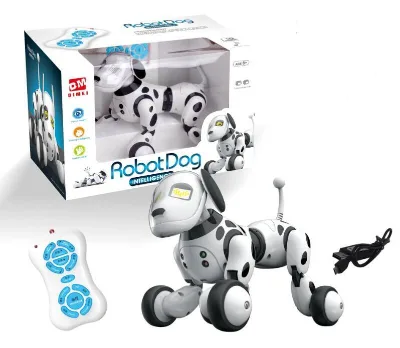
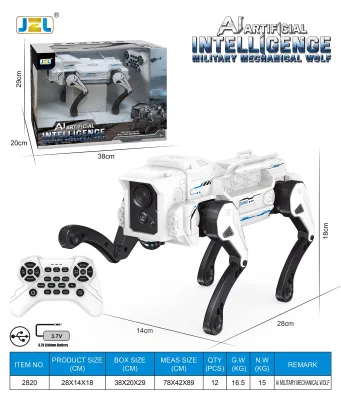
Remote Control Stunt Smart Walking Robot Dog Intelligent Electronic Toy for Kids
$10.26 - $11.54
MOQ: 120 Pieces


Shantou Chenghai Zhuochen Trading Firm
- Verified by SGS Group
- Manufacturer, Trading Company
- Lead time30 days
- Avg. response≤ 3h
Main productsPlay Mat, Baby & Toddler Toys, Educational Toys, Baby Suppliers & Products, Dolls & Doll clothes Accessories
Main marketsNorth America(50%), South America(20%), Western Europe(20%)

Shenzhen Shiyusheng Technology Co., Ltd.
- Verified by SGS
- Manufacturer/Factory
- China Guangdong
- Lead time15 days
- Avg. response≤ 11h
Main productsSpeaker, Earphone, Gamed, Phone Case, Charger, Powerbank, Memory Card, Phone Cable
Main marketsSouth America,Eastern Europe,Mid East,North America,Southeast Asia,Eastern Asia,Oceania,Western Europe,Africa

$12.00 - $16.00
MOQ: 20 Pieces

$16.00 - $18.00
MOQ: 20 Pieces

Shantou Haizhiming Network Technology Co., Ltd.
- Verified by TUVRHEINLAND
- Combined
- China Guangdong
- Lead time15 days
- Avg. response≤ 2h
Main marketsDomestic
Guangdong Kidewan Toy Education And Culture Co.,Ltd.
- Manufacturer, Trading Company
- Guangdong, China
- Lead time14 days
- Avg. response≤ 4h
Main productsPretend Play,Science Kit,Black Doll,Kitchen Playsets,Outdoor Toys
Main marketsNorth America(55.00%), Western Europe(24.00%), Northern Europe(5.00%), Southeast Asia(5.00%), Southern Europe(4.00%), Eastern Europe(4.00%), Oceania(3.00%)

- Verified by BV
- Trading Company,Manufacturer/Factory
- China Zhejiang
- Lead time15 days
- Avg. response≤ 8h
Main productsCeramic Mug, Kitchen Storage, Water Bottle, Cookware Set, Charger Plates, Shaker Set, Storage Rack, Food Container, Kitchen Accessories, Yiwu Agent
Main marketsSouth America,Eastern Europe,Mid East,North America,Southeast Asia,Eastern Asia,Oceania,Western Europe,Africa


Robot RC Electronic Toys for Child Toys Learning Smart Kid's Robot Toy for Promotion
$9.46 - $9.98
MOQ: 24 Pieces

- Verified by CTI
- Trading Company
- China Guangdong
- Lead time23 days
- Avg. response≤ 7h
Main marketsSouth America,Africa,Southeast Asia/ Mideast,East Asia(Japan/ South Korea),Domestic,Europe,Australia,North America

Wholesale Kids Children Educational Toy Remote Control Intelligent Robot Toy
$8.90 - $9.50
MOQ: 40 Pieces


Music Light Juguete Educational Intelligent Smart Touch Voice Mini Robot
$1.37 - $1.45
MOQ: 600 pieces






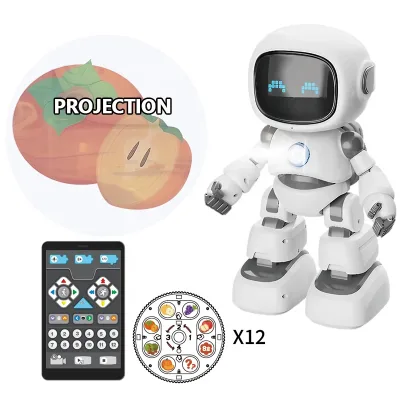
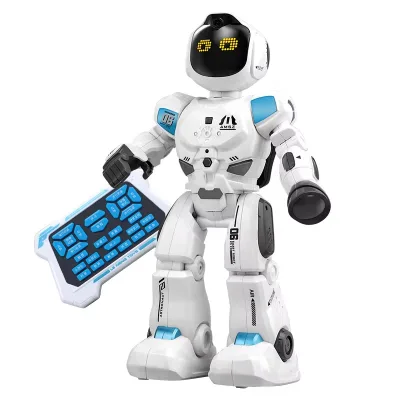
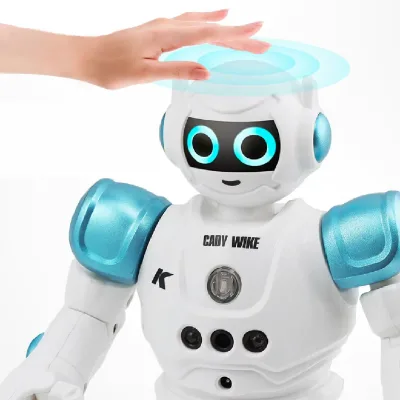
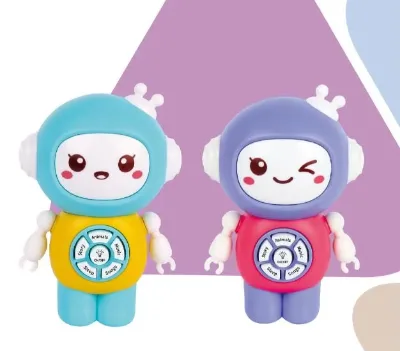


Comprehensive Sourcing Guide
Luminous Lights Electric Robot Toy Supplier Concentration and Factory Types
The current supplier landscape for luminous lights electric robot toys shows a distinct concentration in China, specifically within the Guangdong province. This region serves as a primary manufacturing hub where production facilities are clustered to leverage established supply chains for plastic components and electronic assemblies. When evaluating potential partners, buyers should look for evidence of this geographic concentration, as it often correlates with specialized tooling and rapid prototyping capabilities for complex toy designs. The presence of multiple suppliers in this area suggests a mature ecosystem for producing items like dancing robots and remote-controlled figures that require intricate lighting and movement mechanisms.
Supplier types in this category vary between combined entities and trading companies, each offering different value propositions for the buyer. Combined suppliers often possess direct manufacturing capabilities, allowing for greater control over the production process and customization options such as body color, printing, and packaging. In contrast, trading companies may offer a broader portfolio of products, including educational toys, drones, and plasticene, which can simplify the sourcing process for buyers seeking a diverse range of items. Understanding whether a supplier is a factory or a trader is essential, as it influences the ability to negotiate on pricing, manage quality control, and implement specific design changes for the luminous robot toys.
How to Verify Luminous Lights Electric Robot Toy Suppliers
Verification of suppliers for luminous lights electric robot toys relies heavily on third-party audit reports and specific credential markers provided in the supplier profile. Buyers should prioritize suppliers who have undergone verification by recognized agencies such as BV or CTI, as these audits provide a baseline of confidence regarding the company's operational legitimacy and financial stability. The presence of a BV or CTI verification badge indicates that an independent party has inspected the facility, reviewed business licenses, and assessed the company's capacity to fulfill orders. This step is critical before engaging in any significant transaction, as it mitigates the risk of dealing with unverified entities that may not meet international safety or quality standards.
Beyond verification badges, buyers must scrutinize the specific product attributes and certifications listed for the luminous robot toys. Evidence of compliance with safety standards like EN71 or CE certification is non-negotiable for toys intended for children, ensuring that the electronic components and plastic materials meet rigorous safety requirements. The product data often includes details on material composition, such as plastic, and specific model numbers that can be cross-referenced with the supplier's claims. Buyers should request documentation to confirm that the luminous lights and electronic functions operate safely within the specified age ranges, typically 3-8 years, and that the toys adhere to the stated standards without relying on unverified assertions.
What to Compare Across Luminous Lights Electric Robot Toy Suppliers
When comparing suppliers, the response time and lead time are critical metrics that directly impact project timelines and inventory planning. Data indicates that response times can vary significantly, with some suppliers responding within a few hours while others may take longer, affecting the speed of negotiation and order confirmation. Lead times also differ, ranging from approximately 15 days to 23 days depending on the complexity of the order and the supplier's current production load. Buyers should calculate the total time from order placement to shipment, factoring in these variables to ensure they can meet their own delivery deadlines without compromising on the quality of the luminous robot toys.
Minimum Order Quantities (MOQ) and pricing structures are another vital area for comparison across different suppliers. The MOQ for these toys can range widely, from as low as 45 units to as high as 480 units, depending on the specific model and customization requirements. Pricing is similarly variable, with unit costs fluctuating based on features like 3D lights, spray functions, and remote control capabilities. Buyers must analyze the price-to-MOQ ratio to determine the most cost-effective option for their specific volume needs. Additionally, comparing the customization options available, such as packaging types or body color changes, helps identify which suppliers offer the flexibility required for branding and market differentiation.
Common Luminous Lights Electric Robot Toy Sourcing Risks
One of the primary risks in sourcing luminous lights electric robot toys involves the potential mismatch between product specifications and actual delivery. Suppliers may list attributes such as "Light" size or specific dimensions, but the physical product might differ in weight, material density, or electronic performance. For instance, a toy described as having a specific power supply mode, like 3.7V batteries, might require different charging infrastructure than a model using AA batteries. Buyers must verify that the technical specifications provided in the product evidence align with their operational requirements to avoid receiving items that are incompatible with their distribution channels or customer expectations.
Another significant risk is the variability in packaging and shipping standards, which can affect the final cost and condition of the goods upon arrival. Product data often lists packing details, such as carton sizes or color box configurations, but these can vary between batches or suppliers. Inconsistent packaging can lead to increased shipping costs due to inefficient space utilization or damage during transit if the protective measures are inadequate. Furthermore, the origin of the product, often listed as Shantou or China, implies specific logistics routes that buyers must account for. Failure to verify these logistical details can result in unexpected delays or additional expenses that erode profit margins on the luminous robot toys.
Luminous Lights Electric Robot Toy Regional Sourcing and Logistics
Sourcing from the Guangdong region in China offers distinct logistical advantages due to the concentration of manufacturing facilities and established export infrastructure. The proximity of suppliers to major ports facilitates efficient shipping, reducing transit times and potentially lowering freight costs for international buyers. However, buyers must be aware that the specific origin, such as Shantou, may influence the routing and handling of the goods. Understanding the local logistics network is essential for planning the supply chain, as it impacts the reliability of delivery schedules and the ability to track shipments in real-time.
Logistics planning also requires careful attention to the product dimensions and volume, which are critical for calculating shipping costs and container utilization. Product evidence often provides standard dimensions, such as 49.516.530cm or 261339.5cm, which are necessary for determining how many units fit into a standard shipping container. Buyers should use these figures to optimize their order quantities and minimize wasted space, thereby reducing the per-unit shipping cost. Additionally, the packing standard, such as 0.256 CBM per unit, must be factored into the overall logistics strategy to ensure that the luminous robot toys can be transported safely and efficiently without incurring excessive fees or risking damage during transit.
Luminous Lights Electric Robot Toy Commercial Terms and Order Planning
Commercial terms for luminous lights electric robot toys often include specific customization options that can significantly alter the final cost and production timeline. Suppliers frequently offer customization for body color, printing, and packaging, which allows buyers to tailor the products to their brand identity. However, these customizations may require additional lead time and higher minimum order quantities to be economically viable. Buyers must clearly define their customization needs early in the negotiation process to ensure that the supplier can meet these requirements without causing delays or exceeding budget constraints.
Order planning must also account for the varying price points and MOQs associated with different models of luminous robot toys. With prices ranging from under $1 to over $14 per unit, buyers need to align their budget with the desired product features and volume. High-end models with advanced features like 3D lights and spray functions command higher prices and may have stricter MOQs compared to simpler models. Effective order planning involves balancing these factors to maximize value while maintaining a healthy profit margin. Buyers should also consider the payment terms and escrow options available to protect their financial interests throughout the transaction process.
FAQs
What is the price range for electric robot toys with lights?
Prices for these toys range from 0.88 to 14.45 dollars per unit depending on the specific model and features. Some basic models start at 0.88 dollars while more complex dancing robots cost up to 14.45 dollars. Buyers should check the minimum order quantity to determine the final cost per item.
What are the lead times for shipping these robot toys?
Lead times for these products vary between 15 and 23 days based on the supplier selected. Some suppliers offer faster delivery within 15 days while others may require up to 23 days to complete production and shipping. Buyers should confirm the exact timeline with their chosen vendor before placing an order.
Where are these electric robot toys manufactured?
These toys are manufactured in Shantou, China, which is located in the Guangdong province. All listed products originate from this specific region known for toy production. Buyers can verify the origin details in the product specifications to ensure the location matches their sourcing requirements.
What certifications do these robot toys hold?
Selected models carry CE and EN71 certifications to ensure safety compliance for children. Some products specifically mention EN71 standards while others list CE marks for European markets. Buyers should verify the specific certification listed for each product model to meet local regulatory requirements.
What is the minimum order quantity for these toys?
Minimum order quantities range from 45 to 480 units depending on the specific robot toy model. Smaller items like the dinosaur robot may require only 45 units while larger sets might need 480 units. Buyers must check the MOQ for each product to plan their inventory effectively.
Are customization options available for these robot toys?
Customization is available for many models including body color, printing, and packaging options. Suppliers offer flexible customization services to meet specific branding needs. Buyers should confirm the exact customization details and any associated costs with the supplier before finalizing their order specifications.
What materials are used to make these electric robot toys?
Most of these toys are constructed from durable plastic materials suitable for children. The product specifications consistently list plastic as the primary material for the robot bodies. Buyers can rely on this material choice for safety and durability when selecting products for their inventory.