Low Volume Alloy Cymbal Set Suppliers and Manufacturers
Source 19 verified suppliers for Low Volume Alloy Cymbal Set products. Compare key dimensions including lead times, MOQs, and response speeds to identify suitable partners. Review detailed product specifications and pricing to streamline your procurement process effectively; review the available evidence before requesting comparable quotations from suitable candidates.
Suppliers List
- Manufacturer, Trading Company
- Shandong, China
- Lead time15 days
- Avg. response≤ 3h
Main productsCymbal,Gong,Singing Bowl,Drumsticks,Drum Pad
Main marketsDomestic Market(25.00%), North America(18.00%), Southeast Asia(18.00%), Eastern Europe(13.00%), South America(8.00%), Western Europe(4.00%), Oceania(4.00%), South Asia(3.00%), Africa(2.00%), Eastern Asia(1.00%), Mid East(1.00%), Southern Europe(1.00%), Northern Europe(1.00%), Central America(1.00%)
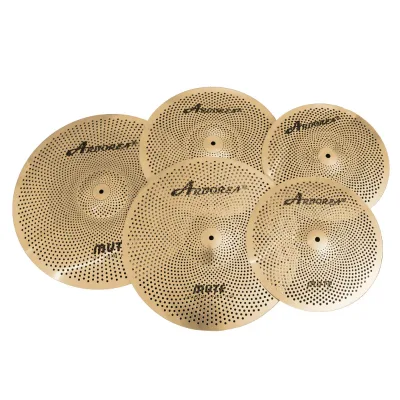
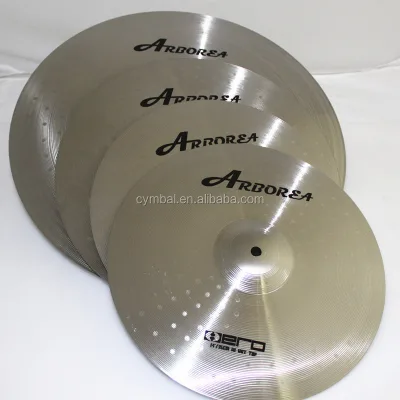
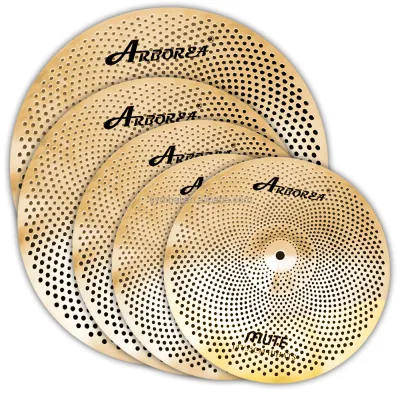
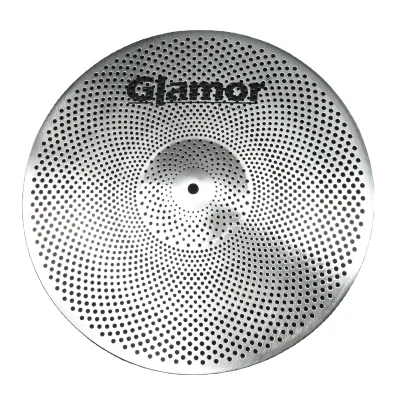
Top-ranking Golden Practice Drum Cymbals Mute Low Volume Cymbal Set for Drum Set
$35.00 - $75.00
MOQ: 1 boxes
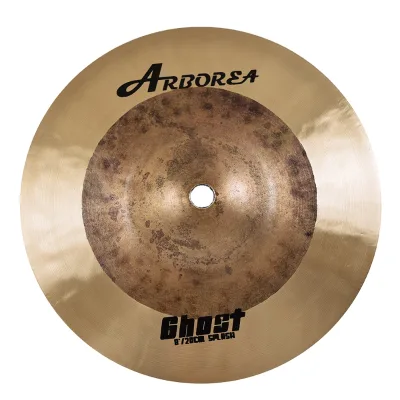
$17.00 - $150.00
MOQ: 1 Minimum
Zhangqiu Xusheng Musical Instrument Factory
- Manufacturer
- Shandong, China
- Lead time15 days
- Avg. response≤ 7h
Main productscymbal,gong,drum stick,drum pad,Cymbal stand
Main marketsNorth America(18.00%), South America(15.00%), Western Europe(13.00%), Southeast Asia(10.00%), Eastern Europe(3.00%), Mid East(3.00%), Southern Europe(2.00%), Eastern Asia(2.00%), South Asia(1.00%), Oceania(1.00%), Africa(1.00%)
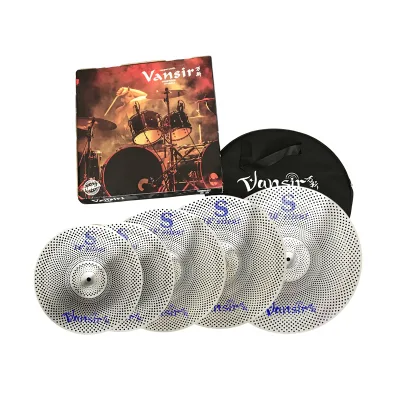
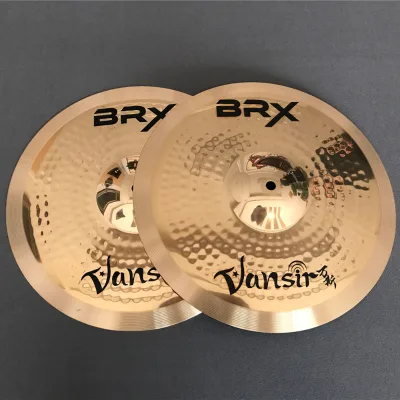
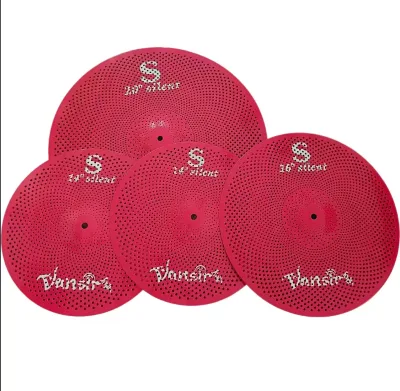
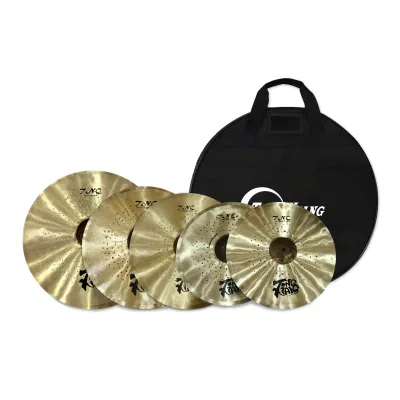
Low Volume Mute Cymbals Set 14''HH+16''Crash+18''Crash+20''Ride+Cymbal Bag
$36.87 - $56.32
MOQ: 1 sets
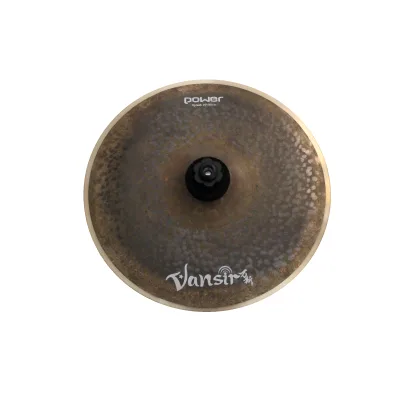
Customized Professional B20 Handmade 10" Splash Cymbal Power Series Cymbal Set for Sale
$14.00 - $30.00
MOQ: 10 Minimum
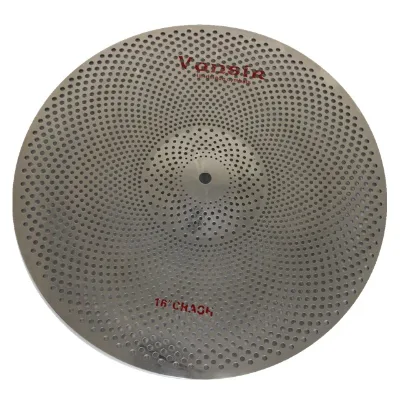
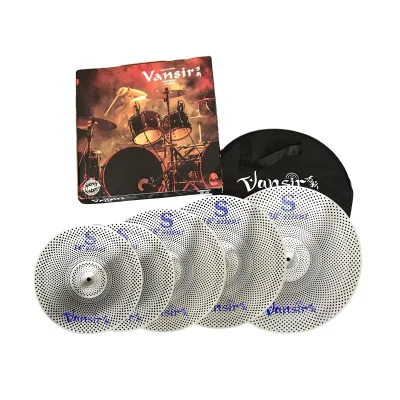
Hotsales Low Volume Mute Cymbals Set 5Pcs Pack 14" 16" 18" 20" for Kids or Beginners
$65.00 - $80.00
MOQ: 1 sets
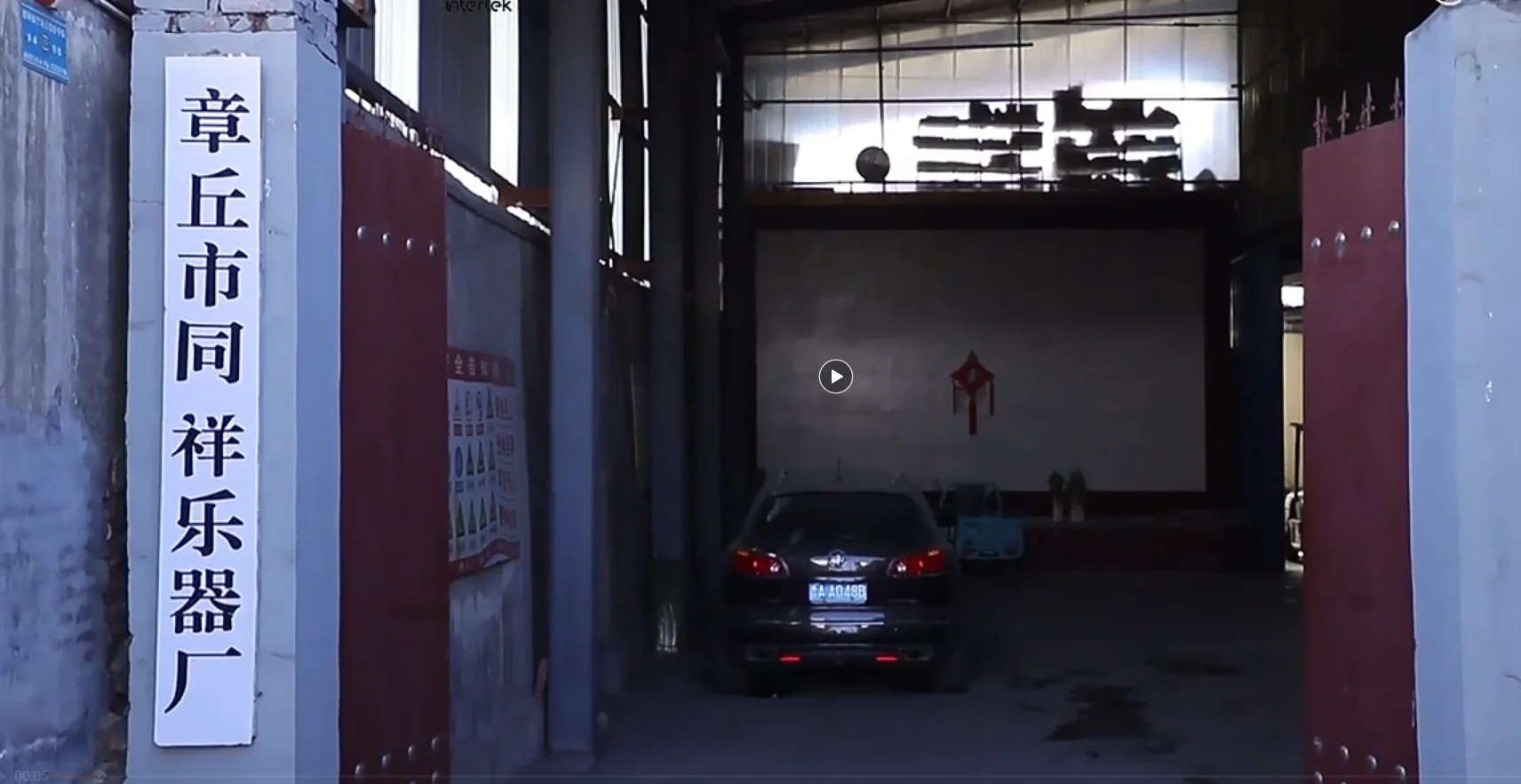
Zhangqiu Tongxiang Musical Instrument Factory
- Manufacturer, Trading Company
- Shandong, China
- Lead time10 days
- Avg. response≤ 3h
Main productsCymbal, Gong
Main marketsNorth America(10.00%), South America(10.00%), Central America(10.00%), Mid East(10.00%), Oceania(8.00%), Northern Europe(8.00%), Southern Europe(7.00%), Africa(7.00%), South Asia(5.00%), Eastern Asia(5.00%), Western Europe(5.00%), Eastern Europe(5.00%), Domestic Market(5.00%), Southeast Asia(5.00%)

Canex Musical Instrument Co., Ltd.
- Combined
- China Tianjin
- Lead time30 days
- Avg. response≤ 8h
Main productsSaxophone, Electric Guitar, Clarinet, Violin, Brass Trumpet, Flute, Oboe, Trombone, Cajon, Drum Set
Main marketsSouth America,Europe,North America
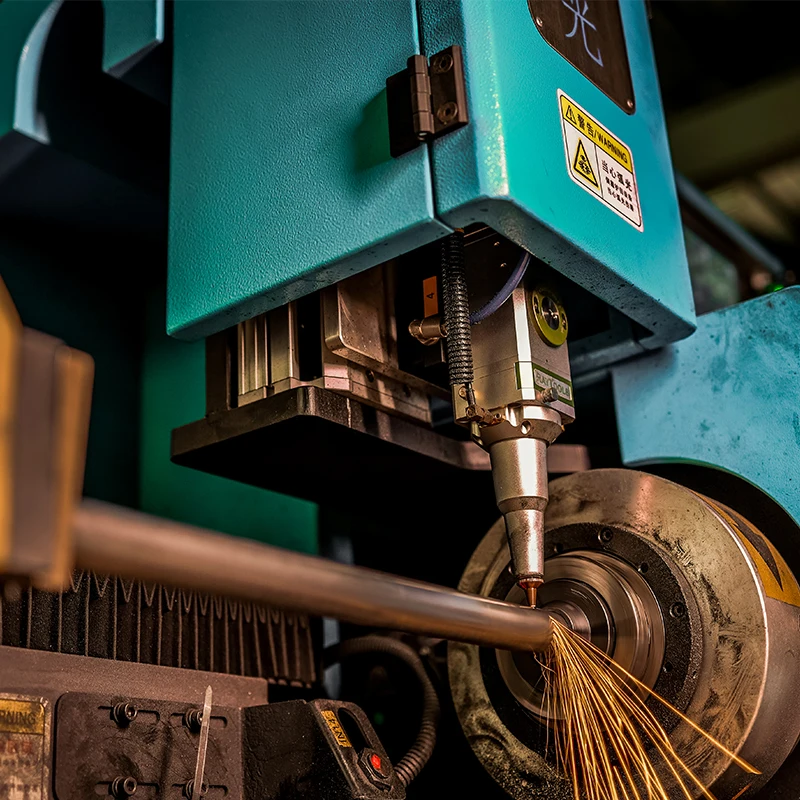
Zhejiang Glamor Musical Instrument Co., Ltd.
- Manufacturer, Trading Company
- Zhejiang, China
- Lead time40 days
- Avg. response≤ 2h
Main productsDrum set,Acoustic drum,Electronic drum,Drum Stand,Electric guitar
Main marketsNorth America(35.00%), Domestic Market(20.00%), South America(15.00%), Oceania(5.00%), South Asia(5.00%), Southern Europe(5.00%), Northern Europe(5.00%), Eastern Asia(5.00%), Mid East(5.00%)

Hubei Fotma Machinery Co., Ltd.
- Verified by BV
- Trading Company
- China Hubei
- Lead time23 days
- Avg. response≤ 15h
Main productsTractor, Agricultural Implements, Rice Milling Machines, Oil Press Machines, Flour Mill Machines, Construction Equipment, Wheel Loader, Bulldozer, Truck Crane, Excavator
Main marketsSouth America,Africa,Southeast Asia/ Mideast,Europe,Australia,North America
- Manufacturer
- Tianjin, China
- Lead time45 days
- Avg. response≤ 4h
Main productsDrum,Melodica,Accordion,Wind Instrument,Guitar
Main marketsSouth America(50.00%), Domestic Market(25.00%), Africa(25.00%)
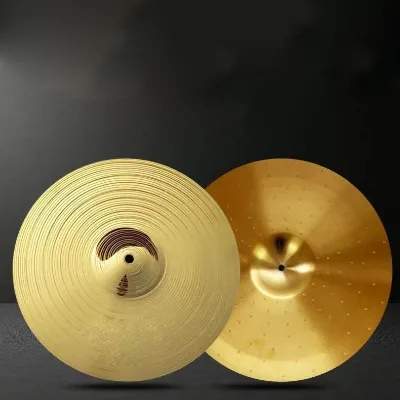
$4.27 - $8.54
MOQ: 1 pieces
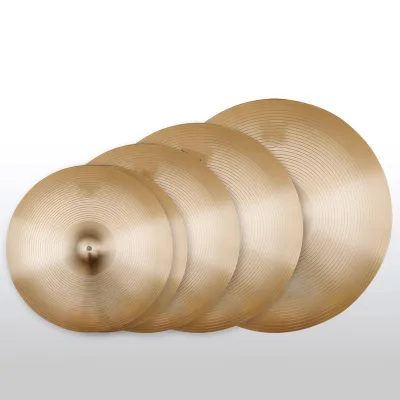
Drum Kit Alloy Cymbals - Pedal Cymbals Hanging Cymbals Ding-Dong Cymbals - 14/16/18/20 Inch Set
$13.21 - $17.61
MOQ: 1 pieces
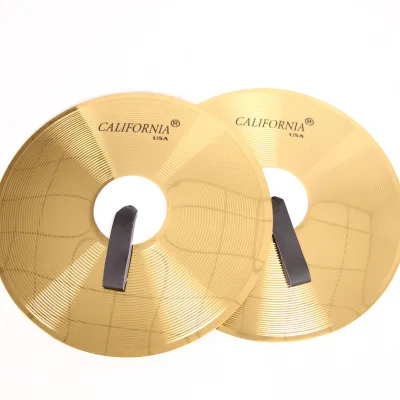
16" Marching Cymbals High Quality Marching Pair Cymbals Pure Yellow Brass Cymbal
$11.90 - $12.35
MOQ: 100

Hai Yang International Limited
- Verified by SGS
- Trading Company,Manufacturer/Factory
- China Zhejiang
- Lead time60 days
- Avg. response≤ 5h
Main productsWooden Toy, Montessori Material, Wooden Educational Toys, Wooden Puzzle, Wooden Blocks, Wooden Train Set, Wooden Nutcrackers, Wooden Crafts, Wooden Dolls, Wooden Chess
Main marketsEastern Europe,Mid East,North America,Southeast Asia,Eastern Asia,Oceania

Musical Instruments Brass Cymbals, Kid Toys Cymbals for Sales, Colored Cymbals Sets
$1.98 - $2.98
MOQ: 500 Pieces


- Verified by TUVRHEINLAND
- Manufacturer/Factory
- China Jiangsu
- Lead time0 days
- Avg. response≤ 2h
Main productsMusical Instruments, Violin, Viola, Cello, Guitar, Violin Case, Guitar Case, Stringed Accessories, Wind Instrument, Percussion
Main marketsSouth America,Eastern Europe,Mid East,North America,Southeast Asia,Eastern Asia,Oceania,Western Europe,Africa


Dset-3030 Popular 6-Ply Shell PVC Cover Five Drums Two Cymbal Drum Set
$162.50 - $211.30
MOQ: 2 Pieces


Dset-3652 Professional Musical Instrument Five Drums Two Cymbal Drum Sets
$207.50 - $270.00
MOQ: 2 Pieces
Alwaysfaith International Trade Co., Ltd. (huizhou)
- Verified by Intertek
- Trading Company
- Lead time0 days
- Avg. response≤ 5h
Main productsUkulele, Electric Guitar, Acoustic Guitar
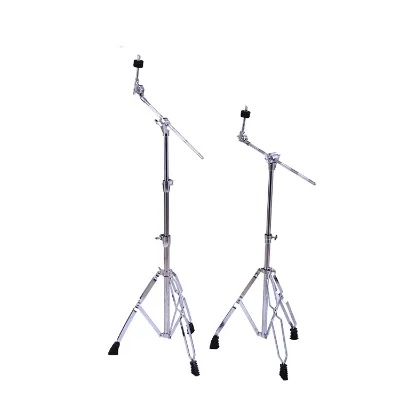
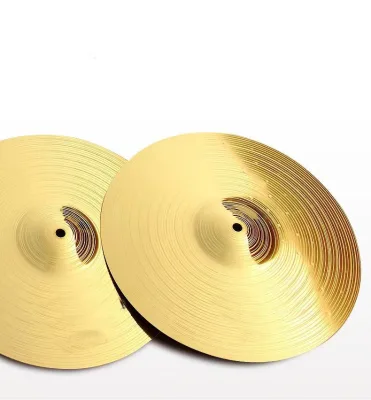
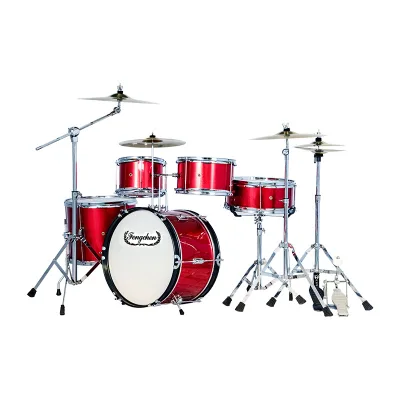
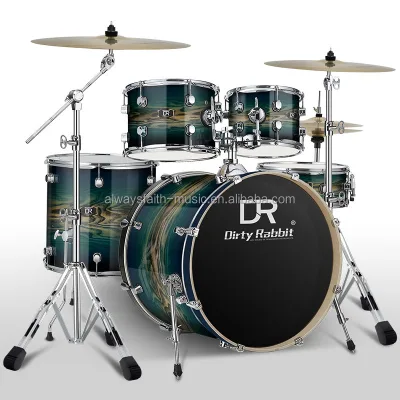
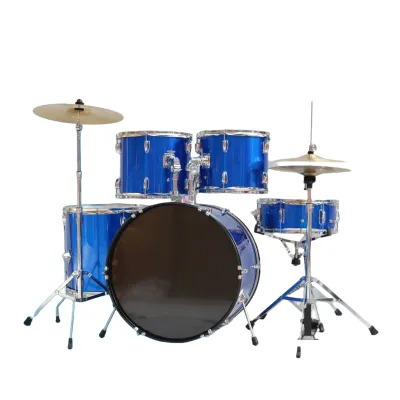
High Quality Jazz Drum Sets Professional Five Snare Drum Three Cymbals Percussion
$252.01 - $267.75
MOQ: 1 sets
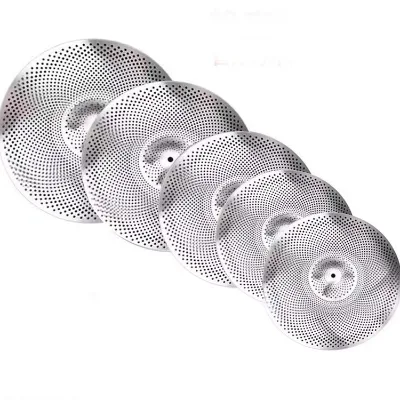
- Manufacturer, Trading Company
- Hebei, China
- Lead time15 days
- Avg. response≤ 4h
Main productsprofesional cymbal,bronze cymbal,brass&alloy cymbal,Mute cymbal,gong
Main marketsDomestic Market(35.00%), South Asia(15.00%), North America(15.00%), South America(10.00%), Western Europe(8.00%), Central America(8.00%), Eastern Europe(4.00%), Eastern Asia(2.00%), Northern Europe(2.00%), Southeast Asia(1.00%)
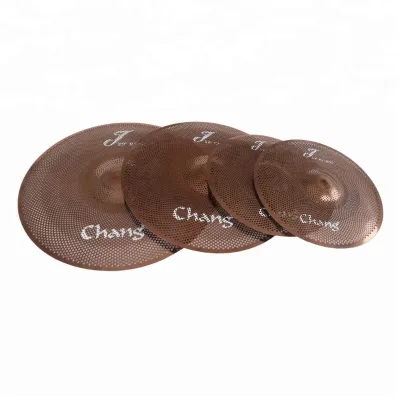
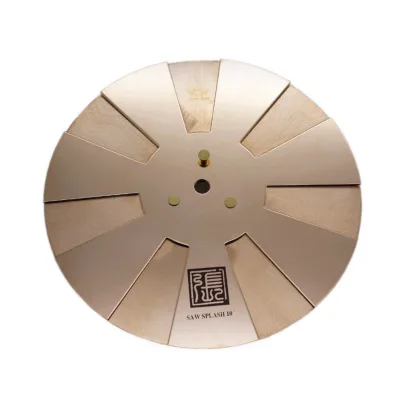
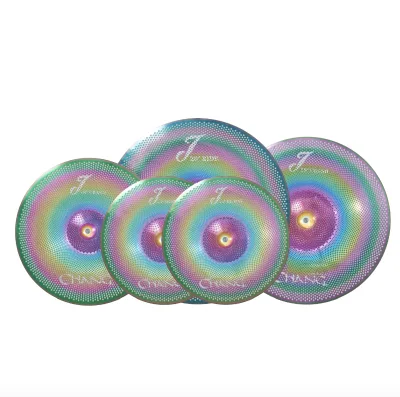
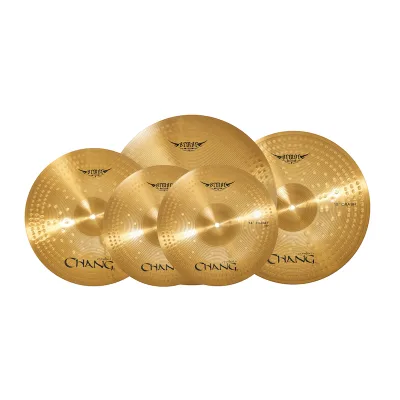
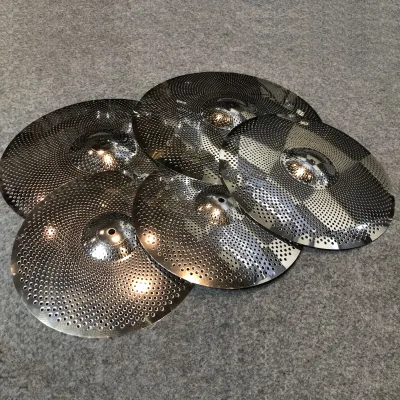
Chang J Series Rose Low Volume Gong & Cymbals Quiet 4-Piece Set Metal/Steel Alloy
$236.00
MOQ: 4 Minimum
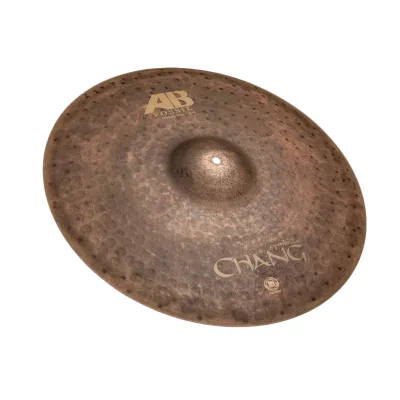
High Quality and Cheap Chang Cymbal for Drum Set From China Manufacturer
$22.00 - $174.00
MOQ: 5 Minimum
Tianjin Jili Musical Instruments Co., Ltd.
- Manufacturer
- Tianjin, China
- Lead time30 days
- Avg. response≤ 9h
Main productsDrum Kit,Drum hardware,Drum Throne,Percussion Accessories,Cymbal
Main marketsDomestic Market(40.00%), North America(30.00%), South America(10.00%), Northern Europe(10.00%), Southeast Asia(10.00%)
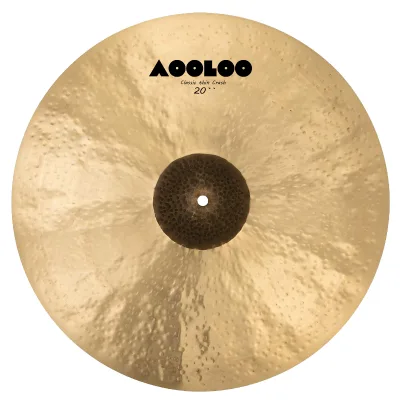
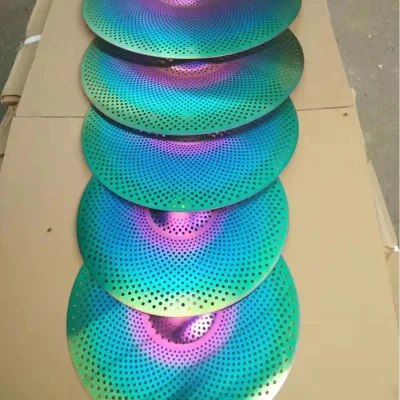
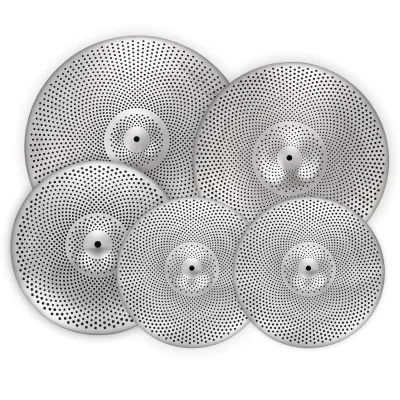
Precision Lathed Edge B20 Bronze Cymbal Set for Music Schools Export Packaging Gong & Cymbals
$290.00 - $320.00
MOQ: 1 sets


Quanzhou Moyin Musical Instrument Co., Ltd.
- Verified by SGS
- Combined
- China Fujian
- Lead time30 days
- Avg. response≤ 13h
Main productsElectronic Drum, Electronic Drum Set, Electronic Drum Kit, Digital Drum, Electric Drum, Electronic Drum Accessories
Main marketsSouth America,East Asia(Japan/ South Korea),Europe


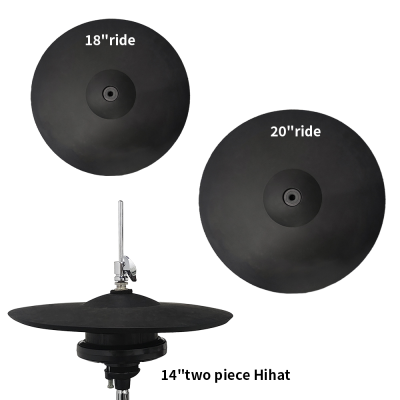
Professional Percussion Digital Drums Electronic Cymbal Electric Drum Set Full Set
$157.00 - $165.00
MOQ: 50 sets

Music Instruments 13-Inch Stereo Cymbals Professional Digital Drum Kit Electronic Drum Set
$283.00 - $290.00
MOQ: 10 sets

Music Instrument Electronic Drum Set Advanced Performance Digital Drums Kit
$269.00 - $279.00
MOQ: 50 sets


Tianjin H&W Instrument Co., Ltd.
- Trading Company,Manufacturer/Factory
- China Tianjin
- Lead time23 days
- Avg. response≤ 25h
Main productsGuitar, Violin, Trumpet, Musical Instrument, Drum Set, Saxophone, African Drum, Miniature Musical Instrument, Mandolin, Percussion Instrument
Main marketsSouth America,Eastern Europe,Mid East,North America,Southeast Asia,Eastern Asia,Oceania,Western Europe,Africa


MOQ: 2 Sets

MOQ: 2 Sets

MOQ: 100 Sets

MOQ: 1 Pieces
Alwaysfaith International Trade Co., Ltd. (Huizhou)
- Trading Company
- Lead time旺季: "1 - 5000":15,"> 5000":"To be negotiated", 淡季: "1 - 5000":15,"> 5000":"To be negotiated"
- Avg. response≤ 7h
Main productsUkulele, Electric Guitar, Acoustic Guitar
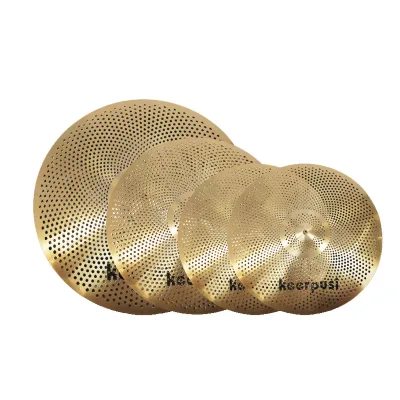
Drum cymbals kit alloy metal silver and gold silent cymbals hanging set 14/16/18/20 inches
$17.47 - $20.55
MOQ: 6 sets
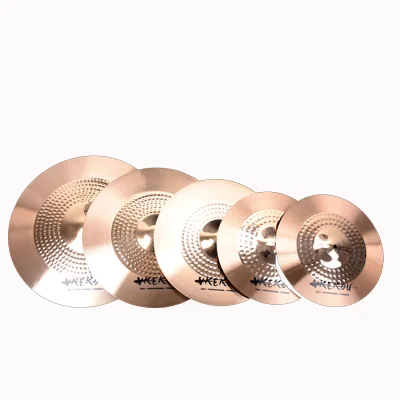
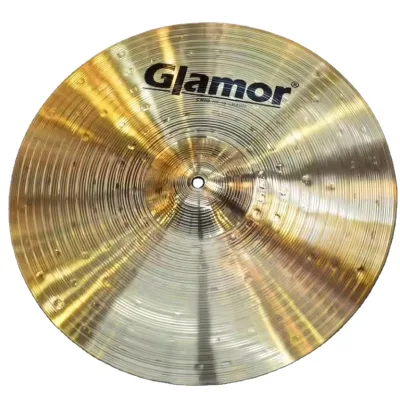
Hot Sale Wholesale Bronze B8 Drum Cymbal Cymbals for Drums Set 14/16/18/20 Inch
$122.00 - $129.00
MOQ: 1
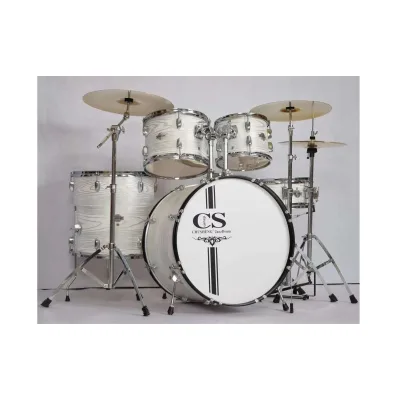
Wholesale Hot Sale 5 Drums 3 Cymbals Acoustic Drum Set Drums Set for Beginner
$125.00 - $135.00
MOQ: 2

Guangzhou Vines Musical Instruments Co., Ltd
- Verified by TUVRHEINLAND
- Trading Company
- China Guangdong
- Lead time15 days
- Avg. response≤ 5h
Main productsAcoustic Guitar, Electric Guitar, Classical Guitar, Electric Bass Guitar, Ukulele, Guitar Strings, Musical Instrument Accessories, Violin, Guitar Amplifier, Drum Piano
Main marketsAfrica,Europe,North America
Tianjin Top Cool Musical Instrument Co., Ltd.
- Manufacturer, Trading Company
- Tianjin, China
- Lead time30 days
- Avg. response≤ 6h
Main productsDRUM SET,ACCESSORIES,MARCHING,HARDWARE,OTHER PERCUSSION
Main marketsDomestic Market(60.00%), Africa(20.00%), South America(5.00%), North America(5.00%), South Asia(3.00%), Southeast Asia(2.00%), Mid East(1.00%), Oceania(1.00%)

Anhui Qingtai Auto Parts Co., Ltd
- Verified by SGS
- Combined
- China Anhui
- Lead time30 days
- Avg. response≤ 17h
Main productsElectric Brake, Hydraulic Brake, Brake Drum, Idler Hub, Dust Cap, Grease Seal, Spindle, Hardware, Leaf Spring, Trailer Axle Parts
Main marketsDomestic,North America

TIANJIN ARCHER IMP. & EXP CO., LTD
- Verified by SGS
- Trading Company
- China Tianjin
- Lead time30 days
- Avg. response≤ 3h
Main productsMusical Instrument, Saxophone, Trumpet, Flute, Guitar, Violin, Drum, Percussion, Accordion, Keyboard
Main marketsSouth America,East Asia(Japan/ South Korea),Europe
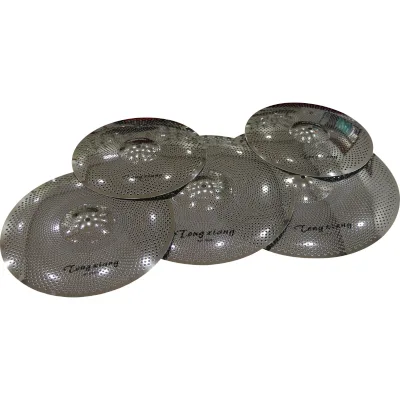
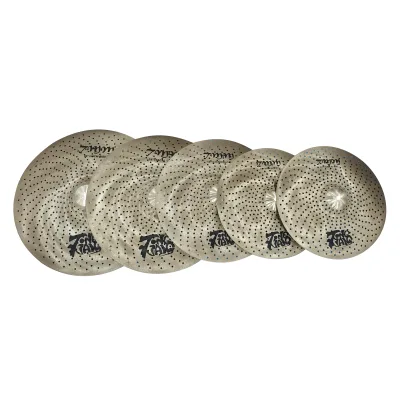
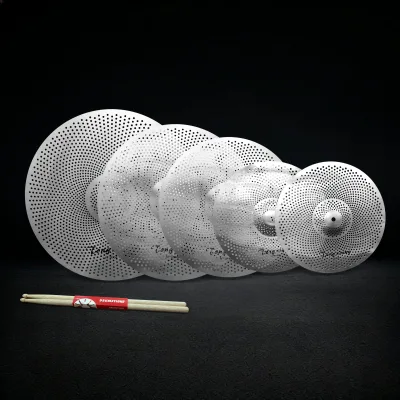
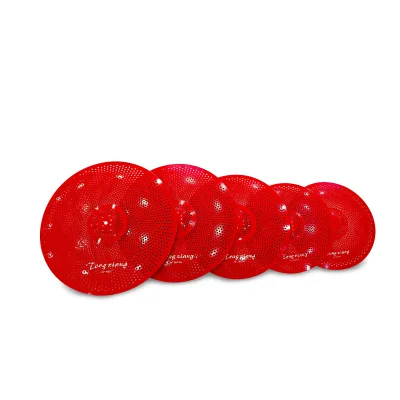






Comprehensive Sourcing Guide
Low Volume Alloy Cymbal Set Supplier Concentration and Factory Types
The available data indicates a specific manufacturing cluster in Shandong, China, where several suppliers for low volume alloy cymbal sets are located. This region appears to host a mix of manufacturers and trading companies, offering buyers a choice between direct factory engagement and intermediary services. The presence of both entity types suggests that some suppliers may own production facilities while others focus on sourcing and logistics. Buyers should verify the specific operational model of each potential partner to understand the supply chain structure. Some listings explicitly state they are manufacturers, while others identify as trading companies, which impacts how production oversight is managed.
When evaluating the factory types, it is crucial to distinguish between those that produce the alloy components in-house and those that aggregate products from various sources. The product evidence shows specific attributes like alloy material and high-grade quality, which are often hallmarks of direct manufacturing capabilities. However, the presence of trading companies does not preclude high-quality output, as they may have strict quality control protocols for their sourced items. Buyers must confirm whether the supplier listed as a trading company has direct access to the factory floor or relies on third-party verification. This distinction is vital for ensuring that the low volume alloy cymbal sets meet the required professional sound standards and durability expectations.
How to Verify Low Volume Alloy Cymbal Set Suppliers
Verification begins with confirming the physical location and operational history of the supplier, as the data points to Shandong, China, as a key origin point. Buyers should request proof of address and business registration to ensure the entity exists and operates within the claimed region. While specific establishment years are not universally provided in the current results, buyers must ask for this data directly to assess the supplier's experience level. A longer operational history often correlates with more stable production capabilities and a deeper understanding of alloy cymbal manufacturing nuances. Without this specific data point, buyers cannot assume a supplier's maturity or reliability based solely on product listings.
Response time and communication efficiency are critical metrics for verifying supplier readiness and reliability. The observed data shows response times ranging from three to seven days, which indicates varying levels of operational responsiveness. Buyers should test these response channels before placing orders to gauge how quickly the supplier addresses inquiries about specifications, pricing, or customization. A supplier that takes seven days to reply may struggle with urgent production needs or complex order modifications. Additionally, verifying the main products listed, such as cymbals, gongs, and drum sticks, ensures the supplier has the necessary inventory and expertise. Buyers should cross-reference the claimed main products with the specific low volume alloy cymbal sets they intend to purchase to confirm specialization.
What to Compare Across Low Volume Alloy Cymbal Set Suppliers
Comparing suppliers requires a detailed analysis of lead times, minimum order quantities, and pricing structures to find the best fit for specific project needs. The data reveals lead times of approximately fifteen days, but this figure may vary depending on order volume and customization requirements. Buyers must clarify if this lead time includes production, quality control, and packaging, or if it is an estimate for standard items. Minimum order quantities also vary significantly, with some listings showing an MOQ of one unit while others require ten or even one hundred units. This variation allows buyers to select suppliers that match their inventory strategy, whether they are testing the market or placing large-scale orders.
Pricing and service capabilities are equally important factors in the comparison process. The observed price ranges for alloy cymbal sets span from roughly thirty-five dollars to over two hundred dollars, reflecting differences in material quality, brand reputation, and production complexity. Buyers should not assume that a lower price indicates inferior quality, as some suppliers offer factory prices for durable, low-cost options. However, the service attributes, such as the ability to provide OEM services, must be explicitly confirmed. Some suppliers list OEM acceptance, while others do not mention this capability. Buyers should prioritize suppliers who explicitly state they can handle custom branding or specific alloy compositions to ensure the final product meets their exact requirements.
Common Low Volume Alloy Cymbal Set Sourcing Risks
One significant risk involves the discrepancy between claimed product attributes and actual delivery, particularly regarding material composition and sound quality. While the data lists materials as alloy or brass, buyers must verify the specific alloy grade and thickness to ensure the low volume characteristics are accurate. Some listings mention high-grade quality, but without third-party test results or certification details, these claims remain unverified. Buyers should request sample units to physically test the sound dampening and durability before committing to a large order. Relying solely on product descriptions can lead to receiving items that do not perform as expected in a practice or professional setting.
Another risk is the inconsistency in packaging and shipping logistics, which can affect the condition of the cymbals upon arrival. The data indicates various packaging methods, from professional plastic film and carton boxes to wooden cases for sea shipping. If a supplier uses inadequate packaging for international transport, the cymbals may suffer damage during transit. Buyers should explicitly confirm the packaging details for their specific order size and shipping method. Additionally, the supply ability of one thousand sets per month suggests a capacity limit that could be strained during peak seasons. Buyers must ensure the supplier can meet their delivery schedule without compromising quality or extending lead times beyond the agreed fifteen-day window.
Low Volume Alloy Cymbal Set Regional Sourcing and Logistics
Sourcing from the identified region in Shandong, China, offers logistical advantages but requires careful planning for international shipping. The data mentions Qingdao as a potential port of dispatch, which is a major hub for container shipping. Buyers should confirm the specific port of origin for each supplier to estimate transit times and freight costs accurately. Shipping from Qingdao to major global markets is generally efficient, but the choice between express air freight and sea shipping will significantly impact the total cost and delivery speed. For urgent orders, express shipping may be necessary, while bulk orders might benefit from the lower costs of sea freight.
Logistics planning must also account for the weight and dimensions of the cymbal sets, as these factors influence shipping charges. The product attributes list weights ranging from 4.6 kg to 7 kg per set, with specific package dimensions provided. Buyers should calculate the total volume and weight of their order to negotiate better freight rates with logistics providers. Some suppliers offer professional wooden packaging for sea shipping, which adds weight but provides superior protection. Buyers should weigh the cost of enhanced packaging against the risk of damage during transit. Understanding these logistical variables helps in creating a realistic budget and timeline for the procurement of low volume alloy cymbal sets.
Low Volume Alloy Cymbal Set Commercial Terms and Order Planning
Commercial terms regarding payment and order planning are essential for mitigating financial risk and ensuring smooth transaction execution. While specific payment terms are not detailed in the current data, buyers should always negotiate clear conditions, such as the use of escrow services or letters of credit. These mechanisms protect the buyer's funds until the goods are verified and shipped. Buyers must also clarify the currency of the transaction and any potential exchange rate fluctuations that could affect the final cost. Establishing a clear payment schedule aligned with production milestones helps maintain cash flow and builds trust with the supplier.
Order planning should align with the supplier's production capacity and lead times to avoid delays. The observed lead time of fifteen days suggests a relatively quick turnaround, but buyers should account for potential bottlenecks during high-demand periods. It is advisable to place orders well in advance of the required delivery date to accommodate any unforeseen delays. Additionally, buyers should confirm the supplier's ability to handle repeat orders and maintain consistent quality over time. The data shows some suppliers offer OEM services, which may require additional lead time for design approval and sample production. Planning for these variables ensures a steady supply of low volume alloy cymbal sets that meet the buyer's quality and timing requirements.
FAQs
What is the price range for low volume alloy cymbal sets?
Prices for low volume alloy cymbal sets typically range from thirty-five to seventy-five dollars per set. Some specialized brass models may cost up to two hundred dollars depending on the specific configuration and material quality selected by the buyer.
Where are these cymbal sets manufactured?
Most low volume alloy cymbal sets originate from Shandong, China. This region is a known hub for percussion instrument manufacturing, ensuring consistent supply chains and established production capabilities for various drum accessories and cymbal types.
What is the minimum order quantity for these sets?
Minimum order quantities vary significantly by supplier and product model. Some listings accept single item orders, while others require a minimum of ten or one hundred sets depending on the specific alloy composition and customization requirements.
How long does it take to receive an order?
Standard lead times for these cymbal sets are approximately fifteen days from order confirmation. Buyers should verify specific shipping schedules with suppliers, as express shipping options may alter the final delivery timeline for international destinations.
Do suppliers offer OEM services for these cymbals?
Many manufacturers confirm they can provide OEM services for custom branding and specifications. Buyers seeking private label options should verify specific service capabilities directly with the supplier to ensure their unique requirements are met.
What materials are used in these low volume sets?
These sets are commonly constructed from high-grade alloy or brass materials. The specific material choice affects the sound profile and durability, with some options offering professional sound quality suitable for both practice and performance environments.
How quickly do suppliers typically respond to inquiries?
Response times for supplier inquiries generally range from three to seven days. Buyers should expect prompt communication but should also verify current response rates with specific vendors to ensure timely coordination for large orders.