Wooden Pearl Handle for Handbag Suppliers and Manufacturers
Source 21 verified suppliers for Wooden Pearl Handle for Handbag components. Compare Guangdong-based manufacturers on lead times, MOQs, and response speeds. Request samples to verify quality and pricing before placing bulk orders; review the available evidence before requesting comparable quotations from suitable candidates.
Suppliers List
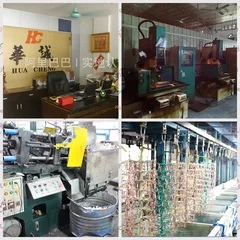
Guangzhou Huacheng Hardware Co., Ltd.
- Manufacturer, Trading Company, Distributor/Wholesaler
- Guangdong, China
- Lead time10 days
- Avg. response≤ 3h
Main productsPurse Frame,Magnetic Button,Snap Hook,Handbag Lock,Metal Ring
Main marketsDomestic Market(9.98%), North America(9.82%), Eastern Asia(9.76%), Northern Europe(9.53%), Western Europe(8.92%), South America(8.29%), Southern Europe(8.15%), Eastern Europe(7.85%), South Asia(6.85%), Mid East(6.12%), Central America(5.89%), Southeast Asia(5.18%), Africa(2.34%), Oceania(1.32%)

Guangzhou Desheng Hardwares And Leathers Co., Limited
- Manufacturer, Trading Company, Distributor/Wholesaler
- Guangdong, China
- Lead time0 days
- Avg. response≤ 6h
Main productsBag Hardwares,Bag Chain,Bag Accessories,Keyring Decoration,Fashion Accessories
Main marketsNorth America(25.00%), Northern Europe(15.00%), Western Europe(15.00%), South Asia(15.00%), Eastern Europe(8.00%), Southeast Asia(5.00%), Southern Europe(5.00%), Oceania(5.00%), Africa(2.00%), Eastern Asia(1.50%), Mid East(1.50%), South America(1.00%), Central America(1.00%)
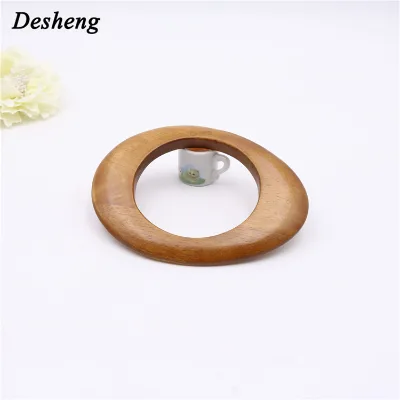
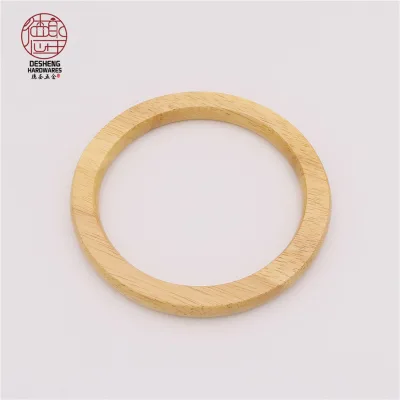
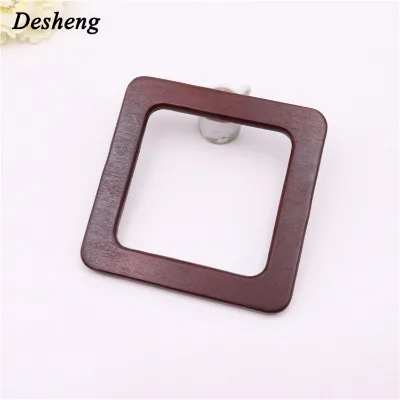

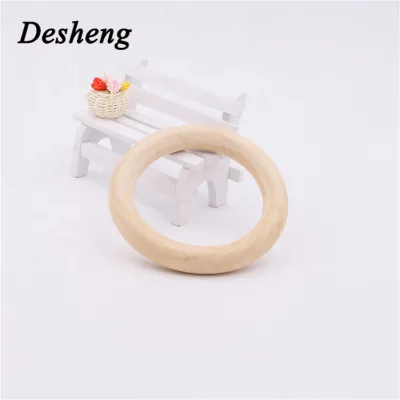
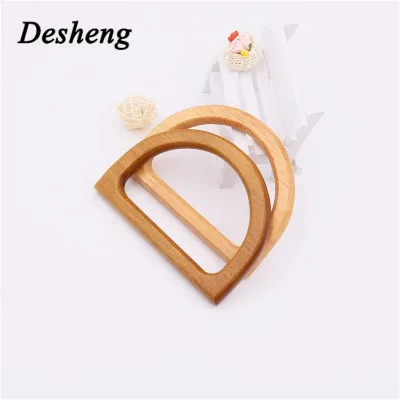
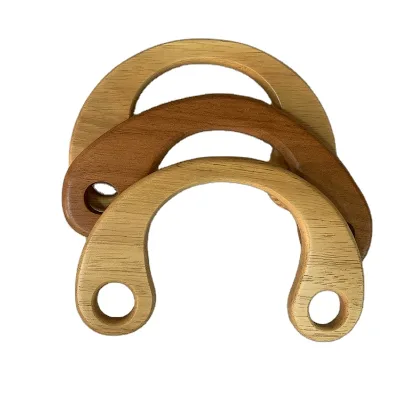
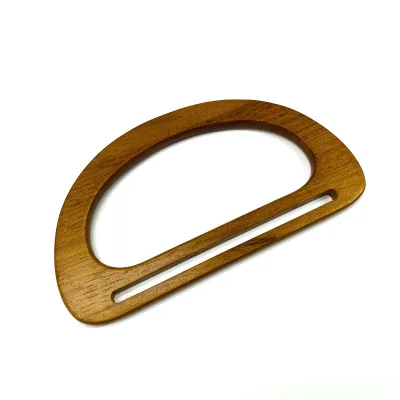
Manufacturer Direct Selling Real Wood Color D Shape Wood Hand Arm Wood Handle Bag Wrist
$0.96 - $1.13
MOQ: 200 pieces

Weifang Fine Life Household Products Co., Ltd
- Verified by SGS
- Trading Company
- China Shandong
- Lead time30 days
- Avg. response≤ 5h
Main productsFurniture, Particle Boards, MDF Boards, Hand Woven Crafts
Main marketsEast Asia(Japan/ South Korea)
Guangzhou Yicheng Yichu Trade Ltd.
- Verified by SGS Group
- Trading Company
- Lead time5 days
- Avg. response≤ 2h
Main productsBag, Luggage Parts & Accessories, Garment Hardware Accessories, Shoe Hardware Accessories, Crafts Hardware Accessories, Pet Hardware Accessories
Main marketsNorth America(35%), Southeast Asia(20%), Western Europe(15%)
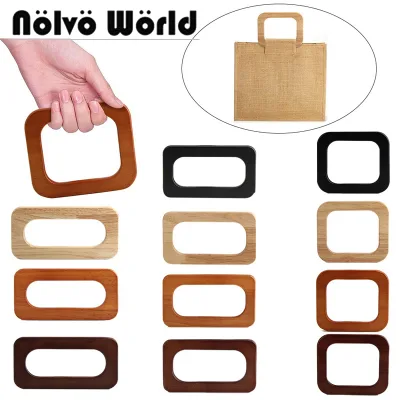
$0.78 - $1.50
MOQ: 200 Minimum
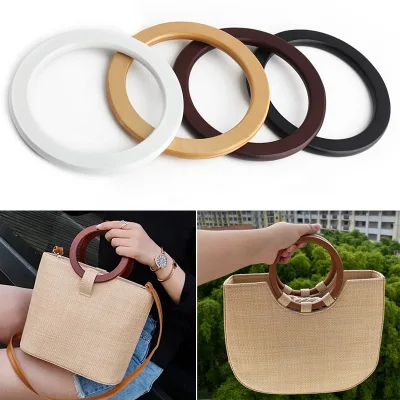
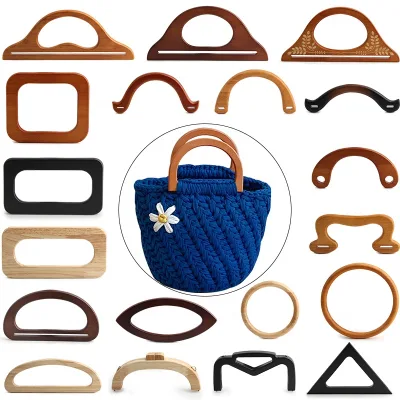
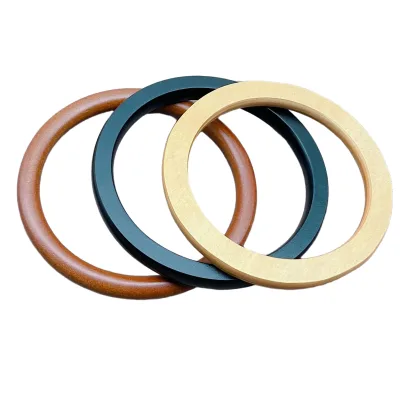
Factory Direct Round Wooden Handle Best Quality Custom DIY Making Wooden Handles for Handbag
$0.65 - $0.96
MOQ: 100 Minimum
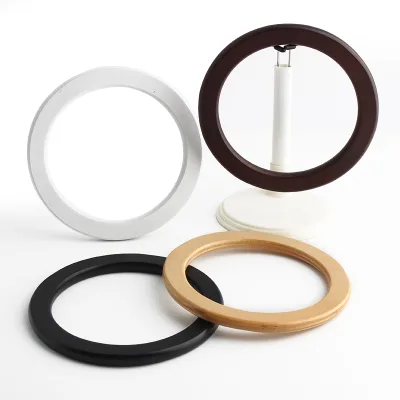
$0.66 - $0.80
MOQ: 100 pieces
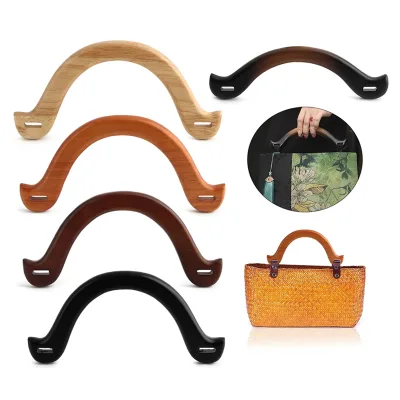
$0.79 - $1.10
MOQ: 200 Minimum
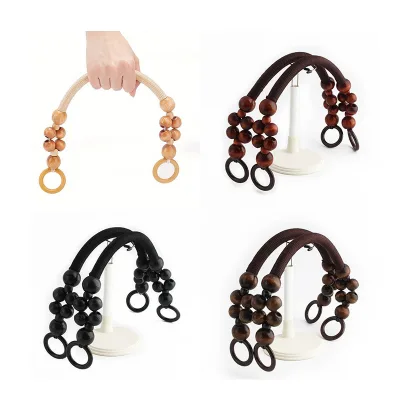
Guangzhou Sanrui Hardware Co., Ltd.
- Manufacturer, Trading Company
- Guangdong, China
- Lead time0 days
- Avg. response≤ 11h
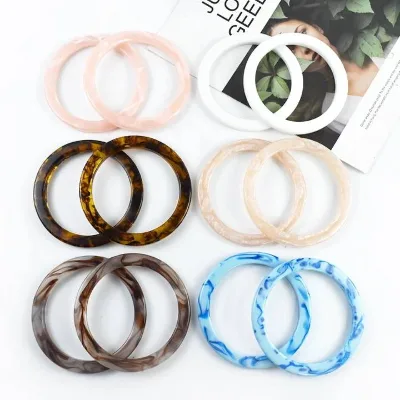
Main productsAcrylic chain,Resin arm,Wooden clamps,Acrylic Japanese button,Resin chain
Main marketsDomestic Market(20.00%), South Asia(15.00%), North America(10.00%), Southeast Asia(10.00%), Eastern Asia(10.00%), Central America(5.00%), Eastern Europe(5.00%), Mid East(5.00%), Oceania(3.00%), Northern Europe(2.00%), South America(2.00%), Southern Europe(2.00%)

Jinjiang Jiaxing Supply Management Co., Ltd.
- Verified by TUVRHEINLAND
- Trading Company
- China Fujian
- Lead time30 days
- Avg. response≤ 1h
Main productsEVA Clogs, Flip Flop, Shoe Charms, Shopping Bags, Wristbands, Gifts, Promotional Gifts, Slipper, Sport Cap, Ball
Main marketsNorth America
Shenzhen Jiawo Industrial Co., Ltd.
- Manufacturer, Trading Company
- Guagndong, China
- Lead time0 days
- Avg. response≤ 6h
Main productsBag Part,Garment Accessories
Main marketsWestern Europe(40.00%), North America(40.00%)
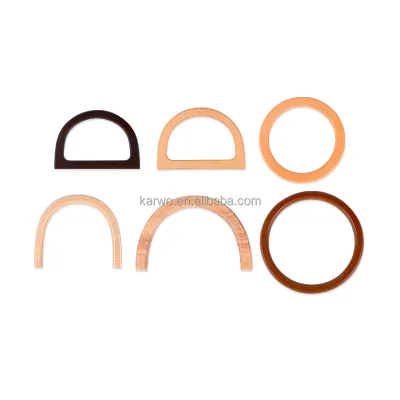
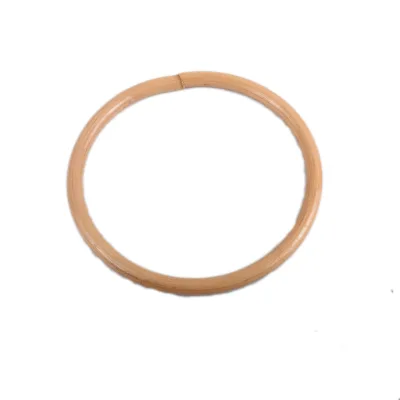
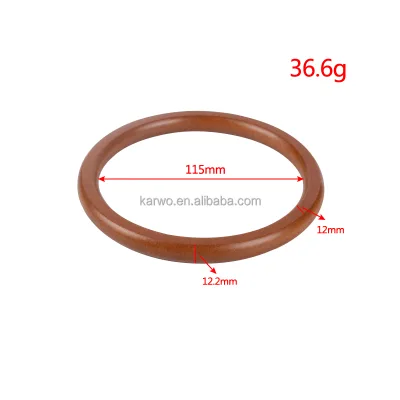
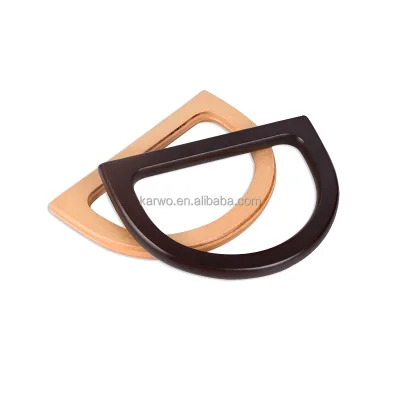
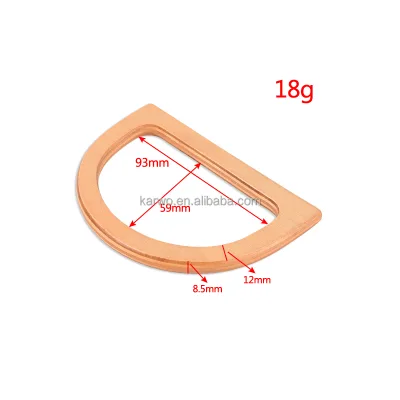
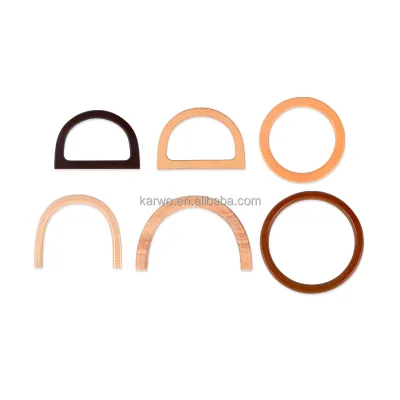
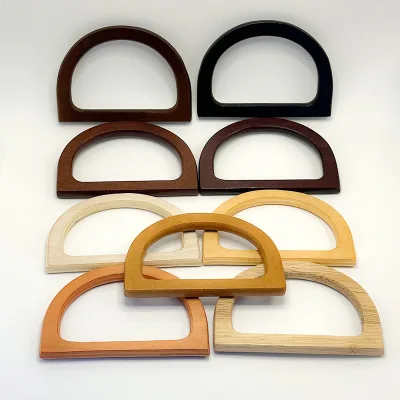
Karwo 93x59mm D-Shape Wood Handbag Handles Fashionable Wooden Bag Purse Tote Accessories
$0.70 - $1.12
MOQ: 500 pieces

Guangzhou Modicci Fashion Co., Limited
- Verified by SGS
- Trading Company,Manufacturer/Factory
- China Guangdong
- Lead time45 days
- Avg. response≤ 18h
Main productsHandbag, Backpack, Crossbody, Wallet, Clutch, Purse, Keyring, Jewellery Box, Card Holder, Laptop Backpack
Main marketsSouth America,Eastern Europe,Mid East,North America,Southeast Asia,Eastern Asia,Oceania,Western Europe,Africa

Fashion Girl Knit Handbag New Fashion Ladies Wooden Handle Handbag for Women Crossbody Bag (5034)
$6.00 - $10.00
MOQ: 200 Pieces

$6.00 - $10.00
MOQ: 200 Pieces

Guangzhou Master Young Co., Ltd.
- Verified by TUVRHEINLAND
- Trading Company,Manufacturer/Factory
- China Guangdong
- Lead time23 days
- Avg. response≤ 7h
Main productsWomen Handbag, PU Leather Handbag, Backpack, Men Wallet, Genuine Leather Bags, Laptop Bags, Denim Bags, Party Bags, Leisure Backpack, Fashion Bags
Main marketsSouth America,Eastern Europe,Mid East,North America,Southeast Asia,Eastern Asia,Oceania,Western Europe


2024 Custom Smooth Leather Wooden Handle Ladies Hand Bag Women Bucket Handbag
$6.50 - $8.50
MOQ: 20 Pieces

Dongguan Jianchenxing Trading Co., Ltd.
- Trading Company
- Guangdong, China
- Lead time15 days
- Avg. response≤ 3h
Main productsluggage and bags,Luggage Accessories,Jewelry accessories,Jewelry,Pants chain
Main marketsNorth America(30.00%), Western Europe(10.00%), Oceania(10.00%), Africa(10.00%), Northern Europe(5.00%), Southern Europe(5.00%), Southeast Asia(5.00%), Mid East(5.00%), Eastern Europe(5.00%), South America(5.00%), Domestic Market(4.00%), South Asia(3.00%), Eastern Asia(2.00%), Central America(1.00%)

Guangzhou Zexin Leather Co., Ltd.
- Verified by SGS
- Combined
- China Guangdong
- Lead time30 days
- Avg. response≤ 17h
Main productsLadies Handbag, Handbag, Fashion Handbag, PU Handbag, Leather Handbag, Women Handbag, Fashion Bag, Designer Handbag, Lady Bag, Leather Bag
Main marketsDomestic,Europe,North America
Ningbo Hongdao E-Commerce Ltd.
- Trading Company
- Zhejiang, China
- Lead time20 days
- Avg. response≤ 5h
Main productsCraft &Gift,crochet kit,Personal Care,sewing product,smoking product
Main marketsNorth America(55.00%), Southern Europe(5.00%), Northern Europe(5.00%), Central America(5.00%), Western Europe(5.00%), Eastern Asia(5.00%), Mid East(5.00%), Oceania(5.00%), Eastern Europe(5.00%), South America(5.00%)

Shenzhen E-Yue Manufacturer Co., Ltd.
- Verified by TUVRHEINLAND
- Manufacturer/Factory
- China Guangdong
- Lead time23 days
- Avg. response≤ 6h
Main productsCar Air Freshener, Paper Packaging Box, Can Air Freshener, Paper Flower, Promotion Gifts, Cotton Shopping Bag, Plaster Pendant Aroma Diffuser, Scetned Candles, Scented Bag for Home & Car, Gift Box
Main marketsSouth America,Mid East,North America,Southeast Asia,Eastern Asia,Oceania,Western Europe,Africa
- Manufacturer, Trading Company
- Guangdong, China
- Lead time20 days
- Avg. response≤ 1h
Main productsBox Accessories, Bag Accessories, Purse Frame, Box Hinge, Bag Handle
Main marketsSouth America(10.00%), Western Europe(9.00%), Southern Europe(9.00%), Africa(9.00%), Mid East(9.00%), Eastern Asia(8.00%), North America(8.00%), Central America(8.00%), Northern Europe(8.00%), Eastern Europe(8.00%), Southeast Asia(8.00%), South Asia(2.00%), Oceania(2.00%), Domestic Market(2.00%)
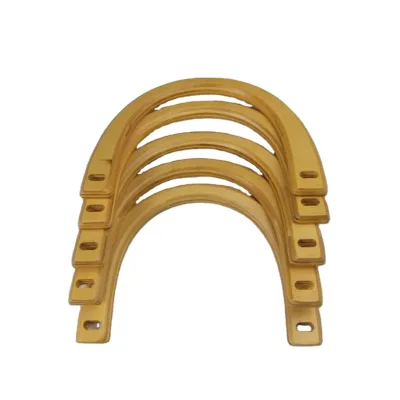
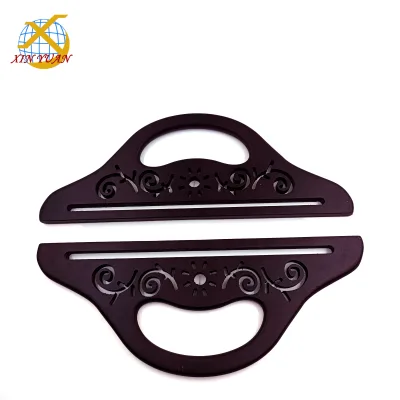
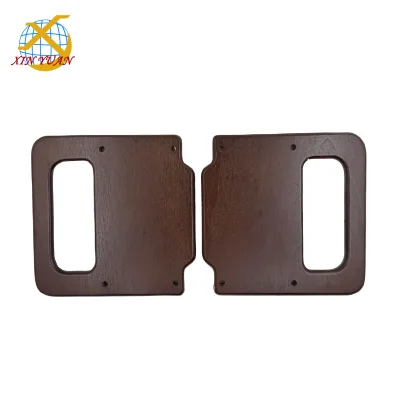
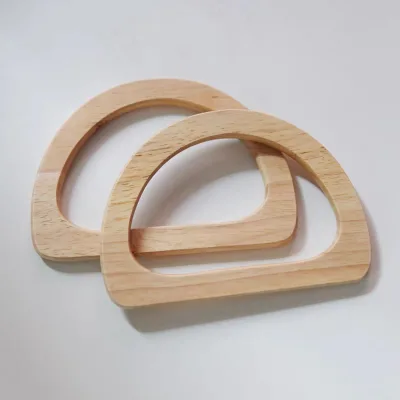
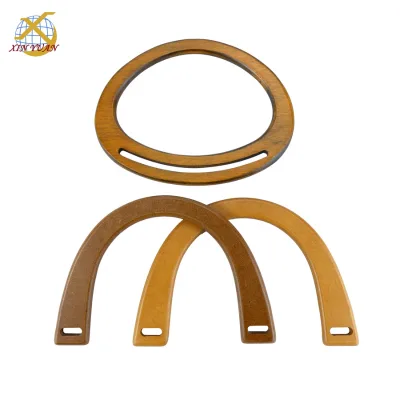
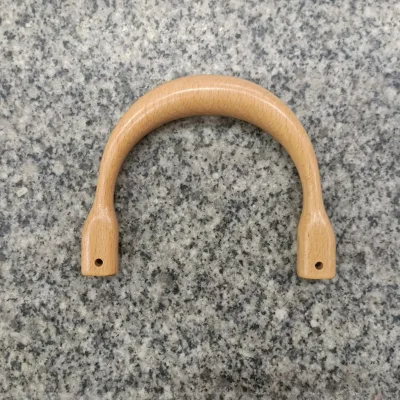
Luxury Natural Wood Handle Handbag Parts-Low Price Wholesale Customizable Sizes
$1.45 - $2.34
MOQ: 500
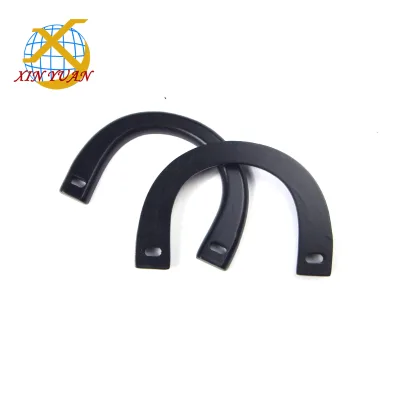

Xiamen Ebei Import & Export Co., Ltd.
- Verified by CTI
- Trading Company,Manufacturer/Factory
- China Fujian
- Lead time45 days
- Avg. response≤ 2h
Main productsEco-Friendly Products, Bamboo Tableware, Bamboo Furniture, Bamboo Kitchenware, Bamboo Office Supply, Bamboo Fibre Products, Biodegradable Products, Bamboo Towel, Solar Energy Products, Bamboo Garden Products
Main marketsSouth America,Eastern Europe,Mid East,North America,Southeast Asia,Eastern Asia,Oceania,Western Europe,Africa

Tonglin Wood Industry (Dalian) Co., Ltd
- Verified by BV
- Trading Company
- China Liaoning
- Lead time30 days
- Avg. response≤ 3h
Main productsWooden Stair Product, Wooden Skirting Line, Wooden Baseball Bat, Wooden Pet Product, Wooden Knob, Wooden Handle, Wood Wine Box, Wooden Balusters, Wooden Cutting Board, Wooden Door Jamb
Main marketsNorth America
Guangzhou Kz Leather Goods Manufacturing Co., Ltd.
- Verified by TüVRheinland
- Manufacturer, Trading Company
- Lead time20 days
- Avg. response≤ 3h
Main productsWatch Strap, Handbag, Belt, Wallet, Bag Accessories
Main marketsNorth America(40%), Domestic Market(40%), Western Europe(10%)
Guangzhou Bolian Clothing Co., Ltd.
- Manufacturer, Trading Company, Distributor/Wholesaler
- Guangdong, China
- Lead time0 days
- Avg. response≤ 2h
Main productsBags & Gift Boxes,Garment Acchandicraftessories,Handicraft Article,Hardware tools,Daily necessities for light industry
Main marketsNorth America(50.00%), South America(20.00%), Western Europe(15.00%), Southeast Asia(5.00%), Mid East(2.00%), Domestic Market(1.00%), South Asia(1.00%), Northern Europe(1.00%), Central America(1.00%), Eastern Europe(1.00%), Eastern Asia(1.00%), Africa(1.00%), Oceania(1.00%)
Huanggang Zhencai Trading Co., Ltd.
- Trading Company
- Hubei, China
- Lead time7 days
- Avg. response≤ 1h
Main productsbag accessory,travel accessory,bag chain,luggage tag,bag strap
Main marketsSouthern Europe(10.00%), Northern Europe(10.00%), Western Europe(10.00%), Eastern Asia(10.00%), Mid East(10.00%), Africa(10.00%), Southeast Asia(10.00%), Eastern Europe(10.00%), South America(10.00%), North America(10.00%)
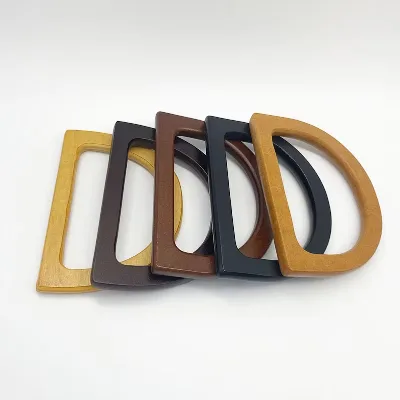
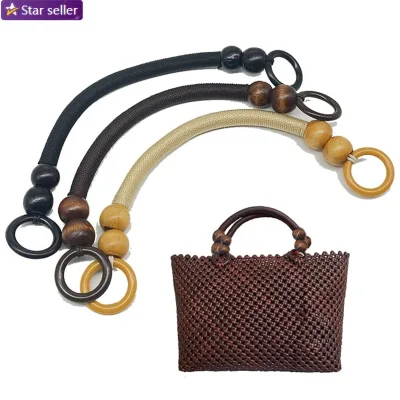
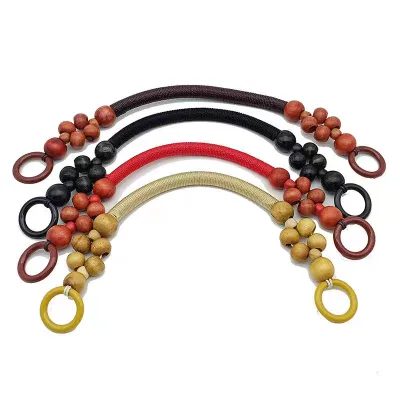
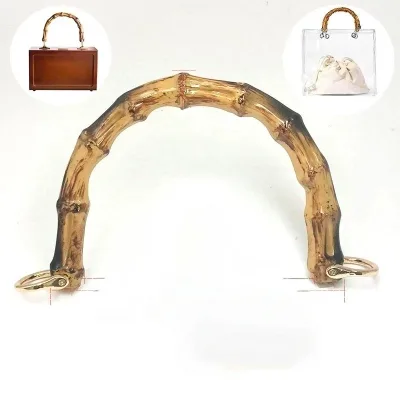
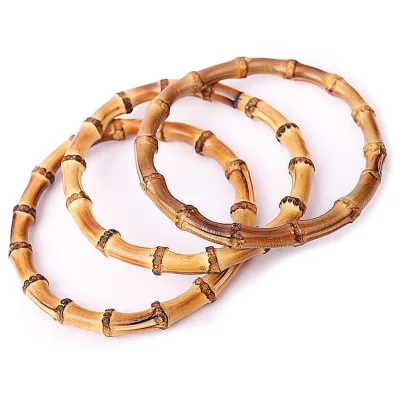
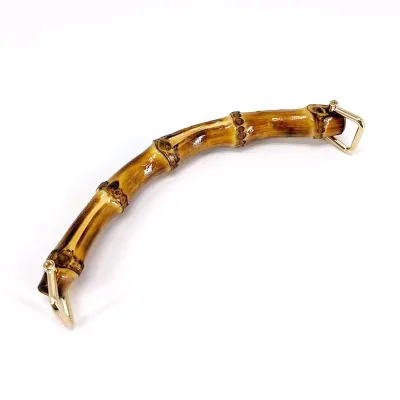
Bamboo Handle DIY Manual Bag Material Round Bamboo Circle Ring for Handbag Handle
$0.30 - $0.42
MOQ: 500

Qingdao Wannian Industry Co.,Ltd.
- Verified by BV
- Combined
- China Shandong
- Lead time30 days
- Avg. response≤ 24h
Main productsPaint Brush
Main marketsEurope

FOSHAN CARINO HARDWARE CO., LIMITED
- Verified by SGS
- Trading Company
- China Guangdong
- Lead time30 days
- Avg. response≤ 7h
Main productsConcealed Hinge, Hinge, Slide Series, Handles, Drawer Lock, Other Hardware, Tube and Holder, Furniture Leg, Caster, Support
Main marketsSouth America,Southeast Asia/ Mideast,North America










Comprehensive Sourcing Guide
Wooden Pearl Handle for Handbag Supplier Concentration and Factory Types
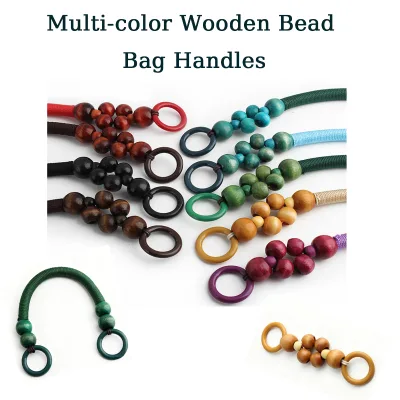
The available data indicates that suppliers for wooden pearl handles are concentrated in Guangdong, China, a region known for its extensive manufacturing ecosystem for bag hardware and accessories. This location serves as a primary hub where manufacturers, trading companies, and distributors operate in close proximity to raw material sources and logistics networks. Buyers should prioritize verifying that a supplier's stated location matches this high-confidence fact, as the concentration of facilities in this province often correlates with established supply chains for wooden components and metal fittings. The presence of multiple company types, including direct manufacturers and wholesalers, suggests a competitive market where buyers can find various levels of direct factory access or intermediary services depending on their volume needs.
When evaluating the factory types listed in supplier profiles, buyers must distinguish between entities that manufacture the wooden handles in-house versus those that act as trading companies sourcing from third-party factories. The observed data includes suppliers identifying as manufacturers, trading companies, and distributors, each offering different value propositions regarding customization and pricing. A manufacturer typically offers more flexibility for custom sizes and specific material treatments, while a trading company might provide a broader range of finished products like purse frames and magnetic buttons alongside the handles. Buyers should request proof of factory ownership or direct production capability if they require strict quality control over the wooden material and the nickel-free plating processes often associated with these hardware components.
How to Verify Wooden Pearl Handle for Handbag Suppliers
Verification begins with confirming the supplier's physical location and production capabilities against the high-confidence fact that operations are centered in Guangdong, China. Buyers should request video tours of the facility or recent inspection reports that specifically show the woodworking and metal plating lines used for producing handles with features like nickel-free finishes. It is critical to validate that the supplier's stated main products, such as purse frames, snap hooks, and metal rings, align with their ability to produce the specific wooden pearl handles required. Cross-referencing the supplier's claimed establishment year and response times, which can range from three to six days in observed data, helps assess their operational maturity and reliability in handling inquiries.
Buyers must also scrutinize product attributes to ensure they match the specific requirements for wooden handles, such as the availability of custom sizes and specific color options like black, white, or dark brown. The data shows that some suppliers offer free samples, which is a vital verification step to confirm the quality of the wood grain, the durability of the finish, and the accuracy of the pearl detailing. Checking for specific model numbers and brand names associated with the products, such as HC or DESHENG, allows buyers to trace the product lineage and verify that the materials used, including natural wood or bamboo, meet their standards. Additionally, confirming the inspection methods, such as "pc by pc" checks, ensures that the supplier has a robust quality assurance process before shipping.
What to Compare Across Wooden Pearl Handle for Handbag Suppliers
When comparing suppliers, the minimum order quantity (MOQ) is a primary differentiator, with observed data showing a standard MOQ of 200 pieces for many wooden handle products. Buyers should calculate whether this volume aligns with their inventory needs, as some suppliers may offer lower MOQs for custom orders while others strictly adhere to the 200-piece threshold. Lead times also vary significantly, with some suppliers indicating a ten-day production window while others report zero days, suggesting immediate stock availability or a drop-shipping model. Understanding these variations is essential for planning production schedules and ensuring that the supply of handles does not bottleneck the final bag assembly process.
Response times and supply capabilities provide further insight into a supplier's operational efficiency, with observed response times ranging from three to six days and supply abilities noted as 2000 pieces per week for some manufacturers. Buyers should compare these metrics against their own order urgency and volume requirements to select a partner that can scale with their business. Price ranges also differ, with some products listed between 1.10 and 1.50 units of currency, while others range from 0.20 to 2.57 units, reflecting differences in material quality, finishing techniques, and brand positioning. Evaluating the main products offered alongside the handles, such as bag chains or keyring decorations, can reveal whether a supplier offers a comprehensive solution that simplifies the sourcing of multiple bag accessories.
Common Wooden Pearl Handle for Handbag Sourcing Risks
One significant risk involves the inconsistency of material quality, particularly regarding the wood grain and the durability of the nickel-free plating on metal components. Without verified test results or specific certification documents, buyers cannot guarantee that the wood is free from cracks or that the plating will not tarnish over time, despite claims of high quality and low price. The observed data mentions advantages like "perfect shining surface" and "no crack," but these are unverified assertions that require physical sample inspection to confirm. Relying solely on product descriptions without independent verification can lead to receiving batches that do not meet the aesthetic or functional standards required for high-end handbag manufacturing.
Another risk is the discrepancy between stated lead times and actual delivery performance, especially when suppliers claim zero-day lead times or rapid response capabilities. If a supplier promises immediate availability but lacks the inventory or production capacity to fulfill large orders, it can disrupt the entire supply chain. The variation in supply ability, such as the 2000 pieces per week capacity noted for some, highlights the need to confirm if this capacity is sustainable during peak seasons. Furthermore, the lack of standardized pricing across different suppliers can lead to budget overruns if the buyer does not clearly define the specifications for material, size, and finish, potentially resulting in unexpected costs or the need for rework.
Wooden Pearl Handle for Handbag Regional Sourcing and Logistics
Sourcing from Guangdong, China, offers logistical advantages due to the region's proximity to major ports like Guangzhou, which facilitates efficient export shipping for wooden handles and bag hardware. The observed data confirms that the port of dispatch is often Guangzhou, allowing buyers to estimate transit times and shipping costs more accurately when planning their orders. Buyers should verify the specific port of dispatch for each supplier, as this can impact the final landed cost and the speed of delivery to their destination. The concentration of suppliers in this region also means that freight forwarders are well-versed in handling wooden products, which may require specific packaging to prevent damage during transit.
Packaging details are a critical component of logistics planning, as the data indicates that products are often packed individually in polybags, with multiple units grouped in outer cartons. Buyers must ensure that the packaging specifications, such as the single package size of 43x23x1 cm or 15x15x3 cm, align with their storage and shipping requirements to optimize container space. The weight of individual items, ranging from 0.06 kg to 0.07 kg, contributes to the overall shipping weight and must be factored into freight calculations. Additionally, buyers should confirm if the supplier offers consolidated shipping options if they are sourcing multiple types of bag accessories, such as purse frames and metal rings, to reduce overall logistics costs and simplify the receiving process.
Wooden Pearl Handle for Handbag Commercial Terms and Order Planning
Commercial terms regarding pricing and payment structures vary widely, with observed price ranges indicating that buyers must negotiate based on specific order volumes and customization requirements. Some suppliers offer free samples, which can be a valuable tool for validating product quality before committing to a larger order, while others may charge for samples or require a deposit. Buyers should clarify the payment terms, including whether escrow services are available to protect funds until the goods are verified, and understand the implications of the stated MOQ of 200 pieces on their cash flow. The ability to customize sizes and colors is a key commercial factor, as it allows buyers to tailor products to their brand identity but may involve additional costs or longer lead times.
Order planning must account for the supply ability and lead times to ensure a steady flow of materials for production. With supply abilities noted as 2000 pieces per week for some manufacturers, buyers can plan for larger orders but must confirm if this capacity is consistent year-round. The variation in lead times, from zero days to ten days, requires careful scheduling to avoid production delays. Buyers should also consider the packaging details and single gross weight when calculating storage needs and shipping logistics. By aligning their order planning with the supplier's stated capabilities and commercial terms, buyers can mitigate risks and ensure a smooth procurement process for wooden pearl handles and related bag accessories.
FAQs
What is the price range for wooden pearl handles?
Prices for these handles typically range from $1.10 to $1.50 per unit. Some suppliers offer broader ranges up to $2.57 depending on customization. Buyers should verify exact costs based on order volume and specific design requirements before finalizing procurement decisions.
What is the minimum order quantity for these handles?
The standard minimum order quantity is 200 pieces. This threshold applies to most suppliers offering wooden bag handles. Buyers planning smaller projects may need to negotiate or seek alternative suppliers with lower entry barriers to meet their specific inventory needs.
How long does production take for custom orders?
Lead times generally average around 10 days for standard production runs. Some suppliers indicate zero days for specific stock items, while others may vary. Buyers should confirm exact timelines with their chosen vendor to ensure alignment with their manufacturing schedules.
Are free samples available for wooden bag handles?
Yes, several suppliers provide free samples for quality evaluation. This allows buyers to inspect material quality and finish before committing to bulk orders. Buyers should contact suppliers directly to request samples and confirm any shipping cost responsibilities associated with the evaluation process.
Where are these wooden handles manufactured?
These products are primarily manufactured in Guangdong, China. This region is known for its robust supply chain for bag accessories. Buyers sourcing from this location benefit from established logistics networks and competitive pricing structures for bulk hardware procurement.
What materials are used for these handles?
Handles are typically made from natural wood or bamboo. Some products feature nickel-free finishes for durability and safety. Buyers should verify specific material compositions to ensure compliance with their brand standards and target market regulatory requirements for bag accessories.