Microfiber Car Wax Applicator Suppliers and Manufacturers
Source 25 verified suppliers for Microfiber Car Wax Applicator products. Compare key dimensions including location, lead time, MOQ, and response time to find the right partner. Review product specifications and pricing details to streamline your procurement process; review the available evidence before requesting comparable quotations from suitable candidates.
Suppliers List
Ningbo Yinzhou Zhantuo Imp.&Exp. Co., Ltd.
- Trading Company
- Zhejiang, China
- Lead time35 days
- Avg. response≤ 9h
Main productsCar Duster, Drying Towel, Wash Brush, Cleaning Kit, Wash Mitt
Main marketsNorth America(50.00%), South America(25.00%), Western Europe(20.00%), Southeast Asia(5.00%)
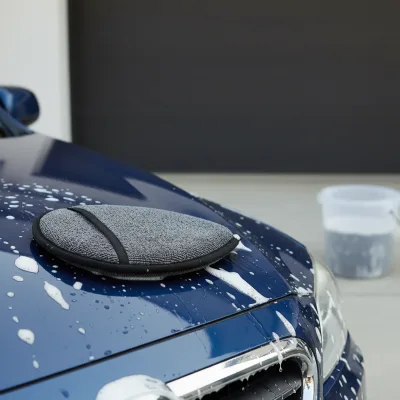
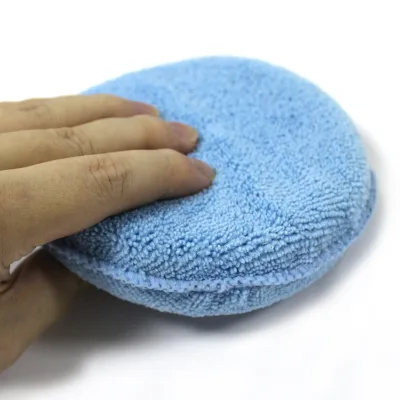
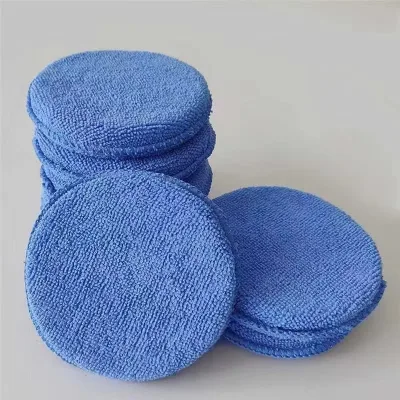
CARCATICZ Microfiber Waxing Pad Car Polishing Pad Microfiber Wax Applicator Pad
$0.24 - $0.28
MOQ: 3000 pieces
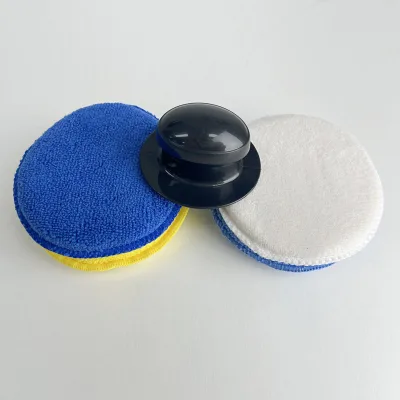

Anhui Shineopen Auto Products Co., Ltd
- Verified by BV
- Manufacturer/Factory
- China Anhui
- Lead time23 days
- Avg. response≤ 9h
Main productsCar Care Products, Car Detailing Products, Car Wash Microfiber Towel, Car Drying Products, Foam Cannon, Car Polisher, Foam Polishing Pad, Wool Buffing Pad, Car Wash Mitt, Wheel Brush
Main marketsSouth America,Eastern Europe,Mid East,North America,Southeast Asia,Eastern Asia,Oceania,Western Europe,Africa

Shineopen Premium White Finger Car Detailing Microfiber Velvet Wax Applicator
$0.28 - $0.50
MOQ: 500 pieces

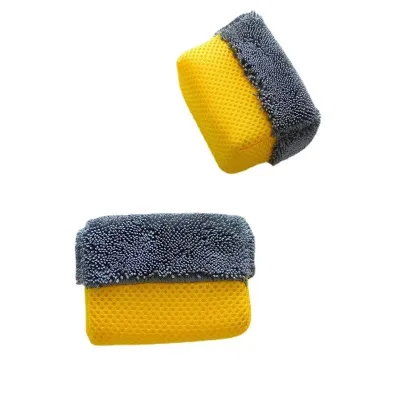
Shineopen Wholesale Microfiber Car Sponge Car Cleaning Waxing Microfiber Terry Cloth Applicator
$0.30 - $0.90
MOQ: 500 pieces

Shineopen Microfiber Suede Car Detailing Finger Microfiber Wax Applicator Mitt for Ceramic Coating
$0.60 - $1.80
MOQ: 500 pieces

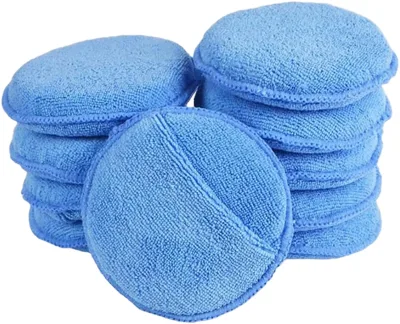
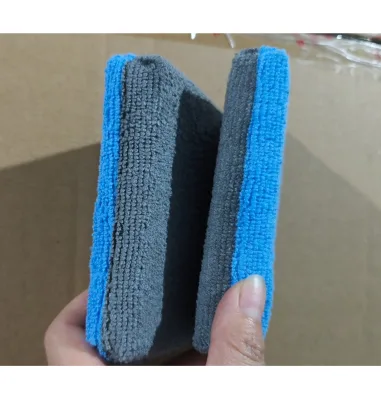
Blue Microfiber Car Wax Applicator Pad Rectangle Foam Premium Grade Microfiber Applicator Pads
$0.30 - $0.90
MOQ: 500 pieces

Microfiber Applicator Car Wash Cleaning Polishing Sponge Wax Applicator Pad for Car Detailing
$0.80 - $1.80
MOQ: 100 pieces

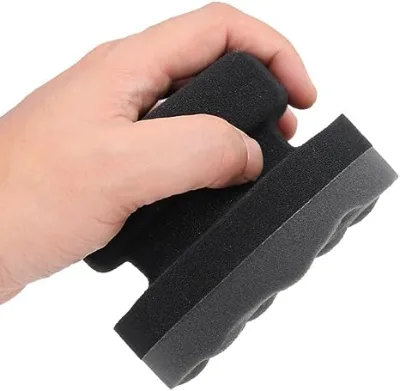
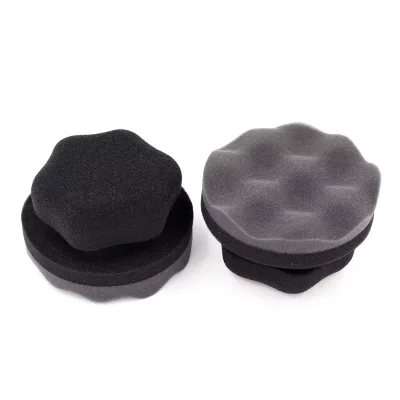
Car Wax Sponge Tire Shine Applicator Pad Hexagonal Wax Sponge Tire Dressing Applicator
$0.50 - $1.50
MOQ: 500 pieces
Guangzhou Nabowan Fine Chemical Co., Ltd.
- Verified by TüVRheinland
- Manufacturer, Trading Company
- Lead time25 days
- Avg. response≤ 2h
Main productsCeramic Coating, Car Cleaning, Clay Bar, Car Polishing Compound, Car Wash Foam
Main marketsNorth America(25%), Africa(15%), Mid East(15%)

Shijiazhuang Dingrui Textiles Products Co., Ltd.
- Verified by BV
- Combined
- China Hebei
- Lead time15 days
- Avg. response≤ 3h
Main productsMicrofiber Towel, Kitchen Towel Dish Towel, Car Cleaning Towel, Bathroom Towels, Bathrobe, Beach Towel, Car Cleaning Kit, Gym Towel, Tea Towel, Hair Drying Towel
Main marketsSouth America,Europe,North America


Round Microfiber Car Polish Wax Applicator Pad Sponge for Car Buffing, Polishing, Waxing, Cleaning
$0.28 - $0.35
MOQ: 150 Pieces


- Verified by TUVRHEINLAND
- Trading Company
- China Anhui
- Lead time15 days
- Avg. response≤ 7h
Main productsIndustrial Brush, Roller Brush Sweeper Brush, Polishing Brush, Electric Scrubber Brush, Cleaning Brush, Strip Brush, Tube Brush, Paint Brush, Steel Brush, Wheel Brush
Main marketsSouth America,Africa,Southeast Asia/ Mideast,East Asia(Japan/ South Korea),Europe,Australia,North America

Ningbo Super Clean Co., Limited
- Verified by TUVRHEINLAND
- Trading Company
- China Zhejiang
- Lead time30 days
- Avg. response≤ 19h
Main productsMicrofiber Cleaning Cloth, Car Wash Mitt and Wash Pad, PVA Chamois, Ice Scraper, Snow Brush, Car Wash Brush, Car Wheel Brush, Window Wiper and Squeegee, Car Duster, Anti Slip Pad
Main marketsDomestic


MOQ: 1 Pieces


MOQ: 1000 Pieces

MOQ: 1000 Pieces
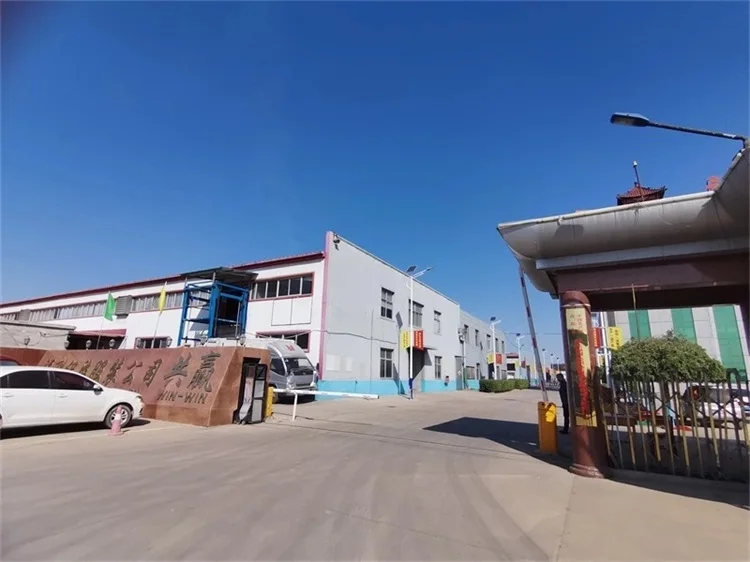
Hebei Chefhi International Trade Co., Ltd.
- Trading Company
- Hebei, China
- Lead time0 days
- Avg. response≤ 9h
Main productsCar Detailing Towel,Car Wash Glove,Car Cleaning Brush,Sponge,Household Towel
Main marketsWestern Europe(25.00%), North America(20.00%), South America(10.00%), Northern Europe(10.00%), Eastern Europe(10.00%), Southern Europe(5.00%), Mid East(5.00%), Oceania(5.00%), Eastern Asia(3.00%), Africa(3.00%), Southeast Asia(2.00%), Domestic Market(1.00%), Central America(1.00%)
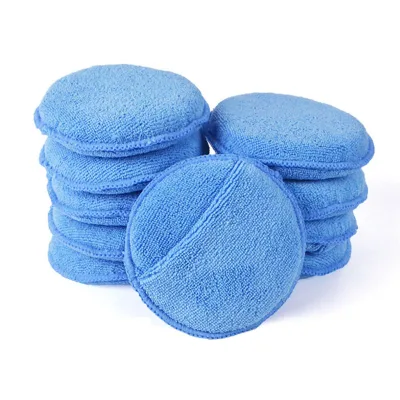
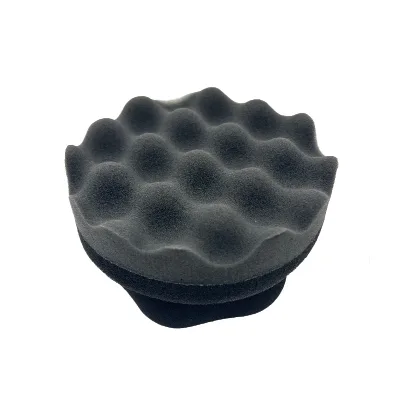
China Factory Large Tire Shine Applicator Pad Hex-Grip Tire Dressing Ceramic Cleaning Applicator Pad
$0.64 - $0.70
MOQ: 1 pieces
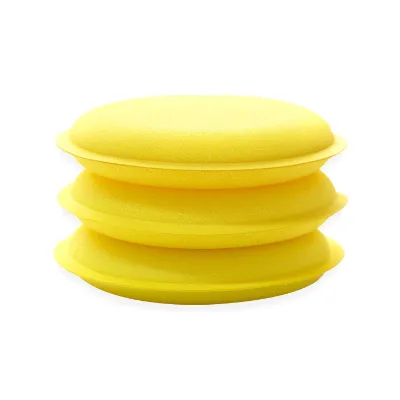
Guangzhou Golden Orange Auto Accessories Co., Ltd.
- Manufacturer, Trading Company
- Guangdong, China
- Lead time30 days
- Avg. response≤ 2h
Main productsCar Wax,Automotive Detailing,Car Washing Shampoo,Polishing Compounds,Car Care product
Main marketsDomestic Market(36.00%), Southeast Asia(8.00%), Western Europe(8.00%), Eastern Europe(7.00%), Mid East(7.00%), North America(5.00%), South America(5.00%), South Asia(5.00%), Oceania(5.00%), Northern Europe(4.00%), Eastern Asia(4.00%), Central America(3.00%), Southern Europe(2.00%), Africa(1.00%)
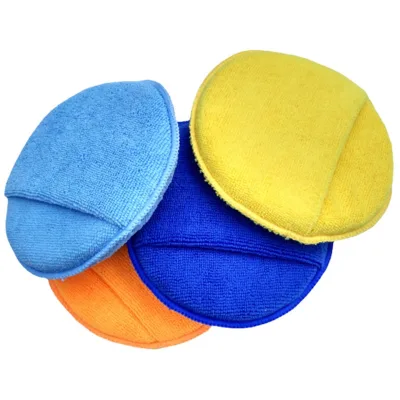
OEM and ODM Round Microfiber Sponge Applicator Soft Waxing or Polishing Pad
$0.23 - $0.70
MOQ: 10 pieces
Hebei Jiexu Commerce Co., Ltd.
- Verified by SGS Group
- Manufacturer, Trading Company
- Lead time20 days
- Avg. response≤ 2h
Main productsCar Wash Towels, Household Towels, Outdoor Towels, Car Care Kits
Main marketsNorth America(20%), Northern Europe(16%), Western Europe(13%)
Yancheng Hengfeng Sponge Co., Ltd.
- Verified by SGS Group
- Manufacturer, Trading Company
- Lead time30 days
- Avg. response≤ 3h
Main productsSponge Scourer, Cellulose Sponge, Car Wash Sponge, Plastic Brush, Memory Foam Pillow
Main marketsDomestic Market(50%), Eastern Asia(20%), North America(8%)
Anhui Zhenda Brush Industry Co., Ltd.
- Verified by SGS Group
- Manufacturer, Trading Company
- Lead time30 days
- Avg. response≤ 1h
Main productsSweeper Brush, Cow Brush, Car Cleaning Brush, Solar Panel Cleaning Brush, Industrial Brush
Main marketsMid East(16%), North America(15%), South America(13%)

Jiangsu Miaohong Environmental Protection New Material Co., Ltd.
- Verified by BV
- Combined
- China Jiangsu
- Lead time15 days
- Avg. response≤ 7h
Main productsSponge, Cleaning Sponge, Kitchen Sponge, Dishcloth, Magic Sponge
Main marketsSouth America,Southeast Asia/ Mideast,Domestic,Europe,North America


Wholesale Round Microfiber Pad Car Wax Applicator for Car Polishing Washing Sponge
$0.50
MOQ: 3000 Pieces


SEQ Industrial (Changzhou ) Co., Ltd.
- Manufacturer, Trading Company
- Jiangsu, China
- Lead time0 days
- Avg. response≤ 13h
Main productsmicrofiber cloth,wash mitt,cleaning sponge,household towel,kitchen towel
Main marketsNorth America(20.00%), Western Europe(10.00%), Domestic Market(10.00%), Mid East(10.00%), Southern Europe(10.00%), Eastern Europe(10.00%), South America(10.00%), Eastern Asia(5.00%), Oceania(5.00%), Northern Europe(5.00%), Central America(5.00%)

Ningbo Kaixin Daily Supplies Co., Ltd
- Verified by BV
- Trading Company
- China Zhejiang
- Lead time30 days
- Avg. response≤ 10h
Main productsCleaning Brush, Car Wash Kit, Microfiber Mop Pad, Dish Drying Mat, Snow Brush, Pet Products, Car Wash Mitts, Car Cleaning Kit, Window Cleaner, Microfiber Towel
Main marketsNorth America


$0.35 - $0.36
MOQ: 1000 Pieces


Yuanshi County Zhengheng Textile Co., Ltd.
- Verified by TUVRHEINLAND
- Combined
- China Hebei
- Lead time15 days
- Avg. response≤ 3h
Main productsMicrofiber Towel, Microfiber Cloth, Microfiber Fabric, Microfiber Textile, Beach Towel, Kitchen Towel, Sports Towel, Hair Towel, Bath Towel, Car Cleaning Towel
Main marketsSoutheast Asia/ Mideast,East Asia(Japan/ South Korea),Europe

Factory Sale Thickening Car Wax Microfiber Applicator with Pocket for Car Wash
$0.22 - $0.45
MOQ: 1000 Pieces

$0.03 - $0.70
MOQ: 1000 Pieces

Aose Smart Tech Hebei Co., Ltd.
- Trading Company
- Hebei, China
- Lead time35 days
- Avg. response≤ 13h
Main productsCar Cleaning Cloth,Household Cleaning Cloth,Makeup Remover,Pet towel,Microfiber Cleaning Cloth
Main marketsWestern Europe(30.00%), North America(20.00%), South America(20.00%), Northern Europe(8.00%), Eastern Europe(5.00%), Southern Europe(5.00%), Mid East(5.00%), South Asia(3.00%), Domestic Market(2.00%), Eastern Asia(1.00%), Southeast Asia(1.00%)
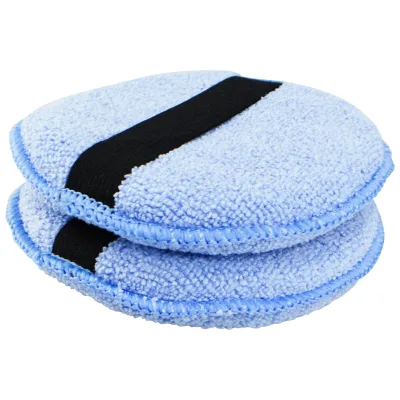
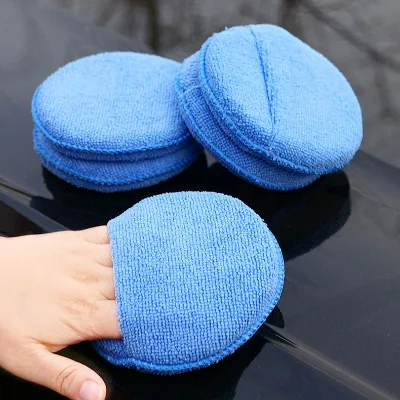
Car Care Wax Polish Microfiber Applicator Sponge Customized Color With High-efficiency Waxing Effect
$0.32 - $0.71
MOQ: 50 pieces
Guangzhou Chejiabao Auto Products Co., Ltd.
- Manufacturer, Trading Company, Buying Office
- Guangdong, China
- Lead time15 days
- Avg. response≤ 1h
Main productscar wax,Nano ceramic coating,Cleaning agent,Curing agent,Abrasive coating
Main marketsNorth America(30.00%), South Asia(20.00%), Southeast Asia(20.00%), Central America(20.00%), Mid East(5.00%), South America(5.00%)
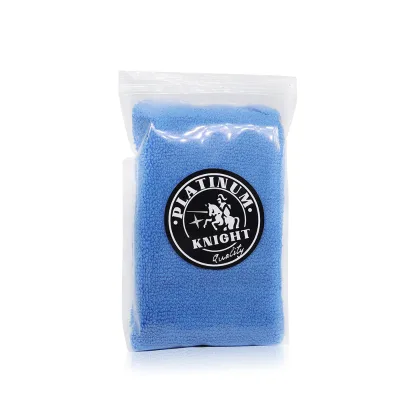
Auto Care Car Wax Applicator Pad Rectangle Foam Premium Grade Microfiber Applicator Pads
$0.46 - $0.76
MOQ: 40 pieces
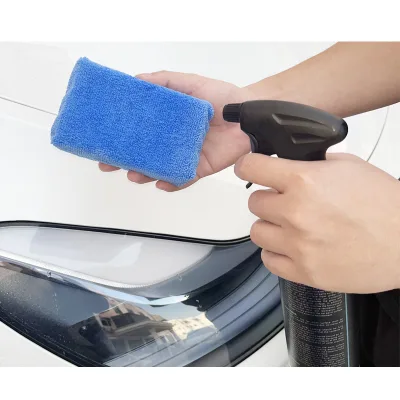
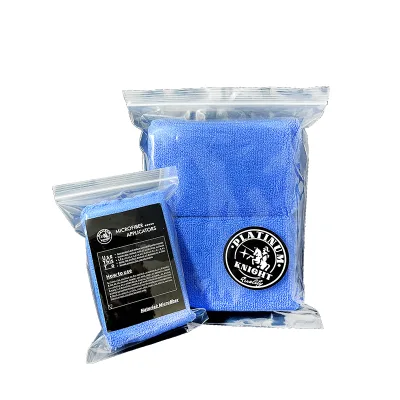
Premium Grade Microfiber Applicators Sealant Wax & Dressing Coating Applicator
$0.36 - $0.70
MOQ: 20 pieces
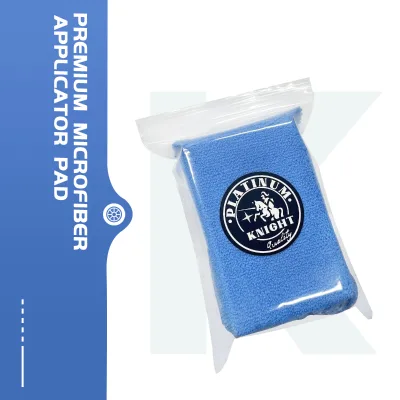
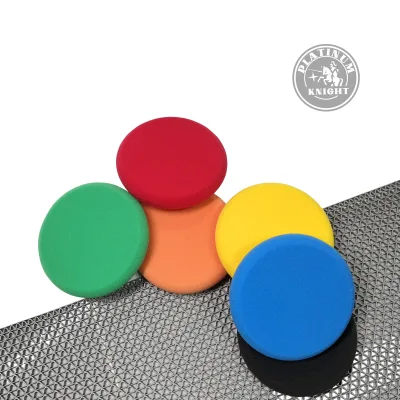
Foam Wax Applicator Pads Soft Car Detailing Sponges for Car Cleaning Waxing Coating
$0.59 - $0.91
MOQ: 40 bags

Zhejiang E-Sun environmental Technology Co., Ltd.
- Verified by BV
- Trading Company
- China Zhejiang
- Lead time30 days
- Avg. response≤ 5h
Main productsCleaning Cloth, Cleaning Mop, Cleaning Sponge, Disposable Mop, Disposable Cleaning Cloth, Microfiber Towel
Main marketsSouth America,Southeast Asia/ Mideast,East Asia(Japan/ South Korea),Europe,Australia,North America


Esun Car Wash Applicator Rectangular Microfiber Applicator Cleaning Pads for Wax Polishing
$0.21 - $0.26
MOQ: 5000 Pieces


Esun Microfiber Car Wax Applicator Coating Applicator Pad with Finger Pocket for Cars Foam Sponge
$0.23 - $0.27
MOQ: 5000 Pieces


Esun Microfiber Car Wax Applicator Pad Polishing Sponge for Auto Wheel Hub Paint Cleaner
$0.23 - $0.27
MOQ: 5000 Pieces

Ningbo Fantasticar International Trade Co., Ltd.
- Verified by SGS
- Combined
- China Zhejiang
- Lead time30 days
- Avg. response≤ 16h
Main productsMicrofiber Cloth, Microfiber Towels, Car Cleaning, Tear-Away Microfiber Cloth Roll, Tear Away Towels Roll, Wiper Blade, Car Cleaning Brush, Microfiber Cloth Glove, Snow Brush, Car Wash Bucket
Main marketsSouth America,Europe,North America

Custom Car Cleaning Detailing Wax Applicator Cleaning Wax Applicator for Car Interior Exterior
$0.25 - $1.50
MOQ: 10000 pieces

$0.25 - $1.50
MOQ: 10000 pieces

Custom Car Cleaning Detailing Tire Applicator Cleaning Applicator for Car Interior Exterior
$0.25 - $1.50
MOQ: 10000 pieces



Hebei Duoyang Trading Co., Ltd.
- Trading Company
- Hebei, China
- Lead time20 days
- Avg. response≤ 3h
Main productsCar Drying Towel, Microfiber Cleaning Towel, Car Wash Mitt, Detailing Brush, Car Wash Sponge
Main marketsNorth America(20.00%), Eastern Europe(20.00%), Western Europe(15.00%), Southeast Asia(15.00%), South America(10.00%), Central America(10.00%), Mid East(10.00%)
Dongguan Ifoam Tech Industrial Limited
- Manufacturer, Trading Company
- Guangdong, China
- Lead time20 days
- Avg. response≤ 13h
Main productsfoam buffing pad,foam polishing pad,backing plate pad,foam clay pad,Foam waxing applicator
Main marketsNorth America(20.00%), South America(15.00%), Domestic Market(10.00%), Central America(10.00%), Northern Europe(9.00%), Southeast Asia(8.00%), Eastern Asia(8.00%), South Asia(6.00%), Western Europe(5.00%), Mid East(3.00%), Southern Europe(3.00%), Africa(1.00%), Oceania(1.00%), Eastern Europe(1.00%)
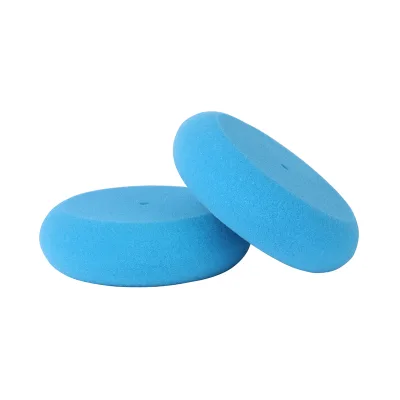
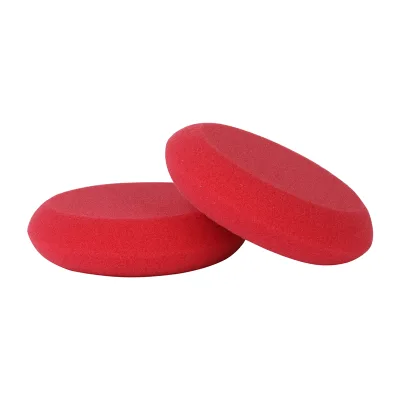
4 Inch Round Shape Hand Use Red Car Wax Applicator and Pressing Pads Buffing Pad
$0.01 - $0.04
MOQ: 500
Hubei Bern Import & Export Co., Ltd.
- Trading Company
- Hubei, China
- Lead time30 days
- Avg. response≤ 16h
Main productsauto mobiles,polishing pads,car wash items,polishers
Main marketsNorth America(30.00%), Eastern Europe(30.00%), South America(20.00%), Oceania(10.00%), Southeast Asia(10.00%)

Ningbo Yixiang Cleaning Tools Co., Ltd.
- Manufacturer, Trading Company
- Zhejiang, China
- Lead time30 days
- Avg. response≤ 3h
Main productsMicrofiber Cloth/Microfiber Mitt/Microfiber Sponge/Microfiber Pad/Car Cleaning Set
Main marketsDomestic Market(30.00%), North America(10.00%), South America(10.00%), Oceania(10.00%), Western Europe(10.00%), Southern Europe(10.00%), Eastern Asia(10.00%), Africa(5.00%), Mid East(5.00%)
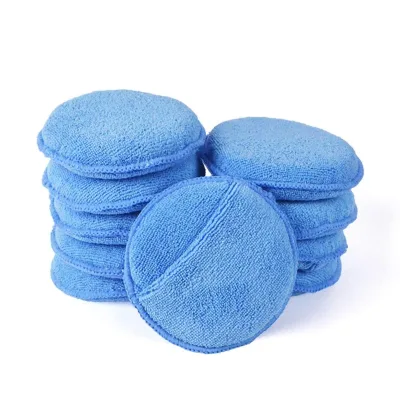
Multi-Purpose Soft Microfiber Wax Applicator Foam Pad Waxing Sponge Car Polishing Pads
$0.12 - $0.26
MOQ: 500 pieces
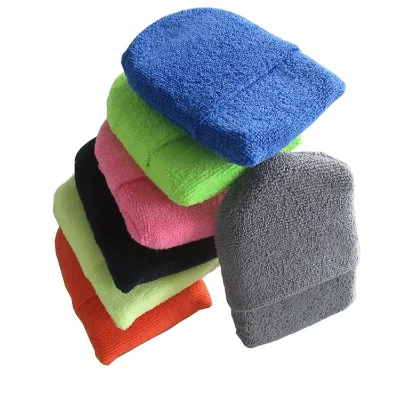
Microfiber Applicator Pad Microfiber Sponge Ultra-Soft Microfiber Wax Applicator Pads
$0.28 - $0.38
MOQ: 3000 pieces
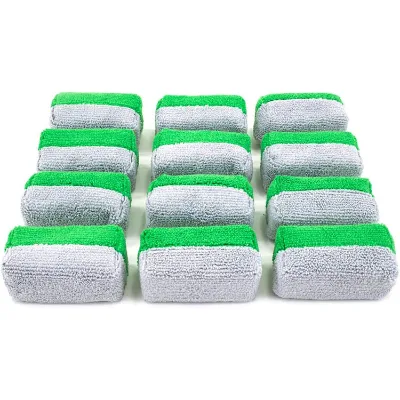
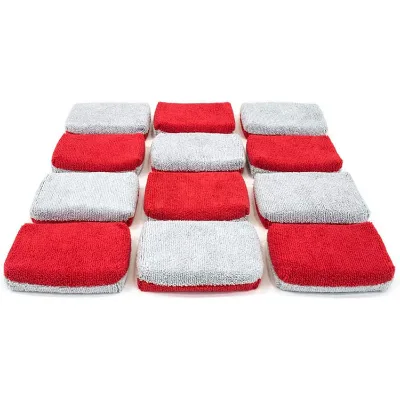
Reusable Microfiber Ceramic Coating Applicator Sponge with Plastic Barrier
$0.36 - $0.40
MOQ: 1000 pieces

Anhui Zhenda Brush Industry Co., Ltd.
- Verified by TUVRHEINLAND
- Combined
- China Anhui
- Lead time15 days
- Avg. response≤ 2h
Main productsSolar Panel Cleaning Brush, Car Wash Brush, Car Wash Kit, Sweeper Brushes, Industrial Brush, Cow Brushes, Solar Panel Cleaning Robot, Cleaning Brush, Drill Brushes, Brush Filament
Main marketsSouth America,Southeast Asia/ Mideast,East Asia(Japan/ South Korea),Europe,Australia,North America

Guangzhou Aoma Import and Export Co., Ltd
- Verified by SGS
- Trading Company
- China Guangdong
- Lead time15 days
- Avg. response≤ 4h
Main productsFilm, Tape
Main marketsSouth America,Africa,Others(foreignTradeCapacity.exportBusinessCapacityMarketOther),Southeast Asia/ Mideast,North America

Car Waxing Sponge Pad 5 Inch Microfiber Hand Applicator Pads for Car Polishing Wax Application Wp38
$0.20 - $0.30
MOQ: 100 Pieces

$0.30 - $0.80
MOQ: 100 Pieces

Wholesale Hex Grip Handheld Car Wax Sponge Foam Applicator for Auto Detailing PF38
$0.30 - $0.80
MOQ: 100 Pieces

Car Wave Tire Dressing Shine Applicator Sponge Car Detailing Cleaning Wax Applicator Sponge PF37
$0.30 - $0.80
MOQ: 100 Pieces



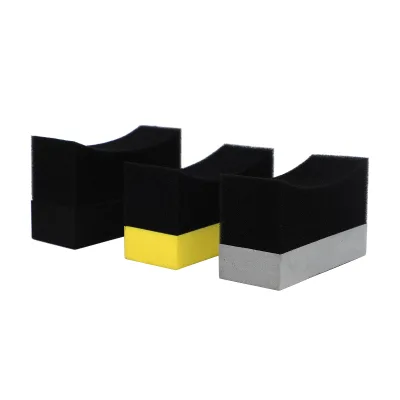
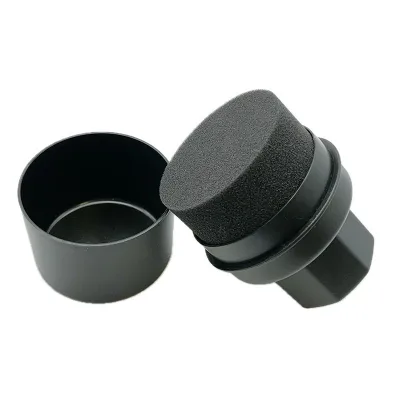
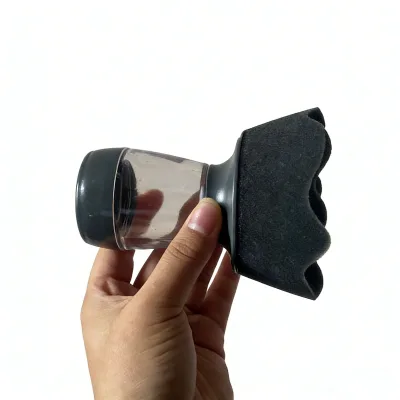
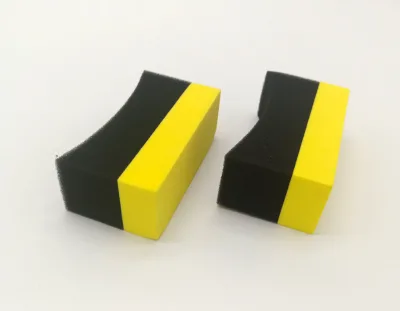


Comprehensive Sourcing Guide
Microfiber Car Wax Applicator Supplier Concentration and Factory Types
Supplier results for microfiber car wax applicators point to two Chinese provinces with active listings: Zhejiang and Anhui. Zhejiang-based results in this category include a trading company whose main products span car dusters, drying towels, wash brushes, cleaning kits and wash mitts, with waxing applicator pads listed alongside mitts and foam sponges. Anhui-based results include a manufacturer and factory listing car care products, detailing products, microfiber towels, foam cannons, polishers, foam and wool polishing pads, wash mitts and wheel brushes. These clusters are typical of small textile-and-foam car care goods: light products, simple sewing and lamination steps, and dense supplier ecosystems around eastern Chinese provinces.
Supplier type matters as much as geography. A trading company in this category can aggregate mitts, sponges and pads from multiple workshops, which is useful when a buyer wants a bundled car care range under one purchase order. A factory with its own brand, OEM and ODM capability can control applicator construction directly, including microfiber pile height, foam density and binding. When screening, note whether a listing identifies the seller as a trading company or as a manufacturer/factory, because the label affects who actually sews the pocket, glues the foam and controls the towel-edge finishing. Buyers should also treat province-level location as a starting point only: confirm the production address, not just the registered city, before assuming a true cluster relationship.
How to Verify Microfiber Car Wax Applicator Suppliers
Verification should start with the credentials and identifiers actually shown in supplier results, then move to direct checks. In this category, one Anhui manufacturer result carries a third-party verification badge and identifies itself as a factory, while Zhejiang results are labeled as a trading company without that badge visible. Treat a verification badge as a reason to shortlist, not as proof of quality: it typically confirms business registration and a site visit, not stitch strength or microfiber composition. Ask every supplier for a business license, the exact production address, and whether the applicator pads and mitts are made in-house or sourced from partner workshops.
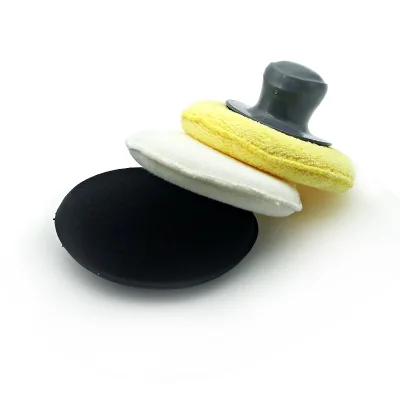
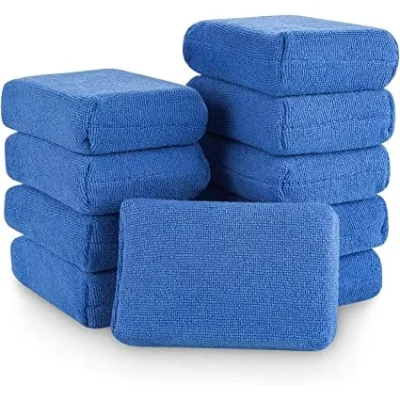
Request physical samples tied to specific model numbers rather than generic photos. Supplier data here shows items like a car wash mitt at 19x15x2cm in 100% polyester knitting at 30g per piece, a circular foam waxing pad at 12cm diameter weighing 12g, and a 12.5cm microfiber waxing pad with a plastic handle. Specify the exact construction you need—microfiber velvet, terry knit, foam core thickness, pocket handle type—and confirm the sample matches the model number quoted on the invoice. Check sample turnaround claims: one listing advertises sample time of three days, which you can measure. Finally, verify export experience by asking for recent shipment references to your market, and confirm which entity will appear on the commercial invoice, the inspection report and the shipping documents before any deposit is paid.
What to Compare Across Microfiber Car Wax Applicator Suppliers
Build a comparison sheet from attributes suppliers actually publish, and mark anything missing as "verify" rather than assuming it. Comparable dimensions in current results include: company type (trading company versus manufacturer/factory), location (Zhejiang versus Anhui), average response time (one result shows about 9 hours, another under 9), quoted lead time (35 days versus 23 days), MOQ (3000 pieces for a knitted mitt listing versus 500 pieces for a velvet applicator), verification status, and main product breadth. Third-party verification status and own-brand/OEM/ODM capability are displayed on some listings only, so record them per supplier.
Price comparison must be normalized. Current listings range roughly from about $0.24–0.28 for a 12cm foam waxing pad, $0.63–0.84 for a knitted wash mitt, and $0.65–1.09 for a handled 12.5cm waxing pad, but these prices sit at different MOQs and specification levels. Compare price at equal quantity, equal material (microfiber versus 100% polyester knit), and equal packaging, then model total landed cost including packaging weight—listed gross weights range from 30g per mitt up to 4.3kg per carton unit on handled pads. Also compare customization scope: some listings offer customized logos, colors and packing, while others specify fixed colors or sizes. Finally, weigh product-range fit: a supplier whose main products already include wash mitts, dusters and drying towels may consolidate a full detailing kit more economically than a single-SKU source.
Common Microfiber Car Wax Applicator Sourcing Risks
The most frequent risk is material substitution. Listings may describe a pad as microfiber while the sewn mitt in the same range is 100% polyester knit; both are legitimate products, but they behave differently in wax application and scratch risk. One Anhui listing explicitly advertises a free-scratch feature, which is a claim to test, not a guarantee. Insist on written material declarations, and run a simple burn test or request composition test reports for each fabric layer, because mixed-batch substitution between production runs is common in this low-unit-value category.
Second is specification drift between sample and bulk. Foam density, pile height and pocket stitching on a 12g circular pad can silently change between the approved sample and mass production, especially when a trading company shifts between workshops. Mitigate this with a golden sample retained by both parties and a pre-shipment inspection tied to it. Third is quantity and pricing mismatch: low advertised MOQs (such as 500 pieces) often carry higher unit prices or limited color options, while lower unit prices appear at 3000-piece levels—confirm which tier your quoted price assumes. Fourth is lead-time slippage: published lead times of 23 versus 35 days differ materially, and busy season can stretch both. Fifth is packaging under-specification; polybag-only packing is common, so confirm carton specs and moisture protection if goods will be containerized alongside heavier car care items. Document every agreed attribute in the purchase contract, not just the proforma invoice.
Microfiber Car Wax Applicator Regional Sourcing and Logistics
Current evidence places active suppliers in two Chinese provinces, Zhejiang and Anhui, which gives buyers a realistic basis for regional comparison. Zhejiang's coastal position generally means shorter drayage to major eastern seaports, which matters for container consolidation when you combine lightweight applicators with bulky items like dusters, brushes and foam cannons. Anhui is inland, and one supplier there operates as a factory with its own brand plus OEM and ODM services; inland origins can add inland trucking cost and a day or two of transit to port, so ask each supplier to quote FOB terms with the loading port named explicitly.
Logistics planning should account for product physics. Wax applicators are light—one listing shows 12g per pad and 30g per mitt—but handled pads show a listed gross weight of 4.3kg per carton unit, so volumetric weight, not actual weight, may drive freight cost. Ask for carton dimensions (one listing shows 72x60x72cm) and calculate CBM per thousand pieces before comparing suppliers. For lead times, published figures range from 23 to 35 days; confirm whether that clock starts at deposit, at artwork approval, or at material procurement, and add port cut-off time separately. For samples, one supplier advertises three-day sampling, which supports rapid iteration on pile type and handle design. Air freight small sample batches, then consolidate bulk orders with other car care SKUs to spread fixed freight and customs costs across the shipment.
Microfiber Car Wax Applicator Commercial Terms and Order Planning
Commercial terms should be settled in writing before sampling concludes. Confirm MOQ per SKU rather than per order, because supplier results show wide variation: a knitted mitt listing at 3000 pieces versus a microfiber velvet applicator at 500 pieces from a different supplier. If you plan a multi-item range—applicator pads, mitts, sponges, towels—ask whether MOQs can be mixed across SKUs to reach a workable total quantity. Confirm the price basis (EXW, FOB with named port, or CIF), what it includes regarding packaging, and whether customized logos, colors and polybag or blister packing carry tooling or setup charges.
Order planning should respect the payment and lead-time structure typical of this category. Expect a deposit-plus-balance structure; verify before wiring whether any transaction protection, escrow-style arrangement or trade assurance program applies to your specific order, since such coverage is displayed on some listings and not others. Anchor the schedule to published lead times of roughly 23 to 35 days, then add sampling (advertised as short as three days on some listings), artwork approval, inspection and booking buffer. Sequence the first order to de-risk: a modest quantity across two or three SKUs, a pre-shipment inspection against the golden sample, then scale the winning specification. Finally, plan replenishment by forecasting pad consumption—applicators wear out quickly—so that repeat orders ride the same tooling, color standards and carton specs without renegotiation, keeping unit prices stable across successive production runs.
The word count of the article is approximately 1385 words.
FAQs
What is a Microfiber Car Wax Applicator used for?
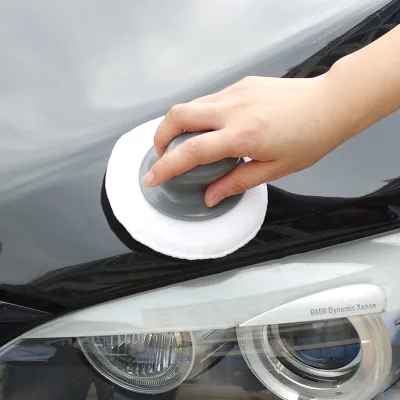
A Microfiber Car Wax Applicator applies wax, sealants, and polish evenly to vehicle paint without scratching. The soft microfiber face spreads product in thin, uniform layers, while a foam or sponge core provides cushioning. Most applicators include a pocket or handle to keep hands clean during detailing work.
What MOQs are typical for microfiber wax applicators from Chinese suppliers?
Typical MOQs range from 500 to 3000 pieces depending on the supplier and product complexity. Smaller round foam applicators are often available at around 500 pieces, while knitted mitts and handled pads may require 3000 pieces. Customized logos or colors usually apply at or above the stated minimum order quantity.
How much does a Microfiber Car Wax Applicator cost in bulk?
Bulk unit prices generally fall between roughly $0.24 and $1.09 depending on size, materials, and construction. Simple foam sponge pads sit at the lower end, while larger handled applicators with microfiber fabrics reach the higher end. Customization, packaging, and order quantity also influence the final quoted price.
What sizes are microfiber wax applicator pads available in?
Common applicator sizes range from about 8.5cm to 12.5cm in diameter for round pads, with sponge versions around 12cm. Rectangular wash mitt styles are also available, for example at 19x15x2cm. Confirm exact dimensions, weight, and shape with each supplier before ordering, since listings vary by model.
Which supplier locations are common for microfiber wax applicators?
Zhejiang and Anhui provinces in China are common sourcing locations for these products. Zhejiang suppliers often list car care items like wash mitts and dusters, while Anhui factories focus on detailing products including pads and towels. Both regions offer export experience, so compare quotes and lead times across them.
What lead times should I expect when ordering wax applicators?
Lead times commonly range from around 23 to 35 days depending on the supplier and order size. Factory manufacturers may ship faster than trading companies because they control production directly. Always confirm the lead time in writing, and add buffer time for customized logos, colors, or packaging requirements.
Can I get customized logos and colors on wax applicator pads?
Yes, many listings offer OEM and ODM services with customized logos and colors. Some suppliers state customization is available directly on product pages, and sample lead times can be as short as three days. Verify logo placement, color options, tooling costs, and MOQ implications before confirming your order.
How do I evaluate a wax applicator supplier before ordering?
Check whether the supplier is a manufacturer or trading company, and look for verification badges such as BV. Review listed main products to confirm they cover car care and detailing tools. Request samples to test fiber softness and foam density, and compare response times, lead times, and quoted prices across several suppliers.