Car Wash Foam Sprayer Suppliers and Manufacturers
Source 25 verified suppliers for Car Wash Foam Sprayer products. Compare key dimensions including location, lead time, MOQ, and response time to identify suitable partners. Review product specifications and pricing details to streamline your procurement process; review the available evidence before requesting comparable quotations from suitable candidates.
Suppliers List

Taizhou City Xiefeng Machinery Co., Ltd.
- Verified by BV
- Combined
- China Zhejiang
- Lead time30 days
- Avg. response≤ 6h
Main productsSprayer, Battery Sprayer Pump, Hand Sprayers, Plastic Sprayer, Knapsack Sprayers, Manual Sprayers, Electrical Sprayer, Pump, 2 in 1 Sprayer, Trigger Sprayer
Main marketsAfrica,Southeast Asia/ Mideast,Europe


Bubble Sprayer Pot Foam Sprayer Car Washer
MOQ: 3000 Pieces

Taizhou Qimei Cleaning Machinery Co., Ltd.
- Combined
- China Zhejiang
- Lead time30 days
- Avg. response≤ 14h
Main productsHose, PVC Hose, PVC Tube, High Pressure Hose, High Pressure Washer, Spray Hose, Washer, Fitting, Spray Gun, Spray Nozzle
Main marketsSouth America,Africa,Southeast Asia/ Mideast,East Asia(Japan/ South Korea),Domestic,Europe,Australia,North America

Zhongshan Michel Chemicel Co., Ltd.
- Verified by BV
- Combined
- China Guangdong
- Lead time23 days
- Avg. response≤ 10h
Main productsTire Sealant Aerosol Paint Industrial Glue and
Main marketsDomestic

Ningbo Jiahua Plastic Co., Ltd.
- Verified by BV
- Combined
- China Zhejiang
- Lead time30 days
- Avg. response≤ 24h
Main productsLotion Pump, Trigger Sprayer, Sprayer, Mist Sprayer, Plastic Cap, Pet Bottle, Crimp Sprayer, Perfume Sprayer, Screw Microsprayer
Main marketsSouth America,Southeast Asia/ Mideast,Europe,North America

Foam Trigger Sprayer Car Wash Foam Sprayer (JH-01C)
MOQ: 30000 Pieces

Foam Sprayer Car Washer Cleaning Tools
MOQ: 30000 Pieces

High Quality Car Wash Cleaning Snow Foam Sprayer
MOQ: 30000 Pieces

Factory Directly Sale Car Wash Foam Spray Head/Trigger Sprayer
MOQ: 30000 Pieces

Plastic Cleaning Foam Sprayer Foam Trigger Sprayer
MOQ: 30000 Pieces

Ningbo Refiner Imp. & Exp. Co., Ltd.
- Verified by BV
- Trading Company,Manufacturer/Factory
- China Zhejiang
- Lead time23 days
- Avg. response≤ 14h
Main productsAll Plastic Trigger Sprayer, Oblique Pump Trigger Sprayer, Foam Pump, Lotion Pump, Mist Sprayer, Cream Pump, Plastic Cap, Plastic Bottle
Main marketsSouth America,Eastern Europe,Mid East,North America,Southeast Asia,Eastern Asia,Oceania,Western Europe,Africa

Car Detailing Spray Detergent Spray Car Wash Oblique Pump Trigger Sprayer
$0.11 - $0.13
MOQ: 10000 Pieces

Spray/Foam Standard Trigger Sprayer with Competitive Price for Car Wash
$0.07 - $0.08
MOQ: 10000 Pieces
Guangzhou Golden Orange Auto Accessories Co., Ltd.
- Manufacturer, Trading Company
- Guangdong, China
- Lead time30 days
- Avg. response≤ 2h
Main productsCar Wax,Automotive Detailing,Car Washing Shampoo,Polishing Compounds,Car Care product
Main marketsDomestic Market(36.00%), Southeast Asia(8.00%), Western Europe(8.00%), Eastern Europe(7.00%), Mid East(7.00%), North America(5.00%), South America(5.00%), South Asia(5.00%), Oceania(5.00%), Northern Europe(4.00%), Eastern Asia(4.00%), Central America(3.00%), Southern Europe(2.00%), Africa(1.00%)
GuangZhou Baoshini Car Accessory Co.,Ltd.
- Verified by Intertek
- Manufacturer, Trading Company
- Lead time15 days
- Avg. response≤ 6h
Main productsCar Cleaning And Care Products, Nano Ceramic Coating, Graphite Ceramic Coating
Main marketsDomestic Market(55%), Mid East(20%), Southeast Asia(10%)
Taizhou Kobold Sprayer Co., Ltd.
- Verified by SGS Group
- Trading Company
- Lead time30 days
- Avg. response≤ 5h
Main productsElectric Sprayer, Hand Sprayer, Sprayer Parts
Main marketsWestern Europe(30%), South America(25%), North America(15%)

Taizhou City Order Machinery Co., Ltd.
- Verified by TUVRHEINLAND
- Combined
- China Zhejiang
- Lead time30 days
- Avg. response≤ 13h
Main productsSprayer, Knapsack Sprayer, Backpack Sprayer, Electric Sprayer, Battery Sprayer, Pressure Sprayer, Hand Sprayer, Manual Sprayer, Power Sprayer, Sprayer Pump
Main marketsOthers(foreignTradeCapacity.exportBusinessCapacityMarketOther),Europe

2L Car Wash Foam Sprayer with 2 Nozzles Hand Pressure Water Sprayer and Manual Sprayer
$1.27 - $1.35
MOQ: 200 Pieces


Cleaning and Disinfecting Solutions Pump Foaming Sprayer Hand Pressure Foam Sprayer
$2.07 - $2.13
MOQ: 1000 Pieces
Chongqing Tianlang Automobile Sales and Service Co., Ltd
- Verified by SGS
- Trading Company
- China Chongqing
- Lead time23 days
- Avg. response≤ 3h
Main productsHigh-Quality Used Cars, Original Quality Auto Parts, Automotive Supplies Car Washing, Car Pet Supplies, Car Interior Accessories, Custom Car Mattress, Used Gasoline Car, Car Accessories, Custom Forged Wheels, Used Car
Main marketsDomestic

Guangdong Maydos Building Materials Limited Company
- Combined
- China Guangdong
- Lead time15 days
- Avg. response≤ 20h
Main productsWood Paint, Wood Lacquer, Furniture Paint, Emulsion Paint, Adhesive, Wood Coating, Contact Adhesive, All-Purpose Adhesive, Acrylic Paint, Epoxy Floor Paint
Main marketsSouth America,Africa,Others(foreignTradeCapacity.exportBusinessCapacityMarketOther),Southeast Asia/ Mideast,East Asia(Japan/ South Korea),Domestic,Europe,Australia,North America
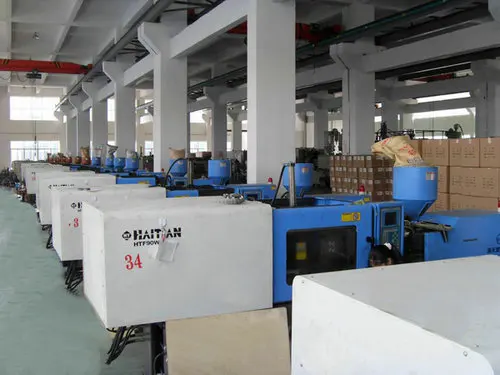
Zhejiang Menghua Sprayer Co., Ltd.
- Manufacturer
- Zhejiang, China
- Lead time30 days
- Avg. response≤ 3h
Main productsBattery sprayers,Manual Knapsack Sprayer,Electric Knapsack Sprayer,Garden Manual Sprayer
Main marketsDomestic Market(5.00%), South Asia(5.00%), Southern Europe(5.00%), Northern Europe(5.00%), Central America(5.00%), Western Europe(5.00%), Eastern Asia(5.00%), Mid East(5.00%), Oceania(5.00%), Africa(5.00%), Southeast Asia(5.00%), Eastern Europe(5.00%), South America(5.00%), North America(5.00%)

Taizhou Kobold Sprayer Co., Ltd.
- Verified by TUVRHEINLAND
- Manufacturer/Factory
- China Zhejiang
- Lead time30 days
- Avg. response≤ 5h
Main productsSprayer, Garden Sprayers, Agricultural Sprayers, Hand Sprayers, Electric Sprayers, Battery Sprayers, Stainless Steel Sprayers, Power Sprayers, Trigger Sprayers, Pressure Sprayers
Main marketsSouth America,Eastern Europe,Mid East,North America,Southeast Asia,Eastern Asia,Oceania,Western Europe,Africa

Wholesale Handheld Foam Pump Sprayer for Car Wash Pressure Sprayer for Cleaning
$3.80
MOQ: 5000 Pieces

2000ml Portable Car Hand Pump Pressure Foam Sprayer for Watering Car Washing
$5.30 - $5.80
MOQ: 1000 Pieces


- Verified by SGS
- Combined
- China Zhejiang
- Lead time30 days
- Avg. response≤ 6h
Main productsTrigger Sprayer, Lotion Pump, Mini Trigger Sprayer, Foam Pump, Cream Pump, Airless Bottle
Main marketsEurope

Car Wash Trigger Sprayer 28/410 Cleaning Sprayer Trigger Foam Nozzle Trigger Spray
$0.06 - $0.07
MOQ: 20000 Pieces


- Verified by SGS
- Trading Company
- China Zhejiang
- Lead time15 days
- Avg. response≤ 18h
Main productsCar Mat, Car Air Freshener, Car Seat Cover, Steering Wheel Cover, Car Phone Holder, Car Roof Tent, Car Sunshade, Jerry Can
Main marketsEurope,Australia

Linyi Yiqun Packaging Products Co., Ltd.
- Verified by SGS
- Manufacturer/Factory
- China Shandong
- Lead time90 days
- Avg. response≤ 3h
Main productsAir Freshener Spray, Insecticide Spray, Butane Gas Cartridge, Brake Cleaner, Carb Cleaner, Dashboard Polish, Tire Foam, Butane Gas Refill, Penetrating Oil, Rust Remover
Main marketsSouth America,Eastern Europe,Mid East,North America,Southeast Asia,Eastern Asia,Oceania,Western Europe,Africa

Zhejiang E-Sun environmental Technology Co., Ltd.
- Verified by BV
- Trading Company
- China Zhejiang
- Lead time30 days
- Avg. response≤ 5h
Main productsCleaning Cloth, Cleaning Mop, Cleaning Sponge, Disposable Mop, Disposable Cleaning Cloth, Microfiber Towel
Main marketsSouth America,Southeast Asia/ Mideast,East Asia(Japan/ South Korea),Europe,Australia,North America


Esun Car Wash Foam Cannon, Hand Pump Foam Sprayer Ideal for Car Wash, Home Cleaning
$1.35 - $1.66
MOQ: 500 Pieces


Esun Pump Pressure Car Wash Sprayer Plastic Bottle Small Garden Hand Foam Pump Sprayer
$1.35 - $1.66
MOQ: 500 Pieces
Anhui Zhenda Brush Industry Co., Ltd.
- Verified by TUVRHEINLAND
- Combined
- China Anhui
- Lead time15 days
- Avg. response≤ 2h
Main productsSolar Panel Cleaning Brush, Car Wash Brush, Car Wash Kit, Sweeper Brushes, Industrial Brush, Cow Brushes, Solar Panel Cleaning Robot, Cleaning Brush, Drill Brushes, Brush Filament
Main marketsSouth America,Southeast Asia/ Mideast,East Asia(Japan/ South Korea),Europe,Australia,North America

Car Wash & Garden Sprayer Manual Foam Cannon Car Wash Hand Pressure Foam Sprayer Water Spray Bottle
$1.82 - $2.19
MOQ: 45 Sets


Car Wash Sprayer with Quick Connector and High Pressure Washer Nozzle Tip
$4.09 - $5.09
MOQ: 50 Pieces
Anhui Zhenda Brush Industry Co., Ltd.
- Verified by SGS Group
- Manufacturer, Trading Company
- Lead time30 days
- Avg. response≤ 1h
Main productsSweeper Brush, Cow Brush, Car Cleaning Brush, Solar Panel Cleaning Brush, Industrial Brush
Main marketsMid East(16%), North America(15%), South America(13%)
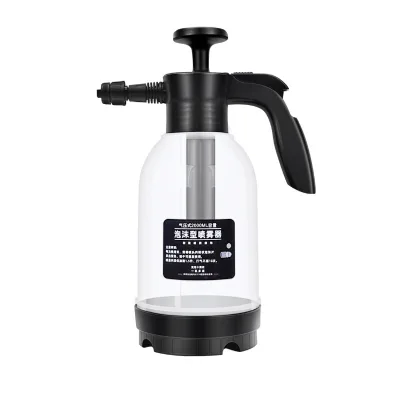
Car Wash Foam Sprayer 2L Cannon Bottle Household Handheld Spraying Gardening Pressure Sprayer
$1.80 - $2.00
MOQ: 500 parcels
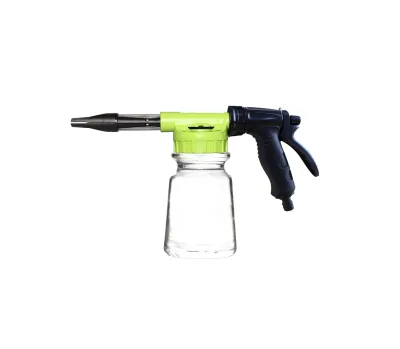
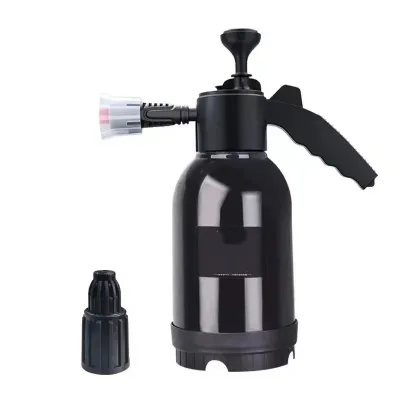
2L Durable Foam Sprayer for Car Truck Washing Easy to Use Manual Type Soap Sprayer
$1.95 - $2.16
MOQ: 10 sets
Zhonggu Electromechanical (Taizhou) Co., Ltd
- Trading Company
- China Zhejiang
- Lead time23 days
- Avg. response≤ 25h
Main productsHigh Pressure Washer, Pressure Washer
Main marketsSouth America,Southeast Asia/ Mideast,Europe,North America

Car Washer Foam Sprayer Household Handheld Watering Garden Pneumatic Sprayer
$25.40 - $32.40
MOQ: 10 Pieces

Shanghai Pcares Cosmetic Co. Ltd
- Verified by TUVRHEINLAND
- Trading Company
- China Shanghai
- Lead time30 days
- Avg. response≤ 7h
Main productsWet and Dry Wipes, Laundry Detergent Pods, Baby Wipes, Disinfectant Sanitizer Cleaning Wipes, Anti-Fog Lens Glasses Cleaning Wipes, Facial Makeup Remover Wipes, Laundry Fragrance Booster Beads, Household Cleaning Wipes, Laundry Powder Capsule, Flushable Toilet Wipes
Main marketsSouth America,Eastern Europe,Mid East,North America,Southeast Asia,Eastern Asia,Western Europe

Yuyao Zhuoxin Import & Export Co., Ltd.
- Trading Company,Manufacturer/Factory
- China Zhejiang
- Lead time0 days
- Avg. response≤ 10h
Main productsTrigger Sprayer, Lotion Pump, Mist Sprayer, Cream Pump, Plastic Vacuum Bottle, Plastic Acrylic Jar, Plastic Cap, Card/Pen Perfume Sprayer, Lipstick Case, Cream Jar
Main marketsSouth America,Eastern Europe,Mid East,North America,Southeast Asia,Eastern Asia,Oceania,Western Europe,Africa

Ningbo Beilun Bolan Industry & Trade Co., Ltd.
- Manufacturer/Factory
- China Zhejiang
- Lead time120 days
- Avg. response≤ 16h
Main productsSprayer, Trigger Sprayer, Pump, Plastic Cap, Trigger, Mould, Mist Sprayer, Lotion Pumps, Caps, Brush
Main marketsSouth America,Eastern Europe,Mid East,North America,Southeast Asia,Eastern Asia,Oceania,Western Europe,Africa

Foaming Trigger, Foaming Sprayer, Sprayer
MOQ: 10000 Pieces

MOQ: 10000 Pieces
- Verified by SGS
- Trading Company
- China Zhejiang
- Lead time15 days
- Avg. response≤ 17h
Main productsMop, Kitchen Knife, Chopping Board, Blanket, Mosquito Net, Cushion, Slipper, Broom, Luggage, Educational Toy
Main marketsEurope,Australia


$1.30 - $1.53
MOQ: 600 Pieces
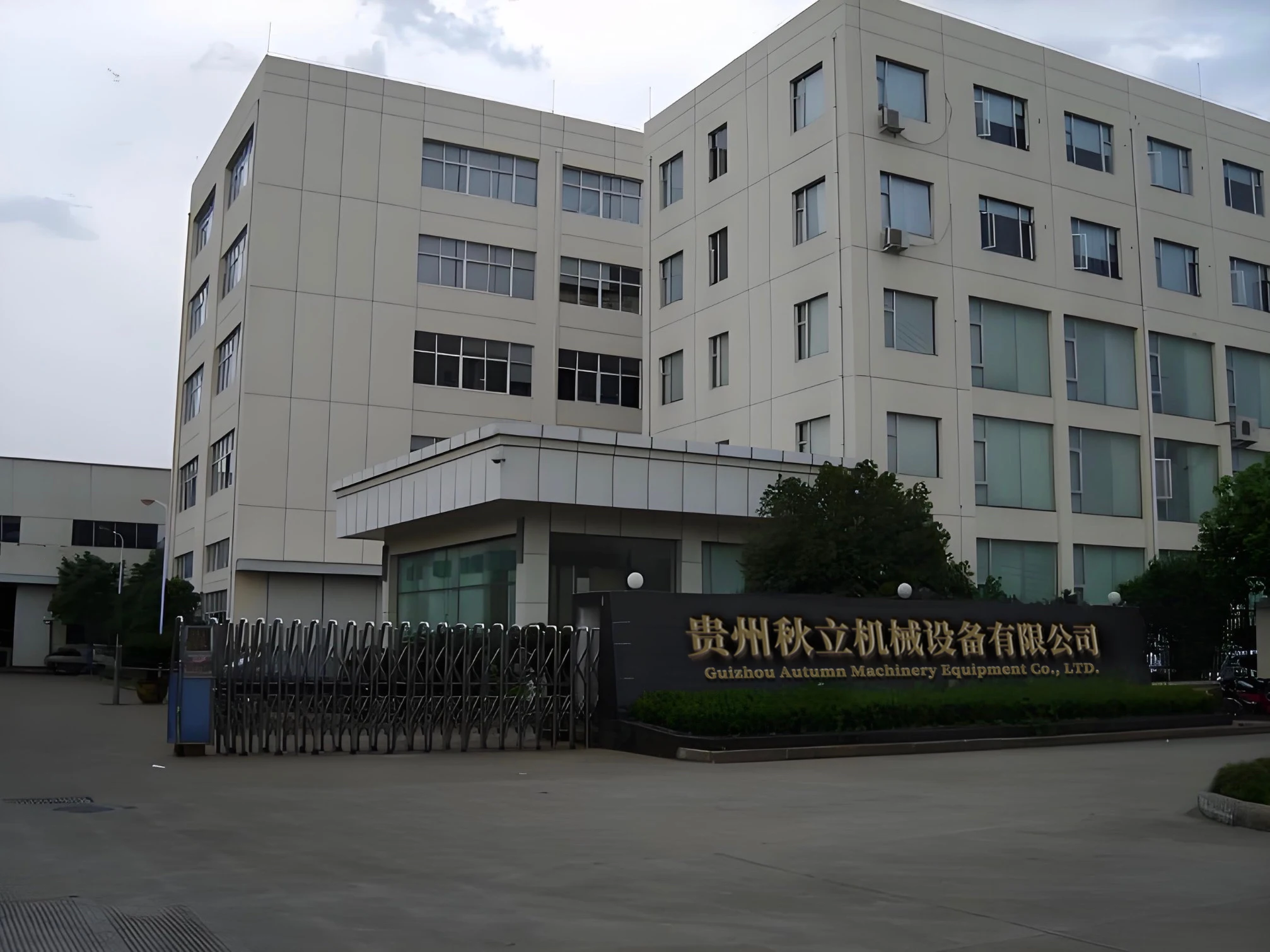
Guizhou Autumn Machinery Equipment Co., Ltd.
- Trading Company
- Guizhou, China
- Lead time25 days
- Avg. response≤ 3h
Main productsSpray gun,Spray lance,Spray nozzle,Adapter,Surface cleaner
Main marketsNorth America(47.00%), South America(23.00%), Southeast Asia(20.00%), Africa(7.00%), Mid East(2.00%), Oceania(1.00%)
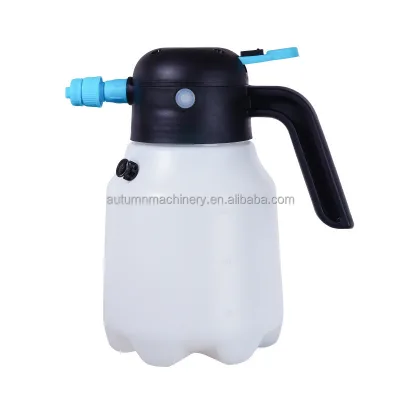
Electric Foam Sprayer 1.8L Cordless Pressurized Handheld Foam Sprayer, Car Wash Garden Foam Cannon
$12.90 - $23.36
MOQ: 2 pieces
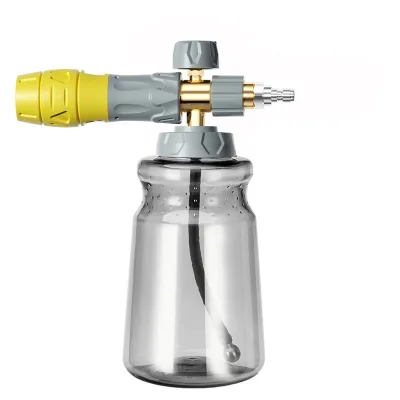


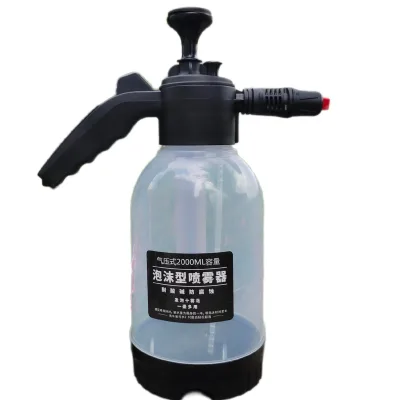
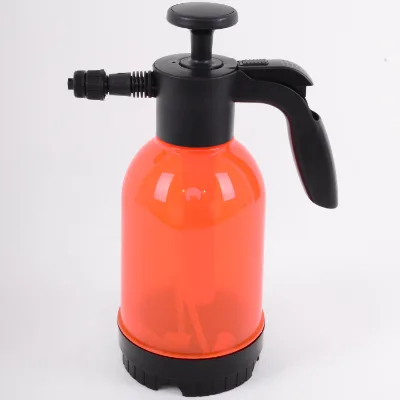
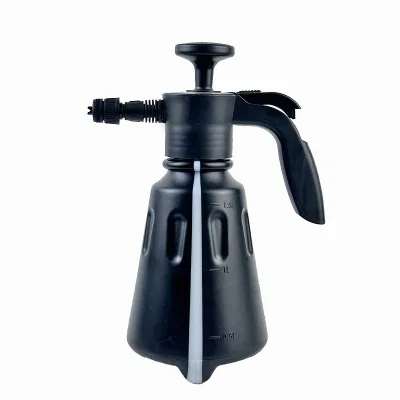
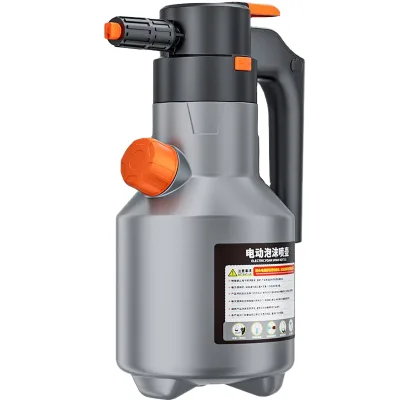

![Electric Foam Car Wash Sprayer, Handheld Household Car Wash and Garden Pressure Foam Sprayer [1.5L Electric Pressurized PA Sprayer] + Stickers Spray Bottle](https://image.made-in-china.com/221f0j00VegBQyWClAkh/Electric-Foam-Car-Wash-Sprayer-Handheld-Household-Car-Wash-and-Garden-Pressure-Foam-Sprayer-1-5L-Electric-Pressurized-PA-Sprayer-Stickers-Spray-Bottle.webp)
![Electric Car Wash Foam Sprayer, Handheld Hous Ehold Car Wash Pressure Spray Upgraded Version [2L Electric Pressurized PA Sprayer] Gray Spray Bottle](https://image.made-in-china.com/221f0j00RMcvdAqBcmkh/Electric-Car-Wash-Foam-Sprayer-Handheld-Hous-Ehold-Car-Wash-Pressure-Spray-Upgraded-Version-2L-Electric-Pressurized-PA-Sprayer-Gray-Spray-Bottle.webp)




Comprehensive Sourcing Guide
Car Wash Foam Sprayer Supplier Concentration and Factory Types
Supplier activity for the Car Wash Foam Sprayer category clusters strongly in eastern China, with Zhejiang province appearing repeatedly among the locations of listed manufacturers. Zhejiang suppliers in these results fall into two recognizable factory types: plastic sprayer specialists whose main product lines cover trigger sprayers, knapsack sprayers, battery sprayer pumps and manual sprayers, and hose-and-washer component makers whose catalogs include spray guns, spray nozzles, high-pressure hoses and foam lances. A second, different cluster sits in Guangdong, where suppliers focus on aerosol and liquid car care chemicals such as multipurpose foam cleaner sprays and tyre foam products, a complementary but chemically oriented segment.
Understanding this split matters when you build a shortlist. A trigger-type foam sprayer bottle, a stainless-steel foam cannon for a pressure washer, and a 650ml aerosol foam cleaner are made by different kinds of factories even though buyers search all three with similar keywords. Within the Zhejiang group, some companies describe themselves as combined manufacturers and traders with ODM, OEM and own-brand capability, while others position as OEM/ODM component producers. Product listings show manual PE trigger sprayers with bottle-blowing construction, 1.5-liter foam sprayer pots, and quick-connect foam cannons with brass valves. When your location data is incomplete, verify cluster claims by checking listed product origins, port proximity and main-product lines rather than assuming a national category map.
How to Verify Car Wash Foam Sprayer Suppliers
Verification should begin with third-party inspection status. Some suppliers in this category carry BV verification, which indicates an on-site audit by an inspection body, but others display no system certification at all, so never assume a credential exists without checking the profile. Where certifications are shown, they range from ISO9001:2015 quality management to ISO14001:2015 environmental management, and one chemical-focused supplier also lists additional certificates. Ask each candidate to confirm which certificates are current and to supply scope documents, because a certificate held by a parent company does not always cover the foam sprayer production line you are buying from.
Beyond paperwork, verify manufacturing reality through the listing evidence itself. Product records showing prod_origin fields, specific model numbers, carton dimensions, gross weights and packing formats suggest an operational factory rather than a bare listing; for example, foam sprayer listings in these results include internal threaded connections, PE or stainless-steel materials, and defined packaging such as OPP bags plus outer cartons. Confirm whether the supplier offers customization, since several profiles state it is available, and ask for evidence such as previous OEM samples. Finally, request a video call at the packaging or assembly station, cross-check the registered business scope against the main-products list, and treat any supplier unwilling to show production for the exact foam sprayer model quoted as unverified until proven otherwise.
What to Compare Across Car Wash Foam Sprayer Suppliers
Build a comparison grid using only attributes actually displayed, because not every supplier publishes every field. Useful dimensions from this category include lead time, where listed values range from 23 days at a Guangdong chemical supplier to 30 days at a Zhejiang sprayer maker; response time, which varies dramatically from roughly five hours to nearly twenty-four hours across profiles; and location, since Zhejiang and Guangdong suppliers serve different freight lanes. MOQ is the sharpest differentiator: foam cannon listings show MOQs as low as 100 pieces, while aerosol foam cleaner listings run to 7,500 units and 1.5-liter foam sprayer pots to 3,000 units.
Price comparison must be normalized per specification, not taken at face value. Listed unit prices in this category span from under one dollar for 650ml aerosol foam cleaners to six dollars for a stainless-steel foam cannon, reflecting entirely different product architectures. Compare quotes only after aligning material, capacity, inlet type and packing. Also weigh supplier type and capability labels: companies declaring combined manufacturer-trader status, ODM/OEM/own-brand capacity, or ISO-certified systems carry different risk profiles than unverified listings. Note that establishment year and escrow availability are common marketplace labels worth checking, but some profiles here show no system certification or leave those fields blank. Rank suppliers on verified data density as well as commercial terms, since a slightly higher price from a fully documented factory often beats the cheapest unattributed quote.
Common Car Wash Foam Sprayer Sourcing Risks
The most frequent risk in this category is specification drift between a quoted sample and mass production. Foam sprayers depend on thread compatibility between the bottle neck and the trigger or cannon head, seal integrity under pressure, and foam quality at the nozzle. Listings that state internal threaded connections, PE blow-molded bottles or stainless-steel nozzle bodies give you checkpoints, but a supplier who changes resin grade, gasket material or brass valve machining between sample and shipment can silently degrade performance. Lock these parameters into a signed specification sheet with retained golden samples before deposit.
Verification gaps form the second risk cluster. Several profiles in this category show no system certification, meaning quality claims rest entirely on your own inspection. Others show long response times approaching a full day, which becomes dangerous when a production issue needs same-day decisions. MOQ-related risk is also real: chemical foam cleaners at 7,500-unit MOQs force large upfront commitments to unproven formulations, while 100-piece foam cannon MOQs may indicate a supplier testing demand or reselling rather than manufacturing. Additional risks include packing failures on blow-molded bottles during container transit, carton weight misstatements affecting freight quotes, and customization promises that stall at tooling stage. Mitigate each by requiring pre-shipment inspection against agreed AQL levels, confirming packing specifications such as the OPP-plus-carton formats listed, and staging orders rather than committing full volume to a first shipment.
Car Wash Foam Sprayer Regional Sourcing and Logistics
For buyers sourcing from China, the two evidenced clusters imply different logistics planning. Zhejiang suppliers of plastic trigger sprayers, foam pots and stainless-steel foam cannons ship dense plastic goods where carton dimensions and gross weights, such as the 59x50x31cm cartons weighing 7kg listed for a 1.5-liter foam sprayer, directly drive ocean freight cost; calculate container fill on these figures, not on assumptions. Guangdong suppliers of aerosol foam cleaners add a regulatory layer, because pressurized or chemical-filled goods may face restrictions on air freight and specific ocean declarations, so confirm dangerous-goods classification with your forwarder before ordering.
Port proximity and lead time interact. Listed lead times of 23 and 30 days mean a reorder placed after a container sails can create stockouts; plan reorders at roughly two-thirds of the lead-time horizon. Response-time differences also have a logistical dimension: a supplier answering in around five hours can resolve packing or labeling issues within one production shift, while one taking nearly twenty-four hours may delay a loading appointment. For mixed-product buyers, note that foam cannons, trigger sprayers and chemical cleaners can come from different provinces, so consider split shipments or consolidated loading at a single port only after confirming each supplier's ex-works terms. Finally, verify inland trucking distances to the loading port yourself; listed province locations indicate the cluster but not the factory's actual distance from the terminal.
Car Wash Foam Sprayer Commercial Terms and Order Planning
Commercial negotiation should anchor on the displayed data points while treating absent fields as open questions. Where MOQs are published, they range from 100 pieces for quick-connect foam cannons to 7,500 pieces for aerosol foam cleaners, and a 4,999-piece MOQ appears on a foam pressure sprayer listing; use these as benchmarks when countering, but confirm the MOQ applies to your customization level, since customized colors or logos often raise minimums. Price bands shown in listings, from roughly $0.80–$1.20 for aerosol cleaners to $5–$6 for stainless-steel foam cannons, are starting points, not commitments; always re-quote against your exact model, packing and volume.
Order planning benefits from stated lead times of 23 to 30 days and from customization availability confirmed on several listings, so sequence tooling, sample approval and deposit so that production starts immediately after sign-off. Payment terms were not evidenced in these profiles, so verify what each supplier requires and consider escrow-protected payment where a platform offers it, checking availability supplier by supplier rather than assuming it. Stagger first orders to test packing durability and foam performance before scaling. Build a comparison sheet recording lead time, response speed, MOQ, certification status, verification and origin for each candidate, update it after every quotation round, and keep at least one qualified backup supplier per product type so a single factory's holiday schedule or capacity crunch never stalls your Car Wash Foam Sprayer program.
Word count check: each section drafted to 225-235 words; total approximately 1,380 words.
FAQs
What is the typical lead time for car wash foam sprayers?
Manufacturers in China generally require 30 days for production and delivery of standard foam sprayer models. Some suppliers in Guangdong offer faster turnaround times of approximately 23 days. Buyers should confirm specific schedules with the supplier before placing orders to ensure timely delivery for their business needs.
What is the minimum order quantity for foam sprayers?
Minimum order quantities vary significantly by product type and material. Trigger sprayers and plastic bottles often require orders of 3,000 to 4,999 units. High-pressure stainless steel foam cannons may have lower MOQs starting at 100 units. Buyers must check the specific product page for exact quantity requirements.
What materials are used in car wash foam sprayers?
Common materials include polyethylene for manual trigger sprayers and stainless steel for high-pressure foam cannons. Some components use polypropylene for durability. The choice depends on whether the sprayer is manual or connects to a pressure washer. Buyers should verify material specifications to ensure compatibility with their cleaning chemicals and usage environment.
Are customization options available for foam sprayers?
Yes, most suppliers offer customization services including OEM and ODM capabilities. Buyers can request custom branding, specific colors, or modified connection types like 1/4 quick plugs. Customization is typically available for both plastic trigger sprayers and metal foam cannons. Inquire directly with the supplier to confirm design and packaging options.
What is the price range for car wash foam sprayers?
Prices vary based on material and complexity. Manual plastic trigger sprayers range from $2.55 to $3.00 per unit. High-pressure stainless steel foam cannons cost around $5.00 to $6.00. Bulk orders often reduce unit costs. Buyers should request quotes for their specific quantity and customization requirements to get accurate pricing.
How quickly do suppliers respond to inquiries?
Response times differ among suppliers, with some replying within 5.29 hours and others taking up to 23.45 hours. Faster response times often indicate higher availability and active sales teams. Buyers should prioritize suppliers with quicker response rates for urgent sourcing needs. Check the supplier profile for current response time metrics.