Microwave Safe Ceramic Dining Plate Suppliers and Manufacturers
Source 25 verified suppliers for Microwave Safe Ceramic Dining Plate options. Compare lead times, MOQs, certifications, and response rates to find the right partner. Filter results by location and capacity to streamline your procurement process; review the available evidence before requesting comparable quotations from suitable candidates.
Suppliers List

- Verified by CTI
- Combined
- China Guangdong
- Lead time45 days
- Avg. response≤ 4h
Main productsCasserole, Dish, Bowl, Mug
Main marketsEast Asia(Japan/ South Korea),Domestic,Europe,North America

Microwave Safe Ceramic Dishes Plates Ceramic Tableware Bakeware Dinnerware Pizza Dinner Plates
$3.30 - $4.80
MOQ: 500 Pieces

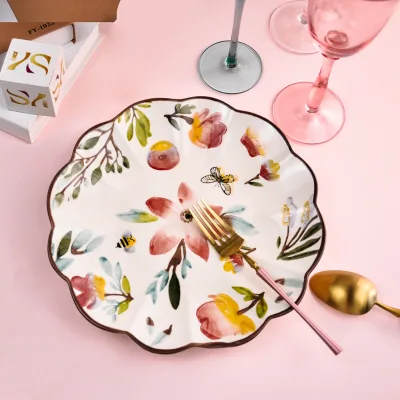
Hand Painted Dinnerware Ceramic Dinner Dishes Microwave Safe Plates Tableware Set
$2.16 - $3.74
MOQ: 500 Pieces

Chaozhou Jiayuehui Tableware Co., Ltd.
- Verified by SGS
- Manufacturer
- China Guangdong
- Lead time45 days
- Avg. response≤ 25h

$1.80 - $2.00
MOQ: 500 Pieces


Hand Painted Ceramic Porcelain Round Dinner Plates BPA Free Microwave Safe
$1.80 - $2.00
MOQ: 500 Pieces


Chaozhou Junbin Ceramics Co., Ltd.
- Verified by TUVRHEINLAND
- Combined
- China Guangdong
- Lead time30 days
- Avg. response≤ 17h
Main productsTableware, Bowl, Plate
Main marketsDomestic

Food-Grade Ceramic Ceramic Microwave-Safe Dinner Plate for Family Dinner Serving
$1.50 - $3.00
MOQ: 40 Pieces

Multi-Scene Matching Ceramic Microwave-Safe Dinner Plate for Bistro Dish Presentation
$1.50 - $3.00
MOQ: 40 Pieces

Best-Selling Multi-Scene Matching Ceramic Microwave-Safe Dinner Plate for Bistro Dish Presentation
$1.50 - $3.00
MOQ: 40 Pieces

- Verified by BV
- Trading Company
- China Shandong
- Lead time30 days
- Avg. response≤ 2h
Main productsCeramic Mugs, Ceramic Dinnerware, Ceramic Tea Set, Ceramic Kitchen Ware, Custom Drum Shape Ceramic Coffee Mug, 24oz Large Capacity 3D Embossed Mug, Porcelain Cappuccino Cup and Saucer, 14oz Custom Souvenirs Ceramic Mug, 12 Sets Vintage Reactive Glazed Tableware, Custom Royal White Ceramic Milk Jar
Main marketsNorth America


Promotions Glazed Porcelain Dinner Plate Custom Microwave Safe Ceramic Plate Colorful Ceramic Plate
$0.50 - $1.00
MOQ: 5000 Pieces

Microwave Safe Ceramic Plate Custom Stoneware Plate Round White Porcelain Dinner Plate
$0.50 - $1.00
MOQ: 5000 Pieces
Chaozhou Qianyue Ceramics Co., Ltd.
- Manufacturer, Trading Company
- Lead time旺季: "1 - 1000":35,"> 1000":"To be negotiated", 淡季: "1 - 1000":35,"> 1000":"To be negotiated"
- Avg. response≤ 2h
Main productsCeramic Tableware

Rollin Porcelain Industrial Co., Ltd.
- Verified by BV
- Manufacturer/Factory
- China Guangdong
- Lead time45 days
- Avg. response≤ 7h
Main productsPorcelain Dinnerware, Tableware, Dinner Set, Dinner Plate, Hotel and Restaurant Tableware, Bone China, Cutlery, Glassware, Ceramic Plate, Porcelain
Main marketsEastern Europe,Mid East,North America,Southeast Asia,Eastern Asia,Oceania,Western Europe
Hangzhou Jade New Materials Co., Ltd
- Trading Company
- Zhejiang, China
- Lead time30 days
- Avg. response≤ 1h
Main productsHome decoration,Coffee&Tea Cup,Kitchenware Set,Glassware,Dinnerware Set
Main marketsWestern Europe(40.00%), North America(30.00%), Mid East(20.00%), South America(15.00%), Africa(15.00%), South Asia(10.00%), Eastern Asia(10.00%), Southeast Asia(10.00%)
Chaozhou Sanjin Porcelain Factory
- Manufacturer
- Guangdong, China
- Lead time45 days
- Avg. response≤ 3h
Main productsceramic plate,ceramic bowl,ceramic cup,ceramic dinnerware,Customized porcelain
Main marketsEastern Asia(25.00%), Western Europe(21.00%), Southeast Asia(12.00%), North America(11.00%), Domestic Market(10.00%), South America(9.00%), Eastern Europe(8.00%), Oceania(4.00%)
LINYI GUANGFA PORCELAIN CO., LTD.
- Verified by TüVRheinland
- Manufacturer, Trading Company
- Lead time30 days
- Avg. response≤ 4h
Main productsCeramic Tableware
Main marketsDomestic Market(58%), South Asia(10%), Southeast Asia(8%)
Foshan Cheng Fan Technology Co., Ltd.
- Manufacturer, Trading Company, Distributor/Wholesaler
- Guangdong, China
- Lead time9 days
- Avg. response≤ 3h
Main productsTableware,Housewear & Furnishings,Kitchenware,Gifts,Stationery
Main marketsNorth America(30.00%), Central America(5.00%), South Asia(5.00%), Mid East(3.00%), Southeast Asia(2.00%)

Guangzhou Garbo International Trading Co., Ltd.
- Verified by TUVRHEINLAND
- Trading Company,Manufacturer/Factory
- China Guangdong
- Lead time45 days
- Avg. response≤ 6h
Main productsGlassware, Glass Cup, Glass Mug, Glass Bowl, Glass Candy Jar, Glass Pitcher, Glass Ice Cream Cup and Ice Bucket, Opal Glassware, Stainless Steel Cutlery, Ceramic Dinnerware
Main marketsSouth America,Eastern Europe,Mid East,North America,Southeast Asia,Eastern Asia,Oceania,Western Europe,Africa

$0.63 - $0.85
MOQ: 5000 Pieces

$0.45 - $0.49
MOQ: 3000 Pieces

Custom Round White Opal Glass Dish Dinner Microwave Safe Printed 7-Inch Flat Plates Opal Dish
$0.70 - $1.00
MOQ: 5000 Pieces


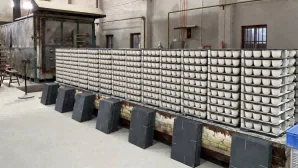
Guangzhou Hefa Homeware Supplies Ltd
- Manufacturer, Trading Company, Distributor/Wholesaler
- Guangdong, China
- Lead time20 days
- Avg. response≤ 4h
Main productsDinnerware,glassware,cutlery,drinkware,kitchenware
Main marketsNorth America(35.00%), Western Europe(25.00%), Mid East(15.50%), South America(5.00%), Central America(5.00%), Eastern Asia(4.00%), Oceania(3.00%), Southeast Asia(3.00%), Africa(2.00%), Domestic Market(0.50%), South Asia(0.50%), Southern Europe(0.50%), Northern Europe(0.50%), Eastern Europe(0.50%)
Shenzhen Bogart Kitchenware Co., Ltd.
- Verified by TüVRheinland
- Trading Company
- Guangdong, China
- Lead time15 days
- Avg. response≤ 2h
Main productsCoffee & Tea Sets, Matcha Tools, Portable Coffee Maker, Coffee Tumbler & Mugs, Coffee Accessories
Main marketsMid East(30%), North America(20%), Western Europe(13%)
Fujian Dehua Besder Ceramic Co., Ltd.
- Manufacturer, Trading Company
- Fujian, China
- Lead time0 days
- Avg. response≤ 11h
Main productsCERAMIC HOME DECORATION,CERAMIC KITCHENWARE,HOLIDAY DECORATION,CERAMIC PET SUPPLIES,RESIN PRODUCTS
Main marketsNorth America(45.00%), Western Europe(16.00%), South America(11.00%), Mid East(7.00%), Eastern Europe(7.00%), Southern Europe(6.00%), Northern Europe(2.00%), Central America(2.00%), Oceania(1.00%), South Asia(1.00%), Africa(1.00%), Eastern Asia(1.00%)

Henan Domingo Industry Co., Ltd.
- Trading Company
- Henan, China
- Lead time40 days
- Avg. response≤ 2h
Main productsdinner set,ceramic dinnerware,mugs,dinner plate,bowls
Main marketsSouth America(20.00%), Northern Europe(20.00%), Africa(15.00%), Eastern Europe(15.00%), North America(10.00%), Central America(10.00%), Mid East(10.00%)
Guangxi Youyuan Investment Co., Ltd.
- Manufacturer, Trading Company
- Guangxi, China
- Lead time7 days
- Avg. response≤ 5h
Main productsCeramic Dinnerware Set, Dinner Plates Dishes, Coffee Cup Mugs, Irregular Plate, Soup Bowl
Main marketsNorth America(25.00%), Southeast Asia(20.00%), South America(15.00%), Western Europe(10.00%), Northern Europe(5.00%), Eastern Europe(5.00%), Mid East(5.00%), Oceania(4.00%), Eastern Asia(3.00%), South Asia(2.00%), Southern Europe(2.00%), Central America(2.00%), Africa(2.00%)
Liling Changlong Ceramic Co., Ltd.
- Verified by SGS Group
- Manufacturer, Trading Company
- Lead time40 days
- Avg. response≤ 2h
Main productsCeramic Mug , Ceramic Bowl, Ceramic Plate, Ceramic Cup & Saucer, Ceramic Jar
Main marketsNorth America(30%), South America(20%), Southeast Asia(15%)

Foshan Ron Hospitality Supplies Co., Ltd.
- Verified by BV
- Manufacturer/Factory,Group Corporation
- China Guangdong
- Lead time45 days
- Avg. response≤ 3h
Main productsRestaurant Furniture, Restaurant Booth, Restaurant Chair, Restaurant Table, Bar Stools, Wedding Chairs, Flatware Sets, Dinnerware Sets, Garden Chairs, Disposable Dinnerware & Tableware
Main marketsSouth America,Eastern Europe,Mid East,North America,Southeast Asia,Eastern Asia,Oceania,Western Europe,Africa


Non-Disposable Black Round Square Ceramic Microwave Dinner Plate Used for Events
$0.40 - $0.50
MOQ: 50 Pieces
Shenzhen Tao Hui Industrial Co., Ltd.
- Verified by TüVRheinland
- Manufacturer, Trading Company
- Lead time60 days
- Avg. response≤ 7h
Main productsPorcelain Products
Main marketsWestern Europe(30%), North America(20%), Southeast Asia(10%)
Zibo Joystyle Light Industrial Products Co., Ltd.
- Manufacturer, Trading Company
- Shandong, China
- Lead time30 days
- Avg. response≤ 3h
Main productsceramic coffee mug,ceramic dinner set,ceramic plate,ceramic bowl,porcelain dinnerware set
Main marketsNorth America(35.00%), South America(16.00%), Eastern Europe(12.00%), Western Europe(10.00%), Southeast Asia(9.00%), Africa(8.00%), Eastern Asia(6.00%), Northern Europe(4.00%)
Huairen Huaiyi Porcelain Technology Co., Ltd.
- Verified by Intertek
- Manufacturer, Trading Company
- Lead time45 days
- Avg. response≤ 4h
Main productsDinnerware Set, Coffee Cup and Saucer, Ceramic Plates, Mugs, Cutlery
Main marketsDomestic Market(60%), North America(10%), Western Europe(10%)
Yiwu Jiesiming E-Commerce Co., Ltd.
- Trading Company
- Jinhua, China
- Lead time0 days
- Avg. response≤ 4h
Main productsDaily provisions
Main marketsCentral America(30.00%), North America(30.00%), Mid East(20.00%), South Asia(10.00%), Southeast Asia(10.00%)
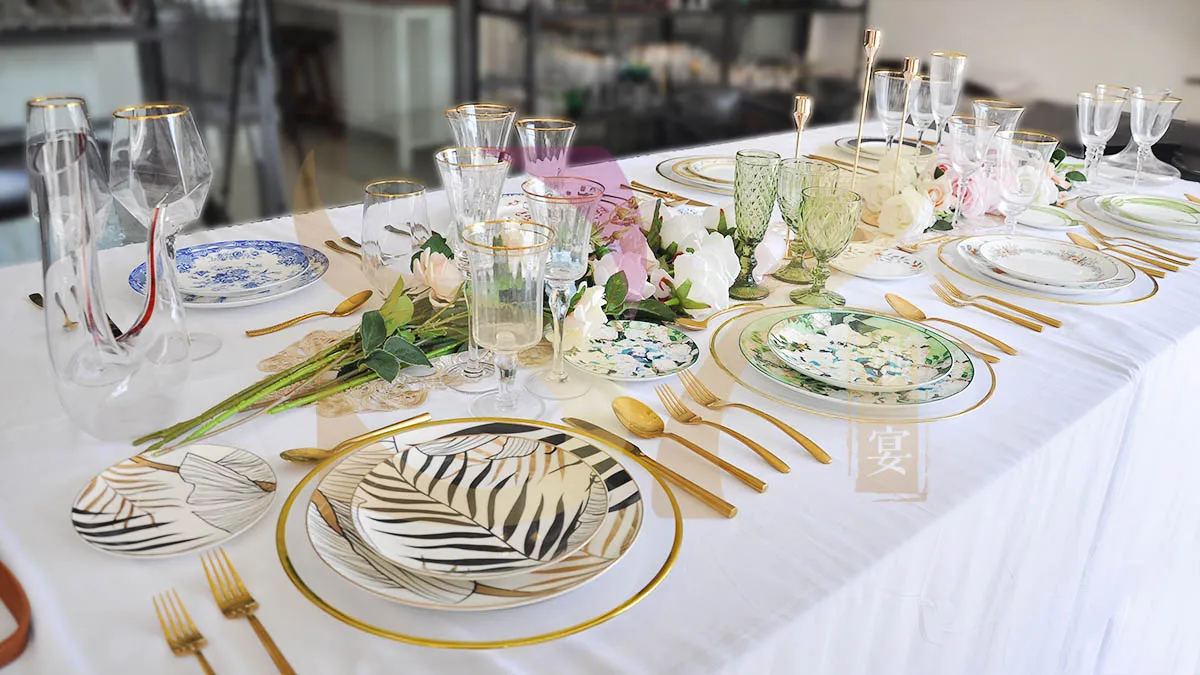
Shanxi Sonya Commercial And Trading Co., Ltd.
- Trading Company
- Shanxi, China
- Lead time15 days
- Avg. response≤ 4h
Main productsglass charger plate,Bone china dinner set,wedding tableware,wine glass,stainless steel flatware set
Main marketsNorth America(20.00%), Western Europe(15.00%), Northern Europe(10.00%), Domestic Market(10.00%), Mid East(10.00%), Oceania(10.00%), Africa(10.00%), Eastern Europe(10.00%), South America(5.00%)

Anhui Taicheng Paper & Plastic Technology Co., Ltd.
- Verified by SGS
- Trading Company
- China Anhui
- Lead time30 days
- Avg. response≤ 5h
Main productsDisposable Paper Cups, Compostable Lids, Disposable Cutlery, Biodegradable Tableware, Disposable Food Box, Disposable Plate, Disposable Tableware, Kraft Paper Food Container, Sugarcane Tableware, Cornstarch Tableware
Main marketsSouth America,Africa,Southeast Asia/ Mideast,Europe,North America
Belle Maison(hangzhou)co.,ltd.
- Trading Company
- Zhejiang, China
- Lead time40 days
- Avg. response≤ 3h
Main productsCandle Jars,Candle & Home Fragrance,Vase & Planter,Dinnerware & Flatware,Drinkware & Kitchenware
Main marketsNorth America(25.00%), Mid East(10.00%), Southeast Asia(10.00%), Eastern Europe(10.00%), South America(10.00%), Western Europe(6.00%), Southern Europe(5.00%), Northern Europe(5.00%), Oceania(5.00%), Eastern Asia(5.00%), Africa(5.00%), Domestic Market(2.00%), South Asia(2.00%)
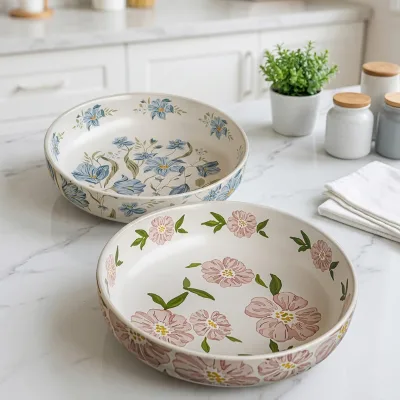




Comprehensive Sourcing Guide
Microwave Safe Ceramic Dining Plate Supplier Concentration and Factory Types
Current data indicates that suppliers for microwave safe ceramic dining plates are concentrated in specific Chinese provinces, with Guangdong and Shandong emerging as primary manufacturing hubs. Fact sheets show locations in Guangdong, specifically Chazhou, and Shandong, suggesting these regions host the relevant production clusters. Buyers should prioritize verifying the physical address of any potential partner to confirm they operate within these known ceramic-producing zones. The supplier types observed include combined entities, manufacturers, and trading companies, each offering distinct advantages for different procurement strategies. Manufacturers in these regions often possess direct control over the production line, which can influence lead times and customization capabilities.
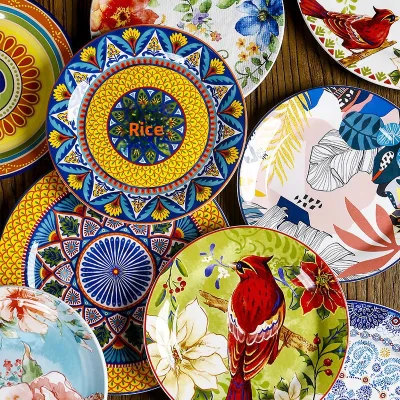
When evaluating the factory type, buyers must distinguish between a pure manufacturer and a trading company. The observed data lists company types such as "Combined" and "Manufacturer," alongside "Trading Company," indicating a mixed market landscape. A manufacturer typically offers ODM and OEM capabilities, allowing for deeper customization of the ceramic dinnerware. In contrast, trading companies may aggregate products from various factories, potentially offering a broader range of styles like the Sakura pattern or Bohemian style seen in product attributes. Buyers should request proof of factory ownership or direct production lines if they require strict quality control over the glazing and hand-painting techniques used in these ceramic plates.
How to Verify Microwave Safe Ceramic Dining Plate Suppliers
Verification is a critical step when sourcing microwave safe ceramic dining plates, as the market contains various levels of credibility. The available facts show that some suppliers hold verification badges from recognized bodies such as CTI, SGS, and TÜV Rheinland. These third-party audits provide a baseline of trust regarding the supplier's business legitimacy and operational stability. Buyers should not assume all suppliers possess these credentials; instead, they must explicitly request the verification certificate number and cross-reference it with the issuing agency's database. This process confirms that the supplier has undergone a rigorous assessment of their business practices and production capacity.
Beyond business verification, product-specific certifications are essential for ensuring the safety of ceramic dining ware. Product attributes in the data frequently list CE/EU, FDA, and CIQ certifications, which are vital for international compliance. These certifications confirm that the materials used, such as ceramic and porcelain, are free from harmful substances like lead and cadmium, making them safe for microwave and oven use. Buyers must ask for the specific test reports associated with these certifications rather than accepting a generic claim. Additionally, checking the supplier's response time, which varies from 1.11 to 25.00 hours in observed data, can indicate their operational efficiency and willingness to engage in the verification process.
What to Compare Across Microwave Safe Ceramic Dining Plate Suppliers
Comparing suppliers requires a systematic analysis of key operational metrics to ensure the best fit for the buyer's needs. Lead time is a significant differentiator, with observed data showing ranges from 30 to 45 days. This variation can impact inventory planning and market responsiveness, especially for seasonal demands. Buyers should also scrutinize the Minimum Order Quantity (MOQ), which ranges from 40 units to 500 units across different suppliers. A lower MOQ might be preferable for testing new designs, while a higher MOQ could offer better unit economics for established product lines. These figures must be weighed against the supplier's stated capacity for ODM and OEM services.
Price and customization options are equally critical factors in the comparison process. The observed price range for these ceramic plates spans from approximately $1.50 to $4.80 per unit, depending on the design complexity and material specifications. Buyers must determine if the lower price point correlates with acceptable quality standards or if it reflects a reduction in material thickness or glazing quality. Furthermore, the availability of customization, such as logo printing or specific color patterns like multicolor or unicolor, varies by supplier. Some suppliers offer "Customized" options with specific production models, while others may have limited flexibility. Evaluating these dimensions together helps buyers identify a supplier that balances cost, speed, and product flexibility effectively.
Common Microwave Safe Ceramic Dining Plate Sourcing Risks
One of the primary risks in sourcing microwave safe ceramic dining plates is the inconsistency in product quality and safety compliance. While many suppliers claim their products are microwave and oven safe, the actual test results and certification validity can vary. The data shows certifications like CE/EU and FDA, but buyers must verify that these apply to the specific batch being ordered. There is a risk that a supplier might claim a product is "Food Contained Safe" without providing the necessary documentation for the specific glaze used. This discrepancy can lead to regulatory issues in the destination market or safety hazards for end consumers, making thorough due diligence mandatory before placing large orders.
Another significant risk involves the reliability of the supply chain and the accuracy of the stated lead times. Observed response times vary widely, from under two hours to over 25 hours, which can signal differences in communication efficiency and order management systems. A slow response time might indicate a backlog of orders or a lack of dedicated account management, potentially leading to delays in production. Additionally, the "Stocked" feature mentioned in some product attributes suggests immediate availability, but this may not apply to customized orders. Buyers should be cautious of suppliers who promise rapid delivery for custom designs without a clear production schedule, as this often leads to missed deadlines and increased logistical costs.
Microwave Safe Ceramic Dining Plate Regional Sourcing and Logistics
Geographic location plays a pivotal role in the logistics and cost structure of sourcing microwave safe ceramic dining plates. The data confirms that major production clusters are located in Guangdong and Shandong provinces in China. These regions benefit from established infrastructure for ceramic manufacturing and export, which can streamline the shipping process. However, buyers must verify the specific port of loading for each supplier, as shipping costs and transit times will vary based on the distance from the factory to the port. Understanding the regional concentration helps buyers anticipate potential logistical bottlenecks and plan their inventory replenishment cycles more accurately.
Logistics planning must also account for the packaging standards used by different suppliers. Product attributes indicate various packing methods, including "Bulk Packaging," "Box," and "Fob" terms. The choice of packaging directly impacts the risk of breakage during transit, which is a common concern with ceramic tableware. Buyers should request detailed packaging specifications to ensure that the plates are protected adequately for long-distance shipping. Furthermore, the origin location, such as Chazhou Guangdong, influences the customs clearance process and the applicable tariffs. Buyers should consult with their freight forwarders to understand how the specific origin of the ceramic plates affects the total landed cost and delivery timeline to their destination.
Microwave Safe Ceramic Dining Plate Commercial Terms and Order Planning
Commercial terms and order planning are fundamental to a successful procurement strategy for microwave safe ceramic dining plates. The observed data highlights a range of pricing structures, with minimum prices starting around $1.50 and maximums reaching $4.80. Buyers must clarify whether these prices are based on FOB (Free on Board) or other Incoterms, as this determines who bears the risk and cost during transit. Additionally, the MOQ requirements, which can be as low as 40 units or as high as 500, must be aligned with the buyer's sales forecasts and storage capabilities. Understanding these financial terms upfront prevents unexpected costs and ensures that the order volume is economically viable.
Order planning should also consider the customization lead times and the supplier's capacity for handling complex requests. The data shows that some suppliers offer ODM and OEM services, which require additional time for design approval and sample production. Buyers should factor in the time needed for these customizations when planning their product launches. The response time of the supplier, ranging from 1.11 to 25.00 hours, is another indicator of how quickly they can address order changes or issues. By aligning the order timeline with the supplier's capabilities and response speed, buyers can mitigate the risk of delays and ensure a smooth transition from order placement to product delivery.
FAQs
Are these ceramic plates microwave safe?
Yes, the listed ceramic dining plates are explicitly described as microwave safe. They are also suitable for oven, dishwasher, and freezer use. This versatility ensures they can handle various cooking and serving methods while maintaining durability and safety for everyday family meals or restaurant service.
What certifications do the plates have?
The ceramic plates hold CE/EU and FDA certifications, ensuring they meet international safety standards for food contact. Some listings also include CIQ certification. These credentials verify that the materials are non-toxic and safe for daily use, providing confidence for both domestic and commercial buyers.
What is the typical lead time?
Lead times vary by supplier, with observed ranges from 30 to 45 days. Some manufacturers offer faster turnaround times for stocked items, while custom orders may require additional processing time. Buyers should confirm specific delivery schedules with suppliers to align with their inventory planning and project deadlines.
What is the minimum order quantity?
Minimum order quantities differ significantly among suppliers. Some require as few as 40 pieces, while others set the MOQ at 500 units. This flexibility allows small businesses to test products with lower volumes, whereas larger retailers can benefit from bulk pricing structures available at higher order thresholds.
Can I customize the design?
Customization is available for many ceramic plate listings. Buyers can request specific colors, patterns, or logo printing. Suppliers offer OEM and ODM services, allowing for tailored designs that match brand identities. This option is ideal for businesses seeking unique tableware for hotels, restaurants, or promotional events.
Where are these suppliers located?
Suppliers are primarily located in China, with specific hubs in Guangdong and Shandong provinces. These regions are known for their ceramic manufacturing expertise. Buyers can source directly from these locations to benefit from established supply chains and competitive pricing structures inherent to these major production centers.
What is the price range?
Prices for ceramic dining plates range from approximately $1.50 to $4.80 per unit. The cost depends on factors like material quality, design complexity, and order volume. Lower prices often apply to standard designs, while hand-painted or custom options may command higher rates within this observed market range.