Microwavable Butter Dish with Lid Suppliers and Manufacturers
Find 30 verified suppliers offering Microwavable Butter Dish with Lid options from China Zhejiang and Fujian. Compare ISO9001 certifications, FDA standards, lead times, and MOQs to source reliable ceramic or glass products for your kitchen needs today; review the available evidence before requesting comparable quotations from suitable candidates.
Suppliers List
- Trading Company
- China Zhejiang
- Lead time30 days
- Avg. response≤ 11h
Main productsHome Appliance, Cookware Set, Thermos, Home Storage, Furniture, Pet Supplies, Garden Tools, Outdoor Supplies, Baby Supplies, Houesehold Items
Main marketsSouth America,Africa,Southeast Asia/ Mideast,East Asia(Japan/ South Korea),Domestic,Europe,Australia,North America


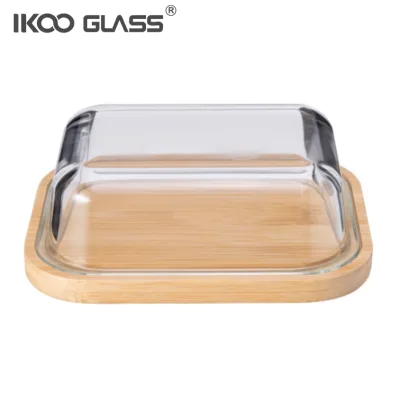
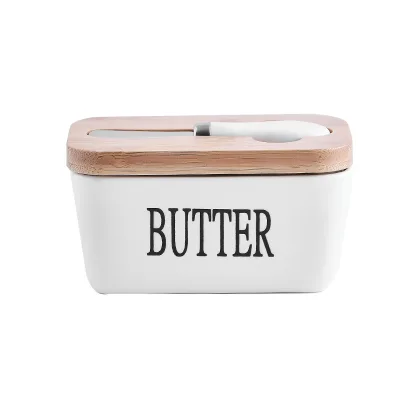
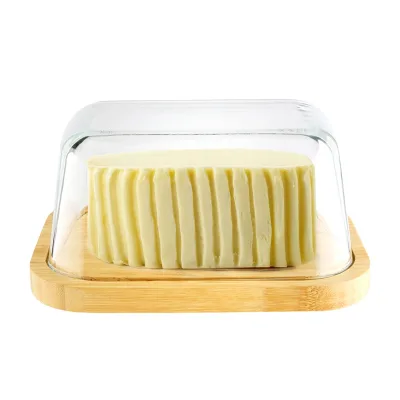
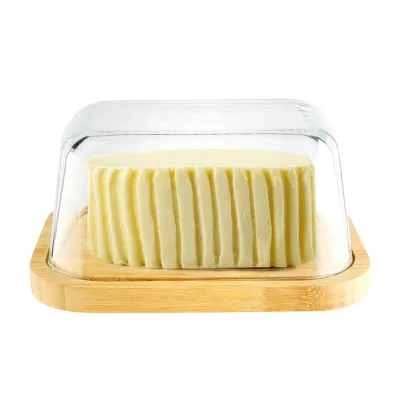
Glass Butter Dish with Lid - Elegant Crystal Glass to Hold Stick of Butter
$4.85 - $5.00
MOQ: 1000 Pieces

- Verified by TüVRheinland
- Trading Company
- Fujian, China
- Lead time60 days
- Avg. response≤ 2h
Main productsCeramic & Cement Craft Products
Main marketsNorth America(45%), Oceania(14%), Eastern Asia(10%)
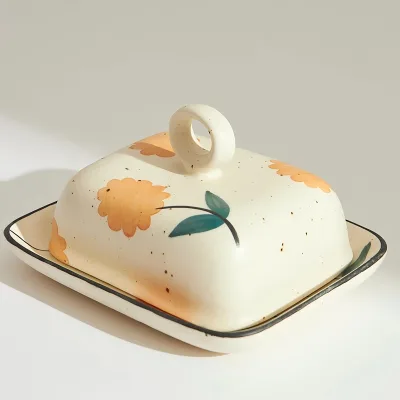
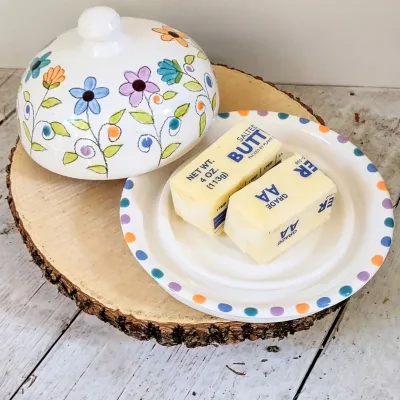
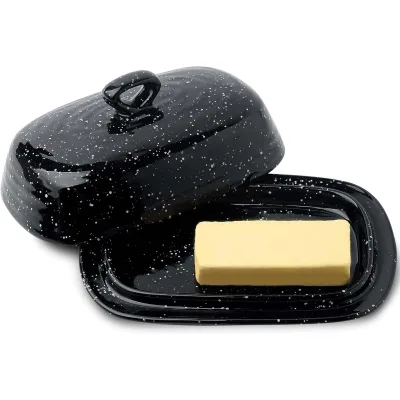
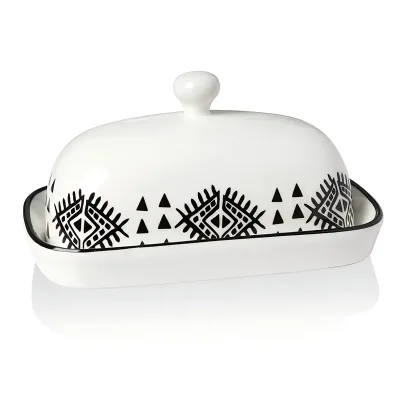
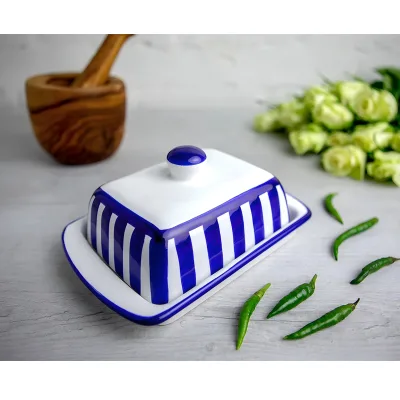
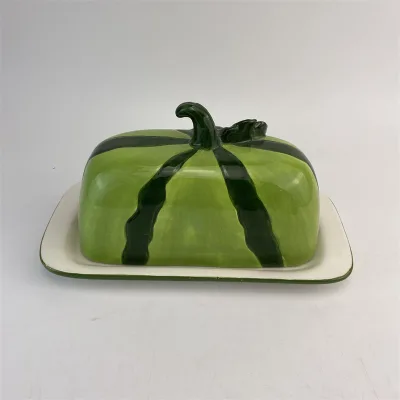
Dark Navy Blue Striped Handmade Hand Painted Ceramic Butter Dish With Lid
$2.18 - $2.38
MOQ: 1000 pieces
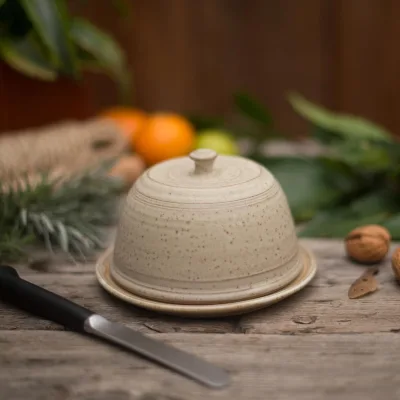

Xiamen Yoyo Ceramic Trading Co., Ltd.
- Verified by BV
- Combined
- China Fujian
- Lead time23 days
- Avg. response≤ 9h
Main productsCeramic Mugs, Ceramic Plates, Teawares, Ceramic Canisters, Ceramic Vases, Ceramic Flower Planters, Ceramic Coin Bank, Flowerpot, Canisters, Resin Crafts
Main marketsSouth America,Africa,Southeast Asia/ Mideast,East Asia(Japan/ South Korea),Europe,Australia,North America


Large Black Ceramic Butter Dish for Counter Handmade Porcelain Butter Keeper Box with Lid
$1.65 - $2.85
MOQ: 500 Pieces

Embossed Ceramic Butter Dish with Bamboo Lid, Large Butter Container for Countertop
$0.80 - $2.98
MOQ: 1000 Pieces

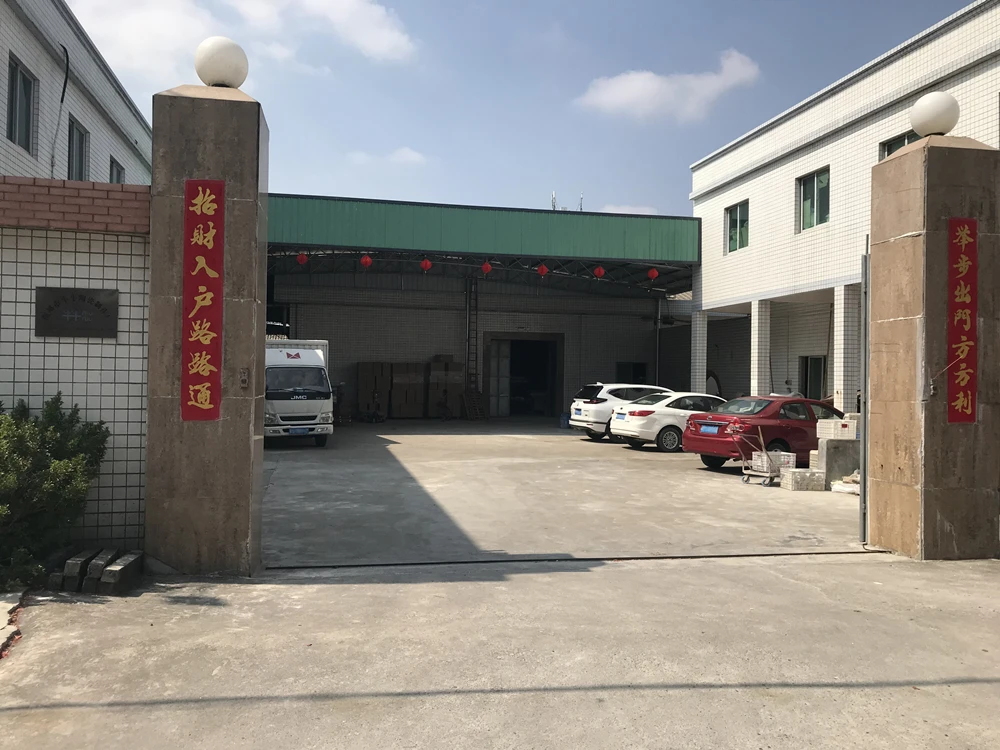
Chaozhou Chao'an Fengtang Shimaier Ceramics Factory
- Manufacturer, Trading Company
- Guangdong, China
- Lead time50 days
- Avg. response≤ 4h
Main productsCeramic mug,Ceramic candle jar,ceramic plate,ceramic decor,ceramic cup
Main marketsNorth America(45.00%), Northern Europe(10.00%), Eastern Europe(10.00%), Western Europe(10.00%), South America(5.00%), Southeast Asia(3.00%), Central America(3.00%), Africa(3.00%), Eastern Asia(3.00%), Mid East(3.00%), Oceania(3.00%), South Asia(1.00%), Southern Europe(1.00%)
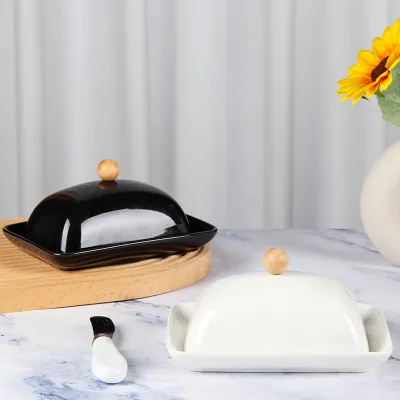
$2.56 - $3.58
MOQ: 500 pieces
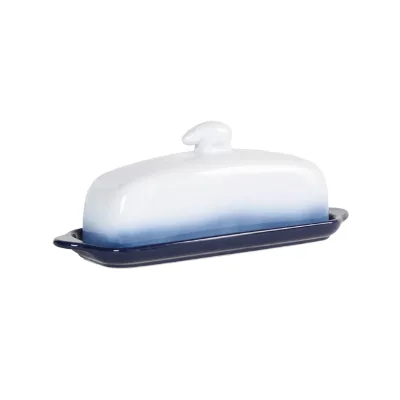
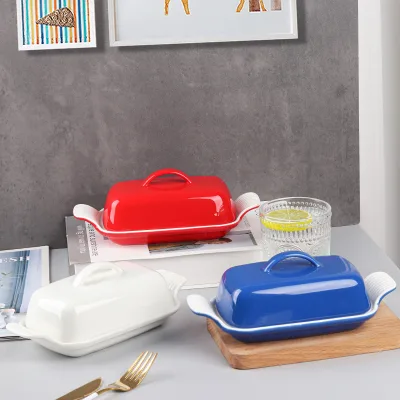

Xiamen Starlights Trading Co., Ltd.
- Verified by TUVRHEINLAND
- Trading Company
- China Fujian
- Lead time30 days
- Avg. response≤ 13h
Main productsCeramic Products, Polyresin Products, Iron Crafts, Wooden Furniture, Ceramic Mugs, Photo Frame, Mirror Furniture, Glass Artware, Festival Products, Gifts Premiums
Main marketsNorth America

High Quality Porcelain Butter Box Container Large Ceramic Butter Dish with Lid
$4.20 - $6.00
MOQ: 500 Pieces

Latest Design Cheap Ceramic Butter Dish Rectangle Butter Container with Lid
$4.20 - $6.00
MOQ: 500 Pieces

$4.20 - $6.00
MOQ: 500 Pieces

Modern Style Ceramic Butter Dish with Lid for Countertop Handmade Porcelain
$4.20 - $6.00
MOQ: 500 Pieces

French Butter Holder Rustic Tableware Butter Dish with Lid Dessert Cheese Box
$4.20 - $6.00
MOQ: 500 Pieces

Dark Green Covered Butter Keeper Container Ceramic Butter Dish Minimalist Rectangle Plate Dish
$4.20 - $6.00
MOQ: 500 Pieces

Eagle Catering Equipment Co., Ltd.
- Manufacturer/Factory
- China Guangdong
- Lead time30 days
- Avg. response≤ 8h
Main productsTrolleys, Gastronorm Containers, Table, Shelves, Sink, Barrier Post, Cookware, Buffetware, Barware, Kitchen Utensils
Main marketsSouth America,Eastern Europe,Mid East,North America,Southeast Asia,Eastern Asia,Oceania,Western Europe,Africa
- Verified by BV
- Trading Company
- China Zhejiang
- Lead time30 days
- Avg. response≤ 14h
Main marketsSouth America,Africa,Southeast Asia/ Mideast,East Asia(Japan/ South Korea),Europe,Australia,North America
Xiamen Bestcera Technology Co., Ltd.
- Verified by TüVRheinland
- Trading Company
- Lead time60 days
- Avg. response≤ 4h
Main productsCeramic Pet Bowl, Ceramic Treat Jar, Ceramic Candle Jar, Ceramic Vase, Ceramic Home Decoration
Main marketsNorth America(60%), Eastern Europe(10%), Southeast Asia(10%)

Wenzhou Qiangsen Import and Export Co., Ltd.
- Verified by BV
- Trading Company
- China Zhejiang
- Lead time30 days
- Avg. response≤ 5h
Main productsFood Container, Cornstarch Cutlery, Paper Plate, Salad Bowl, Paper Bag, Bamboo Stick, Wooden Cutlery, Greaseproof Paper, Bamboo Cutlery, Paper Cup
Main marketsSoutheast Asia/ Mideast,North America


Microwavable Lunch Boxes Disposable Cornstarch Compartments Tray Tableware
$0.05 - $0.07
MOQ: 50000 Pieces

Microwaveable Biodegradable Bagasse Salad Box Freezable Lunch Box with Lid
$0.04 - $0.04
MOQ: 100000 pc

Disposable Kraft Paper Soup Bowl Cup 8oz Microwave Container with Lids
$0.01 - $0.02
MOQ: 50000 Pieces
Shenzhen Sanbo Home And Garden Manufacturing Co., Ltd.
- Manufacturer, Trading Company
- Gaungdong, China
- Lead time15 days
- Avg. response≤ 2h
Main productsstainless steel dinnerware,metal cake holder,glass cake holder,cake tools,ceramic dinnerware
Main marketsAfrica(20.00%), Southeast Asia(10.00%), Eastern Europe(10.00%), Oceania(10.00%), Southern Europe(9.00%), Central America(8.00%), Northern Europe(8.00%), South Asia(6.00%), South America(4.00%), Western Europe(4.00%), Eastern Asia(3.00%), Mid East(3.00%), North America(3.00%), Domestic Market(2.00%)
Chaozhou Sanjin Porcelain Factory
- Manufacturer
- Guangdong, China
- Lead time45 days
- Avg. response≤ 3h
Main productsceramic plate,ceramic bowl,ceramic cup,ceramic dinnerware,Customized porcelain
Main marketsEastern Asia(25.00%), Western Europe(21.00%), Southeast Asia(12.00%), North America(11.00%), Domestic Market(10.00%), South America(9.00%), Eastern Europe(8.00%), Oceania(4.00%)
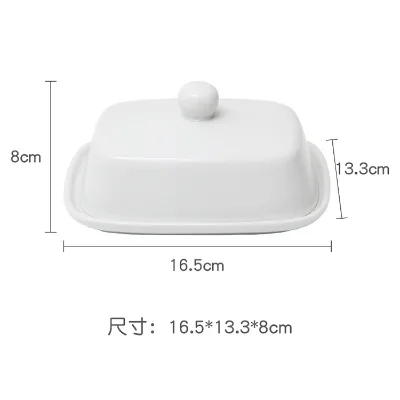
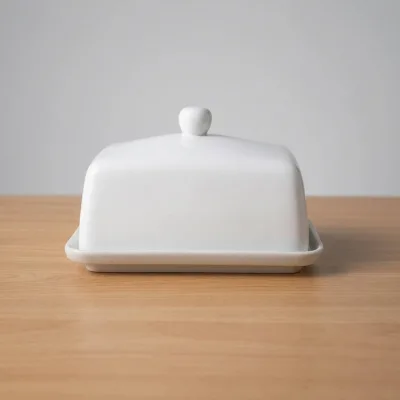
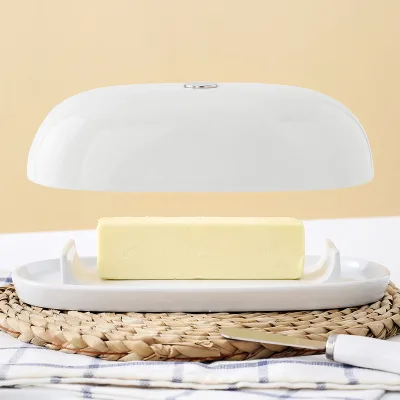
Wholesale Ceramic Butter dish container with Magnetic to hold the butter-covered knife
$3.30 - $3.40
MOQ: 180 sets
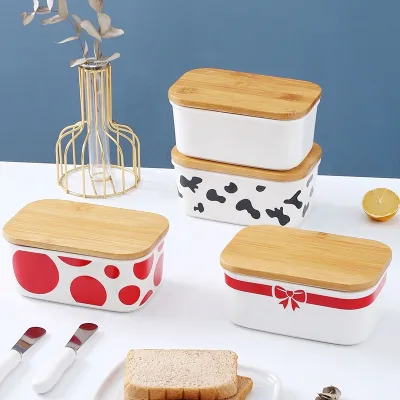
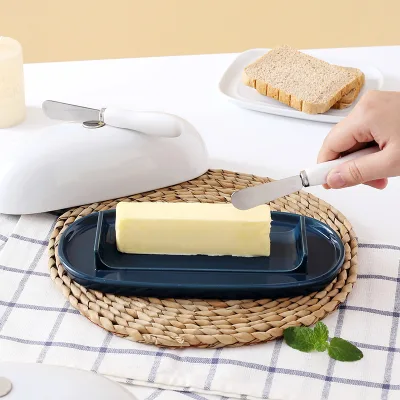
Guangdong Dk Houseware Co., Limited
- Verified by SGS Group
- Trading Company
- Lead time30 days
- Avg. response≤ 4h
Main productsGlass Food Container, Glass Bakeware, Glass Bottles, Glass Storage Jar, Opal Glass Dinnerware
Main marketsWestern Europe(30%), North America(20%), South America(10%)
- Verified by SGS Group
- Trading Company
- Lead time20 days
- Avg. response≤ 10h
Main productsKitchenware, Coffee French Maker, Plastic Bento Box, Bamboo Wooden Kitchen Items, Ceramic & Glass Products
Main marketsNorthern Europe(20%), South Asia(20%), North America(10%)

- Manufacturer, Trading Company
- Guangdong, China
- Lead time60 days
- Avg. response≤ 4h
Main productsCasserole,Dish,Bowl,Mug,Jar
Main marketsNorth America(30.00%), Western Europe(25.00%), Northern Europe(12.00%), Eastern Asia(10.00%), Oceania(8.00%), Southeast Asia(5.00%), Domestic Market(2.00%), Southern Europe(2.00%), Eastern Europe(2.00%), South America(2.00%), Mid East(2.00%)
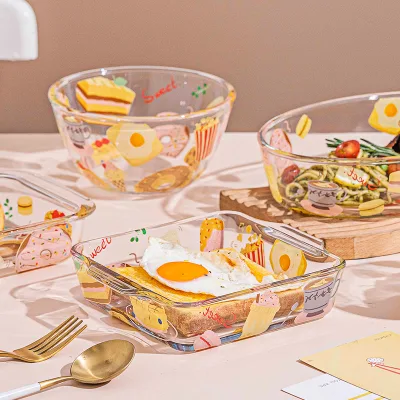
Safe Microwave Oven Kitchen Bakeware Baking Bowls Oven Pan Glass Baking Dish Tray
$2.27 - $4.16
MOQ: 500 Minimum
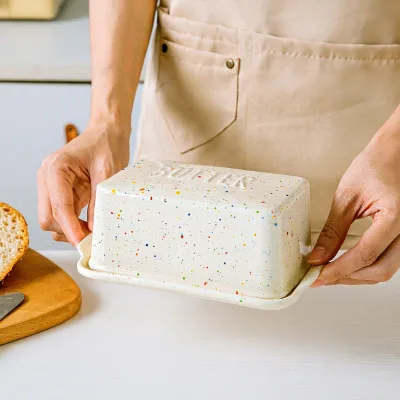

Shanxi Midas Industrial Co., Ltd.
- Verified by TUVRHEINLAND
- Trading Company
- China Shanxi
- Lead time15 days
- Avg. response≤ 7h
Main productsWine Glass, Glass Plate, Wooden Tray, Scented Candle, Plastic Water Bottle, Stainless Steel Water Bottle, Dinnerware Set, Beer Glass
Main marketsEurope,North America


Baking Tray Microwave Oven Tableware Porcelain Bakeware Ceramic Baking Dishes
$1.40 - $1.57
MOQ: 100 Pieces
Anhui Nature Imp. & Exp. Co., Ltd.
- Verified by SGS
- Trading Company
- China Anhui
- Lead time15 days
- Avg. response≤ 2h
Main productsBamboo Products, Wooden Products, Multiple Knife Fork & Spoon, Bamboo Scissors Stick, Bamboo Sushi Curtain, Disposable Creative Bead Bamboo Stick, Bamboo Straw, Bamboo Stick, Wooden Cutlery, Wooden Knife Spoon Fork
Main marketsSoutheast Asia/ Mideast,Europe,North America

Microwavable Biodegradable Bowl Takeaway Disposable Cornstarch Bowl with Lid
$0.00 - $0.10
MOQ: 10 Pieces

$0.01 - $0.03
MOQ: 10000 Pieces

Disposable Food Containers Takeout Lunch Bowls Microwave Cornstarch Bowls with Lids
$0.01 - $0.03
MOQ: 10000 Pieces

Cornstarch Box Biodegradable Disposable Cornstarch Lunch Plate White Food Dishes
$0.06 - $0.15
MOQ: 50000 Pieces
- Verified by TUVRHEINLAND
- Trading Company
- China Hunan
- Lead time45 days
- Avg. response≤ 2h
Main productsCeramic Mug, Vacuum Flask, Dinner Set, Cup, Mug, Thermal Bottle, Ceramic Dinner Set, Glass Jar, Glass Cup, Wine Cup
Main marketsSoutheast Asia/ Mideast
Shenzhen Fenn Industrial Co., Ltd.
- Verified by TüVRheinland
- Manufacturer, Trading Company
- Lead time60 days
- Avg. response≤ 3h
Main productsPorcelain Tableware, Porcelain Plate & Dish, Porcelain Bowl, Porcelain Mug, Porcelain Cup & Saucer
Main marketsNorth America(37%), Northern Europe(20%), Eastern Europe(15%)

Shanghai Goldenwell Medical Technology Co., Ltd.
- Verified by CTI
- Trading Company
- China Shanghai
- Lead time15 days
- Avg. response≤ 6h
Main productsMedical Devices, Sports Support, Medical Dressings
Main marketsSoutheast Asia/ Mideast,Europe
Shijiazhuang Far East Import & Export Trading Co., Ltd.
- Trading Company
- Lead time旺季: "1 - 2000":150,"> 2000":"To be negotiated", 淡季: "1 - 2000":150,"> 2000":"To be negotiated"
- Avg. response≤ 8h
Main productsGlass Food Container, Glass Bakeware, Glass Drinkware, Glass Jar, Stainless Steel Food Container
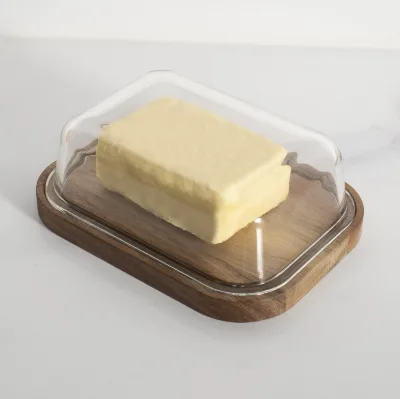
$1.20 - $2.50
MOQ: 1000 pieces
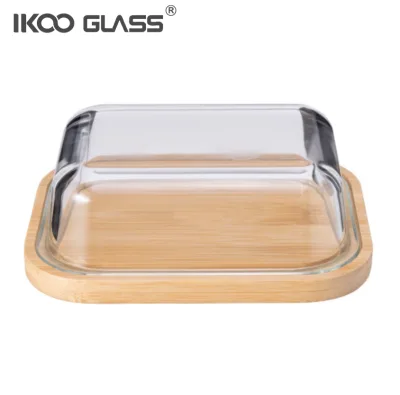

Zhejiang Jieyu Plastic Products Co., Ltd.
- Verified by TUVRHEINLAND
- Combined
- China Zhejiang
- Lead time15 days
- Avg. response≤ 3h
Main productsPlastic Food Container, Food Container, Disposable Container, Disposable Food Container, Plastic Tableware, Plastic Product, Spoon, Plastic Fork, Bowl, Takeaway Packaging
Main marketsDomestic,North America


$0.03 - $0.04
MOQ: 150000 Pieces


Anhui Taicheng Paper & Plastic Technology Co., Ltd.
- Verified by SGS
- Trading Company
- China Anhui
- Lead time30 days
- Avg. response≤ 5h
Main productsDisposable Paper Cups, Compostable Lids, Disposable Cutlery, Biodegradable Tableware, Disposable Food Box, Disposable Plate, Disposable Tableware, Kraft Paper Food Container, Sugarcane Tableware, Cornstarch Tableware
Main marketsSouth America,Africa,Southeast Asia/ Mideast,Europe,North America


Corn Starch Eco-Friendly Microwave Hot Sale Custom Biodegradable Bowl with Lid
$0.01 - $0.03
MOQ: 50000 Pieces


Unique Design Eco Friendly Biodegradable Sauce Dipping Finger Food Mini Dishes
$158.25 - $163.13
MOQ: 20 Boxes

Wholesale Compostable Biodegradable Disposable Sauce Dipping Finger Food Mini Dishes
$158.25 - $163.13
MOQ: 20 Boxes
Dehua Kinghorse Arts & Crafts Co., Ltd.
- Manufacturer
- Fujian, China
- Lead time45 days
- Avg. response≤ 2h
Main productsCeramic,Polyresin,Metal,Candle,Xmas Decoration
Main marketsNorth America(80.00%), Western Europe(6.00%), Southeast Asia(5.00%), Oceania(5.00%), South America(2.00%), Eastern Europe(2.00%)
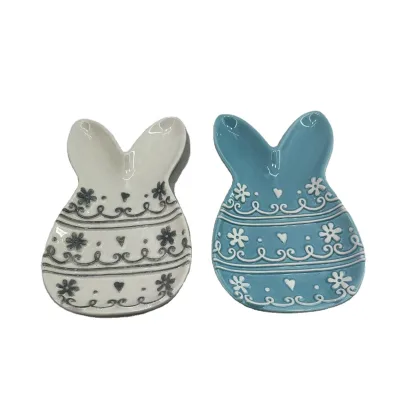
Hand painted 7 inch ceramic butter dish for Easter decoration
Contact supplier

Jinan Perfect Life International Trade Co., Ltd.
- Verified by TUVRHEINLAND
- Trading Company,Manufacturer/Factory
- China Shandong
- Lead time23 days
- Avg. response≤ 13h
Main productsFood Container, PP Lunch Container, Storage Jar, Food Jar, Food Cabinet
Main marketsSouth America,Eastern Europe,North America,Southeast Asia,Eastern Asia,Oceania,Western Europe,Africa


Glass Baking Dish, Rectangular Baking Dishes for Oven, Tempered Glass Casserole Dish
$1.00 - $5.00
MOQ: 100 Pieces
Xiamen Amoycrafts Industrial Co., Ltd.
- Verified by SGS Group
- Manufacturer, Trading Company
- Lead time45 days
- Avg. response≤ 3h
Main productsCeramic Ware, Drinkware, Resin Ware, Dinnerware, Bar & Wine
Main marketsNorth America(45%), Northern Europe(13%), Eastern Europe(10%)
Xiamen Design In Source Trading Co., Ltd.
- Manufacturer, Trading Company, Distributor/Wholesaler
- Fujian, China
- Lead time45 days
- Avg. response≤ 2h
Main productsvase,ceramic mugs,piggy bank,coffee cup,candle jar
Main marketsNorth America(48.00%), Western Europe(21.00%), Oceania(10.00%), Eastern Asia(5.00%), Southeast Asia(4.00%), South America(3.00%), Eastern Europe(2.00%), Northern Europe(2.00%), Southern Europe(2.00%), Mid East(1.00%), Central America(1.00%), South Asia(1.00%)
Jiangmen Everwin Home Product Co., Ltd.
- Manufacturer
- Guangdong, China
- Lead time45 days
- Avg. response≤ 3h
Main productskitchen utensil,coffee & tea accessories,bar ware,bathroom ware,cook ware
Main marketsWestern Europe(18.00%), North America(18.00%), Oceania(15.00%), Eastern Europe(15.00%), Eastern Asia(9.00%), South America(8.00%), Southeast Asia(5.00%), Domestic Market(3.00%), Northern Europe(3.00%), Mid East(2.00%), South Asia(2.00%), Africa(2.00%)
Shandong Consing Material Technology Co., Ltd.
- Verified by SGS
- Manufacturer
- China Shandong
- Lead time23 days
- Avg. response≤ 5h
Main productsGlass Container, Glass Baking Dish, Glass Mixing Bowl, Glass Measuring Cup, Glass Casserole, Glass Canister, Double Wall Glass Cup, Glass Drinkware
Main marketsSoutheast Asia/ Mideast,North America


Rectangular Roaster Tray Oven Safe Microwave Safe Casserole Baking Dishes 2L 2.7L 3.8L
$1.17 - $2.88
MOQ: 2000 Pieces

Globalink International Limited
- Verified by SGS
- Trading Company,Manufacturer/Factory,Other
- China Shandong
- Lead time45 days
- Avg. response≤ 13h
Main productsPlastic Packaging, Food Container, Fruit packaging, Paper Bags, Paper Packaging, Plastic Bags, Plastic Tape, Egg Tray, Aluminum Foil, Sushi Container
Main marketsSouth America,Eastern Europe,Mid East,North America,Southeast Asia,Eastern Asia,Oceania,Western Europe,Africa
Uniflow International Trade Co., Ltd.
- Verified by SGS
- Trading Company
- China Guangdong
- Lead time15 days
- Avg. response≤ 1h
Main productsDisposable Tableware, Disposable Plate, Lunch Box, Disposable Cup, Sustainable Disposable Tableware, Sugarcane Fiber Tableware, Compostable Sugarcane Dinnerware, Renewable Resource Kitchenware, Eco-Friendly Plant-Based Cutlery, Disposable Pizza Pan
Main marketsSoutheast Asia/ Mideast


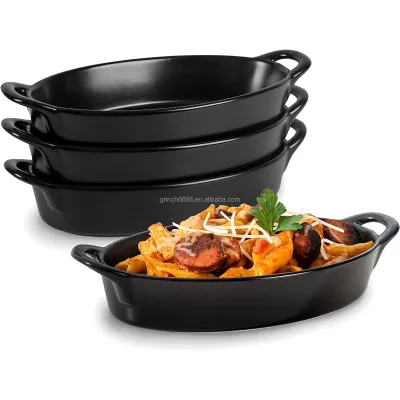


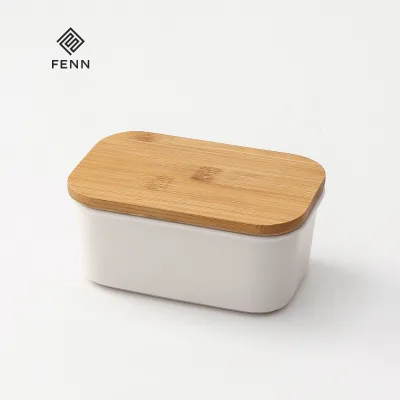
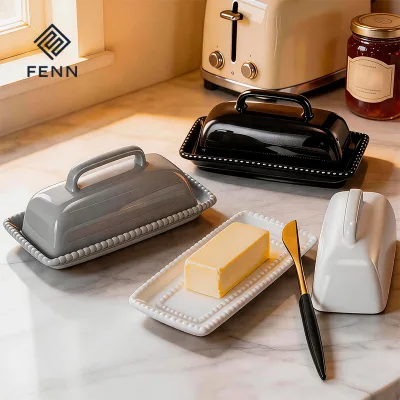
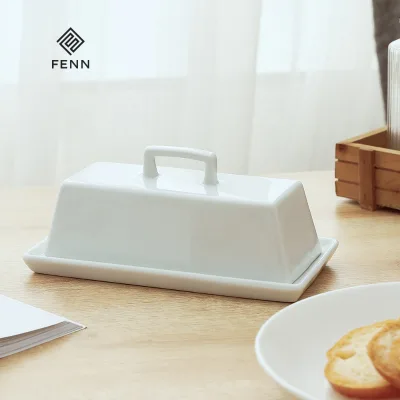


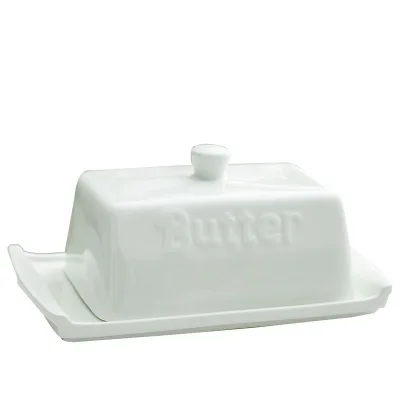
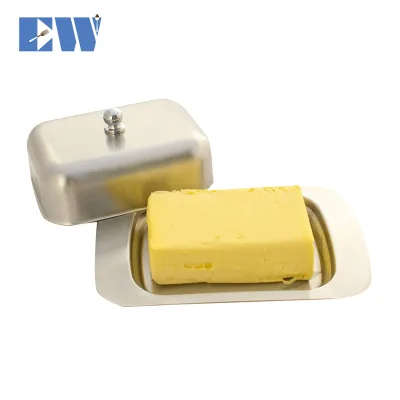
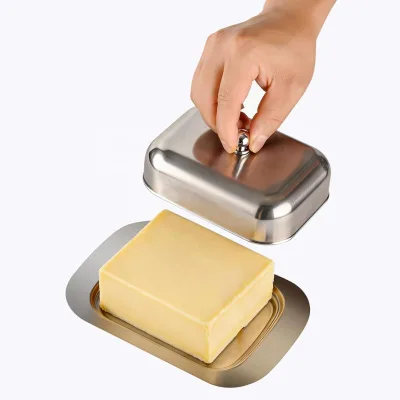


Comprehensive Sourcing Guide
Microwavable Butter Dish with Lid Supplier Concentration and Factory Types
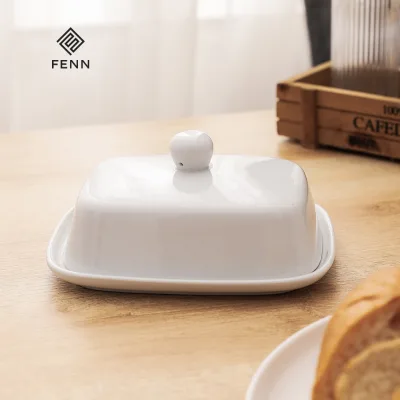
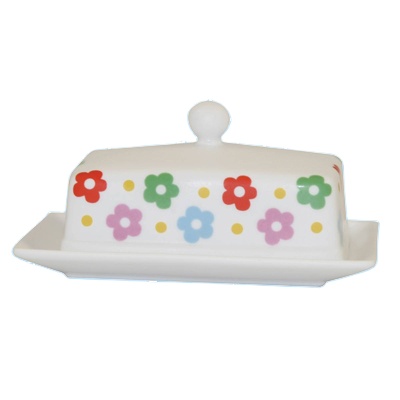
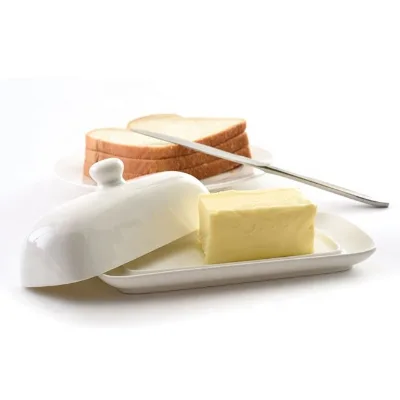
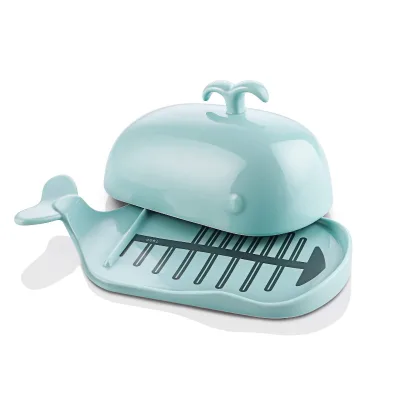
Buyers sourcing a Microwavable Butter Dish with Lid will find supplier listings concentrated among two complementary company types: ceramic and cement craft producers, and broad-line trading companies. Ceramic-focused manufacturers typically list butter dishes as a core product line, often alongside cheese dishes with lids and other kitchen storage pieces, while trading companies cover a wider assortment spanning dinnerware, cookware, thermoses, home storage, furniture, pet supplies, garden tools, outdoor supplies, baby supplies, and general household items. A trading company can consolidate butter dishes with related tableware for mixed-container orders, whereas a specialist maker may offer deeper customization of glaze, shape, and decoration. In the observed results, ceramic suppliers are based in Fujian, China, and a Zhejiang, China trading company carries butter dish listings, so both coastal provinces appear as relevant supply points for this category.
When location data is not displayed for a given listing, buyers should identify manufacturing clusters themselves before shortlisting. Practical methods include searching for the model number to find the original producer, asking each supplier to state whether it manufactures in-house or resells, and requesting the city and province of the producing facility rather than only the sales office. For ceramic butter dishes specifically, confirm whether the factory has kilns on site, because microwave-safe glazes and ceramic bodies require firing control that pure resellers cannot directly supervise. Verifying factory versus trader status early prevents mismatched expectations about customization, sampling, and defect responsibility later.
How to Verify Microwavable Butter Dish with Lid Suppliers
Verification should begin with third-party status and system certifications visible on the supplier profile. One ceramic supplier in the current results holds LFGB system certification and is verified by TüV Rheinland, and another company type lists ISO9001:2015 and ISO14001:2015 certificates. These signals indicate audited quality and environmental management, but they do not automatically prove food-contact compliance for a specific butter dish, so buyers should still request product-level food safety test reports for the ceramic body and glaze. Ask which certification applies to the exact butter dish model being quoted, and confirm that any FDA or LFGB claim in product attributes is supported by a recent, batch-relevant test document rather than a certificate belonging to a different product line.
The second verification layer is operational. Response time is a usable signal: the observed listings show figures ranging from roughly 2 hours to about 10 hours, so record each supplier's actual reply speed during your inquiry stage. Confirm the supplier's willingness to offer OEM and ODM design work; one ceramic listing explicitly states OEM and ODM welcome, which supports genuine manufacturing capability. Request the physical factory address, video or live walk-through of the kiln area, and a sample run before any production order. Finally, verify business registration and export experience by asking for previous shipment destinations and checking whether the company's stated main products align with ceramic dinnerware rather than unrelated categories only.
What to Compare Across Microwavable Butter Dish with Lid Suppliers
Build a comparison table using the attributes suppliers actually display, without assuming every profile shows the same data. Useful dimensions include location, lead time, MOQ, response speed, main products, company type, certifications, and whether escrow or platform-protected payment is offered. In the observed listings, lead times differ sharply: a Zhejiang trading company lists around 30 days, while the Fujian ceramic supplier lists around 60 days, with production time stated at 45 days for one butter dish model and sample time at 15 days. MOQs cluster around 1,000 pieces per model, though this appears in some listings and not others, so confirm MOQ per SKU and per decoration. Price also varies widely by material and design.
Apply the table to the specific product attributes that matter for a microwavable butter dish. Compare material (ceramic versus crystal glass, since glass is not always microwave-suitable), food container features, and stated sizes such as 15 cm x 10 cm x 9.5 cm for a speckled ceramic model or L15.5 x W10.5 x H6.5 cm for a 6.5-inch ceramic dish with lid. Check customization availability, packaging type (brown box, color box, or carton), and per-piece pricing bands such as roughly $0.86 to $5.00 across the observed range. Weight matters too: a single ceramic unit can approach 2 kg gross, which affects freight math and should be captured in your comparison.
Common Microwavable Butter Dish with Lid Sourcing Risks
The most frequent risk in this category is mismatch between the product name and its actual microwave performance. Some listings emphasize design features—easy to clean, sturdiness, durability, easy removal—without stating microwave safety at all, as seen in one glass butter dish description. Others explicitly claim microwavable food container features. Do not assume a lid-and-base set is fully microwave-safe; handles, rims, or decoration on lids can behave differently from the base. Require written confirmation of microwave, dishwasher, oven, and fridge safety per component, and test samples yourself before approving production. Second, confirm the certification trail: an FDA attribute in a product listing still needs a supporting test report tied to that model number.
Commercial and quality risks follow. Ceramic butter dishes have lids, and lid fit is a common defect source—specify tolerance for the knob, rim seating, and chip resistance, and include an AQL inspection clause for fit and glaze defects. MOQ of 1,000 pieces per design can trap buyers who want multiple colors or decorations; check whether a supplier allows mixed designs within one order. Long lead times (up to 60 days in observed listings) plus 15-day sampling mean a full custom project can exceed two months, so plan backward from your launch date. Finally, be cautious with suppliers whose main product lists span dozens of unrelated categories, since butter dish expertise may be thin; ask category-specific questions early to test depth of knowledge.
Microwavable Butter Dish with Lid Regional Sourcing and Logistics
Within the observed supplier data, the relevant sourcing regions are Fujian and Zhejiang in China, with a Fujian ceramic producer listing butter dishes among its craft products and a Zhejiang trading company carrying ceramic and glass butter dish listings alongside broad household goods. Fujian's listing emphasizes design services, sample processing, graphic processing, and customized-on-demand capability, which suits buyers developing a proprietary butter dish design. Zhejiang's trading-company profile suits buyers bundling butter dishes with dinnerware sets, thermoses, or storage items in one consolidated shipment. Matching region to need—specialist ceramic development versus assortment consolidation—is more useful than chasing a single "best" province.
Logistics planning should reflect product physics and stated lead times. A ceramic butter dish with lid is heavy and fragile: one observed model lists a 2.000 kg single gross weight, so a 1,000-piece order represents roughly two tonnes before pallets. Confirm export packing (inner boxes, foam separation, master cartons) and request drop-test results for the proposed packaging. With lead times of 30 to 60 days in the observed listings plus 15-day sampling, allocate time for sea freight and customs; air freight is rarely economical at this weight per unit. Ask each supplier whether the quoted lead time includes decorating and firing after sample approval, and whether peak-season kiln queues could extend it, then build a buffer into your delivery schedule.
Microwavable Butter Dish with Lid Commercial Terms and Order Planning
Commercial terms should be locked down in writing before sampling concludes. From the observed listings, expect MOQs around 1,000 pieces per model, unit prices in bands such as $0.86 for a plain 20 oz ceramic bowl to $2.18–$2.38 for a decorated ceramic butter dish and $2.72–$3.02 for a 6.5-inch ceramic butter dish, up to $4.85–$5.00 for a glass version. Confirm what the quote includes: decoration, logo printing, packaging (brown box, color box, or carton), and freight terms. One listing states logos can be printed and packages can be customized, which supports private-label planning, but always tie these to the final contract rather than the listing page.
Order planning should sequence payments and milestones against the supplier's stated timeline. A realistic schedule with the observed data looks like: 15 days sampling, sample approval and microwave-fit testing, then 45 days production within a stated 60-day lead-time envelope, plus booking sea freight for a fragile, heavy consignment. Use staged payments tied to sample approval, production start, and pre-shipment inspection, and check whether the platform offers escrow or protected payment for the transaction. Plan the first order conservatively—1,000 pieces of one decoration—so that a lid-fit or glaze issue does not multiply across several SKUs. Keep a defect allowance, spare lids, and a documented inspection checklist in the contract for repeat orders.
FAQs
Are microwavable butter dishes with lids available from suppliers in China?
Yes, suppliers in Zhejiang and Fujian offer microwavable butter dishes with lids. These ceramic and glass options feature steamable and microwave-safe properties. They are stocked items ready for immediate shipment with customization available for bulk orders.
What is the minimum order quantity for ceramic butter dishes?
The minimum order quantity is typically 1000 pieces for ceramic butter dishes with lids. Some suppliers list this specific MOQ for their stock items. Buyers should verify the exact quantity required before placing an order to ensure compliance with supplier policies.
How long does it take to receive orders for butter dishes?
Lead times for butter dishes range from 30 to 60 days depending on the supplier location. Suppliers in Zhejiang generally offer a 30-day lead time, while those in Fujian may require up to 60 days. Response times vary between 2 and 10 hours.
Do suppliers offer ISO certifications for their dinnerware products?
Yes, some suppliers hold ISO9001:2015 and ISO14001:2015 certifications for their manufacturing processes. These certifications ensure quality management and environmental standards are met. Buyers should request proof of these certificates when evaluating potential suppliers for large-scale purchases.
What price range can buyers expect for ceramic butter dishes?
Prices for ceramic butter dishes range from approximately 0.86 to 3.02 USD per unit. The cost depends on the material, design, and customization options selected. Bulk orders often qualify for lower pricing tiers within this specified range.
Can buyers customize the design of butter dishes with lids?
Customization is available for many butter dishes with lids, including logo printing and design changes. Suppliers accept OEM and ODM requests for specific styles. Buyers should confirm the customization details and any additional costs before finalizing their order specifications.
Are the butter dishes safe for food contact and storage?
Yes, the products are certified FDA compliant and designed for food contact. They are non-disposable and suitable for storing butter, cheese, and other items. The containers are also oven safe, fridge safe, and dishwasher safe for versatile kitchen use.