Mini RGB Selfie Light Suppliers and Manufacturers
Compare 28 verified Mini RGB Selfie Light suppliers and manufacturers on sourcing dimensions such as factory location in Guangdong, product specifications, response times, lead times, MOQ, and pricing. Review supplier profiles, then request quotes and samples to validate quality before ordering.
Suppliers List

Dongguan Nuofan Electronic Technology Co., Ltd.
- Manufacturer, Trading Company
- Guangdong, China
- Lead time7 days
- Avg. response≤ 2h
Main productselectronic products,Soap Dispenser,bluetooth headset,neck fan
Main marketsAfrica(20.00%), Southeast Asia(20.00%), Eastern Europe(20.00%), South America(20.00%), North America(20.00%)
Shenzhen Hongtu Zhanfei Technology Co., Ltd.
- Manufacturer, Trading Company
- Guangdong, China
- Lead time0 days
- Avg. response≤ 3h
Main productsStabilizer,Microphone,Camera Accessories,Digital Storage Box,Camera Tripod.
Main marketsWestern Europe(15.00%), Northern Europe(13.00%), Oceania(10.00%), Domestic Market(10.00%), South Asia(10.00%), Central America(10.00%), Mid East(9.00%), South America(8.00%), North America(5.00%), Eastern Asia(2.00%), Africa(2.00%), Southeast Asia(2.00%), Southern Europe(2.00%), Eastern Europe(2.00%)
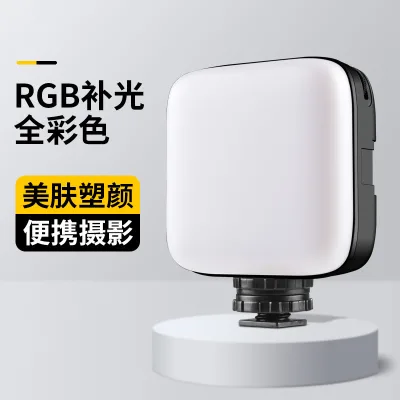
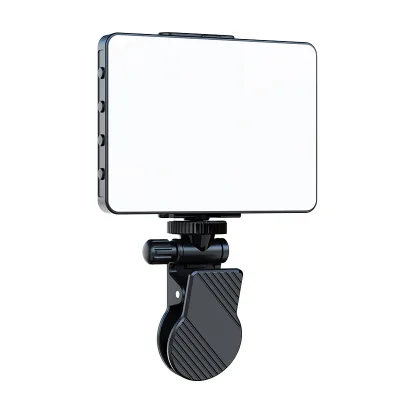
$10.31 - $36.07
MOQ: 1 Minimum
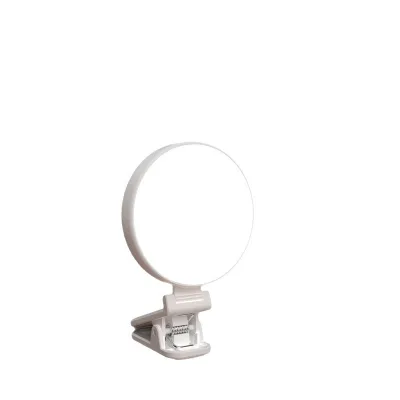
Guangzhou Fushen Technology Co., Ltd.
- Manufacturer, Trading Company, Distributor/Wholesaler
- Guangdong, China
- Lead time15 days
- Avg. response≤ 1h
Main productsDrones and Accessories,Photographic equipment,Consumer electronics,Intelligent projection,Smart wear
Main marketsEastern Europe(13.00%), North America(12.00%), Northern Europe(12.00%), South America(8.00%), Western Europe(7.00%), Central America(6.00%), South Asia(3.00%)

Xiamen Green Light Garden Industry and Trade Co., Ltd.
- Verified by TUVRHEINLAND
- Trading Company
- China Fujian
- Lead time23 days
- Avg. response≤ 10h
Main productsHotel Amenities, Restaurant Supplies, Baking Products, Packing Products, Home and Baking Products, Bread Bags, Paper Box, Bamboo Products, Baking Paper, Bed Sheet
Main marketsSouth America,Eastern Europe,Mid East,North America,Southeast Asia,Eastern Asia,Oceania,Western Europe,Africa

Mini Portable Live Show Beauty Ring Light Selfie 3 Levels Phone LED Light
$0.50 - $0.80
MOQ: 200 Pieces

Custom Selfie Ring Light Mobile Phone Rechargeable Camera Mini LED Light
$0.50 - $0.85
MOQ: 200 Pieces

Small MOQ Customized Logo USB Rechargeable Clip Mini LED Selfie Ring Light
$0.50 - $0.80
MOQ: 200 Pieces

Customized Logo 36 LED Mini Phone Ring Lights Rechargeable Selfie Ring Light
$0.50 - $0.80
MOQ: 200 Pieces

Factory Price Portable Mini Rechargeable Phone Beauty USB LED Selfie Ring Light
$0.50 - $0.80
MOQ: 200 Pieces

Hot Selling Custom Recharger Mini Portable Selfie LED Light Ring Light Selfie
$0.50 - $0.80
MOQ: 200 Pieces
Shenzhen BHD Technology Co., Ltd.
- Verified by SGS Group
- Trading Company
- Lead time3 days
- Avg. response≤ 4h
Main productsPower Bank, Wireless Charger, Bluetooth Earphone, Wall Charger, Innovative Consumer Electronic
Main marketsNorth America(28%), South America(18%), Eastern Europe(13%)
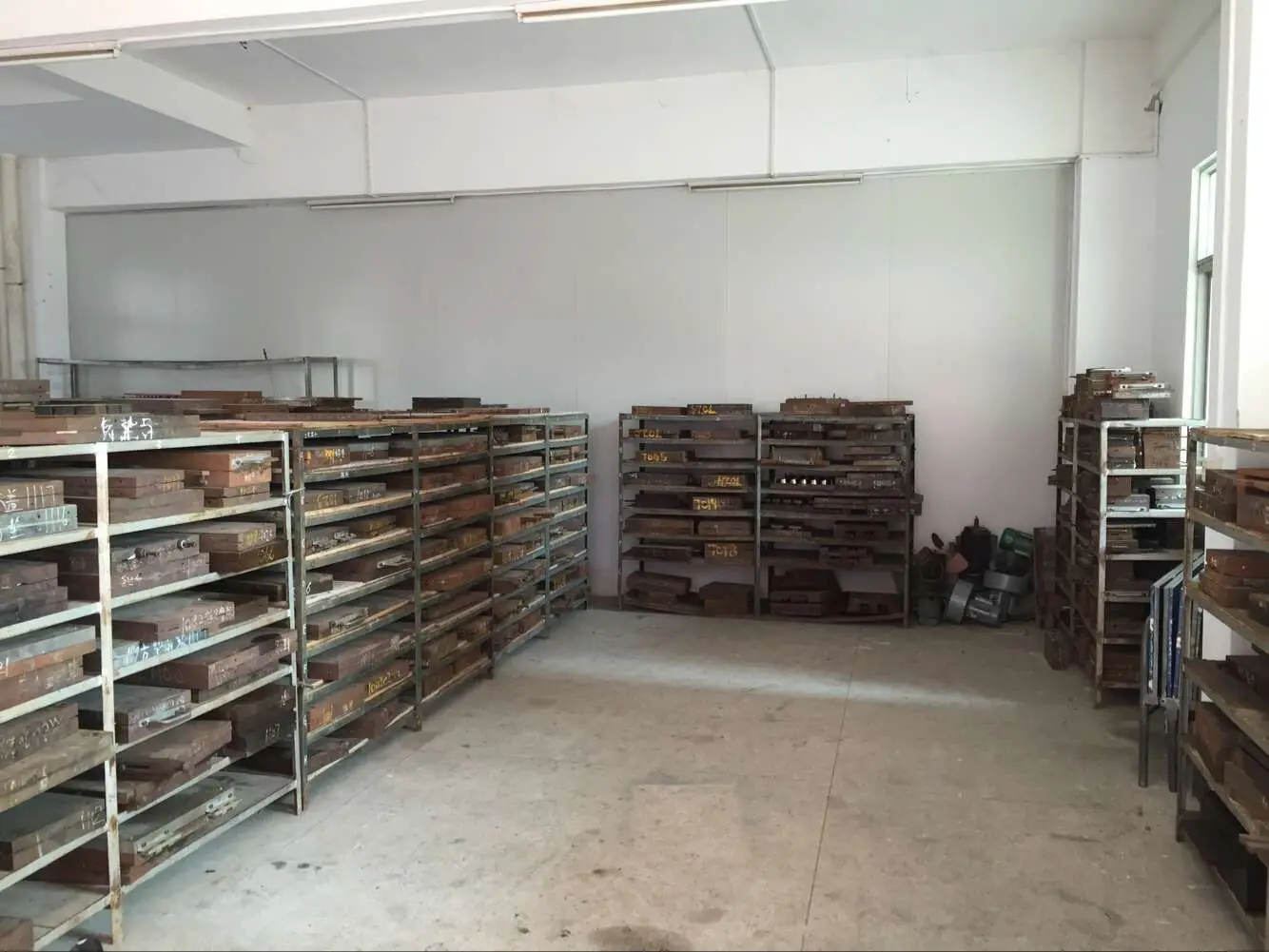
Shenzhen Hongyi Industry Co., Limited
- Manufacturer, Trading Company
- Guangdong, China
- Lead time6 days
- Avg. response≤ 3h
Main productsphone stand,phone case,Phone lanyards,Silicone Gloss Lipstick Holder,Silicone LED bracelets
Main marketsWestern Europe(20.00%), North America(20.00%), Southern Europe(10.00%), Mid East(10.00%), Southeast Asia(10.00%), South America(10.00%), South Asia(5.00%), Eastern Asia(5.00%), Northern Europe(5.00%), Eastern Europe(5.00%)
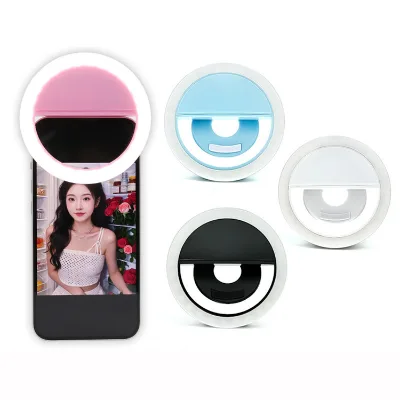
Versatile Portable Mini Photography LED Ring Light Phone Selfie Light Photographic Lighting
$0.54 - $0.64
MOQ: 500 pieces
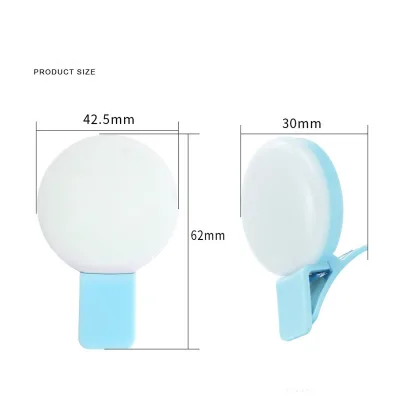
$0.38 - $0.56
MOQ: 50 pieces
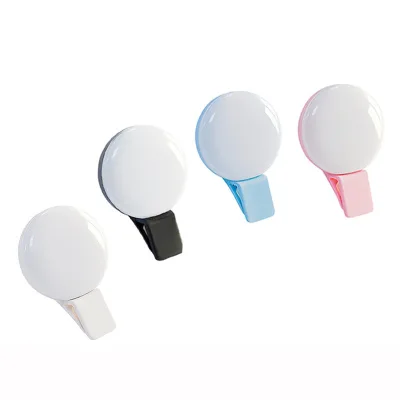
$0.38 - $0.54
MOQ: 100 pieces
Shenzhen E-Reach Technology Co., Ltd.
- Trading Company, Agent, Distributor/Wholesaler
- Guangdong, China
- Lead time10 days
- Avg. response≤ 3h
Main productsPhotographic Equipment,Camera Flash light,Film Equipment,camera microphone,Studio lighting
Main marketsWestern Europe(11.00%), Central America(10.00%), North America(10.00%), Eastern Asia(10.00%), Mid East(10.00%), Africa(10.00%), Southeast Asia(10.00%), Eastern Europe(10.00%), South America(10.00%), South Asia(8.00%), Southern Europe(1.00%)
Dongguan Bowen Electronic Technology Limited
- Trading Company
- Dongguan, China
- Lead time0 days
- Avg. response≤ 2h
Main productsToys&Hobbies,Educational Toys,Puzzle & Games,Blocks&Model Building Toys,Remote Control Toys
Main marketsNorth America(25.00%), South America(20.00%), Eastern Europe(10.00%), Western Europe(8.00%), Central America(8.00%), Northern Europe(6.00%), Southern Europe(5.00%), Southeast Asia(5.00%), Eastern Asia(4.00%), Africa(3.00%), Mid East(3.00%), Oceania(2.00%), South Asia(1.00%)
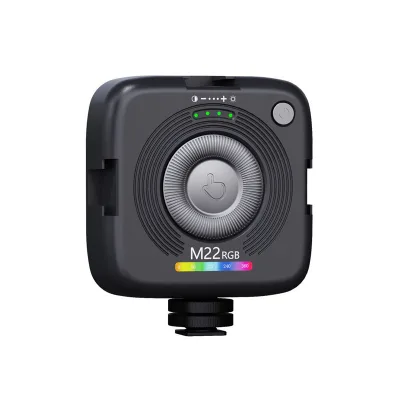
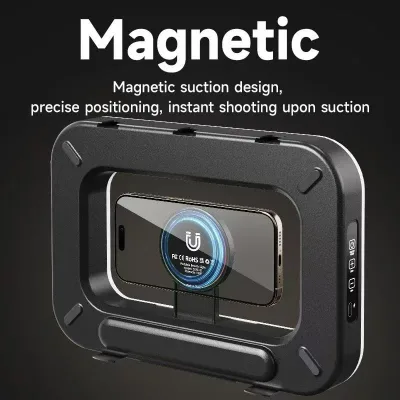
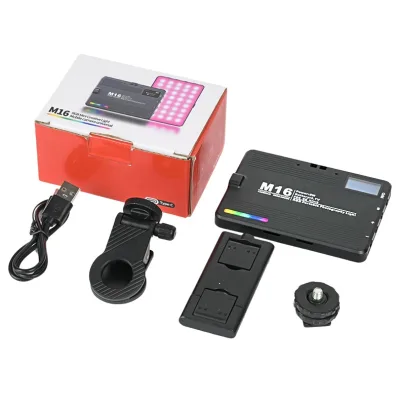
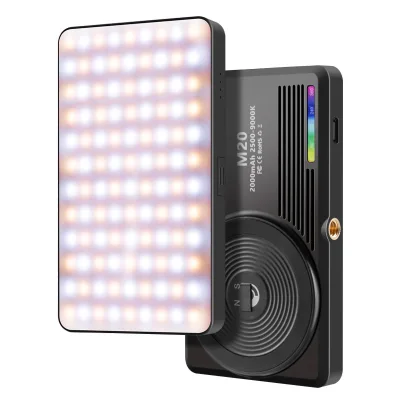
M16 Ring Light for Selfie Phone Professional Light Ring Recharged Ring Light with Battery
$7.79 - $9.22
MOQ: 5 pieces
Meizhou Jinxing Technology Co., Ltd.
- Trading Company
- Guangdong, China
- Lead time15 days
- Avg. response≤ 3h
Main productsLithium Coin Cell,Button Battery,Rechargeable Button Cell,CR2032 CR2025 LIR series coin battery,Solar Sensor Battery
Main marketsCentral America(10.00%), Western Europe(10.00%), Eastern Asia(10.00%), Mid East(10.00%), Oceania(10.00%), Africa(10.00%), Southeast Asia(10.00%), Eastern Europe(10.00%), South America(10.00%), North America(10.00%)

Guangzhou Miao Figure Digital Technology Co, Ltd
- Verified by TUVRHEINLAND
- Manufacturer/Factory
- China Guangdong
- Lead time68 days
- Avg. response≤ 2h
Main productsPhotography Lights, Photography Background, Photography Props, Camera Stand, Photography Stand, Background Stand, Camera Accessories, Action Camera Accessories, Photography Softbox, Photography Light Stand
Main marketsEastern Europe,Mid East,North America,Western Europe,Africa

Ningbo Qingyang Import and Export Co., Ltd.
- Verified by SGS
- Trading Company
- China Zhejiang
- Lead time45 days
- Avg. response≤ 1h
Main productsLED Lights, Table Lamp, Night Light, Solar Garden Light, LED Sensor Light, LED String Light, Decorative Light, LED Work Light, Camping Lantern, LED Candle
Main marketsEast Asia(Japan/ South Korea),Europe,North America
Guangdong Futulong Photography Equipment Co., Ltd.
- Manufacturer
- Guangdong, China
- Lead time3 days
- Avg. response≤ 3h
Main productsPhotography lighting,live streaming lighting,photography accessories,Photography fill-in light,Selfie stick
Main marketsSouth America(30.00%), Africa(10.00%), North America(5.00%), Eastern Europe(5.00%), Southeast Asia(5.00%), Oceania(5.00%), Mid East(5.00%), Eastern Asia(5.00%), Western Europe(5.00%), Central America(5.00%), Northern Europe(5.00%), Southern Europe(5.00%), South Asia(5.00%), Domestic Market(5.00%)
Dongguan Alpha Industrial Co., Ltd.
- Manufacturer, Trading Company
- Guangdong, China
- Lead time3 days
- Avg. response≤ 3h
Main productsled & led light,home appliances,consumer electronics,beauty treatment,purifier & sterilizer
Main marketsNorth America(25.00%), Central America(15.00%), Southeast Asia(15.00%), South Asia(10.00%), Northern Europe(6.00%), Eastern Europe(5.00%), Western Europe(5.00%), Eastern Asia(5.00%), South America(5.00%), Southern Europe(5.00%), Domestic Market(2.00%), Oceania(1.00%), Africa(0.50%), Mid East(0.50%)
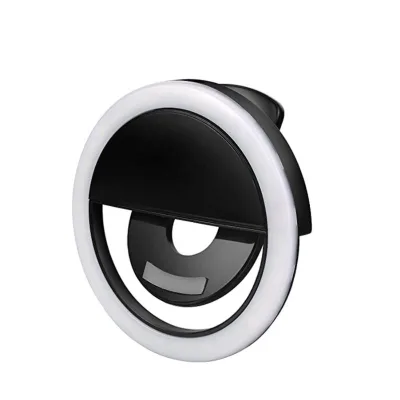
Hot Selling 36 Led Mini Selfie Portable Led Cell Phone Ring Light With Private logo
$1.01 - $1.38
MOQ: 1 pieces

Shenzhen Esaker Technology Co., Ltd.
- Verified by SGS
- Manufacturer/Factory
- China Guangdong
- Lead time15 days
- Avg. response≤ 8h
Main productsGame Console, Gaming Accessories, Phone Case, Charger, Entertainment Electronics, Game Controller, Game Box, Earphone
Main marketsSouth America,Eastern Europe,Mid East,North America,Southeast Asia,Eastern Asia,Oceania,Western Europe,Africa


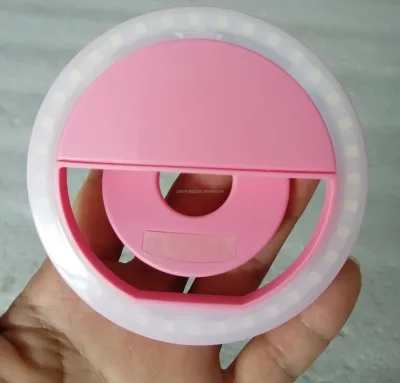
$6.30 - $7.50
MOQ: 10 Pieces


Guangzhou Futu Intelligent Technology Co., Ltd
- Verified by SGS
- Combined
- China Guangdong
- Lead time15 days
- Avg. response≤ 5h
Main productsPhotographic Lighting, Camera Bag, Camera Tripod, Nail Lamp, Half Moon Light, Lash Light, Beauty Lamp, Eyelash Lamp, Lashes Lamp, Selfie Ring Light
Main marketsDomestic

Selfie LED Ring Light Photographic Lighting Selfie Ring Light for Makeup Video
$36.00 - $40.00
MOQ: 100 pieces


High Quality Ring Light Photographic Lighting Selfie Ring Lamp for Makeup Tiktok
$32.00 - $38.00
MOQ: 50 pieces

18 Inch Floor Lamp Selfie Ring Light with Tripod for Photography Tiktok
$32.00 - $38.00
MOQ: 50 pieces

Topenergys Electronic Co., Ltd.
- Manufacturer/Factory
- China Guangdong
- Lead time15 days
- Avg. response≤ 9h
Main productsLED Strip Light, LED Corn Light, LED Street Light, LED Tube Light, LED Higbay Light, LED Downlight, LED Panel Light, Solar LED Light, LED Cabinet Light, LED Spotlight
Main marketsSouth America,Eastern Europe,Mid East,North America,Southeast Asia,Eastern Asia,Oceania,Western Europe,Africa

Fill Light Mobile Phone Selfie Handheld Photo Special Beauty Lighting Face Ring Light
$4.95 - $5.35
MOQ: 100 Pieces

Small Photography Selfie Fill Lights for Laptop Monitor Ring Light and Computer LED Ring Light
$4.95 - $5.35
MOQ: 100 Pieces

Shenzhen Hisdon Technology Co.,Ltd,
- Verified by BV
- Trading Company
- China Guangdong
- Lead time15 days
- Avg. response≤ 13h
Main productsPhone Holder, Mobile Phone Holder, Car Mount Holder, Laptop Stand Holder, Bicycle Phone Holder, Motorcycle Phone Holder, Magnetic Phone Holder, Tablet Phone Mount, Smartphone Holder, Bike Phone Mount
Main marketsSouth America,Southeast Asia/ Mideast,Domestic,Europe,North America

Mini Selfie Ring Light Portable LED Lamp USB Charging Photography Clip Ring Light
$0.89 - $0.98
MOQ: 100 Pieces


Portable Luxury Selfie Ring Light LED Camera Ring Flash Fill Light for iPhone Mobile Phone
$0.89 - $0.98
MOQ: 100 Pieces
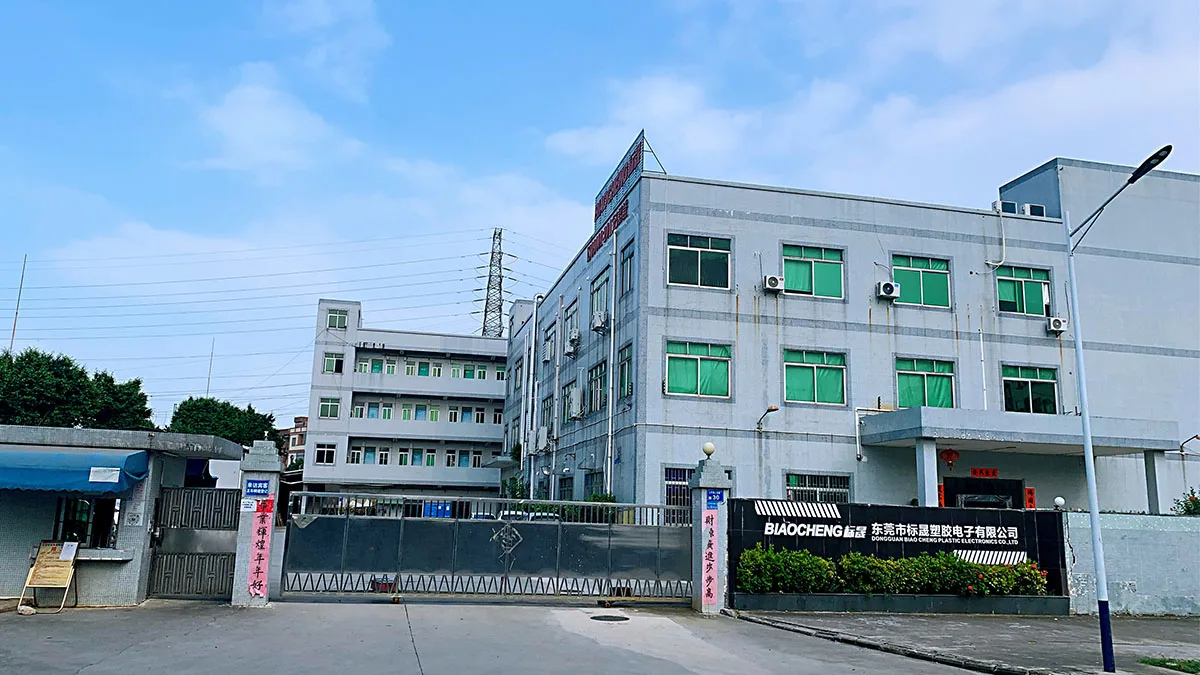
Dongguan Biaocheng Plastic Electronics Co., Ltd.
- Manufacturer, Trading Company
- Guangdong, China
- Lead time25 days
- Avg. response≤ 7h
Main productsVideo Light,Softbox,Photographic Equipment,Microphone,Ring Light
Main marketsNorth America(30.00%), Eastern Europe(20.00%), Domestic Market(10.00%), Western Europe(10.00%), Eastern Asia(10.00%), South America(10.00%), Central America(5.00%)
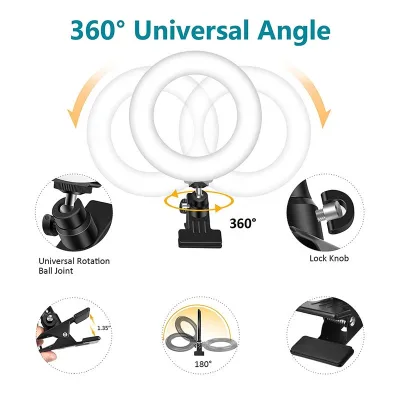
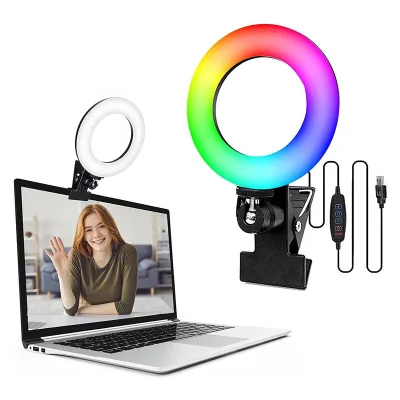
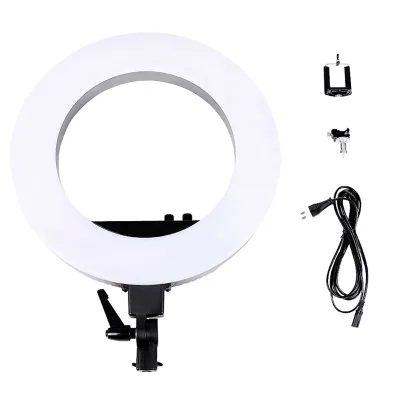
Adjustable Dimmer Photographic Lighting Studio Portable Mini Selfie Ring Light for Laptop
$4.66 - $5.70
MOQ: 1 sets
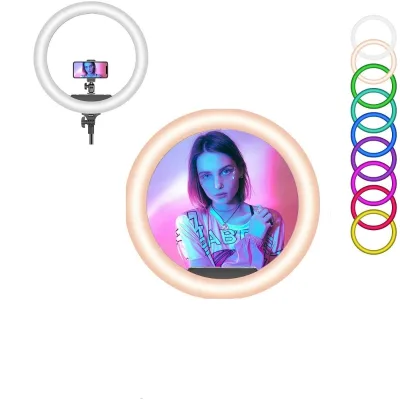
Adjustable Dimmer Selfie Ring Light Photography Lighting LED Camera Light Ring Profissional
$7.00 - $8.00
MOQ: 1 sets
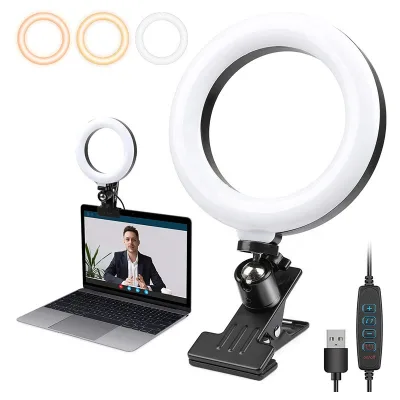
Shenzhen Duoduo Youpin E-Commerce Co., Ltd.
- Trading Company, Agent
- Guangdong, China
- Lead time0 days
- Avg. response≤ 7h
Main productsearphone,selfie stick,stabilizer,photographic led lighting,microphone
Main marketsSouth Asia(30.00%), North America(30.00%), Central America(10.00%), Mid East(10.00%), Domestic Market(1.00%), South America(1.00%), Southern Europe(1.00%), Northern Europe(1.00%), Southeast Asia(1.00%), Western Europe(1.00%), Eastern Asia(1.00%), Eastern Europe(1.00%), Oceania(1.00%), Africa(1.00%)

Shenzhen Flyoung Technology Co., Ltd.
- Verified by SGS
- Trading Company
- China Guangdong
- Lead time23 days
- Avg. response≤ 5h
Main productsLaptop Stand, Mobile Phone Holder, Car Phone Holder, Laptop Cooling Pad, Tablet Holder, Car Mount, Phone Stand, Laptop Holder, Phone Holder
Main marketsEast Asia(Japan/ South Korea),Europe,North America

Ubaiyi Optoelectronic Technology (Shenzhen) Co., Ltd.
- Trading Company,Manufacturer/Factory
- China Guangdong
- Lead time23 days
- Avg. response≤ 7h
Main productsFill Video Light, Photo Studio Accessories, Screen for iPhone, Screen for Samsung, Screen for Pixel, Ear Phones, Accessories for Phone, Charger, Battery, Power Bank
Main marketsSouth America,Eastern Europe,Mid East,North America,Southeast Asia,Eastern Asia,Oceania,Western Europe,Africa

$12.50 - $14.00
MOQ: 10 Pieces

$12.50 - $14.00
MOQ: 10 Pieces

Shenzhen Jers Technology Co., Ltd.
- Manufacturer, Agent, Distributor/Wholesaler
- Guangdong, China
- Lead time3 days
- Avg. response≤ 3h
Main productsWatch Band,Phone Case,Tablet Case,Earphone Case,OEM/ODM
Main marketsNorth America(38.00%), Eastern Asia(20.00%), Northern Europe(18.00%), South America(4.00%), Eastern Europe(3.00%), Southeast Asia(3.00%), Southern Europe(2.00%), Oceania(2.00%), Central America(2.00%), Western Europe(2.00%), South Asia(2.00%), Mid East(2.00%), Domestic Market(1.00%), Africa(1.00%)

Carrie Smart (Shenzhen) Co., Ltd.
- Trading Company
- China Guangdong
- Lead time15 days
- Avg. response≤ 3h
Main productsLight Pad, Bluetooth Earphone, Promotion Gifts, Protective Products, Office and School Products
Main marketsEurope,North America


$0.78 - $1.20
MOQ: 49 Pieces

NINGBO EAST ISLAND IMPORT & EXPORT CO., LTD.
- Trading Company
- China Zhejiang
- Lead time30 days
- Avg. response≤ 14h
Main productsPromotion Gift, Umbrella, Charger Plate, Plastic Tray, Picnic Blanket, Manicure Set, Mirror, Pill Box
Main marketsSouth America,Europe,North America


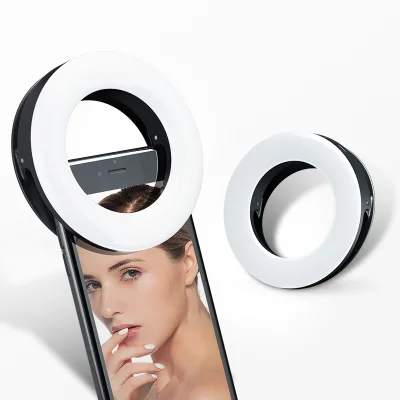
Brightness Adjustable LED Smart Phone Selfie Right Light with USB Input Charge Port and Clip
$0.82 - $0.85
MOQ: 500 Pieces
Shenzhen Apexel Technology Co., Ltd.
- Verified by SGS Group
- Manufacturer, Trading Company
- Lead time15 days
- Avg. response≤ 9h
Main productsCamera Lenses, Tripod, Photographic Lighting, Telescope & Binoculars
Main marketsNorth America(25%), Eastern Europe(10%), Eastern Asia(10%)
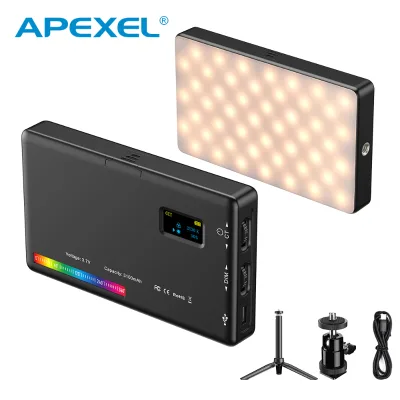
$17.10 - $18.90
MOQ: 50 Minimum
Guangzhou Jingying Information Technology Co., Ltd.
- Trading Company, Distributor/Wholesaler
- Guangdong, China
- Lead time10 days
- Avg. response≤ 3h
Main productsStand Tripod,Camera stabilizer,Photography light,Camera monitor,Camera Crane jib
Main marketsNorth America(20.00%), Northern Europe(15.00%), South Asia(11.00%), Eastern Europe(10.00%), Western Europe(8.00%), South America(8.00%), Africa(8.00%), Southern Europe(5.00%), Central America(4.00%), Mid East(4.00%), Domestic Market(3.00%), Southeast Asia(2.00%), Oceania(1.00%), Eastern Asia(1.00%)
Guangzhou Meizhi Guang Photographic Equipment Co., Ltd.
- Manufacturer
- Guangdong, China
- Lead time3 days
- Avg. response≤ 3h
Main productsPhotography lighting,live streaming lighting,photography accessories,Photography fill-in light,Selfie stick
Main marketsAfrica(30.00%), North America(10.00%), Southeast Asia(10.00%), Eastern Asia(10.00%), Mid East(10.00%), Domestic Market(5.00%), Southern Europe(5.00%), Northern Europe(5.00%), Western Europe(5.00%), Eastern Europe(5.00%), South America(5.00%)

NINGBO YICHEN ELECTRIC CO., LTD.
- Trading Company,Manufacturer/Factory
- China Zhejiang
- Lead time0 days
- Avg. response≤ 7h
Main productsLED Flashlight, Head Lamp, Camping Lantern, Solar Flashlight, Rechargeable Flashlight, High Power Flashlight, Keychain Flashlight, LED Tweezer, Xenon Flashlight, Shopping Trolley

Yichen New Design 12 Inch LED Selfie Ring Light with Tripod Stand and Mobile Phone Clip
$3.50 - $4.50
MOQ: 1000 sets

Yichen 12" LED Selfie Ring Fill Light with Tripod Stand and Mobile Phone Clip
$3.50 - $4.50
MOQ: 1000 sets
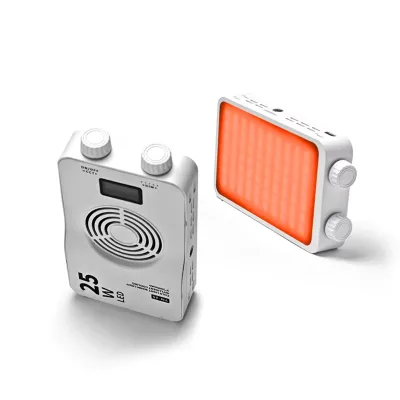
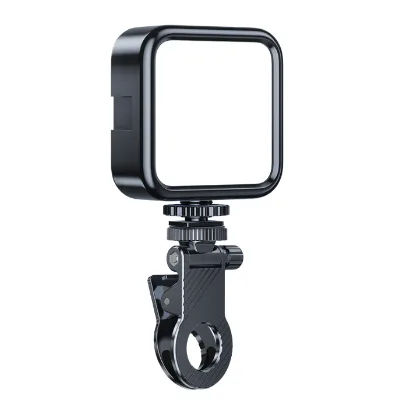
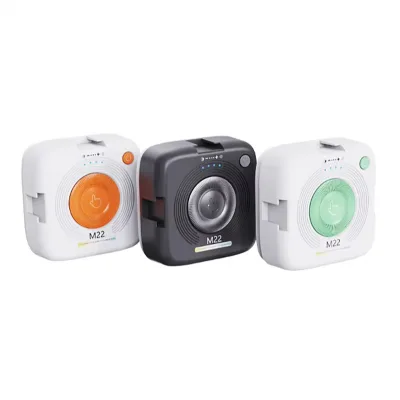
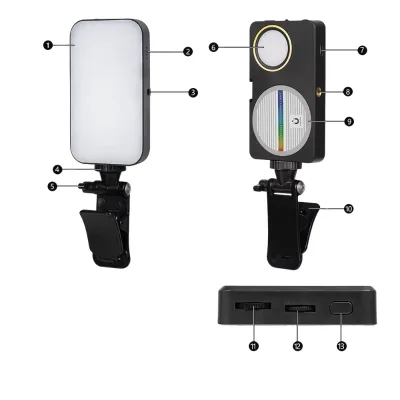
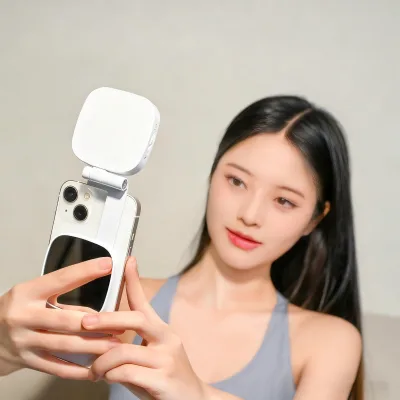
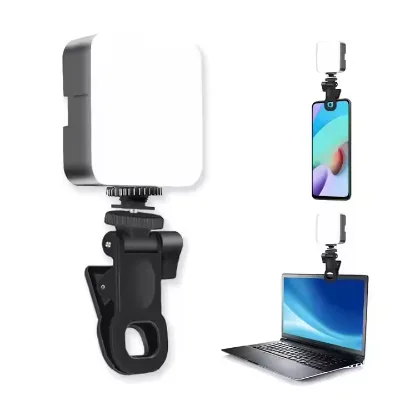
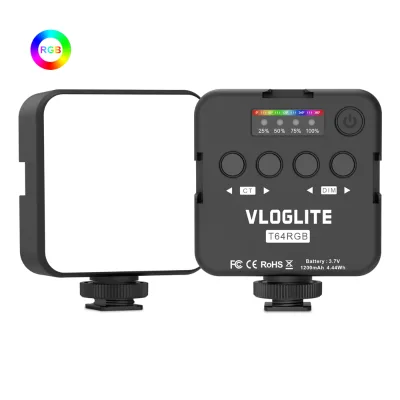
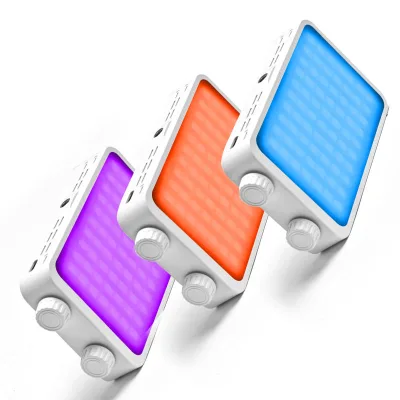
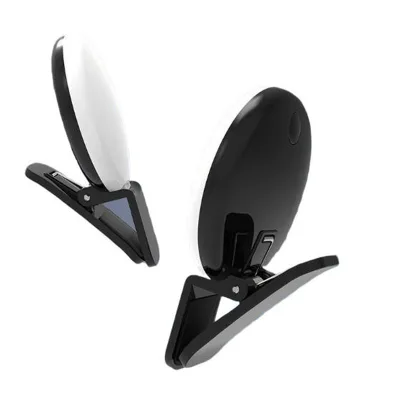
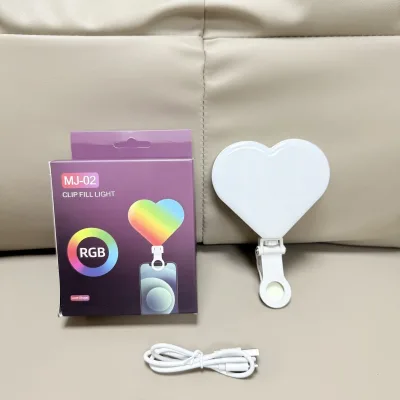


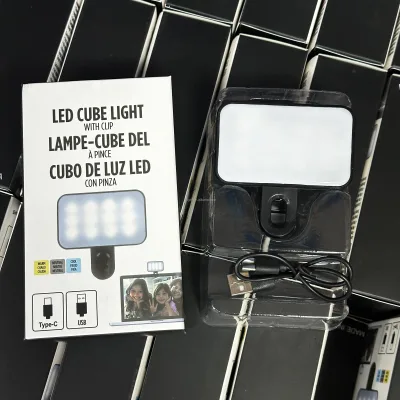
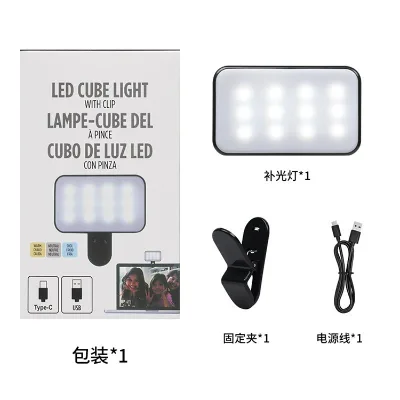
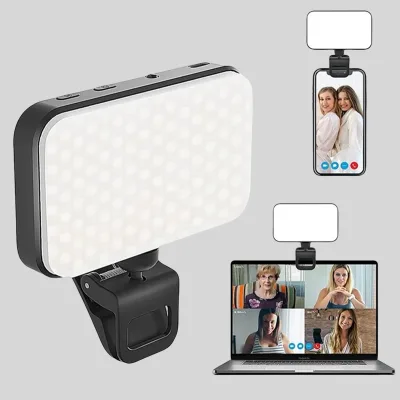
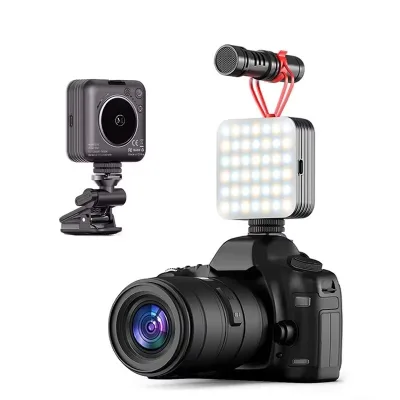


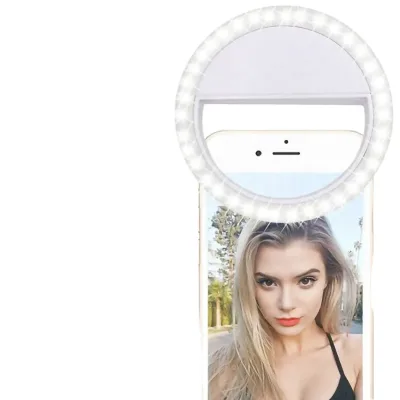
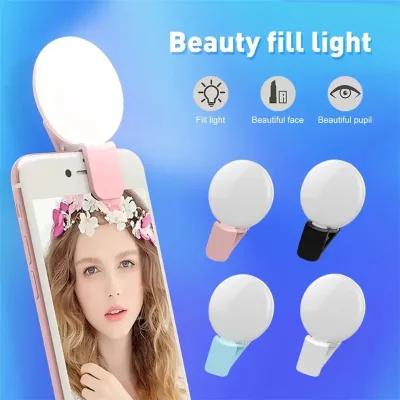
Comprehensive Sourcing Guide
Mini RGB Selfie Light Supplier Concentration and Factory Types
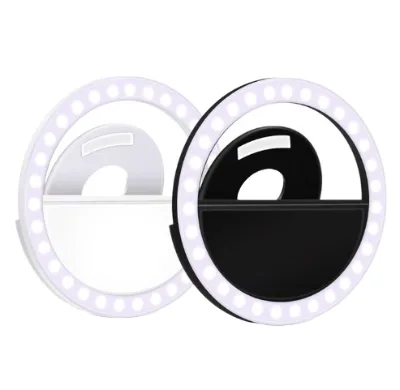
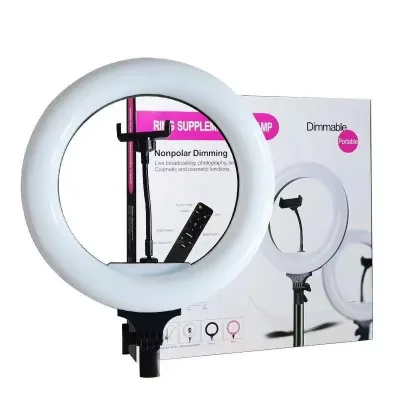
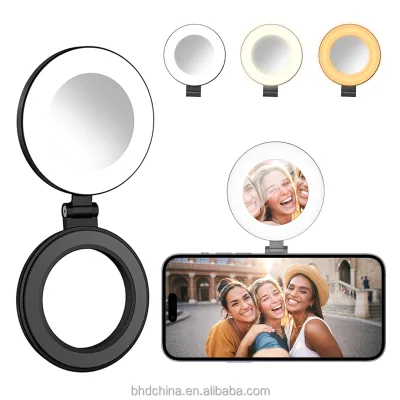
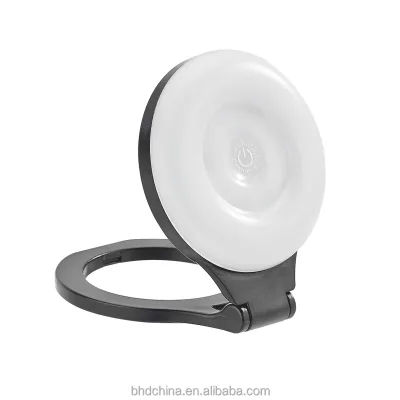
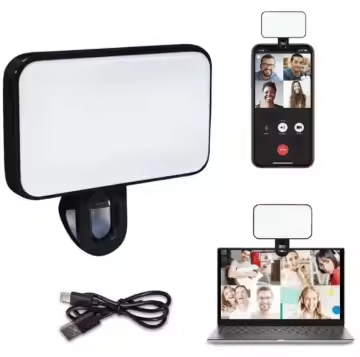
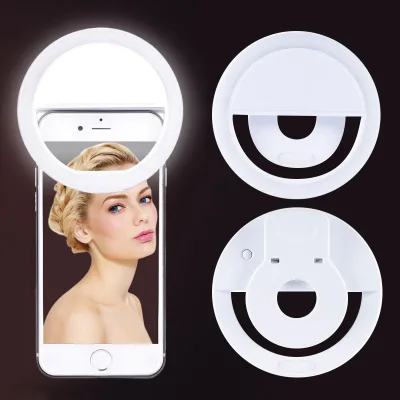
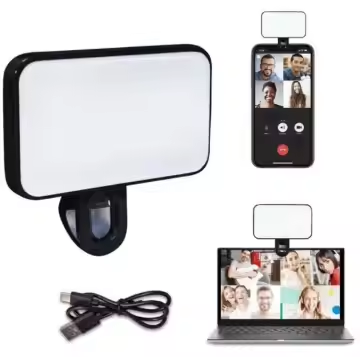
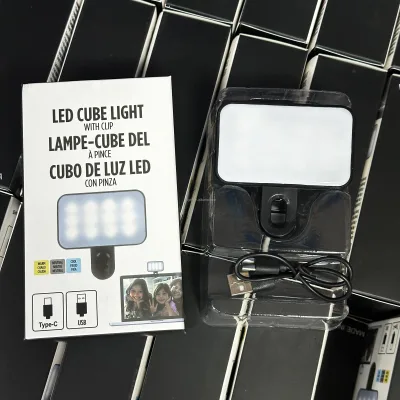
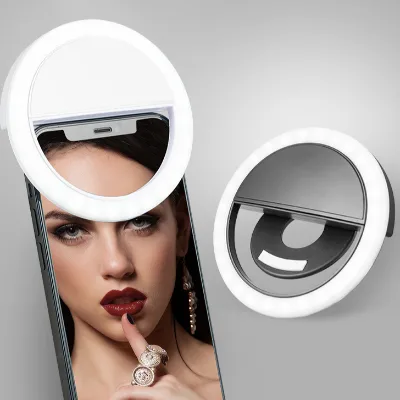
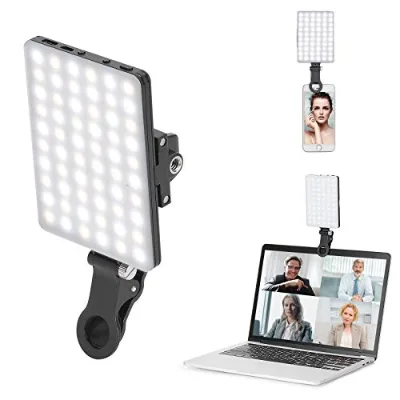
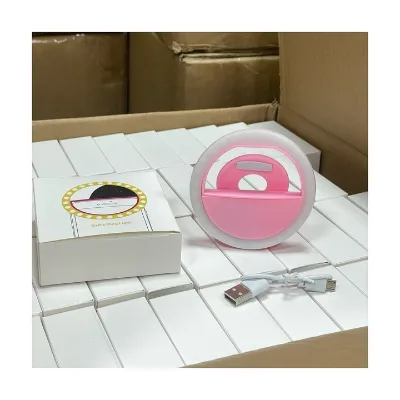
Suppliers in the results for Mini RGB Selfie Light are concentrated in Guangdong, China, which appears as the stated place of origin for the pocket fill lights and selfie ring lights shown. This matters because Guangdong hosts a dense consumer electronics supply chain covering ABS injection molding, LED bead sourcing, lithium battery assembly, and custom-logo packaging, allowing factories to compress development cycles for small lighting accessories. When you review listings, treat the stated place of origin as a starting point rather than proof of a factory; a Guangdong origin tells you where goods ship from, not whether the seller operates the production line.
The supplier types in this category are mixed. Some list themselves as both manufacturer and trading company, and one result combines manufacturing with trading and wholesale distribution, reflecting a common pattern where assembly happens in-house while related accessories are brokered. Main-product lines in the results include electronic products, soap dispensers, bluetooth headsets, and neck fans alongside camera accessories, stabilizers, microphones, tripods, and drones. A supplier whose core business is camera or phone accessories will usually understand fill-light specifications better than a general electronics trader. Identify cluster strength by checking whether a company's product breadth matches the category: repeated selfie lights, fill lights, and photographic lighting suggest genuine category exposure, while a single opportunistic listing among unrelated gadgets suggests a trading intermediary you should vet more carefully.
How to Verify Mini RGB Selfie Light Suppliers
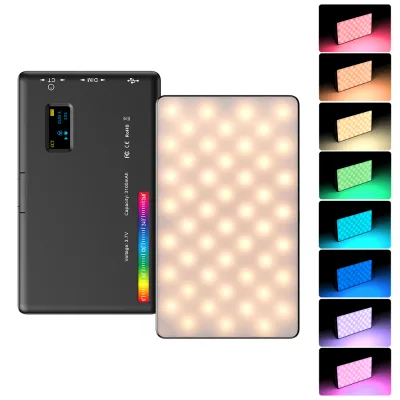
Verification starts with separating displayed facts from marketing claims. The listings in the results give you concrete attributes you can confirm with each supplier directly: the M140 pocket fill light is described with 96 LEDs plus 42 LEDs, a 2000mAh battery, 5V voltage, 6.5W power, a 2700K-65000K color temperature range, and ABS construction, while a custom-logo selfie ring light carries a stated CE certification and a 10-piece MOQ. Ask the supplier for documents matching each claim: battery test reports for the 2000mAh cell, CE documentation if you intend to sell into Europe, and photos of the actual LED configuration. If a supplier cannot substantiate an attribute shown on the listing, treat that as a signal.
Beyond paperwork, verify operational reality. Results show response times of one to three hours, so test whether the supplier actually replies that fast with substantive answers rather than generic templates. Confirm the supplier type; a company self-described as manufacturer and trading company should be asked which items it produces and which it resells, and you can request a video call or factory audit for the assembly lines relevant to fill lights. Check that the model numbers, packaging dimensions, and weights shown in listings remain consistent across your correspondence, since discrepancies suggest republished or outdated product data. Finally, ask whether the brand name shown on listings is the supplier's own registered brand or an available OEM placeholder, because that distinction determines who controls the product design.
What to Compare Across Mini RGB Selfie Light Suppliers
Build a comparison sheet using only the attributes actually displayed, because not every supplier shows every field. Useful dimensions from the results include lead time, MOQ, response speed, location, supplier type, and main products. For example, one Guangdong supplier lists a 7-day lead time with a 2-hour response window and a MOQ of 1 on a mini RGB fill light, while another lists 15 days with a 1-hour response, and a third shows a 10-piece MOQ on a custom-logo ring light. These gaps matter: a low MOQ favors sampling and small test orders, while a longer lead time may reflect larger-scale production or inventory position. Record response speed too, since a 1-hour advertised response time is only useful if validated in practice.
Compare product coverage as a proxy for specialization. Suppliers whose main products center on camera accessories, stabilizers, microphones, and tripods are more likely to offer meaningful variants, such as the three-color basic versus RGB pocket versions shown in one listing. Note the price spread across listings, from low single-digit units on compact pocket lights to a wider range on the larger M-series and panel-style options, and remember price scales with LED count, battery capacity, and housing size. Also compare what is missing: some listings show no establishment year, no escrow status, and no certification, so mark those cells as unverified rather than assuming a default, and require the supplier to fill them before shortlisting.
Common Mini RGB Selfie Light Sourcing Risks
The most frequent risk in this category is specification drift between listing and shipment. Listings in the results show detailed attributes, such as 2700K-65000K color temperature, 2000mAh batteries, and 96-plus-42 LED configurations, but these numbers can change between production runs without notice. Guard against this by locking a specification sheet before the first order: exact LED count, color temperature range, battery capacity, ABS material grade, packaging dimensions of the stated 20X10X6 cm or 7.5X5.0X4.0 cm type, and gross weights of roughly 0.4 kg or 0.1 kg per unit depending on model. Approve a golden sample and reference it in every purchase order.
Second, watch for battery and compliance risk. Selfie lights use rechargeable lithium batteries, which carry shipping restrictions and safety obligations, and only one listing in the results displays a CE certification, so do not assume compliance for the rest. Ask for UN38.3 transport documentation for air freight and destination-market safety evidence before committing. Third, beware of republished listings: identical package sizes and generic OEM branding across multiple results suggest the same underlying product resold at different markups, so compare the price ranges shown, from around three dollars on basic pocket lights to over thirty dollars on flagship M-series models, and negotiate against the source rather than the middleman. Finally, verify that advertised low MOQs, such as single-piece ordering, are actually honored at production quantities.
Mini RGB Selfie Light Regional Sourcing and Logistics
All supplier locations shown in the results point to Guangdong, China, so regional planning here means understanding how Guangdong's logistics infrastructure serves this category. The province's port and air-freight capacity suits small, lightweight electronics: the listings show single gross weights between roughly 0.1 kg and 0.68 kg per unit, with package sizes ranging from compact 7.5X5.0X4.0 cm boxes to 20X15X7 cm panels. Because these lights contain rechargeable lithium batteries, sea freight of fully assembled units is often the smoother route, while air and express shipments require battery declarations and carrier approval. Confirm with each supplier which shipping modes they routinely handle for battery products.
Stated lead times in the results range from 7 to 15 days, which is realistic for in-stock mini RGB selfie lights but should be stress-tested for custom-logo orders, since logo printing, custom packaging, and firmware or color-temperature variants typically extend production. Build a logistics timeline that adds sampling time, inspection, and transit to the quoted lead time, and ask whether the quoted lead time includes quality inspection and battery testing. Because every listed supplier sits in one province, you can realistically visit multiple factories in a single trip, consolidating audits and sample collection. Also compare export experience: a supplier distributing drones, projection devices, and smart wearables likely manages mixed consolidated shipments, which can reduce freight cost if you source related accessories from the same partner.
Mini RGB Selfie Light Commercial Terms and Order Planning
Plan commercial terms around the observable data. MOQs in the results span from 1 piece on the M140-style mini RGB fill light to 10 pieces on the custom-logo selfie ring light, which means you can run low-cost sampling before scaling. Price bands shown range from roughly 3.30 to 3.60 dollars on compact pocket lights, about 10.30 to 25.76 dollars on the M11RGB mini RGB pocket light, and up to about 36 dollars on flagship three-color and full-color M-series models. Use these bands as negotiation anchors, but remember that final pricing depends on logo customization, packaging, battery grade, and order volume, so request quotes at your actual target quantity, not the listing minimum.
Order structure should follow a staged sequence: sample at the low MOQ, inspect against the specification sheet, then place a trial order sized to your sales data. When negotiating, tie payment milestones to verifiable checkpoints such as inspection pass, and ask whether platform escrow or trade assurance is available on the transaction, since the results do not uniformly display escrow status and you should not assume it. Clarify warranty handling for battery defects, replacement ratios, and who bears return freight, because rechargeable units fail at higher rates than passive accessories. Finally, confirm the lead time quoted applies to your configured variant, reconfirm price validity in writing, and schedule reorders against the 7-to-15-day production windows shown so stock-outs do not force emergency air shipments of battery goods.
FAQs
What is the typical MOQ for mini RGB selfie lights?
Minimum order quantities on this page start very low, with some pocket fill lights available from 1 piece and others from 2 or 10 pieces. Low MOQs make small test orders practical, but unit pricing usually improves at higher volumes. Confirm the exact MOQ per model before ordering, since variants like RGB or dual-color-temperature versions can carry different requirements.
How much do mini RGB selfie lights cost per unit?
Listed prices on this page range from roughly $3.30 to $3.60 for compact M140-style pocket lights, while larger mini RGB panel and pocket models span about $10 to $36 depending on configuration. Final quotes depend on order quantity, chosen color version, and customization. Request quotations for the specific model and volume you need before comparing suppliers.
How fast do suppliers respond to inquiries?
Average response times shown for suppliers on this page range from about 1 to 3 hours. Faster responders help when you need quick quotes, samples, or answers during product development. Response speed can vary by time zone and workload, so send detailed questions early and note how quickly each supplier replies before committing to a larger order.
What are typical lead times for these selfie lights?
Lead times reported on this page range from immediate availability to around 7 days for some suppliers and up to 15 days for others. Actual production time depends on order size, customization like custom logos, and stock levels. Always confirm the lead time for your specific quantity and model in writing, and factor in shipping time separately before planning launch dates.
What specifications should I check on a pocket RGB fill light?
Key specifications on models listed here include LED bead counts such as 96 LEDs plus 42 LEDs, color temperature ranges from 2700K upward, 5V or 7.4V voltage, battery capacities around 2000mAh, power ratings near 6.5W or 25W, and ABS or plastic housings. Check charging type, mounting options, and single-item weight, since compact designs range from about 0.1 kg to 0.68 kg packaged.
Can I order selfie lights with a custom logo?
Some products on this page are explicitly offered with custom logo support, and one listed model notes that a private mold is not supported. This means logo printing or packaging changes may be possible, but fully custom housing designs may not be. Ask each supplier about logo printing methods, extra fees, and minimum quantities required for customization before placing your order.
Where are these mini selfie light suppliers located?
The suppliers featured on this page are located in Guangdong, China, a major hub for consumer electronics and photography accessory manufacturing. Sourcing from this region offers access to established supply chains for LED components and phone accessories. Verify each company's exact address and business type, since some operate as manufacturers while others combine manufacturing with trading or wholesale distribution.
Do these selfie lights come with any certifications?
At least one listed selfie LED light shows CE certification in its product attributes. Certification requirements vary by destination market, and other models on this page do not display certification details in the available information. Before ordering, ask suppliers directly for CE, FCC, or other documentation relevant to your market, and request copies of test reports rather than relying on listings alone.