Mini Electric Plasma Ozone Pen Suppliers and Manufacturers
Source 29 verified suppliers for Mini Electric Plasma Ozone Pen units. Compare response times, lead times, certifications, and pricing to identify suitable OEM partners. Request quotes to verify specifications and MOQs directly; review the available evidence before requesting comparable quotations from suitable candidates.
Suppliers List

Yueqing Ruihua Cabinet & Whole Set Equipment Co., Ltd.
- Manufacturer
- China Zhejiang
- Lead time0 days
- Avg. response≤ 11h
Main productsSensor, PLC, Encoder, HMI, Ozone Generator, Distribution Box
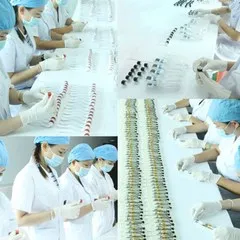
Beijing Huafuruisheng Technology Co., Ltd.
- Trading Company
- Beijing, China
- Lead time3 days
- Avg. response≤ 4h
Main productsEMS sculpting machie,Diode laser hair removal machine,Hydra bubble facial machine,slimming machine,Derma roller
Main marketsNorth America(30.0%), Western Europe(7.690000000000001%), Mid East(7.690000000000001%), Oceania(7.690000000000001%), Central America(7.690000000000001%), Northern Europe(7.690000000000001%), Eastern Europe(7.690000000000001%), Southern Europe(7.690000000000001%), Eastern Asia(7.290000000000001%), Africa(2.6%), Southeast Asia(2.18%), South America(2.1%), South Asia(2.0%)

Guangzhou RenLang electronic technology Co., LTD
- Verified by CTI
- Combined
- China Guangdong
- Lead time15 days
- Avg. response≤ 8h
Main productsBeauty Machine, Hair Removal Machine, Tattoo Removal Machine
Main marketsEurope
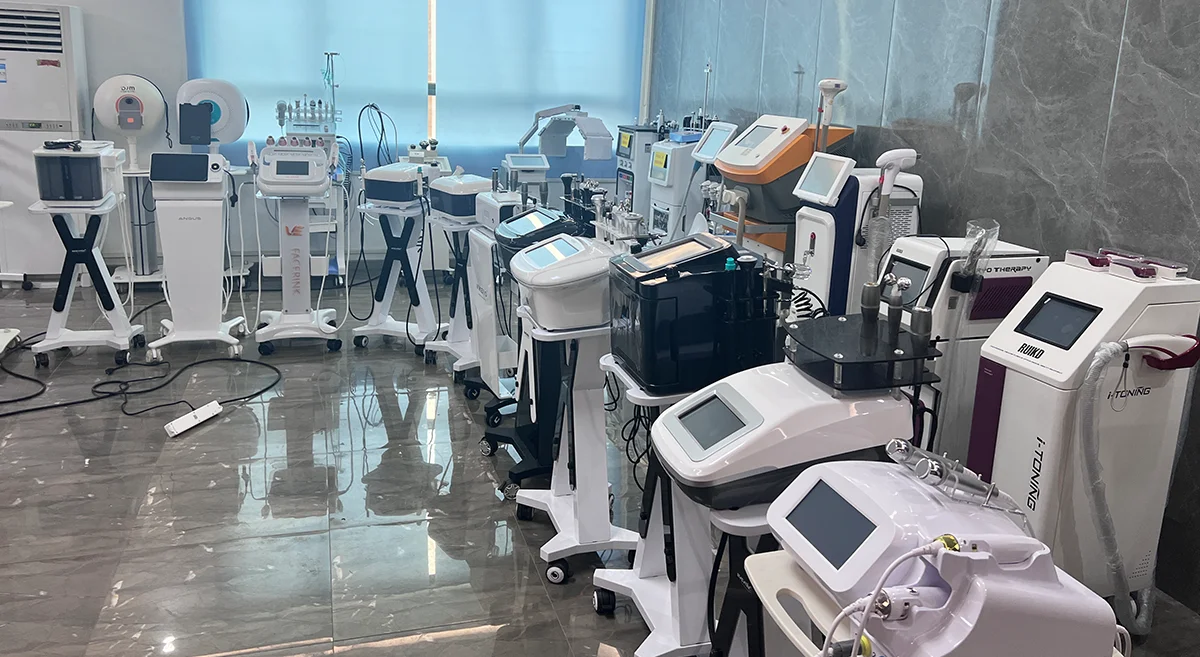
Foshan Yanke Technology Co., Ltd.
- Verified by SGS Group
- Manufacturer, Trading Company
- Lead time7 days
- Avg. response≤ 2h
Main productsCavitation Slimming Machine, Hydra Facial Machine, Oxygen Facial Machine, Home Use Beauty Machine, IPL hair removal machine
Main marketsNorth America(50%), Eastern Asia(10%), Western Europe(10%)
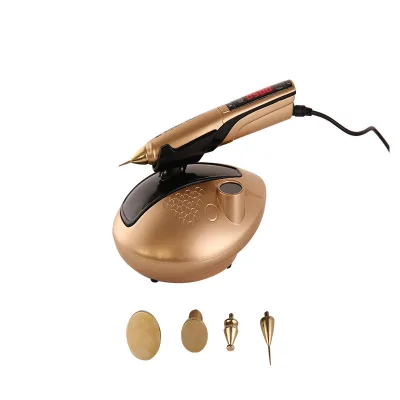
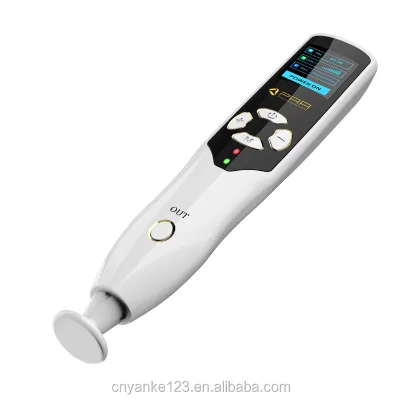
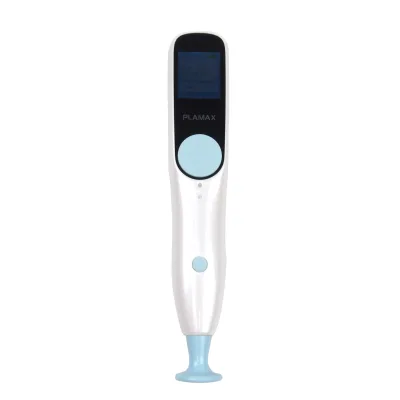
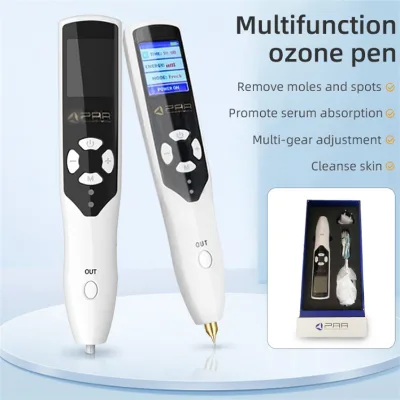
2025 New Portable Gold Face Lifting Ozone Plasma Pen for Removal Spots and Wrinkles
$256.73 - $264.67
Moq: 1
Guangzhou Cosnext Technology Co., Ltd.
- Manufacturer, Trading Company
- Guangdong, China
- Lead time7 days
- Avg. response≤ 4h
Main productsskin analyzer,mesogun,dermashine pro,hair analyzer,scalp analyzer
Main marketsNorth America(41.0%), Western Europe(32.0%), Mid East(11.0%), Eastern Europe(8.0%), Eastern Asia(5.0%), South Asia(2.0%), South America(1.0%)

GUANGZHOU KONMISON TECHNOLOGY CO., LIMITED
- Verified by BV
- Trading Company
- China Guangdong
- Lead time30 days
- Avg. response≤ 10h
Main productsBeauty Machine, Beauty Equipment, Slimming Machine, Cavitation Weight Loss Beauty Machine, Skin Care Machine, RF Skin Lifting Rejuvenation Machine, IPL Hair Removal Machine, Laser Hair Removal Machine, LED Facial Mask Beauty Device
Main marketsEurope,Australia


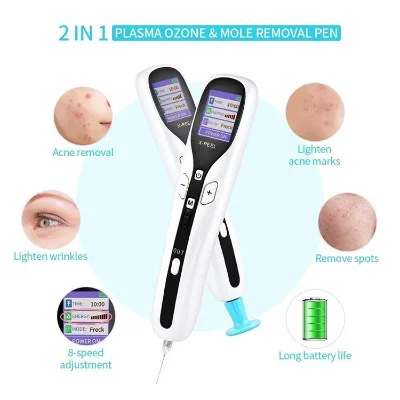
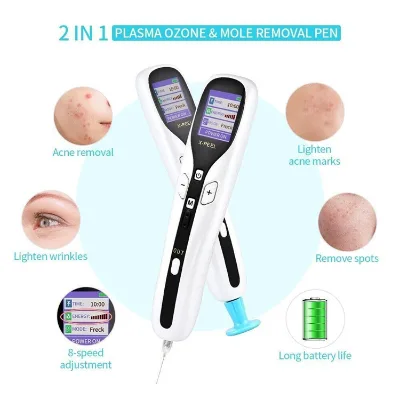
Newest 2 in 1 Ozone Plasma Spot Removal Plasma Pen Machine Skin Beauty Equipment
$525.00 - $635.00
Moq: 1


Beijing Oriental Wison Technology Co., Limited
- Verified by CTI
- Trading Company,Manufacturer/Factory
- China Beijing
- Lead time23 days
- Avg. response≤ 4h
Main productsIPL, RF, Laser, Hair Removal, Tattoo Removal, Diode Laser, CO2 Laser, Cryolipolysis, Slimming Machine, Laser Liposuction
Main marketsSouth America,Mid East,North America,Southeast Asia,Eastern Asia,Oceania,Western Europe,Africa

Shandong WIT Intelligent Technology Co., Ltd.
- Verified by TUVRHEINLAND
- Combined
- China Shandong
- Lead time23 days
- Avg. response≤ 2h
Main productsOzone Generators, Sodium Hypochlorite Generator, Chlorine Dioxide Generator, Water Treatment Disinfection Products, Wastewater Advanced Treatment Equipment, Water Purifier, Ozone Machine, Industrial Ozone Generator
Main marketsDomestic
Feier Electronic Technology (guangzhou) Co., Ltd.
- Trading Company
- Guangdong, China
- Lead time5 days
- Avg. response≤ 2h
Main productsVacuum Cavitation Machine,Fat Freezing Machine,Vacuum Butt Lifting Machine,Oxygen Jet Facial Machine,Body Sculpting Machine
Main marketsNorth America(40.0%), Southern Europe(10.0%), Western Europe(10.0%), Eastern Europe(10.0%), South America(10.0%), Mid East(5.0%), Northern Europe(5.0%), Southeast Asia(5.0%), Eastern Asia(5.0%)
Foshan Zike Technology Co., Ltd.
- Verified by Intertek
- Manufacturer, Trading Company
- Lead time10 days
- Avg. response≤ 2h
Main products3 In 1 Oxygen Bubble Machine, LED Oxygen Machine, Mini Oxygen Bubble Pen, Skin Analysis Machine, Mesogun
Main marketsNorth America(30%), Western Europe(25%), Africa(10%)
Hengyang Zike Trading Co., Ltd.
- Verified by SGS Group
- Trading Company
- Lead time5 days
- Avg. response≤ 2h
Main productsHydra Facial Machine, Body Slimming Machine, Meso Gun, Oxygen Facial Machine, Opt Hair Removal Machine
Main marketsNorth America(10%), South America(10%), Eastern Europe(10%)
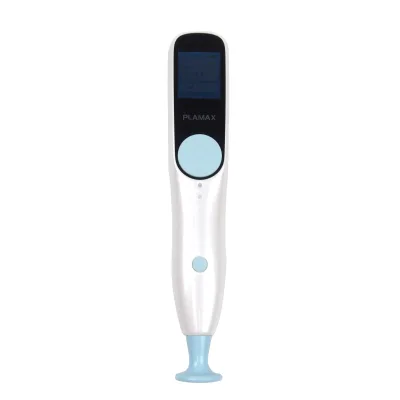
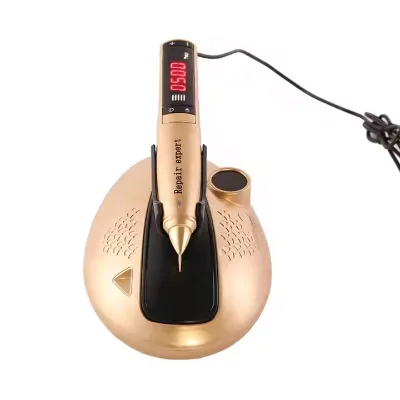
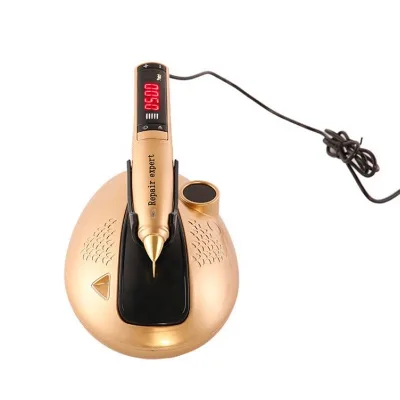
Repair Expert Cold Plasma Pen Facial Lifting Beauty Ozone Plamere Pen for Wrinkle Removal
$255.84 - $358.18
Moq: 1
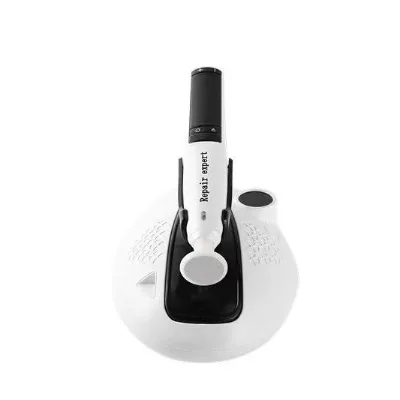
Portable Ozone Plasma Pen Acne Treatment Facial Skin Rejuvenation Beauty Device
$253.25 - $304.11
Moq: 1

HEBEI KEYLASER SCI-TECH CO., LTD.
- Verified by CTI
- Manufacturer/Factory
- China Beijing
- Lead time15 days
- Avg. response≤ 4h
Main productsIPL, Diode Laser Hair Removal, ND YAG Laser, Hifu, CO2 Fractional Laser, Picosecond Laser, Body Slimming, Cryolipolysis Fat Freezing, 980nm Diode Laser, Emscuplt Muscle Building
Main marketsSouth America,Eastern Europe,Mid East,North America,Southeast Asia,Eastern Asia,Oceania,Western Europe,Africa


Professional Cold Jet Plasma Lifting Pen Skin Tightening Ozone Fibroblast Plasma Pen
$199.00 - $399.00
Moq: 1


Professional Ozone Plasma Pen Hot Cold Jet System for Fine Lines LED Indicator Beauty Machine
$1400.00 - $2000.00
Moq: 1
Guangzhou Huangkai Electronic Technology Co., Ltd.
- Trading Company
- Guangdong, China
- Lead time3 days
- Avg. response≤ 2h
Main productsPhysicaltherapy Machine,Shockwave Therapy,Tecar Therapy,Magneto Therapy,Laser Therapy
Main marketsSouth America(20.0%), Africa(8.0%), Western Europe(8.0%), Eastern Europe(8.0%), Southern Europe(8.0%), Mid East(7.000000000000001%), Eastern Asia(7.000000000000001%), South Asia(6.0%), Southeast Asia(6.0%), Northern Europe(6.0%), Domestic Market(5.0%), Central America(4.0%), North America(4.0%), Oceania(3.0%)
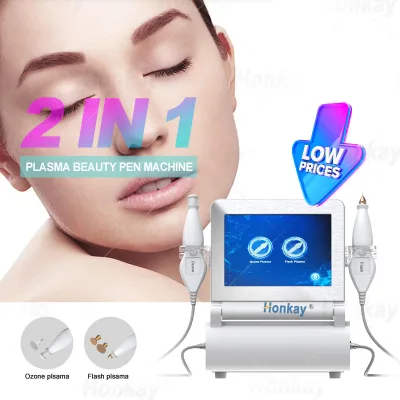
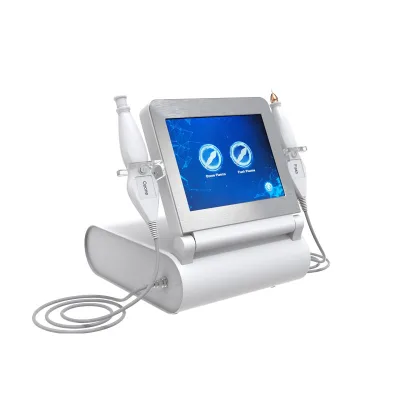
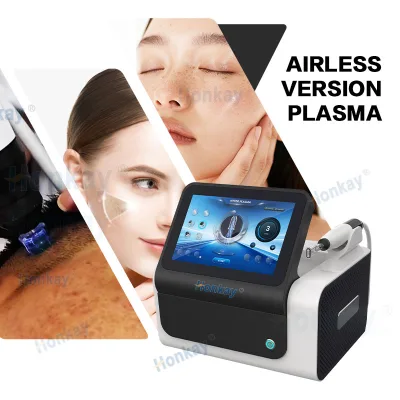
Plasma Ozone Skin Rejuvenation Face Lifting Plasma Pen for Mole Dark Spot Removal
$699.00 - $899.00
Moq: 1
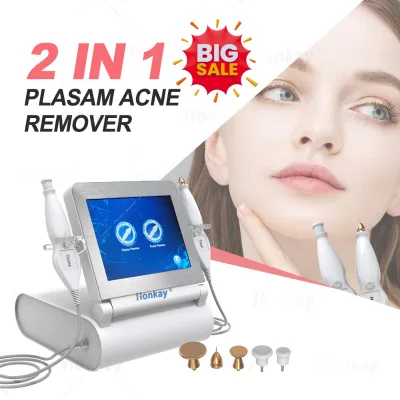
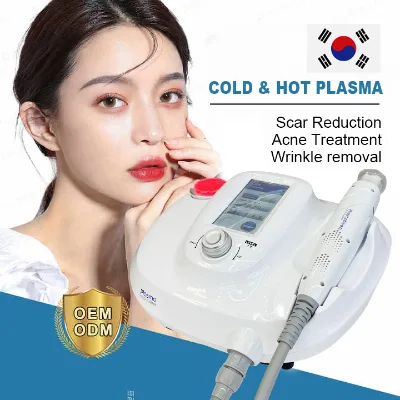
Promotion 2 in 1 Ozone Cold and Hot Plasma Pen for Face Korea Plasma Pen Led Plasma Pen
$699.00 - $899.00
Moq: 1

International Saw Beauty Co., Limited
- Manufacturer, Trading Company
- Guangdong, China
- Lead time7 days
- Avg. response≤ 7h
Main productsMassage equipment,Beauty equipment,Weight loss equipment,Fitness equipment,Skin analysis equipment
Main marketsWestern Europe(60.0%), North America(30.0%), Southern Europe(10.0%)

XIAMEN WINMORE TRADE CO., LTD.
- Verified by BV
- Manufacturer/Factory,Group Corporation
- China Fujian
- Lead time23 days
- Avg. response≤ 13h
Main productsPatio Infrared Heater, Portable Evaporative Air Cooler, Industrial Spot Air Coolers, Powerful Drum Fan, Spot Air Conditioners, Outdoor Infrared Heater, Mobile Air Cooler, Dehumidifier, Evaporative Air Cooler, Velocity Fan
Main marketsSouth America,Eastern Europe,Mid East,North America,Oceania,Western Europe,Africa
Guangzhou Allfond Electronics Co., Ltd.
- Verified by TüVRheinland
- Trading Company
- Lead time5 days
Main productsBeauty Machine, Slimming Machine, Micro Needle System, Hair Removal Machine, HIFU
Main marketsSouthern Europe(25%), South America(20%), Eastern Europe(12%)
Beijing Flagship Beauty Technology Co., Ltd.
- Trading Company
- Beijing, China
- Lead time0 days
- Avg. response≤ 3h
Main productsDerma roller,Derma pen,Beauty &Personal Care Device,Hydra beauty machine,Laser beauty machine
Main marketsSouthern Europe(10.0%), Northern Europe(10.0%), Central America(10.0%), Western Europe(10.0%), Mid East(10.0%), Oceania(10.0%), Africa(10.0%), Eastern Europe(10.0%), South America(10.0%), North America(10.0%)
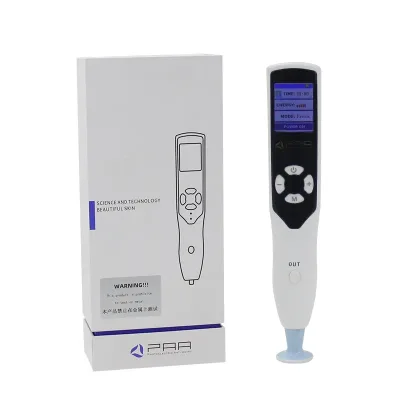
Handheld 2 in 1 Cold Ozone Generator Pen Eye Jet Plasma Lift /laser Plasma Pen
$91.79 - $122.38
Moq: 10
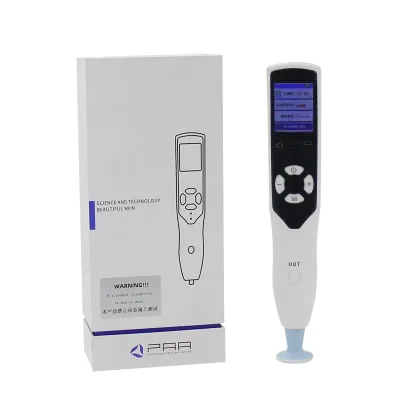
Ozone 2 in 1 Wrinkles Remover Medical Plasma Fibroblast Pen Cool Jet Plasma Pen
$91.79 - $122.38
Moq: 10
Guangzhou Chengxi Electronic Trading Co., Ltd.
- Manufacturer, Trading Company
- Lead time旺季: "1 - 1":7,"> 1":"To be negotiated", 淡季: "1 - 1":7,"> 1":"To be negotiated"
- Avg. response≤ 2h
Main productsEMS machine , HIFU machine, Facial Machine, Hair Removal Machine, Body Massage Machine

Beijing Sunrise Science&Technology Co., Ltd.
- Trading Company
- China Beijing
- Lead time15 days
- Avg. response≤ 3h
Main productsIPL Laser, Hair Removal Laser, 808nm Diode Laser, CO2 Fractional Laser, Cavitation, Hifu, ND YAG Laser, Tattoo Removal Laser, E-Light Beauty Machine
Main marketsSouth America,Africa,Southeast Asia/ Mideast,East Asia(Japan/ South Korea),Domestic,Europe,Australia,North America
Guangzhou Auro Beauty Equipment Co., Ltd.
- Verified by SGS Group
- Manufacturer, Trading Company
- Lead time5 days
- Avg. response≤ 6h
Main productsFacial Machines, Body Massage Machine, Hifu Machine, Slimming Machine
Main marketsNorth America(15%), Western Europe(15%), Eastern Europe(13%)

Guangzhou allfond electronics co.,ltd
- Verified by SGS
- Trading Company
- China Guangdong
- Lead time15 days
- Avg. response≤ 7h
Main productsSlimming Machine, Beauty Equipment, Derma Roller, Tattoo Equipment, ND YAG Laser Machine, Cavitation RF Vacuum, Hifu, 808nm Diode Laser, EMS Sculpting Machine, Cryolipolysis Machine
Main marketsSoutheast Asia/ Mideast,Europe,North America


Professional Skin Rejuvenation EMS RF Microneedling Ozone Plasma Ozone Pen for Acne Treatment
$1200.00 - $1280.00
Moq: 1

Rechargeable Plasma Ozone Freckle Warts Dark Spots Removal Laser Moles Removal Plasma Pen
$720.00 - $850.00
Moq: 1

Guangzhou Hongde Beauty Technology Co., Ltd.
- Manufacturer, Trading Company, Distributor/Wholesaler
- Guangdong, China
- Lead time7 days
- Avg. response≤ 1h
Main productsMesotherapy Gun,Multifunctional Facial Beauty,Cryolipolysis,Hair Removal Machine,Dermaroller
Main marketsCentral America(15.0%), Eastern Europe(12.0%), Northern Europe(10.0%), North America(10.0%), South Asia(8.0%), Southeast Asia(8.0%), South America(8.0%), Western Europe(8.0%), Mid East(5.0%), Oceania(5.0%), Southern Europe(5.0%), Domestic Market(2.0%), Eastern Asia(2.0%), Africa(2.0%)

GUANGZHOU ICLEAR HEALTHCARE LIMITED
- Verified by SGS
- Trading Company,Manufacturer/Factory
- China Guangdong
- Lead time15 days
- Avg. response≤ 10h
Main productsMedical Imaging Equipment, Ivd Products Supplies, Ent Products, Laboratory Equipment, Chinese Traditional Medicine Treatment Equipment, Hospital Comsumbles, Medical Equipment, Healthcare Products, Surgical Equipment and Instruments, Veterinary Products
Main marketsSouth America,Eastern Europe,Mid East,North America,Southeast Asia,Eastern Asia,Oceania,Western Europe,Africa
Guangzhou Maglev Plasma Beauty Co., Ltd.
- Verified by TüVRheinland
- Manufacturer, Trading Company
- Lead time7 days
Main productsWeight Loss And Beauty Equipment
Main marketsCentral America(20%), North America(10%), South America(10%)

Shandong Moonlight Electronics Tech Co., Ltd.
- Verified by SGS
- Combined
- China Shandong
- Lead time15 days
- Avg. response≤ 2h
Main productsDiode Laser Hair Removal Hifu Endosphere, Hifu Machine, Laser Hair Rewoval, Beauty Equipment, Hair Removal, IPL Machine, Skin Machine
Main marketsEurope,North America
Dongguan Qinchuang Garment Co., Ltd.
- Manufacturer, Trading Company
- Guangdong, China
- Lead time20 days
- Avg. response≤ 2h
Main productsDiode Laser Hair Removal Machine,Fat Freezing Machine,Picosecond Laser Machine,Ems body sculpting Machine,Oxygen Jet Facial Machine
Main marketsOceania(10.0%), Africa(10.0%), Southeast Asia(10.0%), Domestic Market(10.0%), South America(10.0%), North America(10.0%), Eastern Europe(5.0%), South Asia(5.0%), Southern Europe(5.0%), Northern Europe(5.0%), Central America(5.0%), Western Europe(5.0%), Eastern Asia(5.0%), Mid East(5.0%)

Ofan Intelligent Technology (guangzhou) Co., Ltd.
- Verified by SGS
- Combined
- China Guangdong
- Lead time15 days
- Avg. response≤ 9h
Main productsFat Freezing Machine, EMS Sculpting Machine, Cavitation RF Machine, Fractional RF Machine, Bbl Body Slimming Machine, Hifu Machine, Hydra Dermabrasion Machine, Hair Therapy Machine, Laser Machine
Main marketsSoutheast Asia/ Mideast,Europe,North America


Ofan Plasma Lift Pen Korea Machine Cold Plasma Ozone Acne Treatment Skin Care Beauty Device
$1299.00 - $1599.00
Moq: 1

- Trading Company
- Shaanxi, China
- Lead time0 days
- Avg. response≤ 1h
Main productslaser hair removal machine,hifu machine,cryolipolysis machine,EMS machine,980 diode laser
Main marketsCentral America(10.0%), Northern Europe(10.0%), South Asia(10.0%), Mid East(10.0%), Oceania(10.0%), Africa(10.0%), Southeast Asia(10.0%), South America(10.0%), North America(10.0%), Western Europe(9.0%), Eastern Asia(1.0%)
Guangzhou Kya Electronic Co., Ltd.
- Verified by BV
- Combined
- China Guangdong
- Lead time15 days
- Avg. response≤ 2h
Main marketsSouth America,Africa,Southeast Asia/ Mideast,Domestic,Europe,Australia,North America


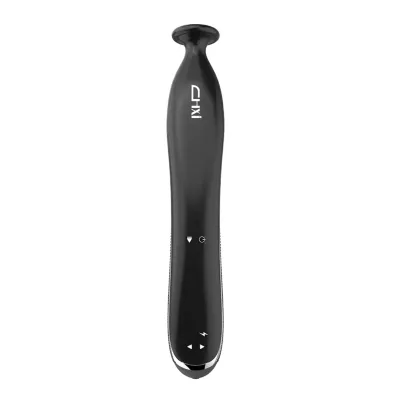
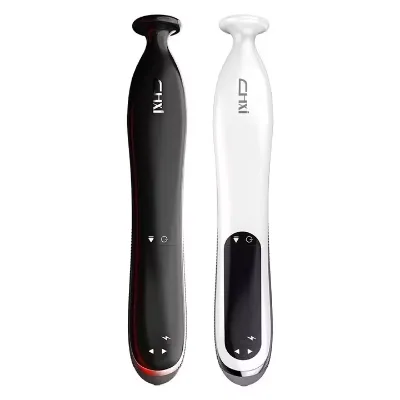


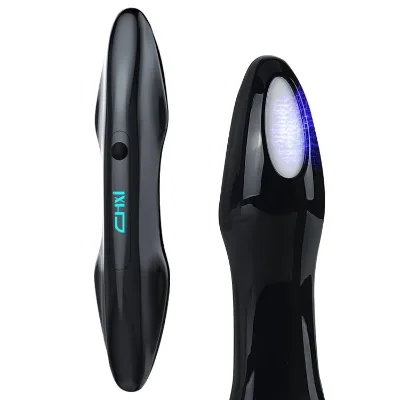
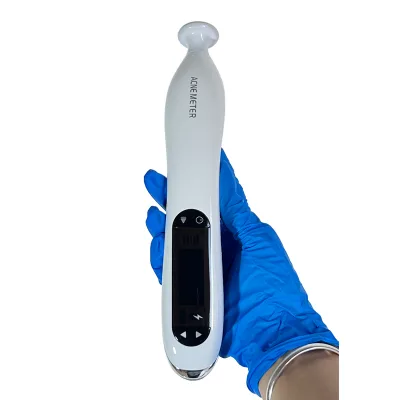
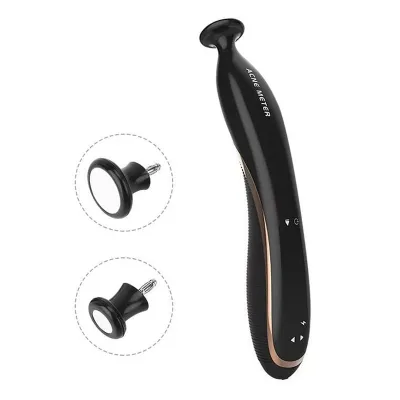


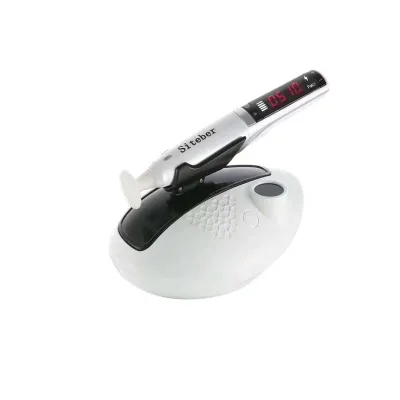
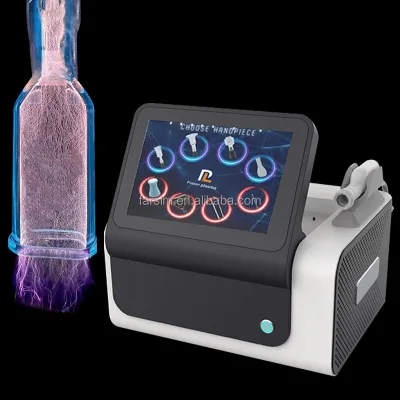
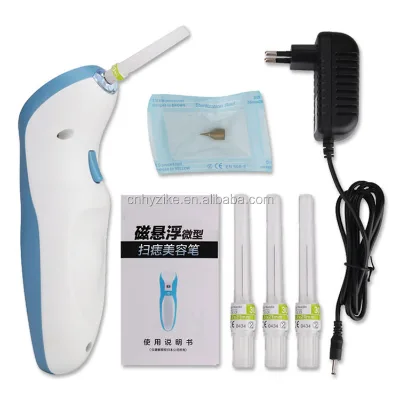
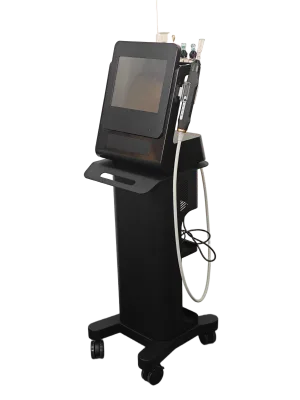
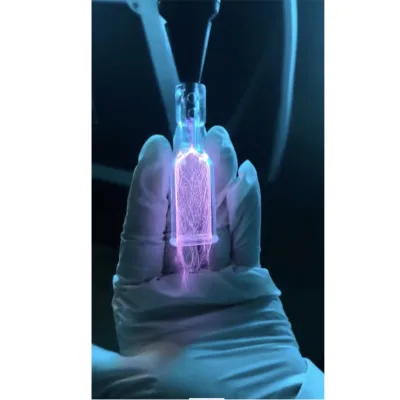


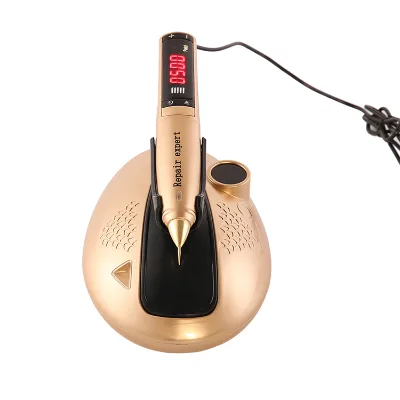
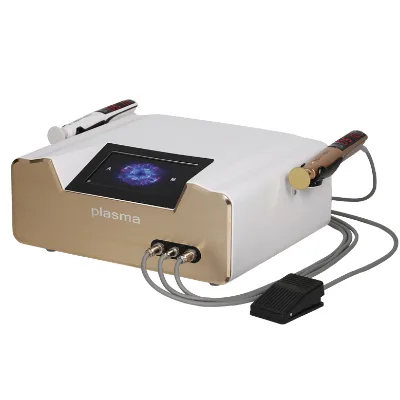
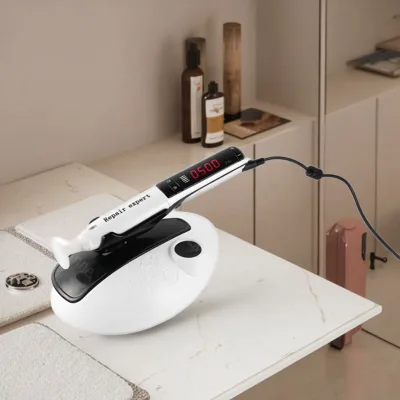
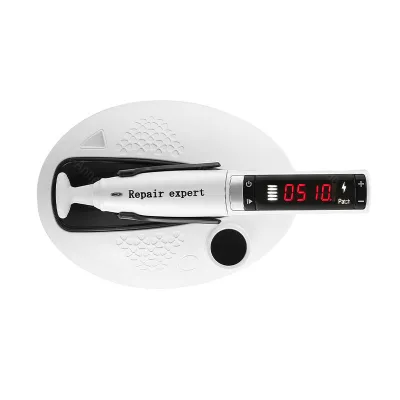
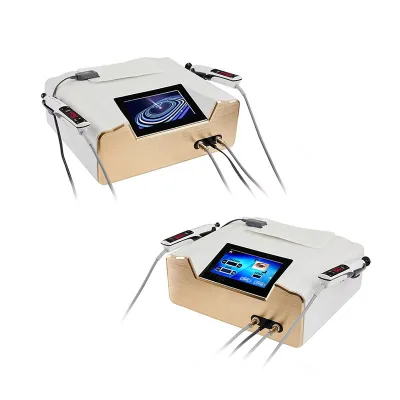


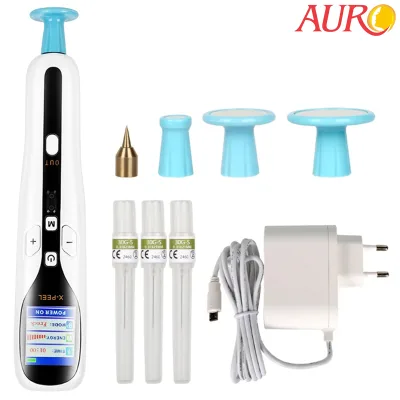
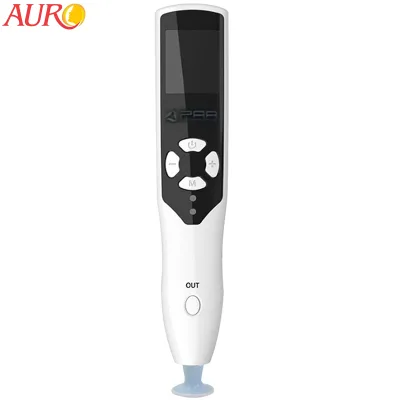
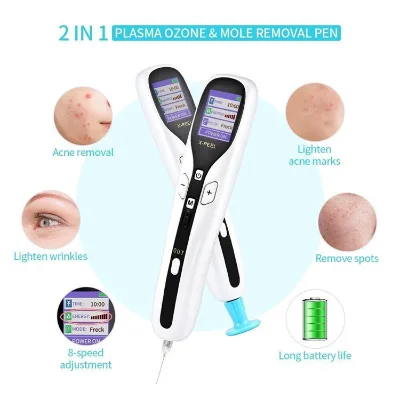
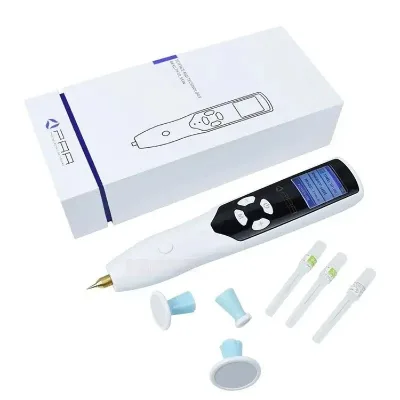


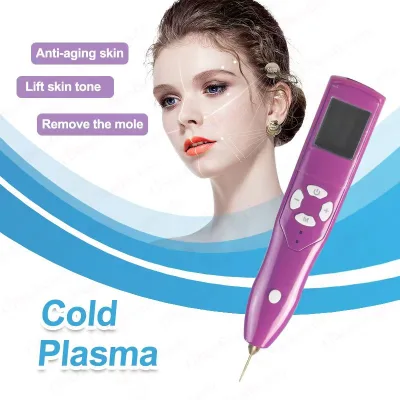
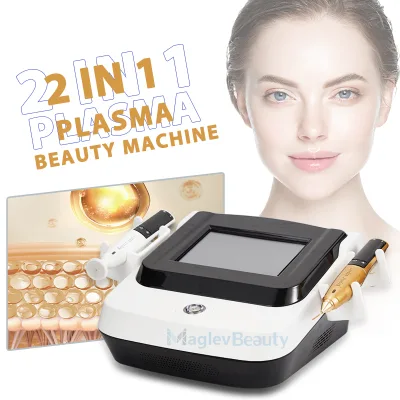
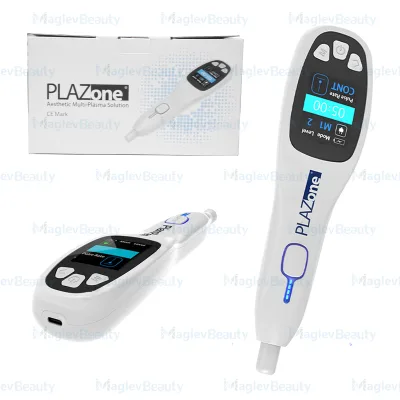
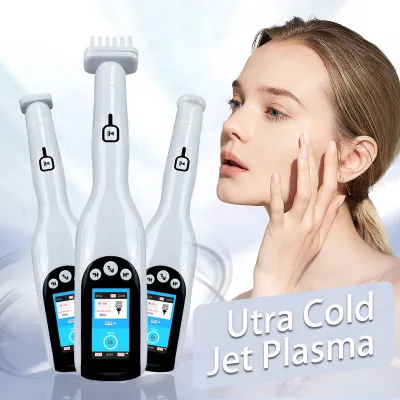


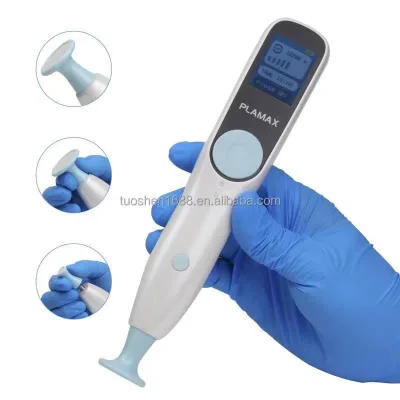
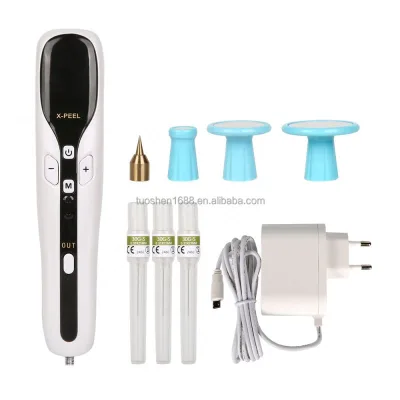
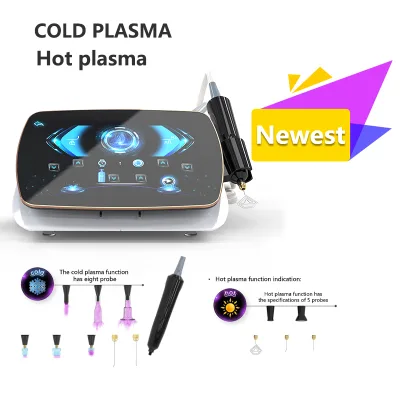
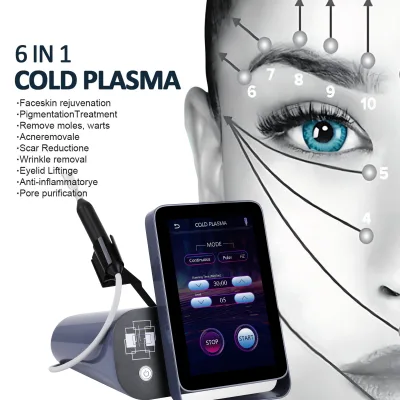


Comprehensive Sourcing Guide
Mini Electric Plasma Ozone Pen Supplier Concentration and Factory Types
The current supplier landscape for mini electric plasma ozone pens reveals a distinct split between manufacturing entities and trading companies, primarily concentrated in specific Chinese regions. Evidence indicates that manufacturers are located in Zhejiang, China, and Beijing, China, with Zhejiang-based entities often listing themselves as manufacturers capable of OEM and own-brand production. These suppliers typically focus on core components like sensors, PLCs, and ozone generators, suggesting a strong industrial base for the electronic and plasma technologies required in these pens. In contrast, trading companies in Beijing appear to aggregate products such as EMS sculpting machines and diode laser hair removal devices alongside ozone pens, indicating a broader portfolio of beauty and personal care equipment rather than deep manufacturing specialization in the pen itself.
Buyers must carefully distinguish between these entity types when evaluating potential partners, as the operational model significantly impacts product customization and quality control. Manufacturers in Zhejiang often possess the capacity for customizing products, with some listing specific attributes like wall-mounted installation or specific dielectric materials such as quartz tubes for related ozone equipment. Trading companies, while offering a wider range of beauty machines, may have different lead times and response capabilities, with some showing a response time of four hours compared to the 10.75 hours observed for other entities. Understanding this concentration helps buyers target the right source for either direct factory pricing or a broader catalog of beauty equipment, ensuring the selected partner aligns with their specific sourcing strategy for mini electric plasma ozone pens.
How to Verify Mini Electric Plasma Ozone Pen Suppliers
Verification of suppliers for mini electric plasma ozone pens requires a rigorous check of their stated credentials and product attributes against the provided evidence. Buyers should prioritize suppliers who explicitly list certifications such as CE and RoHS on their product specifications, as these are critical for electrical safety and environmental compliance in the beauty and medical sectors. For instance, specific product listings for ozone generators and plasma pens confirm the presence of these certifications, which serve as a baseline for verifying that the supplier adheres to international safety standards. It is essential to request and validate these certificates directly, as the presence of such documentation on a product page is a strong indicator of a supplier's commitment to quality and regulatory adherence.
Beyond certifications, buyers must scrutinize the response time and lead time data provided in supplier profiles to gauge operational reliability. Evidence shows response times varying significantly, with some entities responding in four hours while others take over ten hours, which can impact the speed of negotiation and order processing. Additionally, lead times for production and delivery should be confirmed, as some suppliers indicate a delivery time of three days for specific items, while others may have different constraints. Buyers should also verify the company type, ensuring that a manufacturer is indeed producing the goods if customization is required, rather than relying on a trading company that might simply resell products. This multi-layered verification process ensures that the selected supplier is both capable and reliable for the specific needs of a Mini Electric Plasma Ozone Pen project.
What to Compare Across Mini Electric Plasma Ozone Pen Suppliers
When comparing suppliers for mini electric plasma ozone pens, buyers should focus on key dimensions such as price ranges, minimum order quantities, and customization capabilities to find the best fit for their business model. The available data indicates a wide price spectrum, with some ozone generator products listed between 9.00 and 15.77, while specialized plasma pens for beauty applications range from approximately 92.10 to 122.80. This disparity highlights the importance of defining the exact product specification, as a basic ozone generator differs significantly in cost and function from a handheld plasma pen designed for skin lifting. Buyers must also note that some suppliers offer a minimum order quantity of just one piece, which is ideal for testing or small-scale retail, while others may have different thresholds that could affect inventory planning.
Customization options and service models are another critical area for comparison, as they determine the flexibility of the supply chain. Evidence shows that many suppliers offer OEM services and customization, allowing buyers to tailor the product to their brand requirements. For example, specific listings mention customization availability and services like OEM and ODM private labeling, which are vital for businesses looking to create a unique market presence. Additionally, the main products listed by suppliers can indicate their expertise; a supplier focusing on ozone generators and air purifiers may offer more technical depth than one primarily selling beauty machines. By systematically comparing these factors, buyers can identify suppliers that not only meet their price and volume needs but also provide the necessary support for product differentiation and brand development.
Common Mini Electric Plasma Ozone Pen Sourcing Risks
One significant risk in sourcing mini electric plasma ozone pens is the potential mismatch between the supplier's primary product focus and the specific requirements of the pen. While some suppliers specialize in ozone generators and industrial machinery, others may list these pens as part of a broader beauty equipment catalog, which could imply a lack of specialized expertise in the core technology. This diversification might lead to inconsistencies in product quality or a lack of deep technical support for troubleshooting specific issues related to plasma generation or ozone output. Buyers must be vigilant in assessing whether the supplier's main products align with the technical demands of the Mini Electric Plasma Ozone Pen to avoid potential performance failures or safety hazards.
Another risk involves the variability in lead times and delivery schedules, which can disrupt supply chain planning and inventory management. Evidence suggests that while some suppliers offer rapid delivery times of three days, others may have longer lead times or different production capacities that are not immediately apparent. This inconsistency can be particularly problematic for buyers who need to meet tight market deadlines or manage seasonal demand spikes. Furthermore, the lack of standardized response times across different suppliers can lead to communication delays, making it difficult to resolve issues quickly. Buyers should mitigate these risks by establishing clear communication protocols and verifying delivery commitments before placing orders, ensuring that the supplier can reliably meet their specific timeline requirements.
Mini Electric Plasma Ozone Pen Regional Sourcing and Logistics
Sourcing mini electric plasma ozone pens from China offers distinct logistical advantages, particularly given the concentration of manufacturers in regions like Zhejiang and Beijing. These locations are well-established industrial hubs with robust infrastructure for manufacturing and exporting electronic and beauty equipment. The presence of suppliers in these areas suggests a mature supply chain capable of handling the production and shipping of complex devices like plasma pens. Buyers should leverage this regional concentration to negotiate better shipping rates and faster transit times, as logistics providers in these regions are accustomed to handling high volumes of similar products. Additionally, the proximity of suppliers to major ports can facilitate smoother export processes, reducing the risk of delays in getting products to international markets.
However, buyers must also consider the specific logistics requirements associated with shipping electronic devices, which often include strict regulations regarding battery content and hazardous materials. Some product listings indicate that the devices contain batteries, such as a 7.4V battery for cordless plasma pens, which may require special handling and documentation during shipping. This adds a layer of complexity to the logistics process, as suppliers must ensure compliance with international shipping regulations for lithium batteries. Buyers should work closely with their chosen suppliers to confirm that all necessary documentation and packaging standards are met to avoid customs delays or additional fees. By understanding the regional logistics landscape and the specific requirements of the product, buyers can streamline the shipping process and ensure timely delivery to their customers.
Mini Electric Plasma Ozone Pen Commercial Terms and Order Planning
Effective order planning for mini electric plasma ozone pens requires a clear understanding of commercial terms, including pricing structures, payment methods, and warranty provisions. The available data shows a wide range of prices, from budget-friendly ozone generators to premium plasma pens, which necessitates careful budgeting and cost analysis. Buyers should also pay attention to the minimum order quantities, as some suppliers offer low MOQs of one piece, allowing for flexible ordering strategies. Additionally, warranty terms, such as the one-year warranty mentioned for certain plasma pens, are crucial for managing after-sales support and customer satisfaction. Understanding these commercial terms helps buyers structure their orders to maximize profitability while minimizing financial risk.
Customization and service agreements are also key components of commercial terms that can significantly impact the success of a sourcing project. Many suppliers offer OEM and ODM services, allowing buyers to customize the product design, branding, and packaging to meet their specific market needs. This level of customization can be a competitive advantage, but it requires clear communication and detailed specifications to ensure the final product meets expectations. Buyers should also consider the service level provided by the supplier, including response times and after-sales support, as these factors can influence the overall customer experience. By carefully negotiating these commercial terms and planning orders with a focus on customization and service, buyers can build strong, long-term relationships with their suppliers and ensure the successful launch of their Mini Electric Plasma Ozone Pen products.
FAQs
What certifications do mini ozone generators have?
Mini ozone generators typically hold CE and RoHS certifications to ensure safety and environmental compliance. These standards verify that the electrical components and materials used in the device meet specific regulatory requirements for the European and global markets. Buyers should always request valid certificates to confirm product legality and safety before placing orders.
What is the minimum order quantity for these devices?
The minimum order quantity for mini ozone generators is often just one piece. This low MOQ allows buyers to test product quality and functionality before committing to larger bulk purchases. It is particularly useful for small businesses or individuals looking for single units for personal or professional use without significant upfront inventory costs.
How fast do suppliers respond to inquiries?
Supplier response times vary, with some manufacturers responding within four hours and others taking up to ten hours. Faster response times indicate a more active sales team ready to assist with technical questions or order processing. Buyers should prioritize suppliers with quicker response rates to ensure efficient communication throughout the sourcing and procurement process.
What power sources are available for these units?
These units are available in both 12VDC and 220VAC power configurations. The 12VDC models are ideal for portable applications like cars or mobile medical setups, while 220VAC units suit stationary industrial or home use. Selecting the correct voltage ensures compatibility with your existing power infrastructure and intended operational environment.
What is the ozone output capacity of these pens?
Ozone output capacities range from 400mg/Hr to 500mg/Hr depending on the specific model. Higher output models are suitable for larger spaces or industrial applications, while lower output units are better for small rooms or personal use. Buyers should match the output capacity to their specific sterilization or purification requirements for optimal performance.
Can these devices be customized for branding?
Customization is available for many mini ozone generators, including OEM and private label services. Suppliers can modify packaging, colors, or even product features to align with your brand identity. This flexibility allows businesses to create unique products that stand out in the market while maintaining the core functionality and quality of the device.