Mini Garlic Digger Suppliers and Manufacturers in China
Explore 28 verified suppliers offering mini garlic diggers with varying lead times, response speeds, and certifications like ISO 9001. Compare specifications such as drill diameter, power source, and working depth to find the right equipment for your needs. Contact suppliers directly to request quotes and verify customization options.
Suppliers List

Yucheng Dadi Machinery Co., Ltd.
- Verified by TUVRHEINLAND
- Combined
- China Shandong
- Lead time15 days
- Avg. response≤ 12h
Main productsDisc Harrow, Disc Plough, Offsets Disc Harrow, Seeder, Disc Plow, Disc Blade
Main marketsOthers(foreignTradeCapacity.exportBusinessCapacityMarketOther),Domestic


Potato Harvester /Garlic Harvester/Farm Harvester
MOQ: 1 Pieces

YUCHENG LIANSHENG MACHINERY CO., LTD.
- Verified by SGS
- Trading Company,Manufacturer/Factory
- China Shandong
- Lead time23 days
- Avg. response≤ 7h
Main productsPlough, Harrow, Seeding Machine, Mower, Thresher, Harvester, Boom Sprayer, Fertilizer Spreader, Agricultural Spare Parts, Grain Harvesting Equipment
Main marketsSouth America,Eastern Europe,Mid East,North America,Southeast Asia,Eastern Asia,Oceania,Western Europe,Africa


Garlic Harvesting Machine Garlic Harveater Garlic Digging Machine for 18-24HP Tractor
$720.00 - $750.00
MOQ: 1 Pieces


Garlic Harvester 18-24HP Single Cylinder Tractor Mounted Garlic Digging Machine
$720.00 - $750.00
MOQ: 1 Pieces


Landale New Materials (Shandong) Co., Ltd.
- Verified by SGS
- Manufacturer/Factory,Group Corporation
- China Shandong
- Lead time23 days
- Avg. response≤ 3h
Main productsPolycarbonate Sheet, Polycarbonate Sheet Processing Workpiece, Weeder Machines Micro-Tiller Small Corn Harvest, Polycarbonate Sheet Engraving Punching Bending, Polycarbonate Sheet Injection Molding, Thermoforming of Polycarbonate Sheets, Chain Track Micro Tiller, Seed Mixing Machine, Single-Row Corn Harvesting Machine, Weeding Machine
Main marketsSouth America,Eastern Europe,Mid East,North America,Southeast Asia,Oceania,Western Europe,Africa


$335.00 - $472.00
MOQ: 1 combo

$335.00 - $472.00
MOQ: 1 combo

Agricultural Machine Tractor Garlic Harvester Small Scale Garlic Harvesting Machine
$335.00 - $472.00
MOQ: 1 combo

High Productivity Garlic Harvester and Digger Tractor Efficient Loading Harvesting Equipment
$335.00 - $472.00
MOQ: 1 combo

Zhengzhou Benfu Industrial Co., Ltd.
- Verified by CTI
- Manufacturer/Factory
- China Henan
- Lead time38 days
- Avg. response≤ 3h
Main productsDry Ice Pelletizer, Fruit Sorting Machine, Chain Trencher, Charcoal Briquette Machine, Fruit Pitting Machine, Wood Log Splitter, Wall Spraying Machine, Paper Tube Cutting Machine, Wood Chipper, Toothpick Making Machine
Main marketsSouth America,Eastern Europe,Mid East,North America,Southeast Asia,Eastern Asia,Oceania,Western Europe,Africa


Agriculture Harvesting Machine Garlic Harvesting Machine Self-Propelled Garlic Harvester
$2100.00 - $9800.00
MOQ: 1 Sets

Shandong Liying Agricultural Technology Development Co., Ltd.
- Verified by BV
- Trading Company
- China Shandong
- Lead time15 days
- Avg. response≤ 4h
Main productsTractor, Disc Plough, Disc Harrow, Power Tiller, Corn Seeder, Vegetable Seeder, Farm Trailer, Fertilizer Spreader, Mower, Potato Harvester
Main marketsSouth America,Africa,Southeast Asia/ Mideast


Tractor Onion Garlic Potato Peanut Digging Machine Mini Tractor Carrot Potato Harvester Price
$460.00 - $820.00
MOQ: 1 Pieces
Yucheng Restone Machinery And Equipment Co., Ltd.
- Trading Company
- Shandong, China
- Lead time10 days
- Avg. response≤ 4h
Main productsagricultural machinery,forestry machinery,food processing machinery,feed machinery,spare parts and other products
Main marketsAfrica(40.00%), South America(20.00%), Eastern Europe(10.00%), North America(5.00%), Domestic Market(5.00%), South Asia(4.00%), Eastern Asia(3.00%), Northern Europe(3.00%), Southern Europe(2.00%), Mid East(2.00%), Central America(2.00%), Southeast Asia(2.00%), Western Europe(1.00%), Oceania(1.00%)
Jiaozuo Zhoufeng Machinery Co., Ltd.
- Trading Company
- Henan, China
- Lead time5 days
- Avg. response≤ 8h
Main productsFood machine,Farm machine,environmental protection machine,Home use machine,Biomass briquette production line
Main marketsMid East(10.00%), South Asia(10.00%), Africa(10.00%), Southeast Asia(10.00%), Domestic Market(10.00%), Central America(10.00%), North America(10.00%), South America(8.00%), Eastern Asia(7.00%), Northern Europe(5.00%), Western Europe(5.00%), Oceania(2.00%), Eastern Europe(2.00%), Southern Europe(1.00%)
Henan Fengchi Machinery Co., Ltd.
- Trading Company
- Henan Province, China
- Lead time10 days
- Avg. response≤ 3h
Main productsMicro tiller,seeder,Grain screening machine,Industrial machinery,Agricultural machinery
Main marketsAfrica(20.00%), Southeast Asia(20.00%), South Asia(20.00%), Mid East(18.00%), Northern Europe(15.00%), North America(5.00%)

Global East Machinery Manufacturing (Shandong)Co., Ltd.
- Verified by SGS
- Combined
- China Shandong
- Lead time15 days
- Avg. response≤ 14h
Main marketsEurope

Agriculture Ginger Onion Garlic Potato Carrot Mini Harvester Digger Machine
$360.00 - $380.00
MOQ: 1 Pieces

Mini Tractor Mounted Garlic and Potato Digger Harvester Ginger Radish Harvesting Machine
$360.00 - $380.00
MOQ: 1 Pieces

Qingdao Rich Farmer International Trade Co., Ltd.
- Verified by BV
- Trading Company
- China Shandong
- Lead time15 days
- Avg. response≤ 4h
Main productsFresh Garlic, Fresh Peeled Garlic, Fresh Ginger, Fresh Onion, Fresh Carrot, Fresh Potato, Fresh Apple, Fresh Pear, Dried Goji Berry, Fresh Shallot
Main marketsAfrica,Southeast Asia/ Mideast,North America

Zhengzhou Faithin Machinery Equipment Co., Ltd
- Verified by SGS
- Manufacturer/Factory
- China Henan
- Lead time15 days
- Avg. response≤ 3h
Main productsChaff Cutter, Pellet Machine, Mixing Machine, Rice Mill Machine, Oil Press Machine, Disc Mill Machine, Hammer Mill Machine, Hammer Crusher, Jaw Crusher
Main marketsSouth America,Eastern Europe,Mid East,North America,Southeast Asia,Eastern Asia,Oceania,Western Europe,Africa

Factory Special Sale Peanut Harvester Digger Garlic Digging Machine Groundnut Digger
$500.00 - $700.00
MOQ: 1 Pieces

$500.00 - $700.00
MOQ: 1 Pieces

New Design Potato Digger Machine Onion Harvester Garlic Harvester for Sale
$500.00 - $700.00
MOQ: 1 Pieces

Garlic Potato Harvester Tools Potato Collecting Harvester Potato Harvester Machine
$500.00 - $700.00
MOQ: 1 Pieces

Landale New Materials (shandong) Co., Ltd.
- Manufacturer, Trading Company
- Shandong, China
- Lead time7 days
- Avg. response≤ 3h
Main productsweeder machine,mini-tiller,Small agricultural machinery,polycarbonate sheet,Specialized processing parts of polycarbonate plates
Main marketsNorth America(20.00%), Eastern Europe(15.00%), Western Europe(10.00%), Eastern Asia(10.00%), South Asia(9.00%), Central America(6.00%), Northern Europe(5.00%), Southeast Asia(5.00%), South America(5.00%), Mid East(5.00%), Southern Europe(3.00%), Africa(3.00%), Domestic Market(2.00%), Oceania(2.00%)
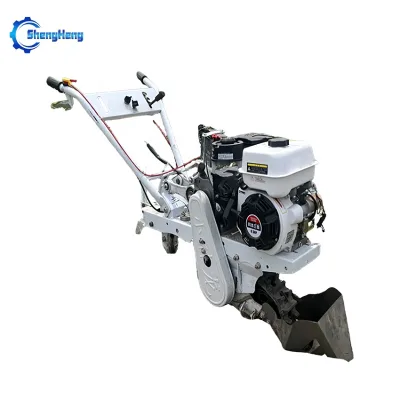
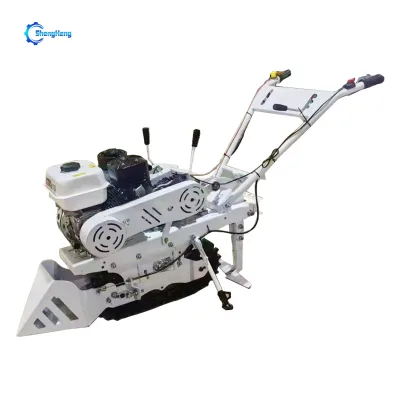
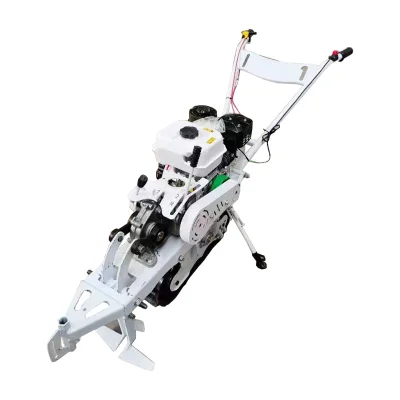
Farm Use Mini Garlic Harvester with Motor High Efficiency Two Row Digging Machine
$350.06
MOQ: 1 Minimum
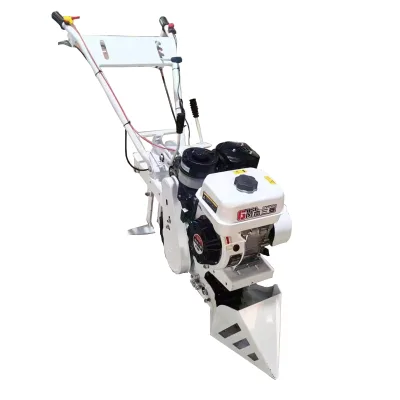
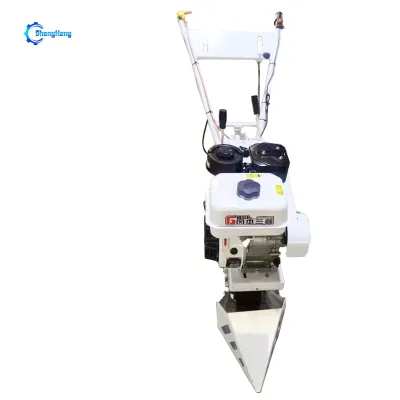
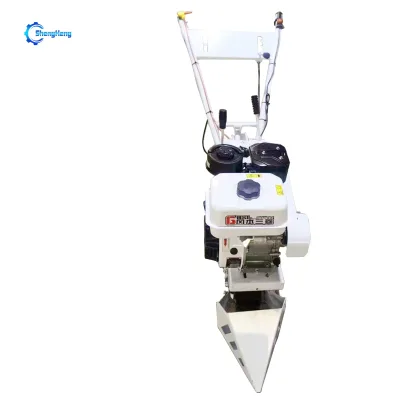
High-efficiency Gasoline Potato, Onion and Garlic Harvester, Sweet Excavator
$335.00 - $472.00
MOQ: 1 combos
Qingdao Hong Zhu Agricultural Machinery Co., Ltd
- Verified by SGS
- Combined
- China Shandong
- Lead time23 days
- Avg. response≤ 7h
Main productsPotato Seeding Machine, Potato Digger, Potato Planting Machine, Potato Planter Tractor, Potato Farming Machine, Agricultural Machinery, Potato Harvesting Machine, Potato Harvester in China, Potato Planter China Manufacturer, Potato Planter China Factory
Main marketsDomestic


4u-110d Agriculture Ginger Onion Garlic Potato Harvester Digger Machine
$1569.00 - $1780.00
MOQ: 1 Sets


Zhengzhou Lerford Machinery Equipment Co., Ltd.
- Verified by SGS
- Trading Company
- China Henan
- Lead time15 days
- Avg. response≤ 5h
Main productsPellet Machine, Packing Machine, Vegetable Processing Machine, Fruit Washing Machine, Dryer Machine, Briquette Machine, Toothpick Machine, Snack Machine, Oil Press, Potato Chips Machine
Main marketsSouth America,Africa,Others(foreignTradeCapacity.exportBusinessCapacityMarketOther),Europe,North America

Walking Tractor Potato Peanut Garlic Harvester Potato Peanut Garlic Digging Machine
$680.00 - $1680.00
MOQ: 1 Pieces

Automatic Potato Harvester for Digging Potato Onion Garlic Potato Carrot Harvester Machine
$680.00 - $1680.00
MOQ: 1 Pieces

Yantai Guanming International Trade Co., Ltd.
- Verified by TUVRHEINLAND
- Combined
- China Shandong
- Lead time30 days
- Avg. response≤ 3h
Main productsMini Excavator, Loader, Wheel Excavator, Hydraulic Breaker, Skid Steer Loader, Backhoe Loader, Big Excavator, Electric Forklift, off-Road Forklift, Construction Machinery Attachments
Main marketsSouth America,Europe,North America

Hot Sale Ground Digger Machine Small Digger Machine Mini Earth Digger
$3800.00 - $4500.00
MOQ: 1 Pieces

Minibagger Agricultural Mini Excavator Multifunctional Garden Micro Crawler Digger
$3800.00 - $4500.00
MOQ: 1 Pieces


Small Mini Mini Digger Garden Small Cheap Digger Small Micro Digger Machine
$2500.00 - $2900.00
MOQ: 1 pieces


Ningbo Tower Machinery Co., Ltd
- Verified by TUVRHEINLAND
- Manufacturer/Factory
- China Zhejiang
- Lead time30 days
- Avg. response≤ 7h
Main productsSheet Metal Fabrication, CNC Machining Parts, Laser Cutting Parts, Tube Bending Parts, Welding Parts, Stamping Parts, Bus Seat, Trailer Jack, Electric Winch, Wheel Spacer
Main marketsSouth America,Eastern Europe,Mid East,North America,Southeast Asia,Eastern Asia,Oceania,Western Europe,Africa

Yantai Hawk Hydraulic Equipment Co., Ltd.
- Verified by SGS
- Combined
- China Shandong
- Lead time15 days
- Avg. response≤ 5h
Main productsSawmill, Hydraulic Breaker, Post Driver, Tree Shear, Pile Hammer, Cone Splitter, Grab Bucket, Hydraulic Grapple, Ripper, Rake
Main marketsSouth America,Southeast Asia/ Mideast,East Asia(Japan/ South Korea),Europe,Australia,North America
Zhengzhou Caleb Machinery Co., Ltd.
- Verified by SGS Group
- Trading Company
- Lead time10 days
- Avg. response≤ 2h
Main productsAgricultural Machinery, Harvesting Machine, TMR Mixer, Silage Machine, Food Machinery
Main marketsSoutheast Asia(25%), North America(20%), Western Europe(15%)

Zhengzhou Xifu Machinery Equipment Co., Ltd.
- Verified by CTI
- Manufacturer/Factory
- China Henan
- Lead time15 days
- Avg. response≤ 7h
Main productsHarvester Machine, Animal Feed Pellet Machine, Grinding Milling Machine, Chopper Machine, Baler Corn Silage Wrapping Machine, Chaff Cutter Machine, Oil Press Machine, Threser Machine, Cursher Machine, Milking Machine
Main marketsMid East,Southeast Asia,Africa

Harvesting Garlic Mini Combine Harvester for Sale Sweet Potato Harvester
$2200.00 - $6600.00
MOQ: 1 Pieces

Garlic Carrots Potato Digger Harvester Mini Walking Tractor Potato Harvesting Machine
$2200.00 - $6600.00
MOQ: 1 Pieces

Tractor Mounted Belt Mini Peanut Carrot Potato Garlic Onion Harvester
$2200.00 - $6600.00
MOQ: 1 Pieces


Machines Planting Harvesting Garlic Tractor Potato Harvester Machinery
$2200.00 - $6600.00
MOQ: 1 Pieces

Sweet Potato Digging Machines Garlic Harvester Onion Harvesting Machine
$2200.00 - $6600.00
MOQ: 1 Pieces
Shandong China Transport Group Co., Ltd.
- Verified by BV
- Combined
- China Shandong
- Lead time15 days
- Avg. response≤ 7h
Main productsExcavator, Semi Trailer, Container House, Diesel Generator
Main marketsSoutheast Asia/ Mideast,Europe,North America

Yucheng Dingshengyuan Machinery Manufacturing Co., Ltd
- Verified by TUVRHEINLAND
- Combined
- China Shandong
- Lead time15 days
- Avg. response≤ 3h
Main productsMachinery
Main marketsSoutheast Asia/ Mideast
Henan Share M&E Equipment Co., Ltd
- Verified by TUVRHEINLAND
- Trading Company
- China Henan
- Lead time15 days
- Avg. response≤ 4h
Main productsBag Printing Machine, Brick Making Machine, Quilting Machine, Water Well Drilling Rig, Roll Forming Machine
Main marketsSouth America,Africa,Others(foreignTradeCapacity.exportBusinessCapacityMarketOther),Southeast Asia/ Mideast,East Asia(Japan/ South Korea),Domestic,Europe,Australia,North America
Shandong Welong Machinery Co., Ltd.
- Verified by BV
- Trading Company
- China Shandong
- Lead time23 days
- Avg. response≤ 5h
Main productsTruck, Construction Machinery
Main marketsSoutheast Asia/ Mideast,North America
MINI ELEPHANT HEAVY INDUSTRY CO., LTD.
- Verified by CTI
- Combined
- China Shandong
- Lead time15 days
- Avg. response≤ 4h
Main productsExvacator, Lawn Mower, Loader, Mini Exvacator, GPS Lawn Mower, Skid Steer Loader, Lithium-Ion Lawnmower, Remote-Controlled Lawnmower
Main marketsDomestic


Cab Equipped Mini Digger Comfortable Control Safe Long Time Operation
$9000.00 - $10500.00
MOQ: 1 Pieces

Zhengzhou Shuliy Machinery Co., Ltd.
- Verified by SGS
- Trading Company,Manufacturer/Factory
- China Henan
- Lead time0 days
- Avg. response≤ 5h
Main productsPacking Machinery, Food Processing Machinery, Agriculture Processing Machinery, Wood Processing Machinery, Plastic Processing Machinery, Charcoal Processing Machinery, Baler Machinery, Recycling Machinery, Metal Processing Machinery

Easy Operation Mini Carrot Garlic Onion Yam Potato Vegetable Harvester
$350.00 - $400.00
MOQ: 3 Pieces

Automatic Potato Harvester for Digging Potato Onion Garlic Potato Carrot Harvester Machine
$350.00 - $400.00
MOQ: 3 Pieces

Jinkung Industrial (Shandong) Corporation
- Verified by TUVRHEINLAND
- Combined
- China Shandong
- Lead time30 days
- Avg. response≤ 3h
Main productsPolyurethane Foam Machine, Mining Machinery, Construction Engineering Equipment, Excavators, Rollers, Agriculture Equipments, Loaders
Main marketsSouth America,East Asia(Japan/ South Korea),Europe,North America

1.5 Ton Newest Smallest Mini Digger for Garden Mini Excavator Machine
$2899.00 - $3800.00
MOQ: 1 Pieces


Zhengzhou Hento Machinery Co., Ltd.
- Verified by SGS
- Trading Company,Manufacturer/Factory,Group Corporation
- China Henan
- Lead time15 days
- Avg. response≤ 7h
Main productsMeat Processing Machinery, Egg Processing Machinery, Dairy Processing Machinery, Fruit & Vegetable Processing Machinery, Grain Product Making Machines, Snack Machines, Nuts Processing Machinery, Packing Machines, Drying Machines, Commodity Making Machines
Main marketsSouth America,Eastern Europe,Mid East,North America,Southeast Asia,Eastern Asia,Oceania,Western Europe,Africa

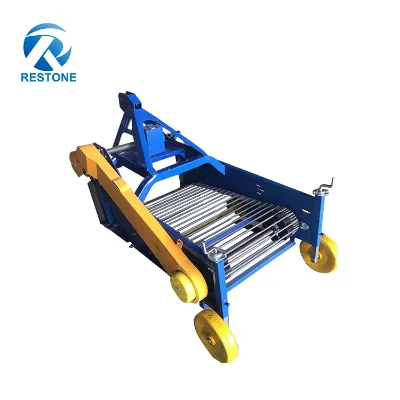
Agricultural Garlic Harvester / Peanut Harvesting Machine / Harvesting Machine
$609.00 - $829.00
MOQ: 1 set

Multi-Use Potato Harvester / Garlic Harvesting Machine / Peanut Harvester
$609.00 - $829.00
MOQ: 1 set
Jinan Xinyiyin Import and Export Trading Co., Ltd.
- Verified by CTI
- Combined
- China Shandong
- Lead time23 days
- Avg. response≤ 4h
Main productsDisc Harrow, Disc Plough, Irrigation System, Harvesting Machine, Mower, Grain Cart, Manure Fertilizer Spreader, Farm Trailer, Land Leveler, Stone Picker
Main marketsDomestic




Comprehensive Sourcing Guide
Mini Garlic Digger Supplier Concentration and Factory Types
The current supplier landscape for mini garlic diggers shows a distinct concentration of manufacturing activity within China, specifically in the Shandong province. Data indicates that specific production origins include Yucheng and Dezhou, which are recognized hubs for agricultural machinery fabrication. These locations host a mix of combined entities that function as both manufacturers and trading companies, offering a dual advantage of direct production control and broader market access. The presence of these combined company types suggests that buyers may encounter suppliers who manage their own assembly lines while simultaneously handling distribution logistics for related equipment like disc harrows and seeders.
When evaluating the factory types available, it is crucial to distinguish between pure manufacturers and trading entities that may source from multiple workshops. The observed supplier pool includes companies with their own brands, such as LIANSHENG, alongside those offering OEM and ODM services. This variety allows for different procurement strategies, from customizing specific models to purchasing standard inventory. Buyers should verify if a supplier's primary focus aligns with their needs, as some entities list main products ranging from ploughs to boom sprayers, while others specialize in specific harvesting tools. Understanding this structural diversity helps in identifying partners capable of scaling production or adapting designs for specific regional soil conditions.
How to Verify Mini Garlic Digger Suppliers
Verification of potential partners requires a rigorous check of third-party credentials and response metrics to ensure reliability. Several suppliers in the current results hold certifications from recognized bodies like TÜV Rheinland and SGS, which serve as indicators of quality management systems. Specific product listings also reference compliance with standards such as ISO 9001, ISO 9001:2000, and various QS or GMP certifications. These documents are essential for confirming that the manufacturing processes meet international safety and quality benchmarks. Buyers must request these specific certificates directly from the supplier to validate their authenticity, as the presence of a certification label on a product page does not guarantee current validity for the specific batch being ordered.
Beyond physical certifications, the operational responsiveness of a supplier is a critical verification metric. The data shows response times varying significantly, with some suppliers responding within approximately seven hours while others take over eleven hours. A faster response time often correlates with better communication channels and a more active sales team, which is vital for resolving technical queries about machine specifications like drill diameter or working depth. Additionally, checking the verification status provided by the platform can reveal if a supplier has undergone a background check. Buyers should prioritize suppliers with verified badges and documented response speeds to minimize the risk of unresponsive vendors who might delay order processing or fail to provide necessary technical support during the procurement cycle.
What to Compare Across Mini Garlic Digger Suppliers
Comparing suppliers requires a systematic analysis of key operational dimensions including lead times, minimum order quantities, and pricing structures. The observed lead times for these agricultural machines range from fifteen to twenty-three days, a variance that can significantly impact project timelines and inventory planning. Buyers must align their order schedules with these production windows, noting that some suppliers may offer faster turnaround for standard models while custom orders could extend the delivery window. Minimum order quantities also vary, with some listings indicating a single unit as the entry point, which is beneficial for small-scale testing or initial market entry. However, bulk purchasing might be necessary to secure more favorable pricing tiers, so understanding the MOQ flexibility is essential for cost optimization.
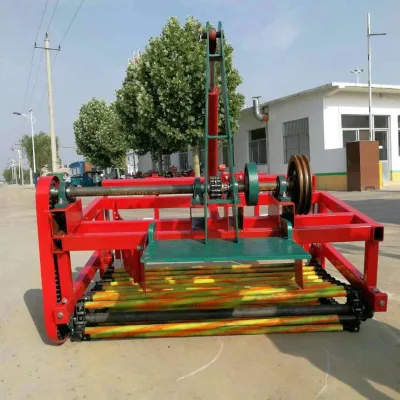
Pricing and product specifications form another critical comparison layer, with unit costs observed between three hundred and nine hundred dollars depending on the model and features. Specific attributes such as power source, transmission type, and harvest method must be matched against the buyer's operational requirements. For instance, some machines utilize a hard shaft transmission while others rely on a soft shaft or vee belt drive, affecting durability and maintenance needs. Additionally, the customization availability listed in product attributes allows for tailoring the equipment to specific crop types or tractor power ratings. Buyers should create a comparison matrix that weighs these technical specifications against the quoted price and lead time to identify the most cost-effective solution that meets their specific agricultural demands without compromising on performance or reliability.
Common Mini Garlic Digger Sourcing Risks
One significant risk in sourcing mini garlic diggers involves the potential mismatch between advertised specifications and actual product performance. While product listings often highlight features like high-accuracy digging or specific drill diameters ranging from 230 to 700 millimeters, these claims require physical validation before large-scale deployment. The variability in materials, such as the use of 65mn steel for drill components, suggests that quality can differ between batches or suppliers. Without independent testing or factory audits, buyers risk receiving equipment that may not withstand the rigors of continuous field use, leading to premature wear or failure. This discrepancy is particularly concerning when suppliers claim certifications like ISO 9001 but do not provide detailed test reports for the specific machine model being purchased.
Another prevalent risk is the inconsistency in packaging and shipping standards, which can lead to damage during transit. The observed packaging methods include iron frame boxes and iron net boxes, yet the robustness of these containers varies based on the supplier's logistics capabilities. Inadequate packaging can result in critical components like the linkage or engine mounts being damaged before the machine reaches the destination. Furthermore, the reliance on third-party logistics without clear insurance or escrow protection increases the financial exposure for the buyer. If a shipment is delayed or lost, the lack of a standardized dispute resolution mechanism can complicate recovery efforts. Buyers must explicitly confirm packaging standards and insurance coverage in their contracts to mitigate these logistical vulnerabilities and ensure the equipment arrives in operational condition.
Mini Garlic Digger Regional Sourcing and Logistics
The regional concentration of suppliers in Shandong province, specifically in areas like Yucheng and Dezhou, offers logistical advantages but also presents specific challenges regarding international shipping. These hubs are well-established for agricultural machinery, meaning local infrastructure is often optimized for heavy equipment transport. However, the distance from these inland manufacturing centers to major ports can add complexity to the export process. Buyers should verify the specific origin of each unit, as products originating from different cities within the same province may have varying export readiness and documentation requirements. Understanding the precise location helps in estimating transit times and calculating accurate freight costs, which are critical for total landed cost analysis.
Logistics planning must also account for the specific dimensions and weight of the mini garlic diggers, which can range from 150 to 265 kilograms depending on the model. These weight factors influence the choice of shipping method, whether by sea or air, and determine the necessary container space. Suppliers listing packing details such as iron frame boxes provide some insight into the volume occupied, but buyers should request exact cubic meter measurements to optimize container loading. Additionally, the lead time of fifteen to twenty-three days for production must be added to the transit duration to create a realistic delivery schedule. Buyers should coordinate closely with their freight forwarders to ensure that the shipping schedule aligns with the supplier's production completion dates, preventing storage fees or production delays caused by late container bookings.
Mini Garlic Digger Commercial Terms and Order Planning
Commercial terms for mini garlic diggers often include specific warranty periods and customization clauses that must be clearly defined in the purchase agreement. The observed data indicates warranty periods of twelve months for certain models, which provides a baseline for after-sales support expectations. However, buyers should verify if this warranty covers specific components like the engine or the digging mechanism, as exclusions can significantly reduce the value of the coverage. Customization availability is another key term, with many suppliers offering tailored solutions for different tractor power ratings or harvesting methods. These customizations may affect the final price and lead time, so it is essential to document all agreed-upon modifications in writing to avoid disputes over the final delivered product specifications.
Order planning should also incorporate the financial terms regarding payment security and escrow services to protect against non-delivery or quality issues. While some suppliers may offer flexible payment structures, utilizing escrow services ensures that funds are only released once the goods are verified against the agreed specifications. The minimum order quantity of one unit allows for low-risk trial orders, but buyers should consider the cost implications of shipping single units versus bulk shipments. Additionally, the price range observed, from three hundred to nine hundred dollars, suggests that volume discounts may be available for larger orders. Buyers should negotiate these terms based on their projected annual volume, ensuring that the commercial agreement supports their long-term supply chain stability while maintaining the flexibility to adjust orders based on market demand fluctuations.
FAQs
What is the price range for mini garlic diggers?
Prices for mini garlic diggers typically range from 330 to 900 dollars per unit. Specific models like the garlic chipping machine start at 330 dollars, while tractor-mounted harvesters can reach up to 900 dollars depending on features and power requirements.
What certifications do these agricultural machines hold?
Many available units carry ISO9001, CE, SGS, GMP, QS, and UL certifications. Some suppliers also hold EICC system certifications. Buyers should verify specific certificates for each model to ensure compliance with international safety and quality standards before purchasing.
How long does it take to receive these machines?
Lead times for delivery vary between 15 and 23 days depending on the supplier and order volume. Some manufacturers in Shandong offer faster turnaround times, while others may require up to three weeks for production and shipping arrangements to be completed.
What is the minimum order quantity for these diggers?
The minimum order quantity is generally one unit for most Mini Garlic Digger models. This allows small farms or individual buyers to purchase a single machine without needing to meet high bulk thresholds, making entry into mechanized farming more accessible.
Where are these garlic harvesting machines manufactured?
These machines are primarily manufactured in China, specifically in regions like Shandong, Yucheng, and Dezhou. Suppliers in these areas specialize in agricultural machinery and offer various models ranging from handheld units to tractor-mounted harvesters for different farming needs.
Can these machines be customized for specific needs?
Customization is available for many models to suit specific farming requirements. Buyers can request adjustments to drill diameters, working depths, or power sources. Suppliers often offer OEM and ODM services to tailor the machinery to unique operational conditions.
What power sources are compatible with these harvesters?
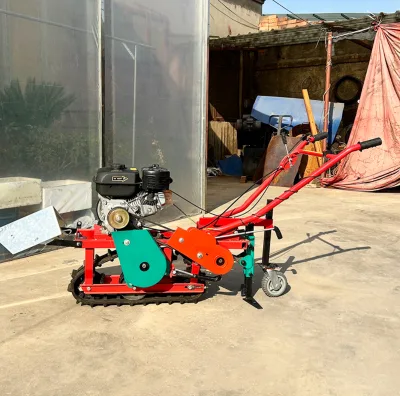
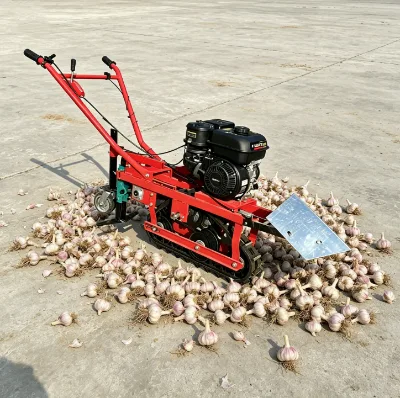
Most harvesters are designed to work with tractors, requiring power sources between 15 and 90 horsepower. Some smaller units operate on gasoline engines, while others rely on hydraulic power from the tractor. Compatibility depends on the specific model selected.