Touch Stylus Pen Suppliers and Manufacturers in China
Explore 30 verified suppliers offering touch stylus pens with customizable materials, lead times, and pricing. Compare dimensions, certifications, and response times to select a partner. Request samples to validate quality before placing orders; review the available evidence before requesting comparable quotations from suitable candidates.
Suppliers List

Sinopromotion Products Co., Ltd.
- Verified by BV
- Trading Company
- China Zhejiang
- Lead time30 days
Main productsPromotional Pen, Ball Pen, Promotional Gifts, Stationery, Promotional Bag, Stainless Steel Mug, USB Flash
Main marketsSouth America,Africa,Southeast Asia/ Mideast,Europe,North America


MOQ: 100 Pieces

MOQ: 100 Pieces
Yuyao Wangda Stationery Factory
- Manufacturer, Trading Company
- Zhejiang, China
- Lead time15 days
- Avg. response≤ 5h
Main productsStylus Pen,Mechanical Pencil,Pen Part,Makeup container,lipstick tube
Main marketsWestern Europe(20.00%), Eastern Asia(20.00%), North America(20.00%), Domestic Market(10.00%), Eastern Europe(5.00%), Southeast Asia(5.00%), Southern Europe(5.00%), South Asia(3.00%), South America(3.00%), Mid East(2.00%), Africa(2.00%), Northern Europe(2.00%), Central America(2.00%), Oceania(1.00%)
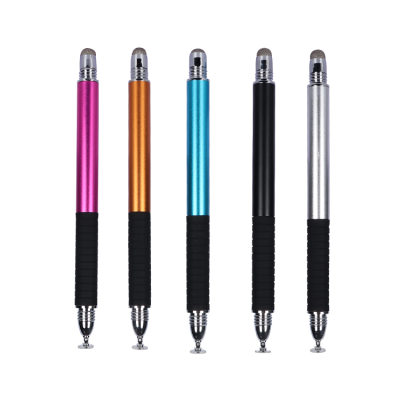
Two-headed Stylus Touch Screen Pen Stylus Pen with Touch Screen Stylus
$1.00 - $2.06
MOQ: 30000 pieces
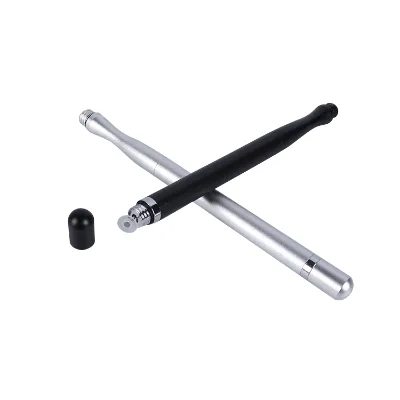
Retractable Multi Colors Cheap Metal Touch Screen Pen Stylus,cool Touch Stylus Pen
$1.33 - $2.33
MOQ: 30000 pieces
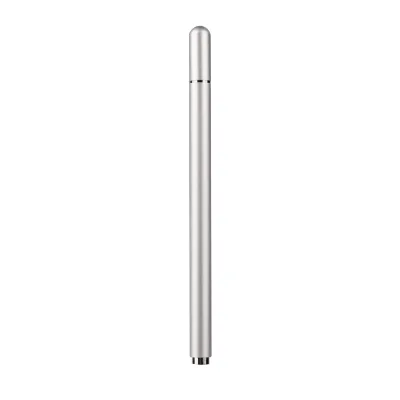
$0.80 - $1.20
MOQ: 100 pieces
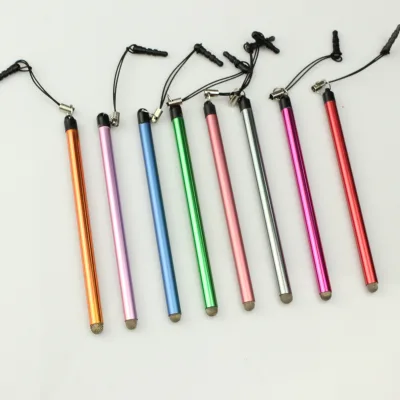
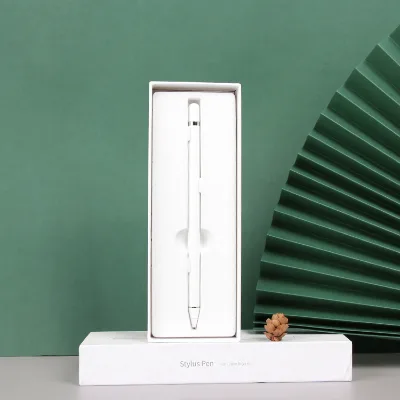
New Design Stylus Tip Replacement Ipad Pen for Drawing Pencils for Artists Active Touch Pencil
$6.12 - $10.10
MOQ: 1 pieces
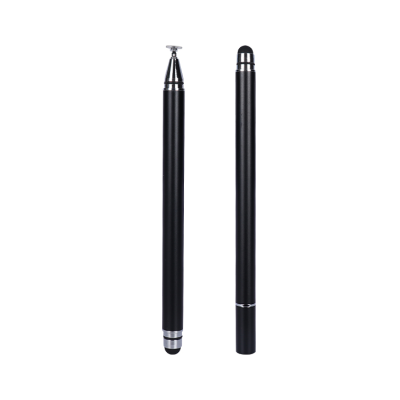
$0.50 - $0.80
MOQ: 10 pieces
Shenzhen Jiejiaxun Technology Co., Ltd.
- Verified by SGS
- Trading Company,Manufacturer/Factory
- China Guangdong
- Lead time15 days
Main productsPhone Case, Phone Cable, Phone Charger, Earphone/Headphones, Bluetooth Speaker, Memory Card, Flash Disk/ USB Driver, Hair Dryer, Tempered Glass, Mini Fans
Main marketsSouth America,Eastern Europe,Mid East,North America,Southeast Asia,Eastern Asia,Oceania,Western Europe,Africa


Pencil Active Tablet Stylus for Touch Screen Pen Stylus Pencil Android System Tablet Stylus
$12.00 - $15.00
MOQ: 10 Pieces


Touch Stylus for Android Ios Tablet Computer Pen 2ND 3rd Smart Pen for iPad
$0.71 - $0.99
MOQ: 10 Pieces

White Universal Stylus Pen for Touch Screen Tablet Bluetooth Tablet Pencil for Android Pen
$15.00 - $17.00
MOQ: 10 Pieces

$12.00 - $15.00
MOQ: 10 Pieces

- Verified by TUVRHEINLAND
- Trading Company,Manufacturer/Factory
- China Jiangsu
- Lead time23 days
Main productsMedal, Coin, Lapel Pin, PVC Patch, Embroidery Patch, Keychain, Button Badge, Silicone Wristband, Lanyards, Gift
Main marketsSouth America,Eastern Europe,Mid East,North America,Oceania,Western Europe
Shenzhen Kanuoxin Technology Co., Ltd.
- Distributor/Wholesaler
- Guangdong, China
- Lead time0 days
- Avg. response≤ 8h
Main productsBluetooth headphones,sytlus pen
Main marketsSouth America(30.00%), Southeast Asia(30.00%), Domestic Market(10.00%), Eastern Europe(5.00%), South Asia(5.00%), Southern Europe(5.00%), Northern Europe(5.00%), Central America(5.00%), Western Europe(5.00%), Eastern Asia(5.00%), Mid East(5.00%), Oceania(5.00%), Africa(5.00%), North America(5.00%)
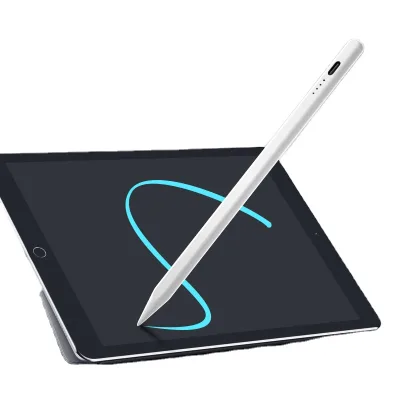
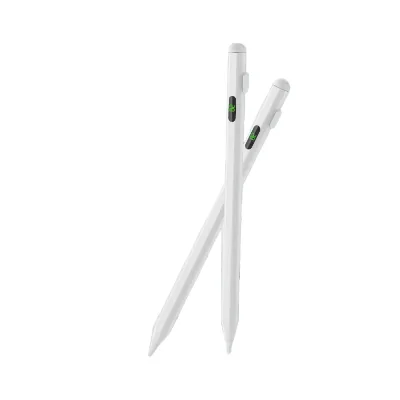
$4.50 - $6.00
MOQ: 10 pieces

Shenzhen Ainville Electronics Co.,Ltd.
- Verified by SGS
- Trading Company
- China Guangdong
- Lead time15 days
Main productsEarphone, Phone, Headphone, Wireless Earbud, Bluetooth Earphone, Mobile Phone Accessory, Bluetooth Headphone, Accessory, Mobile Phone Case, Rechargeable Battery
Main marketsSoutheast Asia/ Mideast,Europe,North America


$14.99 - $22.99
MOQ: 10 Pieces
Guangzhou Hao Second Trading Co., Ltd.
- Trading Company
- China Guangdong
- Lead time15 days
Main productsDesigner Clothings, Designer Sunglasses, Designer Shoes, Soccer Jersey, Soccer Shoes, Designer Watches, Designer Jewelry, Designer Belts, Mobile Phone & Accessories, Perfume
Main marketsSouth America,Eastern Europe,Mid East,North America,Southeast Asia,Eastern Asia,Oceania,Western Europe,Africa

Pad Accessories Universal Touch Screen Pencil Drawing Stylus Pencil Touch Pen
$0.68 - $6.32
MOQ: 1 Pieces

High Sensitive Tips Stylus Pencil Palm Rejection Tablet Touch Screen Energy Efficient Stylus Pen
$0.68 - $6.32
MOQ: 1 Pieces

Dongguan PSG Industry Co., Ltd.
- Verified by SGS Group
- Manufacturer, Trading Company
- Lead time7 days
- Avg. response≤ 3h
Main productsIpad Case, Tablet Case, Keyboard Cover
Main marketsEastern Asia(35%), Domestic Market(35%), North America(5%)

- Verified by TUVRHEINLAND
- Trading Company
- China Zhejiang
- Lead time15 days
Main productsLanyard, Promotional Gift, Baseball Cap, Bags, T-Shirt, Ceramic Mug, Sport Water Bottle, PU Toys
Main marketsEurope,Australia,North America

Mobile Phone Use Touch Screen Pen Stylus Pens, Promotional Gift Plastic Screentouch Pen
$0.30 - $0.40
MOQ: 5000 Pieces

Phone Holder Touch Screen Ballpoint Pen Multi-Function Promotional Plastic Stylus Pen
$0.09 - $0.10
MOQ: 5000 Pieces

$0.08 - $0.09
MOQ: 5000 Pieces

Touch Pen with Holder, Stylus Pen, Ballpoint Pen with Holder, Promotilal Gift Touch Ballpoint Pen
$0.25 - $0.30
MOQ: 3000 Pieces

Fuzhou Richforth Trade Co., Ltd.
- Verified by TUVRHEINLAND
- Trading Company
- China Fujian
- Lead time30 days
Main productsPromotional Gifts, Home Products, Garments and Accessories, Toys and Home Decorations, Outdoor and Sports Products, Electornics, Stress Relief, Bubble Head
Main marketsSouth America,Southeast Asia/ Mideast,Europe,North America

Promotional Stylus Pen with Logo 2 in 1 Rubber Tip Stylus Touch Pen with Ballpoint Pen
$0.17
MOQ: 10000 Pieces


Sunhokey Electronics Co., Ltd.
- Trading Company
- China Guangdong
- Lead time15 days
Main products3D Printer
Main marketsEurope,North America


High Precision Universal Screen Stylus Touch Pen Capacitive Pen for Mobile Phone and Tablet
$0.48 - $0.60
MOQ: 100 Pieces

Quanzhou Changyi Crafts Gifts Limited
- Verified by TUVRHEINLAND
- Manufacturer/Factory
- China Fujian
- Lead time23 days
Main productsBallpoint Pen, Silicone Bracelet, Name Card Holder, Luggage Tag, Gift Set, Mobile Phone Accessory, Passport Cover, Ceramic Coaster, Gift Bag, Gift Box
Main marketsSouth America,Mid East,North America,Southeast Asia,Eastern Asia,Oceania,Western Europe,Africa


Metal Stylus Ballpoint Pen with Logo Best Quality Stylus Touch Screen Pen
$0.24 - $0.27
MOQ: 500 Pieces

Fancy Pen with Stylus Logo Multifunction Pen for Mobile Phone Touch Screen
$0.17 - $0.21
MOQ: 500 Pieces
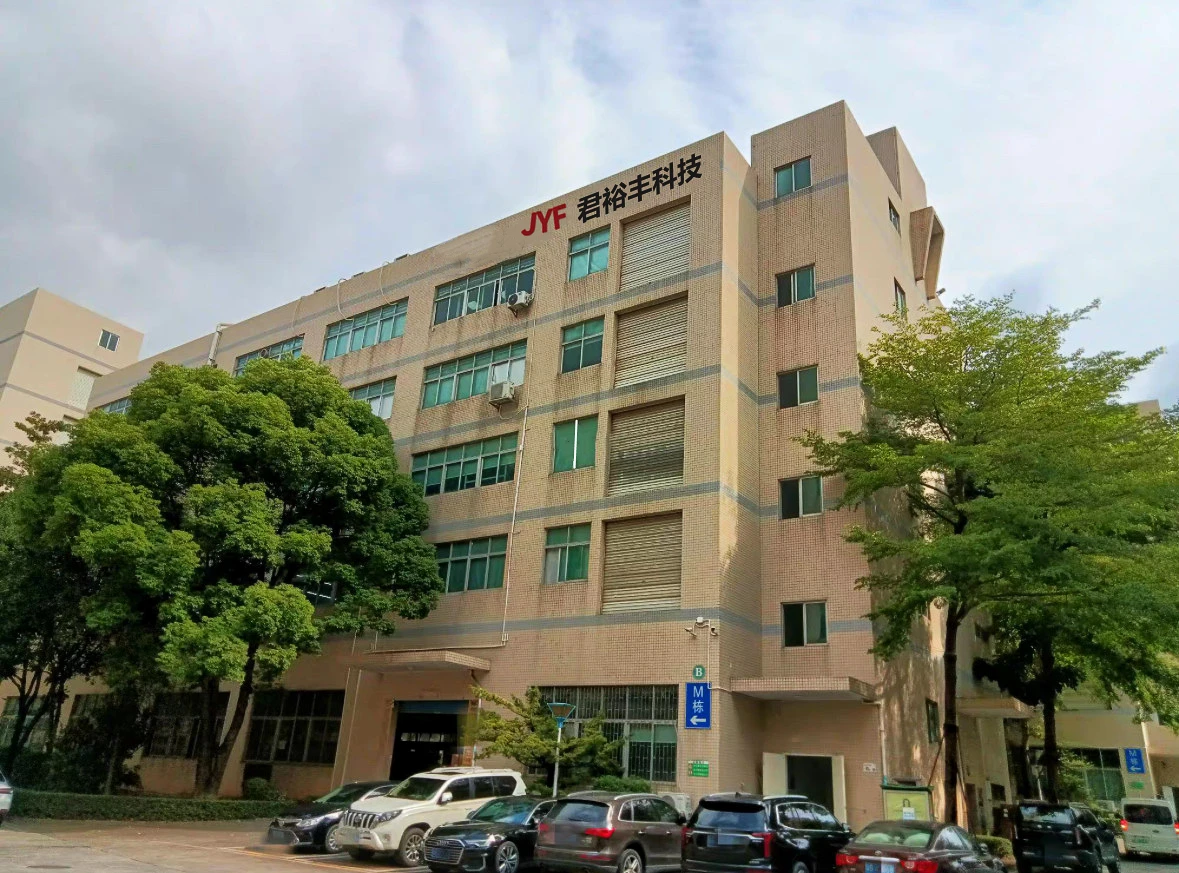
Shenzhen Jyf Technology Co., Ltd.
- Manufacturer, Trading Company, Distributor/Wholesaler
- Guangdong, China
- Lead time15 days
- Avg. response≤ 8h
Main productsSmart watch,Wireless Earphones,Power bank,Speaker,Adapters
Main marketsNorth America(25.00%), Southeast Asia(20.00%), Northern Europe(15.00%), South America(12.00%), Eastern Europe(10.00%), Western Europe(10.00%), Africa(6.00%), Mid East(2.00%)

Ningbo Hi-Tech Zone Sengfeng Imp. & Exp. Co., Ltd.
- Trading Company,Manufacturer/Factory
- China Zhejiang
- Lead time23 days
Main productsPen, Notebook, Ball Pen, Keychain, Shopping Bag, Promotional Gifts, Pen Box, Pen Set, Touch Screen Pen, Metal Pen
Main marketsEastern Europe,Mid East,North America,Southeast Asia

Guangzhou Kinglaiky Industrial Ltd.,
- Verified by TUVRHEINLAND
- Trading Company
- China Guangdong
- Lead time15 days
Main productsPromotional Gifts, Pen, Leather Product, Wallet, Keyring, Namecard Holder, Mouse Mat, Flask, Wristband, USB Pen Drive
Main marketsAfrica


Promotional Gift Multifunction Metallic Ballpoint Pen 2 in 1 Stylus Soft Touch Screen Pens
$0.16 - $0.25
MOQ: 100 Pieces

NINGBO SEVEN STAR STATIONERY & GIFT CO., LTD.
- Verified by SGS
- Trading Company
- China Zhejiang
- Lead time60 days
Main productsPen, Pencil, Box, Mug, Water Bottle, Stationery, Highlighter Pen, Permanet Marker
Main marketsSouth America

Ningbo Blue Bridge Import & Export Co.,Ltd
- Verified by TUVRHEINLAND
- Trading Company
- China Zhejiang
- Lead time15 days
Main productsBall Point Pen, Gel Pen, Ball Pen, Highlighter, Stylus Pen, Phone Holder Pen, Eco Friendly Pen, Table Pen, Pen Box, Banner Pen
Main marketsSouth America,Africa,Southeast Asia/ Mideast,Europe,Australia,North America


Pen Manufacturer Retractable Stylus for Touch Screens Metal Ball Points Pens
$0.25 - $0.26
MOQ: 5000 PC


Shenzhen Qidong Jiyuan Technology Co., Ltd.
- Manufacturer, Trading Company, Distributor/Wholesaler
- Guangdong, China
- Lead time2 days
- Avg. response≤ 4h
Main productsRobot vacuum cleaner,WIFI camera,smart home,heathy and sports,smart watches
Main marketsNorth America(35.00%), South America(21.00%), Western Europe(15.00%), Eastern Europe(5.00%), Eastern Asia(5.00%), South Asia(5.00%), Southern Europe(3.00%), Northern Europe(3.00%), Mid East(3.00%), Oceania(2.00%), Africa(2.00%), Southeast Asia(1.00%)

Nanchang Qunpeng Technology Development Co., Ltd.
- Verified by SGS
- Manufacturer/Factory
- China Jiangxi
- Lead time45 days
Main productsStationery, Metal Pen, Gift, Ball Pen, Pencil, Markers, Notebook, Art Material, Outdoor Products, Board
Main marketsSouth America,Eastern Europe,North America,Southeast Asia,Eastern Asia,Western Europe

Metal Stylish Stylus Pen Custom Soft Touch Screens 2 in 1 Ballpoint Pen with Logo
$0.15 - $0.25
MOQ: 1000 Pieces

$0.04 - $0.14
MOQ: 1000 Pieces

Wenzhou Gangtong Stationery & Crafts Co., Ltd.
- Manufacturer, Trading Company
- Zhejiang, China
- Lead time30 days
- Avg. response≤ 6h
Main productsStationery & Office Supplies,Ring Binder,Clipboard Folder,Portfolio,Card Holder
Main marketsSouth Asia(100.00%), Central America(100.00%), North America(52.00%), Western Europe(20.00%), Domestic Market(10.00%), South America(8.00%), Northern Europe(2.00%), Mid East(2.00%), Africa(1.00%), Oceania(1.00%), Eastern Asia(1.00%), Southern Europe(1.00%), Southeast Asia(1.00%), Eastern Europe(1.00%)

Ningbo Becol Stationery & Gifts Co., Ltd.
- Verified by BV
- Trading Company
- China Zhejiang
- Lead time23 days
Main productsPromotion Pen, Ball Pen, Marker Pen, Highlighter, Gel Pen, Cutter Knife, File Folder, Stapler, Scissor, Stamp
Main marketsSouth America,Africa,Southeast Asia/ Mideast,East Asia(Japan/ South Korea),Europe,Australia,North America

NINGBO WILSHINE STATIONERY CO., LTD.
- Trading Company
- China Zhejiang
- Lead time30 days
Main productsBall Pen, Pencils, Paper Products, Notebook, Note Pad, Eraser, School Bag, Measuring Tape, Roller Ball Pen, Sticky Note
Main marketsSoutheast Asia/ Mideast,Europe,North America


Rubberized Aluminum Stylus Touch Ballpen for Promotional Logo Engraving
$0.32 - $0.36
MOQ: 3000 Pieces

- Trading Company,Manufacturer/Factory
- China Zhejiang
- Lead time23 days
Main productsPVC Inflatable Toys, Drawstring Bags, Bike Accessories, Perfume Bottles, Hats/Caps, Sports & Fitness Products, Packaging & Printing, Office Supplies, Lighting Products, Bags
Main marketsSouth America,Eastern Europe,Mid East,North America,Oceania,Western Europe,Africa


$0.40 - $0.50
MOQ: 1000 Pieces
Huizhou Huaxi Technology Co., Ltd.
- Verified by SGS
- Trading Company
- China Guangdong
- Lead time15 days
Main marketsEurope

Ningbo Rainma Stationery Co., Limited.
- Verified by TUVRHEINLAND
- Trading Company,Manufacturer/Factory,Other
- China Zhejiang
- Lead time23 days
Main productsPaper Notebook and Note Pad, School Stationery, Art Pigments, Ball Pen, Paint Canvas and Canvas Board, Office Stationery, Promotion Gift Stationery, Eraser and Ruler, Marker & Highlighter, Cutter Knife
Main marketsSouth America,Eastern Europe,Mid East,North America,Southeast Asia,Eastern Asia,Oceania,Western Europe,Africa

Silver Colorful with Logo Multifunction Mphone Holder Stylus Touch Ballpoint Pen
$0.06 - $0.15
MOQ: 5000 Pieces


Metal Ballpen for Smart Phone Soft Stylus with Logo 2 in 1 Touch Screen Ballpoint Pen
$0.18 - $0.27
MOQ: 2000 Pieces
Shenzhen Hoozo Electronics Co., Ltd.
- Verified by Intertek
- Manufacturer, Trading Company
- Lead time30 days
- Avg. response≤ 2h
Main productsTablet, Mobile Tablet, Digital Photo Frame
Shenzhen Keysco Technology Co., Ltd.
- Verified by Intertek
- Manufacturer, Trading Company
- Lead time15 days
- Avg. response≤ 3h
Main productsMagic Keyboard, Keyboard Case, Bluetooth Keyboard, Tablet Case, Stylus Pen
Main marketsMid East(25%), Eastern Asia(20%), North America(20%)
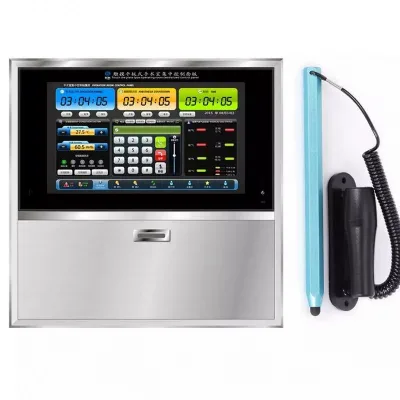
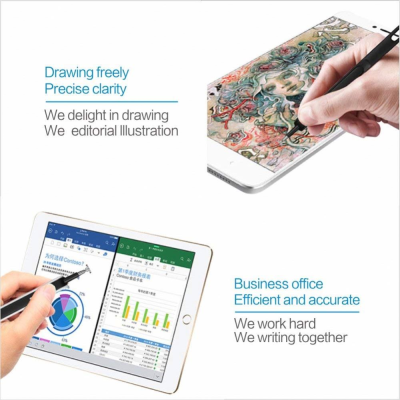
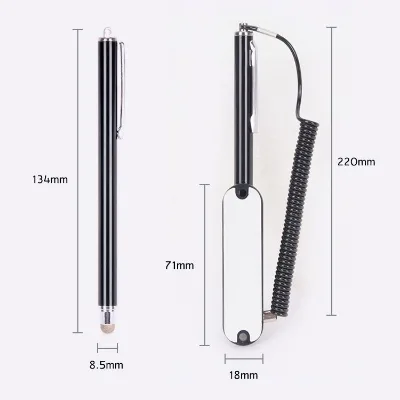
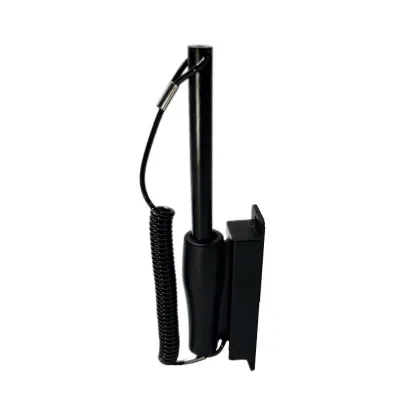
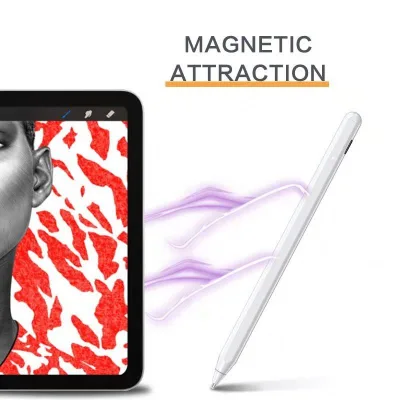
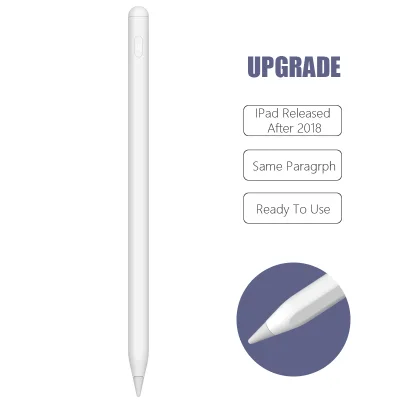
2022 Hot Selling Active Stylus Digital Pen Wholesale Price Made of Metal and Plastic
$2.45 - $3.45
MOQ: 10 pieces
Shenzhen Jimijie Technology Co., Ltd.
- Verified by Intertek
- Trading Company
- Lead time7 days
- Avg. response≤ 3h
Main productsMobile Phone Holders, Watch Bands, Mobile Phone Cases, Chargers & Adapters, Smart Watch Cases
Main marketsSouth America(30%), North America(25%), Western Europe(15%)
Shenzhen Xinfan Technology Co., Ltd.
- Verified by SGS
- Trading Company
- China Guangdong
- Lead time15 days
Main productsBluetooth Headphones, Charger, Cable, Power Bank, Bluetooth Speaker
Main marketsEurope,North America

Guangzhou Mangou Arts and Crafts Co., Ltd.
- Verified by SGS
- Manufacturer/Factory
- China Guangdong
- Lead time15 days
Main productsLanyards, Rubber Keychains / Soft PVC Keyring, Mouse Pads, Canvas Bags, Silicone Bracelets / Fabric Bracelets, Advertising Flags, Drawstring Bags, Car Paper Air Freshener, Caps / Hats, Ballpoint Pens
Main marketsSouth America,Eastern Europe,Mid East,North America,Southeast Asia,Eastern Asia,Oceania,Western Europe,Africa

High Quality Multifunction 2 in 1 Stylus Soft Touch Screen Pen with Custom Logo Metal Ballpoint Pens
$0.19 - $0.30
MOQ: 200 Pieces

Mobile and Tablet Universal Touch Screen Pen Ballpoint Pen Dual-Purpose Touch Handwriting Pen
$0.19 - $0.30
MOQ: 200 Pieces

$0.19 - $0.30
MOQ: 200 Pieces

OEM Custom Logo Ballpoint Pen Promotion2 in 1 Stylus Touch Pen and Notebook Pen 1.0mm
$0.19 - $0.30
MOQ: 200 Pieces

$0.19 - $0.30
MOQ: 200 Pieces








Comprehensive Sourcing Guide
Touch Stylus Pen Supplier Concentration and Factory Types
When sourcing touch stylus pens, understanding supplier concentration starts with the listing data visible on each profile rather than assumptions about where these goods are made. In the current results, suppliers consistently identify Zhejiang, China as their operating location, which signals a genuine regional cluster for this product category. Note the difference between company types: some are labeled Trading Company while others combine Manufacturer and Trading Company roles. A trading company aggregates output from nearby factories and may offer broader product ranges—promotional pens, stationery, stainless steel mugs, USB flash drives—while a manufacturer-trader often lists pen components, mechanical pencils, and lipstick tubes alongside styluses, suggesting in-house tooling. Neither label is inherently better; each affects pricing layers, customization control, and communication paths.
To identify clusters when location data is missing or vague, examine patterns across listings: repeated place-of-origin statements on product attribute tables, consistent packing formats, and overlapping product keywords such as ballpoint pen, writing instruments, and promotional gift. These signals suggest suppliers who source from a shared production ecosystem, even if the factory itself is unnamed. For a Touch Stylus Pen buyer, cluster awareness matters because it shortens sample cycles, enables combining orders for multiple pen models in one shipment, and increases the number of nearby alternates if a primary supplier stalls. Treat location claims as a starting hypothesis: confirm the actual production address during inquiry and verify whether the listed region reflects the factory or only the sales office.
How to Verify Touch Stylus Pen Suppliers
Verification begins with the credentials a supplier chooses to display and ends with what you can independently confirm. In the current results, one supplier shows a BV verification badge, meaning a third-party inspection body has assessed the business. That is meaningful evidence, but it is not universal: not every supplier on the page displays the same credential, so treat verification as a per-supplier check rather than a category-wide guarantee. Cross-reference the company type label against what you need—if you require factory-direct customization of logo printing, ask directly whether logo application happens in-house or at a subcontractor, because trading companies commonly outsource printing even on promotional pen listings where customization is marked "Available."
Second, verify through product-level evidence. Listings in this category include specific attribute tables—material (plastic or metal), refill color, twist or retractable type, model numbers, packing configurations, and HS codes. A supplier whose listings show consistent, detailed attributes is easier to audit than one with sparse pages. Request the exact model referenced in the listing, ask for a sample matching the stated lead time (one listing shows 25–30 days production with 5–10 days for samples), and confirm whether the sample matches the displayed attributes. Also confirm the entity behind the bank account matches the verified company name, ask for a business license copy, and for manufacturer claims, request photos or a video call showing production of the specific stylus model rather than generic pen lines.
What to Compare Across Touch Stylus Pen Suppliers
Build a comparison sheet from attributes suppliers actually display. Useful dimensions in this category include: lead time (one profile lists 30 days, another 15), stated response time (one supplier shows a 5-hour figure), MOQ (listings range from as low as 100 pieces to 1,000 and even 30,000 pieces depending on the model), price bands (from roughly $0.06 to over $2.00 per unit across different stylus types), location, company type, and verification status. Recording these per supplier converts browsing into a decision table. Do not assume a supplier who displays one attribute—say, a fast response time—also performs well on the others; each dimension must be captured independently.
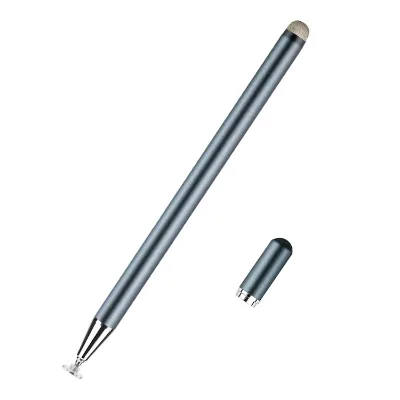
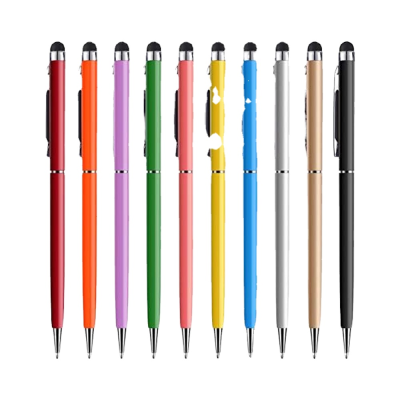
Beyond displayed numbers, compare what the product listings reveal about specialization. One supplier's main products center on promotional pens, gifts, and stationery; another's cover stylus pens, mechanical pencils, pen parts, and cosmetic containers—indicating different tooling and quality priorities. Compare functional attributes across models: two-in-one stylus-and-write functionality, compatible devices (universal tablet and phone claims), replaceable nibs, active capacitive types, metal versus plastic bodies, and available colors. Also compare packaging specifications (pieces per inner box and per carton) since this affects freight cost and retail readiness, and shipping options offered (express couriers versus post). Finally, compare customization depth: some listings state logo printing is included, others state it is not, which changes unit cost and minimum order logic. Score each supplier on the same axes before requesting quotes.
Common Touch Stylus Pen Sourcing Risks
The most frequent risk in this category is attribute drift between the listing and the delivered goods. A listing may state plastic construction, black refill, twist-action mechanism, and specific packing (for example, one piece per OPP bag, fifty per inner box, one thousand per carton), yet the shipped batch can differ in material grade, nib quality, or packaging. Mitigate this by approving a golden sample, photographing it, and referencing the model number and attribute table in the purchase contract. Second is lead-time risk: displayed lead times range widely (15 days to 30 days, with samples at 5–10 days), and promotional-season demand can extend both. Confirm production capacity before committing to date-sensitive campaigns.
Third is pricing opacity. Unit prices spanning roughly $0.06 to $2.33 across listings reflect very different constructions—disposable plastic logo pens versus metal retractable styluses—so a cheap quote for the wrong specification is not a bargain. Insist quotes reference the exact model number. Fourth is order-quantity mismatch: MOQs in this category range from 100 pieces to 30,000 pieces, and buyers sometimes accept a high-MOQ listing without confirming warehouse capacity or cash flow. Fifth is quality-control coverage: disposable, low-unit-value goods invite corner-cutting, so define acceptable defect rates and inspection points (pre-production, during production, pre-shipment) in writing. Finally, beware of conflating trading companies with manufacturers; a mid-chain markup or an undocumented subcontracted printing step can surface as quality or IP issues later. Document every agreed attribute before deposit.
Touch Stylus Pen Regional Sourcing and Logistics
The confirmed regional picture in the current results points to Zhejiang, China, with product attribute tables explicitly stating place of origin as Zhejiang, China (Mainland). This concentration matters for logistics planning: suppliers within one province can often consolidate multiple pen models—highlighter styluses, metal-clip styluses, keyring touch pens—into a single shipment, reducing freight fragmentation. When evaluating suppliers, ask whether their origin claim reflects the production site or a sales office; if you later diversify to suppliers in other regions, verify each new location the same way rather than assuming the cluster extends automatically.
On logistics mechanics, the displayed data shows two useful patterns. One listing specifies shipping via EMS, FedEx, UPS, DHL, and post, giving buyers a choice between speed and cost; another states a 15-day lead time while others show 25–30 days, so total door-to-door time must be calculated as lead time plus transit plus customs clearance. Packaging details also drive freight economics: stated carton quantities (such as 1,000 pieces per carton) and single gross weights (one listing shows 0.030 kg per unit) let you estimate volumetric versus actual weight charges. For small trial orders, express couriers or post may be economical despite higher per-unit freight; for bulk production, sea freight from a Zhejiang-adjacent port typically applies—confirm which port the supplier ships from and whether export documentation is handled by them or your forwarder. Always confirm Incoterms in writing before booking.
Touch Stylus Pen Commercial Terms and Order Planning
Commercial terms in this category should be negotiated against the displayed baselines. Payment methods referenced in the listings include Trade Assurance, Western Union, and T/T; escrow-style protection matters most on first orders, so favor structures where funds release after confirmed shipment or inspection rather than full prepayment to an unverified entity. Price bands matter too: with listings from about $0.06 to $2.33 per unit, small specification changes (plastic to metal body, added logo printing, replaceable nibs) shift unit costs significantly, so request itemized quotes that separate product cost, printing cost, and packaging cost. Never accept a single blended figure.
Order planning should sequence around displayed lead times and MOQs. A supplier showing a 15-day lead time and a 30,000-piece MOQ suits bulk replenishment; another with 25–30 days production, 5–10 day samples, and MOQs from 100 pieces on some models suits testing and promotional pilots. Plan a three-stage ramp: a small sample run to validate attributes (material, refill color, twist mechanism, stylus function on universal tablet and phone), a mid-size production run with third-party inspection, then scaled reorders using the approved model numbers. Confirm packing configurations in the contract—one piece per OPP bag with stated inner box and carton counts—because retail-ready packaging changes labor and freight costs. Finally, align reorder timing with promotional calendars and add buffer for peak-season delays, and keep at least one alternate supplier qualified with the same specification in case your primary source cannot meet a surge order.
FAQs
What is the typical MOQ for custom touch stylus pens?
Minimum order quantities vary widely by model and customization level. Listings on this page show MOQs ranging from 100 pieces for some stylus models to 2,000 pieces for logo-printed plastic pens, and up to 30,000 pieces for certain metal touch screen stylus models. Always confirm the exact MOQ for your chosen design, color, and logo option before requesting a quotation.
How long does production take for Touch Stylus Pen orders?
Lead times on this page range from about 15 to 30 days depending on the supplier and product. One listing specifies 25-30 days for logo-printed highlighter stylus pens, while another supplier lists a 15-day lead time. Sample production is faster, with one listing quoting 5-10 days for samples. Confirm timing in writing before placing your order.
Can I get my logo printed on stylus pens?
Yes, customization is marked as available across the stylus pen listings on this page, and several products are classified as logo pens with logo printing supported. Some models are listed without logo printing by default, so check each product's attributes. Provide artwork early, since printed orders usually follow the longer 25-30 day production lead times rather than sample timelines.
What materials are touch stylus pens usually made from?
The listings on this page show both plastic and metal constructions. Plastic models include disposable 3-in-1 highlighter stylus pens with black refills, while metal options include twist-action stylus pens with metal clips and two-headed touch screen stylus pens with replaceable nibs. Material choice affects price, durability, and print quality, so request samples of both types before committing to volume.
How much do wholesale stylus pens cost per unit?
Prices on this page range from roughly $0.06 to $2.33 per piece depending on the model and quantity. Simple plastic logo pens sit at the low end, metal twist stylus pens fall in the mid-range around $0.15-$0.16, and multi-function or active capacitive models reach higher price points. Exact pricing depends on order quantity, customization, and current material costs.
Where are the stylus pen suppliers on this page located?
The suppliers featured here are based in Zhejiang, China, which is a well-known hub for writing instruments and promotional stationery manufacturing. Many listing attributes also state the place of origin as Zhejiang, China (Mainland). Zhejiang's concentrated supply chain for pens, pen parts, and promotional gifts supports competitive pricing and a broad range of stylus pen models.
What certifications or standards should I check when sourcing stylus pens?
One listing on this page references CE as a product standard, which relates to safety compliance for goods sold in the European Union. Do not rely on a single mention, however. Ask each supplier for current, verifiable certificates covering the exact model you plan to order, confirm non-toxic ink claims in writing, and verify that certification scope matches your destination market.
How quickly do stylus pen suppliers typically respond to inquiries?
Response speed varies by supplier. One supplier on this page lists an average response time of 5 hours, which is useful when you need quick quotations or sample discussions. Other suppliers do not publish a response time, so include a deadline in your first inquiry. Fast responses during sampling often predict smoother communication during bulk production and shipping.