Modern Adjustable Hair Cutting Stool Suppliers and Manufacturers
Explore 26 verified options for Modern Adjustable Hair Cutting Stool from manufacturers and trading companies. Compare response times, lead times, certifications, and supply capabilities to find the right partner. Review product details and request quotes directly; review the available evidence before requesting comparable quotations from suitable candidates.
Updated
Suppliers List
Foshan Fanjie Furniture Co., Ltd.
- Verified by SGS Group
- Manufacturer, Trading Company
- Lead time25 days
- Avg. response≤ 2h
Main productsBarber Chair, Pedicure Chair, Shampoo Bed, Master Stools, Beauty Bed
Main marketsWestern Europe(25%), North America(20%), South Asia(15%)
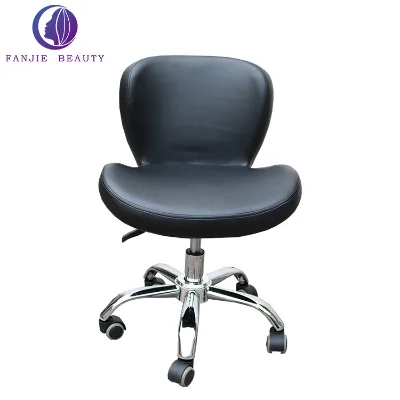
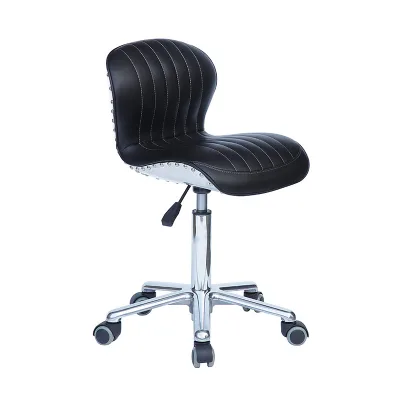
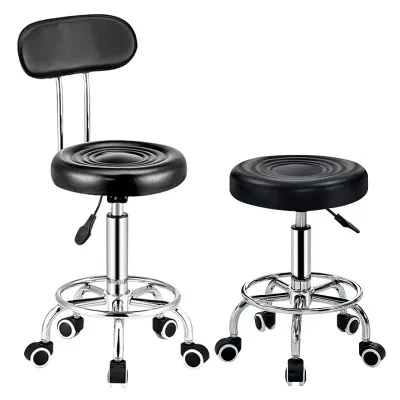
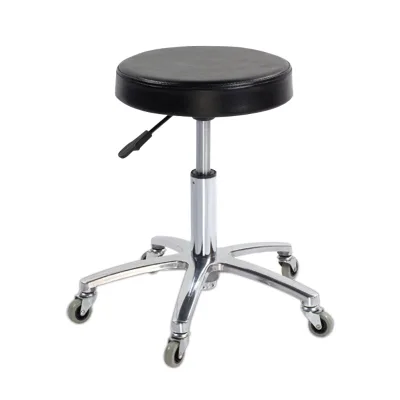
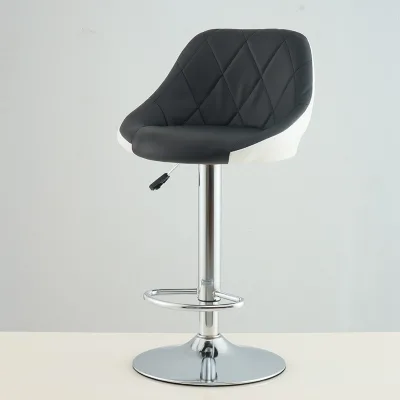
New Arrival Black Beauty Salon Adjustable Stool Popular Style Leather Adjustable Salon Stool
$29.7963 - $32.8786
MOQ: 10 pieces
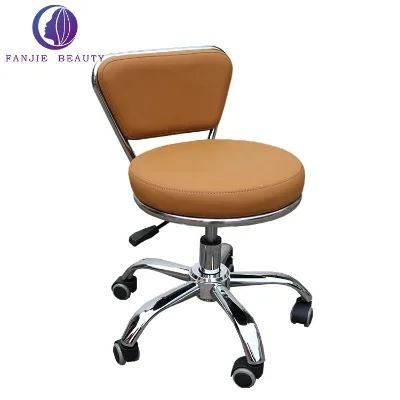

Henan Eminent Medical Devices Co., Ltd.
- Verified by TUVRHEINLAND
- Manufacturer/Factory
- China Henan
- Lead time23 days
- Avg. response≤ 3h
Main productsBarber Chair, Shampoo Chair/Bed, Massage Table, Nursing Bed/Hospital Bed, Medical Brace, Mirror Salon Station, Commder Chair, Bath Chair, Nail Table Desk, Wheelchair
Main marketsSouth America,Eastern Europe,Mid East,North America,Southeast Asia,Eastern Asia,Oceania,Western Europe,Africa

Adjustable Rotating Haircut Chair Beauty Stool for Barber Shop and Hair Salon
$70.00 - $95.00
MOQ: 10 Pieces

Simple Adjustable Rotating Haircut Chair Beauty Stool for Barber Shop and Hair Salon
$65.00 - $85.00
MOQ: 10 Pieces


Modern Hair Salon Barber Shop Height Adjustable Hairdressing Barber Chair
$65.00 - $90.00
MOQ: 5 Pieces

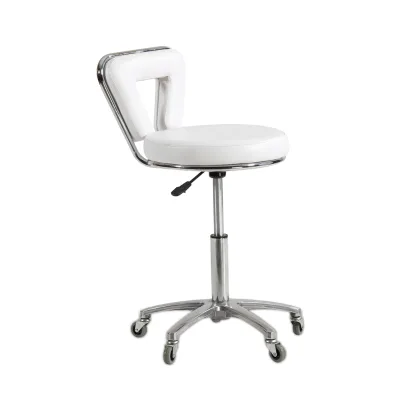
Factory Manufacture Classic Salon Stool with Backrest Swivel Salon Stool Chairs
$40.00 - $46.00
MOQ: 5 Pieces

Modern Adjustable Beauty Chair Salon Styling Chair Beauty Salon Hair Salon Chair
$95.00 - $110.00
MOQ: 2 Pieces
Foshan Fengsheng Furniture Co., Ltd.
- Verified by TüVRheinland
- Trading Company
- Lead time20 days
- Avg. response≤ 2h
Main productsBarber Chair, Shampoo Chair, Beauty Massage Beds, Styling Chair, Mirrors
Main marketsNorth America(36%), South America(30%), Eastern Europe(10%)
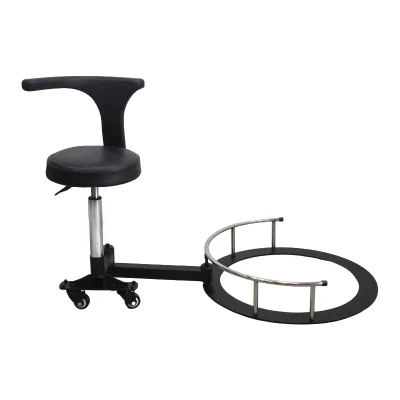
$90.0925 - $100.5685
MOQ: 10 pieces
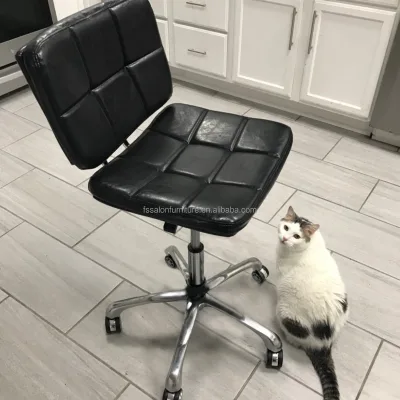
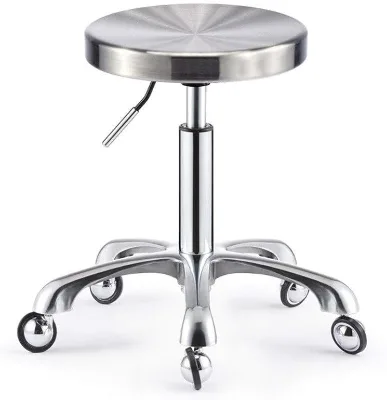
$20.4191 - $40.0163
MOQ: 10 pieces
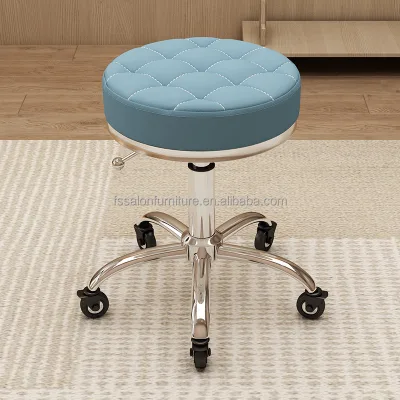
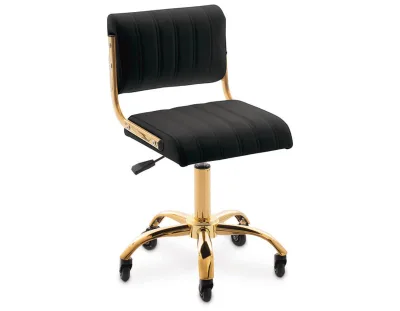

Guangzhou Fenghe Industry Co., Ltd.
- Verified by SGS
- Combined
- China Guangdong
- Lead time15 days
- Avg. response≤ 5h
Main productsSalon Trolley, Portable Shampoo Basin, Hair Extension Trolley, Hairdryer Stand.
Main marketsSouth America,Africa,Southeast Asia/ Mideast,East Asia(Japan/ South Korea),Domestic,Europe,Australia,North America

Customized Nail Beauty Salon Stool Adjustable Master Chair Barber Shop Stool
$21.45 - $28.00
MOQ: 5 Pieces


Ningbo You Rich Salon Furniture Co., Ltd.
- Verified by SGS Group
- Manufacturer, Trading Company
- Lead time15 days
- Avg. response≤ 3h
Main productsBarber Chairs, Massage Tables, Massage Beds
Main marketsNorth America(30%), South America(30%), Eastern Europe(10%)

Hangzhou Mingchen Furniture Co., Ltd.
- Manufacturer/Factory
- China Zhejiang
- Lead time23 days
- Avg. response≤ 8h
Main productsBarber Chair, Folding Massage Table, Portable Massage Chair, Gaming Chair, Bar Stool, Round Stool, Saddle Stool
Main marketsSouth America,Eastern Europe,Mid East,North America,Southeast Asia,Oceania,Western Europe
- Manufacturer, Trading Company
- Guangdong, China
- Lead time35 days
- Avg. response≤ 2h
Main productsStyling Chair, Barber Chair, Shampoo Chair, Shampoo Bed, Salon Mirror Station
Main marketsWestern Europe(20.00%), North America(10.00%), South America(10.00%), Oceania(10.00%), Southern Europe(10.00%), Central America(10.00%), Northern Europe(10.00%), Eastern Europe(10.00%), South Asia(2.00%), Eastern Asia(2.00%), Africa(2.00%), Mid East(2.00%), Southeast Asia(2.00%)
- Verified by SGS Group
- Trading Company
- Lead time0 days
- Avg. response≤ 8h
Main productsFacial Bed, Barber Chair, Salon Mirror, Salon Trolley, Manicure Table
Main marketsNorth America(30%), Africa(30%), South Asia(20%)
Maoming Beaty Trading Co., LTD
- Trading Company
- Guangdong, China
- Lead time3 days
- Avg. response≤ 1h
Main productsShampoo Bed,Beauty Bed,Pedicure Chair,Dental Chair,Nail Tables
Main marketsNorth America(80.00%), Western Europe(10.00%), Eastern Europe(5.00%), Africa(5.00%)
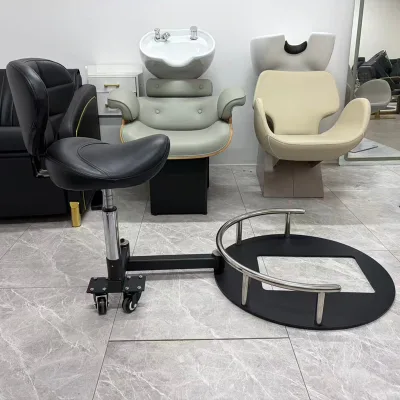
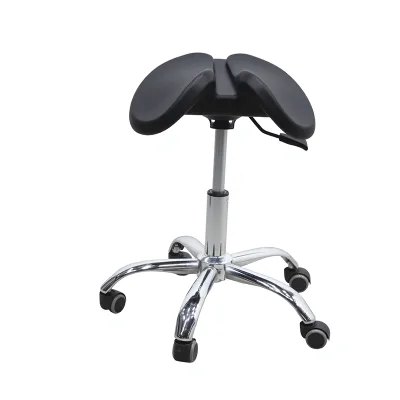
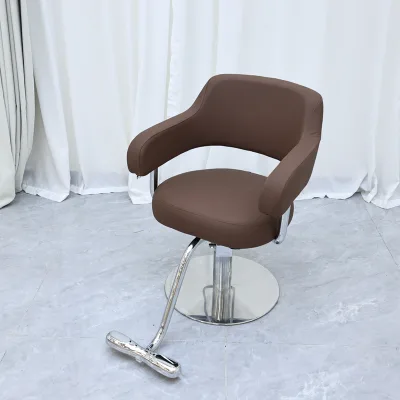
$97.1718 - $114.8394
MOQ: 5 pieces
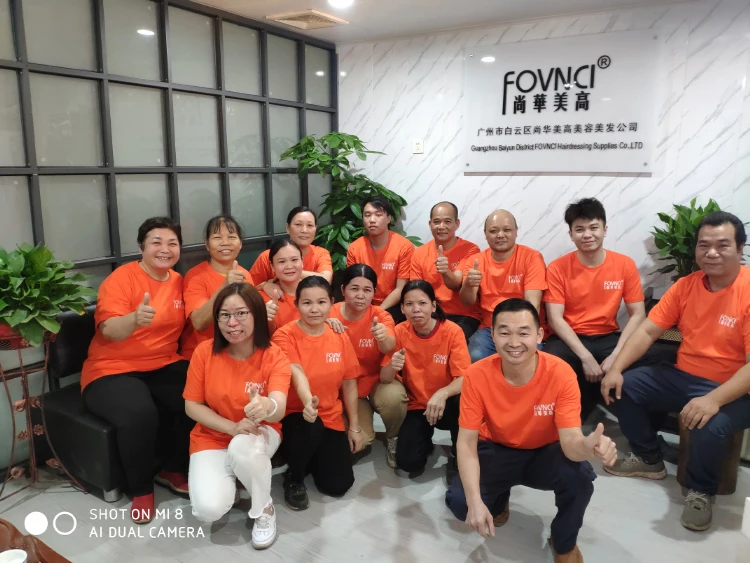
Foshan Aimeigao Hairdressing Equipment Co., Ltd.
- Manufacturer, Trading Company, Distributor/Wholesaler
- Guangdong, China
- Lead time0 days
- Avg. response≤ 8h
Main productsbarber chair,barber pole,salon trolley,shampoo chair,salon mirror
Main marketsNorth America(30.00%), Eastern Europe(15.00%), Eastern Asia(10.00%), South Asia(5.00%), Southern Europe(5.00%), Northern Europe(5.00%), Central America(5.00%), Western Europe(5.00%), South America(5.00%), Mid East(5.00%), Africa(5.00%), Southeast Asia(5.00%)
Foshan Antlu Furniture Co., Ltd.
- Verified by SGS Group
- Trading Company
- Lead time20 days
- Avg. response≤ 9h
Main productsBarber Chair Frame, Salon Chair Parts, Shampoo Chair Parts, Hydraulic Pump, Barber Chair Base
Main marketsSouth America(50%), Southeast Asia(30%), Western Europe(20%)
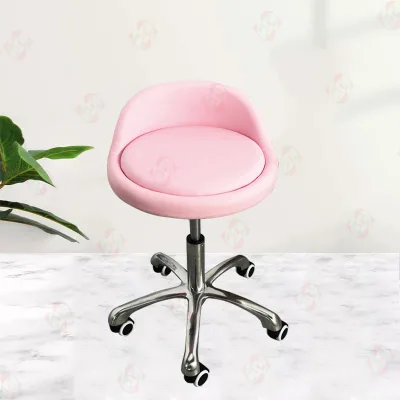
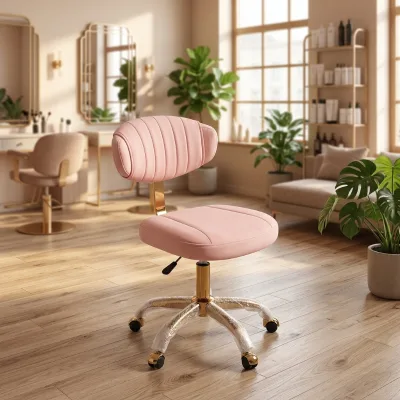
Pink Round Rolling Saloon Stool Height Adjustable Swivel Salon Stool for Beauty Salon
$13.00 - $21.00
MOQ: 40
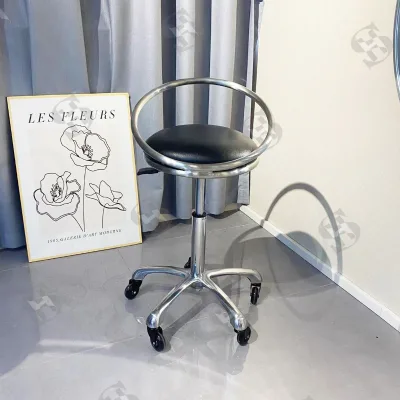
Height Adjustable PU Leather Salon Barber Shop Spa Massage Office Stool Chair
$27.9924 - $31.1017
MOQ: 10 pieces

TIANJIN CHRCASE FURNITURE TECHNOLOGY DEVELOPMENT CO., LTD.
- Verified by SGS
- Trading Company
- China Tianjin
- Lead time15 days
- Avg. response≤ 6h
Main productsOffice Chair, Gaming Chairs, Chair Accessories, Dining Chair, Coffee Chair, Plastic Chair, Bar Chair, Hardware Products, Furniture Spare Parts
Main marketsAfrica,Europe
Hengshui Jiaxuan Qianxing Trading Co., Ltd.
- Verified by Intertek
- Trading Company
- Lead time10 days
- Avg. response≤ 1h
Main productsBarber Chairs, Bar Chairs, Dining Chairs, Restaurant Sets, Outdoor Tables
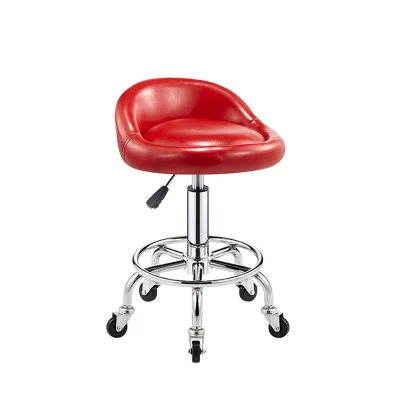
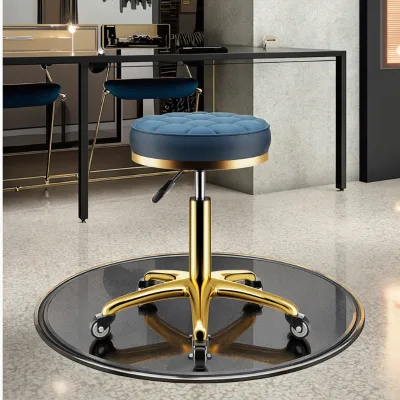
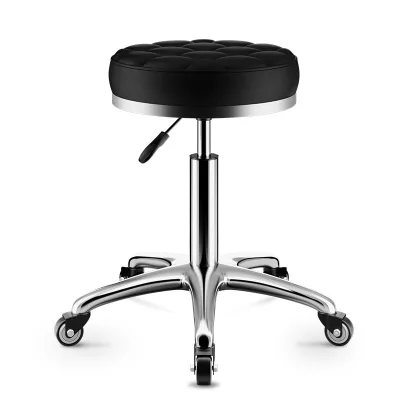
$15.00 - $17.00
MOQ: 2 Minimum
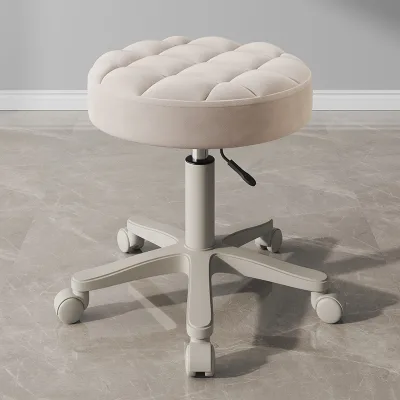

Hebei Ximu Furniture Sales Co., Ltd.
- Verified by TUVRHEINLAND
- Trading Company,Manufacturer/Factory
- China Guangdong
- Lead time45 days
- Avg. response≤ 3h
Main productsFurniture, Home Furniture, Living Room Furniture., Ding Room Furniture, Bed Room Furniture, Coffee Table, TV Stand, Dining Table, Chairs, Bath Room Furniture
Main marketsSouth America,Eastern Europe,North America,Southeast Asia,Western Europe

Dongpin Beauty & Medical Co., Ltd.
- Combined
- China Guangdong
- Lead time45 days
- Avg. response≤ 8h
Main productsBeauty Bed, Massage Bed, Barber Chair, Manicure Table, Pedicure Chairs, Pedicure Chair, Treatment Table, Salon Torlley
Main marketsSoutheast Asia/ Mideast,Europe,North America
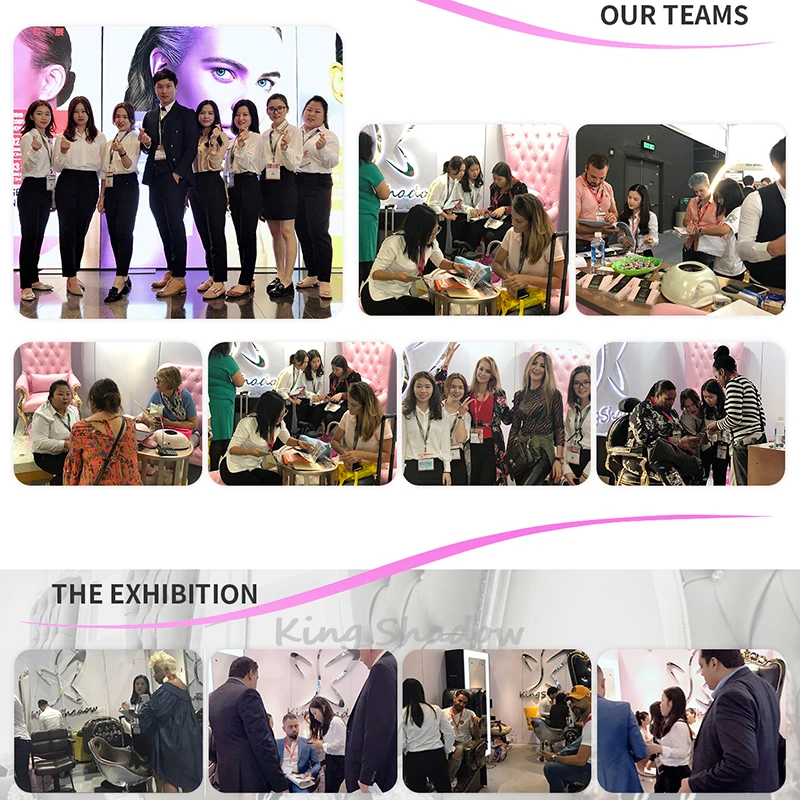
Guangzhou Insun Outdoor Furniture Co., Ltd.
- Manufacturer, Trading Company
- Guangdong, China
- Lead time30 days
- Avg. response≤ 7h
Main productsPedicur Chair,Nail Table,Nail Chair,Beauty Bed,Massage Table
Main marketsNorth America(58.00%), Eastern Europe(8.00%), Western Europe(5.00%), Northern Europe(5.00%), Central America(5.00%), South America(5.00%), Southern Europe(3.00%), South Asia(3.00%), Domestic Market(2.00%), Oceania(2.00%), Eastern Asia(2.00%), Mid East(1.00%), Southeast Asia(1.00%)
Wenling Hongli Barber &beauty Co., Ltd.
- Manufacturer, Trading Company
- Zhejiang, China
- Lead time25 days
- Avg. response≤ 5h
Main productsBarber Chair; Shampoo Unit; Styling Chair; Reclining Salon Chair; Barber Stool
Main marketsNorth America(30.00%), Southern Europe(25.00%), Western Europe(10.00%), Northern Europe(7.00%), Eastern Europe(6.00%), Central America(6.00%), Oceania(5.00%), Southeast Asia(5.00%), Domestic Market(1.00%), South Asia(1.00%), Eastern Asia(1.00%), South America(1.00%), Africa(1.00%), Mid East(1.00%)
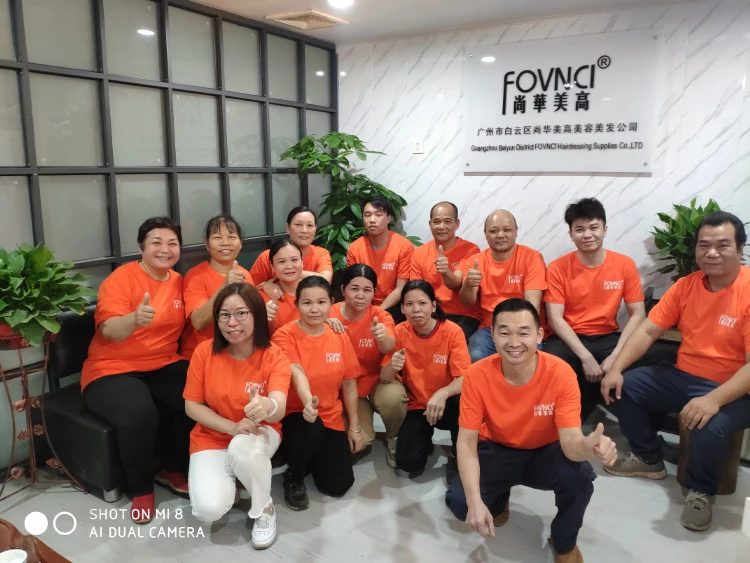
Guangzhou Baiyun Sanyuanli Fovnci Hairdressing Supplies Shop
- Manufacturer
- Guangdong, China
- Lead time10 days
- Avg. response≤ 14h
Main productsHairdressing of car,Beauty car,Turn lights,Barber pole,Barber chair
Main marketsSoutheast Asia(30.00%), Africa(20.00%), South Asia(8.00%), Mid East(5.00%), North America(5.00%), Oceania(2.00%), Eastern Asia(2.00%)
- Manufacturer, Trading Company
- Zhejiang, China
- Lead time7 days
- Avg. response≤ 2h
Main productsPlastic Storage Organizer,Kitchen Rack,Shoe Rack,Makeup vanity,Color Grabber
Main marketsNorth America(20.00%), Domestic Market(10.00%), Eastern Europe(10.00%), South America(10.00%), Northern Europe(8.00%), Southern Europe(8.00%), Western Europe(8.00%), Southeast Asia(5.00%), Central America(5.00%), Africa(5.00%), Eastern Asia(5.00%), Mid East(2.00%), South Asia(2.00%), Oceania(2.00%)
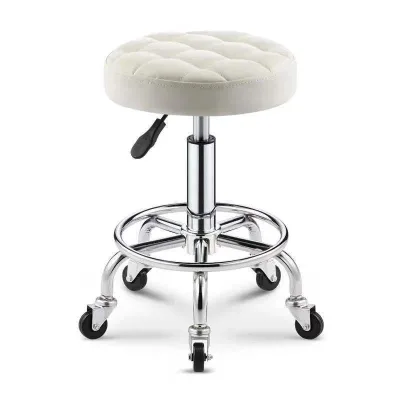
$9.4865 - $10.3158
MOQ: 100 pieces
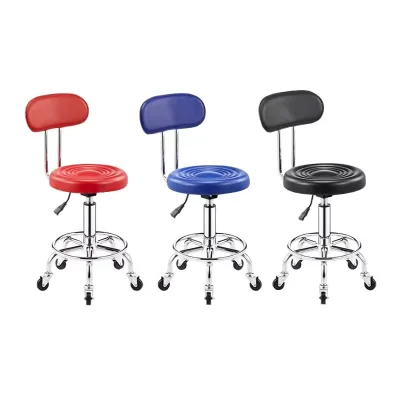
$6.7634 - $7.3787
MOQ: 100 pieces
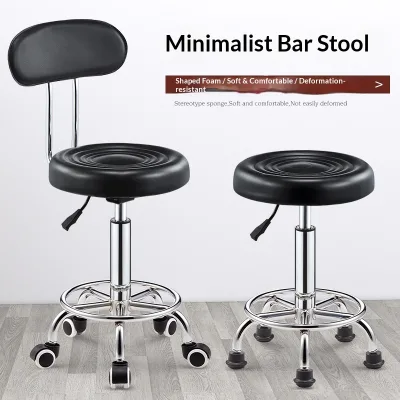

Zhongshan Chaoyang Medical Technology Co., Ltd.
- Verified by CTI
- Manufacturer/Factory
- China Guangdong
- Lead time23 days
- Avg. response≤ 3h
Main productsTreatment Table, Oxygen Concentrator, Tilt Table, Traction Table, Hospital Bed, Operation Table, Medical Trolley, Baby Cot, Gynecology Bed, Stainless Steel Product
Main marketsSouth America,Eastern Europe,Mid East,North America,Southeast Asia,Eastern Asia,Oceania,Western Europe,Africa
Quanzhou Conris Electronic Technology Co., Ltd.
- Verified by Intertek
- Trading Company
- Lead time旺季: "1 - 25":15,"26 - 50":25,"51 - 100":35,"> 100":"To be negotiated", 淡季: "1 - 25":15,"26 - 50":25,"51 - 100":35,"> 100":"To be negotiated"
- Avg. response≤ 3h
Main productsBeauty Bed, Shampoo Bed, Massage Chair, Fitness Equipment, Pedicure Chair
Foshan Bomacy Beauty Equipment Co., Ltd.
- Verified by TüVRheinland
- Manufacturer, Trading Company
- Lead time20 days
- Avg. response≤ 4h
Main productsPedicure Chair, Nail Manicure Table, Customer Chair, Technician Chair, Other Nail Salon Products
Main marketsNorth America(55%), South America(15%), Mid East(10%)
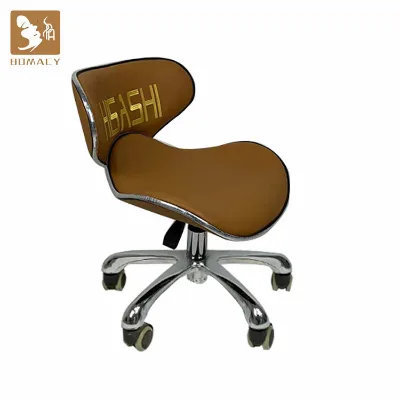
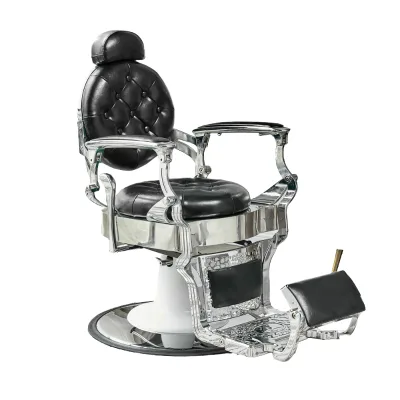
$500.00 - $690.00
MOQ: 1 pieces
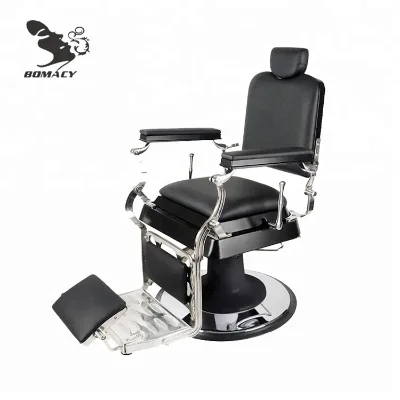
$200.00 - $285.00
MOQ: 5 pieces
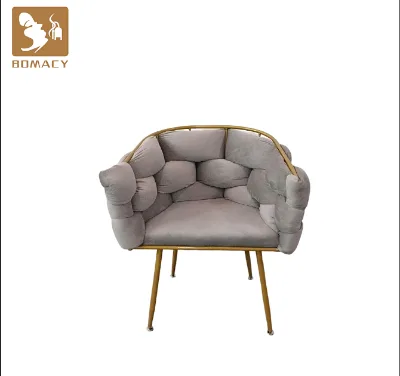
$55.00 - $65.00
MOQ: 10 pieces

Foshan Great Furniture Co., Ltd.
- Verified by SGS
- Combined
- China Guangdong
- Lead time15 days
- Avg. response≤ 6h
Main productsMassage Bed, Pedicure Chair, Barber Chair, Shampoo Bed, Salon Chair, Nail Table, Reception Desk, Waiting Sofa
Main marketsAustralia

$400.00 - $480.00
MOQ: 1 pieces

$70.00 - $110.00
MOQ: 2 pieces

Foshan Yimeihui Furniture Manufacturing Co., Ltd.
- Verified by SGS
- Combined
- China Guangdong
- Lead time15 days
- Avg. response≤ 4h
Main productsShampoo Bed, Shampoo Chair, Pedicure Chair, Manicure Chair, Salon Chair, Barber Chair, Shampoo Basin, Facial Bed, Massage Bed, Beauty Bed
Main marketsDomestic

Retro-Style Brown Leather Hydraulic Barber Chair Adjustable Headrest for Professional Grooming
$289.00 - $293.00
MOQ: 5 Pieces

Professional Retro Barber Chair Brown Leather Hydraulic Adjustable Headrest for Grooming Services
$289.00 - $293.00
MOQ: 5 Pieces

Classic Hair Cutting Chair Vintage Barber Chair with Hydraulic Pump Solid Sturdy Frame
$218.00 - $222.00
MOQ: 5 Pieces

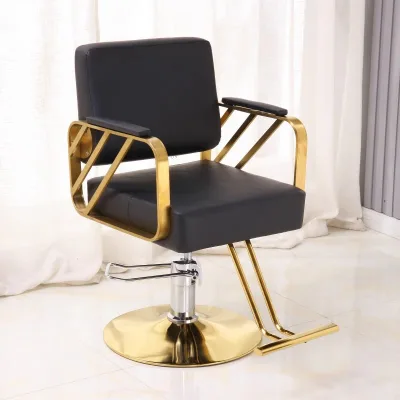
Retro Black Haircut Chair with Polished Gold Frame Professional Men's Grooming Station
$292.00 - $296.00
MOQ: 5 Pieces

$420.00 - $495.00
MOQ: 2 Pieces
Hebei Sensairunsi Import & Export Trading Co., Ltd.
- Verified by SGS Group
- Trading Company
- Hebei, China
- Lead time0 days
- Avg. response≤ 2h
Main productsWood Door, WPC Door, Aluminum Door, Wardrobe and Cabinet, Window
Main marketsNorth America(35%), Western Europe(15%), Southeast Asia(8%)
Yiwu Barber Beauty & Hair Products Co., Ltd.
- Trading Company
- Yiwu, China
- Lead time15 days
- Avg. response≤ 2h
Main productsBarber equipment,Barber series,Beard series,Beauty series,Foot bath series
Main marketsSouth America(20.00%), North America(20.00%), Domestic Market(5.00%), South Asia(5.00%), Southern Europe(5.00%), Northern Europe(5.00%), Central America(5.00%), Western Europe(5.00%), Eastern Asia(5.00%), Mid East(5.00%), Oceania(5.00%), Africa(5.00%), Southeast Asia(5.00%), Eastern Europe(5.00%)




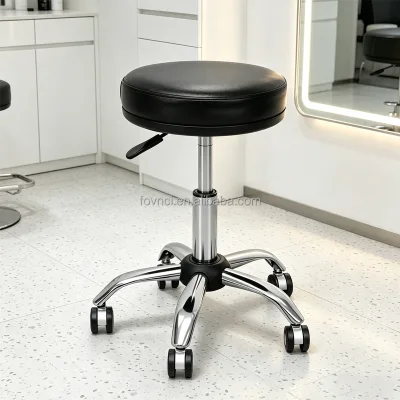
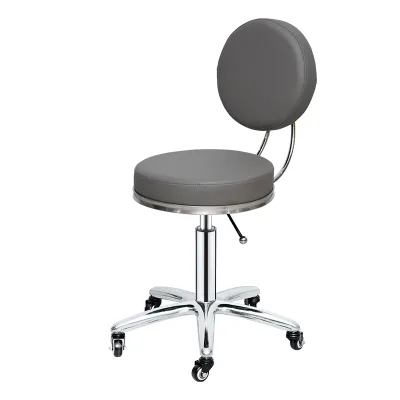


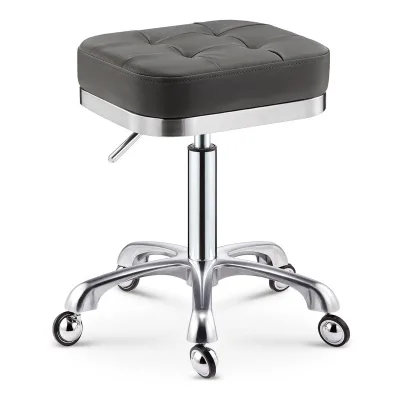
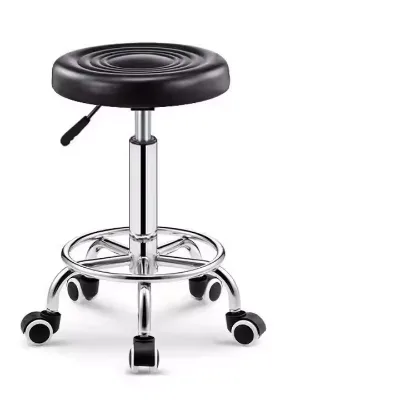
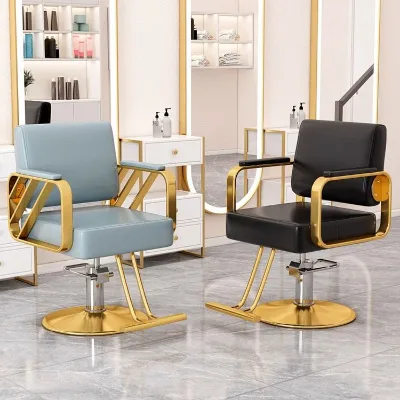
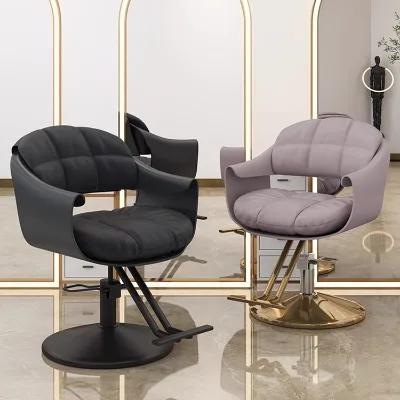
Comprehensive Sourcing Guide
Modern Adjustable Hair Cutting Stool Supplier Concentration and Factory Types
When mapping where Modern Adjustable Hair Cutting Stool production happens, treat location data as a starting filter rather than a conclusion. Supplier results in this category commonly show origins in Guangdong, China, and Henan, China, and both appear with concrete product evidence: one listing a leather adjustable salon stool made of wood, iron, sponge and aluminum with a Guangdong origin, another listing haircut chairs originating in Henan. These provinces are plausible cluster indicators because multiple manufacturers and hybrid Manufacturer/Trading Company entities sit there, but you should confirm the actual factory address, not just the registered office, before assuming cluster advantages such as component availability or freight consolidation apply to your order.
Supplier types split into at least three useful groups. Pure Manufacturer/Factory profiles usually list broad salon-furniture portfolios — barber chairs, shampoo beds, massage tables, mirror stations — and often carry OEM/ODM or own-brand capacity. Manufacturer-and-trading hybrids may offer lighter services such as sample processing, graphic processing and customized-on-demand work, which suits smaller buyers. Trading companies can aggregate several stool styles but add a margin and distance from production. A practical first pass: match the supplier type to your order size, then check whether the main-product list is genuinely centered on salon seating or diluted across unrelated categories like medical or nursing equipment, which can signal weaker stool-specific tooling.
How to Verify Modern Adjustable Hair Cutting Stool Suppliers
Verification should start with the platform's third-party audit badge, because it is the cheapest signal available. In this category, results show suppliers verified by SGS Group and by TUV Rheinland — two distinct auditing bodies — so read which firm performed the verification and what scope it covered. System certifications add a second layer: one supplier lists LVD, relevant if stools include electrical or powered elements, while another lists a long stack including ISO 9001, ISO 14001, BSCI, ISO 13485 and GMP. Never assume the broadest certificate stack is the most relevant; a social-compliance or quality-management certificate matters more for a stool order than a medical-device standard unless you also source that equipment.
Beyond displayed badges, demand documents that only the factory can produce. Ask for a business license matching the registered name, photos or a live video of the stool workshop, and proof that the claimed supply ability — for example, one listing states 10,000 pieces per month for a leather adjustable salon stool — reflects real production lines rather than resold capacity. Test the communication channel before committing: response-time figures in this category range around two to two-and-a-half hours, and a supplier that matches its displayed response speed during pre-sales is more likely to hold that pace after payment. Finally, request references from buyers in your market and ask whether the verified entity is the same legal entity that will sign the contract and invoice.
What to Compare Across Modern Adjustable Hair Cutting Stool Suppliers
Build the comparison around attributes suppliers actually display, and record gaps as questions rather than assumptions. Useful dimensions here include lead time — displayed figures run around 23 to 25 days — MOQ, with visible listings showing a minimum of 10 pieces for an adjustable salon stool, unit price bands, and response speed. Price evidence in current results ranges from roughly the high twenties for stools to the mid-seventies and up for full rotating haircut chairs, so compare like-for-like: a stool with a hydraulic pump, synthetic leather and a backrest is not comparable to a basic cutting stool. Note displayed response times of about 2 hours versus 2.52 hours as a tiebreaker only, not a decision driver.
Go deeper on capability labels. One supplier advertises OEM/ODM and an own brand, which matters if you need custom colors, logos or frames; the product attributes confirm customization is available, colors can be customized, and mail packing is supported. Another lists light customization, sample processing and graphic processing — enough for branded stools at small volumes but potentially limiting for structural changes. Main-product breadth also matters: a supplier whose core line is barber chairs, pedicure chairs, shampoo beds and master stools is structurally committed to salon seating, while a supplier splitting output across wheelchairs, nursing beds and medical braces may deprioritize a 10-piece stool order. Establish years, if displayed, help gauge stability, but weight them below verifiable capacity evidence.
Common Modern Adjustable Hair Cutting Stool Sourcing Risks
The most frequent risk in this category is specification drift between listing and delivered goods. Listings show ambiguous attributes that must be pinned down: "Base: Different products with different base" and "Weight: Different products with different Weight" leave critical durability specs undefined, and leather is described variously as PVC, PU leather and synthetic leather across listings. Lock the exact material, base type, pump standard and foam density into a signed specification sheet with a retained sample. A second risk is volume mismatch — a supplier quoting a 10,000-piece monthly supply ability may still deprioritize a 10-piece trial order, so confirm the production slot in writing before wiring a deposit.
Compliance and logistics risks follow. If your stool incorporates powered components, verify that any LVD claim covers the finished unit, not just the component, and ask which test reports you can pass to your import authority; do not assume a certificate stack like ISO 9001 or BSCI automatically satisfies your destination's product-safety rules. Packaging is a hidden risk: one listing states a dismounted, small-volume pack with a 30 kg gross weight and mail packing supported, while another uses plain carton packing — confirm carton strength, foam protection and drop-test expectations for hydraulic pumps, which are the most damage-prone component. Finally, guard against trading companies presenting themselves as factories; an audit report showing the production address differs from the trading address is not disqualifying, but it changes who controls quality and lead time.
Modern Adjustable Hair Cutting Stool Regional Sourcing and Logistics
Regional planning should follow the evidence in supplier data. Guangdong-origin listings in this category show dispatch through the port of Guangzhou, which is a concrete logistics fact you can build around: Guangzhou's container frequency makes it workable for mixed salon-furniture containers where stools ship alongside barber chairs or shampoo beds. Henan-origin listings do not display a dispatch port in the available data, so you must ask for the intended load port, inland trucking cost to it, and whether consolidation with the supplier's other product lines is possible. Do not generalize one province's freight profile to the other; inland distance to a port materially changes landed cost.
On the supplier side, logistics detail lives in the product attributes, so interrogate them. Displayed single package sizes range from 49x49x21 cm for a rolling master stool to 66x59x43 cm for a larger salon stool, with gross weights from 6 kg to 30 kg — these figures let you estimate container fill, but you should confirm whether units ship dismounted or assembled, since dismounted packing dramatically increases pieces per container. Ask each supplier for a packing list specifying carton dimensions, stacked height tolerance, and whether cartons are marked for mixed-container identification. Also confirm production start timing: with displayed lead times near 23 to 25 days, a five-day gap in confirming artwork or hydraulic-pump specifications can push delivery past your installation window, so sequence approvals before the lead-time clock starts.
Modern Adjustable Hair Cutting Stool Commercial Terms and Order Planning
Structure commercial terms around the displayed data points and the gaps around them. Price bands in current results run from about 29.8 to 32.9 USD for a leather adjustable stool and 29 to 35 USD for a synthetic leather master stool, with full rotating haircut chairs at 65 to 95 USD — use these as negotiation anchors, but require a formal quotation stating material grade, pump specification, packaging and validity period. MOQ evidence shows a 10-piece minimum on one listing; ask every shortlisted supplier to state MOQ per model, because trading companies sometimes set MOQs per colorway rather than per order. Confirm what payment protections the platform offers, such as escrow-style arrangements, before transferring any deposit outside them.
Order planning should map displayed lead times onto your launch calendar. With lead times around 23 to 25 days, plus sampling and shipping, a realistic first-order timeline from inquiry to receipt commonly runs well beyond two months, so start sourcing before your fit-out date is fixed. Sequence the order this way: confirm a paid pre-production sample matching the agreed specification, then release mass production with a written slot date, then book inspection against that sample before shipment. For mixed salon orders, check whether the same supplier covers stools and adjacent items — several profiles list barber chairs, shampoo beds and beauty beds — since consolidating with one verified factory can cut freight and simplify claims. Keep every verbal assurance, especially on customization, in the contract annex.
(word count: approximately 1,395)
FAQs
What is the typical minimum order quantity for a Modern Adjustable Hair Cutting Stool?
Listed suppliers commonly quote a minimum order of 10 pieces per model, which suits small salons testing a new style. Some factories may set different thresholds for customized colors or upholstery, so confirm the MOQ in writing before ordering. Asking about mixed-model orders within one container can also reduce your per-unit shipping cost.
How long does production and delivery usually take?
Supplier results show lead times of roughly 23 to 25 days from order confirmation, before ocean transit. Stock colors and standard hydraulic models often ship faster than custom upholstery or special bases. Always confirm the current production schedule, since peak season or large quantities can extend the quoted lead time considerably.
What materials are these adjustable salon stools typically made from?
The stools generally combine wood, iron, sponge padding, and aluminum, with PVC or synthetic leather upholstery over high-density foam. Hydraulic pumps handle the height adjustment, and most models are listed as adjustable and suitable for barber salons and hair shops. Request material specifications and a sample if upholstery durability or pump quality is critical to your purchase.
How much does an adjustable hair cutting stool cost per unit?
Current listings range from about 29 to 33 dollars for basic leather adjustable stools, synthetic leather stools around 29 to 35 dollars, and rotating barber stool models from roughly 65 to 95 dollars. Final pricing depends on quantity, customization, and shipping terms, so request quotations for your specific order volume.
Can I customize the color, upholstery, or branding on these stools?
Yes, suppliers advertise customization capabilities including color choices, light customization, sample processing, graphic processing, and OEM or ODM services. One factory lists its own brand alongside OEM and ODM options. Confirm minimum quantities for customized models, since custom upholstery or colors may carry a higher MOQ or additional tooling cost.
Where are these salon stool suppliers located and how do they ship?
The featured suppliers are based in Guangdong and Henan, China, with Guangzhou listed as a dispatch port. Both regions are established salon furniture manufacturing areas with export experience. Confirm shipping terms, freight costs, and whether door-to-door delivery or port pickup best fits your logistics setup before placing an order.
How quickly do these suppliers respond to buyer inquiries?
The listed suppliers report average response times of about two to three hours, so most inquiries receive same-day replies. Response speed can vary with time zone differences and inquiry volume. Sending detailed requirements such as quantity, customization, and destination port in your first message helps suppliers quote accurately and faster.
What production capacity can these suppliers handle for salon stools?
One listed supplier advertises a supply ability of 10,000 pieces per month for its adjustable salon stool models, indicating capacity well beyond small salon orders. This volume supports repeat restocking and larger chain orders. Verify current capacity allocation directly, since advertised figures may reflect maximum capability rather than available slots for new buyers.