Modern 3D Illusion Lamp Suppliers and Manufacturers
Compare 21 verified suppliers offering Modern 3D Illusion Lamp products with varying lead times, certifications, and customization options. Review response times and MOQs to select the right factory for your project needs today; review the available evidence before requesting comparable quotations from suitable candidates.
Suppliers List

- Manufacturer
- China Guangdong
- Lead time15 days
- Avg. response≤ 4h
Main productsChandelier, Crystal Chandelier, Ceiling Light, Pendant Light, Wall Light, Table Light, Floor Light, Modern Chandelier, LED Chandelier, Pendant Lamp
Main marketsEurope,North America

Jiangmen Hengzhi Lighting Co., Ltd.
- Verified by TUVRHEINLAND
- Trading Company
- China Guangdong
- Lead time30 days
- Avg. response≤ 9h
Main productsLighting, Chandelier, Crystal Chandelier, Modern Chandelier, Rh Light, Restoration Hardware Light, Modern Lamp, Indoor Lamp
Main marketsNorth America

Modern 3D Geometric Figure Design Ceiling Lights Decorative Hanging Lamp Chandelier
$299.00 - $699.00
Moq: 1

Shanxi Dingdangcat Technology Co., Ltd
- Verified by CTI
- Combined
- China Shanxi
- Lead time30 days
- Avg. response≤ 4h
Main products3D Printed Toys, Steam Educational Toy, Custom 3D Printing Services, Custom 3D Printed Characters, Custom Model Parts, 3D Printed Lamps, Squeeze Toys, Electronic Components
Main marketsSouth America,Africa,Southeast Asia/ Mideast,East Asia(Japan/ South Korea),Domestic,Europe,Australia,North America

Zhongshan Yenon Light Company Limited
- Verified by BV
- Manufacturer/Factory
- China Guangdong
- Lead time45 days
- Avg. response≤ 25h
Main productsChandelier Lamp, Pendant Lamp, LED Pendant Light, LED Chandelier, Luxury Chandelier Lighting, Chandelier Lighting, Crystal Chandelier Light, Hanging Lamp, Hanging Light, Suspension Lamp
Main marketsSouth America,Eastern Europe,Mid East,North America,Southeast Asia,Eastern Asia,Oceania,Western Europe,Africa

- Verified by TUVRHEINLAND
- Trading Company
- China Zhejiang
- Lead time15 days
- Avg. response≤ 13h
Main productsLED Solar Light, Festival Lights, Table Lamp, LED Grow Lights, LED Light Strip, Smart Lights, LED Light String, Decorative Light, LED Head Light, LED Professional Lights
Main marketsSouth America,Europe,North America

- Combined
- China Guangdong
- Lead time23 days
- Avg. response≤ 3h
Main productsPromotion Gift, Toy, Flashing Item, Free Gift, Business Gift, Novelty
Main marketsAfrica,Europe,North America

Shanghai Colorbo Industrial Co., Ltd.
- Verified by TUVRHEINLAND
- Combined
- China Shanghai
- Lead time15 days
- Avg. response≤ 3h
Main productsAcoustic Panel, Wall Panel, Office Partition, Lampshade, Desk Screen, Meeting Space, Pet Supplies, Props Supplies, Storage, Phone Booth
Main marketsSoutheast Asia/ Mideast,Europe,North America


High performance B1 Modern Design Beautiful Petals Modelling Decoration Lamp
$310.00 - $317.00
Moq: 20


PDA (Shenzhen) Technology Co., Ltd.
- Combined
- China Guangdong
- Lead time23 days
- Avg. response≤ 7h
Main productsLevitation Air Bonsai, Levitating Moon Lamp, Levitation Lamp, Levitation Bluetooth Speaker, Levitation Helmet, Levitation Shoes, Levitation Cup, Levitation Bottle, Magnetic Levitation Display Racks
Main marketsDomestic,Europe,North America


360 Rotating Magnetic Levitation 3D Starry Moon Lamp Light with Bluetooth Speaker
$35.00 - $40.00
Moq: 10

Zhong Shan Rima Lighting Co., Ltd.
- Verified by CTI
- Combined
- China Guangdong
- Lead time23 days
- Avg. response≤ 1h
Main marketsSoutheast Asia/ Mideast,Domestic,Europe,North America

Difanmax Tech Lianyungang Co., Ltd.
- Verified by BV
- Manufacturer/Factory
- China Jiangsu
- Lead time23 days
- Avg. response≤ 4h
Main productsConsumer Electronics, Kinesiology Tape Adhesive Tapes, Industrial Tools, Home & Garden, Gifts & Crafts, Sport Products Entertainment, Health & Medical, Auto Parts E-Bike Auto Tools & Components, Clothes Apparel, Bicycle Hardware Laboratory Measuring Protective
Main marketsSouth America,North America,Southeast Asia,Oceania,Western Europe
- Trading Company
- China Zhejiang
- Lead time30 days
- Avg. response≤ 10h
Main productsHome Appliance, Cookware Set, Thermos, Home Storage, Furniture, Pet Supplies, Garden Tools, Outdoor Supplies, Baby Supplies, Houesehold Items
Main marketsSouth America,Africa,Southeast Asia/ Mideast,East Asia(Japan/ South Korea),Domestic,Europe,Australia,North America
Foshan Ron Hospitality Supplies Co., Ltd.
- Verified by BV
- Manufacturer/Factory,Group Corporation
- China Guangdong
- Lead time45 days
- Avg. response≤ 2h
Main productsRestaurant Furniture, Restaurant Booth, Restaurant Chair, Restaurant Table, Bar Stools, Wedding Chairs, Flatware Sets, Dinnerware Sets, Garden Chairs, Disposable Dinnerware & Tableware
Main marketsSouth America,Eastern Europe,Mid East,North America,Southeast Asia,Eastern Asia,Oceania,Western Europe,Africa

Zhongshan Tpstarlite Lighting CO., LTD.
- Verified by TUVRHEINLAND
- Combined
- China Guangdong
- Lead time30 days
- Avg. response≤ 4h
Main productsChandelier Lamp, Modern Lamp, Crystal Lamp, Pendant Lamp, Wall Lamp, Ceiling Lamp, Mirror Lamp, Floor Lamp & Table Lamp, Crystal Chandelier Light, Lighting
Main marketsOthers(foreignTradeCapacity.exportBusinessCapacityMarketOther),Southeast Asia/ Mideast
Yiwu Bolotop Electronic Technology Co., Ltd.
- Verified by SGS Group
- Trading Company
- Lead time0 days
- Avg. response≤ 4h
Main productsFlashlights, Camping Lamps, HeadLamps, Indoorlights, Working Light
Main marketsSouth America(25%), Mid East(25%), Eastern Asia(15%)

Zhongshan Ocean Smart Lighting Co., Ltd
- Verified by BV
- Combined
- China Guangdong
- Lead time15 days
- Avg. response≤ 4h
Main productsChandelier, Crystal Chandelier, Pendant Light, Table Light, Floor Lamp, Ceiling Light, Wall Light, Lighting, Hotel Lighting, Energy-Saving Lamp
Main marketsSouth America,Africa,Others(foreignTradeCapacity.exportBusinessCapacityMarketOther),Southeast Asia/ Mideast,Europe,Australia,North America

JIANGSU BRIGHT NEW LIGHT SOURCE CO., LTD
- Manufacturer/Factory
- China Jiangsu
- Lead time0 days
- Avg. response≤ 16h
Main productsNeon Lamp, Polocrystalline Solar Panel, Signal Light, Neon Light, Miniature Lamp, Indicator Light, Monocrystalline Solar Panel, Solar PV Moudle, LED, LED Light


Contact supplier

Contact supplier
- Manufacturer, Trading Company
- Jiangxi, China
- Lead time10 days
- Avg. response≤ 2h
Main products3D Night Light,Light picture,led string switch,sound control light,sound control light
Main marketsDomestic Market(20.0%), Central America(10.0%), North America(10.0%), Southeast Asia(10.0%), Mid East(10.0%), South America(10.0%), South Asia(5.0%), Oceania(5.0%), Western Europe(5.0%), Southern Europe(5.0%), Eastern Europe(5.0%), Northern Europe(2.0%), Eastern Asia(2.0%), Africa(1.0%)

Linhai Dafan Electronic And Technological Co., Ltd.
- Manufacturer, Trading Company
- Zhejiang, China
- Lead time70 days
- Avg. response≤ 24h
Main productsLights
Main marketsNorth America(60.0%), North America(60.0%), Western Europe(20.0%), Western Europe(20.0%), Northern Europe(15.0%), Northern Europe(15.0%), Eastern Asia(3.0%), Eastern Asia(3.0%), Oceania(2.0%), Oceania(2.0%), South Asia(0.0%), South America(0.0%), Southern Europe(0.0%), Central America(0.0%), Africa(0.0%), Eastern Europe(0.0%), Domestic Market(0.0%), Mid East(0.0%), Southeast Asia(0.0%), South Asia(0.0%), South America(0.0%), Southern Europe(0.0%), Central America(0.0%), Africa(0.0%), Eastern Europe(0.0%), Domestic Market(0.0%), Mid East(0.0%), Southeast Asia(0.0%)

Guangzhou Guanhailou Building Materials Co., Ltd.
- Verified by TUVRHEINLAND
- Manufacturer/Factory
- China Guangdong
- Lead time15 days
- Avg. response≤ 19h
Main productsGypsum Boards, Galvanized Metal Profiles, Gypsum(Grg) Lighting Fixtures, Gypsum Grid Ceiling Tiles, Gfrp Moulds, Tee Grids, Gypsum Cornice Moulding, Gypsum 3D Wall Panels, Gfrg, MDF Boards
Main marketsSouth America,Eastern Europe,Mid East,North America,Southeast Asia,Eastern Asia,Oceania,Western Europe,Africa
Henan Yijin Technology Co., Ltd.
- Verified by TüVRheinland
- Trading Company
- Lead time8 days
- Avg. response≤ 3h
Main productsSolar Lights, Outdoor Lighting, Indoor Lighting, Camping Light, Desk Lamp
Main marketsNorth America(30%), Africa(30%), South America(20%)
Guangzhou Bowei Trading Co., Ltd.
- Manufacturer
- Guangdong, China
- Lead time15 days
- Avg. response≤ 1h
Main products3d night light,sensor light,night light base,led lamp base,3d lamp
Main marketsWestern Europe(30.0%), North America(30.0%), Domestic Market(10.0%), Southern Europe(10.0%), Northern Europe(10.0%), Eastern Europe(10.0%)


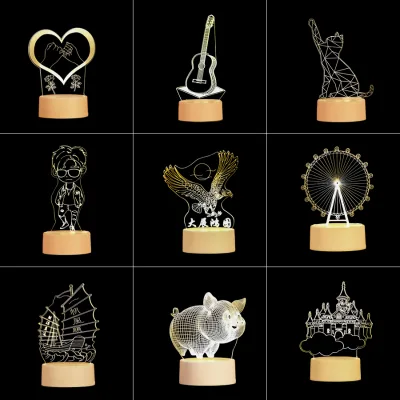
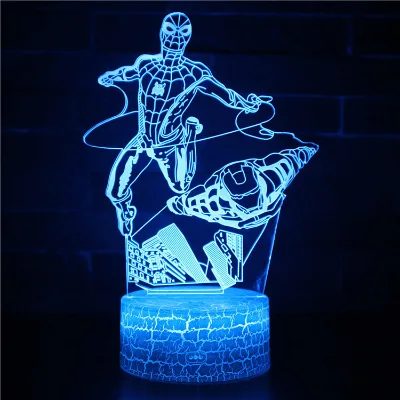


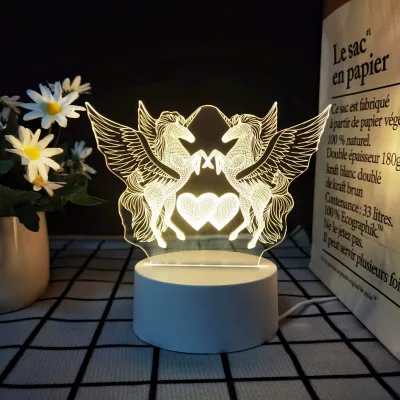
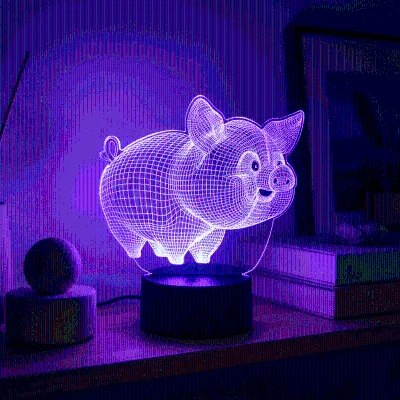
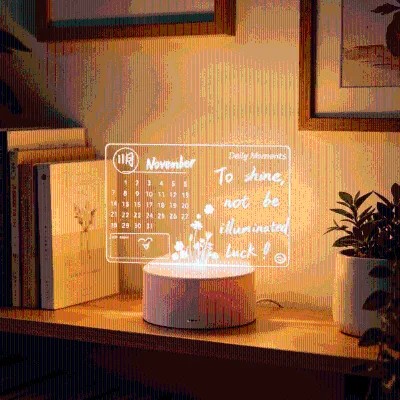
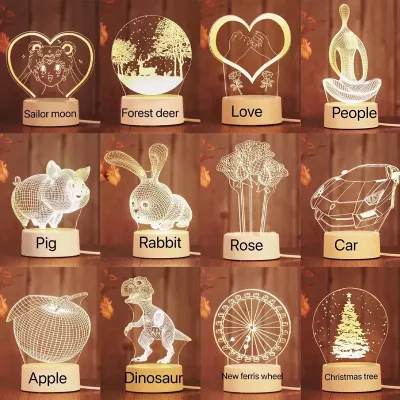
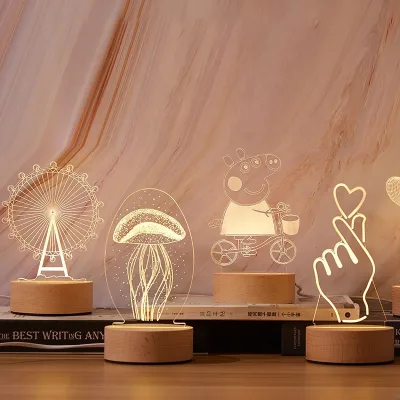


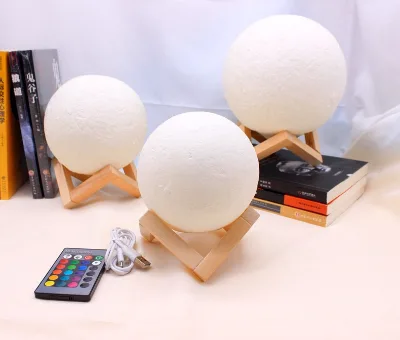
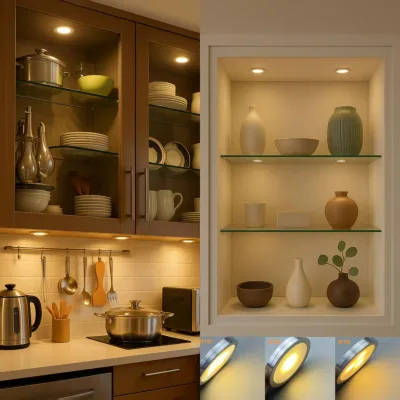
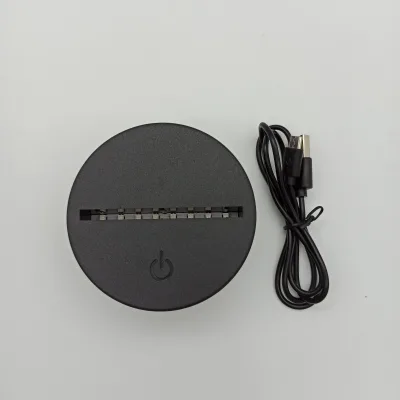
Comprehensive Sourcing Guide
Modern 3D Illusion Lamp Supplier Concentration and Factory Types
The available data indicates a concentration of manufacturing capabilities within China Guangdong, specifically noting origins in Zhongshan, a known hub for lighting production. This region hosts a significant number of manufacturers capable of producing complex lighting fixtures, including chandeliers, pendant lights, and modern ceiling lamps. Buyers should recognize that the primary supplier type observed in these results is the manufacturer, which often implies direct control over the production process, material sourcing, and quality assurance protocols. These entities frequently offer Own Brand, ODM, and OEM services, allowing for substantial customization of product designs and specifications to meet specific market demands.
When evaluating the supplier landscape, it is crucial to distinguish between pure manufacturers and trading companies, as the latter may not possess the same level of technical expertise or production capacity. The observed supplier profiles highlight a strong focus on indoor lighting solutions, with specific expertise in glass, crystal, and iron-based fixtures. While the data confirms the presence of manufacturers in Guangdong, buyers must verify if a specific supplier operates a dedicated factory or acts as an intermediary. The ability to customize products, such as adjusting dimensions, colors, or lighting sources, is a key indicator of a manufacturer's capability. Buyers should prioritize suppliers who explicitly state their capacity for ODM and OEM work, as this suggests a robust infrastructure for handling bespoke orders and scaling production volumes efficiently.
How to Verify Modern 3D Illusion Lamp Suppliers
Verification begins with a rigorous examination of product certifications and compliance standards, which are critical for ensuring safety and market eligibility. The observed data lists a wide array of certifications including CE, CCC, RoHS, EMC, LVD, SAA, VDE, and Energy Star, among others. Buyers must confirm that the specific supplier provides valid documentation for these certifications relevant to their target market, as the presence of a certification list does not guarantee current validity for every product batch. It is essential to request test reports from accredited laboratories to validate claims regarding electrical safety, material composition, and electromagnetic compatibility. Relying solely on a supplier's self-declared certification list without independent verification can lead to significant compliance risks and potential customs delays.
Beyond certifications, buyers should assess the supplier's response time and communication reliability as indicators of operational stability. The data shows a response time metric of approximately 3.03, which serves as a benchmark for evaluating how quickly a supplier engages with inquiries. A slow response time may indicate understaffing or poor management, which can hinder the resolution of technical issues during the sourcing process. Buyers should also verify the supplier's establishment year and track record, although specific dates are not provided in the current results. Contacting the supplier to request references from previous clients or to discuss their quality control procedures can provide deeper insight into their reliability. Ensuring that the supplier has a proven track record of delivering on time and maintaining product quality is fundamental to mitigating risks associated with new partnerships.
What to Compare Across Modern 3D Illusion Lamp Suppliers
Comparing suppliers requires a detailed analysis of lead times, minimum order quantities, and pricing structures to ensure alignment with project requirements. The observed lead time is listed as 15 days, while other product attributes suggest delivery windows of 25 to 30 days after deposit. Buyers must clarify whether these timelines apply to sample production or mass manufacturing, as discrepancies can impact project schedules significantly. Additionally, the minimum order quantity (MOQ) varies, with some listings showing an MOQ of 1, while others may have higher thresholds. Understanding these constraints is vital for budgeting and inventory planning, especially for buyers seeking to test the market with smaller initial orders before committing to larger volumes.
Pricing and customization capabilities are equally critical factors in the comparison process. The data indicates price ranges from approximately 18 to 129 units, depending on the specific product model and complexity. Buyers should compare the cost per unit against the included features, such as warranty periods, which range from 2 to 10 years in the observed listings. Customization options, including material choices, color finishes, and lighting source configurations, should be evaluated for their impact on the final price. Suppliers offering extensive customization may charge a premium, but this can be justified by the ability to create unique products that stand out in the market. Buyers should also consider the warranty terms and after-sales support, as these factors contribute to the total cost of ownership and long-term value of the partnership.
Common Modern 3D Illusion Lamp Sourcing Risks
One of the primary risks in sourcing lighting products is the potential mismatch between advertised specifications and actual product performance. The data includes various product attributes such as voltage ranges, light types, and irradiated areas, but buyers must verify that these specifications are accurate for their specific application. For instance, a product listed with a voltage of 12V may not be suitable for a standard 220V grid without a transformer, leading to installation failures. Similarly, discrepancies in material quality, such as the use of iron versus aluminum or the grade of crystal, can affect durability and aesthetic appeal. Buyers should request physical samples to validate the quality of materials and the precision of the manufacturing process before placing large orders.
Another significant risk involves the reliability of the supply chain and the ability to meet delivery deadlines consistently. While the data suggests a lead time of 15 days, external factors such as raw material shortages, labor issues, or logistical disruptions can cause delays. The observed delivery date guarantee of 25 to 30 days after deposit highlights the importance of clear contractual terms regarding timelines. Buyers should establish a contingency plan for potential delays and ensure that the supplier has a robust system for tracking production progress. Additionally, the risk of intellectual property infringement exists, particularly when dealing with custom designs. Buyers must ensure that their designs are protected and that the supplier adheres to strict confidentiality agreements to prevent unauthorized replication or distribution of their proprietary products.
Modern 3D Illusion Lamp Regional Sourcing and Logistics
Sourcing from China Guangdong offers logistical advantages due to the region's well-developed infrastructure and proximity to major ports. The data confirms that products originate from Zhongshan, a city within Guangdong known for its lighting industry clusters. This concentration of manufacturers facilitates efficient logistics, as suppliers often have established relationships with freight forwarders and shipping agents. Buyers should leverage this regional advantage to negotiate favorable shipping rates and ensure timely delivery. However, it is essential to verify the specific shipping terms, such as FOB or CIF, to understand who bears the responsibility for freight costs and insurance during transit. Clear communication regarding packaging requirements, such as carton packing with foam or wooden packing, is also necessary to prevent damage during shipping.
Logistics planning must also account for customs clearance and import regulations in the buyer's destination country. Different regions have varying requirements for lighting products, including specific certification standards and labeling requirements. Buyers should ensure that the supplier is aware of these regulations and can provide the necessary documentation to facilitate smooth customs clearance. The observed certifications, such as CE, SAA, and VDE, are relevant for various markets, but buyers must confirm that the specific certifications match the requirements of their target region. Additionally, buyers should consider the environmental impact of shipping and explore options for consolidating shipments to reduce carbon emissions. Effective logistics management is crucial for maintaining cost efficiency and ensuring that products arrive in good condition and on schedule.
Modern 3D Illusion Lamp Commercial Terms and Order Planning
Commercial terms play a pivotal role in defining the financial and operational framework of the sourcing relationship. Buyers should carefully review payment terms, such as the requirement for a deposit before production begins, and ensure that these terms are clearly outlined in the contract. The observed data mentions a delivery date guarantee of 25 to 30 days after the deposit, which underscores the importance of aligning payment schedules with production milestones. Buyers should also negotiate terms regarding penalties for late delivery and mechanisms for resolving disputes. Clear commercial terms help mitigate financial risks and provide a structured approach to managing the order lifecycle from initial inquiry to final delivery.
Order planning requires a strategic approach to inventory management and demand forecasting. Buyers should analyze historical sales data and market trends to determine the optimal order quantity and timing. The observed MOQ of 1 allows for flexibility in testing new products, but buyers should plan for larger orders to achieve economies of scale and reduce per-unit costs. It is also important to consider the lead time and production capacity when planning orders, especially during peak seasons when demand may exceed supply. Buyers should maintain open communication with suppliers to stay informed about production schedules and potential delays. By integrating commercial terms with effective order planning, buyers can optimize their supply chain operations and ensure a steady flow of high-quality products to meet market demands.
FAQs
What is the typical lead time for these lamps?
The typical lead time is 15 days for standard orders. Some suppliers guarantee delivery within 25 to 30 days after deposit to ensure quality. This timeframe allows for proper manufacturing and inspection before shipping.
Do suppliers offer customization for these lighting products?
Yes, customization is available for many modern crystal and LED chandelier models. Buyers can request specific colors, dimensions, or styles to match their interior design needs. This flexibility supports both OEM and ODM requirements.
What certifications do these lighting fixtures typically hold?
Common certifications include CE, RoHS, CCC, and VDE for safety and compliance. Some products also carry EMC, LVD, SAA, or Energy Star ratings depending on the target market. Always verify specific certificates for your region.
What is the minimum order quantity for these lamps?
The minimum order quantity can be as low as one piece for some suppliers. This allows buyers to test product quality before placing larger bulk orders. Check specific listings to confirm the exact MOQ for your selected model.
Where are these manufacturers located and what is their response time?
Most manufacturers are located in Guangdong, China, specifically in Zhongshan. The average response time for inquiries is approximately 3 hours. This ensures quick communication regarding product details and order status updates.
What warranty periods are offered for these chandeliers?
Warranty periods vary from 2 years to 10 years depending on the product model. Some suppliers offer a 3-year color guarantee for specific finishes. Review the product details to confirm the exact warranty terms for your purchase.
What materials are used in these modern crystal lamps?
These lamps typically use iron frames combined with crystal or glass elements. Some models feature aluminum frames with clear round balls. The materials are selected for durability and to enhance the visual appeal of the lighting fixture.