Modeling Sand Suppliers and Manufacturers in China
Explore 14 verified suppliers offering Modeling Sand with ISO certifications and customizable packaging. Compare response times, lead times, and product specifications like fineness and color options to source materials for crafts or construction. Contact suppliers directly to request samples; review the available evidence before requesting comparable quotations from suitable candidates.
Suppliers List

Hebei Hezhen Industrial Co., Ltd.
- Verified by SGS
- Combined
- China Hebei
- Lead time15 days
- Avg. response≤ 2h
Main productsIron Oxide Pigment, Diatomite, Silica Powder, Bentonite Powder, Talc Powder, Kaolin Clay, Tourmaline Powder
Main marketsSouth America,Southeast Asia/ Mideast,Europe

Color Sand for Outdoor Art Installation Creative Design Material Colored Sand
$249.00 - $253.00
MOQ: 4 Tons

$251.00 - $257.00
MOQ: 2 Tons

$170.00 - $339.00
MOQ: 1 Tons

Hebei Runhuabang New Material Technology Co., Ltd.
- Verified by TUVRHEINLAND
- Combined
- China Hebei
- Lead time15 days
- Avg. response≤ 3h
Main productsDiatomite Powder, Talc Powder, Tourmaline, Color Sand
Main marketsSouth America,Southeast Asia/ Mideast,East Asia(Japan/ South Korea),Europe,Australia,North America

Shijiazhuang Huabang Mineral Products Co., Ltd.
- Verified by BV
- Combined
- China Hebei
- Lead time15 days
- Avg. response≤ 4h
Main productsMica, Kaolin, Bentonite, Talc, Graphite Powder, Iron Oxide Pigment, Cenosphere, Diatomite Powder, Calcium Carbonate
Main marketsSouth America,Africa,Others(foreignTradeCapacity.exportBusinessCapacityMarketOther),Southeast Asia/ Mideast,East Asia(Japan/ South Korea),Domestic,Europe,Australia,North America


Natural Colored Sand Dyeing Colored Sand Supply a Large Number of Color Models Complete
$120.00 - $350.00
MOQ: 1 Tons
Hebei Taozhou New Materials Technology Co., Ltd.
- Verified by Intertek
- Manufacturer, Trading Company
- Lead time15 days
- Avg. response≤ 1h
Main productsColored Sand, Space Sand, Floating Sand, Salt Sand, Luminous Stones

Shenyang Mstoney New Material Technology Co., Ltd.
- Verified by BV
- Trading Company,Manufacturer/Factory
- China Liaoning
- Lead time15 days
- Avg. response≤ 1h
Main productsMineral Products, Cristobalite Sand/Powder, Silica Sand/Powder, Silicon Carbide, Quartz Products, Cement Silica, Silicon Gel, Coating Material, Calcined Kaolin Clay, Mica Products
Main marketsSouth America,Eastern Europe,Mid East,North America,Southeast Asia,Eastern Asia,Oceania,Western Europe,Africa

Colorful Sand Quartz Sand for Architectural Decoration and Construction
$100.00 - $1000000.00
MOQ: 25 kg


Hebei Yingrui Imp&Exp Trade Co., Ltd.
- Verified by TUVRHEINLAND
- Trading Company
- China Hebei
- Lead time15 days
- Avg. response≤ 2h
Main productsVermiculite, Mica Powder, Perlite, Bentonite, Sepiolite, Fireproof Coating, Insulation Materials, Horticlture Merterials, Vermiculite Concrete Materials, Color Sand Minerals
Main marketsAfrica,Southeast Asia/ Mideast,East Asia(Japan/ South Korea),Europe,Australia

Qingdao Ding Li Machinery Co., Ltd.
- Verified by BV
- Combined
- China Shandong
- Lead time60 days
- Avg. response≤ 2h
Main productsFoundry Machinery, Casting Machine, Casting Machinery, Foundry Machine, Inertial Linear Vibrating Screen, Worm Feeder, Clay Sand Molding Line, Bucket Elevator
Main marketsSouth America,Africa


Suitable for Processing Operations of Resin Sand and Sodium Silicate Sand
$1.00 - $49999.00
MOQ: 1 Pieces


Hebei Lingqiao Chemical Co., Ltd.
- Verified by SGS
- Trading Company
- China Zhejiang
- Lead time15 days
- Avg. response≤ 5h
Main productsIron Oxide Pigments, Iron Oxide Red, Iron Oxide Yellow, Iron Oxide Black, Iron Oxide Green, Titanium Dioxide, Iron Oxide Blue, Iron Oxide Gray, Iron Oxide Orange, Iron Oxide Brown
Main marketsSoutheast Asia/ Mideast

- Verified by SGS
- Combined
- China Guangdong
- Lead time30 days
- Avg. response≤ 7h
Main productsSand Table Model, Industrial Model, Equipment Model
Main marketsDomestic
Lingshou Chuangwei Mineral Products Processing Factory
- Verified by Intertek
- Manufacturer, Trading Company
- Lead time20 days
- Avg. response≤ 2h
Main productsBentonite, Iron Oxide, Zeolite, Vermiculite Mica, Color Sand& Colored Stone
Main marketsSoutheast Asia(30%), North America(20%), Eastern Europe(20%)

Delin Intelligent Technology Co., Ltd.
- Verified by BV
- Manufacturer/Factory
- China Fujian
- Lead time15 days
- Avg. response≤ 7h
Main productsDie Casting Machine, Core Shooter, Furnace, Drilling and Tapping Machine, CNC Auto-Polishing Machine, Auto Spinning Machine, Lpdc, Core Shooting Machine, CNC Five Spindle Turning Machine, Auto-Molding Machine
Main marketsSouth America,Mid East,Southeast Asia,Eastern Asia,Oceania,Africa

Qingdao Bestech Machinery Co., Ltd.
- Trading Company,Manufacturer/Factory
- China Shandong
- Lead time23 days
- Avg. response≤ 3h
Main productsDust Collector, Sand Mixer, Core Shooting Machine, Sand Molding Machine, Electric Furnace, Road Surface Shot Blasting Machine, Sand Processing Equipment, Shot Blasting Machine, Foundry Production Line, Sand Blasting Machine
Main marketsSouth America,Eastern Europe,Mid East,North America,Southeast Asia,Eastern Asia,Oceania,Western Europe,Africa

Baoding Letong Mechanical Equipment Technology Co., Ltd.
- Manufacturer
- China Hebei
- Lead time60 days
- Avg. response≤ 25h
Main productsCasting Machine
Main marketsOthers(foreignTradeCapacity.exportBusinessCapacityMarketOther),Southeast Asia/ Mideast,North America


Resin Sand Casting Resin Regeneration Line
MOQ: 1 Sets

Kangde Electronic Technology (Guangdong) Co., LTD
- Verified by TUVRHEINLAND
- Combined
- China Guangdong
- Lead time30 days
- Avg. response≤ 3h
Main productsPlastic Injection Mould, Auto Plastic Parts, Electronic Plastic Parts, Mobile Phone Housing, Camera Housing, Remoter Housing, Loudspeaker Housing, Plastic Sheets, Smart Sweeper, Hardware
Main marketsEurope


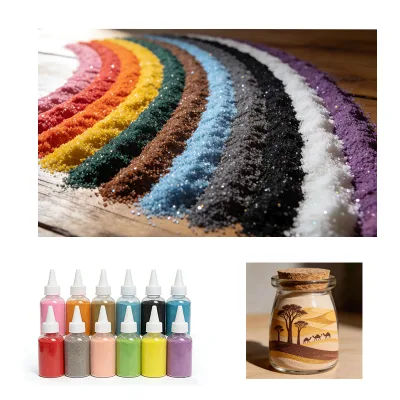

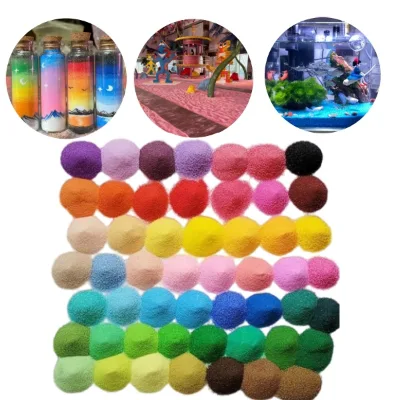


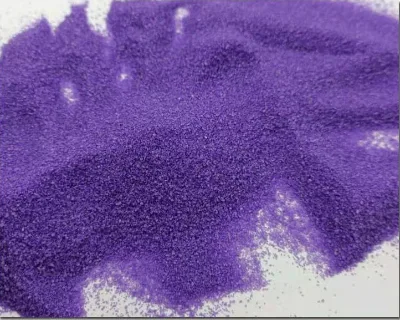
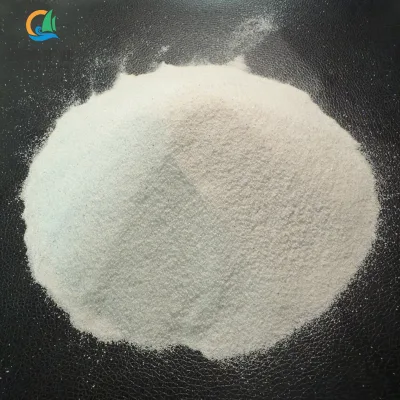


Comprehensive Sourcing Guide
Modeling Sand Supplier Concentration and Factory Types
The available data indicates a specific manufacturing cluster located in China Hebei, where multiple suppliers of Modeling Sand and related mineral products operate. This region appears to host combined company types that manage both production and trading activities, offering a diverse range of outputs including iron oxide pigments, diatomite, and various colored sands. Buyers seeking these materials should prioritize verifying the physical presence of facilities in this specific area, as the concentration of suppliers suggests a specialized industrial ecosystem for mineral processing and sand coating. If a supplier claims a different origin, it is essential to request proof of their factory location rather than accepting a generic trading address.
Factory types in this sector often blend manufacturing capabilities with trading functions, allowing for flexible order fulfillment and customization. The observed supplier profiles include those with ODM, OEM, and own-brand capacities, indicating that many facilities can adapt their production lines for specific client needs. When evaluating potential partners, buyers should distinguish between pure trading companies and those with actual processing assets. A combined company type suggests the ability to source raw materials like silica or bentonite and process them into finished Modeling Sand products, which can streamline the supply chain. However, without explicit factory verification, buyers must remain cautious about the depth of their manufacturing control.
How to Verify Modeling Sand Suppliers
Verification of Modeling Sand suppliers relies heavily on third-party audit reports and specific certification documents rather than self-declared claims. The current results show that some suppliers hold ISO9001:2015 system certifications, while others display verification badges from agencies like SGS, TÜV Rheinland, or BV. These external validations provide a baseline for assessing the supplier's adherence to quality management standards and operational reliability. Buyers should not assume that all listed suppliers possess these credentials; instead, they must request the specific certificate number and verify its validity directly with the issuing body. The presence of an ISO certificate is a strong indicator, but it does not guarantee product-specific performance without further testing.
Beyond general system certifications, buyers must scrutinize product-specific attributes such as fineness, color stability, and safety compliance. Some product listings mention ISO and CE certifications, which are critical for Modeling Sand intended for children or educational use. The verification process should include checking for specific test results regarding heavy metals, dust levels, and chemical composition, especially for products marketed as "safe" or "non-toxic." If a supplier cannot provide recent third-party test reports matching the product model, the buyer should treat the safety claims with skepticism. Relying solely on the supplier's word without independent verification introduces significant risk into the procurement process.
What to Compare Across Modeling Sand Suppliers
When comparing suppliers, buyers should focus on quantifiable metrics such as lead times, minimum order quantities, and response speeds to gauge operational efficiency. The data reveals lead times ranging from 7 to 15 days, with some suppliers offering faster turnaround capabilities. Minimum order quantities vary significantly, with some listings starting at 1kg while others require bulk purchases of 4 units or more. Response times also differ, with some suppliers showing a response metric of 1.13 compared to others at 3.13, indicating varying levels of customer service responsiveness. These factors directly impact inventory planning and project timelines, making them essential comparison points.
Price structures and customization options are another critical area for comparison across different Modeling Sand suppliers. Product prices in the observed data range from as low as 0.10 per unit to over 700, depending on the product type, packaging, and order volume. Customization availability is frequently listed as "Available," but the extent of this service, such as color matching or mesh size adjustments, requires detailed negotiation. Buyers should also compare packaging standards, which range from standard 25kg bags to customizable jumbo bags. A comprehensive comparison must weigh the total cost of ownership, including shipping and potential rework costs, rather than just the unit price.
Common Modeling Sand Sourcing Risks
One significant risk in sourcing Modeling Sand involves the discrepancy between advertised product specifications and actual delivered goods. While many listings claim "Fine" or "Medium" fineness and "Multicolored" options, the actual mesh size and color consistency can vary between batches. Without a clear standard like 1-100mesh or 10mesh-120mesh explicitly agreed upon in the contract, buyers may receive sand that does not meet their application requirements for terrariums, art installations, or construction. This mismatch can lead to project delays and additional costs for replacement materials, making precise specification definition a vital risk mitigation strategy.
Another major risk is the potential for supply chain disruptions due to the reliance on specific raw material sources. Many suppliers in the Hebei region process minerals like diatomite and bentonite, which are subject to environmental regulations and seasonal availability fluctuations. If a supplier lacks a diversified supply base or fails to maintain adequate inventory, they may face delays in fulfilling orders. Additionally, the lack of standardized pricing across different product models can lead to unexpected cost increases if the market price for raw materials spikes. Buyers should secure contracts with clear clauses regarding price stability and delivery guarantees to protect against these volatile market conditions.
Modeling Sand Regional Sourcing and Logistics
Sourcing Modeling Sand from the identified cluster in China Hebei offers logistical advantages due to the concentration of manufacturers and established shipping routes. The region's proximity to major ports facilitates efficient export, with many suppliers offering delivery times of 7 to 15 days for production. However, buyers must account for the specific logistics requirements of bulk mineral products, which often require specialized packaging to prevent contamination and moisture damage during transit. The standard packaging of 25kg bags is common, but larger orders may require jumbo bags or customized solutions to optimize container loading and reduce shipping costs.
Logistics planning should also consider the impact of regional infrastructure on delivery reliability. While the Hebei cluster provides a strong manufacturing base, buyers should verify the supplier's experience with international shipping and their ability to handle customs documentation. Some suppliers offer customized packaging, which can be beneficial for specific logistics needs, but it may also introduce complexity in the shipping process. Buyers should ensure that the supplier has a proven track record of delivering to their specific destination and can provide accurate freight estimates. Understanding the full logistics chain, from factory gate to final destination, is crucial for managing lead times and avoiding unexpected delays.
Modeling Sand Commercial Terms and Order Planning
Commercial terms for Modeling Sand orders often include specific payment methods and sample availability, which are critical for establishing trust and verifying product quality before bulk purchase. The data indicates that payment terms like T/T are common, and samples are frequently available for evaluation. Buyers should negotiate clear terms regarding sample costs and whether these costs are deductible from the final order. Additionally, the presence of customization options suggests that buyers should plan their orders well in advance to allow for the necessary production adjustments. Early planning ensures that the supplier can allocate resources effectively and meet the desired delivery schedule.
Order planning must also account for the varying minimum order quantities and price tiers observed across different suppliers. Some suppliers accept orders as low as 1kg, which is ideal for prototyping or small-scale projects, while others require larger volumes to achieve competitive pricing. Buyers should align their order quantities with their production needs to avoid overstocking or under-ordering. It is also important to consider the lead time of 7 to 15 days when scheduling production runs. By carefully analyzing the commercial terms and aligning them with project timelines, buyers can optimize their procurement strategy and ensure a smooth supply chain operation.
FAQs
What is the price range for Modeling Sand?
Pricing varies significantly based on quantity and specifications. Wholesale rates for bulk orders can start as low as $0.10 per unit, while specialized fine craft sand may cost up to $339.00. Buyers should verify the specific model number and mesh size to determine the exact cost for their project requirements.
What certifications do suppliers typically hold?
Most suppliers provide ISO9001:2015 certificates to ensure quality management standards. Some products also carry ISO and CE certifications, particularly for educational or children's toys. Buyers should request these documents to verify compliance with international safety and manufacturing standards before placing large orders.
What is the typical delivery time for orders?
Standard lead times generally range from 7 to 15 days for production and shipping. Some suppliers list a specific lead time of 15 days for standard orders. Buyers should confirm the exact delivery schedule with the supplier, as rush orders or custom packaging may extend this timeframe.
What is the minimum order quantity (MOQ)?
Minimum order quantities vary by product type. Some suppliers accept orders as low as 1kg for samples or small craft projects. Other industrial or bulk products may require a minimum of 2 or 4 units. Buyers should check the specific product page for the exact MOQ requirements.
Where are these suppliers located?
The primary manufacturing base for these suppliers is in Hebei, China. This region is known for producing various mineral-based products, including colored sand and diatomite. Buyers should consider logistics and shipping costs from this location when calculating the total landed cost for their imports.
What mesh sizes are available for colored sand?
Suppliers offer a wide range of mesh sizes to suit different applications. Common standards include 1-100mesh for general construction and 20mesh for fine art. Some products support customizable sizes from 10mesh to 120mesh. Buyers should select the mesh size that matches their specific texture and application needs.