Modern Glass Pedestal Bowl Suppliers and Manufacturers
Compare 18 verified suppliers offering modern glass pedestal bowls with transparent or multicolor options. Review response times, lead times, certifications, and MOQs to select a partner. Contact suppliers directly to request samples and confirm pricing; review the available evidence before requesting comparable quotations from suitable candidates.
Suppliers List
- Trading Company
- Hebei, China
- Lead time45 days
- Avg. response≤ 5h
Main productsGlass Food Container, Glass Bakeware, Glass Bowl, Glass Jar, Glass Cup
Main marketsNorth America(48.00%), Western Europe(16.00%), Southeast Asia(9.00%), Oceania(7.00%), Eastern Asia(5.00%), Africa(3.00%), Eastern Europe(3.00%), Mid East(3.00%), South America(2.00%), South Asia(1.00%), Southern Europe(1.00%), Central America(1.00%), Northern Europe(1.00%), Domestic Market(0.00%)

Jinjiang Jiaxing Import and Export Co., Ltd.
- Verified by CTI
- Manufacturer/Factory
- China Fujian
- Lead time120 days
- Avg. response≤ 1h
Main productsShoes, Slipper, Clothes, Promotion Gifts, Silicone Products, Outdoor Sports Products, Bags, Fashion Accessories, Consumer Electronics
Main marketsSouth America,Eastern Europe,Mid East,North America,Southeast Asia,Eastern Asia,Oceania,Western Europe,Africa

Zibo Timestone International Co., Ltd.
- Manufacturer/Factory
- China Shandong
- Lead time45 days
- Avg. response≤ 12h
Main productsCeramic Dinnerware, Ceramic Mugs, Stainless Steel Bottles Mugs and Tumblers, Glass Bottles Mugs and Tumblers, Dinnerware, Tableware, Glassware, Kitchenware, Household Items, Ceramic Granding Balls and Filters
Main marketsSouth America,Eastern Europe,Mid East,North America,Southeast Asia,Eastern Asia,Oceania,Western Europe,Africa

Rollin Porcelain Industrial Co., Ltd.
- Verified by BV
- Manufacturer/Factory
- China Guangdong
- Lead time45 days
- Avg. response≤ 7h
Main productsPorcelain Dinnerware, Tableware, Dinner Set, Dinner Plate, Hotel and Restaurant Tableware, Bone China, Cutlery, Glassware, Ceramic Plate, Porcelain
Main marketsEastern Europe,Mid East,North America,Southeast Asia,Eastern Asia,Oceania,Western Europe

Hangzhou Radiant Glass Import & Export Co., Ltd.
- Verified by SGS
- Trading Company
- China Zhejiang
- Lead time23 days
- Avg. response≤ 5h
Main productsGlass Water Pipe, Glass Pipe, Oil Burner Pipe/Bowl, Silicone Pipe, Quartz Banger, Downstem, Glass Bowl, Glass Accessories, Ash Catcher, Glass Smoking Pipe
Main marketsSouth America,North America

Guangzhou Garbo International Trading Co., Ltd.
- Verified by TUVRHEINLAND
- Trading Company,Manufacturer/Factory
- China Guangdong
- Lead time45 days
- Avg. response≤ 6h
Main productsGlassware, Glass Cup, Glass Mug, Glass Bowl, Glass Candy Jar, Glass Pitcher, Glass Ice Cream Cup and Ice Bucket, Opal Glassware, Stainless Steel Cutlery, Ceramic Dinnerware
Main marketsSouth America,Eastern Europe,Mid East,North America,Southeast Asia,Eastern Asia,Oceania,Western Europe,Africa


$0.55 - $1.02
MOQ: 5000 Pieces
Gensent (guangzhou) Home Co., Ltd.
- Verified by SGS Group
- Manufacturer, Trading Company
- Lead time7 days
- Avg. response≤ 1h
Main productsGlass Art, Glass Vase, Glass Artware, Glass Fruit Plate, Glass Water Set
Main marketsDomestic Market(85%), Mid East(4%), North America(2%)

Jinan Glass International Trade Co., Ltd.
- Manufacturer/Factory
- China Shandong
- Lead time15 days
- Avg. response≤ 6h
Main productsGlass Smoking Pipe, Glass Pipe, Printing and Package, Laboratory Glassware, Home Glassware, Machine, Sticker, Wall Decal
Main marketsSouth America,Eastern Europe,North America,Southeast Asia,Eastern Asia,Oceania,Western Europe,Africa

- Verified by TUVRHEINLAND
- Trading Company
- China Hunan
- Lead time45 days
- Avg. response≤ 1h
Main productsCeramic Mug, Vacuum Flask, Dinner Set, Cup, Mug, Thermal Bottle, Ceramic Dinner Set, Glass Jar, Glass Cup, Wine Cup
Main marketsSoutheast Asia/ Mideast

Hemera (Tianjin) Technology Development Limited
- Verified by TUVRHEINLAND
- Manufacturer/Factory
- China Tianjin
- Lead time38 days
- Avg. response≤ 4h
Main productsGlass Cup, Glass Teapot, Glass Jar&Container, Glass Pitcher&Carafe, Water Jug, Coffee Set, Wine Set, Glass Cooking Ware
Main marketsSouth America,Eastern Europe,Mid East,North America,Southeast Asia,Eastern Asia,Oceania,Western Europe,Africa

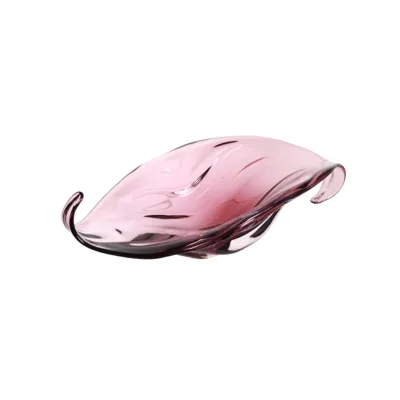
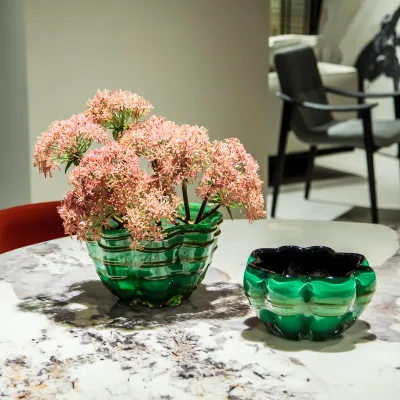
Manufacturer Modern Style Luxury Colorful Irregular Edge Glass Salad Bowl
$2.65 - $3.25
MOQ: 300 Pieces

Manufacturer Modern Style Luxury Colorful Crystal Glass Irregular Edge Salad Bowl
$2.65 - $3.25
MOQ: 300 Pieces


Wholesale Handmade Crystal Glass Colorful Bowl for Salad Noodle and Fruit Use
$2.65 - $3.25
MOQ: 300 Pieces

Qingdao Simpassic Import and Export Co., Ltd.
- Trading Company,Manufacturer/Factory
- China Shandong
- Lead time0 days
- Avg. response≤ 24h
Main productsGlass Cup, Glass Jar, Borosilicate Glass Food Containers, Glass Mug, Tableare, Glass Tumbler, Glassware, Glass Jug, Glass
Main marketsSouth America,Eastern Europe,Mid East,North America,Southeast Asia,Eastern Asia,Oceania,Western Europe,Africa
Shenzhen Alp Ocean Import And Export Co., Ltd.
- Manufacturer, Trading Company, Distributor/Wholesaler
- Guangdong, China
- Lead time0 days
- Avg. response≤ 14h
Main productsglass bowl,glass plate,glass cup,glass vase,glass candy box

Changsha Happy Go Products Developing Co., Ltd.
- Trading Company
- China Hunan
- Lead time45 days
- Avg. response≤ 7h
Main productsCoffee Mug, Dinner Set, Bowl, Mug, Dinnerware, Tableware, Plate, Porcelain, Crockery, Coffee Cup
Main marketsSouth America,Africa,Southeast Asia/ Mideast,East Asia(Japan/ South Korea),Europe,Australia,North America


Contemporary Black Porcelain Ramen Bowl with Elegant Touch
MOQ: 3000 Pieces

Traditional Pattern Ceramic Plates and Bowls for Stylish Tables
MOQ: 3000 Pieces

Elegant Glazed Ceramic Salad and Soup Bowl for Home Use
MOQ: 2000 Pieces

Elegant 22cm Hammered Bowl with Gold Plating for All Occasions
MOQ: 3000 Pieces

Hebei ChangXin Import and Export Trade Co., Ltd.
- Verified by SGS
- Trading Company
- China Hebei
- Lead time15 days
- Avg. response≤ 17h
Main productsTV Stand, Dining Chair, Office Chair, Dining Table, Bar Chair, Coffee Table
Main marketsEurope
Hebei Zhuo Zhongxi Glass Products Co., Ltd.
- Manufacturer, Trading Company
- Hebei Province, China
- Lead time0 days
- Avg. response≤ 2h
Main productsjuice cups,coffee cups,beer cups,double-layer glass cups
Main marketsNorth America(300.00%), Domestic Market(29.00%), Eastern Europe(21.00%), Oceania(10.00%), Southeast Asia(5.00%), South Asia(5.00%)

Hebei Zhuozhongxi Glass Products Co., Ltd.
- Verified by BV
- Manufacturer/Factory
- China Hebei
- Lead time15 days
- Avg. response≤ 5h
Main productsGlass Cup, Glass Teapot, Coffee Appliance, Tea Set, Glass Crafts, Glass Jug, Glass Food Storage Jar, Wine Glass, Candle Holders, Double Wall Glass
Main marketsSouth America,Eastern Europe,Mid East,North America,Southeast Asia,Eastern Asia,Oceania,Western Europe,Africa
Guangdong Hongdahuang Ceramics Co. Ltd
- Verified by SGS
- Combined
- China Guangdong
- Lead time45 days
- Avg. response≤ 13h
Main marketsDomestic,North America
Yangzhou Artdragon Decorations Co., Ltd.
- Manufacturer, Trading Company
- Jiangsu, China
- Lead time60 days
- Avg. response≤ 4h
Main productsGlass Crafts, Felt Products, Sport Products
Main marketsNorth America(65.00%), Western Europe(25.00%), South America(3.00%), Northern Europe(3.00%), Oceania(1.00%), Southern Europe(1.00%), Eastern Asia(1.00%), Mid East(1.00%)
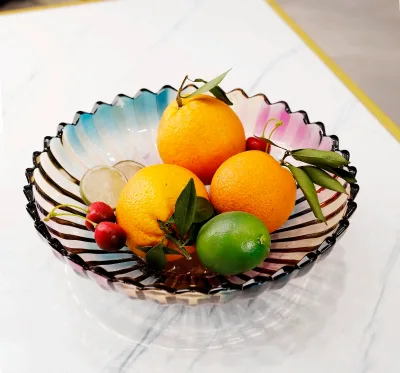
Luxury Bohemian Style 12 Inch Diameter Glass Colorful Fruit Bowl Kitchen Decor Bowl
$6.50 - $7.00
MOQ: 200 pieces








Comprehensive Sourcing Guide
Modern Glass Pedestal Bowl Supplier Concentration and Factory Types
Supplier locations for glass and ceramic tableware often cluster in specific Chinese provinces, with Hebei, Fujian, and Shandong appearing as key manufacturing hubs in current results. Hebei-based entities frequently list glass food containers and bowls as primary products, while Fujian suppliers may diversify into broader categories like shoes and electronics alongside glass items. Shandong factories often emphasize high-borosilicate glass and certified dinnerware, suggesting a regional specialization in durable, heat-resistant glassware suitable for pedestal designs. Buyers should verify if a supplier's stated location matches their actual production capacity, as trading companies in these regions may source from multiple factories rather than operating a single dedicated plant.
Company types vary significantly between trading companies and manufacturers, impacting direct control over quality and customization. Trading companies often offer a wider range of styles but may have longer lead times due to their intermediary role, whereas manufacturers typically provide OEM and ODM capabilities with stricter quality control. Some suppliers in the current data list certifications like ISO 9001 or BSCI, which often indicate a more established manufacturing base compared to pure trading entities. When evaluating a potential partner, buyers must distinguish between a factory that owns the production line and a trader that aggregates orders, as this distinction directly influences the ability to customize pedestal bowl designs and manage complex production schedules.
How to Verify Modern Glass Pedestal Bowl Suppliers
Verification begins with checking system certifications and third-party audit reports, as these provide concrete evidence of a supplier's operational standards. Current data shows suppliers holding ISO 9001, BSCI, SEDEX, and various product certifications like CE/EU, FDA, SGS, and LFGB, which are critical for food-contact glassware. Buyers should request specific audit reports for these standards rather than accepting a generic claim, ensuring the facility meets international safety and labor requirements. The presence of CTI verification or similar third-party checks adds a layer of credibility, confirming that the supplier's claims about their factory size and capabilities have been independently validated by an external agency.
Response times and lead times serve as practical indicators of a supplier's reliability and operational efficiency. A supplier with a response time of 0.13 hours demonstrates high responsiveness, while others may take several hours or days, potentially delaying critical order discussions. Lead times vary widely, with some suppliers offering 45-day windows and others requiring up to 120 days, reflecting differences in production capacity and inventory levels. Buyers should compare these metrics against their own project timelines, noting that shorter lead times often correlate with stocked inventory, whereas longer periods may indicate custom manufacturing. Verifying these operational metrics helps identify suppliers capable of meeting urgent delivery schedules without compromising on quality or communication.
What to Compare Across Modern Glass Pedestal Bowl Suppliers
Price ranges and minimum order quantities (MOQs) are primary factors in supplier selection, with current data showing prices from approximately $0.60 to $2.00 per unit depending on material and complexity. MOQs vary drastically, ranging from as low as 2 units for some trading companies to 10,000 units for large-scale manufacturers, forcing buyers to align their order volume with supplier capabilities. Buyers must calculate the total landed cost, including shipping and duties, rather than focusing solely on the unit price, as high MOQs can tie up significant capital. Comparing these financial terms helps determine which suppliers are viable for small-batch testing versus large-scale commercial distribution.
Product attributes and customization options define the suitability of a supplier for specific design requirements. Some suppliers offer fully customized logos, colors, and packaging, while others provide only standard stock items with limited modification. Material specifications, such as high borosilicate glass versus standard soda-lime glass, significantly impact the bowl's durability and thermal resistance, which is crucial for pedestal designs intended for microwave or oven use. Buyers should compare attributes like weight, dimensions, and certification standards to ensure the product meets their specific functional needs. Evaluating these technical details ensures the selected supplier can deliver a product that aligns with the buyer's brand identity and performance expectations.
Common Modern Glass Pedestal Bowl Sourcing Risks
Material quality inconsistencies pose a significant risk, particularly when suppliers claim "glass" without specifying the type or thickness. Standard glass may shatter under thermal shock, whereas high borosilicate glass offers superior heat resistance, a critical factor for pedestal bowls used in dining or serving. Buyers must verify material specifications through third-party test reports to avoid receiving products that fail safety standards or break during use. The absence of clear material data in product listings often indicates a lack of rigorous quality control, increasing the likelihood of receiving substandard goods that could damage the buyer's reputation.
Packaging and logistics risks are equally critical, as glass items are fragile and prone to damage during transit. Current data indicates varying packing standards, from simple polybags to structured inner boxes and master cartons, which directly affect the safety of the shipment. Suppliers with inadequate packaging protocols may result in high breakage rates, leading to financial losses and delayed deliveries. Buyers should explicitly request detailed packaging diagrams and insurance coverage for transit damage before finalizing an order. Ensuring robust packaging is essential to protect the aesthetic and functional integrity of the glass pedestal bowls throughout the supply chain.
Modern Glass Pedestal Bowl Regional Sourcing and Logistics
Regional sourcing impacts both cost and delivery speed, with suppliers in Hebei, Fujian, and Shandong offering distinct logistical advantages. Hebei-based manufacturers often benefit from proximity to major rail and road networks, facilitating efficient inland distribution, while Fujian suppliers may leverage coastal ports for international shipping. Shandong factories, known for high-quality glassware, often have established export channels that streamline customs clearance and reduce transit times. Buyers should evaluate the specific location of the factory relative to their target market to optimize shipping costs and delivery timelines, as regional differences can significantly affect the overall supply chain efficiency.
Logistics planning requires careful coordination of freight modes and customs procedures to ensure timely delivery. Sea freight is often the most cost-effective option for large orders, though it requires longer lead times and careful planning for inventory management. Air freight may be necessary for urgent orders or small batches, but it comes at a premium cost. Buyers must account for potential delays caused by customs inspections, especially for glass products that may require additional safety documentation. Understanding the logistical capabilities of the supplier, including their experience with international shipping and their ability to handle complex customs requirements, is essential for a smooth procurement process.
Modern Glass Pedestal Bowl Commercial Terms and Order Planning
Commercial terms such as payment methods, escrow services, and warranty policies are vital for securing a safe transaction. Many suppliers offer escrow services to protect buyer funds until the goods are received and verified, reducing the risk of fraud or non-delivery. Buyers should negotiate clear terms regarding payment schedules, such as a deposit followed by a balance upon shipment, to manage cash flow effectively. Understanding the supplier's policy on defects and returns is also crucial, as glass products are prone to damage during manufacturing or transit. Clear commercial terms provide a safety net for both parties, ensuring that any issues are resolved fairly and efficiently.
Order planning involves aligning production schedules with market demand to avoid stockouts or overstocking. Lead times ranging from 45 to 120 days require buyers to forecast demand accurately and place orders well in advance. Buyers should consider seasonal fluctuations and potential supply chain disruptions when planning their inventory levels. Establishing a long-term relationship with a reliable supplier can help stabilize lead times and ensure consistent product quality. By integrating commercial terms and order planning into a cohesive strategy, buyers can mitigate risks and ensure a steady supply of high-quality modern glass pedestal bowls for their business.
FAQs
What is the typical lead time for glass bowls?
Lead times vary by supplier and order volume. Some manufacturers offer a 45-day window, while others may require up to 120 days for production. Buyers should confirm specific timelines before placing large orders to ensure timely delivery.
Are glass bowls available with custom logos?
Yes, many suppliers offer customization services including custom logos. Some products allow for multicolor options and specific packaging requirements. However, certain standard items may not support customization, so checking product attributes is essential for specific needs.
What certifications do glass bowl suppliers hold?
Suppliers often hold certifications like ISO 9001, ISO 9000, BSCI, and SEDEX. Product-specific certifications can include CE, EU, FDA, SGS, LFGB, and EEC. These ensure safety and quality standards are met for food contact materials and general manufacturing processes.
What is the minimum order quantity for glass bowls?
Minimum order quantities range significantly depending on the supplier and product type. Some listings start at just two units, while others require 500, 1000, or even 3000 units. Buyers must verify the specific MOQ for their desired product model before purchasing.
Where are the glass bowl manufacturers located?
Manufacturers are primarily located in Hebei, Fujian, and Shandong provinces in China. These regions host both trading companies and direct manufacturers. Buyers can filter results by these specific locations to find suppliers that match their logistical preferences.
How fast do suppliers typically respond to inquiries?
Response times vary widely among different suppliers. Some companies respond within 0.13 hours, while others may take up to 11 hours or even 5 hours. Checking the response time metric helps buyers identify suppliers who can communicate quickly.
What materials are used for the glass bowls?
Most glass bowls are made from transparent glass, with some options featuring high borosilicate glass. Materials are specified as non-disposable and eco-friendly. Some listings also include ceramic and porcelain options alongside the glass varieties for diverse kitchenware needs.
What is the price range for wholesale glass bowls?
Prices generally range from 0.60 to 2.00 per unit depending on the material and customization. Basic glass bowls start around 0.60, while ceramic options may cost up to 2.00. Bulk orders often affect the final unit price significantly.