Plastic Wine Glass Suppliers and Manufacturers
Source 26 verified Plastic Wine Glass suppliers from China Fujian and Zhejiang. Compare response times, lead times, certifications, and MOQs to find the right partner. Contact suppliers directly to request samples and pricing; review the available evidence before requesting comparable quotations from suitable candidates.
Suppliers List

Jinjiang Jiaxing Supply Management Co., Ltd.
- Verified by TUVRHEINLAND
- Trading Company
- China Fujian
- Lead time30 days
- Avg. response≤ 1h
Main productsEVA Clogs, Flip Flop, Shoe Charms, Shopping Bags, Wristbands, Gifts, Promotional Gifts, Slipper, Sport Cap, Ball
Main marketsNorth America

Wenzhou Guanmin Import and Export Co., Ltd.
- Verified by BV
- Trading Company,Manufacturer/Factory
- China Zhejiang
- Lead time120 days
- Avg. response≤ 6h
Main productsShopping Bag, Cooler Bag, Notebook, Pen, Color Pencil, Lanyard, Beach Ball, Umbrella, Sunshade, Air Freshener
Main marketsSouth America,Eastern Europe,Mid East,North America,Southeast Asia,Eastern Asia,Western Europe
Ningbo Cension Commodity Co., Ltd.
- Verified by TüVRheinland
- Manufacturer, Trading Company
- Lead time30 days
- Avg. response≤ 6h
Main productsPlastic Water Bottle, Acrylic Dinnerware, Stainless Steel Water Bottle, Vacuum Flask, Tumbler & Mug
Main marketsWestern Europe(21%), Northern Europe(18%), North America(15%)
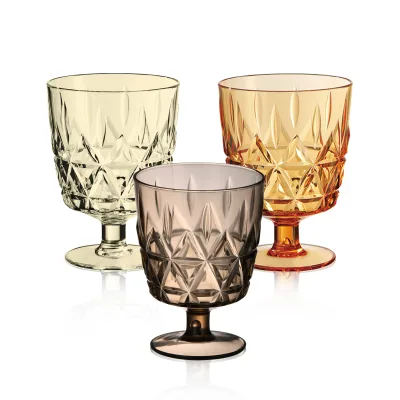
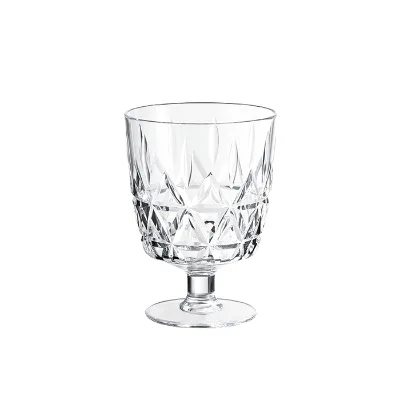
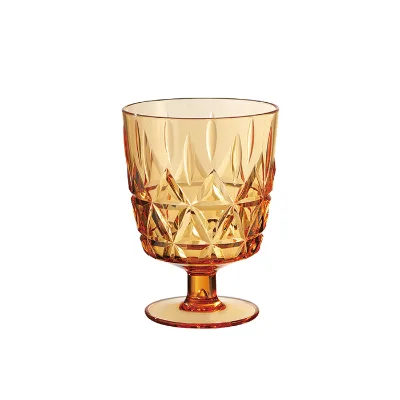
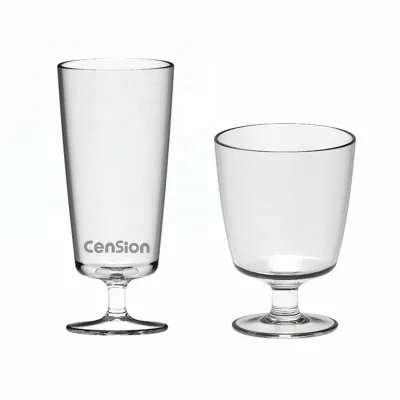
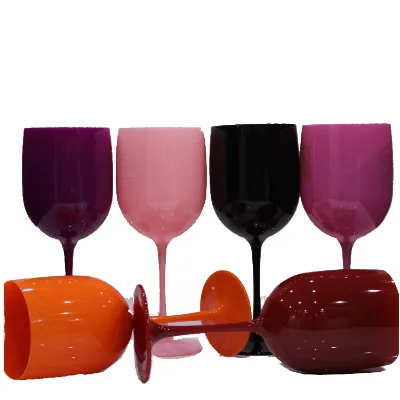
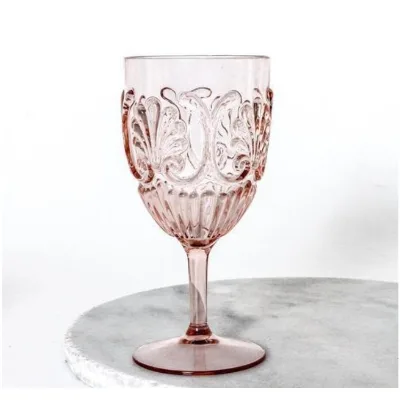
pink Plastic Acrylic Crystal Colored Luxury Unbreakable Wine Glasses with logo
$0.55 - $0.65
MOQ: 3000
Dongguan Langxin Home Product Co., Ltd
- Verified by TUVRHEINLAND
- Trading Company
- China Guangdong
- Lead time15 days
- Avg. response≤ 2h
Main productsPlastic Cup
Main marketsDomestic


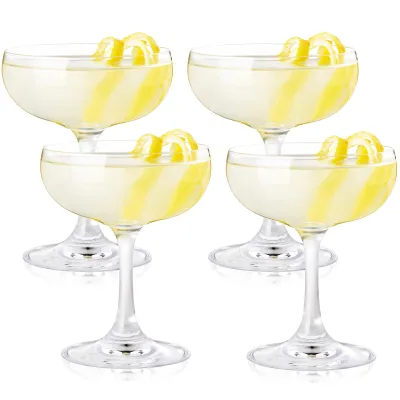
Wholesale Reusable Plastic Wine Glass Plastic Champagne Coupe Glasses 480ml 16oz
$0.86 - $0.90
MOQ: 1000 Pieces

Custom Logo Colores 4.5oz Champagne Glass Plastic Wine Glasses for Party & Events
$0.71 - $0.75
MOQ: 1000 Pieces
Shenzhen Gift Joint Promo Co., Ltd.
- Verified by SGS Group
- Trading Company
- Lead time20 days
- Avg. response≤ 3h
Main productsCar Sunshade, Beach Ball, Stress Ball, Letter Opener, Kraft Notebook
Main marketsNorth America(30%), South America(10%), Eastern Europe(10%)

Jiangmen Goodman Cleaning Supplies Co., Ltd.
- Verified by TUVRHEINLAND
- Combined
- China Guangdong
- Lead time15 days
- Avg. response≤ 13h
Main productsFood Pan, Food Basket Tray, Storage Box, Cleaning Bucket, Trash Can
Main marketsEurope,North America


Wholesale Glass Wine Goblet Custom Logo Plastic Wine Glasses Restaurant Wine Glass
$0.75 - $0.80
MOQ: 525 pieces


Hangzhou Winner Home Craft Trading Co., Ltd.
- Trading Company
- Zhejiang, China
- Lead time30 days
- Avg. response≤ 2h
Main productskitchen products,bar accessories,glassware,cocktail set,ice bucket
Main marketsNorth America(40.00%), Western Europe(35.00%), Northern Europe(5.00%), Southern Europe(5.00%), Eastern Europe(5.00%), South America(3.00%), Africa(2.00%)
Xiamen Charmlite Trading Co., Ltd.
- Verified by SGS Group
- Trading Company
- Lead time25 days
- Avg. response≤ 2h
Main productsYard Cups, Plastic Wine Glass, Water Bottle, Plastic Cup, Coffee Mug
Main marketsNorth America(26%), Western Europe(21%), Northern Europe(14%)
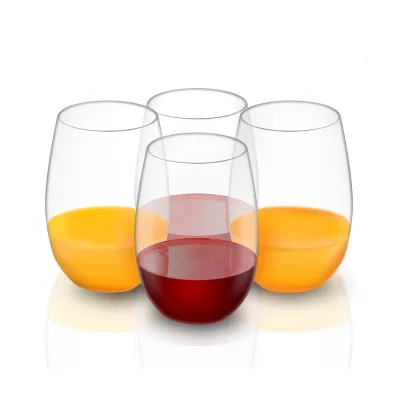
16oz Dishwasher Safe Wine Glass Plastic Wine Cup Plastic Wine Glasses for Parties and Events
$0.95 - $1.30
MOQ: 1000 pieces
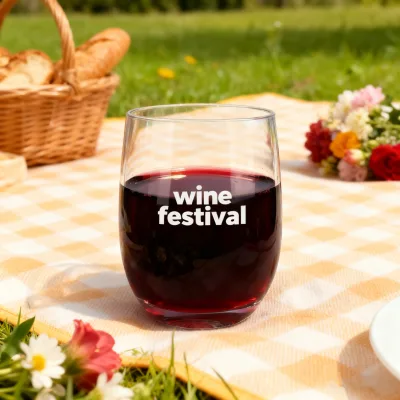
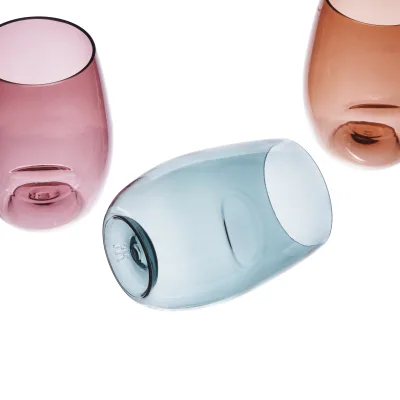
230ml Thick Wine Glass Durable Plastic Wine Cup Reusable Stemless Wine Glasses
$0.83 - $0.98
MOQ: 3000 pieces
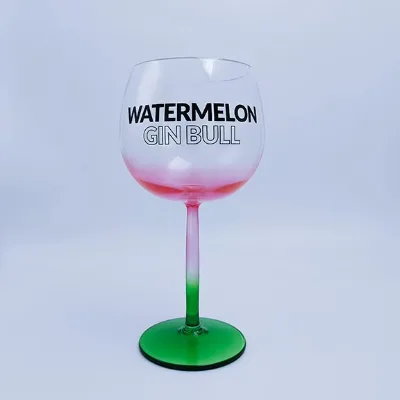
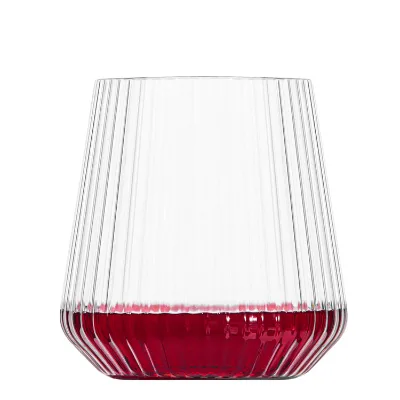
14OZ Tritan PET Striped Cup Plastic Wine Glasses for Wine Juice Plastic Boxes
$0.62 - $0.89
MOQ: 2 pieces
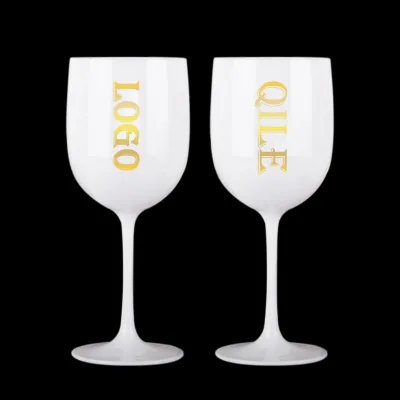
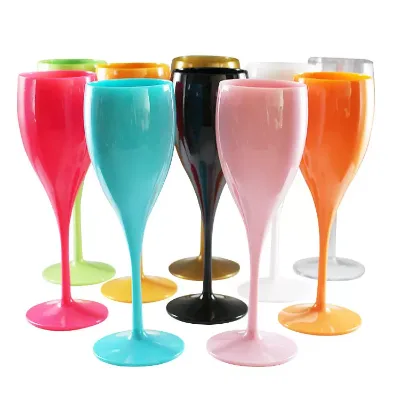
- Trading Company
- Taiwan, China
- Lead time30 days
- Avg. response≤ 13h
Main productsChampagne glass,Wine glass,Watch glass,Tumbler,Pitcher
Main marketsWestern Europe(30.00%), North America(30.00%), Eastern Europe(20.00%), Southern Europe(15.00%), South America(5.00%)
Wuhan Xinhuahang Household Goods Co., Ltd.
- Verified by BV
- Combined
- China Hubei
- Lead time15 days
- Avg. response≤ 5h
Main productsWine Glasses, Beer Glass, Drinking Glass, Decanter, Shot Glass, Coffee Glass, Cocktail Glass, Champagne Glass, Wine Accessories
Main marketsEurope,Australia,North America

180ml Wedding Decorated Drinking Glass Classic Design Wine Glass Custom Plastic Champagne Wine Glass
$0.98 - $1.25
MOQ: 480 Pieces


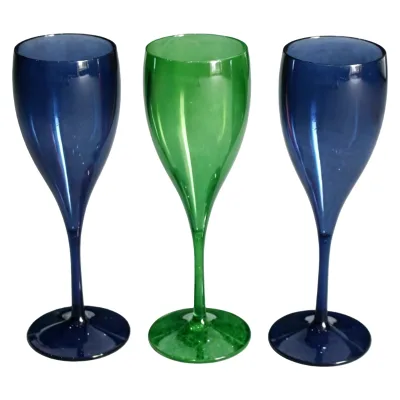
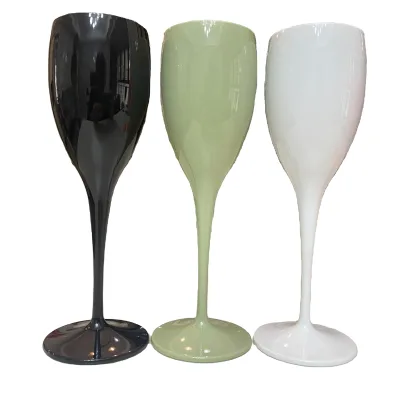
Green Colored Wine Glass Set Red Wine Glasses White Wine Glass Diamond Shape Glass
$1.42 - $1.83
MOQ: 480 Pieces


Hot Strong Reusable Crystal Customizationed Personalized Plastic Wine Glass
$1.12 - $1.54
MOQ: 480 Pieces

NINGBO EVERFINE PLASTICS CO., LTD.
- Verified by SGS
- Manufacturer/Factory
- China Zhejiang
- Lead time30 days
- Avg. response≤ 17h
Main productsPaper Straws, Plastic Cutlery & Cutlery Kits, Portion Cups with Lids, Plastic Straws, Plastic Soup Containers, Party Cups
Main marketsSouth America,Eastern Europe,Mid East,North America,Southeast Asia,Eastern Asia,Oceania,Western Europe,Africa
- Verified by TUVRHEINLAND
- Trading Company
- China Jiangsu
- Lead time30 days
- Avg. response≤ 6h
Main productsSugarcane Bagasse Tableware, Cornstarch Tableware, Cpla Tableware, Wooden/Bamboo Cutlery, Paper Food Container, Kraft Paper Box, Plastic Dinnerware Sets, Plastic Plates/Bowls, Plastic Cutlery/Silverware, Plastic Cups/Tumblers
Main marketsSoutheast Asia/ Mideast

Guangzhou Nantian Sources Co., Ltd.
- Manufacturer/Factory
- China Guangdong
- Lead time15 days
- Avg. response≤ 7h
Main productsKitchen Equipment, Kitchenware, Food Machine, Kitchen Appliance, Glassware, Food Machinery, Bakery Equipment, Dinnerware, Kitchen Utensils, Food Processor
Main marketsSouth America,Mid East,Southeast Asia,Eastern Asia,Oceania,Africa


Hot Sale Beverage Glass, Juice Glass
MOQ: 100 Pieces
Dongguan Vansun E-Commerce Co., Ltd.
- Trading Company
- Guangdong, China
- Lead time15 days
- Avg. response≤ 1h
Main productsCanvas bag,Tote Bag,Cosmetic makeup bag,hats,caps
Main marketsWestern Europe(15.00%), Southern Europe(10.00%), Northern Europe(10.00%), Central America(10.00%), North America(10.00%), Eastern Europe(10.00%), South America(10.00%), Southeast Asia(8.00%), Africa(5.00%), Eastern Asia(5.00%), South Asia(2.00%), Mid East(2.00%), Oceania(2.00%)
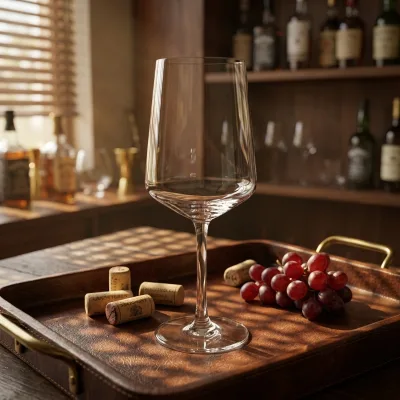
Modern Design Acrylic Plastic High-sided Wine Glass
$1.99 - $2.25

Hefei reihey Imp.&Exp. Co.,Ltd
- Trading Company
- Anhui, China
- Lead time10 days
- Avg. response≤ 6h
Main productsDrinkware,Barware,Dinnerware,Glass packing,Cookware
Main marketsEastern Europe(30.00%), North America(30.00%), Western Europe(12.00%), Southern Europe(10.00%), Oceania(10.00%), Eastern Asia(10.00%)

- Verified by TUVRHEINLAND
- Trading Company
- China Hunan
- Lead time45 days
- Avg. response≤ 1h
Main productsCeramic Mug, Vacuum Flask, Dinner Set, Cup, Mug, Thermal Bottle, Ceramic Dinner Set, Glass Jar, Glass Cup, Wine Cup
Main marketsSoutheast Asia/ Mideast


Goblet Wine Glass Wine Cup Coctail Glass Champagne Glass Whiskey Glass Beer Mug
$0.35 - $0.59
MOQ: 1000 Pieces

Jinjiang Jiaxing Import and Export Co., Ltd.
- Verified by CTI
- Manufacturer/Factory
- China Fujian
- Lead time120 days
- Avg. response≤ 1h
Main productsShoes, Slipper, Clothes, Promotion Gifts, Silicone Products, Outdoor Sports Products, Bags, Fashion Accessories, Consumer Electronics
Main marketsSouth America,Eastern Europe,Mid East,North America,Southeast Asia,Eastern Asia,Oceania,Western Europe,Africa

Rollin Porcelain Industrial Co., Ltd.
- Verified by BV
- Manufacturer/Factory
- China Guangdong
- Lead time45 days
- Avg. response≤ 6h
Main productsPorcelain Dinnerware, Tableware, Dinner Set, Dinner Plate, Hotel and Restaurant Tableware, Bone China, Cutlery, Glassware, Ceramic Plate, Porcelain
Main marketsEastern Europe,Mid East,North America,Southeast Asia,Eastern Asia,Oceania,Western Europe

Shenzhen Bridge Diamonds Technology Co., Ltd.
- Manufacturer
- Guangdong Province, China
- Lead time5 days
- Avg. response≤ 5h
Main productsFollow Me,To get one,$1000-$50,Coupons
Main marketsNorth America(50.00%), Eastern Europe(10.00%), Eastern Asia(10.00%), Oceania(10.00%), Southeast Asia(10.00%), Western Europe(10.00%)

Weifang Easylife Ware Co., Ltd.
- Trading Company
- China Shandong
- Lead time0 days
- Avg. response≤ 5h
Main productsGlass Cup, Coffee Cup, Coffee Mug, Coffee Pot, Tea Cup, Teapot, Whiskey Glass Cup, Decanter, Cocktail Glass Cup, Wine Glass Cup
Foshan Ron Hospitality Supplies Co., Ltd.
- Verified by BV
- Manufacturer/Factory,Group Corporation
- China Guangdong
- Lead time45 days
- Avg. response≤ 2h
Main productsRestaurant Furniture, Restaurant Booth, Restaurant Chair, Restaurant Table, Bar Stools, Wedding Chairs, Flatware Sets, Dinnerware Sets, Garden Chairs, Disposable Dinnerware & Tableware
Main marketsSouth America,Eastern Europe,Mid East,North America,Southeast Asia,Eastern Asia,Oceania,Western Europe,Africa

Factory Price Clear Stemless Champagne Flutes Plastic Stemless Wine Glass
$1.55 - $1.62
MOQ: 24 pieces

Shenzhen BYF Precision Mould Co., Ltd.
- Verified by Intertek
- Manufacturer, Trading Company
- Lead time14 days
- Avg. response≤ 2h
Main productsElectric Wine Opener, Electric Grinder, Silicone Wine Stopper, Electric Wine Aerator, Plastic Wine Glass
Main marketsNorth America(28%), Western Europe(20%), Domestic Market(20%)
Hangzhou Kangyou Household Import And Export Co., Ltd.
- Trading Company
- Zhejiang, China
- Lead time15 days
- Avg. response≤ 2h
Main productsBar Products,Glassware,Kitchen Product,Jewelry,Wedding Products
Main marketsNorth America(50.00%), Western Europe(15.00%), Northern Europe(10.00%), South America(10.00%), Southeast Asia(10.00%), Southern Europe(5.00%)
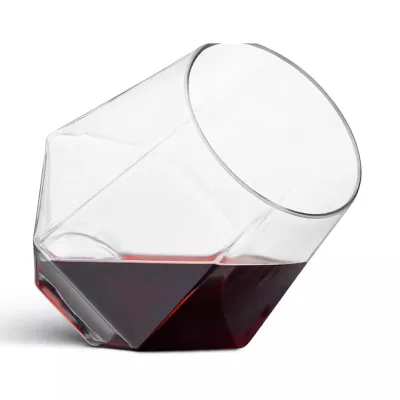
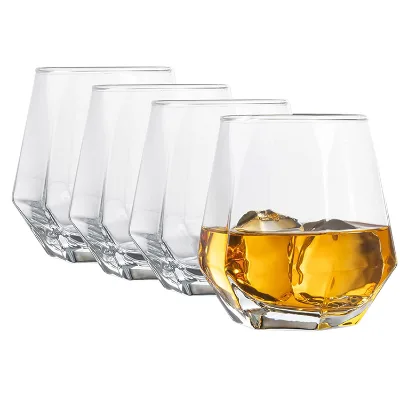
12oz Diamond Recyclable Unbreakable & Crystal Clear Plastic Red Wine Glasses for Party Wedding
$0.20 - $0.50
MOQ: 500 pieces

Foshan Nanhai Hua Yue Glass Co., Ltd.
- Verified by BV
- Combined
- China Guangdong
- Lead time30 days
- Avg. response≤ 1h
Main productsGlassware, Glass Bottle, Glass Cups, Glass Mugs, Wine Glass, Glass Plates, Glass Jars, Glass Bowls
Main marketsSoutheast Asia/ Mideast,Europe,Australia,North America
Longyan Zhanling Industry and Trade Co., Ltd.
- Manufacturer/Factory
- China Fujian
- Lead time150 days
- Avg. response≤ 4h
Main productsStainless Steel Cup, Customized Cup, Stainless Steel Cup & Mug, Double Wall Stainless Steel Cup, Customized Stainless Steel Cup, Water Bottle, Tumbler, Stainless Steel Water Bottle, Stainless Steel Bottle, Whiskey Glass
Main marketsSouth America,Eastern Europe,Mid East,North America,Southeast Asia,Eastern Asia,Oceania,Western Europe,Africa
Ningbo Fubu Imp & Exp Co., Ltd.
- Trading Company
- Zhejiang, China
- Lead time30 days
- Avg. response≤ 2h
Main productsPlastic Drinking Cups,Paper Tower Holder,Plastic Drinking Glasses
Main marketsNorth America(30.00%), Western Europe(20.00%), Northern Europe(16.00%), Eastern Europe(15.00%), Eastern Asia(10.00%), South America(7.00%), Mid East(1.00%), Southeast Asia(1.00%)
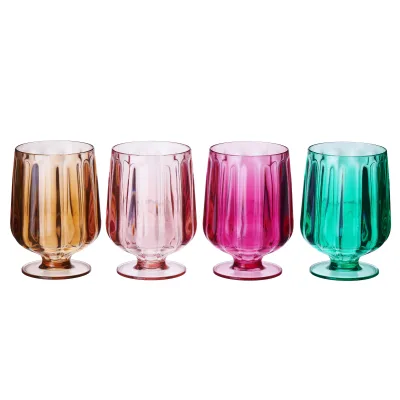
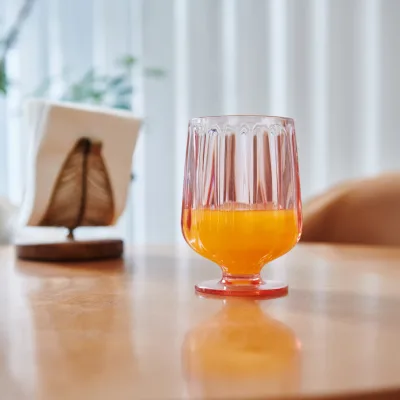
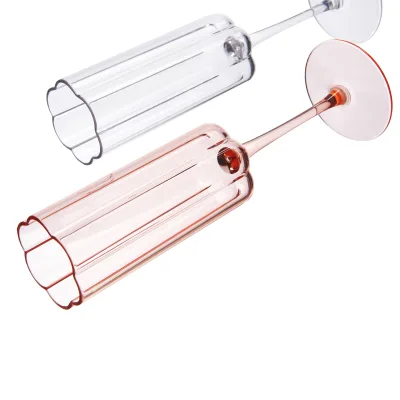
Custom Color Thick Plastic Wine Glasses and Water Tumbler Cups Modern Design for Party Occasions
$1.00 - $1.30
MOQ: 1000 pieces


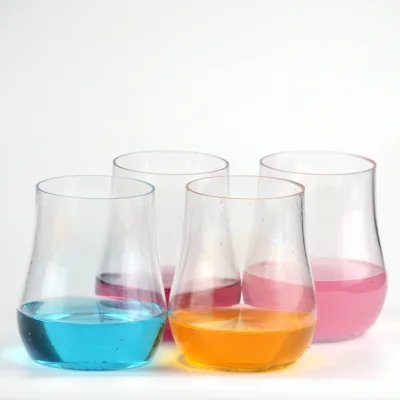
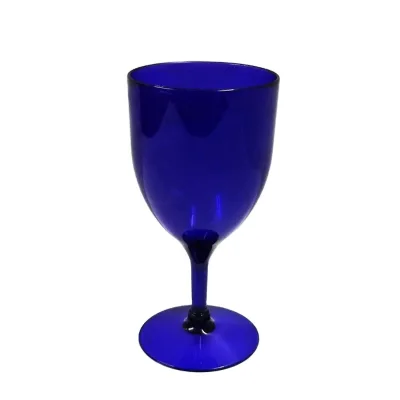
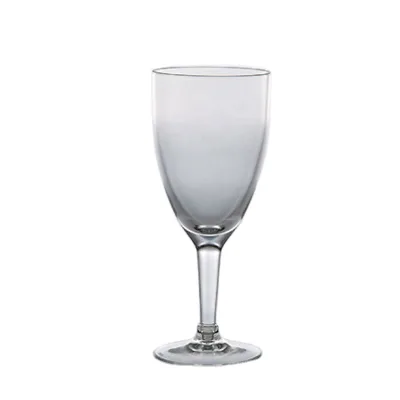


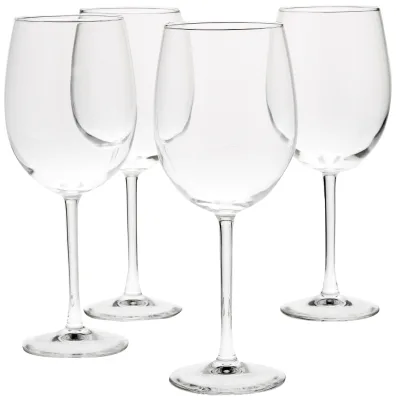






Comprehensive Sourcing Guide
Plastic Wine Glass Supplier Concentration and Factory Types
The supplier results for Plastic Wine Glass products show listings tied to Fujian and Zhejiang, which indicates that at least part of the sourcing base for this category sits in those two coastal Chinese provinces. Fujian suppliers in the results describe themselves as trading companies whose main products extend from footwear and promotional gifts into small plastic and glassware items, which is typical of trading houses that consolidate drinkware orders alongside broader gift assortments. Zhejiang entries include a combined trading company and manufacturer profile with drinkware such as tumblers, acrylic dinnerware, and wine glasses, as well as a manufacturer and trading company focused on bottles, flasks, and acrylic cups. A buyer should therefore expect to encounter both pure intermediaries and hybrid factory-traders in this category rather than a single uniform supplier type.
Because the visible listings do not include every Chinese province or every factory behind each listing, you should not assume the two provinces above exhaust the cluster map. Treat the displayed locations as evidence of concentration, then independently confirm where your shortlisted suppliers actually produce. Ask each candidate whether it manufactures in-house, subcontracts to nearby molding and printing workshops, or purely trades. In a category where decoration methods such as decal printing and screen printing determine quality, distinguishing a factory with its own printing line from a trader brokering third-party capacity directly affects your control over tooling, color matching, and reproduction consistency across repeat orders.
How to Verify Plastic Wine Glass Suppliers
Start with the verification signals that the platform already displays on some listings. The observed results include a supplier verified by TÜV Rheinland, another verified by TÜVRHEINLAND, and a Zhejiang supplier verified by Bureau Veritas (BV), showing that independent third-party audit badges exist in this category but are not universal. A badge confirms that an audit occurred, not that the audited entity matches the entity you contract with, so record the exact legal name shown on the audit and match it against business license details you request directly. Also note that verification badges differ from system certifications: one Zhejiang listing displays system certifications such as ISO 9001, BSCI, SEDEX, ISO 13485, and TS 16949, which address management systems rather than product safety for drinkware.
For product-level assurance, examine the certifications declared on the product listings themselves. Observed entries declare LFGB, ROHS, and REACH on one crystal-style Plastic Wine Glass and ROHS on several others, with origin stated as China. Food-contact plastic sold into Europe or the United States normally requires food-contact compliance documentation, so ask for the actual test reports behind any declared mark and check that report dates, sample descriptions, and the tested model correspond to the specific Plastic Wine Glass model number you intend to order. Request material declarations for the resin used, confirm whether the declared marks are third-party tested or self-declared, and reserve the right to rerun food-contact tests on production samples before shipment.
What to Compare Across Plastic Wine Glass Suppliers
Build a comparison table from attributes the listings actually display, while remembering that not every supplier shows every field. Useful dimensions in the observed results include lead time, minimum order quantity, response speed, company type, verification body, location, main products, and research or development capability. Lead times vary sharply: one Fujian supplier lists 30 days while a Zhejiang supplier lists 120 days, a fourfold difference that changes your reorder calendar more than any price difference. Response times also differ, with recorded values ranging from 0.16 hours to 6 hours on some listings and about 5 hours on another, so benchmark how quickly each candidate answers technical questions, not just greetings.
Compare MOQs against your volume: observed Plastic Wine Glass MOQs include 500 pieces on several models, 1,000 pieces on a 10oz PC wine glass, and 3,000 pieces on a 285ml acrylic wine glass. Then compare product depth. Some suppliers list only wine glasses and glassware; others bundle tumblers, flasks, beer mugs, goblets, and gold-plated cups, which matters if you want one vendor across a drinkware program. Check customization fields: listings declare customized logo, design, size, color, and packing, and one supplier explicitly flags OEM availability while another lists OEM and ODM capacity. Finally, compare packing terms, such as the declared 6 pieces per box and 48 pieces per carton, since case configuration drives freight cost and retail readiness.
Common Plastic Wine Glass Sourcing Risks
The first risk cluster is compliance drift. Several observed listings declare ROHS, which addresses restricted substances generally rather than food-contact migration for drinkware, while one listing adds LFGB and REACH. If a buyer accepts a declared mark without a matching test report for the exact model, the shipment may arrive with decoration, resin, or additives that fail destination-market food-contact rules. Because listings show customized color, size, and printing options, every customization decision can invalidate an existing report. Treat each new decoration or resin change as a trigger for retesting, and require the supplier to state which certificate version covers which model number.
The second risk cluster is capability mismatch. Trading companies dominate some of the observed results, and a trading company listing wine glasses alongside slippers, wristbands, and shopping bags may have little technical ownership of molding or printing quality. Long lead times, such as the 120 days observed on one Zhejiang supplier, can mask capacity constraints or seasonal bottlenecks, and a fast response time does not guarantee the respondent is the decision-maker. Low MOQs, such as the observed 500-piece entries, may signal small-run flexibility but also smaller, harder-to-audit workshops. Other common pitfalls include single-wall versus insulated confusion, rectangular versus cylindrical shape discrepancies between photos and specifications, and packing counts that differ from the declared 6 pieces per box. Protect yourself with pre-shipment inspection against a written specification sheet.
Plastic Wine Glass Regional Sourcing and Logistics
The visible location evidence points to Fujian and Zhejiang as sourcing provinces, which carries practical logistics implications. Zhejiang's port and freight ecosystem is heavily used for drinkware exports, and a supplier there listing a 120-day lead time suggests either long production queues or consolidated export cycles that you must plan around. Fujian-based trading companies listing 30-day lead times may be fulfilling from stock or nearby workshop networks, which favors replenishment orders but warrants confirmation of where production physically occurs. Since origin is declared as China on the product listings, confirm the actual port of loading and whether the supplier handles export documentation directly or through an agent.
Plastic wine glasses are bulky relative to their value, so freight economics deserve specific attention in this category. Observed packing of 6 pieces per box and 48 pieces per carton lets you calculate carton dimensions and container fill, but nested or stacked designs change the math dramatically, so request dimensional drawings of packed cartons before quoting freight. A supplier whose main products include shopping bags, cooler bags, and umbrellas may consolidate multiple product lines into one container, reducing your freight cost per unit. Ask whether the supplier supports mixed-SKU containers, how it protects glasses against scuffing in transit, and whether molded pulp or bubble interlayers are standard. Confirm Incoterms, loading port, and any export restrictions tied to the declared certifications.
Plastic Wine Glass Commercial Terms and Order Planning
Anchor your commercial planning on the numbers the listings expose. Observed price points for plastic wine glasses run from roughly 0.045 to 0.048 USD on entry-level models up to about 0.50 USD on a 10oz PC wine glass, a range that reflects differences in material, size, and decoration. Do not treat a listed price as your landed cost: confirm whether it assumes the minimum decoration, the declared MOQ of 500, 1,000, or 3,000 pieces, and the standard packing. Ask each supplier to requote at your actual volume, your customization level, and your destination port, then compare quotes on identical specifications.
Order planning should sequence milestones against the quoted lead time. Where one supplier commits to 30 days and another to 120 days, plan sample approval, food-contact testing, decoration proofing, and inspection windows inside that span rather than after it. Confirm payment structure and whether platform escrow or trade assurance covers the transaction, since escrow availability is a displayed attribute on some listings and not others, and never assume it applies. Lock model numbers, such as the observed model identifiers on crystal and Plastic Wine Glass listings, into the contract with the declared packing of 6 pieces per box and 48 pieces per carton. Finally, define reorder triggers early: with 120-day leads, you must forecast seasons two cycles ahead, whereas 30-day suppliers can support closer-to-demand replenishment if capacity holds.
FAQs
What certifications are available for plastic wine glasses?
Suppliers offer products certified under LFGB, ROHS, and REACH standards to ensure material safety and regulatory compliance. These certifications verify that the plastic materials used in manufacturing meet strict health and environmental requirements for food contact applications.
What is the typical minimum order quantity for these items?
The minimum order quantity generally starts at 500 pieces for customized designs and standard models. Some suppliers may require higher volumes, such as 1000 or 3000 pieces, depending on the specific product type and customization complexity.
How long does production usually take?
Lead times vary significantly, ranging from 30 days to 120 days depending on the supplier and order volume. Buyers should confirm specific timelines with manufacturers to ensure delivery aligns with their project schedules and inventory needs.
Can I customize the design and logo?
Yes, customization is widely available for shape, size, color, and logo printing. Suppliers support OEM services with options like screen printing or decal decoration, allowing buyers to create unique branded products that match their specific marketing requirements.
What is the price range for bulk orders?
Prices for plastic wine glasses typically range from $0.045 to $0.50 per unit based on material and features. Basic models start at the lower end, while specialized designs with handles or premium finishes may cost more.
Where are these suppliers located?
Manufacturers are primarily located in China, specifically in Fujian and Zhejiang provinces. These regions are known for strong manufacturing capabilities in plastic goods and dinnerware, offering efficient supply chains for international buyers seeking competitive sourcing options.