Retro Eco-Friendly Coffee Mug Suppliers and Manufacturers
Source 21 verified suppliers for Retro Eco-Friendly Coffee Mug products. Compare key dimensions including location, lead times, MOQ, response times, certifications, and pricing. Review product details and contact suppliers directly to initiate your sourcing process; review the available evidence before requesting comparable quotations from suitable candidates.
Suppliers List

Changsha Happy Go Products Developing Co., Ltd.
- Trading Company
- China Hunan
- Lead time45 days
- Avg. response≤ 7h
Main productsCoffee Mug, Dinner Set, Bowl, Mug, Dinnerware, Tableware, Plate, Porcelain, Crockery, Coffee Cup
Main marketsSouth America,Africa,Southeast Asia/ Mideast,East Asia(Japan/ South Korea),Europe,Australia,North America


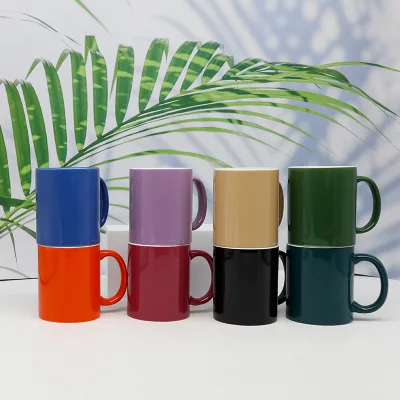
Eco-Friendly Vintage Ceramic Coffee Mug with Metallic Glaze
MOQ: 3000 Pieces

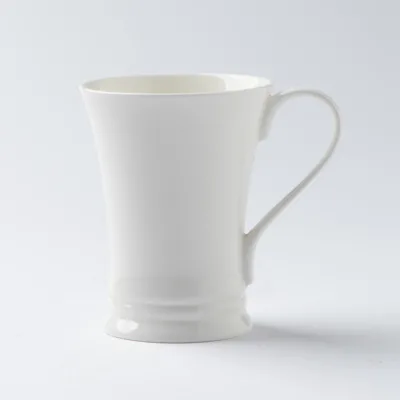
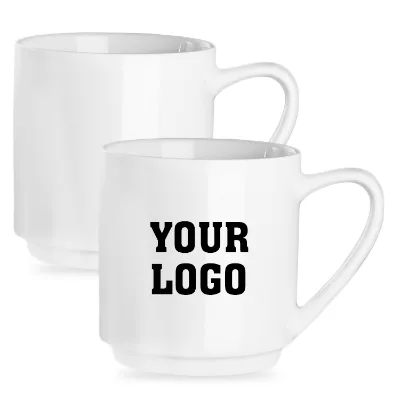
Simple Yet Stylish White Coffee Mug for Daily Use
MOQ: 2000 Pieces
- Verified by TüVRheinland
- Manufacturer, Trading Company
- Lead time45 days
- Avg. response≤ 2h
Main productsDinner Set, Kids Set, Tea And Coffee Set, Gift Set, Mug
Main marketsSouthern Europe(20%), Eastern Europe(15%), Northern Europe(15%)
Longyan Zhanling Industry and Trade Co., Ltd.
- Manufacturer/Factory
- China Fujian
- Lead time150 days
- Avg. response≤ 4h
Main productsStainless Steel Cup, Customized Cup, Stainless Steel Cup & Mug, Double Wall Stainless Steel Cup, Customized Stainless Steel Cup, Water Bottle, Tumbler, Stainless Steel Water Bottle, Stainless Steel Bottle, Whiskey Glass
Main marketsSouth America,Eastern Europe,Mid East,North America,Southeast Asia,Eastern Asia,Oceania,Western Europe,Africa

Rollin Porcelain Industrial Co., Ltd.
- Verified by BV
- Manufacturer/Factory
- China Guangdong
- Lead time45 days
- Avg. response≤ 6h
Main productsPorcelain Dinnerware, Tableware, Dinner Set, Dinner Plate, Hotel and Restaurant Tableware, Bone China, Cutlery, Glassware, Ceramic Plate, Porcelain
Main marketsEastern Europe,Mid East,North America,Southeast Asia,Eastern Asia,Oceania,Western Europe
Quanzhou Comain Ceramic Co., Ltd
- Trading Company
- China Fujian
- Lead time0 days
- Avg. response≤ 1h
Main productsCeramic Products

- Verified by TUVRHEINLAND
- Trading Company
- China Hunan
- Lead time45 days
- Avg. response≤ 1h
Main productsCeramic Mug, Vacuum Flask, Dinner Set, Cup, Mug, Thermal Bottle, Ceramic Dinner Set, Glass Jar, Glass Cup, Wine Cup
Main marketsSoutheast Asia/ Mideast

Chaozhou City Cha'an District Fengtang Town Sai Si Ceramics Factory
- Verified by CTI
- Combined
- China Guangdong
- Lead time30 days
- Avg. response≤ 6h
Main productsMugs, Ceramic Tissue Boxes, Ceramic Pet Bowls, Ceramic Vases
Main marketsDomestic

Wholesale Ins Retro Ceramic Coffee Mug Custom Logo Coffee Mugs Eco-Friendly Big Capacity Coffee Cup
$4.00 - $8.00
MOQ: 1000 Pieces


$2.00 - $4.00
MOQ: 1000 Pieces


Jinjiang Jiaxing Supply Management Co., Ltd.
- Verified by TUVRHEINLAND
- Trading Company
- China Fujian
- Lead time30 days
- Avg. response≤ 1h
Main productsEVA Clogs, Flip Flop, Shoe Charms, Shopping Bags, Wristbands, Gifts, Promotional Gifts, Slipper, Sport Cap, Ball
Main marketsNorth America
Shandong Fenite New Material Co., Ltd.
- Verified by BV
- Manufacturer
- China Shandong
- Lead time15 days
- Avg. response≤ 2h
Main productsToilet Paper, Facial Tissue, Hand Towel

Shanghai Karry Industrial Co., Ltd.
- Verified by BV
- Combined
- China Zhejiang
- Lead time30 days
- Avg. response≤ 6h
Main productsSports Bottle
Main marketsSoutheast Asia/ Mideast,Europe,North America

Wholesale Price Custom Logo Heated Coffee Mug Eco Friendly Leakproof Vintage Coffee Mug to Go
$2.10 - $2.75
MOQ: 500 Pieces

Drinking Promotional Travel Hotel Reusable Tea Eco Friendly Customize Cafe Mugs with Logo
$1.98 - $2.58
MOQ: 500 Pieces

New Custom Logo Double Walled Iced Coffee Cup Reusable Eco Friendly Outdoor Travel Coffee Cups
$2.18 - $2.88
MOQ: 500 Pieces
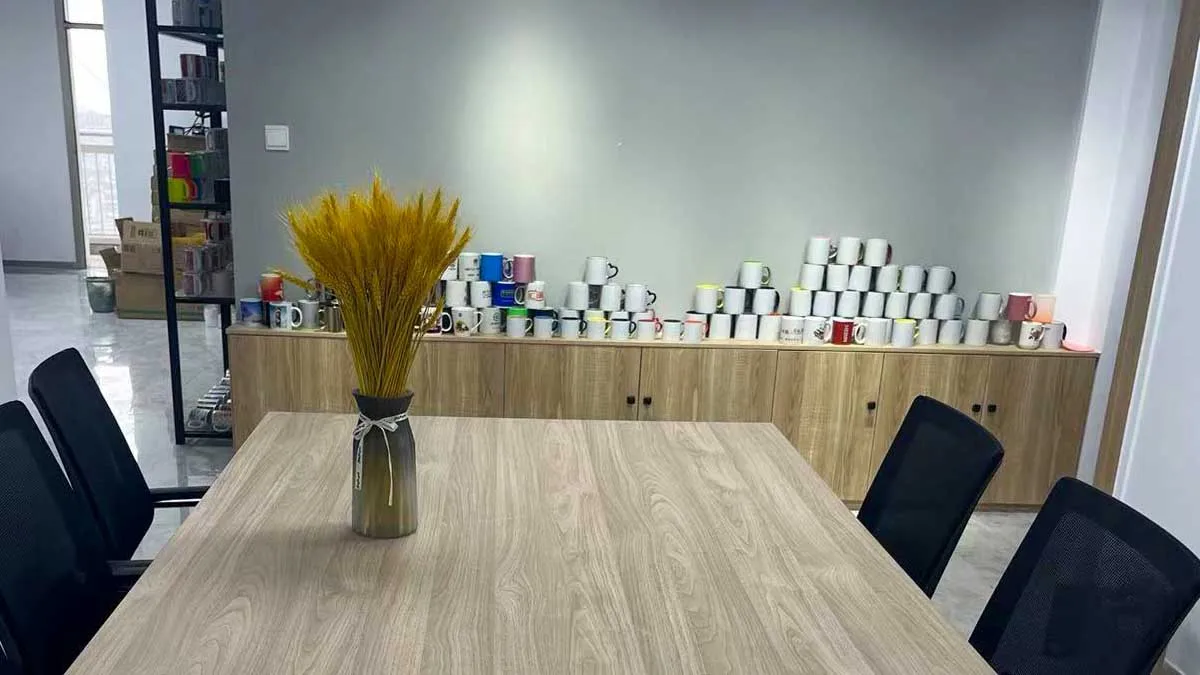
- Manufacturer, Trading Company
- Shandong, China
- Lead time30 days
- Avg. response≤ 5h
Main productsMug,Sublimaion mug,Coffee mug,Ceramic mug,Decal mug
Main marketsWestern Europe(30.00%), North America(30.00%), Southern Europe(10.00%), Northern Europe(10.00%), Eastern Europe(10.00%), Oceania(10.00%)

Shanghai David International Trade Co., Ltd.
- Verified by TUVRHEINLAND
- Combined
- China Shanghai
- Lead time15 days
- Avg. response≤ 8h
Main productsPromotional Gifts, Gift Sets, Tshirts, Hats, Hot Packs, Hot Cold Packs, Ice Packs, Bags, Umbrellas, Water Bottles
Main marketsSouth America,Africa,Southeast Asia/ Mideast,East Asia(Japan/ South Korea),Domestic,Europe,Australia,North America

Linyi Feifan Imp. & Exp. Co., Ltd.
- Verified by TUVRHEINLAND
- Trading Company
- China Shandong
- Lead time30 days
- Avg. response≤ 10h
Main productsEnamel Mug/Cup, Enamel Bowl, Enamel Basin, Enamel Plate/Tray/Kettle, Enamel Casserole/Pot, Enamel Bucket, Safety Shoe/Boot, Safety Gloves
Main marketsSoutheast Asia/ Mideast,Domestic

- Verified by SGS
- Trading Company
- China Anhui
- Lead time30 days
- Avg. response≤ 3h
Main productsPeper Cup, Plastic Cup, Paper Bowl, Biodegrable Cup, Straw, Paper Bag, Cup Carry Tray, Cup Sleeves
Main marketsSoutheast Asia/ Mideast,Europe,Australia,North America


Eco-Friendly Promotional Coffee Custom Printed Compostable Cup with Lids
$0.01 - $0.01
MOQ: 50000 Pieces

Ningbo Yinzhou Wenhui Paper Co., Ltd.
- Verified by TUVRHEINLAND
- Manufacturer/Factory
- China Zhejiang
- Lead time45 days
- Avg. response≤ 9h
Main productsStationery Gifts Promotional Homeware, Pen, Pet Products, Board Game, Paper Tube, Notebook, Wooden Toys, DIY Toy, Puzzle, Gift Bag
Main marketsSouth America,Eastern Europe,Mid East,North America,Southeast Asia,Eastern Asia,Oceania,Western Europe,Africa
Shanghai Fine-V Intl Trade Co., Ltd.
- Manufacturer, Trading Company
- Shanghai, China
- Lead time45 days
- Avg. response≤ 16h
Main productsTea Pot Set,Coffee Cup,Ceramic Mugs,Handicraft Ceramics,Decorative Porcelain
Main marketsNorth America(20.00%), Mid East(10.00%), Domestic Market(10.00%), Northern Europe(10.00%), Eastern Europe(10.00%), Western Europe(10.00%), Oceania(5.00%), Southern Europe(5.00%), Southeast Asia(5.00%), Central America(5.00%), South America(5.00%), Eastern Asia(5.00%)
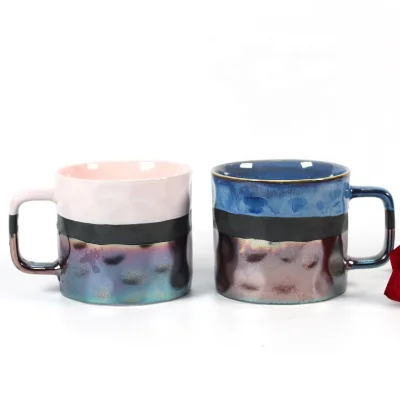
custom European style large capacity retro mugs ceramic milk cup coffee cup
$1.35 - $1.84
MOQ: 500 pieces
Liling Huarui Ceramic Co., Ltd.
- Verified by Intertek
- Manufacturer, Trading Company
- Lead time40 days
- Avg. response≤ 3h
Main productsCeramic Mug, Ceramic Bowl, Ceramic Cup and Saucer, Ceramic Plate, Ceramic Tableware
Main marketsDomestic Market(50%), North America(20%), South America(20%)

Shanghai Touch Industrial Development Co., Ltd.
- Verified by TUVRHEINLAND
- Combined
- China Shanghai
- Lead time15 days
- Avg. response≤ 6h
Main productsInstant Hot Pack, Hot Cold Pack, Gel Eye Mask, Gel Ice Pack, Gel Bottle Cooler, Instant Ice Pack, Hand Warmer, Heat Pack, Cooling Scarf, Gel Beads
Main marketsSouth America,Others(foreignTradeCapacity.exportBusinessCapacityMarketOther),Southeast Asia/ Mideast,East Asia(Japan/ South Korea),Domestic,Europe,Australia,North America
Haosheng (zibo) International Trade Co., Ltd.
- Verified by Intertek
- Trading Company
- Lead time35 days
- Avg. response≤ 2h
Main productsCeramic Mug, Stainless Steel Tumblers
Main marketsNorth America(40%), Northern Europe(30%), Eastern Asia(10%)
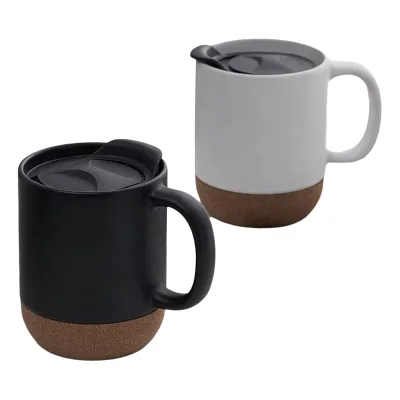
Custom Logo Matte Black Coffee Cup 14oz Ceramic Coffee Mug With Insulated Cork Bottom and Lid
$1.07 - $1.59
MOQ: 1000 pieces
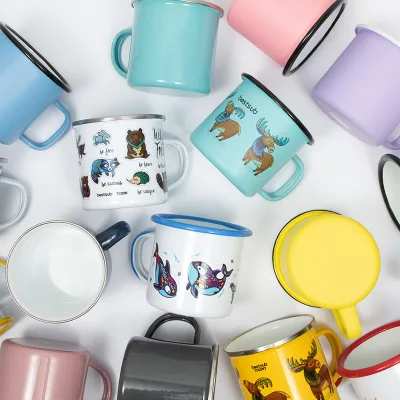
Wholesale 12 Oz Colored Sublimation Travel Camping Custom Enamel Coffee Cup With Logo
$0.72 - $1.71
MOQ: 1000

Wenzhou Guanmin Import and Export Co., Ltd.
- Verified by BV
- Trading Company,Manufacturer/Factory
- China Zhejiang
- Lead time120 days
- Avg. response≤ 6h
Main productsShopping Bag, Cooler Bag, Notebook, Pen, Color Pencil, Lanyard, Beach Ball, Umbrella, Sunshade, Air Freshener
Main marketsSouth America,Eastern Europe,Mid East,North America,Southeast Asia,Eastern Asia,Western Europe
Hebei Jingyi Technology Co., Ltd.
- Manufacturer
- Hebei, China
- Lead time0 days
- Avg. response≤ 8h
Main productsRestaurant Table and Chair Combination,Office Desk and Chair Set,Medical Beauty Bed,Cryolipolysis Machine,Laser Hair and Freckle Removal Equipment
Main marketsNorth America(45.00%), Northern Europe(10.00%), Southeast Asia(10.00%), Eastern Europe(10.00%), South America(10.00%), Southern Europe(5.00%), Mid East(5.00%), Western Europe(5.00%)






Comprehensive Sourcing Guide
Retro Eco-Friendly Coffee Mug Supplier Concentration and Factory Types
Retro Eco-Friendly Coffee Mug listings on B2B platforms come from a mix of manufacturer/factories, combined manufacturer-and-trading companies, and pure trading companies, and understanding that mix is the first step in screening. The supplier results in this category include a trading company based in Hunan whose main products center on mugs, dinner sets, plates, porcelain and tableware, alongside manufacturer or factory operations in Fujian focused on stainless steel cups, tumblers, water bottles and customized cup products. This shows the category is not limited to one material; ceramic, pottery, stoneware and metal drinkware suppliers all appear under eco friendly and retro-style mug searches, so buyers should filter by material early rather than assuming every listing is a ceramic mug factory.
When a location is not confidently stated in the supplier data, do not guess. Instead, identify clusters yourself by scanning the location field across many results, noting which provinces or cities repeat among ceramic and drinkware suppliers, and cross-checking each candidate's main-products line for mugs, dinnerware and porcelain. Factory type matters for what you can request: a manufacturer or factory listing with ODM capability suggests custom mold and design work, while a trading company may offer a wider catalog and better communication across multiple factories but adds a margin layer. Combined manufacturer-trading entities often present both production depth and export experience, which is worth probing during your first inquiry round.
How to Verify Retro Eco-Friendly Coffee Mug Suppliers
Verification should start with the platform's own signals, then move to documents you request directly. In the current results, one combined manufacturer and trading company carries a TüV Rheinland verification badge and system certifications listed as BSCI, (EC) 1935/2004 and FDA CPG 7117 — relevant marks for a food-contact ceramic or drinkware supplier. Another supplier shows system certification only as "Others," which tells you nothing concrete and must be clarified before you rely on any compliance claim. Never assume a badge applies to a specific mug model; ask which certificate number covers the exact product and request the certificate copy for review.
Beyond badges, verify food-contact safety at the product level. Listings in this category include stated attributes such as "Microwave & Dishwasher Safe, Lead & Cadmium Free" and "Food Contact Safe" quality standards on certain mugs, but these are supplier self-declarations. Ask for third-party test reports tied to the production batch or the decorative technique you plan to use, since color glazes, decals and hand-painted finishes are the usual risk points for lead and cadmium. Confirm the legal entity behind the account, whether it matches the factory you would audit, and whether the verified name differs from the brand shown on listings. Finally, test responsiveness before committing: response-time fields in the data range from roughly two hours to nearly seven, and slow pre-sales replies usually predict slow problem resolution during production.
What to Compare Across Retro Eco-Friendly Coffee Mug Suppliers
Build a comparison sheet using the attributes suppliers actually display, without assuming every field is populated. In this category you can compare location (Hunan and Fujian appear in the data), company type (trading company versus manufacturer/factory versus combined), lead time (one listed supplier shows 45 days, another 150 days — a difference that reshapes your inventory planning), response time (values including roughly 2, 4 and 6.8 hours), verification status, and system certifications. Main-products lines also matter: one supplier lists coffee mugs, dinner sets and tableware; another lists kids sets, tea and coffee sets and gift sets; a third is stainless steel drinkware with whiskey glasses — three very different sourcing propositions for the same keyword.
Product-level fields are equally comparable. Minimum order quantities in the current results span from 50 pieces on a pottery coffee mug to 2,000 and 3,000 pieces on ceramic mug models, so MOQ alone can eliminate or elevate a candidate depending on your volume. Unit price ranges shown run from about 0.29–0.86 USD on one silk-screen mug to 0.99–1.98 USD on a travel mug and 2.30–2.50 USD on a pottery model. Also compare customization availability, capacity options (some listings state 301–400ml or up to 601–700ml), packing formats, and R&D capability fields such as sample processing, graphic processing, customized-on-demand or ODM. Where a field is blank, record it as unknown and resolve it in inquiry — do not score it as a zero.
Common Retro Eco-Friendly Coffee Mug Sourcing Risks
The most common risk in this category is material and compliance mismatch. Retro styling often relies on metallic glazes, reactive color glazes, decals or engraved finishes, and these decorations are exactly where food-contact safety problems concentrate. One listing in the results advertises an eco friendly vintage ceramic coffee mug with metallic glaze; before ordering, require lead and cadmium migration test evidence specific to that glaze, not a generic food-safety statement. A second risk is keyword contamination: eco friendly and reusable mug searches in this data return plastic drinkware and even disposable drinkware categories, plus bamboo-labeled and pottery listings with inconsistent naming, so confirm the actual material in writing rather than trusting the title.
Lead-time dispersion is another visible risk: the results show 45-day and 150-day lead times for different suppliers, so a supplier chosen on price alone may double your restock cycle. Watch for trading companies presenting factory-style catalogs without disclosing their production partners, especially in regions like Hunan where the listed supplier is a trading company — ask directly who manufactures. Packing is a frequent ceramic failure point: mug listings here mention brown box, color box, polyfoam display box, box and pallet options, and inadequate inner packing drives breakage claims on retro glazed mugs. Finally, one result lists a lead-and-cadmium-free claim alongside customization availability; remember that a customer-specified glaze can void a passing test report, so retest after any design change.
Retro Eco-Friendly Coffee Mug Regional Sourcing and Logistics
Two province-level locations appear confidently in the current supplier data: Hunan and Fujian. The Hunan entry is a trading company whose main products span porcelain, dinnerware, tableware, plates, bowls and coffee mugs — consistent with China's broader ceramics-export base, though the data itself does not state factory locations, so treat it as a trading hub relationship until proven otherwise. The Fujian entry is a manufacturer or factory focused on stainless steel cups, tumblers, bottles and customized cup products, with ODM capability listed, which points Fujian candidates toward metal rather than ceramic retro mugs despite the eco friendly keyword overlap.
Plan logistics around the material mix you source. Ceramic and pottery mugs are heavy and fragile, so pallet-level packing — mentioned in some listings — matters more than carton optimization, and freight cost per unit can rival the product price at the low end of the observed range. Stainless travel mugs ship lighter and more durably but may carry longer quoted lead times, as seen in the 150-day figure in this data. For buyers without a verified cluster in their own research, map candidate locations from the results, compare them against your inbound port and duty position, and ask each shortlisted supplier for their shipping origin, nearest port and typical carton dimensions before quoting freight. Do not infer regional price advantages from province names; validate with actual FOB quotes on identical specifications.
Retro Eco-Friendly Coffee Mug Commercial Terms and Order Planning
Anchor commercial discussions on the numbers suppliers actually publish, then negotiate beyond them. Observed MOQs in this category run from 50 pieces on a pottery coffee mug to 1,000 on a customized travel mug and up to 3,000 on a silk-screen ceramic model, so a buyer testing multiple retro designs should shortlist low-MOQ pottery or stock-design suppliers first and reserve high-MOQ customized runs for proven sellers. Published price ranges — roughly 0.29–0.86, 0.62–1.24, 0.99–1.98 and 2.30–2.50 USD across different models — give you negotiation reference points, but confirm what each price includes: glaze type, logo printing, color box versus brown box packing, and whether the quote is FOB.
Order planning should sequence around lead time and sampling. With 45-day and 150-day lead times both present in the data, place repeat orders against the shorter cycle only after sample approval, and build calendar buffers for glaze retests after any customization. Use R&D capability fields — sample processing, graphic processing, customized on demand — to judge whether a supplier can iterate on retro designs before you commit tooling or decals. Sequence payment terms so that a meaningful share is released only after pre-shipment inspection of packing, glaze quality and printed logos; given packing options like polyfoam display boxes and pallets in the listings, agree the exact pack-out in the proforma invoice. Finally, confirm capacity for your peak season in writing, since response speed today does not guarantee slot availability at reorder time.
(Each section ≈230 words; total ≈1390 words.)
FAQs
What is the price range for retro eco friendly coffee mugs?
Prices typically range from $0.29 to $2.50 per unit depending on material and customization. Basic ceramic options start near $0.29, while specialized bamboo or double-wall designs cost up to $2.50. Buyers should verify exact quotes based on order volume and specific feature requirements.
What are the minimum order quantities for these mugs?
MOQs vary significantly by supplier and product type. Standard ceramic mugs often require 2,000 to 3,000 units, while specialized travel or bamboo mugs may have lower thresholds around 50 to 1,000 units. Always confirm the specific MOQ with the supplier before placing an order.
How long does production take for custom orders?
Lead times generally range from 45 to 150 days depending on the supplier and order complexity. Some manufacturers offer faster turnaround times, while others with larger capacities may require longer periods. Buyers should request specific production schedules to ensure timely delivery for their projects.
Are these mugs safe for microwave and dishwasher use?
Many ceramic options are explicitly labeled as microwave and dishwasher safe, ensuring convenience for daily use. However, materials like bamboo or certain plastics may have different care instructions. Always check the product specifications for safe usage guidelines to avoid damage during cleaning or heating.
What certifications do these suppliers typically hold?
Suppliers often hold certifications such as BSCI, FDA CPG 7117, and compliance with EC 1935/2004 standards. These ensure food safety and ethical manufacturing practices. Buyers should verify specific certification documents to confirm compliance with their regional regulatory requirements and quality expectations.
Can I customize the design and logo on the mugs?
Customization is widely available, including logo printing, color changes, and unique shapes. Suppliers offer options for silk screen printing, engraving, and decal applications. Buyers can work with suppliers to create bespoke designs that align with their brand identity and marketing goals.