Eco Friendly Wooden Stirrer Suppliers and Manufacturers
Source 21 verified suppliers for Eco Friendly Wooden Stirrer products. Compare key dimensions including location, lead time, MOQ, response time, and certifications to find the right partner. Review product details and request quotes today; review the available evidence before requesting comparable quotations from suitable candidates.
Suppliers List

Changzhou Bio Hotel Supplies Co., Ltd.
- Verified by TUVRHEINLAND
- Trading Company
- China Jiangsu
- Lead time15 days
- Avg. response≤ 9h
Main productsWick Chafing Fuel, Disposable Compostable Cutlery, Disposable Paper Straw, Disposable Biodegradable Tableware, PLA Cutlery, Wooden Cutlery
Main marketsSoutheast Asia/ Mideast,Europe,Australia,North America


Disposable Wood Stir Wooden Coffee Stick Stirrer
MOQ: 100 Boxes

Xuzhou Tuosen Bamboo Wood Products Co., Ltd.
- Verified by CTI
- Combined
- China Jiangsu
- Lead time23 days
- Avg. response≤ 1h
Main productsIce Cream Stick
Main marketsSoutheast Asia/ Mideast

Guangzhou Win Win Import and Export Co., Ltd.
- Verified by BV
- Trading Company,Manufacturer/Factory
- China Guangdong
- Lead time15 days
- Avg. response≤ 5h
Main productsBamboo Stick, Ice Cream Stick, Bamboo/Wooden Coffee Stick, Bamboo Barbecue Stick, Bamboo/Wooden Disposable Cutlery, Bamboo Toothpick, Bamboo Kitchenware, Bamboo Chopsticks, Bamboo Fruit Stick, Bamboo Cocktail Stick
Main marketsSouth America,Eastern Europe,Mid East,North America,Southeast Asia,Eastern Asia,Oceania,Western Europe,Africa


Individual Paper Wrapped Disposable Natural Wooden Coffee Stirrer Stirring Stick
$8.00 - $12.00
MOQ: 100 Boxes

$0.00 - $0.00
MOQ: 1000000 pcs


China Wood High Quality Coffee Sticks Disposable Wooden Stick Wooden Coffee Stirrers
$0.00 - $0.00
MOQ: 1000000 pcs

Anhui Yien Import-Export Trading Co., Ltd.
- Verified by SGS Group
- Trading Company
- Lead time20 days
- Avg. response≤ 2h
Main productsBamboo Skewer, Bamboo Coffee Stirrer, Bamboo Toothpick, Disposable Cutlery, Bamboo Knot Skewer
Main marketsSouth Asia(13%), Southern Europe(12%), Western Europe(11%)

Anhui Nature Imp. & Exp. Co., Ltd.
- Verified by SGS
- Trading Company
- China Anhui
- Lead time15 days
- Avg. response≤ 2h
Main productsBamboo Products, Wooden Products, Multiple Knife Fork & Spoon, Bamboo Scissors Stick, Bamboo Sushi Curtain, Disposable Creative Bead Bamboo Stick, Bamboo Straw, Bamboo Stick, Wooden Cutlery, Wooden Knife Spoon Fork
Main marketsSoutheast Asia/ Mideast,Europe,North America


Wholesale Disposable Coffee Stirrer Eco-Friendly Wooden Carton Box Coffee Mixer Stirrers
$0.00 - $0.00
MOQ: 1 Pieces

Birch Wood Eco-Friendly Wooden Stirrers Disposable Branding Logo Hot Stamp Wooden Coffee Stirrers
$0.01 - $0.03
MOQ: 100000 Pieces


Dalian Dashixing Woodworking Co., Ltd.
- Verified by SGS
- Manufacturer/Factory
- China Liaoning
- Lead time0 days
- Avg. response≤ 5h
Main productsIce Cream Stick, Wooden Popsicle Stick, Wooden Stick, Popsicle Stick, Wooden Cutlery, Disposable Cutlery, Coffee Stirrer, Coffee Sticks, Wooden Coffee Stick


Eco-Friendly Disposable Bamboo Biodegradable Wooden Coffee Stirrer FDA Safety
$0.01 - $0.03
MOQ: 1 Boxes

Dalian Huayufei International Trade Co., Ltd.
- Verified by SGS Group
- Trading Company
- Lead time30 days
- Avg. response≤ 3h
Main productschopsticks,bamboo chopsticks,wooden chopsticks,bamboo sushi rolling mat,bamboo skewer
Main marketsNorth America(20%), Southeast Asia(20%), Eastern Asia(20%)

Biodegradable Eco-friendly Splinter Free Round Ends Wooden Coffee Stirrer Sticks
$0.01
MOQ: 100 Minimum

- Trading Company
- Anhui, China
- Lead time10 days
- Avg. response≤ 2h
Main productsBamboo Picks,Bamboo Skewers,Disposable Cocktail Picks,Disposable Tableware,Kitchen Supplies
Main marketsOceania(20.00%), Western Europe(20.00%), North America(20.00%), Eastern Europe(15.00%), Southern Europe(10.00%), Northern Europe(10.00%), Mid East(5.00%)

Anhui Taicheng Paper & Plastic Technology Co., Ltd.
- Verified by SGS
- Trading Company
- China Anhui
- Lead time30 days
- Avg. response≤ 6h
Main productsDisposable Paper Cups, Compostable Lids, Disposable Cutlery, Biodegradable Tableware, Disposable Food Box, Disposable Plate, Disposable Tableware, Kraft Paper Food Container, Sugarcane Tableware, Cornstarch Tableware
Main marketsSouth America,Africa,Southeast Asia/ Mideast,Europe,North America

- Trading Company,Manufacturer/Factory
- China Guangdong
- Lead time30 days
- Avg. response≤ 11h
Main productsDisposable Products, Paper Cups, Plastic Cups, Sugarcane Tableware, Food Packaging, Paper Bags, Paper Box, Paper Straws, Cutlery Sets, Burger Wrapping Paper
Main marketsSouth America,Eastern Europe,Mid East,North America,Southeast Asia,Eastern Asia,Oceania,Western Europe
Weishan Weilong Wood Product Co., Ltd.
- Manufacturer, Trading Company
- Shandong, China
- Lead time15 days
- Avg. response≤ 6h
Main productsIce Cream Sticks/Ice Cream Spoon/Tongue Depressor/Wood Cutlery/Craft Sticks/DIY Sticks/Coffee Stirrer Sticks,wooden cutlery,coffee stirrer,wood coffee stirrer
Main marketsNorthern Europe(18.00%), South America(15.00%), North America(12.00%), Mid East(11.00%), Domestic Market(10.00%), Africa(10.00%), Southern Europe(10.00%), South Asia(8.00%), Southeast Asia(4.00%), Central America(1.00%), Oceania(1.00%)

HUNAN TONGDA BAMBOO INDUSTRY TECHNOLOGY CO., LTD
- Verified by TUVRHEINLAND
- Manufacturer/Factory
- China Hunan
- Lead time23 days
- Avg. response≤ 14h
Main productsBamboo Chopstick and BBQ Sticks, Bamboo Skewers, Bamboo Straw, Hand Fan, Wooden Cutlery, Bamboo Cutlery, Sushi Bamboo Mat, Bamboo Leaves, Paper Cup, Paper Straw
Main marketsSouth America,Eastern Europe,Mid East,North America,Southeast Asia,Eastern Asia,Oceania,Western Europe,Africa

Nature Color Wooden Coffee Stirrer Finger Shaped Hot Drink Stirrer Stir Stick
$0.01 - $0.02
MOQ: 888 Pieces


Disposable Coffee Stirrers Eco-Friendly Bamboo Wooden Stir Sticks for Cocktail Coffee
$0.01 - $0.02
MOQ: 888 Pieces


Anhui Hongye Group Ecological Bamboo Fiber Technology Co., Ltd.
- Trading Company,Manufacturer/Factory
- China Anhui
- Lead time15 days
- Avg. response≤ 21h
Main productsBamboo Straw, Bamboo Ice Cream Stick, Bamboo Skewer, Bamboo Toothpicks, Bamboo Chopsticks
Main marketsSouth America,Eastern Europe,Mid East,North America,Southeast Asia,Eastern Asia,Oceania,Western Europe,Africa


$0.01 - $0.01
MOQ: 10000 pcs
Dalian Excellent Wood Products Co., Ltd.
- Verified by TüVRheinland
- Manufacturer, Trading Company
- Lead time15 days
- Avg. response≤ 4h
Main productsDisposable Wooden Knives/Forks/Spoons, Disposable Wooden Coffee Sticks, Disposable Wooden Container, Disposable Wooden Ice Cream Sticks, Disposable Wooden Chopsticks

Shaowu Han Well Import and Export Trade Co., Ltd.
- Trading Company
- China Fujian
- Lead time23 days
- Avg. response≤ 7h
Main productsChopping Boards, Serving Boards, Bamboo Skewer, Bamboo Stick, Tray, Cutting Board, Box, Utensil Tool, Bamboo Chopsticks, Coffee Stirrers
Main marketsEast Asia(Japan/ South Korea),Europe,Australia,North America

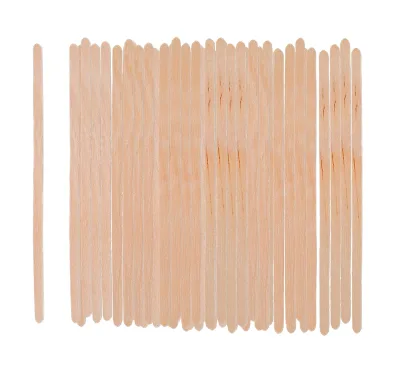
Eco-Friendly Flat Bamboo Coffee Stirrers Cocktail Stirrers 110mm 140mm 190mm
$30.00 - $40.00
MOQ: 20 Boxes

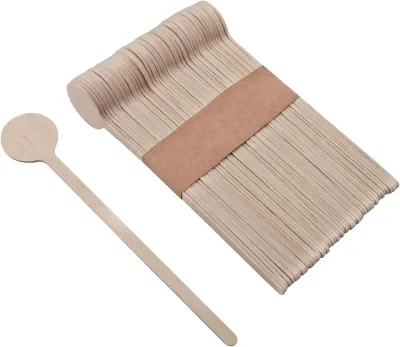
Biodegradable Disposable Wooden Beverage Mixer Stirrers with Round Ends
$20.00 - $30.00
MOQ: 100 Boxes

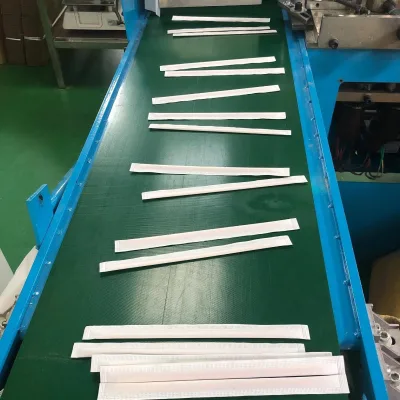
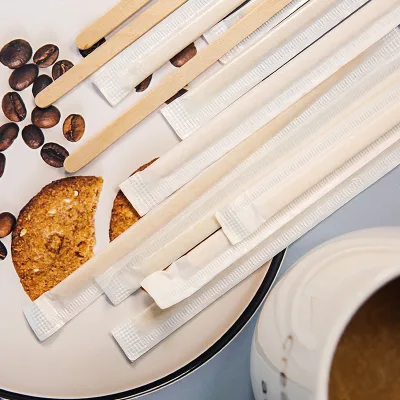
Eco-Friendly Disposable Bamboo Coffee Stirrer Individual White Paper Wrapped by Machine
$30.00 - $40.00
MOQ: 20 Boxes


- Verified by SGS Group
- Manufacturer, Trading Company
- Lead time15 days
- Avg. response≤ 3h
Main productsDisposable Wooden Cutlery, Disposable Bamboo Cutlery, Disposable Bagasse Tableware, Disposable Paper Product
Main marketsWestern Europe(30%), Southern Europe(30%), North America(20%)
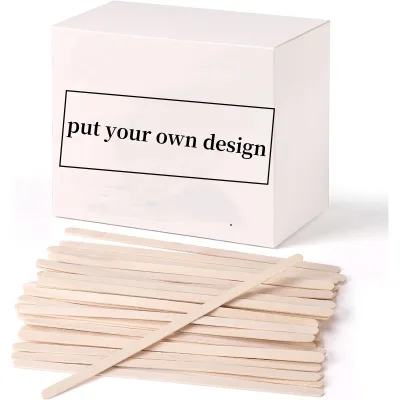
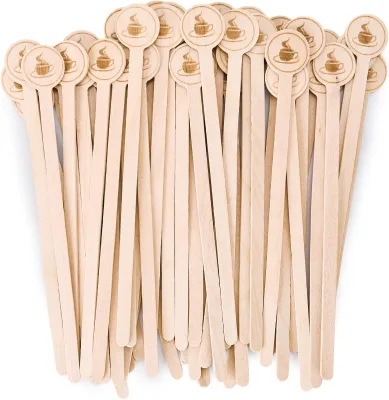

Natural Birch Wooden Coffee Stirrer Food Grade Cheapest Wooden Coffee Stirrer Suppliers
$0.05 - $0.10
MOQ: 10000 pieces
Shanghai Total Industrial Co., Ltd.
- Verified by SGS
- Manufacturer/Factory
- China Shanghai
- Lead time0 days
- Avg. response≤ 24h
Main productsFeeder Clamp, Weather Shield Enclosure, Rubber Grommet, Hoisting Grip, Cable Entry, Flexible Jumper Cable, Cablen Ties, Terminal Lugs, Conduit and Fittings, Hole Saw

MOQ: 1 Pieces

MOQ: 1 Pieces
Hefei Green Way Tableware Co., Ltd.
- Verified by SGS Group
- Manufacturer, Trading Company
- Lead time30 days
- Avg. response≤ 3h
Main productsWooden & Bamboo Cutlery, Paper Straws, Bamboo & Wooden Sticks, Coffee Sticks, Disposable Tableware
Main marketsWestern Europe(35%), North America(30%), South America(15%)

Faithful lnstrument (Hebei) Co., Ltd.
- Verified by BV
- Combined
- China Hebei
- Lead time15 days
- Avg. response≤ 6h
Main productsIncubator, Magnetic Stirrer, Drying Oven, Heating Mantle, Water Bath, Laminar Flow Cabinet, Stainless Steel Water Still, Disintegrator, Furnace, Vortex Mixer
Main marketsSouth America,Africa,Southeast Asia/ Mideast,Europe,Australia,North America
Anhui Nature Imp. & Exp. Co., Ltd.
- Trading Company
- Lead time旺季: "1 - 100000":31,"100001 - 500000":45,"> 500000":"To be negotiated", 淡季: "1 - 100000":31,"100001 - 500000":45,"> 500000":"To be negotiated"
- Avg. response≤ 3h
Main productsSugarcane Box And Plate, Paper Cup And Bowl, Paper Bag, Cornstarch Box And Plate, Cornstarch Cutlery And CPLA Cutlery
Hefei Craft Tableware Co., Ltd.
- Verified by SGS Group
- Manufacturer, Trading Company
- Lead time30 days
- Avg. response≤ 2h
Main productsWooden Cutlery, Bamboo Skewers, Sugarcane Bagasse Containers, Wooden Stirrers, Bamboo Cutlery
Main marketsWestern Europe(30%), North America(16%), Oceania(12%)


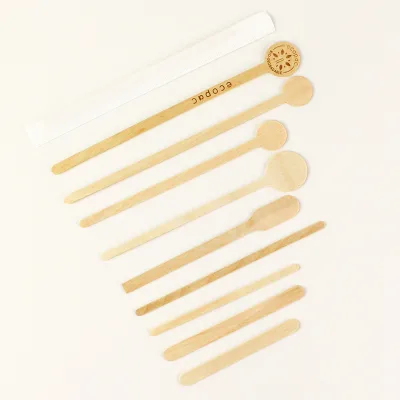
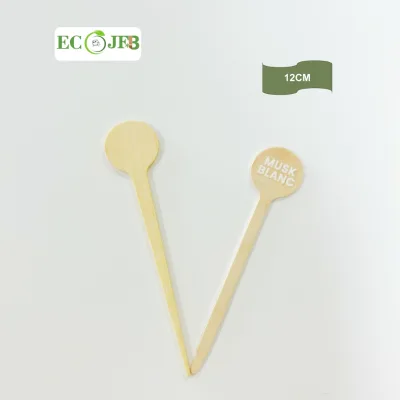
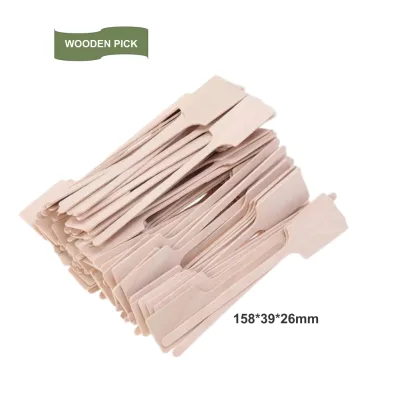
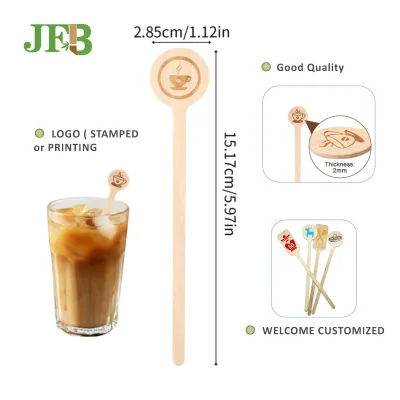





Comprehensive Sourcing Guide
Eco Friendly Wooden Stirrer Supplier Concentration and Factory Types
Current data indicates a concentration of suppliers in China Jiangsu and China Guangdong, where specific manufacturers and trading companies operate within the eco-friendly wooden stirrer sector. In Jiangsu, suppliers are identified as trading companies offering a range of products including disposable biodegradable tableware and PLA cutlery alongside wooden stirrers. These entities often list main products such as wick chafing fuel and compostable cutlery, suggesting a diversified inventory strategy rather than a specialized manufacturing focus. The presence of these trading companies implies a supply chain that aggregates goods from various production sources before distributing them to international buyers.
In contrast, suppliers located in China Guangdong display a mix of company types, including both trading companies and manufacturers or factories. These entities often list main products like bamboo skewers, bamboo coffee stirrers, and disposable cutlery, indicating a broader capability in bamboo and wood processing. Some suppliers in this region possess combined company types, which may suggest direct access to production lines for items like ice cream sticks and bamboo kitchenware. Buyers should verify whether a supplier is a pure trading entity or a manufacturer with in-house capacity, as this distinction affects control over production schedules and quality assurance. The regional spread suggests that sourcing clusters exist in these specific provinces, but buyers must confirm the exact factory location for each order to ensure logistical efficiency.
How to Verify Eco Friendly Wooden Stirrer Suppliers
Verification of suppliers in this category relies heavily on third-party audit reports and specific certification marks found in supplier profiles. Several suppliers in the dataset have undergone verification by recognized bodies such as TÜV Rheinland, CTI, BV, and SGS Group. These verifications provide a baseline of confidence regarding the supplier's business legitimacy and operational compliance. For instance, a supplier verified by TÜV Rheinland or CTI offers a layer of assurance that their business practices have been scrutinized by an independent entity. Buyers should prioritize suppliers with these specific verification badges, as they indicate a commitment to meeting international standards for business operations and product safety.
Beyond general verification, specific product certifications are critical for eco-friendly wooden stirrers intended for food contact. Some suppliers list FDA certification, while others hold ISO 9001, FSC, RoHS, LFGB, or EN 13130 certifications. These standards are particularly relevant for wooden stirrers used in coffee, tea, and beverage applications where material safety is paramount. The FSC certification, for example, confirms that the wood source is sustainably managed, which aligns with the eco-friendly nature of the product. Buyers must request current certification documents to ensure they match the specific claims made in the supplier profile. Relying solely on a generic "verified" status without checking the specific product certifications can lead to compliance issues in the buyer's home market.
What to Compare Across Eco Friendly Wooden Stirrer Suppliers
When evaluating potential partners, buyers should compare key operational metrics such as lead time, minimum order quantity (MOQ), and response time to determine fit for their specific needs. The data shows significant variation in these areas; for example, lead times range from 15 days to 23 days, while response times vary from 0.84 hours to 8.80 hours. A supplier with a 15-day lead time may be preferable for urgent orders, whereas a 23-day lead time might require earlier planning. Similarly, response times indicate the supplier's availability for communication, with faster responses often correlating with better customer service and quicker issue resolution. Buyers should align these metrics with their own inventory cycles and communication preferences.
Material specifications and customization capabilities are another crucial comparison point. Suppliers offer stirrers made from birch wood, bamboo, or general wood, with some providing options for customized logos and specific dimensions. The MOQs also differ widely, with some suppliers requiring 5,000 units while others accept orders as low as 100 units. This flexibility allows buyers to test the market with smaller quantities or scale up production based on demand. Additionally, the availability of customization, such as dried and polished treatments or specific packing methods like paper cartons, should be assessed. Buyers must ensure that the supplier's material and customization options match their brand requirements and that the MOQ aligns with their budget and storage capacity.
Common Eco Friendly Wooden Stirrer Sourcing Risks
One significant risk in sourcing eco-friendly wooden stirrers is the inconsistency in material quality and processing standards. While some products are described as smooth, clean, and straight without splinters, others may lack detailed quality descriptions. The variation in treatment processes, such as drying and polishing, can affect the final product's durability and safety. If a supplier does not explicitly state their quality control measures, there is a risk of receiving batches with rough edges or inconsistent lengths that could compromise the user experience. Buyers should request physical samples to verify the "smoth, clean, straight" attributes before committing to large orders, ensuring that the material meets the expected standards for food contact.
Another risk involves the discrepancy between claimed certifications and actual product compliance. While suppliers may list certifications like FDA or FSC, these do not automatically guarantee that every batch of stirrers produced meets these standards. The "Various and customized" standard noted in some product attributes suggests a lack of uniformity in production specifications. Without rigorous third-party testing of the actual goods, buyers risk importing products that fail to meet local regulatory requirements. Furthermore, the reliance on trading companies rather than direct manufacturers can obscure the true origin of the wood and the specific factory conditions. Buyers must insist on batch-specific test reports to mitigate the risk of non-compliance and ensure that the eco-friendly claims are substantiated by verifiable data.
Eco Friendly Wooden Stirrer Regional Sourcing and Logistics
Sourcing from China Jiangsu and China Guangdong offers distinct logistical advantages and challenges that buyers must navigate. Suppliers in Jiangsu are often trading companies that may aggregate products from multiple factories, potentially complicating the traceability of the wood source. In contrast, suppliers in Guangdong often include manufacturers, which can streamline the logistics chain by reducing the number of intermediaries. The location of the factory directly impacts shipping costs and transit times, as Guangdong is a major port region with extensive export infrastructure. Buyers should verify the specific port of shipment for each supplier to accurately calculate freight costs and delivery schedules.
Logistics planning must also account for the packaging standards provided by different suppliers. Some suppliers use paper cartons, while others utilize woven bags or export packages, which can affect the efficiency of container loading and protection during transit. The product dimensions and packing density vary, with some items packed at 1000 pieces per bag and others in custom configurations. Buyers need to ensure that the packaging is robust enough to prevent damage during long-distance shipping, especially for wooden products that can be susceptible to moisture or physical stress. Coordinating with the supplier on packaging specifications early in the process can prevent costly delays and ensure that the goods arrive in optimal condition for distribution.
Eco Friendly Wooden Stirrer Commercial Terms and Order Planning
Commercial terms for eco-friendly wooden stirrers vary significantly, with payment structures ranging from 30% deposit and 70% balance to other arrangements. Some suppliers offer free samples with freight collect, which is a valuable option for buyers to assess product quality before placing a large order. However, the cost of freight for samples must be factored into the overall budget. Buyers should clarify the payment terms and sample policies in writing to avoid misunderstandings. Additionally, the price per unit can fluctuate based on order volume, with some listings showing prices as low as $0.001 per unit, while others may have higher thresholds. Understanding the price structure is essential for accurate cost modeling.
Order planning requires careful attention to the minimum order quantities and production lead times to ensure timely delivery. With MOQs ranging from 100 to 1,000,000 units, buyers must align their order size with their sales forecasts and storage capabilities. A supplier with a 15-day lead time allows for more agile inventory management compared to one with a 23-day lead time. Buyers should also consider the capacity for customization, such as logo printing or specific dimensions, which may extend the production timeline. Planning for these variables ensures that the supply chain remains resilient and that the buyer can meet market demand without overstocking or facing stockouts. Clear communication regarding these terms is vital for a successful procurement process.
FAQs
What materials are used for eco friendly wooden stirrers?
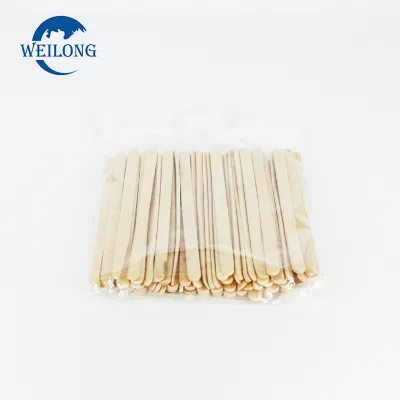
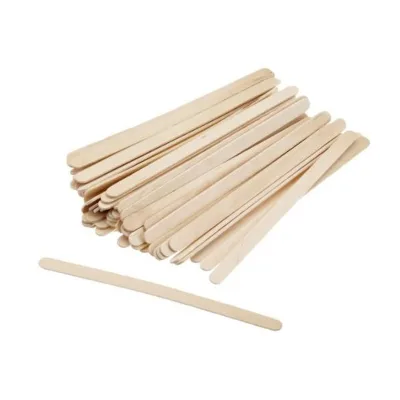
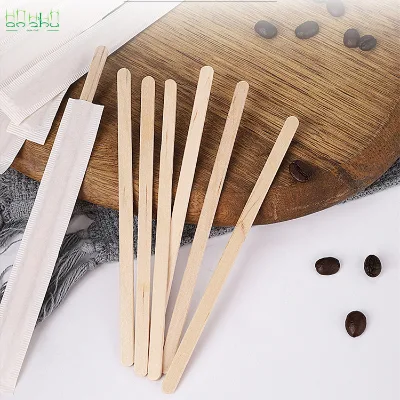
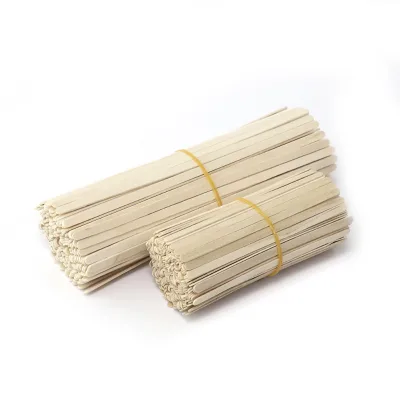
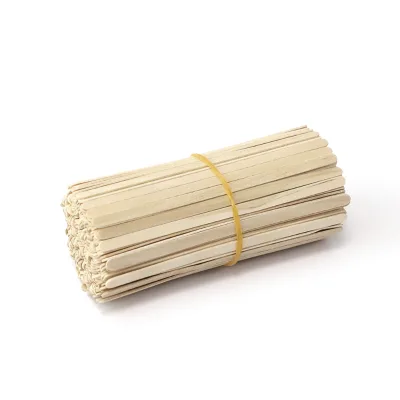
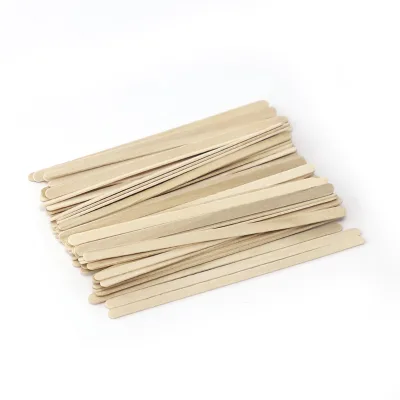
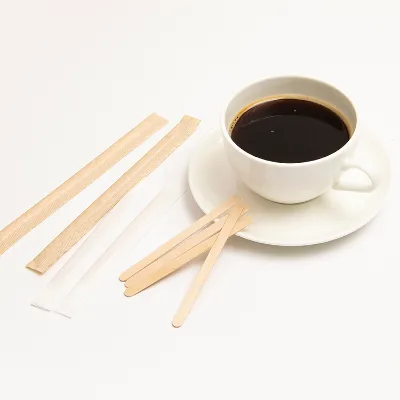
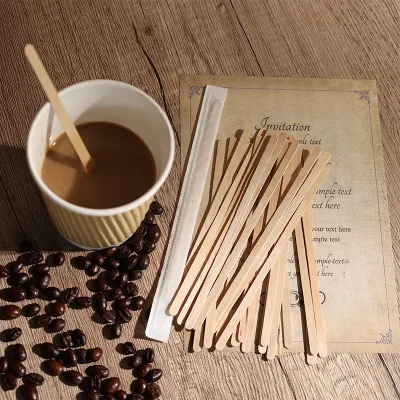
Suppliers primarily use birch wood and bamboo for these stirrers. The wood is dried and polished to ensure a smooth finish. These materials are biodegradable and suitable for parties, hotels, and weddings. Some options feature natural wood color without additional dyes.
What is the minimum order quantity for wooden coffee stirrers?
Minimum order quantities vary significantly by supplier and product type. Some listings require 100 units, while others demand 5,000 or even 1,000,000 pieces. Buyers must check specific product pages to confirm the exact MOQ before placing an order for bulk purchases.
How long does it take to receive wooden stirrer orders?
Lead times for these products typically range from 15 to 23 days depending on the supplier. Some manufacturers offer faster response times, while others may take longer to process custom requests. Buyers should verify the specific delivery window with the chosen vendor.
Are custom logos available on wooden coffee stirrers?
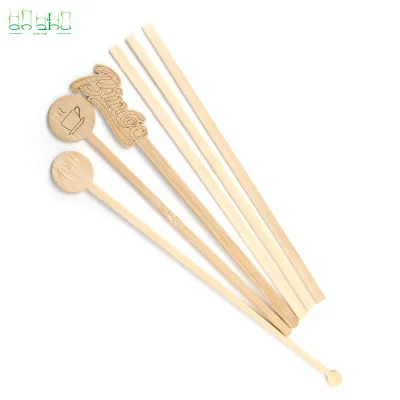
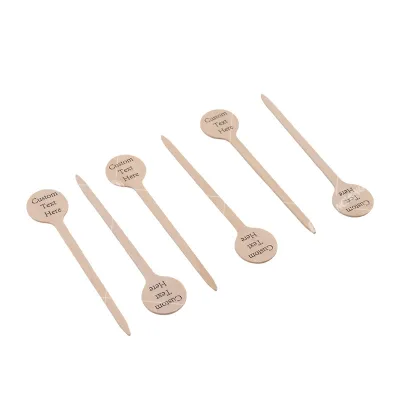
Yes, customization is available for many Eco Friendly Wooden Stirrer listings. Suppliers accept requests for custom logos and specific dimensions. Buyers can often choose from various sizes like 90mm or 178mm. Custom packaging options are also frequently offered for bulk orders.
What certifications do suppliers of wooden stirrers hold?
Verified suppliers hold certifications such as ISO 9001, FDA, FSC, RoHS, and LFGB. Some vendors are verified by third-party agencies like BV, SGS, and TÜV Rheinland. These credentials ensure the products meet safety and quality standards for food contact and environmental compliance.
Where are eco friendly wooden stirrers manufactured?
Manufacturing locations are primarily in China, specifically in Jiangsu and Guangdong provinces. These regions host both trading companies and manufacturers specializing in bamboo and wood products. Buyers can source directly from these established industrial hubs for efficient logistics and production.
What is the price range for disposable wooden stirrers?
Unit prices for these stirrers range from approximately 0.0009 to 0.011 per piece. The cost depends on the material, quantity, and customization level. Bulk orders often secure lower unit prices, while specialized packaging or custom branding may increase the overall cost per item.