Modern Multifunctional Manicure Table Suppliers and Manufacturers
Source a Modern Multifunctional Manicure Table from 20 verified suppliers. Compare key dimensions including location, lead times, MOQ, response times, certifications, and pricing. Review product specifications and request quotes to streamline your procurement process; review the available evidence before requesting comparable quotations from suitable candidates.
Suppliers List
Dezhou Juming Trading Co., Ltd.
- Trading Company
- Shandong, China
- Lead time7 days
- Avg. response≤ 3h
Main productsBarber Chair, Beauty Bed, Manicure Table, Shampoo SPA Bed, Reception Desk
Main marketsNorth America(40.0%), Africa(25.0%), Western Europe(20.0%), Southeast Asia(10.0%), Eastern Asia(5.0%)
Ningbo You Rich Salon Furniture Co., Ltd.
- Verified by SGS Group
- Manufacturer, Trading Company
- Lead time15 days
- Avg. response≤ 4h
Main productsBarber Chairs, Massage Tables, Massage Beds
Main marketsNorth America(30%), South America(30%), Eastern Europe(10%)

Henan Eminent Medical Devices Co., Ltd.
- Verified by TUVRHEINLAND
- Manufacturer/Factory
- China Henan
- Lead time23 days
- Avg. response≤ 3h
Main productsBarber Chair, Shampoo Chair/Bed, Massage Table, Nursing Bed/Hospital Bed, Medical Brace, Mirror Salon Station, Commder Chair, Bath Chair, Nail Table Desk, Wheelchair
Main marketsSouth America,Eastern Europe,Mid East,North America,Southeast Asia,Eastern Asia,Oceania,Western Europe,Africa


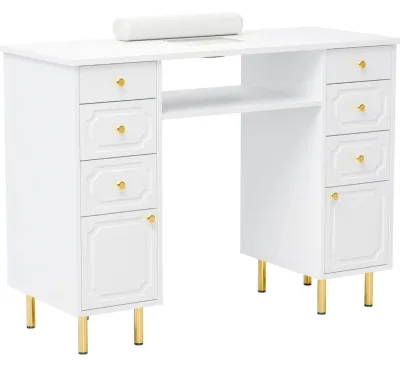
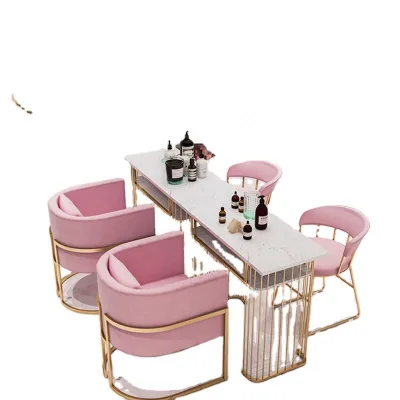
Modern Style Gold Metal Frame Manicure Table Green Salon Furniture Nail Table
$345.00 - $495.00
Moq: 5

Guangzhou Fenghe Industry Co., Ltd.
- Verified by SGS
- Combined
- China Guangdong
- Lead time15 days
- Avg. response≤ 5h
Main productsSalon Trolley, Portable Shampoo Basin, Hair Extension Trolley, Hairdryer Stand.
Main marketsSouth America,Africa,Southeast Asia/ Mideast,East Asia(Japan/ South Korea),Domestic,Europe,Australia,North America

Dongpin Beauty & Medical Co., Ltd.
- Combined
- China Guangdong
- Lead time45 days
- Avg. response≤ 15h
Main productsBeauty Bed, Massage Bed, Barber Chair, Manicure Table, Pedicure Chairs, Pedicure Chair, Treatment Table, Salon Torlley
Main marketsSoutheast Asia/ Mideast,Europe,North America
Hengshui Jiaxuan Qianxing Trading Co., Ltd.
- Verified by Intertek
- Trading Company
- Lead time10 days
Main productsBarber Chairs, Bar Chairs, Dining Chairs, Restaurant Sets, Outdoor Tables

Foshan Doshower Sanitary Ware Co., Ltd.
- Manufacturer/Factory
- China Guangdong
- Lead time30 days
- Avg. response≤ 10h
Main productsSPA Pedicure SPA Chair, Pedicure Chair, Massage Chair, Massage Bed, Massage Table, Manicure Nail Table, Barber Chair, Salon Furniture, Salon Equipment, Facial Bed
Main marketsSouth America,Eastern Europe,Mid East,North America,Southeast Asia,Eastern Asia,Oceania,Western Europe,Africa
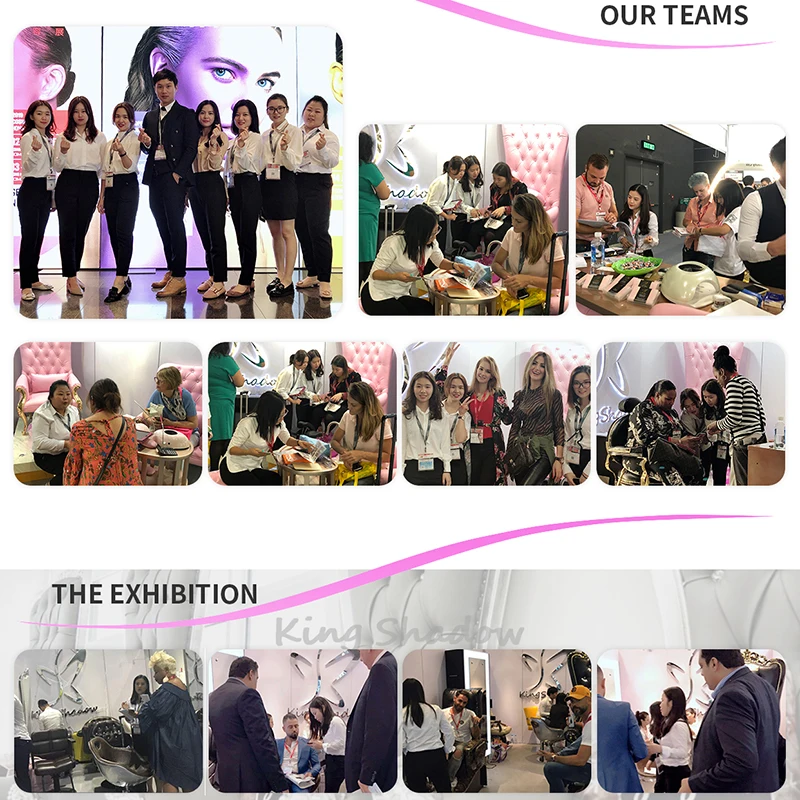
Guangzhou Insun Outdoor Furniture Co., Ltd.
- Manufacturer, Trading Company
- Guangdong, China
- Lead time30 days
- Avg. response≤ 4h
Main productsPedicur Chair,Nail Table,Nail Chair,Beauty Bed,Massage Table
Main marketsNorth America(57.99999999999999%), Eastern Europe(8.0%), Western Europe(5.0%), Northern Europe(5.0%), Central America(5.0%), South America(5.0%), Southern Europe(3.0%), South Asia(3.0%), Domestic Market(2.0%), Oceania(2.0%), Eastern Asia(2.0%), Mid East(1.0%), Southeast Asia(1.0%)
Foshan Bomacy Beauty Equipment Co., Ltd.
- Verified by TüVRheinland
- Manufacturer, Trading Company
- Lead time20 days
- Avg. response≤ 3h
Main productsPedicure Chair, Nail Manicure Table, Customer Chair, Technician Chair, Other Nail Salon Products
Main marketsNorth America(55%), South America(15%), Mid East(10%)
Foshan Doshower Sanitary Ware Co., Ltd.
- Manufacturer
- Guangdong, China
- Lead time15 days
- Avg. response≤ 6h
Main productsPedicure Spa Massae Chair,Municure Table,Massage Chair,Spa Foot Pedicure Base,chairs
Main marketsWestern Europe(11.11%), Eastern Asia(11.11%), Mid East(11.11%), Oceania(11.11%), Africa(11.11%), Southeast Asia(11.11%), Eastern Europe(11.11%), South America(11.11%), North America(11.11%)
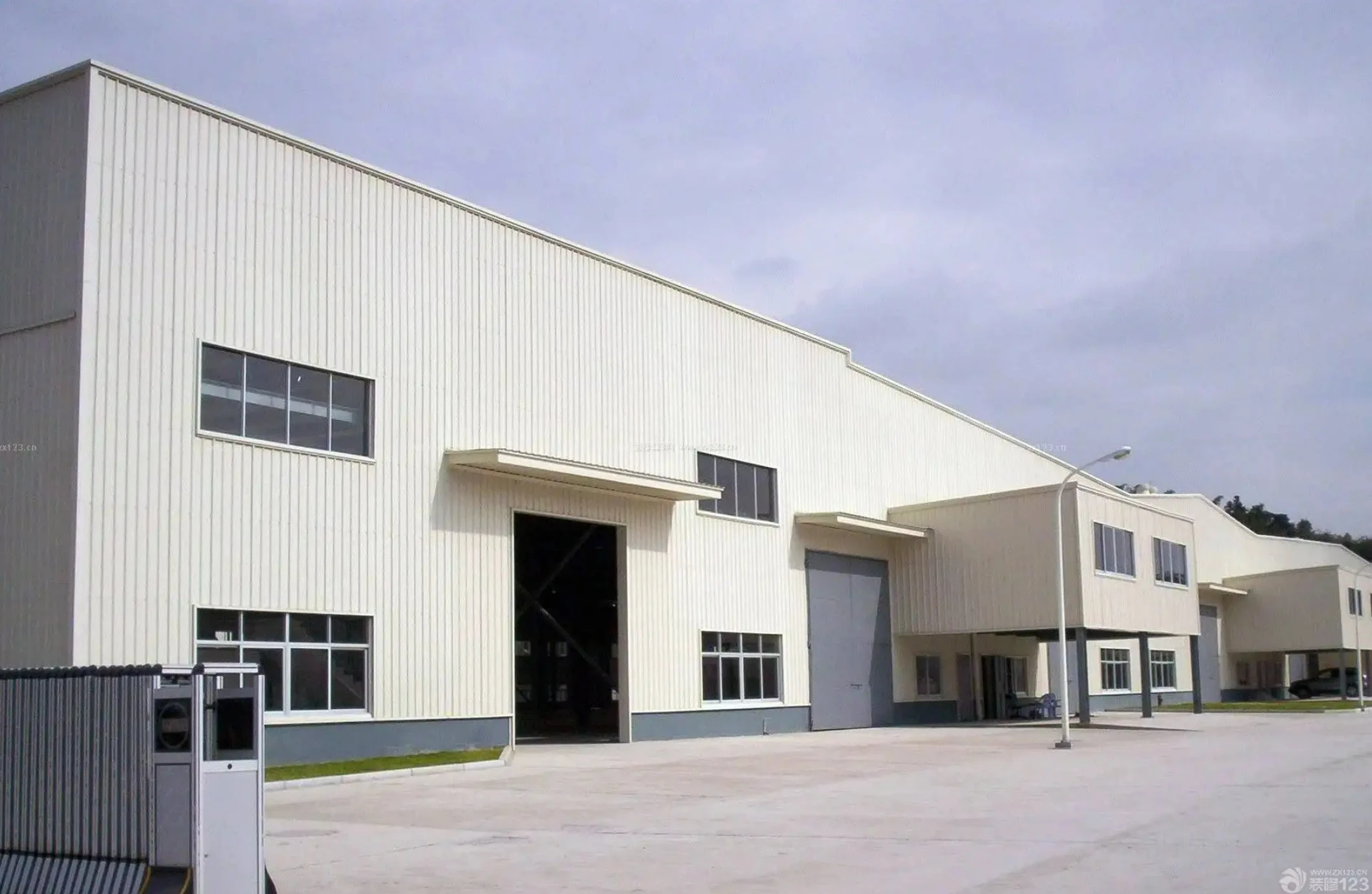
Xiamen Suessen Import And Export Co., Ltd.
- Manufacturer, Trading Company
- Fujian, China
- Lead time10 days
- Avg. response≤ 9h
Main productsDining Room Furniture,Living Room Furniture,Bedroom Furniture,Bar Furniture,Home Furniture
Main marketsNorth America(25.0%), Western Europe(10.0%), Southern Europe(10.0%), Southeast Asia(10.0%), Eastern Europe(10.0%), South America(10.0%), Northern Europe(10.0%), Eastern Asia(5.0%), Mid East(5.0%), South Asia(5.0%)
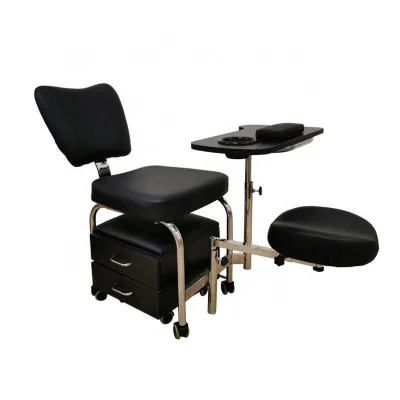
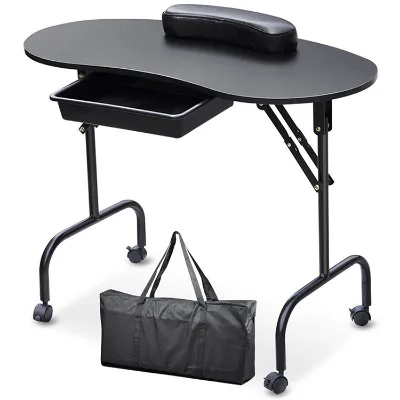
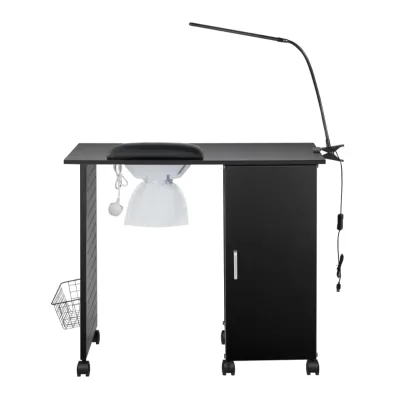
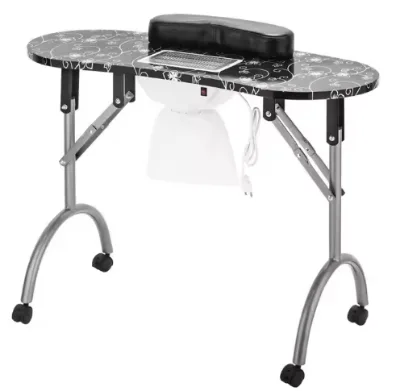
Multifunctional Work Black Portable Simple Nail Station Furniture Manicure Table
$104.78 - $106.62
Moq: 5

Nanhai Homely Furniture Factory
- Verified by BV
- Trading Company
- China Guangdong
- Lead time30 days
- Avg. response≤ 9h
Main productsHotel Chair, Banquet Table, Wedding Sofa, Table Cloth, Chair Cover, Outdoor Chair, Outdoor Table, Dining Table, Stainless Steel Chair, Pedicure Chair
Main marketsSouth America,Southeast Asia/ Mideast,Europe,North America


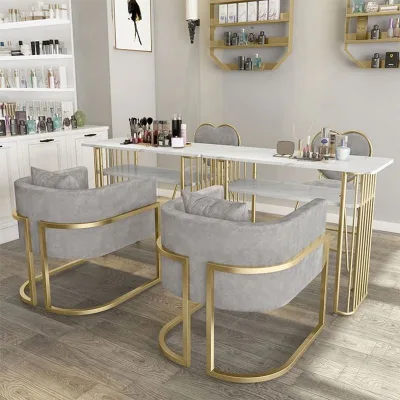
Beauty Salon Wholesale Custom Double Manicure Table Popular Portable Cheap Nail Table
$150.00 - $480.00
Moq: 1


Foshan Doshower Sanitary Ware Co., Ltd.
- Manufacturer
- Lead time旺季: "1 - 30":30,"> 30":"To be negotiated", 淡季: "1 - 30":30,"> 30":"To be negotiated"
- Avg. response≤ 8h
Main productsSalon furniture,Beauty furniture,pedicure spa chairs,vintage & Europe type furniture,nail salon equipment
- Verified by SGS Group
- Trading Company
- Lead time0 days
- Avg. response≤ 7h
Main productsFacial Bed, Barber Chair, Salon Mirror, Salon Trolley, Manicure Table
Main marketsNorth America(30%), Africa(30%), South Asia(20%)
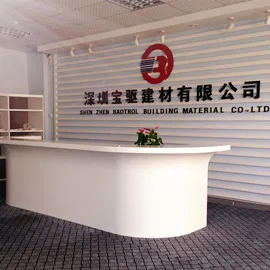
Shenzhen Baotrol Building Material Co., Ltd.
- Manufacturer, Trading Company, Distributor/Wholesaler
- Guangdong, China
- Lead time15 days
- Avg. response≤ 10h
Main productsFurniture,table,solid surface,sinks,display fixture
Main marketsWestern Europe(20.0%), Eastern Europe(20.0%), Mid East(10.0%), South America(10.0%), Africa(10.0%), Southeast Asia(10.0%), North America(10.0%), Oceania(5.0%), Eastern Asia(5.0%)
Hangzhou Shengjiang Furniture Co., Ltd.
- Verified by Intertek
- Manufacturer, Trading Company
- Lead time15 days
Main productsFurniture
Main marketsDomestic Market(80%), North America(10%), Western Europe(10%)
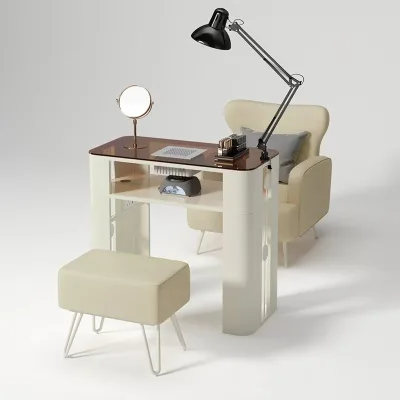
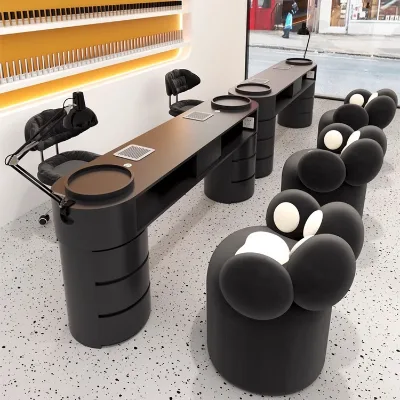
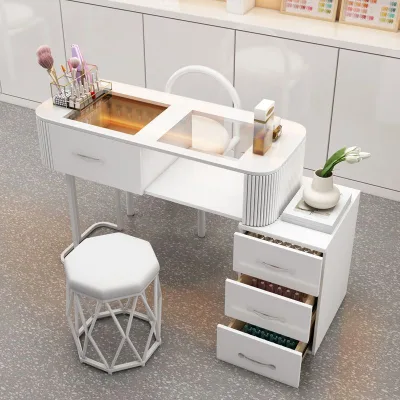
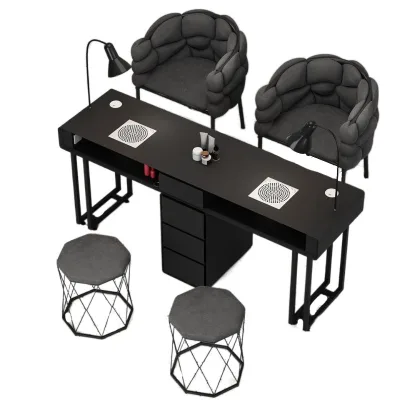
Simple 2 Seats Square Portable Manicure Table Glass Top Manicure Nail Table Desk
$230.00 - $257.00
Moq: 1
WEIFANG HONOR FOREVER INDUSTRY CO., LTD.
- Trading Company
- Shandong, China
- Lead time25 days
- Avg. response≤ 10h
Main productsDressing table,Coffee table,TV Cabinet,Bookshelf,Nightstand
Main marketsNorth America(40.0%), Western Europe(18.0%), Southern Europe(10.0%), Northern Europe(10.0%), Oceania(8.0%), Mid East(5.0%), South America(5.0%), South Asia(4.0%)
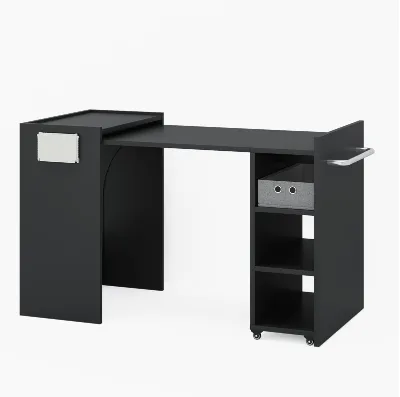
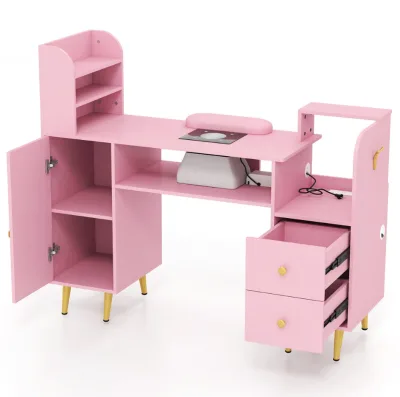
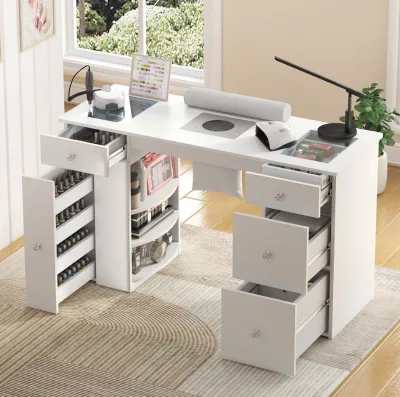
Professional-Grade Manicure Table with Tempered Glass Display Panels Nail Station
$46.24 - $51.38
Moq: 50
Fujian Quanzhou Jiele Trading Co., Ltd.
- Verified by TüVRheinland
- Manufacturer, Trading Company
- Lead time7 days
- Avg. response≤ 3h
Main productsLiving Room Furniture, Bedroom Furniture, Dining Room Furniture, Furniture Outdoor Supplies, Iron Art Furniture
Main marketsNorth America(50%), Southeast Asia(10%), Oceania(10%)
Hengshui Lihao Import And Export Trading Co., Ltd.
- Trading Company
- Hebei, China
- Lead time15 days
- Avg. response≤ 4h
Main productssocks,custom socks,yoga sock,football socks,Silver ion socks
Main marketsNorth America(50.0%), Eastern Europe(10.0%), Southeast Asia(9.0%), Western Europe(5.0%), South America(5.0%), Africa(4.0%), Eastern Asia(4.0%), Mid East(4.0%), Oceania(4.0%), Domestic Market(1.0%), South Asia(1.0%), Southern Europe(1.0%), Northern Europe(1.0%), Central America(1.0%)

Ningbo Sunkin Electrical Co., Ltd.
- Verified by TUVRHEINLAND
- Trading Company
- China Zhejiang
- Lead time15 days
- Avg. response≤ 16h
Main productsLED Bulbs, LED Tube, LED Floodlight, LED Panel Light, LED Spotlight, G9 LED Lamp
Main marketsEurope,North America




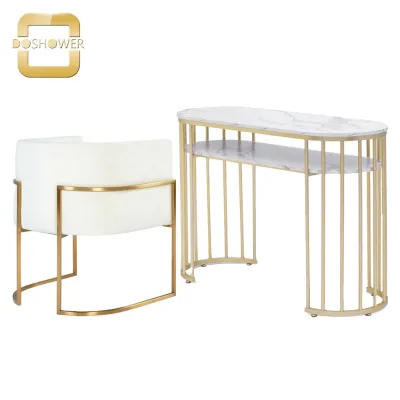
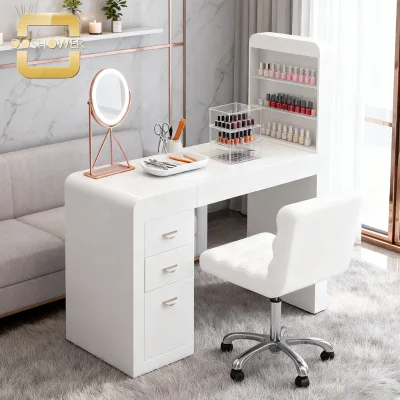
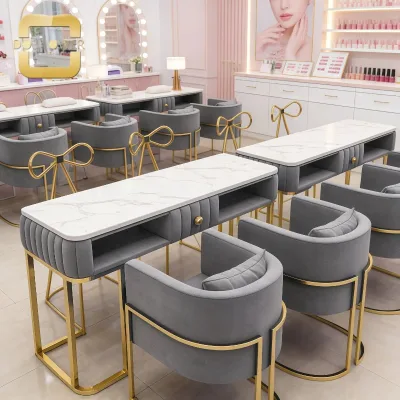
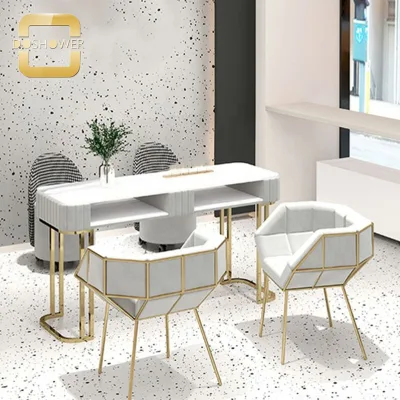
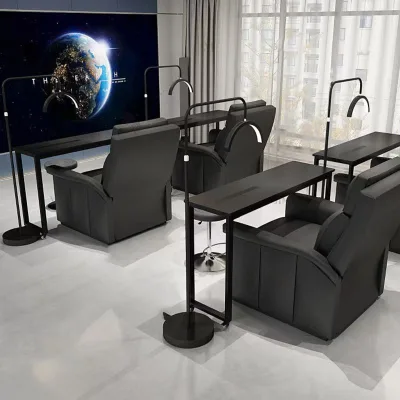
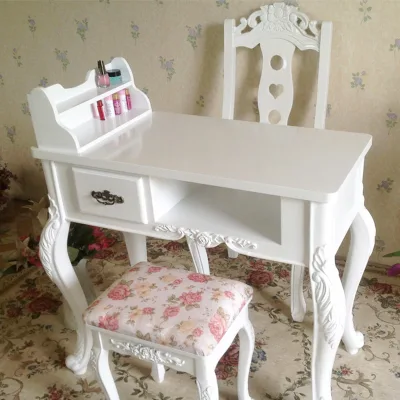
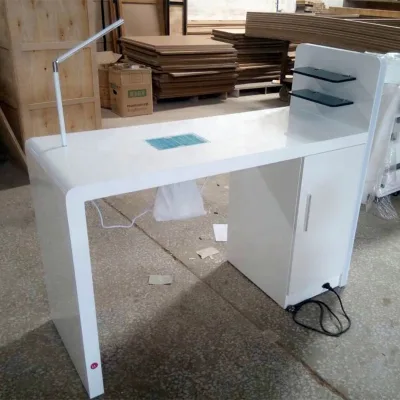
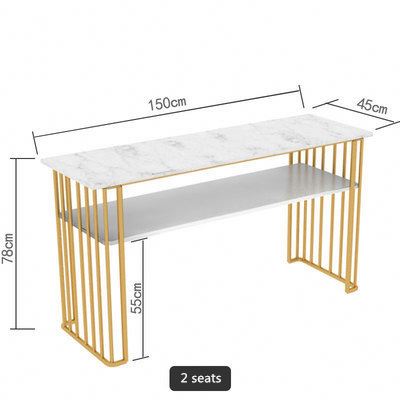


Comprehensive Sourcing Guide
Modern Multifunctional Manicure Table Supplier Concentration and Factory Types
Supplier concentration for modern multifunctional manicure tables shows distinct regional patterns where specific provinces host manufacturing clusters. Evidence indicates a significant presence of suppliers located in Shandong, China, specializing in barber chairs, beauty beds, and manicure tables. Another cluster is identified in Zhejiang, China, where suppliers offer wood-based manicure tables with specific model numbers like YR-019 and YR-007. A third location noted is Henan, China, which lists a broader range of products including nursing beds and medical braces alongside nail tables. These geographic concentrations suggest that buyers can find specialized manufacturers in these areas, though the exact number of active suppliers fluctuates with market conditions.
The company types operating in this sector vary between trading companies and manufacturers, often appearing as hybrid entities. Some suppliers are classified strictly as trading companies, acting as intermediaries that source products from various factories to offer a wider catalog. Others operate as manufacturers or factories, possessing direct control over production lines and offering customized services such as sample processing and graphic design. A few suppliers hold dual status as both manufacturers and trading companies, allowing them to manage their own production while also handling external sourcing. This diversity in company structure means buyers must verify whether a supplier is the actual producer or a reseller to ensure quality control and pricing accuracy.
How to Verify Modern Multifunctional Manicure Table Suppliers
Verification of supplier credentials requires checking specific certifications and third-party audit results provided in the product data. Some suppliers display system certifications such as CE, BSCI, ISO 9001, ISO 14001, and ISO 13485, which indicate adherence to international quality and safety standards. Verification badges from recognized groups like SGS Group or TÜV Rheinland serve as additional proof of a supplier's operational legitimacy and compliance with industry norms. Buyers should prioritize suppliers who explicitly list these certifications rather than assuming they apply to all vendors in the category. The presence of these documents helps distinguish established factories from less regulated trading entities.
Response time and lead time are critical operational metrics that reflect a supplier's reliability and capacity to fulfill orders. Data shows response times ranging from approximately 2.66 hours to 4 hours, indicating how quickly a supplier engages with potential buyers. Lead times vary significantly, with some suppliers offering a 7-day turnaround while others require up to 23 days for production and delivery. These figures help buyers assess whether a supplier can meet urgent project deadlines or if they require longer planning horizons. Buyers should compare these metrics against their own schedule requirements and verify if the stated times are consistent across different product listings from the same vendor.
What to Compare Across Modern Multifunctional Manicure Table Suppliers
Comparing suppliers involves analyzing minimum order quantities (MOQ) and price ranges to determine cost-effectiveness and scalability. Product data reveals MOQs as low as 1 piece for certain portable models, while other items require a minimum of 2 pieces. Price points fluctuate based on materials and features, with ranges observed from approximately $48.92 to $225.00 per unit. Buyers must evaluate whether the lower price points correspond to basic MDF or metal constructions versus higher-priced wood or multi-functional designs with LED lights and dust collection systems. Understanding these price tiers helps in budgeting for different project scales, from small boutique salons to large commercial chains.
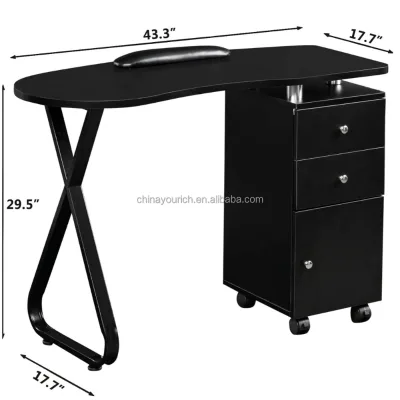
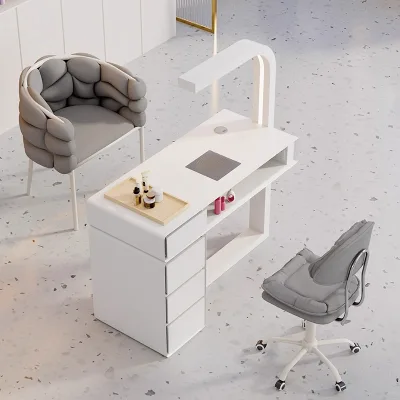
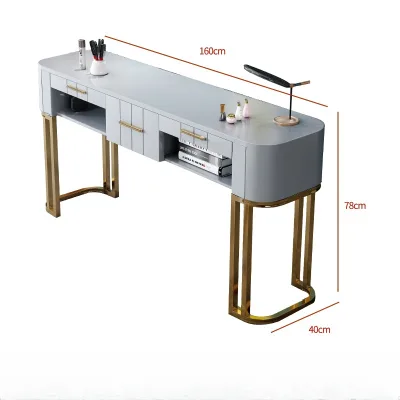
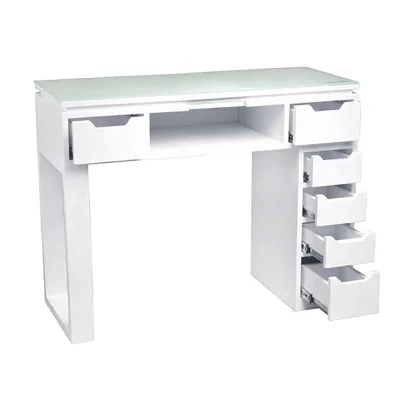
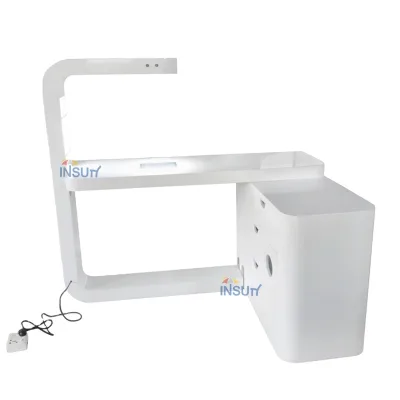
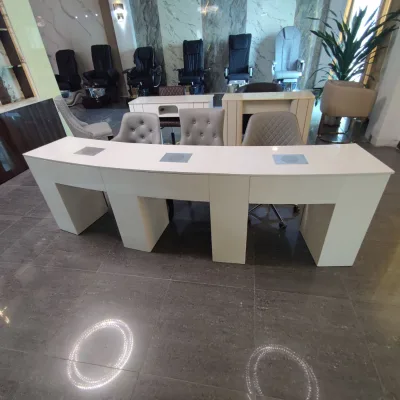
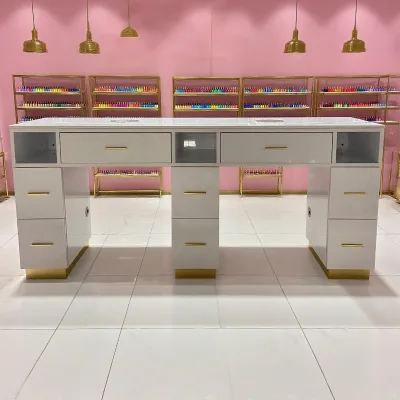
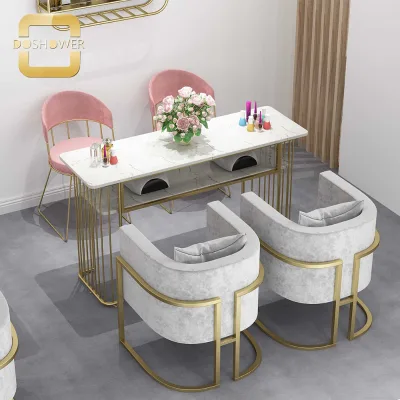
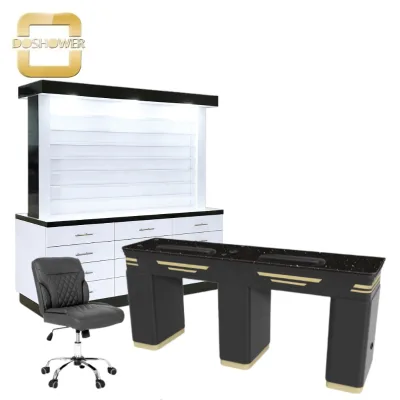
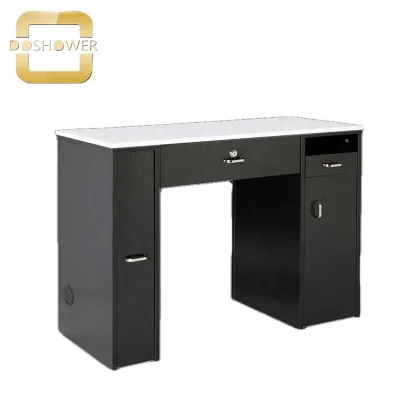
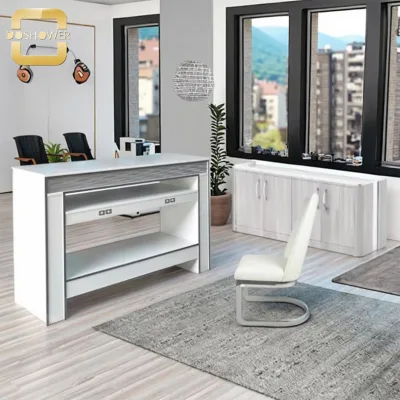
Material composition and functional features are essential comparison points that define the utility and durability of the manicure tables. Available products feature materials such as MDF, metal, and wood, with specific applications ranging from commercial furniture to mall installations. Functional attributes include foldable designs, multi-layer storage, movable stools, and modern two-tier drawer systems. Some tables are designed with specific dimensions like 1004078 cm or 110X65X100cm, catering to different space requirements. Buyers should match these specifications to their salon layout and operational needs, ensuring the selected table supports the intended workflow and aesthetic style.
Common Modern Multifunctional Manicure Table Sourcing Risks
One significant risk involves the discrepancy between product descriptions and actual manufacturing capabilities, particularly regarding material claims. While some listings specify wood or MDF, others mention metal components, and inconsistencies can arise if the supplier is a trading company without direct factory oversight. Buyers face the risk of receiving products that do not match the advertised specifications, such as incorrect dimensions or missing features like dust collection systems. This risk is heightened when suppliers do not provide detailed product attributes or when the main products listed differ from the specific item being ordered.
Another risk relates to the variability in lead times and the potential for delays in production or shipping. Suppliers with longer lead times, such as 23 days, may struggle to meet urgent demand, while those with shorter times might compromise on quality to speed up output. The lack of standardized establishment years in the data makes it difficult to gauge a supplier's long-term stability or experience. Buyers must be cautious of suppliers who do not clearly state their production capacity or who offer vague responses regarding customization requests. Verifying the actual production timeline through direct communication is essential to mitigate these scheduling risks.
Modern Multifunctional Manicure Table Regional Sourcing and Logistics
Regional sourcing strategies should focus on the identified manufacturing hubs in Shandong, Zhejiang, and Henan provinces to leverage local supply chains. Suppliers in Shandong often specialize in salon furniture like barber chairs and manicure tables, while those in Zhejiang focus on wood-based designs with specific model numbers. The Henan region offers a broader range of medical and salon equipment, which may provide additional sourcing options for integrated furniture solutions. Buyers should consider the proximity of these clusters to major ports to optimize shipping costs and reduce transit times for international orders.
Logistics planning must account for packaging details and single package sizes to ensure efficient freight management. Product data indicates specific package dimensions, such as 137X57X78 cm, and weights ranging from 30 kg to 50 kg per unit. Some suppliers confirm mail packing availability, which is crucial for protecting the furniture during transit. Buyers need to calculate the total volume and weight of their order to determine the most cost-effective shipping method, whether by sea or air. Understanding these logistical parameters helps in forecasting total landed costs and planning warehouse space for the received inventory.
Modern Multifunctional Manicure Table Commercial Terms and Order Planning
Commercial terms and order planning require careful attention to payment structures and delivery conditions to protect buyer interests. While specific payment terms are not explicitly detailed in the provided data, buyers should verify if escrow services are available to secure transactions until goods are received. The presence of certifications like CE and ISO standards often correlates with more formalized commercial agreements and quality guarantees. Buyers should request detailed proforma invoices that clearly outline the unit price, total cost, and any additional fees for customization or expedited shipping.
Order planning should align with the supplier's production capacity and the buyer's inventory requirements to avoid stockouts or overstocking. With MOQs as low as 1 piece, buyers can test the market with small orders before committing to larger volumes. However, for bulk purchases, buyers should confirm the supplier's ability to maintain consistent quality across large batches. Planning for lead times of 7 to 23 days allows for better inventory management and cash flow planning. Buyers should also consider the potential for future customization needs, such as specific branding or design modifications, and discuss these requirements early in the negotiation process.
FAQs
What is the typical lead time for modern multifunctional manicure tables?
Lead times vary by supplier, ranging from 7 to 23 days for delivery. Some manufacturers offer faster turnaround with a 7-day window, while others require up to 23 days for production and shipping. Buyers should confirm specific timelines based on order volume and customization needs before placing an order.
What is the minimum order quantity for these tables?
Minimum order quantities differ across listings, with some suppliers accepting single units as low as one piece. Other vendors may require a minimum of two pieces for certain models. Buyers must check individual product pages to verify the specific MOQ applicable to their selected table design and material.
Which materials are commonly used for modern manicure tables?
Common materials include MDF, wood, and metal for durability and aesthetic appeal. Some tables feature wood tabletops with metal frames, while others utilize MDF for the main structure. Buyers should review product specifications to confirm the exact material composition suitable for their salon environment and usage requirements.
How quickly do suppliers typically respond to inquiries?
Response times generally range from 2.66 to 4 hours for most listed suppliers. Some companies respond within three hours, while others may take up to four hours to reply. Buyers can expect relatively quick communication, but actual response speed depends on the specific supplier and current inquiry volume.
Where are these manicure tables typically manufactured?
Manufacturing locations include Shandong, China, and Zhejiang, China, with some facilities in Henan. Products originate from various Chinese provinces, ensuring diverse supply chains. Buyers should verify the specific place of origin listed on each product page to understand shipping logistics and potential regional advantages.
What certifications do these suppliers hold?
Certifications vary by supplier, with some holding CE, ISO 9001, or BSCI standards. Others may possess additional credentials like ISO 14001 or TS 16949. Buyers need to check individual supplier profiles to confirm which specific certifications apply to their chosen manufacturer and product line for compliance purposes.
What is the price range for these tables?
Prices typically range from approximately 48.92 to 225.00 USD depending on features and materials. Basic models start near 48.92, while premium versions with LED lights or storage can reach 225.00. Buyers should compare specific product listings to find the exact price matching their budget and functional requirements.