Kids Plastic Water Bottle Suppliers and Manufacturers
Find 19 verified suppliers offering Kids Plastic Water Bottle options with varying lead times, certifications, and MOQs. Compare dimensions like response time, location, and product attributes to select the right factory for your needs; review the available evidence before requesting comparable quotations from suitable candidates.
Suppliers List

Jinjiang Jiaxing Import and Export Co., Ltd.
- Verified by CTI
- Manufacturer/Factory
- China Fujian
- Lead time120 days
- Avg. response≤ 1h
Main productsShoes, Slipper, Clothes, Promotion Gifts, Silicone Products, Outdoor Sports Products, Bags, Fashion Accessories, Consumer Electronics
Main marketsSouth America,Eastern Europe,Mid East,North America,Southeast Asia,Eastern Asia,Oceania,Western Europe,Africa

- Verified by TUVRHEINLAND
- Trading Company,Manufacturer/Factory
- China Jiangsu
- Lead time23 days
- Avg. response≤ 4h
Main productsMedal, Coin, Lapel Pin, PVC Patch, Embroidery Patch, Keychain, Button Badge, Silicone Wristband, Lanyards, Gift
Main marketsSouth America,Eastern Europe,Mid East,North America,Oceania,Western Europe

Zhang Jia Gang Stone Mechanical Equipment Co., Ltd.
- Manufacturer/Factory
- China Jiangsu
- Lead time45 days
- Avg. response≤ 16h
Main productsPlastic Machinery, Blow Moulding Machine, Plastic Molding Machine, Plastic Mould, Beverage Filling Machine, Package Machine, Filling Line, Extrusion Line, Plastic Auxliary Equipment
Main marketsSouth America,Eastern Europe,Mid East,Southeast Asia,Eastern Asia,Oceania,Western Europe,Africa

New Plastic Children Water Bottle
MOQ: 3000 Pieces

New Plastic Children Water Bottle
MOQ: 3000 Pieces

New Plastic Children Water Bottle
MOQ: 3000 Pieces
Zhejiang Qualflask Industry and Trade Co., Ltd.
- Verified by BV
- Combined
- China Zhejiang
- Lead time30 days
- Avg. response≤ 2h
Main productsTumbler, Vacuum Flask, Stainless Steel Lunch Box, Stainless Steel Water Bottle, Vacuum Water Bottle, Water Bottle, Mug, Insulated Water Bottle, Sport Water Bottle, Stainless Steel Jug
Main marketsDomestic
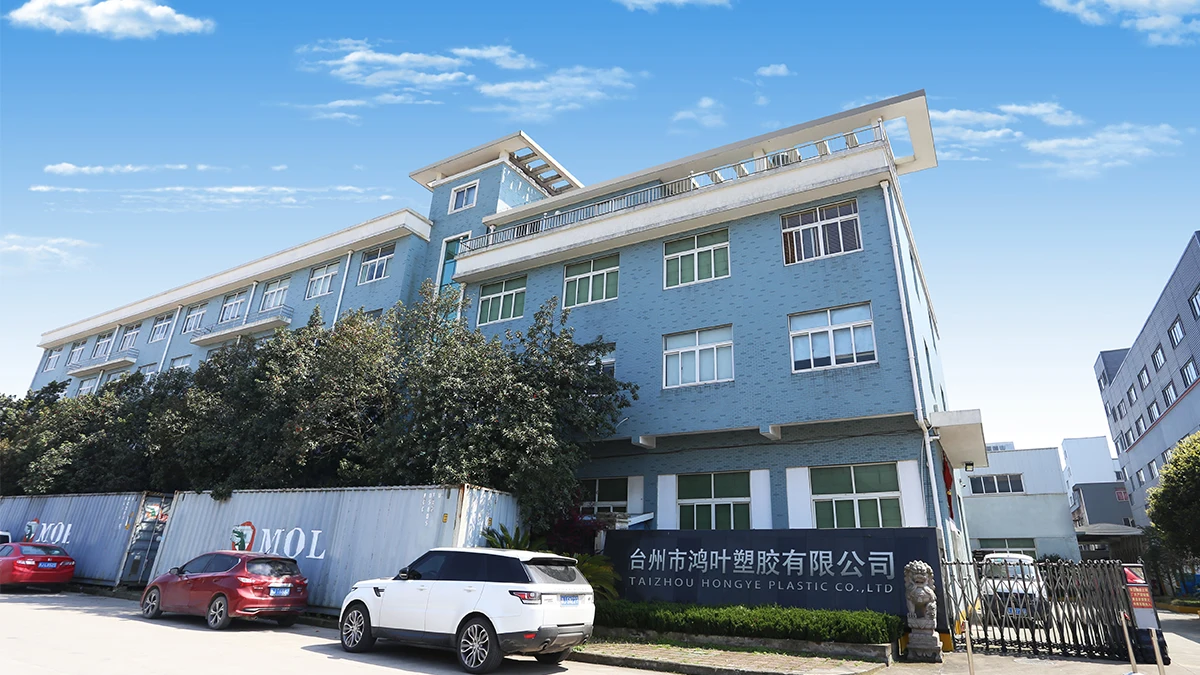
Taizhou Chengnan Import And Export Co., Ltd.
- Trading Company
- Zhejiang, China
- Lead time25 days
- Avg. response≤ 19h
Main productsWater Bottle,Tumbler With Straw,Vacuum Cup,Shaker Bottle,Coffee Mug
Main marketsMid East(20.00%), South America(20.00%), Southeast Asia(20.00%), Eastern Europe(15.00%), North America(15.00%), Eastern Asia(10.00%)
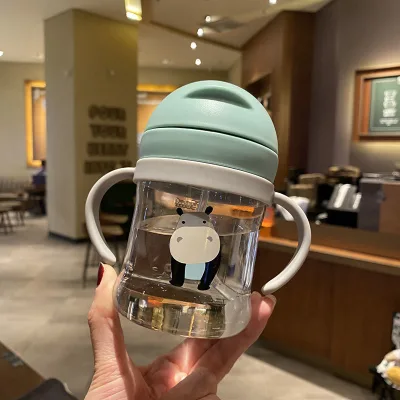
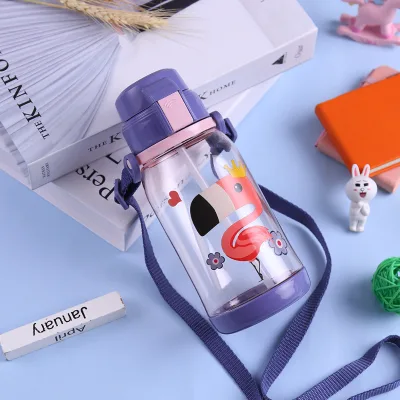
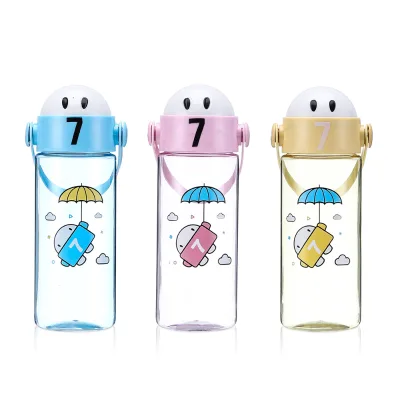
Plastic wide mouth kids cartoon robot water bottle
$0.90 - $1.00
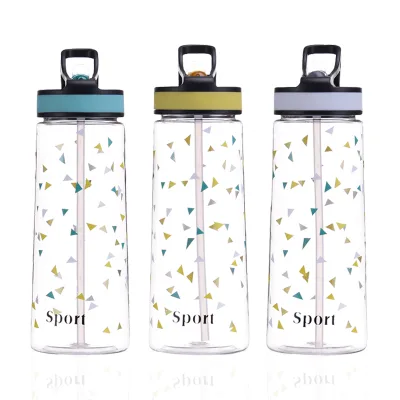
Silicone mouth portable sport water bottle plastic
$0.95 - $1.05

Taizhou Shike Plastics Co., Ltd.
- Verified by CTI
- Trading Company
- China Zhejiang
- Lead time23 days
- Avg. response≤ 5h
Main productsBamboo Fiber Kids Set, Bamboo Fiber Stainless Steel Cup, Bamboo Fiber Dinner Set, Bamboo Fiber Dinnerware, Bamboo Fiber Coffee Cup, Bamboo Fiber Plate, Bamboo Fiber Bowl, Bamboo Fiber Tray, Sports Water Bottle, Alkaline Water Bottle
Main marketsSoutheast Asia/ Mideast,East Asia(Japan/ South Korea),Domestic,Europe,Australia,North America

Available Kids Hiking Water Bottle with Image BPA Free Children Plastic Drink Bottle
$1.55 - $1.65
MOQ: 3000 Pieces


New Style Portable Kids Plastic Water Bottle with Handle Plastic Kids Water Bottle
$0.88 - $0.97
MOQ: 1000 Pieces

Kids Drinking Bottles Cute BPA Free Kids Plastic Sports Water Bottle with Straw
$1.93 - $1.98
MOQ: 1000 Pieces


2024 Plastic Kids Water Bottle with Straw Cute Printing Child Drink Water Bottle
$0.94 - $0.98
MOQ: 5000 Pieces

- Verified by TUVRHEINLAND
- Trading Company
- China Zhejiang
- Lead time15 days
- Avg. response≤ 9h
Main productsBaby Products, Baby Accessory, Kids Toy, Pet Products, Fashion Apparel & Accessories, Personal Care, Christmas Decoration, Home Decoration, Beauty Care, Daily Use
Main marketsSouth America,Europe,North America

Fashion Summer Cute Kids Student Boy Girl Portable Plastic Water Bottles
$1.92 - $2.18
MOQ: 100 Pieces


- Verified by BV
- Trading Company,Manufacturer/Factory
- China Zhejiang
- Lead time15 days
- Avg. response≤ 8h
Main productsCeramic Mug, Kitchen Storage, Water Bottle, Cookware Set, Charger Plates, Shaker Set, Storage Rack, Food Container, Kitchen Accessories, Yiwu Agent
Main marketsSouth America,Eastern Europe,Mid East,North America,Southeast Asia,Eastern Asia,Oceania,Western Europe,Africa
HANGZHOU DOUPNEW METAL TECH COMMODITY CO., LTD.
- Verified by Intertek
- Trading Company
- Zhejiang, China
- Lead time45 days
- Avg. response≤ 5h
Main productsStainless Steel Vacuum Flask, Stainless Steel Vacuum Tumbler, Stainless Steel Vacuum Jug, Stainless Steel Pet Drinkware, Stainless Steel Food Container
Main marketsNorth America(35%), Western Europe(20%), South America(10%)

Ningbo July Packaging Co., Ltd.
- Verified by BV
- Trading Company
- China Zhejiang
- Lead time23 days
- Avg. response≤ 6h
Main productsSkincare Packaging, Airless Bottle, Cosmetic Packaging, Trigger Sprayer, Cream Jar, Lotion Pump, Plastic Bottle, Plastic Goblet, Plastic Cup, Wine Glass
Main marketsSoutheast Asia/ Mideast,Europe

Ningbo East Packaging Technology Co., Ltd.
- Verified by BV
- Trading Company
- China Zhejiang
- Lead time23 days
- Avg. response≤ 3h
Main productsDisposable Gloves, Nitrile Gloves, Vinyl Gloves, Latex Gloves, Food Packaging, Disposable Tableware, PPE Products, Packaging & Labels, Flashlights, General Consumer Products
Main marketsDomestic


Kids' Drinking Water Bottle - 950ml Plastic Cup with Stainless Steel Filter
$1.38 - $1.50
MOQ: 100 Pieces


BPA-Free 950ml Kids Water Bottle - Plastic Cup with Stainless Filter for School
$1.38 - $1.50
MOQ: 100 Pieces

Kingsun Baby Products Co., Ltd.
- Verified by TUVRHEINLAND
- Trading Company,Manufacturer/Factory
- China Guangdong
- Lead time23 days
- Avg. response≤ 5h
Main productsBaby Bottle, Nipple, Pacifier, Breast Pump, Teethers, Baby Water Bottle, Nasal Aspirator, Baby Dinner Set, Baby Products, Feeding Accessories
Main marketsSouth America,Eastern Europe,Mid East,North America,Southeast Asia,Oceania,Western Europe,Africa

Xuzhou Honghua Glass Technology Co., Ltd.
- Verified by CTI
- Combined
- China Jiangsu
- Lead time15 days
- Avg. response≤ 3h
Main productsGlass Bottle, Glass Jar, Candle Jar, Lunch Box, Glassware, Class Cup
Main marketsSouth America,Africa,Others(foreignTradeCapacity.exportBusinessCapacityMarketOther),Southeast Asia/ Mideast,East Asia(Japan/ South Korea),Domestic,Europe,Australia,North America

Kids Water Bottle BPA Free 400ml Glass Water Bottle Custom Cute Plastic Water Bottles for Girls
$0.15 - $0.25
MOQ: 1000 Pieces

$0.15 - $0.25
MOQ: 1000 Pieces

Jingfeng International Co., Ltd.
- Verified by SGS
- Trading Company,Manufacturer/Factory
- China Anhui
- Lead time15 days
- Avg. response≤ 2h
Main productsWater Bottle, Perfume Bottle, Cup, Thermos, Plastic Water Bottles, Sports Bottles, The Wine Bottle, Tumblers, Glass Bottles, Lunch Box
Main marketsSouth America,Eastern Europe,Mid East,North America,Southeast Asia,Eastern Asia,Oceania,Western Europe,Africa

$2.04 - $2.59
MOQ: 100 Pieces


Shenzhen Kingline Technology Development Co., Ltd.
- Verified by BV
- Trading Company
- China Guangdong
- Lead time15 days
- Avg. response≤ 4h
Main productsShaker Bottle, Water Bottle, Sports Water Bottle, Pill Box, Stainless Steel Water Bottle, Vacuum Flask, Water Jug, Travel Water Bottle, Gym Water Bottle, Cycling Water Bottle
Main marketsSouth America,Southeast Asia/ Mideast,Europe,Australia,North America

Eco-Friendly Plastic child water bottle for Sports and Outdoor Activities
$0.95 - $1.15
MOQ: 1000 Pieces


Taizhou Shangyi Plastic Co., Ltd.
- Verified by TUVRHEINLAND
- Trading Company
- China Zhejiang
- Lead time23 days
- Avg. response≤ 17h
Main productsFood Container, Storage Container, Lunch Box, Bento Box, Plastic Laundry Basket, Plastic Storage Container, Plastic Cutting Board
Main marketsSouth America,Southeast Asia/ Mideast

Clear Plastic 500ml Cute Kids Baby Water Bottle Drinking Bottle with Straw
$0.70 - $0.80
MOQ: 5000 Pieces

Factory New Product BPA Free Children Water Bottle Kids Bottle with Straw
$0.70 - $0.80
MOQ: 5000 Pieces


Guangzhou Diller Daily Necessities Co., Ltd.
- Verified by CTI
- Trading Company
- China Guangdong
- Lead time60 days
- Avg. response≤ 9h
Main productsGlass Water Bottles, Plastic Water Bottles, Thermos Bottles, Baby Water Bottles, Kids Water Bottles
Main marketsSoutheast Asia/ Mideast,East Asia(Japan/ South Korea),Europe,North America


Customizable Plastic None Color Box Drinking Bottle Wholesale Kids Water Bottles
$3.40 - $4.20
MOQ: 60 Pieces


Yangjiang Aohea Plastic Hardware Products Co., Ltd.
- Manufacturer/Factory
- China Guangdong
- Lead time23 days
- Avg. response≤ 10h
Main productsWater Bottle, Drink Water Bottle, Stainless Steel Vacuum Bottle, Portable Water Bottle, BPA Free Bottle, Spray Bottle, Sports Water Bottle, Vacuum Bottle, Plastic Drink Bottle, Tritan Sports Bottle
Main marketsSouth America,Eastern Europe,Mid East,North America,Southeast Asia,Eastern Asia,Oceania,Western Europe,Africa

Factory Pricing 480ml Durable and Safe Kids' Plastic Water Bottle for Everyday Use
$2.40 - $3.30
MOQ: 200 Pieces

New Arrivals Customizable Color BPA-Free Kids' Water Bottle for Outdoor Travel
$2.40 - $3.30
MOQ: 200 Pieces

Premium New Arrivals Customizable Logo BPA-Free Kids' Water Bottle for Outdoor Sports
$2.40 - $3.30
MOQ: 200 Pieces

Factory Pricing Customizable Color BPA-Free Drinking Water Bottle for Kids Use
$2.40 - $3.30
MOQ: 200 Pieces

High Quality 480ml Eco-Friendly and BPA-Free Tritan Water Bottle for Kids Use
$2.40 - $3.30
MOQ: 200 Pieces

Shanghai Karry Industrial Co., Ltd.
- Verified by BV
- Combined
- China Zhejiang
- Lead time30 days
- Avg. response≤ 6h
Main productsSports Bottle
Main marketsSoutheast Asia/ Mideast,Europe,North America

2023 New Design Water Bottle Drinking Children School BPA Free Kids Drink School Cute Water Bottle
$3.15 - $3.85
MOQ: 500 Pieces

17oz 500ml BPA Free School Water Bottle Hot Selling Water Bottle Custom Water Bottle for Kids
$2.68 - $3.68
MOQ: 500 Pieces




Comprehensive Sourcing Guide
Kids Plastic Water Bottle Supplier Concentration and Factory Types
Current search results indicate a concentration of manufacturing activity in China, specifically within the Fujian and Jiangsu provinces. These regions host a mix of Manufacturer/Factory entities and Trading Companies that specialize in plastic drinkware and related consumer goods. The Fujian cluster appears to focus on items like silicone products, outdoor sports gear, and general fashion accessories alongside plastic bottles, while the Jiangsu location lists specialized machinery such as blow molding and filling lines, suggesting a deeper supply chain integration for plastic production. Buyers should verify if a supplier's primary output aligns with their specific volume needs, as some entities list broad categories like promotion gifts and bags, whereas others focus strictly on beverage packaging equipment or finished drinkware.
When assessing factory types, it is critical to distinguish between direct manufacturers and trading companies based on the provided company_type data. Some suppliers in the results are explicitly labeled as Manufacturer/Factory, which often implies direct control over the molding and assembly processes for items like reusable plastic bottles. Others are identified as Trading Companies, which may source from multiple factories to offer a wider variety of designs, such as cartoon-themed cups or simple sport bottles. The presence of OEM and ODM capabilities in the research data suggests that many of these facilities can handle custom designs, but the distinction in company type affects how much control a buyer has over the production timeline and quality assurance protocols.
How to Verify Kids Plastic Water Bottle Suppliers
Verification of supplier credibility relies heavily on third-party audit reports and specific certification badges displayed in the search results. Several suppliers in the current dataset have undergone verification by recognized bodies such as CTI and TÜV Rheinland, which provides a baseline level of confidence regarding their business legitimacy and operational stability. Additionally, system certifications like ISO 9001, ISO 14001, and BSCI are present across different entities, indicating adherence to quality management and social compliance standards. Buyers must confirm that these certifications are current and relevant to the specific product category, as a general ISO 9001 certification does not automatically guarantee compliance with food-grade safety standards required for children's drinkware.
Beyond general business verification, product-specific evidence is essential for ensuring safety and material integrity. The search data reveals specific product attributes such as QS and FDA certifications for certain plastic bottles, alongside material types like PP and PC. For children's products, verifying that the plastic is BPA-free and meets specific food contact standards is non-negotiable. Buyers should request test reports that explicitly match the product model numbers found in the catalog, such as the Reusable-026T or SN832 models, to ensure the claimed certifications apply to the exact item being ordered. Relying solely on a supplier's general claim of "Eco-Friendly" or "Food Grade" without documented proof of specific material compliance poses a significant risk to brand reputation and consumer safety.
What to Compare Across Kids Plastic Water Bottle Suppliers
Comparing suppliers requires a detailed analysis of operational metrics such as lead time, minimum order quantity, and response speed. The data shows significant variance in these areas; for instance, one supplier lists a lead time of 120 days with a response time of 0.13, while another offers a 23-day lead time with a response time of 3.83. These differences can drastically impact inventory planning and market responsiveness. A supplier with a 120-day lead time may be suitable for long-term strategic stockpiling, whereas a 23-day lead time is preferable for agile replenishment or testing new designs. Buyers must align these timelines with their sales cycles to avoid stockouts or excessive inventory holding costs.
Minimum Order Quantity (MOQ) and pricing structures also vary widely across the available supplier pool. Some listings indicate an MOQ of 500 units with a unit price around $2.90, while others require 10,000 units for a price of $1.45, and some offer lower MOQs of 100 units at higher price points. This disparity allows buyers to select partners based on their order volume and budget constraints. A trading company might offer lower MOQs to accommodate smaller buyers, while a manufacturer with heavy machinery might enforce higher volumes to maintain efficiency. Evaluating the total cost of ownership, including shipping and potential customization fees, is necessary to determine the true value proposition of each supplier option.
Common Kids Plastic Water Bottle Sourcing Risks
One primary risk in sourcing plastic drinkware is the discrepancy between claimed material safety and actual product compliance. While some products in the search results list FDA or QS certifications, others may only claim general "Eco-Friendly" status without specific food-grade testing data. For children's products, the risk of using non-compliant plastics like certain types of PVC or unverified PC is high if the supplier does not provide batch-specific test reports. Buyers must ensure that the "Plastic Type" listed, such as PP or PC, matches the safety requirements for the target age group, as different plastics have different chemical stability and toxicity profiles when exposed to heat or acidic liquids.
Another significant risk involves the reliability of customization and production capacity. The search data indicates that some suppliers offer ODM and OEM services, but the lead times and MOQs vary significantly. A supplier promising a 23-day lead time might struggle to meet that deadline if the order volume exceeds their stated capacity or if customization requires complex mold changes. Furthermore, the presence of "Disposable" versus "Non-Disposable" attributes in product listings can lead to confusion if the buyer's intent is for reusable products. Misalignment in these specifications can result in receiving the wrong product type, leading to financial loss and potential brand damage if the wrong item reaches the end consumer.
Kids Plastic Water Bottle Regional Sourcing and Logistics
Sourcing from the identified regions in China, specifically Fujian and Jiangsu, offers distinct logistical advantages and challenges. Fujian is known for its proximity to major ports and a strong manufacturing base for consumer goods, which can facilitate faster shipping times for finished plastic bottles. Jiangsu, with its focus on plastic machinery and molding equipment, suggests a robust industrial ecosystem that may support higher volume production and more complex manufacturing processes. Buyers should consider the specific port of loading for each supplier, as this will directly influence freight costs and transit times to their destination markets. Understanding the regional infrastructure helps in estimating the total landed cost more accurately.
Logistics planning must also account for the packaging specifications provided in the product data. Listings indicate various packing methods, such as "Each Packed in a Polybag" or "1PCS/OPP, 90PCS/Carton," which affect how many units fit into a standard shipping container. Efficient packing reduces shipping volume and cost, but inconsistent packaging standards across different suppliers can complicate consolidation. Buyers should verify the exact carton dimensions and weight for each product model to optimize container loading. Additionally, the origin country being listed as China for all items means that import duties and customs regulations in the destination country will apply uniformly, but the specific HS codes for plastic bottles versus plastic machinery may differ, requiring careful classification to avoid customs delays.
Kids Plastic Water Bottle Commercial Terms and Order Planning
Commercial terms for these products often include specific requirements for customization and payment security. The search results show that customization is available across multiple listings, with options for printed designs, fruit patterns, or fully custom molds. However, the MOQ for customized items can be significantly higher than for standard stock items, as seen in listings requiring 10,000 units for certain models. Buyers must negotiate clear terms regarding who bears the cost of mold development and how long the molds remain the property of the buyer. Understanding these terms is crucial for managing the initial investment and ensuring that the supplier does not reuse molds for other clients without permission.
Order planning should be synchronized with the supplier's response time and production lead time to ensure timely delivery. With response times ranging from 0.13 to 15.73 hours, communication efficiency varies greatly. A supplier with a slow response time might delay critical decisions regarding design approvals or material selection, pushing back the entire production schedule. Buyers should establish a clear communication protocol and set expectations for response times in the contract. Additionally, utilizing escrow services or secure payment methods is advisable to protect funds until the goods are verified against the agreed-upon specifications, ensuring that the financial risk is minimized throughout the procurement process.
FAQs
What certifications do the kids plastic water bottles have?
Available products carry QS and FDA certifications for safety. Some listings also mention EEC compliance for specific markets. Buyers should verify current certificates on each product page before ordering to ensure they meet local regulations.
What is the minimum order quantity for these bottles?
Minimum order quantities vary significantly by supplier and product model. Some options start at 100 units, while others require 500 or even 10,000 pieces. Check the specific product details to find the MOQ that fits your budget.
How long does it take to receive the order?
Lead times range from 23 days to 120 days depending on the supplier and production schedule. Suppliers in Jiangsu may offer faster turnaround than those in Fujian. Confirm the exact delivery date with the seller before finalizing the purchase.
Are customization options available for these water bottles?
Most suppliers offer customization services including logo printing and design changes. You can choose from fruit designs or fully customized artwork. Ensure the customization details are clearly specified in your order to avoid production errors.
What materials are used to make these bottles?
Products are primarily made from PP and PC plastics. Some listings specify BPA-free materials for added safety. Always check the product attributes to confirm the plastic type matches your safety requirements before placing an order.
Where are the manufacturers located?
Suppliers are located in China, specifically in Fujian and Jiangsu provinces. These regions are known for manufacturing various plastic products. Verify the exact factory location to assess shipping costs and logistics efficiency for your specific needs.
What is the price range for kids plastic bottles?
Prices range from 0.10 to 7.90 per unit depending on the model and features. Simple designs often cost less than those with complex customization or specific certifications. Compare multiple listings to find the best value for your specific requirements.