Taj Mahal Antique Marble Slabs Suppliers and Manufacturers
Explore 17 verified options for Taj Mahal Antique Marble Slabs from China and Brazil. Compare response times, lead times, MOQs, and product specifications like thickness and density. Contact suppliers directly to request quotes and samples; review the available evidence before requesting comparable quotations from suitable candidates.
Suppliers List

Xiamen Carmel Stone Industry Co., Ltd
- Trading Company
- China Fujian
- Lead time23 days
- Avg. response≤ 7h
Main productsCountertop, Monument, Granite&Marble, Quartz Stone, Paving Stone, Granite Step&Riser, Granite Slab&Tile, Slate, Culture Stone, Artificial Culture Stone
Main marketsAfrica,Southeast Asia/ Mideast,Europe,Australia,North America


Luxury Brazil Quartzite Taj Mahal Marble Slabs for Kitchen Countertop Flooring Bathroom Decor
$120.00 - $150.00
MOQ: 10 Square Meters

Artificial Sintered Stone Taj Mahal Porcelain Slabs 12mm for Kitchen Countertop
$40.00 - $43.00
MOQ: 100 Square Meters


Shandong Liyin Intelligent Equipment Co., Ltd.
- Verified by SGS
- Manufacturer
- China Shandong
- Lead time15 days
- Avg. response≤ 4h
Main productsQuartz Stone
Main marketsSouth America,Africa,Southeast Asia/ Mideast,East Asia(Japan/ South Korea),Domestic,Europe,Australia,North America

2cm Taj Mahal Sintered Stone for Kitchen Countertop Benchtop Porcelain Slabs
$20.00 - $30.00
MOQ: 50 Square Meters


Xiamen Inhere Import & Export Co., Ltd.
- Verified by Intertek
- Trading Company
- Lead time15 days
- Avg. response≤ 4h
Main productsMarble Furniture, Marble Craft, Travertine Furniture, Natural Stone
Main marketsNorth America(60%), Oceania(30%), Mid East(10%)
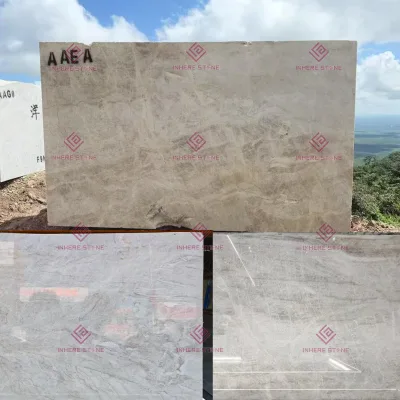
$85.20 - $98.80
MOQ: 1 square
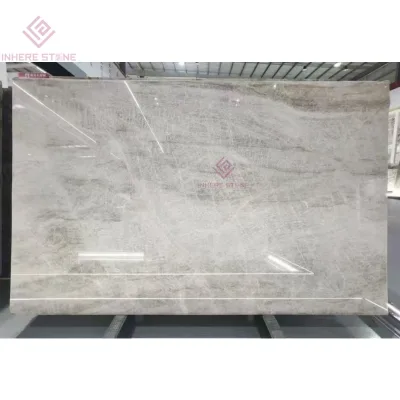
Taj Mahal Natural Marble Slabs Weatherproof Stone for Outdoor Kitchens Pool Decks Patio Flooring
$87.55 - $101.53
MOQ: 1 square
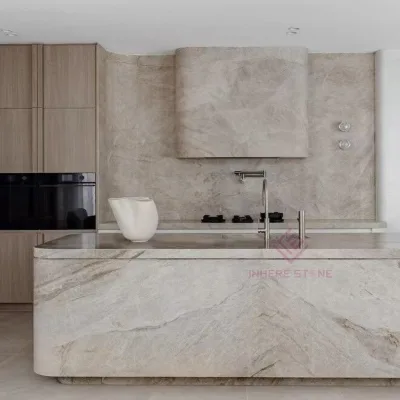
$41.09 - $164.41
MOQ: 1 Minimum
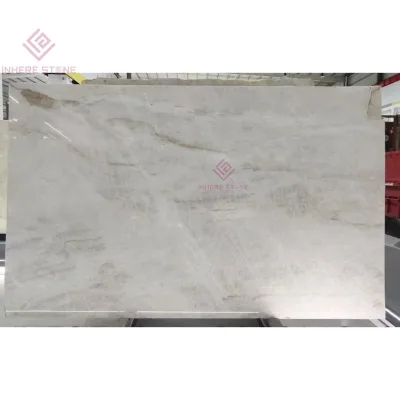
$85.20 - $98.80
MOQ: 1 square

Xiamen Yeyang Import & Export Co., Ltd.
- Verified by TUVRHEINLAND
- Trading Company
- China Fujian
- Lead time30 days
- Avg. response≤ 3h
Main productsCountertop, Granite, Marble, Quartz Stone, Tiles, Slabs, Artificial Stone, Slate, Travertine, Basalt
Main marketsSoutheast Asia/ Mideast,North America

$50.00 - $55.00
MOQ: 100 Square Meters

Natural Stone Taj Mahal Quartzite Marble 2cm Slabs for Kitchen Counter Top
$50.00 - $65.00
MOQ: 100 Square Meters

- Verified by CTI
- Trading Company
- China Fujian
- Lead time15 days
- Avg. response≤ 4h
Main productsNatural Stone Products, Artificial Marble, Artificial Stone Quartz Slabs, Tiles, Sintered Stone, Big Porcelain, Stone Mosaics, Water Jet, Cultural Stone, Pebble Stone
Main marketsSoutheast Asia/ Mideast,East Asia(Japan/ South Korea),North America


$200.00
MOQ: 500 Square Meters

$17.00 - $20.00
MOQ: 100 Square Meters

$21.00 - $25.00
MOQ: 100 Square Meters

Foshan Ansheng Building Material Co., Ltd.
- Verified by TUVRHEINLAND
- Manufacturer/Factory
- China Guangdong
- Lead time45 days
- Avg. response≤ 1h
Main productsQuartz Slab, Quartz Stone, Quartz Countertop, 0 Silica Quartz, Printed Quartz Slab, Engineered Quartz, Composite Stone, Artificial Stone, Taj Mahal Quartz, Marble Look Quartz
Main marketsSouth America,Eastern Europe,Mid East,North America,Oceania,Western Europe

$75.00 - $90.00
MOQ: 537 Square Meters

Taj Mahal Quartzite Stone Engineered Quartz Slabs for Kitchen Countertop
$75.00 - $90.00
MOQ: 537 Square Meters

Creamy Beige Colored Engineered Quartz Jumbo Slab Size Benchtop Taj Mahal Stone Slab
$70.00
MOQ: 400 Square Meters

$70.00 - $85.00
MOQ: 100 Square Meters

Factory Directly Taj Mahal White Quartz Slabs Engineered Stone for Benchtops
$70.00
MOQ: 400 Square Meters

Hot Selling Taj Mahal Quartzite Slab Artificial Quartz Stone for Prefab Worktops Countertops
$75.00 - $90.00
MOQ: 537 Square Meters

Shenzhen Chiva Industry Co., Ltd.
- Verified by TUVRHEINLAND
- Trading Company
- China Guangdong
- Lead time15 days
- Avg. response≤ 5h
Main productsGranite, Marble, Cheap White Marble, Cheap Grey Beige Granite, Basalt, Travertine, Paver Tile, Slab, Fireplace, Bluestone
Main marketsAfrica,Southeast Asia/ Mideast,Europe

$139.00 - $200.00
MOQ: 200 Square Meters

$150.00 - $180.00
MOQ: 50 Square Meters

$19.00 - $24.00
MOQ: 200 Square Meters


Polished Natural Stone Marmara Marble Slab for Floor/Wall Tile/Countertop
$25.00 - $35.00
MOQ: 500 Square Meters


Newstar (Quanzhou) Industrial Co., Ltd.
- Verified by BV
- Manufacturer/Factory
- China Fujian
- Lead time15 days
- Avg. response≤ 4h
Main productsStone Products, Marble, Quartz, Onyx, Granite, Travertine, Slate & Quartzite, Sandstone, Benyeequartz, Glass Stone Surface
Main marketsSouth America,Eastern Europe,Mid East,North America,Southeast Asia,Eastern Asia,Oceania,Western Europe,Africa

Newstar Luxury Natural Stone Slab Tile Countertop Quartz Granite Marble Taj Mahal Quartzite Slab
$19.00 - $39.00
MOQ: 100 Square Feet

Jumbo Slab Pandora Quartzite Slab Natural Luxury Taj Mahal Stone Quartzite Price
$159.00 - $199.00
MOQ: 20 Square Meters

Bathrooms Vanity Taj Mahal Granite Quartzite Slab Countertops for Kitchen Counter Tops
$99.00 - $159.00
MOQ: 1 Pieces

$150.00 - $285.00
MOQ: 20 Square Meters


China Arts Building Material Group Co.,Limited
- Trading Company,Manufacturer/Factory
- China Fujian
- Lead time23 days
- Avg. response≤ 2h
Main productsStone/ Granite/ Marble, Kitchen Countertop and Vanity Tops, Slab and Tiles, Quartz and Artificial Stone, Composite Products, Mosaic and Medallion, Sink Basin Sculpture and Tomb, Sand Stone, Crafts and Arts, Paving Stone
Main marketsEastern Europe,Mid East,North America,Southeast Asia,Western Europe

Nature Quartz Stone Taj Mahal Beige Marble for Slab, Countertops, Table, Stair
$180.00 - $215.00
MOQ: 50 Square Meters

Nature Stone Quartzite Taj Mahal Slab for Kitchen Countertops and Tiles
$180.00 - $215.00
MOQ: 50 Square Meters


Nature Stone Quartzite Slab Taj Mahal for Countertops and Tiles
$180.00 - $215.00
MOQ: 50 Square Meters

Taj Mahal Nature Quartzite Kitchen Countertop, Bench Top, Tiles for House Decoration
$200.00 - $400.00
MOQ: 10 Square Meters


- Verified by TUVRHEINLAND
- Trading Company
- China Fujian
- Lead time23 days
- Avg. response≤ 3h
Main productsGranite, Marble, Natural Stone, Countertop, Manufacturer, Slab, Tile, Tombstone, Stone Carving, Quartz Slab
Main marketsSouth America,Europe,North America


$50.00 - $200.00
MOQ: 50 Square Meters

Xiamen Ocean G Stone Co., Ltd.
- Verified by TUVRHEINLAND
- Trading Company,Manufacturer/Factory
- China Fujian
- Lead time23 days
- Avg. response≤ 4h
Main productsCountertop, Granite, Marble, Granite Tiles, Granite Slabs, Marble Slabs, Marble Tiles, Quartz Slabs, Quartz Countertops
Main marketsSouth America,Eastern Europe,Mid East,North America,Southeast Asia,Eastern Asia,Oceania,Western Europe,Africa

Natural Stone Taj Mahal Quartzite for inside floor/wall slabs/tiles/Countertop/stairs
$200.00 - $2000.00
MOQ: 20 Square Meters

$135.00 - $300.00
MOQ: 20 Square Meters

$20.00 - $100.00
MOQ: 50 Square Meters

XIAMEN KA UNITED IMP. & EXP. CO., LTD.
- Trading Company,Manufacturer/Factory
- China Fujian
- Lead time30 days
- Avg. response≤ 11h
Main productsCabinets, Counterttop&Vanity, Marble, Quartz, Granite, Quartzite, Tiles, Paving Stone, Mosaic, Carving Stone
Main marketsEastern Europe,North America,Western Europe

Quanzhou Allonly Stone Co., Ltd.
- Verified by SGS
- Trading Company
- China Fujian
- Lead time23 days
- Avg. response≤ 5h
Main productsGranite/Marble Kitchen and Bathroom Countertop, Marble Furniture Coffee Table Dining Table, Side Table Console Table Marble Travertine, Quartz/Solid Surface, Granite Marble Slab Floor Wall Tile, Marble Mosaic Medallion Waterjet Fireplace, Granite Cobblestone Pavingstone, Pebble Landscape Stone, Column Baluster Stair, Lava Stone/Culture Stone
Main marketsSoutheast Asia/ Mideast,Europe,Australia,North America

Brazil Taj Mahal Quartzite Stone Slab for Kitchen Countertop Bathroom Vanity and Wall Decoration
$150.00 - $300.00
MOQ: 20 Square Meters

Brazil Stone Taj Mahal Classic Quartzite Slab and Countertop for Kitchen and Living Room
$140.00 - $220.00
MOQ: 50 Square Meters

Shenzhen Leeste Industry Co., Ltd.
- Trading Company
- China Guangdong
- Lead time15 days
- Avg. response≤ 8h
Main productsGranite, Marble, Sandstone, Slate, Travertine, Basalt, Granite Tiles, Countertops, Marble Tiles, Marble Slabs
Main marketsAustralia,North America


Turkish White Marble Slabs Bianco Dolomiti White Slabs and Tiles
Contact supplier
MOQ: 200 Square Meters

Factory Price White Marble Eastern White Marble Oriental White Marble Slab and Tiles
Contact supplier
MOQ: 200 Square Meters

Shenzhen Eshine Technology Co., Ltd
- Verified by SGS
- Manufacturer/Factory
- China Guangdong
- Lead time15 days
- Avg. response≤ 2h
Main productsSolid Surface Sheets, Quartz Stone, Bathtub & Wash Basin, Kitchen Countertops, Bathroom Vanity Tops, Benchtops, Tables, Wash Sink, Building Materials, Corian Furniture
Main marketsSouth America,Eastern Europe,Mid East,North America,Southeast Asia,Eastern Asia,Oceania,Western Europe,Africa

- Verified by BV
- Trading Company,Manufacturer/Factory
- China Fujian
- Lead time23 days
- Avg. response≤ 9h
Main productsQuartz, Sintered Stone, Nano Crystallized Glass, Artificial Marble Stone, Terazzo, Marble Tile & Slab, Granite Tile & Slab, Slate & Basalt & Pebble Stone, Sandstone & Limestone& Travertine, Countertop&Vanitytop
Main marketsSouth America,Eastern Europe,Mid East,North America,Southeast Asia,Eastern Asia,Oceania,Western Europe,Africa

- Manufacturer/Factory
- China Guangdong
- Lead time0 days
- Avg. response≤ 4h
Main productsQuartz Stone, Quartz Countertop, Quartz Slab, Engineered Stone, Artificial Stone, Quartz Stone Flooring, Engineered Quartz Stone, Quartz Benchtops, Quartz Kitchen Tops, Quartz Vanity Top
Main marketsSouth America,Eastern Europe,Mid East,North America,Southeast Asia,Eastern Asia,Oceania,Western Europe,Africa


Comprehensive Sourcing Guide
Taj Mahal Antique Marble Slabs Supplier Concentration and Factory Types
When sourcing Taj Mahal Antique Marble Slabs, buyers should first understand that suppliers in this category generally fall into two structural types: manufacturers and trading companies. A trading company example in this result set is based in Fujian, China, lists a broad stone portfolio that includes countertops, monuments, granite and marble, quartz stone, paving stone, slabs and tiles, slate, and culture stone, and reports an average response time of roughly 6.5 hours with a lead time around 23 days. A manufacturer example is based in Shandong, China, focuses its main products on quartz stone, carries SGS verification, reports a response time near 3.7 hours and a lead time around 15 days, and advertises ODM and OEM capability. These labels tell you how each supplier is positioned, not which one is better for your project.
Because this product is a natural quartzite or marble-look stone with lookalike alternatives such as sintered stone and porcelain slabs, the supply base mixes quarries, slab processors, fabricators, and artificial-stone producers under similar listings. You should not assume every supplier on a results page owns a quarry or a cutting facility. When location data is not displayed for a given supplier, identify the manufacturing cluster indirectly: ask for the processing factory's address, the origin of the blocks, and which facility performs cutting, polishing, and quality inspection before shipment.
How to Verify Taj Mahal Antique Marble Slabs Suppliers
Verification should start with the attributes actually displayed and then move to what only direct inquiry can confirm. In the current results, one Shandong-based manufacturer shows an SGS verification badge, which is a concrete credential you can note, while the Fujian-based trading company shows no verification mark in this data. Never treat the absence of a badge as proof of a problem, and never treat a badge as proof of factory ownership; verification labels confirm platform-level screening, not production capability. Ask each candidate for its business license, factory photos or a live video walkthrough, and the relationship between the entity you are quoting and the entity that will cut and polish the slabs.
Product-level evidence also supports verification. Listings in this set specify stone origin as Brazil for the natural quartzite slabs and China for a sintered-stone alternative, and one natural-stone listing states Fujian Province as the processing province. Ask suppliers to confirm in writing which part of the chain they control: block selection, slabbing, resin treatment, polishing, and export packing. Request recent shipment references for Taj Mahal material specifically, since veining and background tone vary widely between blocks. Finally, verify the quoted density, thickness tolerance, and surface finish against the specifications shown in listings, and ask for a physical sample or a video of the actual slab lot before committing funds to a full order.
What to Compare Across Taj Mahal Antique Marble Slabs Suppliers
Build a comparison sheet using the supplier-label dimensions that appear in these results. Location matters because the two profiled suppliers sit in different Chinese provinces, Fujian and Shandong, which affects freight consolidation and access to processing capacity. Company type separates manufacturers from trading companies, which typically changes pricing layers and communication loops. Response time in the data ranges from about 3.7 hours for the Shandong manufacturer to about 6.5 hours for the Fujian trading company, a useful proxy for ongoing communication speed. Lead times shown are around 15 days versus 23 days, and main-product focus ranges from a single quartz-stone line to a wide natural-stone catalog, which signals specialization versus breadth.
On the product side, compare MOQ, price bands, and specifications side by side. In this result set, natural Taj Mahal quartzite slab listings show MOQs of 100 and 10 square meters or units with price ranges roughly 140–183 and 120–150, while a porcelain alternative lists at 40–43 with a 50-unit MOQ, and a sintered-stone product at 20–30. Do not assume every supplier displays all of these attributes; where a value is missing, request it explicitly rather than inferring it. Compare thickness options such as 12mm, 18mm, and 20mm, surface finish, slab dimensions, customization availability, and packing method, then weight the columns according to whether your project values speed, unit price, or specification control.
Common Taj Mahal Antique Marble Slabs Sourcing Risks
The most frequent risk in this category is material substitution. Because Taj Mahal quartzite is sometimes sold under marble terminology, and because artificial sintered stone and porcelain slabs replicate the same beige veining at a fraction of the price, buyers can receive a different material class than the one they specified. Listings in this data span natural quartzite from Brazil, sintered stone, and porcelain slabs with similar names, so a keyword-level match does not guarantee a stone-type match. Always fix the material class, origin, and density in the contract, since listed densities vary from about 2.6 to 3 grams per cubic centimeter even within the natural-stone results.
Specification and quality risks follow closely. One listing states a plus-or-minus 1mm thickness tolerance, while others give no tolerance at all, so untreated orders may arrive inconsistent for countertop lippage requirements. Veining mismatch across slabs from different blocks is another documented hazard, since background tone shifts from white to beige. There is also a lead-time risk: the displayed figures of roughly 15 and 23 days are quoted averages, not guarantees, and trading-company orders can add a layer of delay. Finally, packing varies between wooden packages and wood bundles in these listings, and inadequate crating is a common cause of transit breakage on big slabs. Require photos of packed bundles and confirm fumigation treatment before balance payment.
Taj Mahal Antique Marble Slabs Regional Sourcing and Logistics
The locations displayed in this data point to two Chinese sourcing regions. Fujian appears both as a trading-company base and as the stated processing province in one natural-stone listing, which is consistent with the region's role in stone slabbing and export. Shandong appears as a manufacturer base focused on quartz and sintered products with SGS verification and ODM/OEM capability. The raw blocks for natural Taj Mahal material are listed with a Brazilian origin, so a realistic chain runs from Brazilian block supply to Chinese processing and export, and you should confirm where each link happens for any supplier you contact. Where a supplier's location is not displayed at all, ask directly for the factory address and port of loading before comparing quotes.
Logistics planning should reflect the physical format of the product. Big slabs in this data are described at sizes up to roughly 297x177 centimeters or 3200x1600 millimeters, which dictates full-container crated shipping rather than LCL in most cases. Weight derives from thicknesses of 12mm, 18mm, and 20mm and the stated densities, so ask for a container loading plan showing how many slabs or square meters fit per container at your chosen thickness. Sea freight is the norm for slabs, and one listing mentions sea or air delivery; air is rarely practical for stone. Confirm who arranges inland haulage to the port and whether the quoted price is FOB, CIF, or ex-works.
Taj Mahal Antique Marble Slabs Commercial Terms and Order Planning
Commercial terms should be settled in writing before any deposit. Use the displayed data as a benchmarking reference: the natural quartzite listings show MOQs of 100 and 10 units with price bands around 120–150 and 140–183, the porcelain alternative shows 40–43 with an MOQ of 50, and the sintered-stone listing shows 20–30 with an MOQ of 50. Treat these as one snapshot of market positioning, not as guaranteed prices, since slab pricing moves with block quality and veining consistency. Ask whether customization is included, since several listings state customization is available, and confirm the model number, such as the S3017 reference shown in one listing, on the proforma invoice.
Order planning should map lead times against your installation schedule. The displayed lead times of about 15 and 23 days are production-side figures; add slab selection, container consolidation, booking, and ocean transit when building your timeline. Stage payments so the balance is due after inspection of packed goods or after you approve slab photos and videos. Match payment structure to supplier type, since a trading company may require its own margin on top of the processor's quote. Finally, confirm escalation terms for breakage, thickness out-of-tolerance deliveries, and veining mismatch, and keep one verified contact responsible for answering within the response windows the supplier advertises.
FAQs
What is the price range for Taj Mahal Quartzite slabs?
Prices for Taj Mahal Quartzite slabs typically range from 120 to 183 dollars per unit. Specific costs depend on the stone form, thickness, and customization options selected by the buyer. Some listings show lower prices for artificial sintered stone alternatives starting at 40 dollars.
What are the standard thickness options for these slabs?
Standard thickness options include 12mm, 18mm, and 20mm depending on the product type. Natural stone slabs often come in 18mm or 20mm thicknesses for countertops and flooring. Artificial sintered stone variants are frequently available in 12mm thickness for specific interior design applications.
What is the minimum order quantity for Taj Mahal stone?
Minimum order quantities vary significantly by product type and supplier. Some listings require a minimum of 100 units, while others accept orders as low as 10 units. A few suppliers offer a minimum order quantity of just 1 unit for specific natural stone slab configurations.
Where are these Taj Mahal stone products sourced from?
Natural Taj Mahal Quartzite slabs are often sourced from Brazil, as indicated by product origin details. Artificial sintered stone and porcelain slabs are manufactured in China, specifically in Fujian and Shandong provinces. Buyers should verify the specific origin for each product listing.
How long does it take to receive these stone slabs?
Lead times for these stone slabs generally range from 15 to 23 days depending on the supplier and product type. Some manufacturers with higher capacity may offer faster delivery within 15 days. Buyers should confirm specific lead times with the supplier before placing an order.
What surface finishes are available for Taj Mahal stone?
Available surface finishes include polished, honed, and matte options for various stone types. Natural quartzite slabs are commonly offered with a polished finish for countertops and flooring. Sintered stone products may also feature honed surfaces for a different aesthetic appeal in interior designs.
Can these slabs be customized for specific projects?
Customization is widely available for Taj Mahal stone slabs, including cut-to-size options and edge processing. Buyers can request specific thicknesses, surface finishes, and dimensions to match project requirements. Most suppliers indicate that customization services are available for both natural and artificial stone products.