Modern Wabi Sabi Coffee Table Suppliers and Manufacturers
Compare 33 verified suppliers of the Modern Wabi Sabi Coffee Table by location, company type, response time, lead time, MOQ, and OEM capability. Review product details, then request quotes and samples from shortlisted factories to confirm pricing before you commit.
Suppliers List

GUANGDONG OPTIMA HOME GROUP CO., LTD
- Verified by TUVRHEINLAND
- Manufacturer
- China Guangdong
- Lead time30 days
- Avg. response≤ 7h
Main productsHome Furniture, Sofa Set, Chair, Table, Bed, Interior Furniture
Langfang Aibike Furniture Co., Ltd.
- Trading Company
- Hebei, China
- Lead time0 days
- Avg. response≤ 4h
Main productsfurniture
Main marketsEastern Europe(30.00%), North America(30.00%), Mid East(20.00%), Oceania(15.00%), Western Europe(5.00%)

Bazhou Henglead Furniture Co., Ltd
- Verified by TUVRHEINLAND
- Combined
- China Hebei
- Lead time15 days
- Avg. response≤ 4h
Main productsDining Table, Coffee Table, Dining Chair, Iorn Dining Table, Light Luxury Dining Table, Simple Dining Table, Upholstered Chair, Table and Chairs, Salon Chair, Barber Chair
Main marketsDomestic
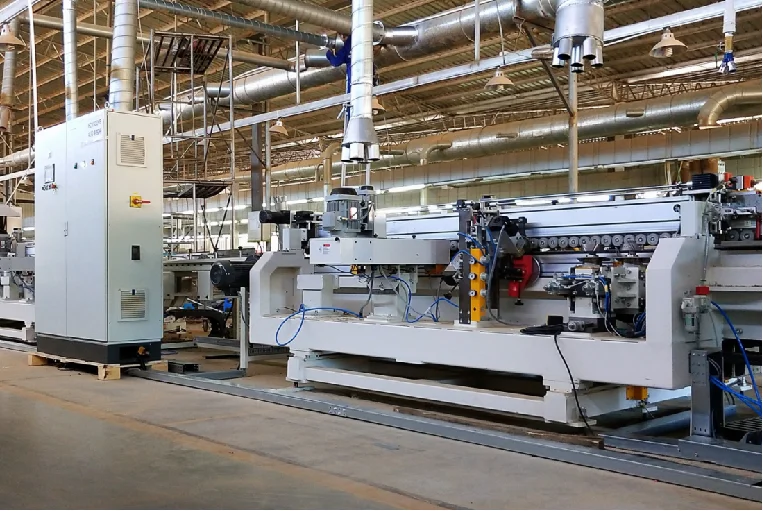
Hangzhou Coobamboo Household Products Co., Ltd.
- Manufacturer, Trading Company
- Zhejiang, China
- Lead time20 days
- Avg. response≤ 8h
Main productsdesk,office chair,furniture,home productts,bamboo wood products
Main marketsEastern Asia(20.00%), Oceania(20.00%), North America(20.00%), Northern Europe(10.00%), Western Europe(10.00%), Eastern Europe(10.00%), Southeast Asia(5.00%), Mid East(5.00%)

Foshan Yunqi Furniture Co., Ltd.
- Verified by TUVRHEINLAND
- Trading Company,Manufacturer/Factory,Group Corporation
- China Guangdong
- Lead time23 days
- Avg. response≤ 2h
Main productsLiving Room Furniture, Dining Room Furniture, Bedroom Furniture, Children Furniture, Home Office Furniture, Outdoor Furniture
Main marketsNorth America,Oceania,Western Europe

China Furniture Suppliers Custom Wabi Sabi Coffee Tables for Rooms Wood Coffee Table
$1401.00 - $1999.00
MOQ: 1 Sets


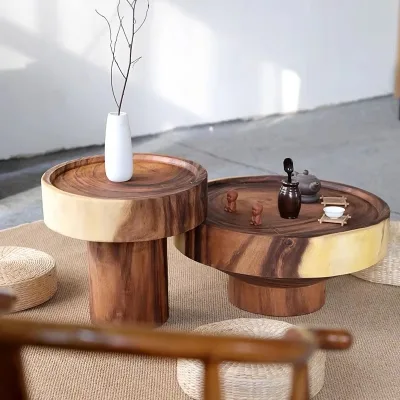
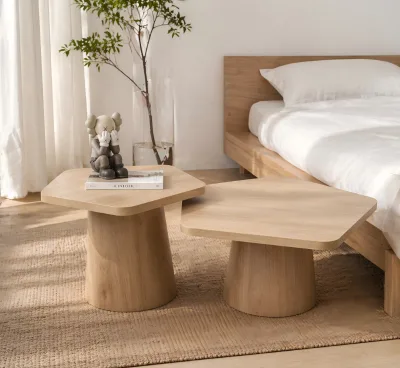
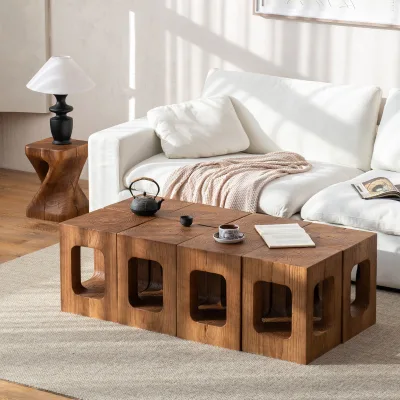
Wabi-Sabi Solid Wood Tea Table Tatami Designer Homestay Retro Style Tea Table Japanese Coffee Table
$720.00 - $1599.00
MOQ: 1 Sets

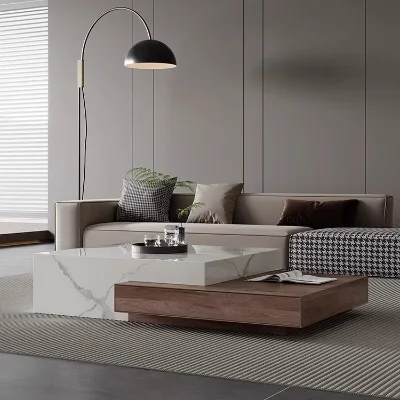
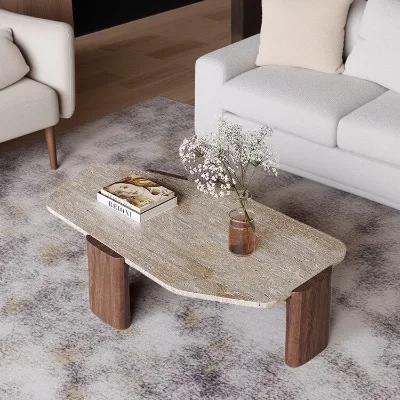
High Quality New Design Coffee Table Marble Top Wabi Sabi Coffee Tables
$1401.00 - $1999.00
MOQ: 1 Sets

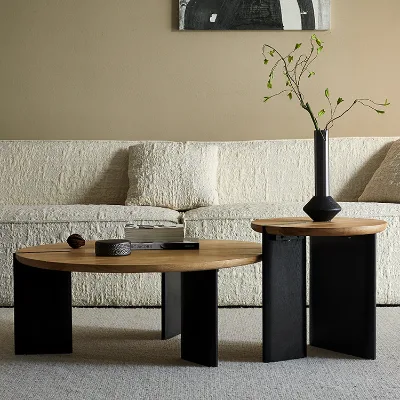
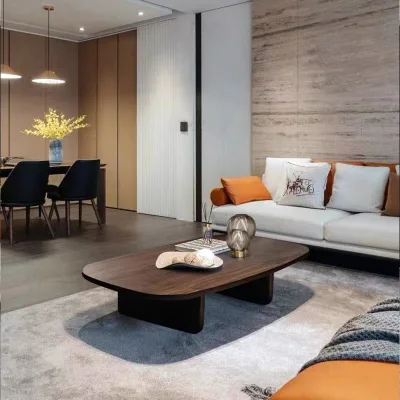
Wabi Sabi Minimalist Modern Luxurious Custom Home Oval Coffee Table for The Living Room
$1727.00 - $1999.00
MOQ: 1 Pieces

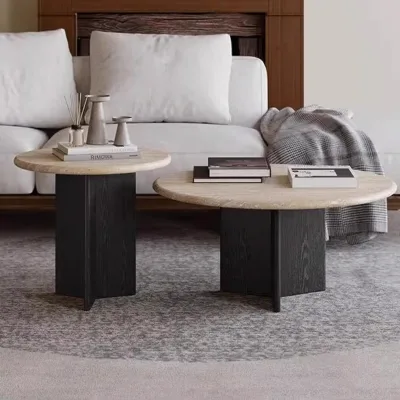
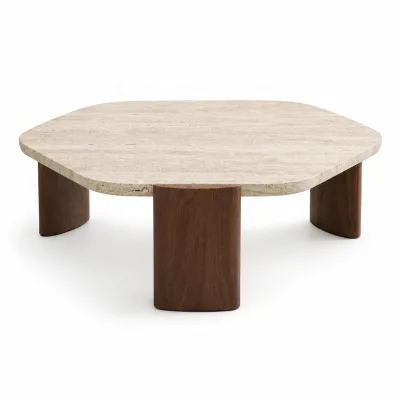
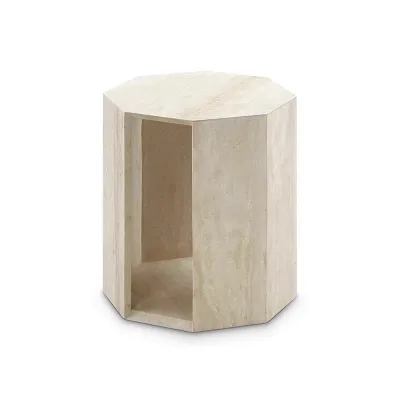
Wabi-Sabi Style Travertine Top Solid Ash Legs Coffee Tables Modern Beside Table for Living Room
$720.00 - $1599.00
MOQ: 1 Pieces
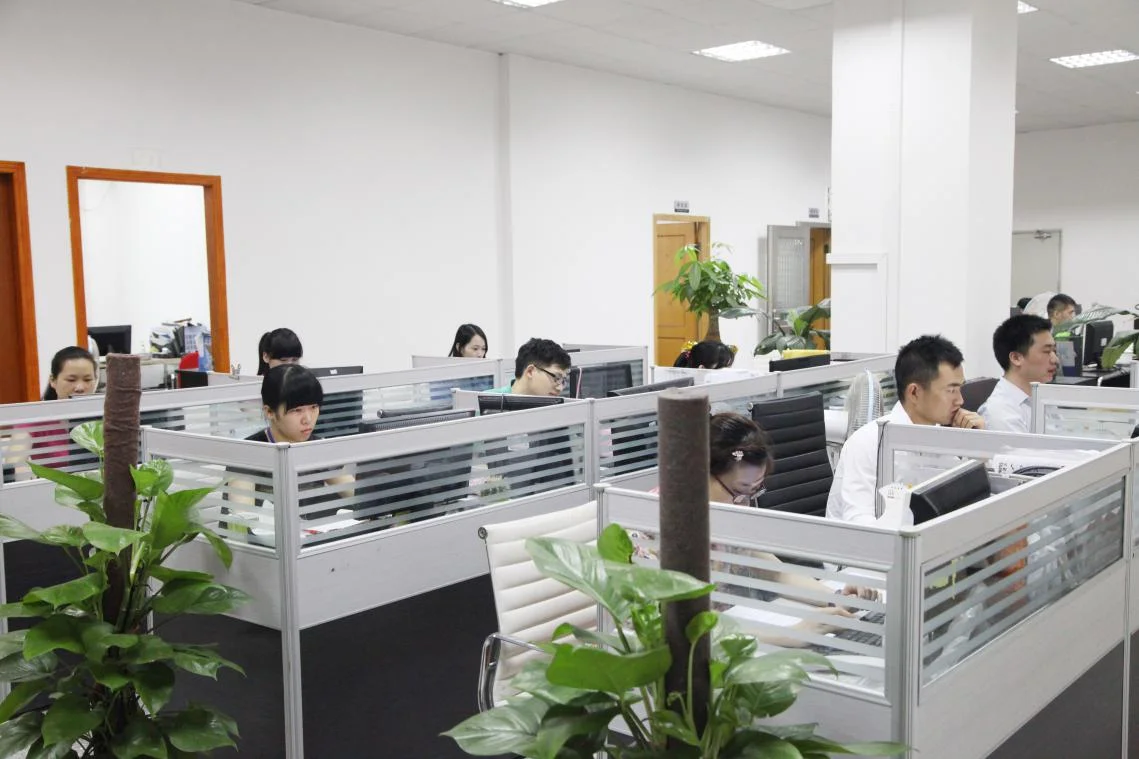
Shenzhen Beston Industrial Co., Ltd.
- Manufacturer
- Guangdong, China
- Lead time25 days
- Avg. response≤ 4h
Main productssofa,desk,dining chair,bed,dining table
Main marketsSouthern Europe(25.00%), North America(25.00%), Eastern Europe(15.00%), Mid East(10.00%), Southeast Asia(10.00%), Western Europe(5.00%), South Asia(4.00%), South America(3.00%), Africa(2.00%)
Huizhou Coolbang Industrial Limited
- Verified by SGS Group
- Trading Company
- Lead time20 days
- Avg. response≤ 3h
Main productsMirrored Furniture, Wood Furniture, High Gloss Furniture, Mirror, Home Decor
Main marketsNorth America(40%), Eastern Europe(10%), Northern Europe(10%)
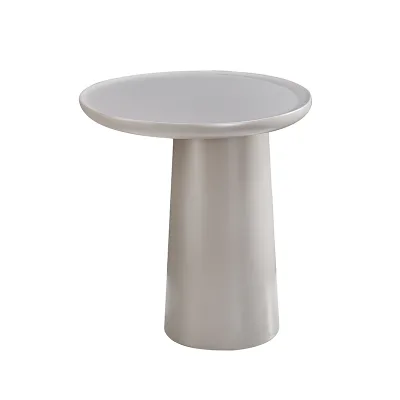
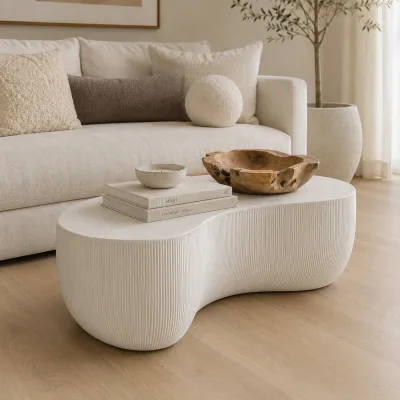
Wabi-Sabi Modern Coffee Table Fiberglass Panel Style Side Table for Home Use Living Room Furniture
$56.71 - $87.65
MOQ: 30 Minimum
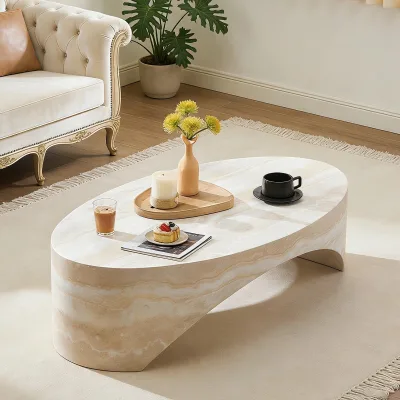
Jiangxi Choosy Import And Export Trading Co., Ltd.
- Manufacturer, Trading Company
- Jiangxi, China
- Lead time15 days
- Avg. response≤ 2h
Main productsLiving room furniture,bedroom furniture,dining room furniture,study room furniture,furniture
Main marketsNorth America(40.00%), Oceania(25.00%), South America(15.00%), Mid East(10.00%), Southeast Asia(10.00%)
Chongqing JXT Trading Co., Ltd.
- Trading Company
- Chongqing, China
- Lead time0 days
- Avg. response≤ 5h
Main productsDining table,sofa,dining chair,cabinet,decorations
Main marketsNorth America(25.00%), Mid East(15.00%), Southeast Asia(15.00%), Eastern Asia(10.00%), Western Europe(10.00%), Africa(8.00%), Oceania(8.00%), Southern Europe(3.00%), Eastern Europe(2.00%), Central America(2.00%), South America(2.00%)
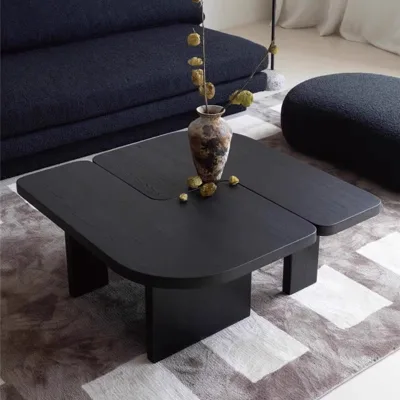
$103.57 - $463.52
MOQ: 1 Minimum
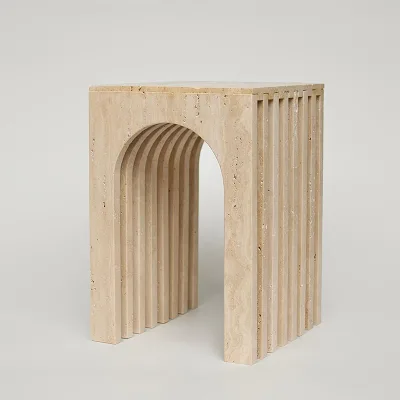
$489.20 - $570.73
MOQ: 5 Minimum

Foshan Jinyuexuan Furniture Co., Ltd.
- Verified by BV
- Combined
- China Guangdong
- Lead time15 days
- Avg. response≤ 6h
Main productsfurniture
Main marketsDomestic

Italian Minimalist Marble Coffee Table Wabi-Sabi Style Coffee Table with Turntable
$280.00 - $310.00
MOQ: 10 Pieces

Marble Coffee Table Designer Wabi-Sabi Style Tempered Glass Coffee Table with Turntable
$330.00 - $335.00
MOQ: 10 Pieces

Guangzhou Chenchuang Home Furnishing Co., Ltd.
- Manufacturer
- Guangdong, China
- Lead time10 days
- Avg. response≤ 2h
Main productsLiving room furniture,Dining room furniture,Outdoor furniture,Bar furniture,Commercial furniture
Main marketsNorth America(20.00%), Central America(18.00%), South America(12.00%), South Asia(10.00%), Northern Europe(10.00%), Eastern Europe(10.00%), Western Europe(10.00%), Oceania(10.00%)
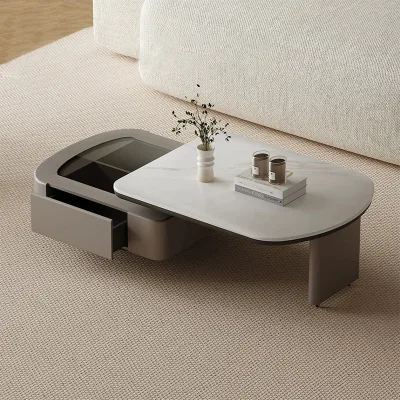
$228.00 - $258.00
MOQ: 2 sets
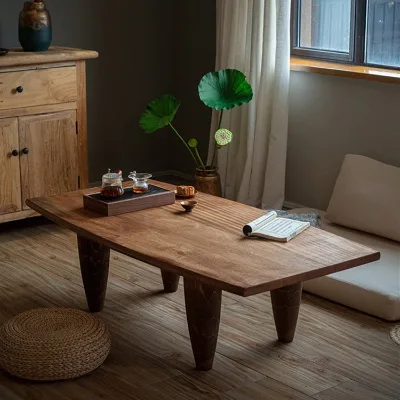
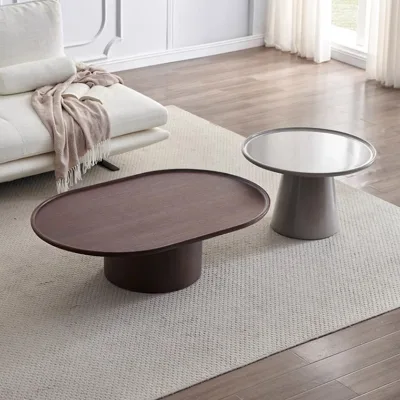
Contact supplier
MOQ: 2 Minimum
Ganzhou Jiuyan Furniture Co., Ltd.
- Trading Company
- Jiangxi, China
- Lead time30 days
- Avg. response≤ 3h
Main productsHotel chair,Wedding chair,dining chair,TV stand,Coffee table
Main marketsMid East(30.00%), Central America(30.00%), North America(30.00%), Southeast Asia(20.00%), South Asia(10.00%)
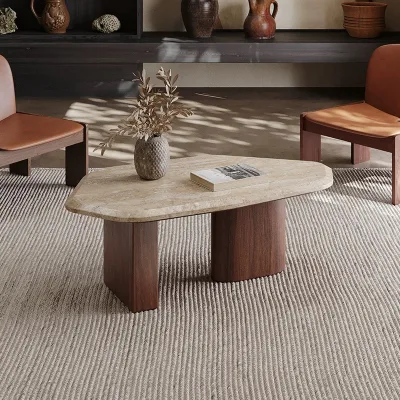
$204.00 - $294.00
MOQ: 2 sets
$169.00 - $199.00
MOQ: 2 sets

- Verified by SGS
- Trading Company
- China Guangdong
- Lead time60 days
- Avg. response≤ 14h
Main productsSofa Dining Table Bed Chair Coffee Table, Living Room Furniture, Dining Room Furniture, Bedroom Furniture, Hotel Furniture, Office Furniture, Outdoor Furniture, Mattress
Main marketsSouth America,Eastern Europe,Mid East,North America,Southeast Asia,Eastern Asia,Oceania,Western Europe,Africa

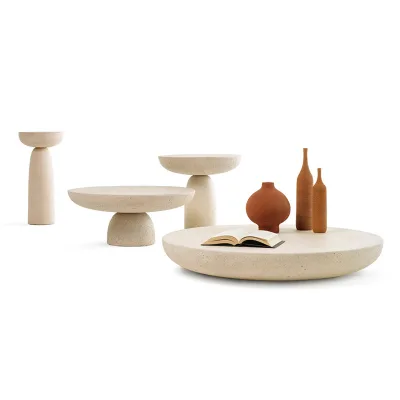
High Fashion Concrete Coffee Table Nordic Wabi-Sabi Round Stone Coffee Table Living Room Furniture
$500.00 - $1500.00
MOQ: 1 Pieces

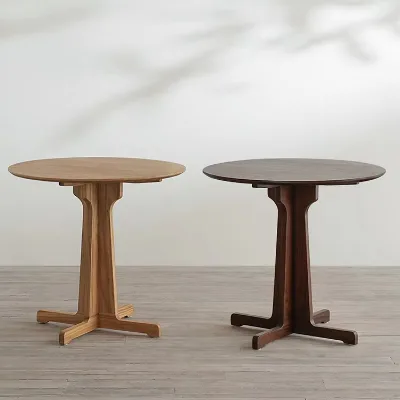
Ekar Furniture Wabi Sabi Style Natural Wooden Vintage Round Black Coffee Table
$500.00 - $1500.00
MOQ: 1 Pieces
Ganzhou Olive King Furniture Co., Ltd.
- Manufacturer, Trading Company
- jiangxi, China
- Lead time30 days
- Avg. response≤ 1h
Main productsBed, Sofa, Coffee Table And TV Stand, Dining Table And Chair, Custom Furniture
Main marketsDomestic Market(100.00%)
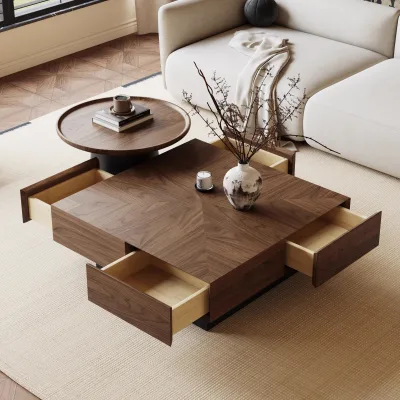
$249.87 - $300.86
MOQ: 10 sets
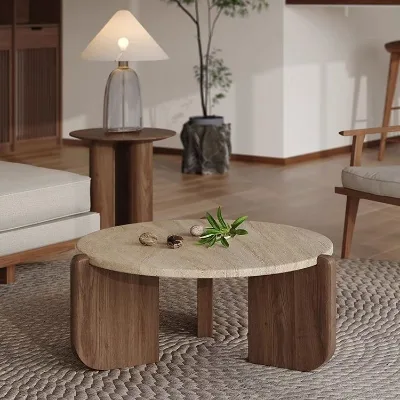
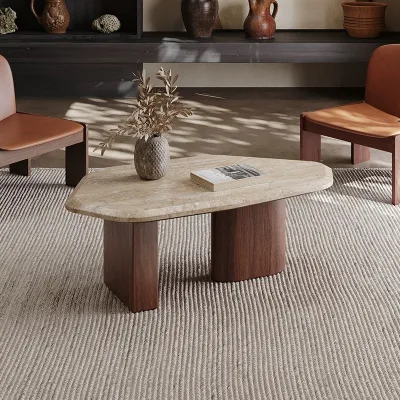
Hai'an Huicun Furniture Co., Ltd.
- Verified by Intertek
- Manufacturer, Trading Company
- Lead time60 days
- Avg. response≤ 1h
Main productsBed, Sofa, Cabinet, Dining Table, Dining Chair
Main marketsDomestic Market(70%), Eastern Europe(15%), North America(8%)
Zhongshan Shanmu Furniture Co., Ltd.
- Verified by TüVRheinland
- Manufacturer, Trading Company
- Lead time30 days
- Avg. response≤ 1h
Main productsTable, Chair, Cabinet, Bed, Sofa
Main marketsSoutheast Asia(36%), North America(14%), Eastern Europe(14%)
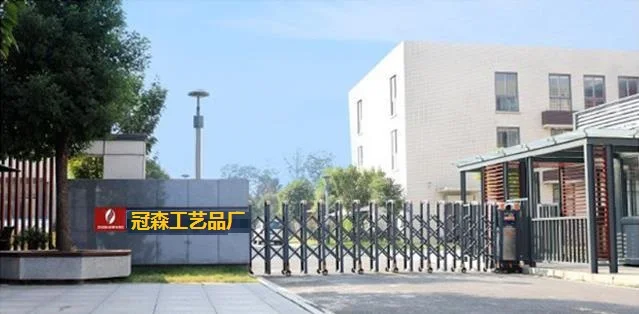
Changsha Guan Sen Homeware Co., Ltd.
- Trading Company
- Hunan, China
- Lead time15 days
- Avg. response≤ 6h
Main productshand folding fan,Furniture table,Kitchenware,Wooden Homeware,Custom Craft Umbrella
Main marketsNorth America(67.00%), Eastern Europe(10.00%), Northern Europe(8.00%), Western Europe(5.00%), Southeast Asia(3.00%), Mid East(2.00%), Southern Europe(2.00%), Africa(1.00%), South America(0.30%), Central America(0.30%), Eastern Asia(0.30%), Domestic Market(0.20%), Oceania(0.10%), South Asia(0.10%)
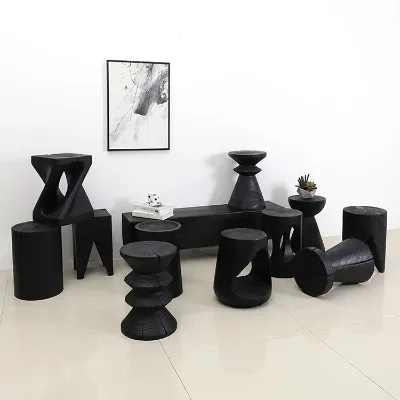
$55.00 - $238.00
MOQ: 1 Minimum
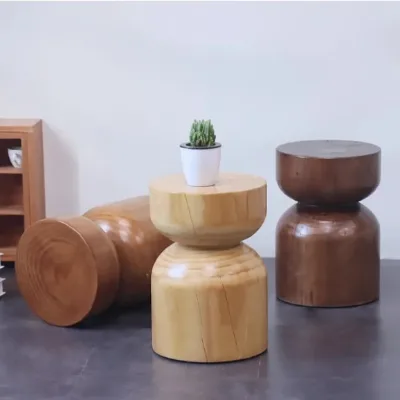
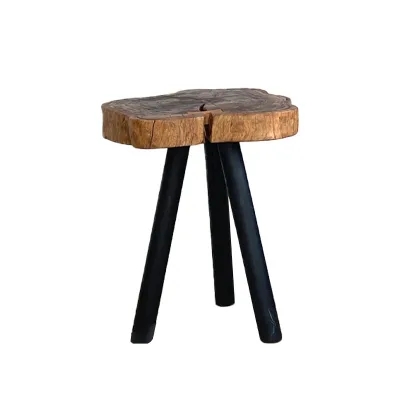
Factory Sale Wabi -sabi Wooden Coffee Table Side Table Tree Stump Stool Side Table
$25.00 - $32.00
MOQ: 2 pieces
Fujian Quanzhou Jiele Trading Co., Ltd.
- Verified by TüVRheinland
- Manufacturer, Trading Company
- Lead time7 days
- Avg. response≤ 3h
Main productsLiving Room Furniture, Bedroom Furniture, Dining Room Furniture, Furniture Outdoor Supplies, Iron Art Furniture
Main marketsNorth America(50%), Southeast Asia(10%), Oceania(10%)
Foshan Shunde Govan Furniture Co., Ltd.
- Manufacturer
- Guangdong, China
- Lead time45 days
- Avg. response≤ 2h
Main productsOutdoor Furniture,Outdoor Hotel Furniture,Garden Furniture,Indoor furniture,Custom furniture
Main marketsWestern Europe(40.00%), North America(40.00%), Oceania(10.00%), Southeast Asia(5.00%), Mid East(5.00%)
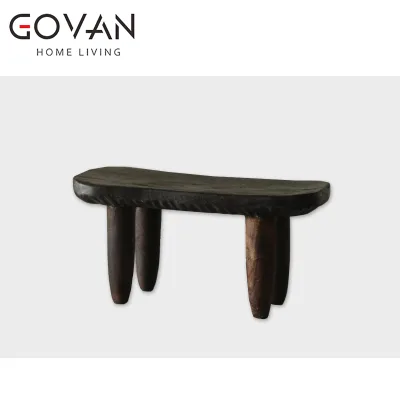
Wabi Sabi Vintage Little Edge Few Coffee Table Quality Elm Wood Home
$756.25 - $840.28
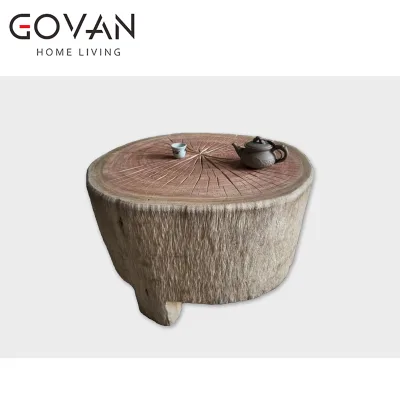
Wabi Sabi Decaying Wood Coffee Table Quality Elm Wood Hotel
$893.75 - $993.06
Xiamen Suessen Import And Export Co., Ltd.
- Manufacturer, Trading Company
- Lead time旺季: "1 - 100":7,"> 100":"To be negotiated", 淡季: "1 - 100":7,"> 100":"To be negotiated"
- Avg. response≤ 10h
Main productsDining Room Furniture,Living Room Furniture,Bedroom Furniture,Bar Furniture,Home Furniture
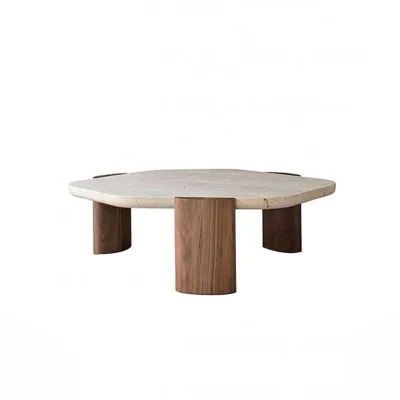
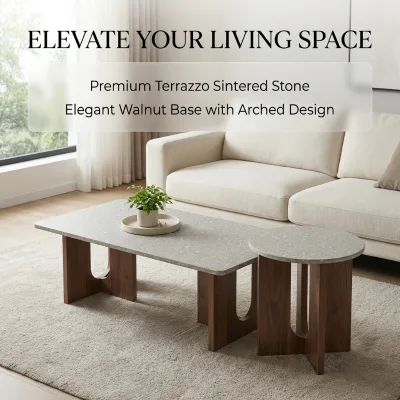
2024 Suessen Wabi-sabi Solid Wood Leg and Natural Stone Desktop Round Coffee Table for Living Room
$167.05 - $185.71
MOQ: 5 pieces
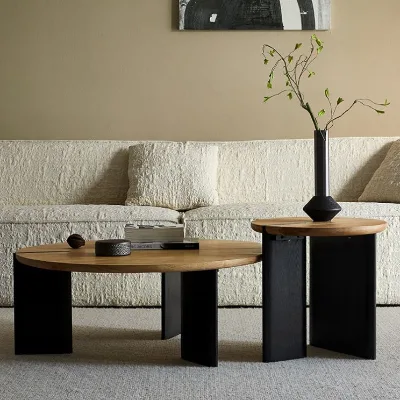
Modern Luxury Small Unit Living Room Wabi-sabi Creative Solid Wood Round Coffee Table Combination
$113.13 - $289.73
MOQ: 3 pieces
One Tree Furniture (Gaomi) Co., Ltd.
- Verified by TüVRheinland
- Manufacturer, Trading Company
- Lead time10 days
- Avg. response≤ 6h
Main productsDining Chair, Coffee Table, Furniture, Wardrobes, Board
Main marketsNorth America(60%), Northern Europe(20%), Southern Europe(10%)
Fuzhou Qiankun Furniture Manufacturing Co., Ltd.
- Verified by SGS Group
- Trading Company
- Lead time30 days
- Avg. response≤ 2h
Main productsRecliner, Sofa, Dining Table, Dining Chair, Coffee Table

Beijing Kvs Building Materials Co., Ltd.
- Verified by SGS
- Trading Company
- China Beijing
- Lead time15 days
- Avg. response≤ 25h
Main productsScaffolding, Cable Trays, Wiremesh
Main marketsSoutheast Asia/ Mideast


Vintage Wabi Sabi Rattan Coffee Table Glass Top for Small Apartment Home
$35.00 - $40.00
MOQ: 5 Pieces


Fuzhou Senwell Furniture Manufacture Co., Ltd.
- Manufacturer
- Fujian, China
- Lead time50 days
- Avg. response≤ 2h
Main productsWood Furniture,Metal Furniture,Metal Wall Decor,Photo Frame,Mirror Frame
Main marketsNorth America(70.00%), Western Europe(15.00%), South America(5.00%), Eastern Europe(5.00%)
Shenzhen Enyi Industry And Trade Co., Ltd.
- Manufacturer, Trading Company, Buying Office
- Guangdong Province, China
- Lead time0 days
- Avg. response≤ 1h
Main productsDining Table,Dining Chair,Coffee Table,Cabinet,Sofa
Main marketsSoutheast Asia(30.00%), North America(15.00%), Mid East(10.00%)

Quanzhou Wolf Household Goods Co., Ltd.
- Manufacturer, Trading Company
- Fujian, China
- Lead time0 days
- Avg. response≤ 3h
Main productssofa,bar chair,Change the shoe stool,Various types of furniture,Furniture Customization
Main marketsNorth America(10.00%)

Jiangxi Raphael Outdoor Furniture Co., Ltd.
- Verified by TUVRHEINLAND
- Trading Company
- China Jiangxi
- Lead time15 days
- Avg. response≤ 3h
Main productsFiberglass Sculpture, Hotel Furniture, Fiberglass Garden Planter, Fiberglass Bench, Outdoor Fiberglass Furniture, Custom Fiberglass Sculpture, Outdoor Landscape Art Statue, Bench Outdoor Public Chair, Custom Fiberglass Reception Desk, Outdoor Rattan Chair
Main marketsDomestic

$135.00 - $1000.00
MOQ: 5 Pieces

Factory Wholesale Organic Shape Hollow Side Table Fiberglass Wabi-Sabi Living Room Accent Table
$171.00 - $820.00
MOQ: 5 Pieces
Foshan Wangsheng Furniture Co., Limited.
- Trading Company
- Guangdong, China
- Lead time30 days
- Avg. response≤ 11h
Main productsSofa, Coffee Table, Bed, Dining Table, Cabinets
Main marketsWestern Europe(30.00%), North America(25.00%), Africa(15.00%), Mid East(15.00%), Southeast Asia(15.00%)

Langfang Ruiyi Furniture Co., Ltd.
- Verified by TUVRHEINLAND
- Trading Company
- China Tianjin
- Lead time30 days
- Avg. response≤ 5h
Main productsDining Chair, Coffee Table, Dining Set, Wooden Chair, Plastic Chair, Dining Table, Metal Chair, Living Room Coffee Table
Main marketsOthers(foreignTradeCapacity.exportBusinessCapacityMarketOther),Europe

2025 Wabi Sabi Nordic Light Luxury Modern Small Edge Few Coffee Table Quality Aged Wood Hotel
$53.90 - $63.90
MOQ: 300 Pieces

Japanese Sabi Living Room Wooden Oak Coffee Table Set of 2 Brown End Table
$53.90 - $63.90
MOQ: 300 Pieces
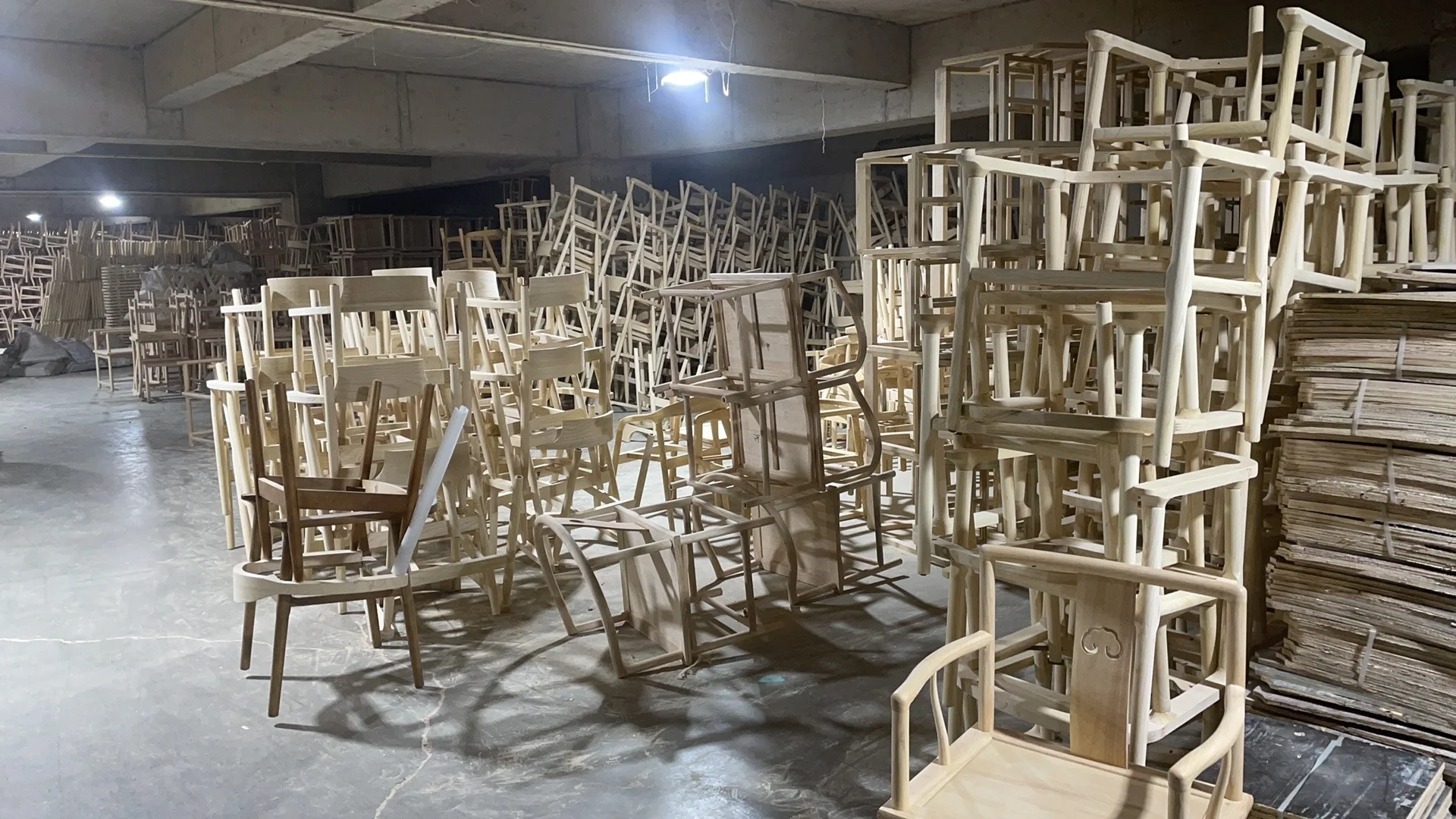
Quanzhou Hanyu Furniture Co., Ltd.
- Manufacturer, Trading Company
- Fujian, China
- Lead time0 days
- Avg. response≤ 1h
Main productsLiving room furniture,Dining room furniture,Bedroom furniture,Office furniture,Hotel furniture
Main marketsDomestic Market(50.00%), Western Europe(5.00%), Eastern Asia(5.00%), Southern Europe(5.00%), Oceania(5.00%), Africa(5.00%), Northern Europe(5.00%), Eastern Europe(5.00%), South America(5.00%), North America(2.00%), South Asia(2.00%), Mid East(2.00%), Southeast Asia(2.00%), Central America(2.00%)
Hangzhou Mingren Commercial Art Design Co., Ltd.
- Trading Company
- Zhejiang, China
- Lead time20 days
- Avg. response≤ 1h
Main productsFurniture,Chair,Stool,Sofa,Lamp
Main marketsDomestic Market(50.00%), Mid East(10.00%), North America(10.00%), Western Europe(10.00%), Oceania(6.00%), Southeast Asia(6.00%), Eastern Asia(6.00%), Northern Europe(2.00%)
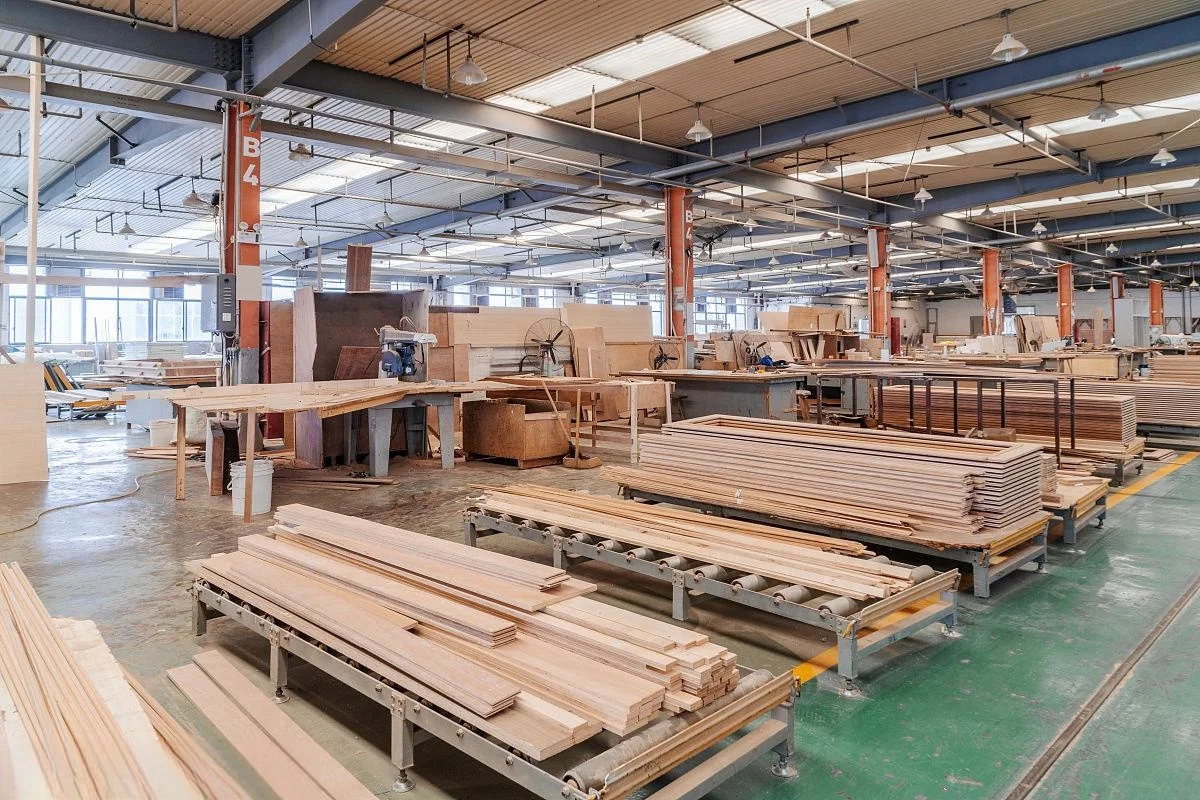
Chongqing Aiyueju Furniture Co., Ltd
- Trading Company
- Chongqing, China
- Lead time20 days
- Avg. response≤ 2h
Main productsrestaurant table and chair,cafe furniture,outdoor furniture,home furniture,bar night club furniture
Main marketsNorth America(30.00%), Southeast Asia(15.00%), Eastern Europe(10.00%), Mid East(10.00%), South Asia(5.00%), Southern Europe(5.00%), Northern Europe(5.00%), Central America(5.00%), Oceania(5.00%), Western Europe(5.00%), Eastern Asia(5.00%)
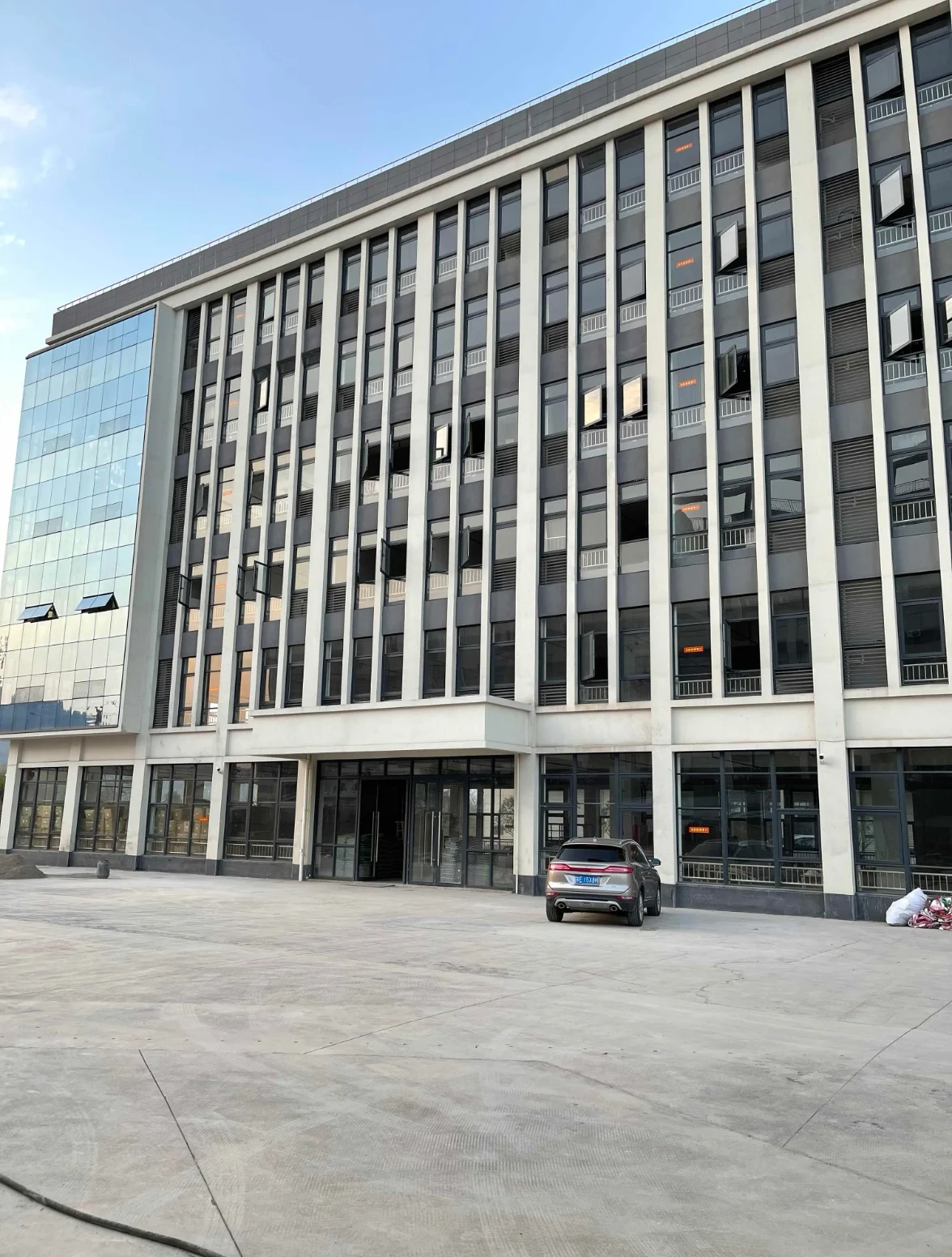
- Manufacturer, Trading Company
- Zhejiang, China
- Lead time7 days
- Avg. response≤ 2h
Main productsPlastic Storage Organizer,Kitchen Rack,Shoe Rack,Makeup vanity,Color Grabber
Main marketsNorth America(20.00%), Domestic Market(10.00%), Eastern Europe(10.00%), South America(10.00%), Northern Europe(8.00%), Southern Europe(8.00%), Western Europe(8.00%), Southeast Asia(5.00%), Central America(5.00%), Africa(5.00%), Eastern Asia(5.00%), Mid East(2.00%), South Asia(2.00%), Oceania(2.00%)


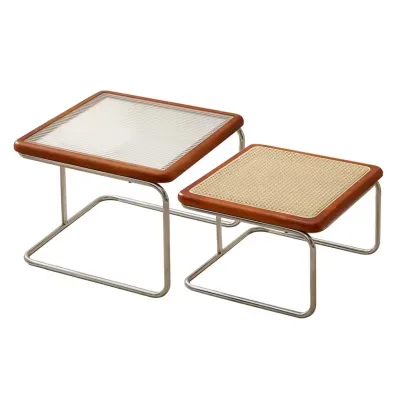


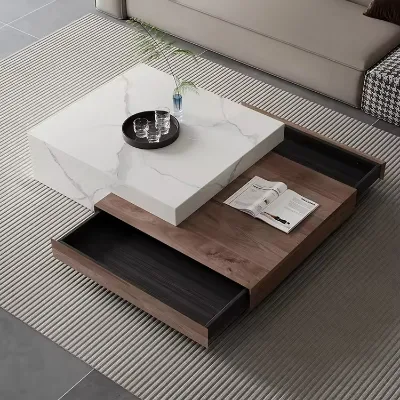
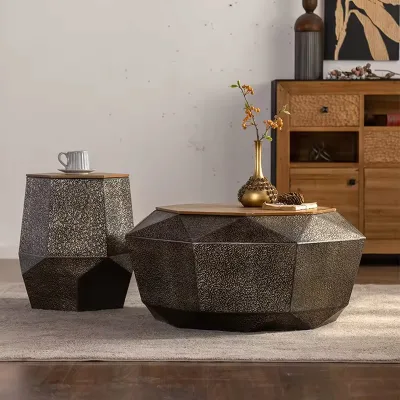
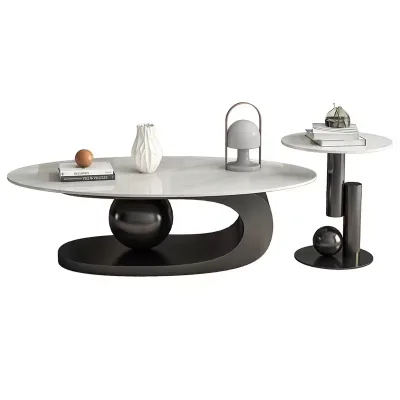
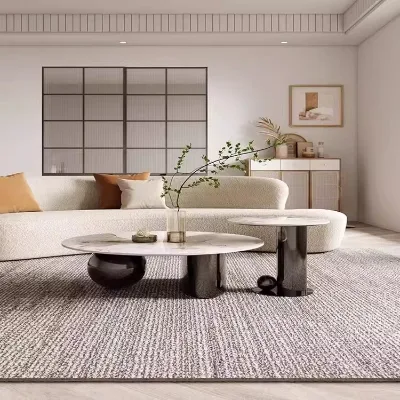
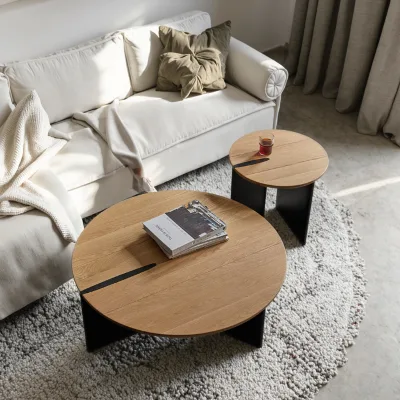
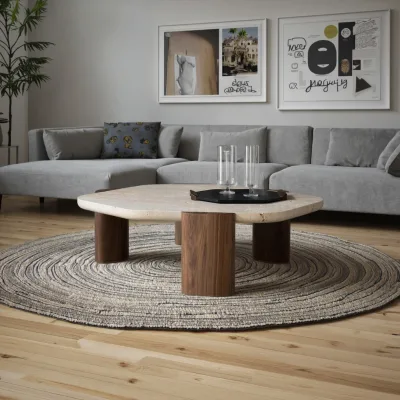
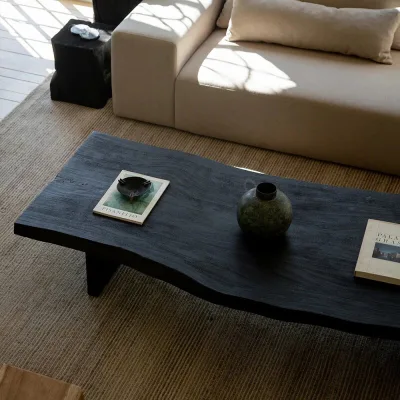
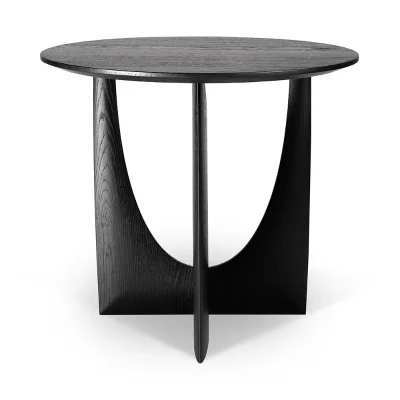
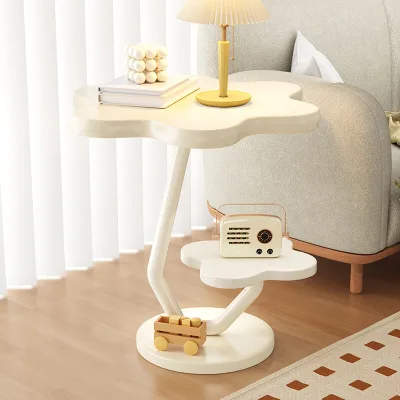
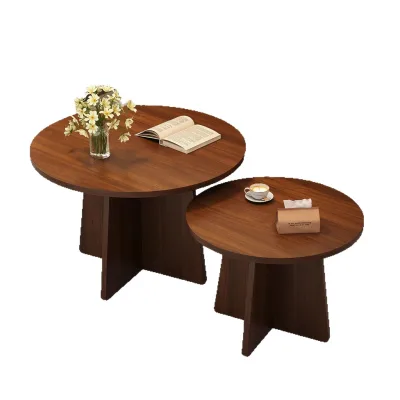
Comprehensive Sourcing Guide
Modern Wabi Sabi Coffee Table Supplier Concentration and Factory Types
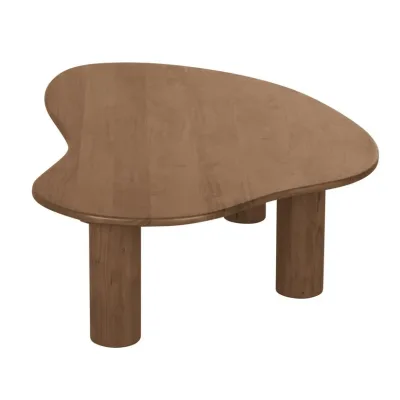
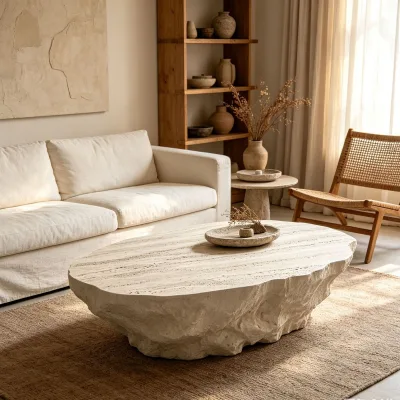
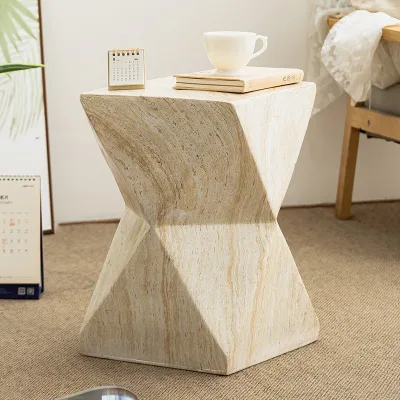
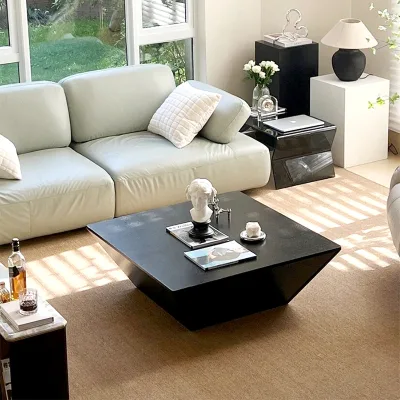
When sourcing a Modern Wabi Sabi Coffee Table, the first structural question is which suppliers on the results page are manufacturers versus trading companies, because that distinction shapes pricing, customization depth and accountability. The current results show a spread of company types: some listings come from manufacturers, one from a trading company, and one from a combined manufacturer-and-trader profile. A manufacturer listing a wabi sabi coffee table with a unique stone surface, or a wabi sabi natural stone texture center table, is more likely to control finishing details such as textured tops and irregular organic shapes that define this style. A trading company may aggregate multiple factories, which can widen style choice but add a communication layer between you and the workshop actually producing the table.
Concentration signals should be read from the evidence itself rather than assumed. The observed results point to two provinces, Guangdong and Hebei in China, with suppliers in each; Guangdong entries list home furniture broadly, including sofa sets, chairs, tables and beds, while Hebei entries lean toward dining tables, coffee tables and related seating. Where cluster data is unavailable, buyers should identify clusters by checking repeated place-of-origin attributes across product listings, noting which provinces recur for coffee tables specifically, and asking each supplier where its coffee table production physically occurs rather than where its office is registered.
How to Verify Modern Wabi Sabi Coffee Table Suppliers
Verification starts with the credentials displayed on the results page and ends with what you can confirm directly. On this page, at least one supplier carries a TUV Rheinland verification badge, which is an independent on-site assessment signal rather than a product certification, so treat it as evidence the company exists and operates at the stated address, not as proof of finish quality. One supplier shows a response time of about seven hours, others around four hours and under four hours, so record these figures and test them yourself with a technical question about stone-textured tabletops or glass-fiber frames before committing. Company type is a second checkpoint: confirm whether a self-described manufacturer actually produces wabi sabi tables in-house or assembles bought-in components.
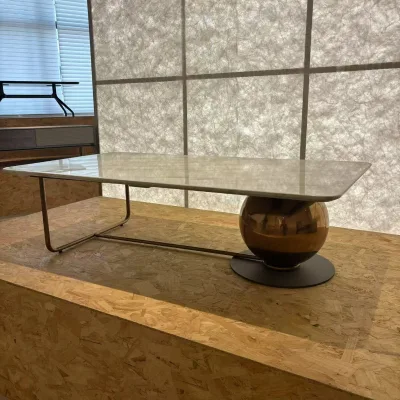
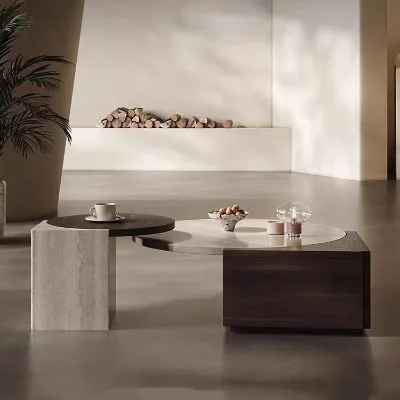
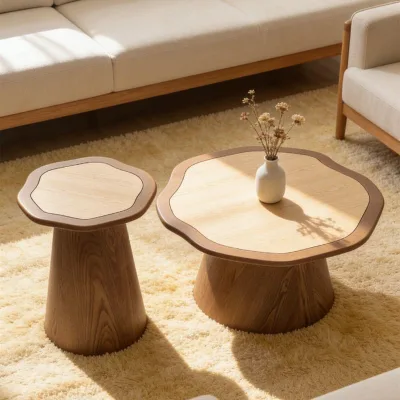
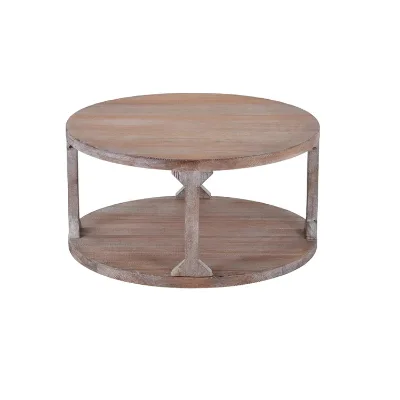
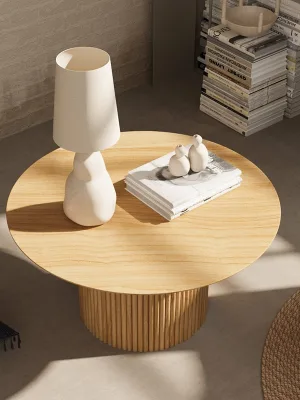
Product-level evidence is your strongest verification tool because attributes reveal consistency. Across the listings you can see concrete details worth cross-checking: a Guangdong wabi sabi coffee table in model AC-281-B with a wooden packing attribute, a natural stone texture model A12, a Hebei Italian modern stone wabi-sabi marble table with a one-year warranty attribute and glass-fiber material, and a rattan mother-child table with glass top in model C-001-TN. Ask each shortlisted supplier to match these attributes against the physical sample they would ship. Request photographs of the same model from the production floor, confirm the place-of-origin attribute aligns with the registered location, and verify that customization claims, which several listings state explicitly, are backed by someone who can alter the finish.
What to Compare Across Modern Wabi Sabi Coffee Table Suppliers
Build a comparison sheet from the attributes the results page actually displays, and mark blanks honestly rather than assuming every supplier reports every field. The visible dimensions here are lead time, minimum order quantity, response speed, company type, location and main products. On lead time, the spread is significant: one Guangdong manufacturer lists thirty days, a Hebei trading company lists zero, which usually means unconfirmed rather than instant, and a combined-type supplier in Hebei lists fifteen days. On MOQ, the wabi sabi listings range from a single-piece order on one chic modern wabi sabi table listing, to five pieces on the natural stone texture model, to twenty pieces on the unique wabi sabi coffee table, and forty pieces on the Italian modern stone table, so align MOQ with your retail or project volume.
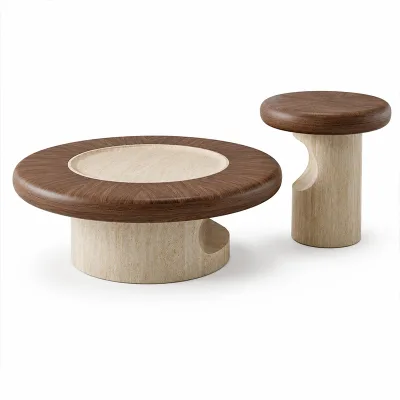
Main products give you a read on specialization. Guangdong entries emphasize home furniture lines including sofa sets, chairs, tables, beds and interior furniture, while Hebei entries highlight dining tables, coffee tables, iron dining tables, light luxury dining tables and salon or barber chairs. A supplier whose core line already includes coffee tables is more likely to hold tooling and finishing know-how for stone-texture or freeform tops. Compare OEM capacity where stated, such as the OEM designation on one Hebei profile, and weigh response time alongside price ranges, which on this page run from roughly forty-nine dollars on the rattan nested table to the low hundreds on stone and walnut models.
Common Modern Wabi Sabi Coffee Table Sourcing Risks
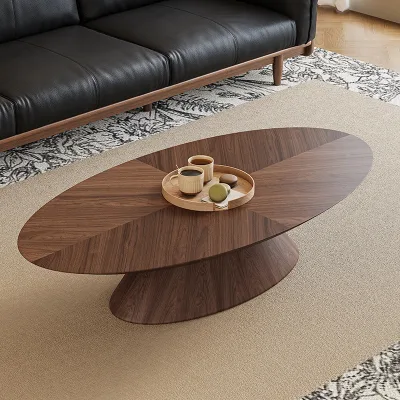
The defining risk in this category is finish fidelity, because wabi sabi styling depends on deliberate irregularity, and what reads as organic texture in a photograph can arrive as inconsistent coating or rough patching. The listings advertise features such as scratch resistance, stone texture, natural stone surfaces and polished solid walnut tops, but these are seller claims; one listing's feature field is even recorded simply as "Other," which tells you nothing. Confirm in writing what the texture is made of, how it is sealed, and how batch-to-batch variation is controlled, since a hand-finished surface can differ noticeably between production runs. Material substitutions are a second risk: one table is listed with glass fiber as both frame and material while marketed as stone or marble, so clarify exactly what the visible surface is.
Logistics and specification risks follow. Packaging attributes vary across the results, including export standard safe packaging, wooden packing, carton packing and a listing that explicitly says mail packing is not available, which matters because stone-effect tops and glass tops are fragile in transit. Also check dimension and assembly attributes: one listing states whole assembly while another is a two-piece mother-child set at specific centimeter dimensions, and mismatched expectations here generate claims. A one-year warranty appears on only one listing, so do not assume warranty coverage exists elsewhere. Finally, treat the zero lead time and vague "accept small orders" fields as unverified data points that must be confirmed before you schedule launches.
Modern Wabi Sabi Coffee Table Regional Sourcing and Logistics
The observed results anchor this category in two Chinese provinces. Guangdong suppliers list coffee tables with attributes placing origin in Guangdong, and the province is also the listed base for a manufacturer whose main products span sofas, chairs, tables and beds, which suits buyers bundling full living room programs. Hebei suppliers appear twice: a trading company listing an Italian modern stone wabi-sabi marble table and a rattan mother-child coffee table, and a combined manufacturer-trader focused on dining and coffee tables with fifteen-day lead time and OEM capacity. When regional data is missing for a candidate supplier, reconstruct the cluster picture by comparing place-of-origin attributes across that supplier's product listings and asking directly which factory location would fulfill your order.
Logistics planning should start from the packing and assembly attributes visible in the results, because they determine freight class and damage exposure. Export standard safe packaging and wooden packing appear on Guangdong wabi sabi listings, carton packing on another, and one Hebei listing specifies mail packing not available, which points toward freight-forwarded or consolidated shipments rather than parcel channels. Confirm whether tables ship whole-assembly or flat-packed, since assembled stone-look tops need crating and dimensional-weight pricing. Ask each supplier to state the port they normally ship from and whether the stated lead time, whether thirty days or fifteen days, includes production only or production plus booking. For mixed orders combining sofas, chairs and coffee tables, verify all items can ship from one origin to avoid split consignments.
Modern Wabi Sabi Coffee Table Commercial Terms and Order Planning
Order planning in this category should be built around the MOQ and lead time spread visible on the page rather than around assumptions. With MOQs ranging from one piece on a single-listing style, five pieces on the natural stone texture model, twenty pieces on the unique wabi sabi coffee table and forty pieces on the Italian modern stone table, you can stage orders: start with a low-MOQ style to test market response, then consolidate volume into the style that sells, negotiating the higher-MOQ price band once demand is proven. Match lead times to your calendar explicitly, using the thirty-day Guangdong figure and fifteen-day Hebei figure as listed starting points, and confirm any zero lead time entry before promising dates to customers.
Commercial terms deserve the same evidence discipline. Price ranges on this page span roughly forty-nine dollars for the rattan nested set to the low two hundreds for stone and walnut designs, so request quotations against the specific models and quantities you plan, since listed ranges may reflect finish or size options. Verify customization scope in the contract: several listings state OEM and ODM or custom design, and surface finish listed as customized should be specified with physical samples or sealed reference panels. Agree on payment structure and, where the platform offers transaction protection or escrow, confirm which order stages it covers. Finally, document packaging, warranty and inspection rights so that export standard packaging claims and any stated warranty become enforceable rather than decorative.
FAQs
What is the typical lead time for modern wabi sabi coffee tables?
Lead times vary by supplier, with some offering 30 days and others 15 days. One manufacturer in Guangdong lists a 30-day window, while a combined supplier in Hebei provides a 15-day timeline. Buyers should confirm specific schedules based on order volume and customization needs before finalizing purchases.
What are the minimum order quantities for these coffee tables?
Minimum order quantities range from 1 unit to 50 units depending on the supplier. Some vendors accept small orders starting at just one piece, while others require a minimum of 20 or 40 units. Buyers must check individual product listings to find options that match their specific volume requirements.
Where are the manufacturers of these tables located?
Manufacturers are primarily located in Guangdong and Hebei provinces in China. One verified manufacturer operates from Guangdong, while trading companies and combined suppliers are based in Hebei. Buyers can filter results by these specific regions to ensure proximity to their preferred logistics hubs.
Are these coffee tables available with custom designs?
Yes, many suppliers offer customized options including specific styles and surface finishes. Products are listed as customized with services like OEM and ODM available. Buyers seeking unique designs should verify that the supplier supports custom dimensions and materials before placing an order.
What is the price range for modern wabi sabi coffee tables?
Prices typically range from approximately 48.90 to 299.00 per unit. Specific models vary, with some starting at 129.00 and others reaching up to 299.00. Buyers should compare multiple listings to find the best value within their budget constraints.
How quickly do suppliers respond to inquiries?
Response times vary, with some suppliers replying within 4 hours and others taking up to 7 hours. A trading company in Hebei shows a 4-hour response time, while a manufacturer in Guangdong lists 6.98 hours. Buyers seeking urgent communication should prioritize suppliers with faster response metrics.
What materials are used in these coffee tables?
Materials include solid walnut wood, glass fiber, steel, and rattan with glass tops. Some tables feature natural stone textures or marble finishes. Buyers should review product attributes to confirm the specific frame and tabletop materials match their design and durability requirements.