Modern Waterproof Log Cabin Suppliers and Manufacturers
Explore 17 verified suppliers offering Modern Waterproof Log Cabin options with features like wind resistance, thermal insulation, and fast installation. Buyers can compare locations in China, response times, lead times, and certifications such as ISO9001:2015 before requesting quotes; review the available evidence before requesting comparable quotations from suitable candidates.
Suppliers List
Shandong Derun Green Building Integrated House Co., Ltd.
- Verified by TUVRHEINLAND
- Combined
- China Shandong
- Lead time15 days
- Avg. response≤ 1h
Main productsExpandable Container House, Flat Packed Container House, Detachable Container House, Folding Container House, Creative Container House, Apple Cabin
Main marketsDomestic,Europe


Modern Portable Apple Cabin for Forest Glamping with Eco Friendly Insulation Pod
$4500.00 - $5200.00
MOQ: 1 Sets


Guangzhou Yinke Technology Co., Ltd.
- Verified by TUVRHEINLAND
- Combined
- China Guangdong
- Lead time15 days
- Avg. response≤ 4h
Main productsOffice Pod, Office Phone Booth, Soundproof Pod, Silent Pod
Main marketsSoutheast Asia/ Mideast,Domestic,North America

a Log Cabin with Modern Electronic Decoration for Its Telephone Booth and Phone Booth
$1599.00 - $1699.00
MOQ: 1 Pieces

a Log Cabin with Modern Electronic Decoration Can House a Telephone Booth and a Phone Booth
$1799.00 - $1899.00
MOQ: 1 Pieces

a Log Cabin with Electronic Decoration for a Telephone Booth and a Phone Booth
$3195.00 - $3295.00
MOQ: 1 Pieces

Foshan Silence Technology Co.,LTD
- Verified by BV
- Combined
- China Guangdong
- Lead time30 days
- Avg. response≤ 5h
Main productsOffice Pod, Study Pod, Soundproof Booth, Soundproof Material, Phone Booth, Meeting Room, Modular House, Capsule House, Expandable House, Folding Container
Main marketsSoutheast Asia/ Mideast,Domestic,Australia


Log Cabin Prefab Container House Luxury Prefab Working Container House
$3812.00 - $4200.00
MOQ: 2 Pieces

- Verified by SGS
- Combined
- China Hubei
- Lead time30 days
- Avg. response≤ 1h
Main productsGlass Deep Processing, Clear Tempered Glass, Laminated Glass, Wired Glass, Pattern Glass, Glazed Glass, Mirror, Oil Sand Glass, Insulating Glass, Paint Glass
Main marketsDomestic,North America
Rongyuan (Shandong) Metal Manufacturing Co., Ltd
- Trading Company
- China Shandong
- Lead time23 days
- Avg. response≤ 3h
Main productsSteel Structure, Container House, Prefabricated House, Apple Cabin, Expandable House, Steel Structure Warehouse, Steel Structure Workshop, H Beam
Main marketsSouth America,Eastern Europe,Mid East,North America,Southeast Asia,Eastern Asia,Oceania,Western Europe,Africa


Quick Assemble Prefab Modular Waterproof Fireproof Glamping Apple Cabin
$3500.00 - $3900.00
MOQ: 1 Sets


Waterproof Fireproof Apple Cabin Comfortable Living Cabin for Holiday Village
$3000.00 - $5000.00
MOQ: 100 Pieces


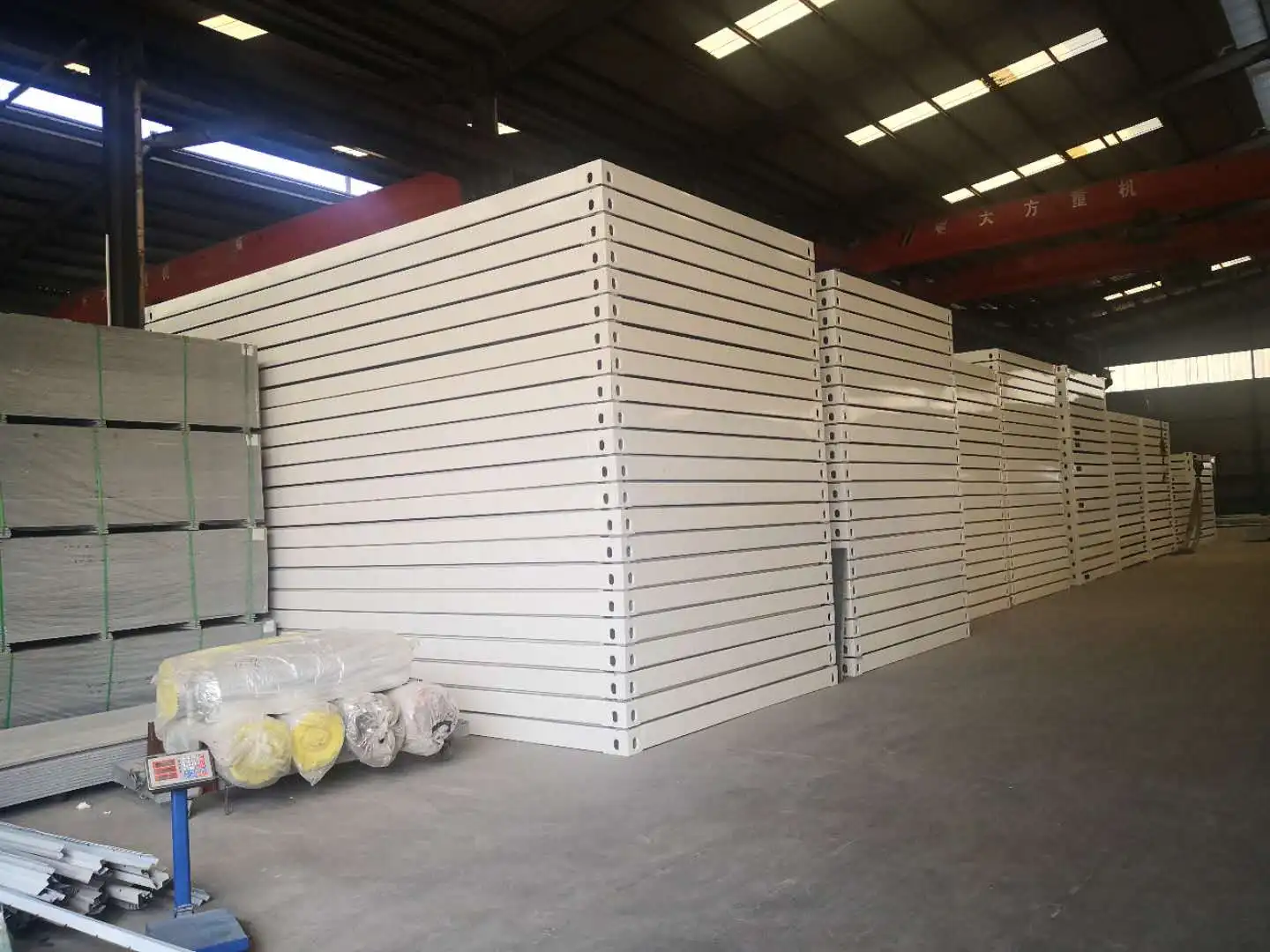
Henan Feeker Import And Export Co., Ltd.
- Manufacturer, Trading Company
- Henan, China
- Lead time10 days
- Avg. response≤ 12h
Main productsFlat Pack House, Expandable Container House, Foldable Container House, Detachable Container House
Main marketsNorth America(50.00%), Southeast Asia(30.00%), Eastern Asia(2.00%), South America(2.00%), Oceania(2.00%), Western Europe(2.00%), Central America(2.00%), Northern Europe(2.00%), Africa(2.00%), Eastern Europe(2.00%), Mid East(2.00%), South Asia(1.00%), Southern Europe(1.00%)
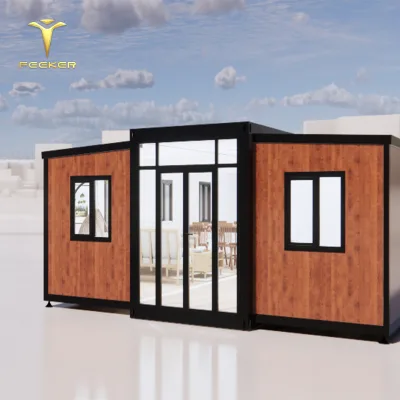
Log Cabin For Sale Steel Structure Residential Expandable Container Prefab House
$3800.00 - $5699.00
MOQ: 1 pieces
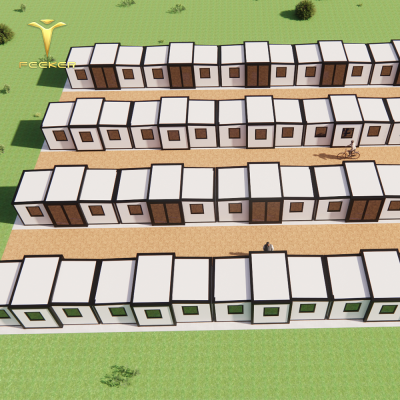
Wooden Log Cabins With Screw Cover Prefab Elegant Expanded Container House
$3800.00 - $5699.00
MOQ: 1 pieces


Henan K-Home Steel Structure Co., Ltd.
- Verified by BV
- Trading Company,Manufacturer/Factory
- China Henan
- Lead time38 days
- Avg. response≤ 5h
Main productsContainer House, Prefab House, Container Home, Porta Cabin, Modular House, Flat Pack Container House, Container Toilet, Steel Structure House, Peb Building, Pre-Engineered Building
Main marketsSouth America,Eastern Europe,Mid East,North America,Southeast Asia,Eastern Asia,Oceania,Western Europe,Africa
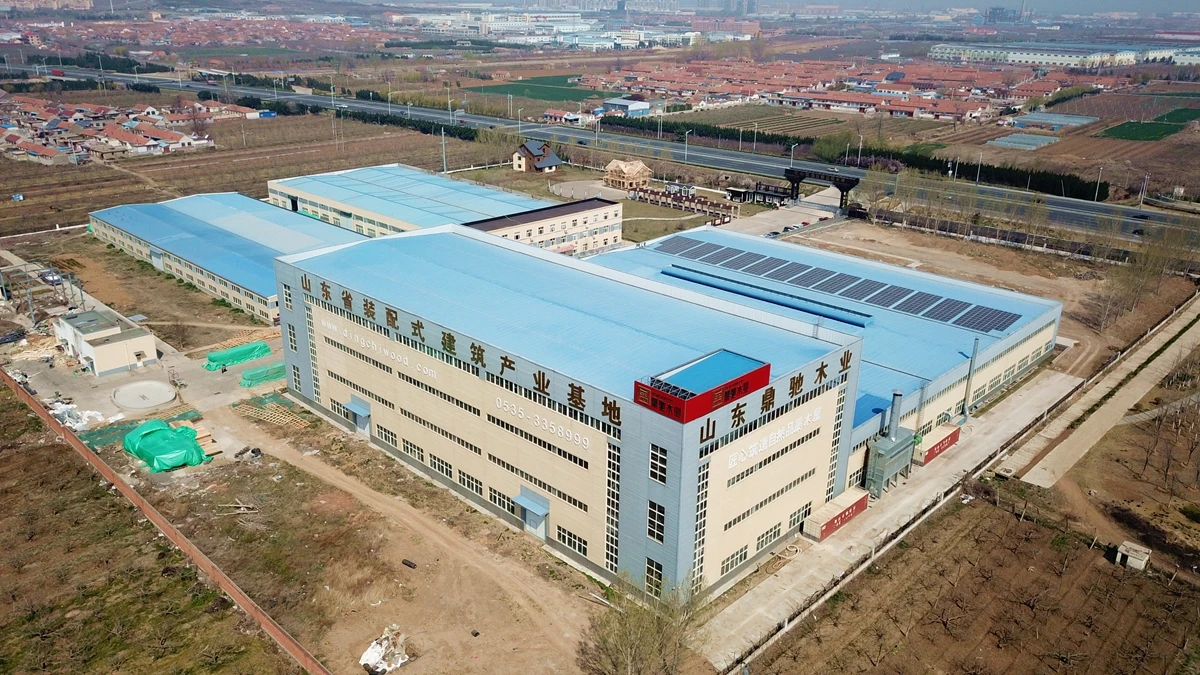
Shandong Dingchi Wood Group Co., Ltd.
- Manufacturer, Trading Company
- Shandong Province, China
- Lead time35 days
- Avg. response≤ 1h
Main productsLog Cabin,Log House,Wooden House,Timber Home,House of Wood
Main marketsDomestic Market(50.00%), Southeast Asia(50.00%)
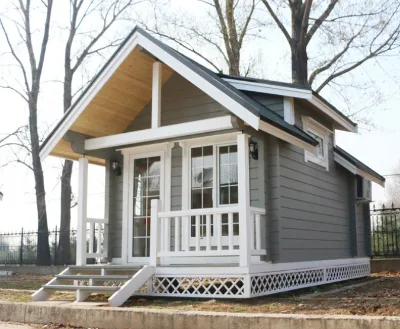
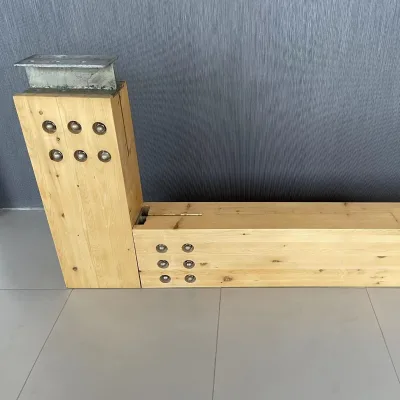
Wooden Log Material and Office Use Log Cabin Timber Frame
$870.00 - $920.00
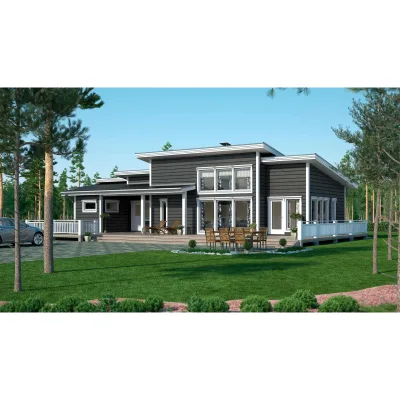
Small Log Cabin Kit Homes Prices Miniature Log Cabin Home Kits
$50000.00 - $51000.00
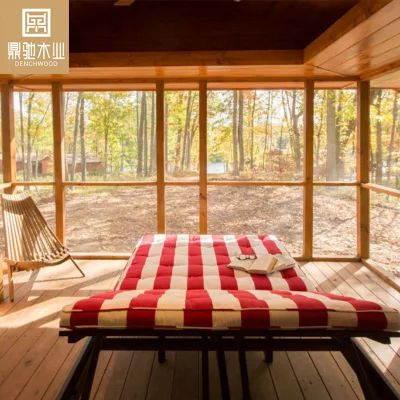
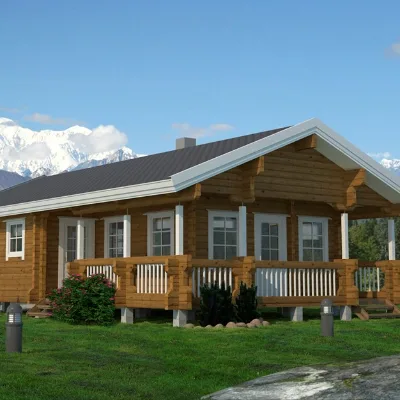
economy prefab portable wooden cottage cabin for residence
Contact supplier

Youran Mushe (Shandong) Cultural and Creative Technology Co., Ltd
- Verified by TUVRHEINLAND
- Combined
- China Shandong
- Lead time30 days
- Avg. response≤ 1h
Main productsMobile Homes, Space Capsules, Homestays, Modular Homes, Container Houses, Wooden Houses, Differentiated Buildings, Apple Capsules, Triangle Houses, Starry Sky Capsules
Main marketsDomestic

Shandong Domus Prefab House Co., Ltd.
- Verified by BV
- Combined
- China Shandong
- Lead time30 days
- Avg. response≤ 6h
Main productsContainer Home
Main marketsAfrica,Southeast Asia/ Mideast,East Asia(Japan/ South Korea),Domestic,Europe,North America


$198.00 - $498.00
MOQ: 1 Square Meters

Xiamen Umd Industrial Co., Ltd.
- Verified by BV
- Combined
- China Fujian
- Lead time23 days
- Avg. response≤ 5h
Main productsContainer House, Expandable Container House, Soundproof Booth, Apple Cabin, Portable Toilet, Foldable Container House, Assemble Container House, Flat Pack Container House
Main marketsSouth America,Africa,East Asia(Japan/ South Korea),Europe,Australia,North America
Zhongxiang Steel Structure (Tianjin) Co., Ltd.
- Verified by BV
- Combined
- China Hebei
- Lead time30 days
- Avg. response≤ 4h
Main productsSteel Structure Building, Steel Structure Components, Enclosure Systems, Double-Wings Expandable House, Apple Cabin, Space Capsule House, Steel Structure Workshops, Steel Structure Warehouse, Container House, PU Panel
Main marketsSouth America

Zhonglian Steel Supply Co., Ltd.
- Verified by SGS
- Trading Company
- China Shandong
- Lead time30 days
- Avg. response≤ 3h
Main productsSteel Plate Coil Plate H Steel Steel Pipe an
Main marketsDomestic

Modern Multifunctional Apple Cabin for Mobile Office and Outdoor Use
$5500.00 - $6000.00
MOQ: 1 Pieces


Popular Sell 20FT Apple Cabin Environmental Modern Elegant Design Apple Cabin
$5500.00 - $6000.00
MOQ: 1 Pieces


Xinyu Integrated Housing Co., Ltd
- Verified by TUVRHEINLAND
- Trading Company
- China Shandong
- Lead time15 days
- Avg. response≤ 4h
Main marketsSouth America

Modern Design Outdoor Apple Cabin Customizable Soundproof and Windproof for Villa House
$4299.00 - $4999.00
MOQ: 1 Pieces

$5999.00 - $6999.00
MOQ: 1 Sets
Fujian Shunchang Shengsheng Wood Industry Limited Company
- Verified by SGS Group
- Manufacturer, Trading Company
- Lead time30 days
- Avg. response≤ 2h
Main productsBamboo Kitchen Utensil, Bamboo Furniture, Wooden Children Slide, Flower Box
Main marketsNorth America(53%), Domestic Market(47%)
Foshan Pingchuang Integrated Housing Technology Co., Ltd.
- Verified by TUVRHEINLAND
- Combined
- China Guangdong
- Lead time15 days
- Avg. response≤ 2h
Main productsPacking Container Houses, Flat-Pack Container Houses, Foldable Container Houses, Expansion Container Houses, Prefabricated Villa, Other Custom Prefab Container Houses
Main marketsDomestic

Nature-Blending Appearance Apple Cabin for Forest Park Landscape Consistency
$4888.00 - $6200.00
MOQ: 1 Sets

Contemporary Modular Apple Cabin for Forest Park Camping Homestay Building
$4888.00 - $6200.00
MOQ: 1 Sets


Affordable Lightweight Apple Cabin for Backyard Garden Leisure Living Room
$4888.00 - $6200.00
MOQ: 1 Sets

Shandong Zhongmai Industrial Technology Co., Ltd.
- Verified by TUVRHEINLAND
- Combined
- China Shandong
- Lead time30 days
- Avg. response≤ 4h
Main productsWater Purification Treatment Equipment etc., Support Customized Diversified Mobiledining Cars, a Variety of Mining Equipment etc., a Variety of Customized Cooling Towers etc.
Main marketsDomestic


Heavy-Duty Marine-Grade Steel Apple Cabin with 20-Year Anti-Corrosion Warranty
$1800.00 - $8000.00
MOQ: 1 Sets


Comprehensive Sourcing Guide
Modern Waterproof Log Cabin Supplier Concentration and Factory Types
Current supplier data indicates manufacturing clusters primarily located in China's Shandong and Guangdong provinces, which serve as key hubs for prefabricated structures and modular housing units. Factories in these regions often operate as combined entities, offering both original design manufacturing and original equipment manufacturing capabilities alongside their own branded product lines. This dual capacity allows suppliers to handle custom orders while maintaining standardized production for volume efficiency. The presence of specific product attributes like steel structures and container-based designs suggests a specialized industrial base focused on rapid assembly and transportable living solutions. Buyers should verify if a supplier's primary output aligns with their specific needs, as some facilities may specialize in office pods while others focus on residential apple cabins or modular homes.
When evaluating factory types, it is essential to distinguish between pure manufacturers and trading companies that may aggregate products from multiple sources. The available data shows suppliers with verified status from organizations like TÜV Rheinland and BV, which often correlates with established production facilities rather than simple resellers. These verified entities typically possess documented quality management systems, such as ISO9001:2015 and ISO14001:2015 certifications, indicating a commitment to standardized manufacturing processes. However, not all suppliers display these credentials, so buyers must request proof of system certification directly. Understanding the distinction between a factory with in-house R&D capabilities and a trading company is critical for ensuring product consistency and long-term support for Modern Waterproof Log Cabin projects.
How to Verify Modern Waterproof Log Cabin Suppliers
Verification of supplier credibility relies heavily on third-party audit reports and specific credential documentation rather than self-reported claims. The current dataset highlights suppliers with verification badges from major inspection bodies, which serve as a primary indicator of operational legitimacy. Buyers should prioritize suppliers who can provide valid certificates for quality management systems, as these documents confirm adherence to international standards for production and safety. In the absence of visible verification badges, the buyer must explicitly request copies of current audit reports to confirm the supplier's physical existence and operational capacity. Relying solely on platform ratings without cross-referencing independent verification can lead to significant procurement risks.
Beyond physical verification, assessing the supplier's response time and communication efficiency provides insight into their operational maturity. Data indicates response times ranging from under one hour to several hours, which can reflect the size of the sales team and their availability. A supplier with a rapid response time often demonstrates a structured customer service workflow, which is vital for resolving technical queries regarding waterproofing or insulation specifications. Buyers should also examine the depth of product evidence provided, such as detailed material lists and feature specifications like wind resistance or thermal insulation. If a supplier cannot provide granular details on product attributes or fails to respond within a reasonable timeframe, it suggests a lack of technical expertise or operational readiness that could jeopardize the project timeline.
What to Compare Across Modern Waterproof Log Cabin Suppliers
Comparing suppliers requires a systematic evaluation of lead times, minimum order quantities, and pricing structures to ensure alignment with project requirements. The observed data reveals significant variation in lead times, with some suppliers offering fifteen-day delivery windows while others require thirty days or more. Minimum order quantities also differ substantially, ranging from single-unit orders to bulk requirements of ten units or higher. Buyers must calculate the total cost of ownership by factoring in these MOQ constraints and lead time differences, as a lower unit price may be offset by higher shipping costs or delayed project start dates. It is crucial to compare these metrics across multiple suppliers to identify the most efficient supply chain partner for the specific volume and urgency of the order.
Product specifications and customization capabilities form another critical dimension for comparison. Suppliers offer varying material compositions, including steel structures and container-based designs, alongside different insulation methods like rock wool. The availability of customization options, such as specific dimensions or interior finishes, should be verified against the buyer's design requirements. Some suppliers list features like earthquake resistance or leak-proofing, which are essential for modern waterproof log cabins in diverse climates. Buyers should create a comparison matrix that includes these technical attributes, response speeds, and certification status to objectively rank potential partners. This structured approach ensures that the selected supplier can meet both the functional and regulatory demands of the project without compromising on quality or delivery schedules.
Common Modern Waterproof Log Cabin Sourcing Risks
One significant risk in sourcing modern waterproof log cabins involves the discrepancy between advertised features and actual product performance. While suppliers may claim attributes like wind resistance or thermal insulation, these claims require validation through independent testing or detailed technical documentation. Without concrete evidence of test results or compliance with specific building standards, buyers risk receiving units that fail to meet environmental or safety requirements. It is imperative to request detailed product evidence, including material specifications and insulation methods, to verify that the cabin can withstand the intended application conditions. Relying on marketing keywords without technical substantiation can lead to costly failures in the field.
Another prevalent risk is the inconsistency in lead times and production capacity, which can disrupt project timelines. The data shows lead times varying from fifteen to thirty days, but these figures may not account for potential delays in raw material sourcing or logistics. Suppliers with lower response times or limited R&D capacity may struggle to accommodate urgent orders or custom modifications. Additionally, the absence of clear establishment years or detailed company histories makes it difficult to assess long-term stability. Buyers should mitigate these risks by establishing clear contractual terms regarding delivery penalties and requiring proof of production capacity before placing orders. Understanding these potential pitfalls allows for better risk management and more realistic project planning.
Modern Waterproof Log Cabin Regional Sourcing and Logistics
Regional sourcing strategies must account for the specific manufacturing locations identified in the supplier data, such as Shandong and Guangdong provinces in China. These regions offer distinct logistical advantages, including proximity to major ports and established supply chains for steel and container components. However, buyers must verify the exact origin of each unit, as products may be shipped from different cities like Weifang or Guangzhou, affecting transit times and shipping costs. Understanding the geographic distribution of suppliers helps in optimizing freight routes and minimizing import duties. Buyers should also consider the impact of regional infrastructure on delivery reliability, especially for large or heavy modular units that require specialized transport.
Logistics planning extends beyond simple shipping to include packaging and installation requirements. The data indicates that products are often packed in wooden boxes or containers, with installation instructions provided to facilitate on-site assembly. Buyers need to ensure that the packaging is robust enough to protect the cabin during transit, particularly for units with delicate features like glass windows or steel doors. Additionally, the availability of fast installation features can significantly reduce on-site labor costs and time. When sourcing from different regions, buyers should coordinate with logistics providers to handle customs clearance and final delivery, ensuring that the supply chain remains seamless from the factory floor to the project site.
Modern Waterproof Log Cabin Commercial Terms and Order Planning
Commercial terms for Modern Waterproof Log Cabin orders often include specific pricing structures and payment conditions that vary by supplier. The observed price ranges indicate significant variation, with some units priced around four thousand dollars while others reach twenty-eight thousand dollars, reflecting differences in size, material, and customization. Buyers must clarify whether these prices include shipping, taxes, and installation services to avoid unexpected costs. Minimum order quantities also play a crucial role in pricing, as bulk orders may qualify for discounts that are not available for single-unit purchases. Understanding these commercial terms is essential for accurate budgeting and financial planning.
Order planning should also consider the supplier's capacity for customization and after-sales support. Many suppliers offer ODM and OEM services, allowing for tailored designs that meet specific project needs. However, buyers must confirm the lead time for custom orders, as these may exceed standard production windows. Warranty terms, such as the one-year warranty noted in some product listings, should be clearly defined in the contract to protect against manufacturing defects. Additionally, buyers should establish a communication protocol for handling post-delivery issues, ensuring that the supplier remains responsive throughout the product lifecycle. Effective order planning balances cost, quality, and timeline to achieve a successful procurement outcome.
FAQs
What does a Modern Waterproof Log Cabin typically cost?
Prices vary widely by size, materials, and glazing quality. Listed listings for small prefab cabins range from roughly 3,800 to 7,600 dollars, while larger all-season waterproof cabins can reach 280,000 dollars per unit. Confirm what the quote includes, such as insulation, flooring, doors, and windows, before comparing suppliers.
What is the usual minimum order quantity for prefab cabins?
Minimum order quantities differ by product type. Small portable cabin pods are often sold with an MOQ of just 1 unit, which suits trial orders and resort pilots. Larger prefab cabin models may require 10 units, so always confirm the MOQ for the exact configuration you intend to order before requesting quotations.
How long does production and delivery usually take?
Lead times depend on customization level and order volume. Some verified prefab cabin manufacturers list a standard lead time of about 15 days, while suppliers of soundproof pods and modular units quote around 30 days. Ask each supplier to confirm the lead time in writing for your specification, including customization and shipping arrangement.
Can these cabins be customized for glamping or resort use?
Yes, customization is available on many listed prefab cabin models, including apple cabins and modular units. Suppliers commonly offer ODM and OEM services, sometimes with their own brand. You can typically request changes to layout, insulation, colors, doors, and windows, so submit your intended application when requesting a quotation.
Which features make a prefab cabin suitable for all-season use?
Look for waterproofing, thermal insulation, wind resistance, and moisture-proof construction. Some listed cabins use rock wool insulation, steel or glass windows, and steel doors, and are rated for earthquake resistance and leak-proof performance. Verify the insulation method and climate ratings match your site conditions, especially for mountain or coastal installations.
Are suppliers verified, and what certifications should I check?
Some listed prefab cabin manufacturers hold ISO9001:2015 and ISO14001:2015 system certifications and have been verified by third parties such as TUV Rheinland or BV. Others list no system certification. Ask each supplier for current certificate copies, verification status, and product test reports relevant to waterproofing and structural safety.
How quickly do these suppliers typically respond to inquiries?
Response times vary among suppliers. Listed figures range from under one hour, around 0.56 hours, to several hours, with figures such as 3.5 and 4.37 hours on record. Faster responders are useful during sampling and negotiation stages. Message several suppliers at once and compare reply speed alongside product fit and terms.
What sizes are these modern prefab cabins available in?
Sizes range from compact office pods to full living cabins. A log-style soundproof phone booth is listed at about 105 by 100 by 233 centimeters, while larger meeting pods reach 200 by 180 by 230 centimeters. Prefab living cabins are offered around 5,800 by 2,000 by 2,200 millimeters. Confirm final dimensions with drawings.