Modern Water Resistant Limestone Tiles Suppliers and Manufacturers
Explore 21 verified suppliers offering Modern Water Resistant Limestone Tiles with CE and ISO certifications. Compare response times, lead times, and MOQs to find the right partner. Contact suppliers directly to request samples and negotiate pricing; review the available evidence before requesting comparable quotations from suitable candidates.
Suppliers List

Foshan Genbersin New Materials Co., Ltd.
- Trading Company
- China Guangdong
- Lead time0 days
- Avg. response≤ 11h
Main productsWPC Flooring, Ceramic Tiles, WPC Wall Panel, WPC Wall Cladding, WPC DIY Floor, WPC Decking, WPC Fence, WPC Gate, WPC Squre Tube, Rustic Tiles

Guangxi Guizhixing Mining Co., Ltd
- Verified by SGS
- Trading Company
- China Guangxi
- Lead time15 days
- Avg. response≤ 11h
Main productsHigh Purity Calcium Carbonate Powder, Low Iron Dolomite Powder, Low Iron Limestone Powder, High Purity Calcium pH, Photovoltaic Glass Raw Material
Main marketsEast Asia(Japan/ South Korea),Domestic

- Verified by BV
- Trading Company
- China Shandong
- Lead time30 days
- Avg. response≤ 3h
Main productsFilm Faced Plywood, OSB, Plywood, MDF, Birch Plywood, Bintangor, Okoume, Particle Board, Marine Plywood, Shuttering Plywood
Main marketsAfrica,Southeast Asia/ Mideast,Europe,Australia
Foshan Green Ceramics Co., Ltd.
- Verified by SGS
- Manufacturer/Factory
- China Guangdong
- Lead time15 days
- Avg. response≤ 6h
Main productsGlaze Porcelain Tile, Ceramic Tile, Wall Tile, Wooden Tile, Thickness Tile, Matt Rustic Tile, Polish Tile
Main marketsSouth America,Eastern Europe,Mid East,North America,Southeast Asia,Eastern Asia,Oceania,Western Europe,Africa


Elegant Limestone Rustic Porcelain Wall Floor Tile for Modern Interiors
$5.45 - $6.35
MOQ: 50 Square Meters


Waterproof & Moisture-Proof Tile Ideal for Wet Areas Like Kitchens and Bathrooms.
$9.50 - $10.80
MOQ: 1 Square Meters

Shenzhen Chiva Industry Co., Ltd.
- Verified by TUVRHEINLAND
- Trading Company
- China Guangdong
- Lead time15 days
- Avg. response≤ 5h
Main productsGranite, Marble, Cheap White Marble, Cheap Grey Beige Granite, Basalt, Travertine, Paver Tile, Slab, Fireplace, Bluestone
Main marketsAfrica,Southeast Asia/ Mideast,Europe

wuhan rigel import and export trading co.,ltd
- Verified by BV
- Trading Company,Manufacturer/Factory
- China Hubei
- Lead time0 days
- Avg. response≤ 14h
Main productsPlastic Product / Building Materials, Small Fishing Boat, EPS Cement Sandwich Wall Panel, Wall Panel Machine, Calcium Silicate Board, Calcium Silicate Board Production Line, WPC Wall Panel, WPC Wall Panel Production Line, Plastic Box, PE Wall Panel
Foshan Boyue Ceramics Co., Ltd.
- Verified by SGS
- Trading Company,Manufacturer/Factory
- China Guangdong
- Lead time23 days
- Avg. response≤ 1h
Main productsMosaic, Tile, Artistic Tiles, Designer Tiles, Antique Tiles, Rock Plate, Sintered Stone Furniture, Glass Mosaic, Rustic Tile, Waistline Tile
Main marketsSouth America,Eastern Europe,Mid East,North America,Southeast Asia,Eastern Asia,Oceania,Western Europe,Africa

Water Resistant Ceramic Porcelain Square Floor Covering Mosaic Tile
$22.00 - $30.00
MOQ: 50 Square Meters


Glass Mosaic Tile Ceramic Mosaic Porcelain Mosaic Waterproof Wall Tile
$28.00 - $35.00
MOQ: 50 Square Meters

Dezhou Jiucheng Industry Tech Co.,Ltd
- Verified by SGS
- Trading Company
- China Shandong
- Lead time15 days
- Avg. response≤ 7h
Main productsCeramic Tiles, Porcelain Tiles, Plastic Sheet
Main marketsSoutheast Asia/ Mideast

600X1200mm Modern Design Waterproof Wear-Resistant Floor Tiles for Interior Decoration
$3.99 - $4.99
MOQ: 500 Square Meters

600X600mm Waterproof Luxury Stone-Patterned Wall and Floor Tiles for Home Commerical
$3.99 - $4.99
MOQ: 500 Square Meters

600X600mm Modern Waterproof Patterned Floor Wall Tiles for Bathroom Kitchen
$3.99 - $4.99
MOQ: 500 Square Meters

Zibo Zenitile Ceramics Co., Limited
- Verified by TUVRHEINLAND
- Trading Company,Manufacturer/Factory
- China Shandong
- Lead time15 days
- Avg. response≤ 8h
Main productsCeramic Tile, Porcelain Tile, Glazed Tile, Floor Tile, Polished Glazed Tile, Rustic Tile, Golded Sand Tile, Silver Sand Tile, Exterior Tile, Tile
Main marketsSouth America,Eastern Europe,Mid East,North America,Southeast Asia,Eastern Asia,Oceania,Western Europe,Africa

Modern Design Apartment Waterproof and Anti-Slip Low-Cost Floor Tiles
$3.00 - $4.20
MOQ: 300 Square Meters

Hot-Selling 600*600 Matte Anti-Slip and Waterproof Indoor Floor Ceramic Tiles
$2.00 - $3.50
MOQ: 300 Square Meters


High-Quality Matte Waterproof Ceramic Tiles for Balcony and Bathroom Walls
$2.00 - $3.60
MOQ: 300 Square Meters

Zibo Mingwei Ceramics Co., Ltd
- Verified by SGS
- Trading Company
- China Shandong
- Lead time15 days
- Avg. response≤ 2h
Main productsCeramic Tiles, Porcelain Tiles, Wood Tiles, Floor Tiles, Polished Tiles, Wall Tiles, WPC, Sps, Ceramic Floor Tiles, PVC
Main marketsSouth America,Others(foreignTradeCapacity.exportBusinessCapacityMarketOther),Southeast Asia/ Mideast,Australia


Hot Sale Floor Stone Granite Pattern Terrazzo Tile Anti Slip Tiles
$4.00 - $4.70
MOQ: 600 Square Meters

Modern Rustic 60*60cm Matte Non-Slip Lime Stone Tiles Design for Hotel Room Decoration Material
$4.00 - $4.50
MOQ: 600 Square Meters

Shandong Liyin Intelligent Equipment Co., Ltd.
- Verified by SGS
- Manufacturer
- China Shandong
- Lead time15 days
- Avg. response≤ 5h
Main productsQuartz Stone
Main marketsSouth America,Africa,Southeast Asia/ Mideast,East Asia(Japan/ South Korea),Domestic,Europe,Australia,North America
Linyi Aowei International Trade Co., Ltd.
- Verified by BV
- Trading Company
- China Shandong
- Lead time23 days
- Avg. response≤ 4h
Main marketsSouth America,Africa,Southeast Asia/ Mideast,Europe,North America


High-Temperature Resistant Soft Stone Tile for Interior and Exterior Wall Decor
$4.40 - $4.49
MOQ: 100 Pieces


Foshan Jts Building Materials Co., Ltd.
- Verified by SGS
- Trading Company,Manufacturer/Factory
- China Guangdong
- Lead time23 days
- Avg. response≤ 2h
Main productsCeramic Tile, Glazed Polished Tile, Marble Tile, Porcelain Tile, Sanitary Ware, Wood Tile, Mosaic Tile, Floor Tile, Wall Tile, Rustic Tile
Main marketsSouth America,Eastern Europe,Mid East,North America,Southeast Asia,Eastern Asia,Oceania,Western Europe,Africa


Anti-Slip Antique Limestone Porcelain Tiles for Outdoor Wall and Floor
$13.00 - $20.00
MOQ: 100 Square Meters

- Trading Company,Manufacturer/Factory
- China Hebei
- Lead time120 days
- Avg. response≤ 25h
Main productsStone Veneer, Cement Ledge Stone, Free Form Stone, Stone Column&Pillar, Mosaic, Paving Stone, Cobble&Pebbles, Stone Tiles, Mortar&Pestle, Stone Candle Holder
Main marketsSouth America,Eastern Europe,Mid East,North America,Southeast Asia,Eastern Asia,Oceania,Western Europe,Africa
Foshan Caria Home Decor Co., Ltd.
- Manufacturer, Trading Company
- Guangdong, China
- Lead time7 days
- Avg. response≤ 5h
Main productsTile,Stone,Mosaic,Furniture,Wall Panel
Main marketsSoutheast Asia(30.00%), Africa(30.00%), Oceania(10.00%), Southern Europe(5.00%), Northern Europe(5.00%), Western Europe(5.00%), Mid East(5.00%), Eastern Europe(5.00%), North America(5.00%)
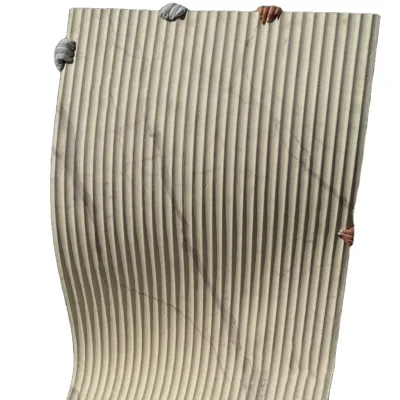
Stone Tiles for Exterior and Interior Wall Slate
$8.85 - $9.85
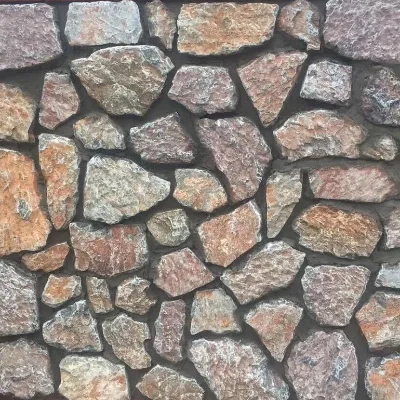
Building Stone Wall Tiles Rock Stone
Contact supplier
Foshan Bolcada Building Materials Co., Ltd
- Verified by BV
- Trading Company
- China Guangdong
- Lead time15 days
- Avg. response≤ 4h
Main productsTile, Floor Tile, Ceramic Tile, Mosaic Tile, Wall Tile, Wooden Tile, Polished Tile, Marble Tile, Spc Floor Tile, Outdoor Tile
Main marketsAustralia

Dongguan Ouyaxuan Decorative Building Materials Ltd.
- Combined
- China Guangdong
- Lead time23 days
- Avg. response≤ 4h
Main productsSolid Surface Sheets, Solid Surface Sinks and Bowls, Solid Surface Fabrications
Main marketsSoutheast Asia/ Mideast,Domestic,Australia

Hebei Nali Technology Co., Ltd.
- Verified by SGS
- Trading Company
- China Hebei
- Lead time23 days
- Avg. response≤ 3h
Main productsBuilding Materials, Roof Tile, Stone Coated Roof Tile, UPVC Roof Sheet, ASA Synthetic Resin Tile, Stone Coated Roof Sheet, Stone Coated Metal Roof Tiles, Roof Sheet, Roofing Material
Main marketsOthers(foreignTradeCapacity.exportBusinessCapacityMarketOther),Southeast Asia/ Mideast

China Arts Building Material Group Co.,Limited
- Trading Company,Manufacturer/Factory
- China Fujian
- Lead time23 days
- Avg. response≤ 2h
Main productsStone/ Granite/ Marble, Kitchen Countertop and Vanity Tops, Slab and Tiles, Quartz and Artificial Stone, Composite Products, Mosaic and Medallion, Sink Basin Sculpture and Tomb, Sand Stone, Crafts and Arts, Paving Stone
Main marketsEastern Europe,Mid East,North America,Southeast Asia,Western Europe

Beige/Grey/ Golden/ White Limestone Tiles for Hotel Wall and Flooring
$30.00 - $50.00
MOQ: 1 Square Meters


Quanzhou Tianyuan Stone Co., Ltd.
- Verified by BV
- Trading Company
- China Fujian
- Lead time15 days
- Avg. response≤ 3h
Main productsGranite Marble Tile and Slab, Countertop Vanity Table, Slate Sandstone Pebble Travertine, Pillar Column Fountain, Waterjet Medallion Mosaic Tile, Cobblestone Kerbstone Paving, Sculpture Statue, Construction Landscape Stone, Fireplace Bathtub, Floor and Wall Stone
Main marketsSouth America,Southeast Asia/ Mideast,Europe,North America

Changzhou Zhongtian Fire-Proof Decorative Sheets Co., Ltd.
- Combined
- China Jiangsu
- Lead time23 days
- Avg. response≤ 2h
Main productsHPL, Compact Laminate, High Pressure Laminate, Formica, Laminates, Board, Fireproof Board, HPL Sheet, Formica Sheet, HPL Board
Main marketsSouth America,Southeast Asia/ Mideast,Domestic,Europe,North America

Resistant to Stress Artificial Exterior Wall Decoration Flexible Stone Wall Tile
$23.00 - $28.00
MOQ: 200 Square Meters

Waterproof Artificial Exterior Wall Decoration Flexible Stone Wall Tile
$23.00 - $28.00
MOQ: 200 Pieces


Comprehensive Sourcing Guide
Modern Water Resistant Limestone Tiles Supplier Concentration and Factory Types
The current supplier landscape for Modern Water Resistant Limestone Tiles reveals a concentration of manufacturing and trading entities primarily within China's Guangdong and Guangxi provinces. Evidence indicates that suppliers in Guangdong often operate as trading companies offering a diverse range of construction materials, including ceramic tiles and various stone products, while Guangxi-based entities frequently focus on raw material processing such as high-purity calcium carbonate and limestone powder. This geographic split suggests that buyers may encounter different operational models depending on the specific region; Guangdong suppliers might aggregate products from multiple factories, whereas Guangxi suppliers could be more directly involved in the extraction and initial processing of limestone materials.
Factory types vary significantly across these regions, with some entities identified as trading companies that facilitate access to a broad inventory of finished tiles and accessories. Other suppliers in the dataset demonstrate capabilities in original design manufacturing and original equipment manufacturing, particularly those offering customized stone solutions. When evaluating potential partners, buyers should look for specific indicators of factory type, such as whether the company lists main products as finished tiles or raw materials like limestone blocks. Understanding whether a supplier is a direct manufacturer or a trading intermediary is crucial for determining the depth of technical support and the flexibility of customization options available for Modern Water Resistant Limestone Tiles.
How to Verify Modern Water Resistant Limestone Tiles Suppliers
Verification of suppliers for Modern Water Resistant Limestone Tiles requires a rigorous examination of third-party audit reports and specific certification claims found in supplier profiles. Some suppliers in the current results have been verified by recognized agencies such as SGS or BV, which provides a baseline level of confidence regarding their business legitimacy and operational standards. Buyers must actively check for these verification badges rather than assuming all listed suppliers possess equivalent credentials. The presence of a verification mark from a reputable agency is a critical first step in filtering out entities that may lack the necessary quality control measures required for producing durable, water-resistant stone products.
Beyond general business verification, buyers should scrutinize specific product certifications and compliance standards listed in the supplier's product attributes. Evidence shows that some ceramic and stone tile products carry CE and ISO certifications, which are essential for ensuring that the materials meet international safety and quality benchmarks. For limestone tiles specifically, buyers need to confirm that the supplier can provide documentation for water absorption rates, flexural strength, and other performance metrics relevant to water resistance. It is imperative to request these specific test reports directly from the supplier, as the absence of such data in the public profile does not guarantee the product meets the rigorous demands of modern construction applications.
What to Compare Across Modern Water Resistant Limestone Tiles Suppliers
When comparing suppliers for Modern Water Resistant Limestone Tiles, key operational metrics such as lead time, minimum order quantity, and response speed offer critical insights into their reliability and scalability. The data indicates that lead times can vary widely, with some suppliers reporting a standard window of 15 days while others may require up to 30 days for production and delivery. Minimum order quantities also differ significantly, ranging from small batches of 28 units to larger industrial orders requiring 500 units or more. Buyers must align these constraints with their project timelines and budget to ensure they select a partner capable of meeting their specific volume and scheduling requirements without unnecessary delays.
Response time and customization capabilities are equally vital factors in the comparison process. Suppliers with faster response times, such as those averaging under three hours, often demonstrate a higher level of operational efficiency and customer service readiness. Additionally, the ability to offer OEM and ODM services allows buyers to tailor the appearance and specifications of the limestone tiles to their unique design needs. Buyers should compare whether a supplier accepts sample requests and offers logo customization, as these services indicate a willingness to engage in a collaborative partnership. Evaluating these dimensions side-by-side helps identify suppliers who can balance speed, volume, and customization to deliver the best value for modern water resistant limestone tile projects.
Common Modern Water Resistant Limestone Tiles Sourcing Risks
One significant risk in sourcing Modern Water Resistant Limestone Tiles involves the potential mismatch between product claims and actual material composition. Some suppliers list products with attributes like "waterproof" or "stain-resistant," yet the underlying material may be a composite of natural stone powder and modified clay rather than pure limestone. This distinction is critical because the performance characteristics of composite materials can differ substantially from natural stone, particularly regarding long-term durability and water resistance in high-moisture environments. Buyers must carefully review the detailed product attributes to confirm the exact material composition before committing to a large order.
Another prevalent risk relates to the variability in packaging and shipping standards, which can lead to product damage during transit. Evidence shows that packing methods range from standard packaging to customized wooden crates, with specific weight and dimension constraints that affect logistics. If a supplier does not provide robust packaging solutions, such as wooden crates for heavy stone tiles, the risk of breakage increases significantly. Furthermore, inconsistent lead times reported by different suppliers can disrupt project schedules, especially if a buyer relies on a single source for critical materials. Mitigating these risks requires a thorough review of packing specifications and a clear agreement on delivery timelines before finalizing any purchase.
Modern Water Resistant Limestone Tiles Regional Sourcing and Logistics
Regional sourcing strategies for Modern Water Resistant Limestone Tiles must account for the specific logistical advantages and challenges associated with different manufacturing hubs in China. Suppliers located in Guangdong and Guangxi offer distinct logistical profiles, with Guangdong often serving as a major export hub with established port infrastructure, while Guangxi provides access to raw material sources. Buyers should consider the proximity of the supplier to major shipping ports to minimize inland transportation costs and reduce the overall lead time for delivery. Understanding the geographic origin of the product is essential for calculating accurate freight costs and estimating the total time required for the goods to reach the destination.
Logistics planning also involves evaluating the supplier's experience with international shipping and their ability to handle complex packaging requirements. Some suppliers offer customized packing solutions, such as wooden crates, which are necessary for protecting heavy stone tiles during long-distance transport. Buyers should verify that the supplier has a proven track record of shipping similar products to their target market and can provide necessary documentation for customs clearance. Additionally, the choice of shipping method, whether by sea or air, will impact the cost and speed of delivery, making it essential to coordinate closely with the supplier to optimize the logistics chain for Modern Water Resistant Limestone Tiles.
Modern Water Resistant Limestone Tiles Commercial Terms and Order Planning
Commercial terms for Modern Water Resistant Limestone Tiles often include specific payment methods such as T/T, L/C, or Western Union, which buyers must evaluate based on their financial security preferences and risk tolerance. The data indicates that suppliers may have varying minimum order quantities, ranging from 28 units to 500 units, which directly influences the total cost and the feasibility of small-scale orders. Buyers should negotiate payment terms that align with their cash flow needs while ensuring that the supplier has sufficient incentives to prioritize their order. Understanding the financial structure of the deal is crucial for maintaining a healthy business relationship and avoiding potential disputes over payment schedules.
Order planning for Modern Water Resistant Limestone Tiles requires a detailed assessment of the supplier's capacity to handle custom specifications and large-volume orders. Some suppliers offer flexible customization options, including cut-to-size services and specific thickness requirements, which can be vital for meeting unique project design criteria. Buyers should confirm the supplier's ability to meet these custom demands within the agreed-upon lead time, as delays in customization can have cascading effects on the overall project schedule. Additionally, buyers should plan for potential variations in pricing, as costs can fluctuate based on order volume and specific material requirements, ensuring that the budget accommodates these variables effectively.
FAQs
What is the price range for modern limestone tiles?
Modern limestone tiles typically range from 29 to 30 USD per unit based on current supplier listings. Prices vary depending on specific customization needs, such as color or application type. Buyers should verify exact costs with suppliers, as final pricing depends on order volume and specific product attributes like thickness or finish.
What is the minimum order quantity for these tiles?
The minimum order quantity for limestone tiles is generally 28 units. This low MOQ allows buyers to test product quality before committing to larger orders. Suppliers may adjust this requirement based on specific product models or customization requests, so confirming the exact MOQ with the supplier is recommended for accurate planning.
How long does production take for limestone tiles?
Production lead time for limestone tiles is approximately 15 days. This timeframe applies to standard orders and may vary for larger quantities exceeding 1000 square meters. Buyers should confirm specific delivery schedules with suppliers, as lead times can be negotiated based on order size and current production capacity.
Are these tiles suitable for outdoor use?
Yes, limestone tiles are suitable for both indoor and outdoor applications. They are designed for construction industry use, including photovoltaic glass and ultra-white glass applications. The material offers durability and resistance to environmental factors, making it a versatile choice for various building projects requiring natural stone aesthetics.
What certifications do these limestone tiles have?
Suppliers offering limestone tiles may hold SGS verification, indicating adherence to quality standards. Specific product certifications like CE or ISO are not explicitly listed for all limestone items. Buyers should request detailed certification documents from suppliers to ensure compliance with local building codes and quality requirements for their specific projects.
Can I customize the size of limestone tiles?
Customization is available for limestone tiles, including specific colors and applications. Suppliers offer options for granule shapes and ton bag packaging. Buyers can request custom sizes and specifications to meet project requirements. It is advisable to discuss customization details directly with suppliers to ensure the final product meets exact design and functional needs.