Cold Pressed Perilla Oil Suppliers and Manufacturers
Explore 17 verified suppliers offering Cold Pressed Perilla Oil with varying lead times, certifications, and response speeds. Compare dimensions like location, MOQ, and product grades to find the right partner. Contact suppliers directly to request samples or quotes; review the available evidence before requesting comparable quotations from suitable candidates.
Suppliers List

Jiangxi Baicao Pharmaceutical Co., Ltd.
- Verified by BV
- Combined
- China Jiangxi
- Lead time15 days
- Avg. response≤ 11h
Main productsEssential Oil, Plant Extract, Fragrance Oil, Flavor Oil, Tea Tree Oil, Eucalyptus Oil, Peppermint Oil, Citronella Oil, Pine Oil, Cassia Oil /Cinnamon Oil
Main marketsSoutheast Asia/ Mideast,East Asia(Japan/ South Korea),Europe
- Verified by SGS Group
- Trading Company
- Lead time7 days
- Avg. response≤ 5h
Main productsStevia Extract, Betulin, Matcha Powder, Tumeric Extract, Citrus Aurantium Extract
Main marketsSouth America(50%), North America(40%), Western Europe(10%)

Jiangxi Baicao Pharmaceutical Co., Ltd.
- Manufacturer, Trading Company
- Jiangxi, China
- Lead time7 days
- Avg. response≤ 3h
Main productsEucalyptus oil,Citronella Oil/Garlic oil,Tea Tree Oil/Lavender oil/,Star Anise Oil// Lemon Grass Oil/,Clove oil
Main marketsDomestic Market(58.00%), Southeast Asia(8.00%), North America(6.00%), Eastern Europe(5.00%), South Asia(5.00%), Africa(3.00%), South America(3.00%), Mid East(2.00%), Oceania(2.00%), Central America(2.00%), Western Europe(2.00%), Eastern Asia(2.00%), Southern Europe(1.00%), Northern Europe(1.00%)
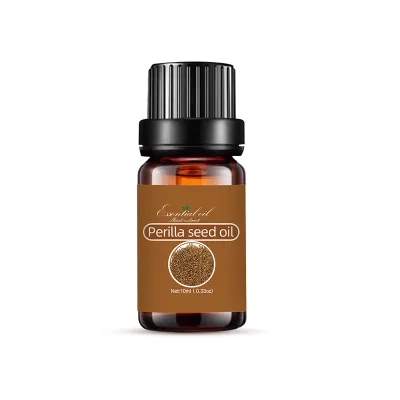
$15.00 - $16.80
MOQ: 1 kilograms
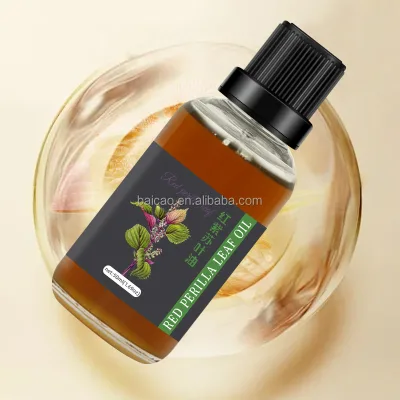
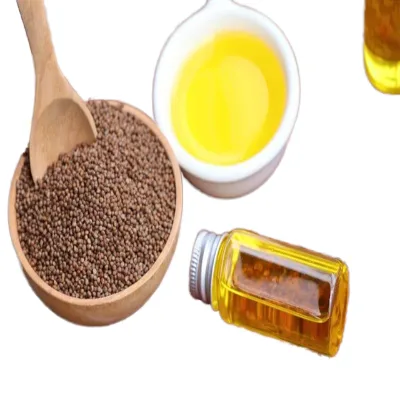
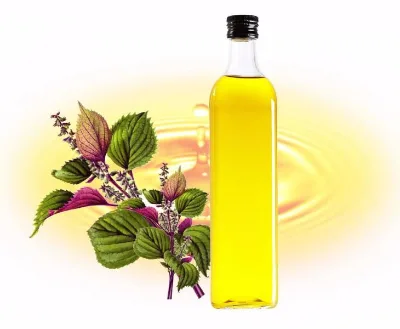
Jiangxi Planty Manor Health Industry Co., Ltd.
- Verified by SGS Group
- Manufacturer, Trading Company
- Lead time10 days
- Avg. response≤ 2h
Main productsCarrier Oil, Flavors and Fragrances Oil, Cosmetic Oil, Daily Chemical Use Oil, Eucalyptus Oil
Main marketsSoutheast Asia(30%), Eastern Europe(15%), North America(10%)

Yihai Kerry (Qingdao) Oils & Grains Industries Co., Ltd.
- Verified by SGS
- Combined
- China Shandong
- Lead time30 days
- Avg. response≤ 25h
Main productsSesame Oil, Peanut Oil
Main marketsSoutheast Asia/ Mideast


100% Natural Cold Pressed Cooking Peanut Oil Price Peanut Oil Peanut Groundnut Oil
$2500.00 - $3000.00
MOQ: 2 Tons

Pressed Peanut Oil, Sunflower Oil, Olive Oil, Edible Oil, Vegetable Oil
$2500.00 - $3000.00
MOQ: 2 Tons


High-Quality Pressed Cooked Peanut Oil, Edible Oil, Vegetable Oil, Olive Oil
$2500.00 - $3000.00
MOQ: 2 Tons

Tianjin Chuangjiaguan Biotechnology Co., Ltd.
- Trading Company
- China Tianjin
- Lead time0 days
- Avg. response≤ 8h
Main productsWhey Protein Powder Monohydrate Creatine, Cocoa Butter, Cocoa Powder, Xanthan Gum, Milk Protein, Hydrolyzed Beef Protein, Creatine Anhydrous, Guar Gum, Limonene, Matcha Powder
Jiangxi Xuesong Natural Medicinal Oil Co., Ltd.
- Verified by TüVRheinland
- Manufacturer, Trading Company
- Lead time15 days
- Avg. response≤ 2h
Main productsCosmetic Oil, Medicine Oil, Flavors And Fragrances, Daily Use Oil, Chemical Oil
Main marketsSoutheast Asia(30%), Eastern Europe(15%), North America(10%)
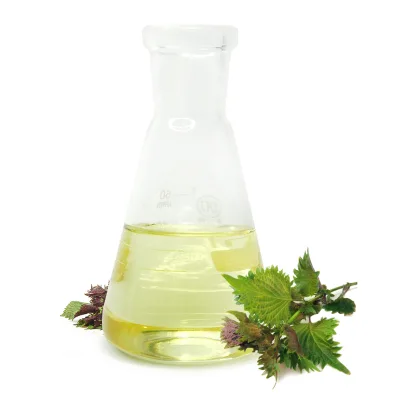
Perilla Seed Oil 100% Pure Perilla Oil Cold Pressed Plant Oil Perilla Leaf Powder Best Grade
$1.02 - $10.19
MOQ: 1 Minimum
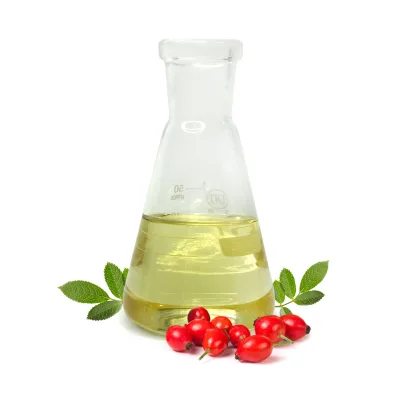
Best Quality Wholesale Organic Rosehip Oil Cold Pressed
$24.00 - $29.00

- Verified by SGS
- Manufacturer/Factory
- China Liaoning
- Lead time30 days
- Avg. response≤ 8h
Main productsCosmetic Ingredients, Cosmetic Preservatives, Biocides, Molecular Sieve, Color Developer, Glyoxylic Acid, PARA Nitrobenzoic Acid, Benzoic Acid, 6-Methyluracil, Methyl Salicylate
Main marketsSouth America,Eastern Europe,Mid East,North America,Southeast Asia,Eastern Asia,Oceania,Western Europe,Africa

Shandong Deshang Chemical Co., Ltd.
- Verified by SGS
- Trading Company
- China Shandong
- Lead time15 days
- Avg. response≤ 7h
Main productsOrganic Intermediate, Inorganic Chemical Industry, Chemical Reagent, Chemical Additives and Catalysts, Daily Chemicals, Probiotics, Pigment Dyes, Flavors and Fragrances, Additive, Chemical Pharmaceutical Intermediate
Main marketsSouth America,East Asia(Japan/ South Korea),Europe,North America

Suzhou Greenway Biotech Co., Ltd.
- Verified by BV
- Trading Company,Manufacturer/Factory
- China Jiangsu
- Lead time15 days
- Avg. response≤ 7h
Main productsGlutathione, Nmn, Pharmaceutical Intermediates, Cosmetic Materials, Nutritional Supplements
Main marketsSouth America,Eastern Europe,Mid East,North America,Southeast Asia,Eastern Asia,Oceania,Western Europe,Africa


Factory Bulk Wholesale Price 100% Pure Natural Flavor Fragrance Sweet Perilla Oil
$18.00 - $50.00
MOQ: 1 kg


Cosmetics Grade Perilla Frutescens Leaves Leaf Essential Oil Bulk Perilla Leaf Oil CAS 68132-21-8
$15.00 - $145.00
MOQ: 1 kg
Ji'an Badaling Spice Co., Ltd.
- Verified by Intertek
- Trading Company
- Lead time3 days
- Avg. response≤ 1h
Main productsEssential Oils, Carrier Oils, Aromatherapy Oils, Fragrance Oils, Spices
Main marketsNorth America(60%), Africa(15%), Mid East(15%)
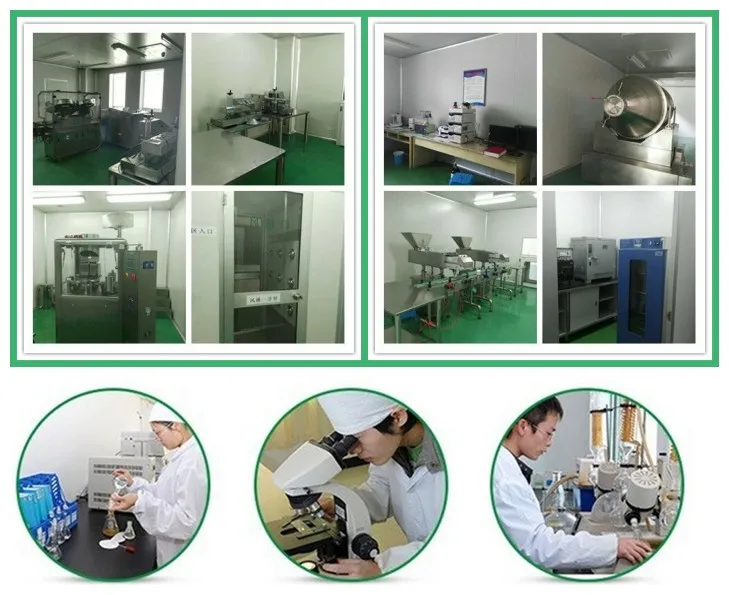
Jiangxi Global Natural Spice Co., Ltd.
- Manufacturer, Trading Company
- Jiangxi, China
- Lead time7 days
- Avg. response≤ 3h
Main productsessential oil,plant oil,spice oil,terpene,herbs oil
Main marketsDomestic Market(7.14%), South Asia(7.14%), Southern Europe(7.14%), Northern Europe(7.14%), Central America(7.14%), Western Europe(7.14%), Eastern Asia(7.14%), Mid East(7.14%), Oceania(7.14%), Africa(7.14%), Southeast Asia(7.14%), Eastern Europe(7.14%), South America(7.14%), North America(7.14%)

Xi'an Taima Biological Engineering Co., Ltd.
- Trading Company
- China Shaanxi
- Lead time15 days
- Avg. response≤ 9h
Main productsSuper Concentrated Flavors, Cooling Agent Ws-23, Cooling Agent Ws-27, Cooling Agent Ws-3, Cooling Agent Ws-5, Cooling Agent Ws-12, Sucralose, Ethyl Maltol, Neotame, Advantame
Main marketsSouth America,Africa,Southeast Asia/ Mideast,East Asia(Japan/ South Korea),Domestic,Europe,Australia,North America

High-Purity Perilla Seed Oil Delicate Pale Yellow Oil with Silky Fine Texture
$25.30 - $27.90
MOQ: 1 kg

Concentrated Perilla Flavor Translucent Green Tint Oil with Distinct Plant Aroma
$46.30 - $48.90
MOQ: 1 kg


Ji'an Hairui Natural Plant Co., Ltd.
- Manufacturer
- Jiangxi, China
- Lead time10 days
- Avg. response≤ 2h
Main productsMedicinal Spice Oil,Natural Plant Oil,Essential Oil,Natural Extract,Hydrosol
Main marketsNorth America(15.00%), Oceania(11.00%), Eastern Europe(11.00%), Central America(10.00%), Western Europe(10.00%), South America(10.00%), Southern Europe(5.00%), Northern Europe(5.00%), Southeast Asia(5.00%), South Asia(5.00%), Eastern Asia(5.00%), Mid East(5.00%), Domestic Market(2.00%), Africa(1.00%)
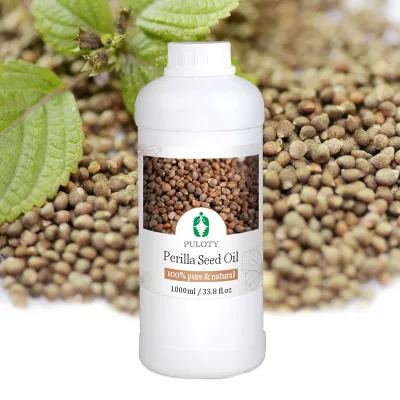
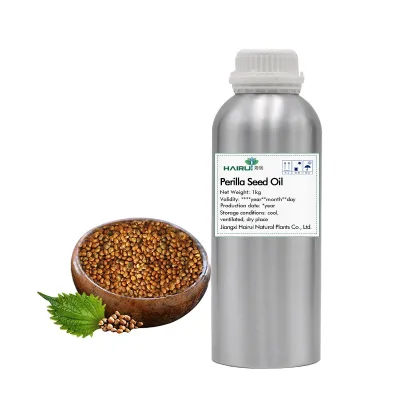
High Quality Rich in Omega 3 Natural Plant Extracted Perilla Seeds Oil
$11.00 - $12.00
MOQ: 2 kilograms
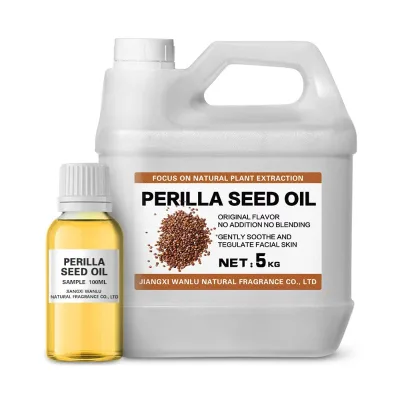
Jiangxi Wanlu Natural Fragrance Co., Ltd.
- Verified by Intertek
- Trading Company
- Lead time0 days
- Avg. response≤ 2h
Main productsPlant Essential Oil , Plant Hydrosol , Vegetable Base Oil, Plant Extract, Flavours And Fragrances
Main marketsMid East(27%), North America(20%), Africa(12%)
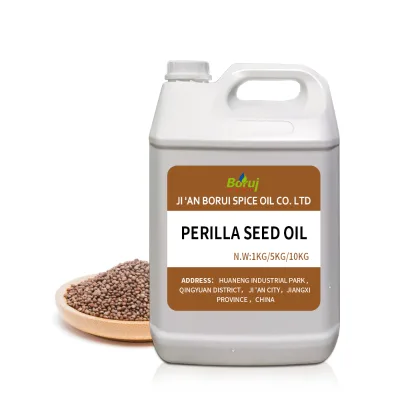
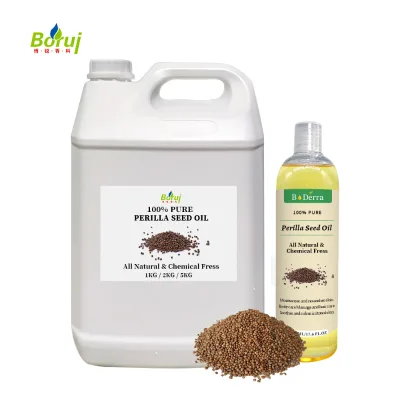
Ji'an Borui Spice Oil Co., Ltd.
- Verified by SGS Group
- Manufacturer, Trading Company
- Lead time5 days
- Avg. response≤ 2h
Main productsEssential Oil, Carrier Oil, Natural flavors , Fragrance oil, Hydrosol
Main marketsSoutheast Asia(25%), Central America(18%), South America(12%)
Shaanxi Bieyouth Biotech Co., Ltd.
- Verified by SGS Group
- Trading Company
- Lead time15 days
- Avg. response≤ 2h
Main productsFood Additives, Health Care Products Raw Materials, Cosmetic Raw Material
Main marketsMid East(25%), Eastern Europe(20%), Africa(10%)
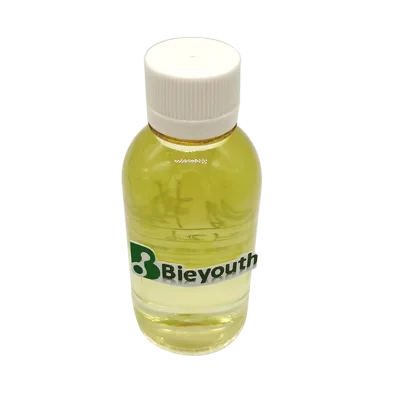
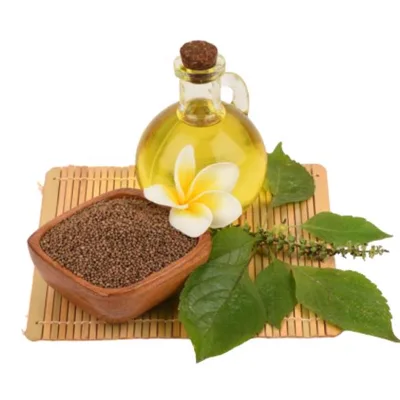
Hot Selling High Quality Purple Perilla 100% Natural Purple Perilla Seeds Oil with Low Price
$12.23 - $20.38
MOQ: 1 kilograms


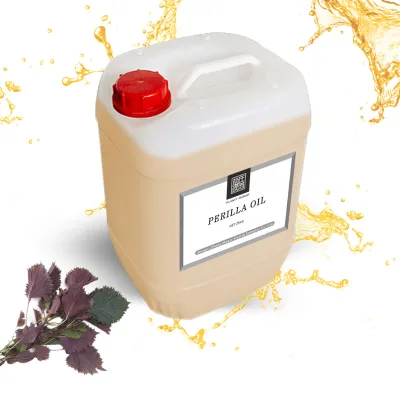
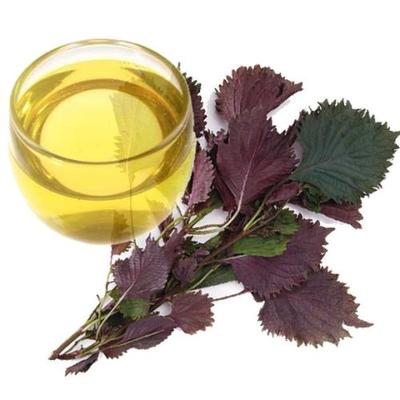
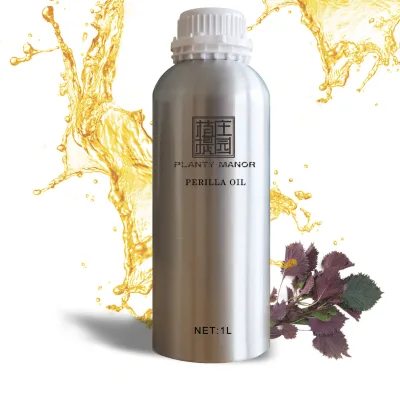
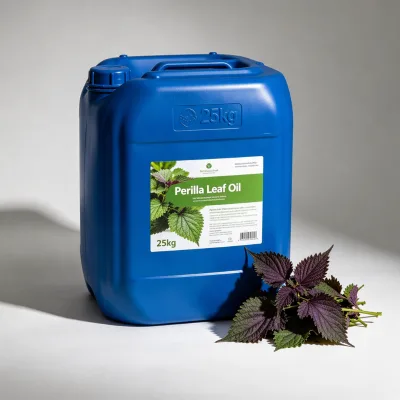


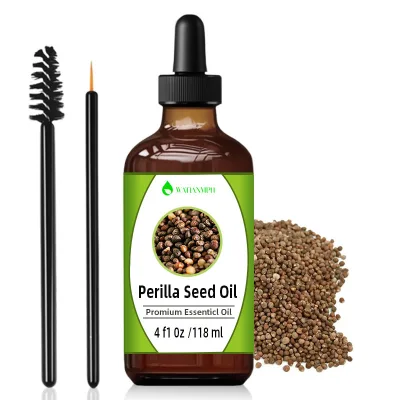
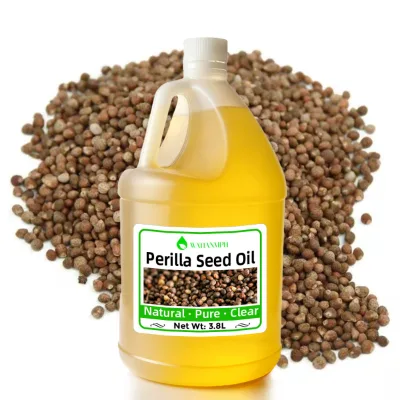
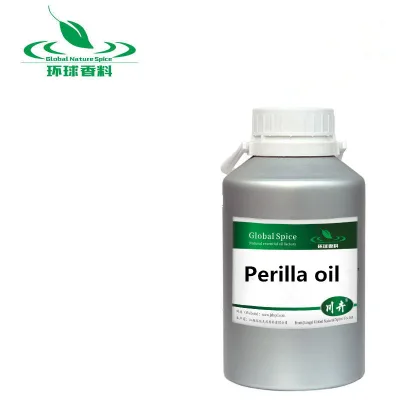
Comprehensive Sourcing Guide
Cold Pressed Perilla Oil Supplier Concentration and Factory Types
Current data indicates a concentration of suppliers in China Jiangxi, where combined company types offer essential oils, plant extracts, and fragrance oils alongside specific cold pressed perilla seed oil products. These entities often list main products including tea tree oil, eucalyptus oil, and peppermint oil, suggesting a facility capable of handling diverse botanical extractions. The presence of ODM, OEM, and own brand capabilities within these combined firms implies they can manage both private label manufacturing and custom formulation requests for bulk buyers. Buyers should verify if the specific Jiangxi location houses the extraction machinery or if it serves as a trading hub for regional factories, as this distinction affects quality control access.
When evaluating factory types, the distinction between combined entities and trading companies is critical for sourcing Cold Pressed Perilla Oil. Some suppliers operate as trading companies with capabilities in customized on-demand processing, light customization, and sample processing, which may differ from direct manufacturing facilities. These trading entities often list main products like stevia extract, betulin, and matcha powder, indicating a broader portfolio that might dilute focus on perilla oil specifically. Buyers must confirm whether the supplier owns the production line or merely aggregates stock from other sources, as this impacts the ability to verify extraction methods and purity standards directly on-site.
How to Verify Cold Pressed Perilla Oil Suppliers
Verification processes for Cold Pressed Perilla Oil suppliers rely heavily on third-party audit results and system certifications to establish credibility. Current records show suppliers holding BV verification status alongside ISO9001:2015 certificates, which serve as foundational indicators of operational stability and quality management systems. Additionally, some entities display SGS Group verification, providing an independent layer of assessment regarding their business practices and product claims. Buyers should prioritize suppliers with these specific verification badges, as they represent a higher confidence level in the supplier's ability to deliver consistent quality compared to unverified entities.
Beyond verification badges, buyers must scrutinize product-specific certifications and assay methods to ensure the Cold Pressed Perilla Oil meets safety and purity requirements. Product evidence frequently lists MSDS, GMP, and FDA certifications, which are essential for cosmetic, food, and health care applications. The presence of HPLC and HPLC-Ms assay methods in product attributes confirms that the supplier utilizes advanced analytical techniques to verify chemical composition and purity levels. Buyers should request recent test reports matching these assay methods to validate that the specific batch of perilla oil conforms to the stated standards before committing to a large order.
What to Compare Across Cold Pressed Perilla Oil Suppliers
Comparing suppliers requires a detailed analysis of lead times, response speeds, and minimum order quantities to align with procurement schedules. Current data reveals significant variance, with response times ranging from 5 to 10.35 hours and lead times varying between 7 and 15 days. Some suppliers offer a minimum order quantity of just 1 kilogram, while others require 10 or 2 kilograms, directly impacting inventory planning and cash flow for smaller buyers. Buyers should create a comparison matrix that weighs these logistical metrics against their specific production timelines to identify partners capable of meeting urgent restocking needs without excessive delays.
Price and customization capabilities form another critical dimension for supplier comparison in the Cold Pressed Perilla Oil market. Price ranges observed vary widely, from as low as 1.00 to as high as 217.00 per unit, reflecting differences in grade, packaging, and extraction purity. While some suppliers offer free samples, others charge freight costs even for complimentary product units, affecting the total cost of evaluation. Customization availability is consistently noted as "Available" across many listings, but the extent of this service, such as specific packaging formats or blend formulations, must be clarified. Buyers should request detailed quotes that break down unit costs, freight charges, and customization fees to ensure accurate budget forecasting.
Common Cold Pressed Perilla Oil Sourcing Risks
One primary risk in sourcing Cold Pressed Perilla Oil involves the ambiguity of transport methods and storage conditions, which can degrade product quality during transit. Product attributes indicate transport via ordinary goods trucks or liquefied petroleum gas tankers, with storage life ranging from 24 months to three years depending on the specific product listing. Inconsistent transport conditions or improper storage during shipping can lead to oxidation or contamination, particularly for oils intended for health care or cosmetic applications. Buyers must explicitly confirm the transport protocol and storage requirements for their specific order to mitigate the risk of receiving degraded or compromised product upon arrival.
Another significant risk relates to the discrepancy between claimed product standards and actual batch quality, especially regarding purity and chemical composition. While many listings claim a standard of 99% or specific grades like "Pure Essential Oil Grade A," the actual assay results may vary between batches. The presence of different extract sources, such as red perilla leaf versus perilla seed, further complicates quality assurance if the buyer is not specific about the botanical origin. Buyers should insist on batch-specific certificates of analysis and verify that the extract source matches the product description to avoid receiving a different oil type than intended for their formulation.
Cold Pressed Perilla Oil Regional Sourcing and Logistics
Regional sourcing strategies for Cold Pressed Perilla Oil must account for the specific geographic origins of the raw materials and the manufacturing hubs. Current facts identify China Jiangxi and Shaanxi, China as key locations for production, with some products explicitly stating their place of origin as Shaanxi. These regions may offer distinct advantages in terms of raw material availability and local processing infrastructure, but buyers should verify the exact factory location to assess logistical feasibility. Understanding the regional concentration helps in planning shipping routes and estimating transit times, as well as identifying potential local partners for on-site quality inspections.
Logistics planning must also consider the specific packaging and shipping constraints associated with bulk essential oil orders. Product attributes list various packaging options, including drums, galvanized steel drums, and smaller units like 1kg or 25kg bags, which influence freight costs and handling requirements. Some products are transported via ordinary goods trucks, while others require specialized liquefied petroleum gas tankers, indicating different safety and regulatory compliance needs. Buyers should coordinate with their freight forwarders to ensure the selected packaging and transport method comply with international shipping regulations, particularly for hazardous or flammable liquid goods.
Cold Pressed Perilla Oil Commercial Terms and Order Planning
Commercial terms for Cold Pressed Perilla Oil orders often include specific payment structures and sample policies that affect the initial procurement phase. While some suppliers offer free samples, they may charge freight costs, which adds an immediate expense to the evaluation process. Minimum order quantities vary significantly, with some suppliers accepting orders as low as 1 kilogram, while others require 10 kilograms or more. Buyers should clarify these terms early to avoid unexpected costs and ensure that the initial order size aligns with their testing and production requirements before scaling up to full production runs.
Order planning must also incorporate the specific product attributes and application forms to ensure the oil meets the intended use case. Product evidence shows applications ranging from cosmetic raw materials and hair care chemicals to food additives and health care products, each requiring different purity and certification standards. The availability of customization allows for tailored solutions, but buyers must define their requirements clearly regarding application forms like lotions, capsules, or injections. Detailed planning should include a timeline for sample approval, production lead times, and delivery schedules to ensure the supply chain remains uninterrupted and the product specifications are met consistently.
FAQs
What is the price range for Cold Pressed Perilla Oil?
Cold Pressed Perilla Oil prices vary significantly based on the specific product grade and quantity ordered. Listings show prices ranging from $1.00 to $217.00 per unit. The lowest price points are associated with orange peel oil, while pure perilla seed oil and red perilla leaf oil command higher rates. Buyers should check specific product listings for exact pricing tiers and volume discounts.
What certifications are available for these essential oils?
Suppliers offer various certifications to ensure product quality and safety. Common certifications include MSDS, GMP, and FDA compliance for the essential oils. Additionally, system certifications such as ISO9001:2015 are available from some manufacturers. Other suppliers hold IMDG CODE and IATA DGR certifications, which are crucial for safe transportation. Buyers should verify specific certification documents for their intended application and regulatory requirements.
What is the typical lead time for orders?
The typical lead time for these orders is generally around 15 days for some suppliers. However, other suppliers offer a faster turnaround time of just 7 days. This variation depends on the specific supplier and their current production capacity. Buyers requiring urgent shipments should prioritize suppliers with the 7-day lead time. It is advisable to confirm the exact delivery schedule with the supplier before placing the order.
What is the minimum order quantity for these oils?
The minimum order quantity varies by product and supplier. Some listings require a minimum of 1 kilogram, while others specify 2 kilograms or 10 kilograms. One specific product listing indicates a minimum order of 10,000 kilograms for bulk purchases. Buyers should review the specific product page to determine the exact MOQ. Smaller quantities are often available for sampling or small-scale testing purposes.
Where are these suppliers located?
The suppliers offering these products are primarily located in China. Specific locations mentioned include Jiangxi and Shaanxi provinces. These regions are known for their agricultural output and essential oil production capabilities. Buyers should verify the exact factory location to assess logistics costs and shipping times. Proximity to ports may also influence transportation efficiency and overall delivery timelines for international orders.
What is the response time for supplier inquiries?
Supplier response times vary, with some suppliers responding within 5 hours. Other suppliers have a recorded average response time of approximately 10.35 hours. Faster response times indicate a more active sales team and potentially quicker order processing. Buyers seeking immediate assistance should look for suppliers with the 5-hour response metric. Prompt communication is essential for resolving technical questions and negotiating terms efficiently.
What are the main applications for Cold Pressed Perilla Oil?
Cold Pressed Perilla Oil is used in various applications including cosmetics, health care products, and food additives. It serves as a raw material for hair care, skin care, and oral care products. The oil is also utilized in health food supplements due to its nutritional benefits. Some listings indicate usage in detergent raw materials and fragrance applications. Buyers should select the grade that matches their specific end-product requirements.