Motorcycle Seat Suppliers and Manufacturers for SourcingX
Compare 25 verified Motorcycle Seat suppliers by response time, lead time, and certifications like FCC, CE, and ISO 9001. Review product details such as material and origin before contacting factories for quotes; review the available evidence before requesting comparable quotations from suitable candidates.
Suppliers List
Shenzhen Wenchuangfu Electronic Plastic Product Co., Ltd.
- Verified by SGS Group
- Manufacturer, Trading Company
- Lead time5 days
- Avg. response≤ 6h
Main productsChicken Coop Door; Egg Incubator; Pet Toys; Mini Sealer; Phone Holder

Taizhou Spare Parts Expert Import & Export Co., Ltd.
- Trading Company
- China Zhejiang
- Lead time30 days
- Avg. response≤ 7h
Main productsMotorcycle Parts, Scooters Accessories, Motorcycle Accessories, Gy6 Engine Accessories, Italika Spare Parts, Bike Accessories, Cg125 Jog 50, Bajaj, Helmet, Remote Controller
Main marketsSouth America,Southeast Asia/ Mideast,Europe

Ningbo Tower Machinery Co., Ltd
- Verified by TUVRHEINLAND
- Manufacturer/Factory
- China Zhejiang
- Lead time30 days
- Avg. response≤ 8h
Main productsSheet Metal Fabrication, CNC Machining Parts, Laser Cutting Parts, Tube Bending Parts, Welding Parts, Stamping Parts, Bus Seat, Trailer Jack, Electric Winch, Wheel Spacer
Main marketsSouth America,Eastern Europe,Mid East,North America,Southeast Asia,Eastern Asia,Oceania,Western Europe,Africa

Shandong Haosong New Material Technology Co., Ltd.
- Verified by BV
- Combined
- China Shandong
- Lead time30 days
- Avg. response≤ 5h
Main productsPolyurethane Foam, Car Seat, PU Foam, PU Armrest
Main marketsDomestic
Dongguan Chuangyou Technology Co., Ltd.
- Trading Company
- Lead time旺季: "1 - 100":32,"101 - 500":35,"> 500":"To be negotiated", 淡季: "1 - 100":32,"101 - 500":35,"> 500":"To be negotiated"
- Avg. response≤ 5h
Main productsMotorcycle Spare Parts,Electric Motorcycle Parts,Tricycle Spare Parts,Car Spare Parts,Motor Vehicle Parts

Shanghai Anma Industry Co., Ltd.
- Trading Company
- China Shanghai
- Lead time30 days
- Avg. response≤ 5h
Main productsCar Accessories, Car Spare Parts, Car Tools, Car Interior Accessories, Car Exterior Accessories, Car Electrical Accessories, Car Lights, Car Mirror, Car Emergency Kits, Car Care Products
Main marketsSouth America,Others(foreignTradeCapacity.exportBusinessCapacityMarketOther),Southeast Asia/ Mideast,Europe,North America

Yog Auto Mobile Parts Co., Ltd.
- Verified by BV
- Trading Company,Manufacturer/Factory
- China Guangdong
- Lead time30 days
- Avg. response≤ 22h
Main productsMotorcycle Accessory, Motorcycle Chain, Motorcycle Engine Parts, Motorcycle Camshaft, Motorcycle Sprocket, Motorcycle Brake, Motorcycle Horn, Motorcycle Piston and Ring, Motorcycle C. D. I
Main marketsSouth America,Eastern Europe,Mid East,Southeast Asia,Eastern Asia,Oceania,Africa


Contact supplier

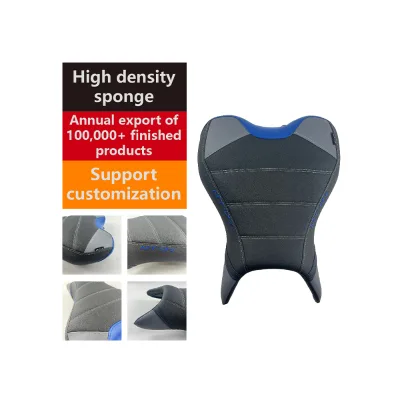
Motorcycle Main Seat Asiento Gn125 Xr150L Titan150
Contact supplier
Guangzhou Xinda Trading Co., Ltd.
- Trading Company
- Guangdong, China
- Lead time10 days
- Avg. response≤ 6h
Main productsMotorcycle Accessories,Motorcycle spare parts,Motorcycle gloves,Gloves,Glasses
Main marketsSouth America(50.0%), Southern Europe(10.0%), Northern Europe(10.0%), Western Europe(10.0%), Eastern Europe(10.0%), North America(10.0%)
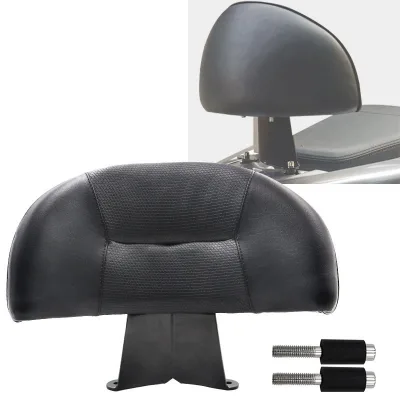
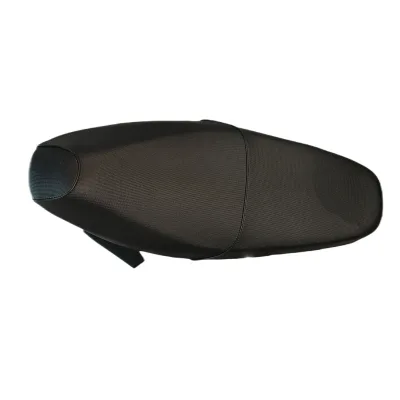
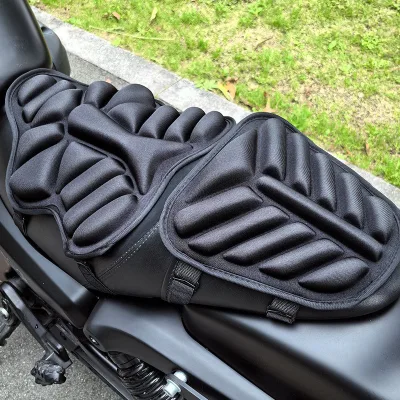
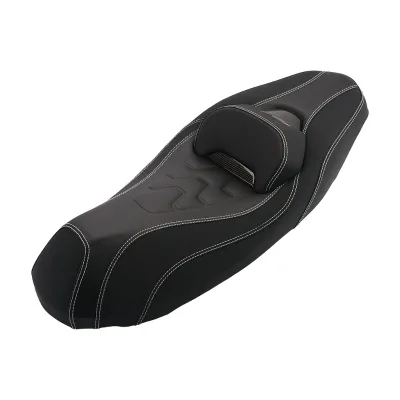
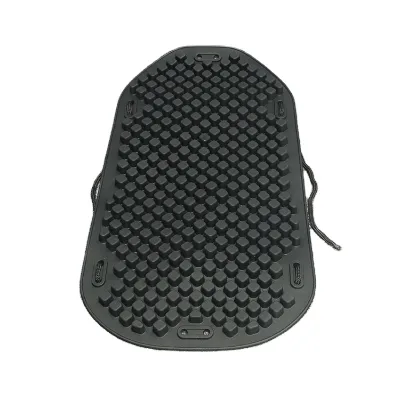
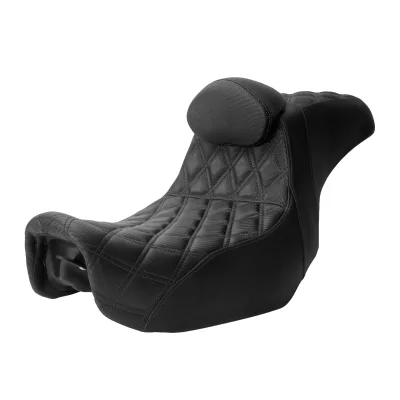
Waterproof and Rainproof Seat Assembly Modified Seat Cushion with Backrest Cushion
$45.00 - $56.00
Moq: 1
Huangshan Benma Group Co., Ltd.
- Verified by TüVRheinland
- Manufacturer, Trading Company
- Lead time15 days
- Avg. response≤ 7h
Main productsMotorcycle Brake Pad, Motorcycle Clutch Shoes, Motorcycle Clutch Assembly, Motorcycle Clutch Disc
Main marketsDomestic Market(68%), South America(12%), Africa(5%)
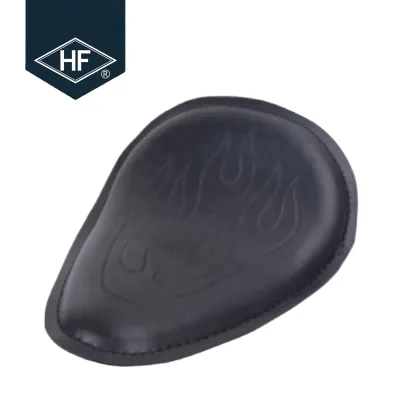
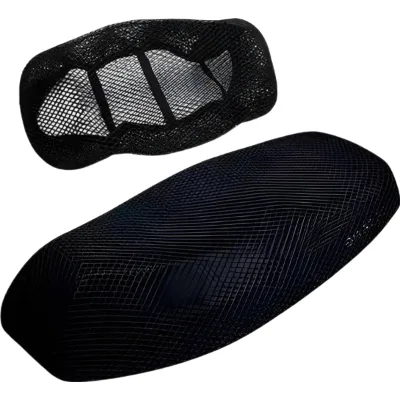
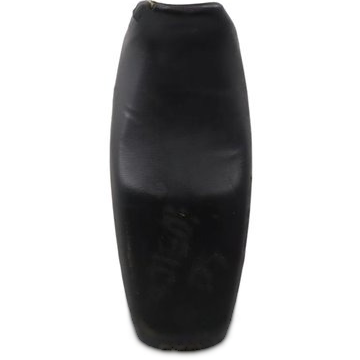
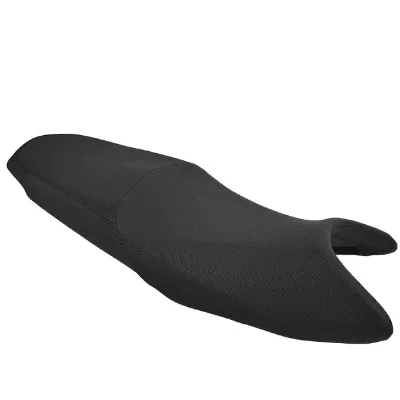
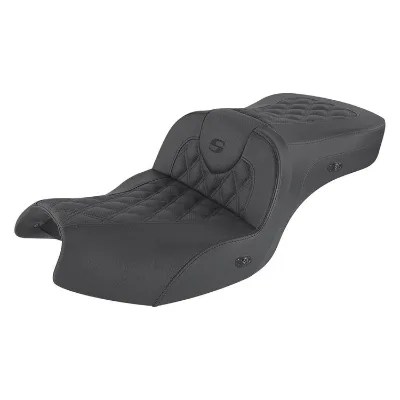
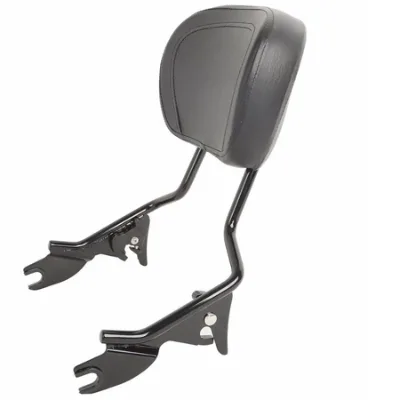
HF BENMA Motorcycle High Quality Step Height Seat Cushion with Small Backrest
$18.60 - $25.60
Moq: 100

Danyang Jiamei Seating Co., Ltd.
- Verified by BV
- Combined
- China Jiangsu
- Lead time15 days
- Avg. response≤ 21h
Main productsTractor Seat, Go Kart Seat, Racing Seat, Forklift Seat, Car Seat, Mobility Scooter Seat, Driving Simulator Seat, Construction Machinery Seat, Farm Machine Seat, Lawn Mower Seat
Main marketsSouth America,Southeast Asia/ Mideast,East Asia(Japan/ South Korea),Domestic,Europe,North America

Langfang Zhouchi Import and Export Co., Ltd
- Trading Company
- China Guangdong
- Lead time0 days
- Avg. response≤ 1h
Main productsMotorcycle Parts, Motorcycle Accessories, Clutch Cable, Motorcycle Sprocket Kit, Motorcycle Crankshaft Assembly, Motorcycle Piston Assy, Motorcycle Clutch Center, Motorcycle Fender, Motorcycle Seat, Thermal Insulation Material

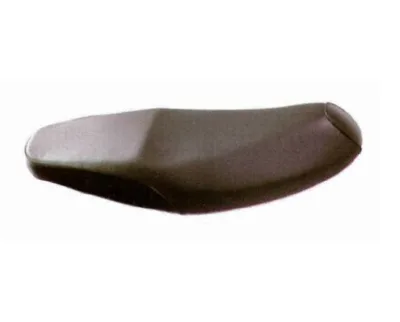
Durable and Comfortable Motorcycle Seat for Adventure Seekers Motorcycle Accessory
$5.80 - $10.00
Moq: 100

Universal Fit Comfortable Motorcycle Accessory Seat for Most Street Bike Models
$5.80 - $10.00
Moq: 100


Chongqing Proud Import & Export Trade Co., Ltd.
- Trading Company
- China Guangdong
- Lead time30 days
- Avg. response≤ 15h
Main productsCylinder Kit, Piston Kit, Magneto Coil, Rocker Arm, Camshaft, Clutch, Motorcycle Engine, Chain, Headlight, Wheel
Main marketsSouth America,Africa,Southeast Asia/ Mideast

Cg125 Seat Motorcycle Seat High Quality Motorcycle Spare Parts Cg125 Spare Parts
Contact supplier
Moq: 100

Ningbo Borske Vehicle Parts Co., Ltd.
- Trading Company
- Zhejiang, China
- Lead time25 days
- Avg. response≤ 3h
Main productsMotorcycle Windshield,Motorcycle Tail Box,Motorcycle Rim,ATV wheels,Metal Parts
Main marketsWestern Europe(30.0%), North America(25.0%), Southeast Asia(15.0%), Southern Europe(10.0%), South America(5.0%), Oceania(5.0%), Eastern Asia(4.0%), Domestic Market(3.0%), Eastern Europe(3.0%)

Hangzhou Riji Technology Co., Ltd.
- Verified by SGS
- Trading Company,Manufacturer/Factory,Group Corporation
- China Zhejiang
- Lead time45 days
- Avg. response≤ 13h
Main productsMotorcycle Spare Parts & Accessories, Scooter Spare Parts & Accessories, ATV/UTV Spare Parts & Accessories
Main marketsSouth America,Eastern Europe,Mid East,North America,Southeast Asia,Eastern Asia,Oceania,Western Europe,Africa

Ningbo Jalyn International Trading Co., Ltd.
- Trading Company,Manufacturer/Factory
- China Zhejiang
- Lead time30 days
- Avg. response≤ 21h
Main productsMotorcycle Parts, Motorcycle Accessories, Aftermarket Motorcycle Parts, ATV Parts, Bicycle Parts, Motorcycle Plastic Parts, Motorcycle Mirror, Motorcycle Handle Grips, Motorcycle Engine, Bicycle Accessories
Main marketsSouth America,Eastern Europe,North America,Eastern Asia,Oceania,Western Europe,Africa
Guangzhou Gaosheng International Trading Co., Ltd.
- Manufacturer, Trading Company
- Guangdong, China
- Lead time45 days
- Avg. response≤ 8h
Main productsMOTORCYCLE SPARE PARTS,TRICYCLE PARTS,TIRE,PLASTIC PARTS,CHAIN KIT
Main marketsAfrica(60.0%), South America(15.0%), Southeast Asia(15.0%), South Asia(10.0%)
Nantong Custom World Trading Co., Ltd.
- Verified by SGS Group
- Trading Company
- Lead time15 days
Main productsMotorcycle Fairing, Motorcycle Bags, Motorcycle Sissy Bar, Motorcycle Crash Bar, Motorcycle Lighting
Main marketsNorth America(42%), Western Europe(21%), Eastern Asia(10%)

Shenzhen Avant Sports Industrial Co., Ltd.
- Trading Company,Manufacturer/Factory
- China Guangdong
- Lead time45 days
- Avg. response≤ 14h
Main productsStadium Seat, Fixed Seat, Stadium Seating, Telescopic Seating, Retractable Seating, Outdoor Bleacher, Metal Bleacher, Sports Grandstand Seating, Artificial Grass, Wooden Floor
Main marketsSouth America,Eastern Europe,Mid East,North America,Southeast Asia,Eastern Asia,Oceania,Western Europe,Africa
Chongqing Lixuan Motorcycle Parts Co., Ltd.
- Trading Company
- Chongqing, China
- Lead time20 days
- Avg. response≤ 5h
Main productsbajaj TVS three wheeler parts,China three wheeler spare parts,motorcycle parts
Main marketsSouth America(20.0%), Southeast Asia(20.0%), Africa(15.0%), Mid East(15.0%), Eastern Asia(10.0%), South Asia(10.0%), North America(5.0%), Central America(3.0%), Domestic Market(2.0%)
Shenzhen Casdony Technology Co., Ltd.
- Manufacturer, Trading Company
- Guangdong, China
- Lead time0 days
- Avg. response≤ 11h
Main productsVideo & Audio,iPhone Accessories,Computer Peripherals,Cameras & Photo Accessories,Smart Device & Safety
Main marketsNorth America(40.0%), Domestic Market(15.0%), Eastern Europe(10.0%), Northern Europe(5.0%), Western Europe(5.0%), Southeast Asia(5.0%), Oceania(3.0%), Central America(3.0%), South Asia(3.0%), Eastern Asia(3.0%), Mid East(3.0%), South America(2.0%), Southern Europe(2.0%), Africa(1.0%)

Ningbo Kangyang Technology Co., Ltd.
- Verified by SGS
- Combined
- China Zhejiang
- Lead time60 days
- Avg. response≤ 5h
Main productsSteel Wheel
Main marketsEurope,North America

Sunshine Thunder Parts Co., Ltd.
- Manufacturer/Factory
- China Guangdong
- Lead time23 days
- Avg. response≤ 3h
Main productsMotorcycle Parts, Motorcycle Engine, Motorcycle Cylinders, Motorcycle Crankshaft, Motorcycle Tyres, Motorcycle Brake Shoes, Motorcycle Shock Absobers, Motorcycle Air Filters
Main marketsSouth America,Eastern Europe,Mid East,Southeast Asia,Africa
Foshan Haochang Trading Co., Ltd.
- Manufacturer
- Guangdong, China
- Lead time7 days
- Avg. response≤ 3h
Main productsmotorcycle grips,motorcycle pedal,motorcycle light,motorcycle rearview mirror,motorcycle air filter
Main marketsMid East(10.0%), Northern Europe(10.0%), Southeast Asia(10.0%), Central America(10.0%), South Asia(10.0%), South America(10.0%), North America(10.0%), Oceania(5.0%), Domestic Market(5.0%), Western Europe(5.0%), Eastern Asia(5.0%), Eastern Europe(4.0%), Africa(3.0%), Southern Europe(3.0%)
Chongqing Huanta Technology Co., Ltd.
- Trading Company
- Chongqing, China
- Lead time15 days
- Avg. response≤ 4h
Main productsCylinder Head assy,cylinder block,Crankshaft,Clutch,Motorcycle engine
Main marketsSouth America(35.0%), Southeast Asia(25.0%), Mid East(10.0%), Africa(7.000000000000001%)

Ningbo Yinzhou Henglu Plastic Industry&Trading Co., Ltd.
- Verified by BV
- Trading Company,Manufacturer/Factory
- China Zhejiang
- Lead time23 days
- Avg. response≤ 20h
Main productsBumper, Fender, Dock Cleat, Marine Hardwares, Marine Steering Wheel, Boat Seat, Boat Accessories, Dock Wheel, Auto Steering Wheel, OEM Plastic Parts
Main marketsNorth America,Southeast Asia,Eastern Asia,Oceania,Western Europe












Comprehensive Sourcing Guide
Motorcycle Seat Supplier Concentration and Factory Types
The current supplier landscape for motorcycle seats reveals a mix of manufacturers, trading companies, and factory-based entities operating primarily within China. Specific data points indicate that some suppliers are located in Guangdong, while others operate out of Zhejiang and Taizhou, suggesting distinct regional clusters for production. These locations often correlate with specific manufacturing capabilities, such as the presence of suppliers offering sample processing and graphic processing for customized designs. Buyers should note that the supplier pool includes entities classified as manufacturers, trading companies, and factory/manufacturer hybrids, each bringing different operational models to the table.
When evaluating concentration, it is essential to distinguish between suppliers who own the production line and those who facilitate trade. Some results show suppliers with main products ranging from motorcycle parts to scooter accessories, indicating a broader inventory scope that may affect focus. Others specialize in sheet metal fabrication and CNC machining, which supports the production of structural seat components. The presence of verified entities like SGS Group and TÜV Rheinland suggests that quality assurance is a differentiator in these clusters. Buyers must verify if a supplier's stated location matches their actual factory base, as trading companies may list a different origin than their manufacturing partners.
How to Verify Motorcycle Seat Suppliers
Verification of Motorcycle Seat suppliers requires a rigorous check of their stated credentials against independent audit results. The available data highlights that some suppliers hold system certifications such as FCC, CE, RoHS, ISO 9001, CCC, DOT, and EEC. These certifications are critical for ensuring that the motorcycle seats meet international safety and environmental standards. Buyers should specifically look for verification badges from recognized bodies like SGS Group or TÜV Rheinland, which provide an external layer of trust regarding the supplier's operational integrity. The absence of these specific verification markers should prompt a direct request for current audit reports before proceeding with any engagement.
Beyond certifications, the response time and lead time data offer practical insights into a supplier's reliability and operational efficiency. Current observations show response times ranging from approximately six hours to over seven hours, with lead times varying significantly from five days to thirty days. A supplier claiming a short lead time must be able to demonstrate the capacity to fulfill orders within that window, especially for customized motorcycle seats. Buyers should cross-reference these metrics with the supplier's stated main products and capacity for OEM or ODM services. If a supplier lists a lead time of thirty days but claims to be a manufacturer with immediate sample processing, this discrepancy warrants further investigation into their actual production workflow.
What to Compare Across Motorcycle Seat Suppliers
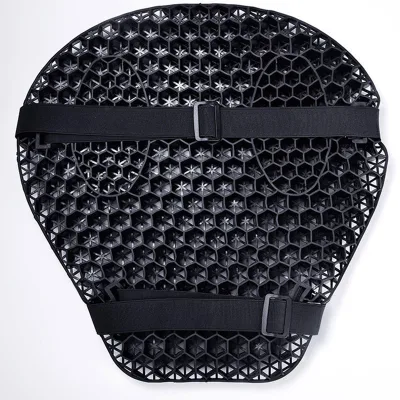
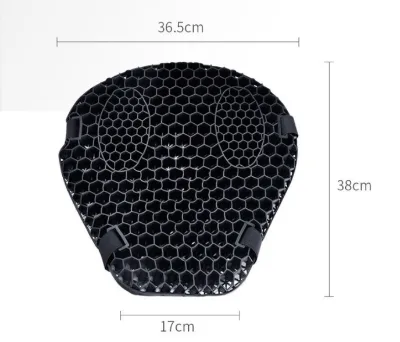
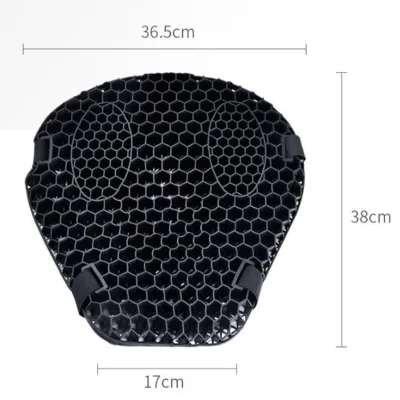
Comparing suppliers requires a systematic analysis of key operational dimensions including minimum order quantities, pricing structures, and production capabilities. The data indicates that MOQs for motorcycle seats can vary widely, with some suppliers requiring orders as low as one unit, while others mandate a minimum of 50 or 100 pieces. Pricing also fluctuates, with observed ranges starting from approximately five dollars and extending to ten dollars per unit depending on the specific model and material specifications. Buyers must evaluate whether the lower price point aligns with the required material quality, such as TPE or carbon fiber, and whether the supplier can accommodate the specific volume needs of their business.
In addition to cost and volume, the customization capabilities and product attributes are vital comparison points. Some suppliers offer fully customizable sizes and logos, while others provide standard models with fixed specifications like the GK 2106065 model number. The material composition, ranging from TPE to carbon fiber, directly impacts the durability and comfort of the Motorcycle Seat. Buyers should compare the stated functions, such as shock absorption or breathability, against their specific market requirements. Furthermore, the availability of certifications like CE or DOT for specific models must be verified, as these are often prerequisites for selling in regulated markets. A supplier offering extensive customization but lacking necessary safety certifications may not be suitable for all buyers.
Common Motorcycle Seat Sourcing Risks
One significant risk in sourcing motorcycle seats involves the discrepancy between a supplier's claimed capabilities and their actual production capacity. While some suppliers list extensive main products including helmets and remote controllers, their core competency in seat manufacturing may be limited. This diversification can lead to quality inconsistencies or delays if the supplier prioritizes other product lines. Additionally, the variation in lead times, from five days to thirty days, suggests that production scheduling is not uniform across the supplier base. Buyers who fail to account for these variations may face unexpected delays in receiving their inventory, disrupting their supply chain and sales cycles.
Another critical risk is the potential mismatch between product specifications and the actual delivered goods. The data shows multiple product entries with similar names but different attributes, such as varying model numbers or material compositions like TPE versus carbon fiber. Without rigorous pre-shipment inspections, buyers risk receiving seats that do not meet their functional requirements, such as the "Sit Comfortably" function or specific size dimensions. Furthermore, the reliance on third-party verification like SGS or TÜV Rheinland does not guarantee that every batch of motorcycle seats will maintain the same quality standards. Buyers must implement strict quality control measures to ensure that the final product matches the approved samples and specifications provided during the negotiation phase.
Motorcycle Seat Regional Sourcing and Logistics
Regional sourcing strategies for motorcycle seats are heavily influenced by the geographic distribution of suppliers, which includes locations in Guangdong, Zhejiang, and Taizhou. These regions often host clusters of manufacturers specializing in vehicle accessories, offering logistical advantages for bulk shipping and component sourcing. However, the specific location of a supplier does not automatically guarantee proximity to the buyer's destination. Buyers must verify the exact origin of the motorcycle seats, as some products may be listed with a general country origin while being manufactured in a specific city like Taizhou. This distinction is crucial for calculating accurate shipping costs and transit times, which can vary significantly based on the port of departure.
Logistics planning must also account for the packaging requirements and shipping methods associated with different supplier types. Some suppliers utilize plywood cases for motorcycle seats, which provides robust protection during transit but adds to the overall weight and volume of the shipment. Others may offer packing according to the buyer's request, allowing for more flexible logistics arrangements. The lead time data, ranging from five to thirty days, directly impacts the logistics timeline, as longer production periods require earlier planning for freight forwarding. Buyers should coordinate with their logistics partners to ensure that the shipping schedule aligns with the supplier's production capacity, minimizing the risk of demurrage charges or storage fees at the destination port.
Motorcycle Seat Commercial Terms and Order Planning
Commercial terms for Motorcycle Seat orders often include specific payment structures that buyers must carefully evaluate. The available data indicates that some suppliers require a 50% deposit followed by a 50% balance upon completion, a standard practice that helps mitigate financial risk for both parties. However, the terms can vary, and buyers should confirm the exact payment schedule before finalizing any agreement. Additionally, the minimum order quantities, which range from single units to 100 pieces, play a pivotal role in order planning. Buyers with smaller volume needs may find suppliers with lower MOQs more suitable, while those planning large-scale distribution should negotiate better pricing tiers with suppliers capable of handling high-volume orders.
Order planning also requires a detailed assessment of the supplier's capacity for customization and sample processing. Many suppliers offer OEM and ODM services, allowing for tailored motorcycle seats with specific branding and design features. However, the time required for sample processing and graphic customization must be factored into the overall lead time. Buyers should establish a clear timeline that includes sample approval, production, and shipping to ensure timely delivery. Furthermore, the availability of certifications like CE, DOT, and EEC for specific models must be confirmed early in the planning process to avoid regulatory hurdles. By aligning commercial terms with realistic production capabilities, buyers can streamline their procurement process and reduce the likelihood of costly delays or disputes.
FAQs
What certifications do motorcycle seats have?
Motorcycle seats typically carry certifications such as CE, DOT, EEC, CCC, and ISO9001. These marks indicate compliance with regional safety and quality standards. Buyers should verify specific certificates for their target market to ensure legal road use and import clearance without issues.
What materials are used for motorcycle seats?
Common materials include TPE and carbon fiber for durability and weight reduction. TPE offers shock absorption and comfort, while carbon fiber provides a lightweight, rigid structure. The choice depends on whether the priority is rider comfort or performance-oriented weight savings.
What is the typical MOQ for seats?
Minimum order quantities vary significantly by supplier type. Some manufacturers require a minimum of 50 or 100 pieces for standard models. Others may accept orders as low as one unit for samples or customized requests. Always confirm the specific MOQ before placing an order.
How long does production take?
Lead times generally range from five to thirty days depending on the supplier. Manufacturers often have faster turnaround times for standard items compared to trading companies. Customized orders or those requiring specific packaging may extend the production timeline further than standard stock items.
Can seats be customized for specific bikes?
Yes, many suppliers offer OEM and ODM services for custom motorcycle seats. Customization options include specific models like Bajaj, GS-150, and CG125. Buyers can request tailored sizes, logos, and materials to ensure a perfect fit and brand alignment for their specific motorcycle requirements.
Where are these seats manufactured?
Manufacturing locations primarily include Guangdong and Zhejiang provinces in China. Specific origins like Taizhou are also noted for certain models. Buyers should verify the exact place of origin to understand logistics costs and potential regional quality variations when sourcing these vehicle accessories.