Natural Wooden Baby Milestone Cards Suppliers and Manufacturers
Compare 20 verified suppliers of Natural Wooden Baby Milestone Cards based on location, lead times, certifications, and pricing. Review product details like material and MOQ to select the right partner for your needs; review the available evidence before requesting comparable quotations from suitable candidates.
Updated
Suppliers List

- Verified by TUVRHEINLAND
- Trading Company,Manufacturer/Factory
- China Guangdong
- Lead time45 days
- Avg. response≤ 5h
Main productsWooden Box, Wooden Plaque, Wooden Clock, Jewelry Box, Watch Box, Music Box, Wooden Pen Box, Wooden Craft, Wooden Tray Coaster, Wooden Watch Box
Main marketsEastern Europe,Mid East,North America,Oceania,Western Europe,Africa

Dongguan Be Green Wood Crafts Co., Ltd.
- Manufacturer, Trading Company
- Guangdong, China
- Lead time0 days
- Avg. response≤ 5h
Main productswood toy and toy parts,wood chess,wood beads and ball,wood kitchenware,wood crafts
Main marketsDomestic Market(23.00%), Western Europe(12.00%), Eastern Asia(12.00%), Central America(10.00%), North America(10.00%), Southeast Asia(10.00%), South America(10.00%), Southern Europe(8.00%), Africa(5.00%)

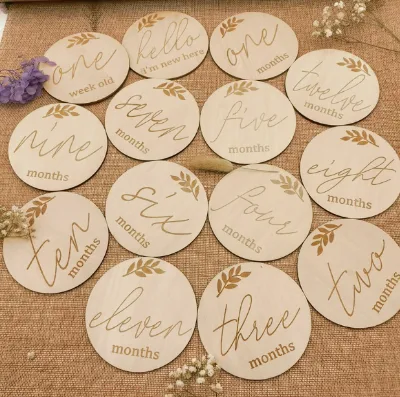
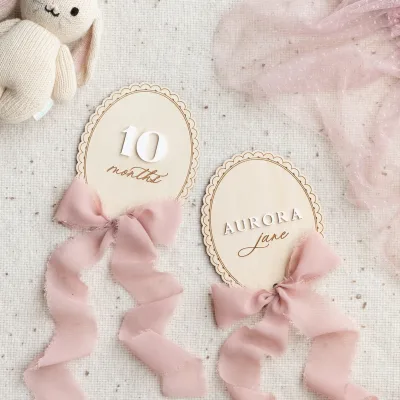
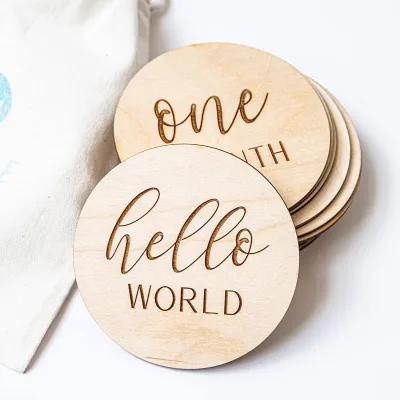
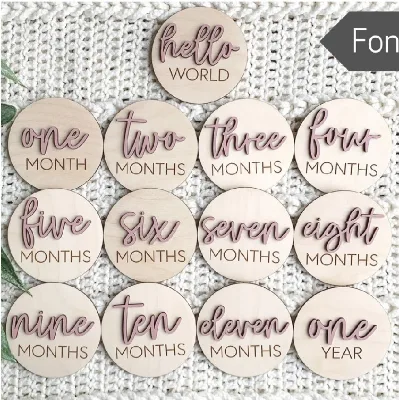
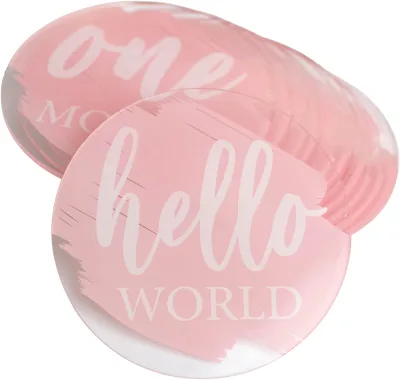
Baby Milestone Plaques Milestone Cards Customized Baby Wooden Monthly Milestone
$0.39 - $0.45
MOQ: 500

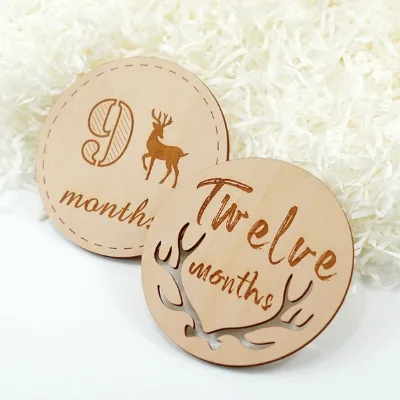

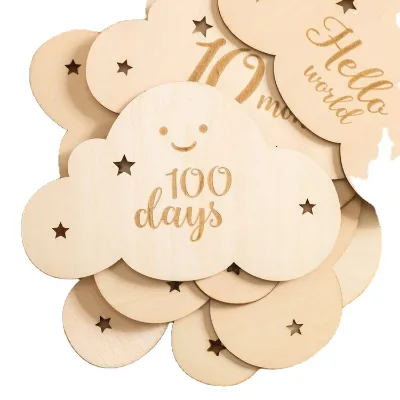
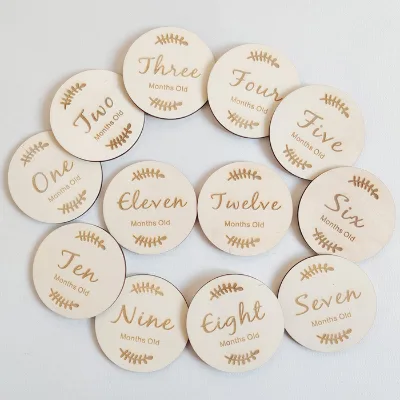
1-12 Months Wooden Milestone Photo Cards, Baby Announcement Cards Photo Prop Monthly Milestone Discs
$0.38 - $0.40
MOQ: 2000 pieces
Caoxian Huashen Arts And Crafts Co., Ltd.
- Manufacturer, Trading Company
- Shandong, China
- Lead time30 days
- Avg. response≤ 1h
Main productsCustom Wooden Boxes,Wooden Storage Crates,Wooden Home Decor,Raised Garden Beds,Wooden Pet Furniture
Main marketsNorth America(35.00%), Western Europe(25.00%), Oceania(12.00%), Northern Europe(10.00%), Eastern Europe(8.00%), Eastern Asia(6.00%), Southeast Asia(4.00%)
Yantai LSL Wood Arts &Crafts Co., Ltd.
- Verified by SGS Group
- Trading Company
- Lead time30 days
- Avg. response≤ 2h
Main productsWooden Holder and Rack, Wooden Cutting Board, Wooden Photo Frame, Storage Box and Bin, Wooden Box
Main marketsNorth America(29%), South America(10%), Eastern Europe(10%)
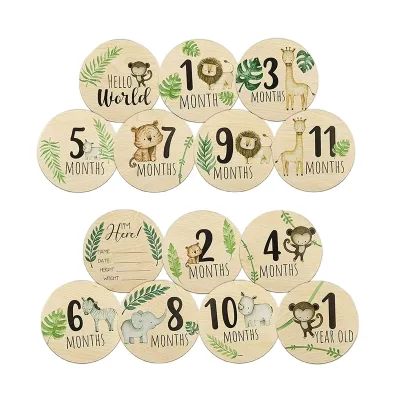
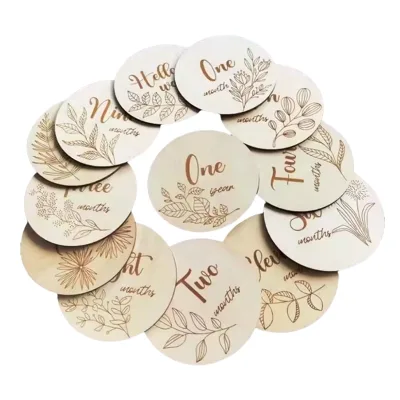
$0.8892 - $0.9102
MOQ: 300 pieces
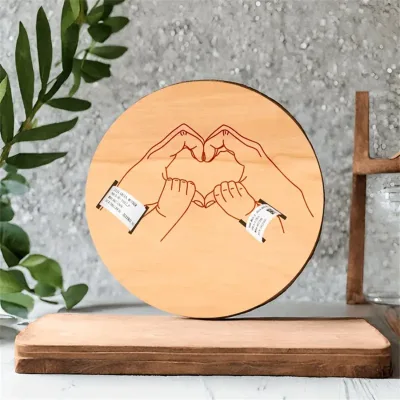
Henan Xumei Arts & Crafts Co., Ltd.
- Manufacturer, Trading Company
- Henan, China
- Lead time7 days
- Avg. response≤ 6h
Main productsmilestone wooden sign,baby wardrobe closet divider,meditation wooden board,Cut Carved Wooden Coasters,Hollow carved wood crafts
Main marketsSoutheast Asia(20.00%), South America(20.00%), North America(20.00%), Eastern Europe(10.00%), Domestic Market(5.00%), South Asia(5.00%), Southern Europe(5.00%), Northern Europe(5.00%), Central America(5.00%), Western Europe(5.00%), Eastern Asia(5.00%), Mid East(5.00%), Oceania(5.00%), Africa(5.00%)
Dongguan Xinyue Arts And Craft Co., Ltd.
- Verified by Intertek
- Manufacturer, Trading Company
- Lead time30 days
- Avg. response≤ 1h
Main productsDIY Book Nook, DIY Miniature House, Wooden 3D Puzzle, Miniature Dollhouse Kits, Wooden Jigsaw Puzzle
Main marketsNorth America(31%), South America(20%), Eastern Europe(10%)
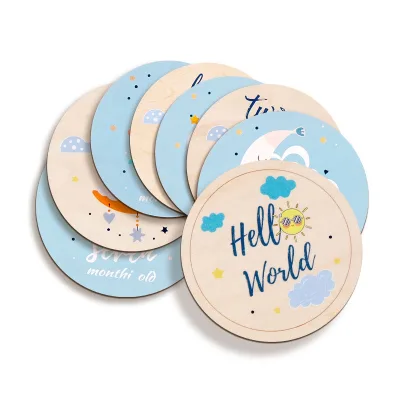
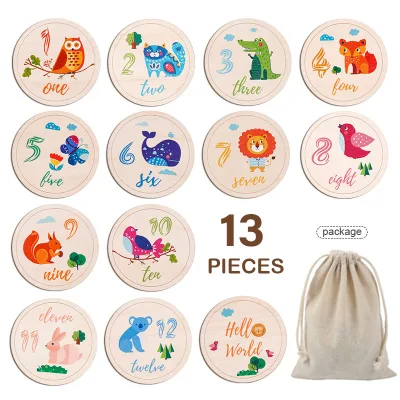
New Style UV Printing Baby Milestone Cards Cute Animals Wooden Custom Baby Milestone Cards
$0.26 - $0.31
MOQ: 500 pieces
New Style Laser Cut Baby Birthday Customized Wholesale Newborn Wooden Baby Milestone Cards
$3.00 - $3.50
MOQ: 500 pieces
Dongguan Galaxy Wood Crafts Co., Ltd.
- Manufacturer, Trading Company
- Guangdong, China
- Lead time0 days
- Avg. response≤ 3h
Main productswood crafts,wood kitchen item,wood blocks,wooden dice,wooden cut out
Main marketsWestern Europe(20.00%), North America(16.00%), Eastern Europe(13.00%), Southern Europe(10.00%), Northern Europe(10.00%), Central America(5.00%), South America(5.00%), Eastern Asia(5.00%), Mid East(5.00%), Southeast Asia(5.00%), South Asia(2.00%), Africa(2.00%), Oceania(2.00%)
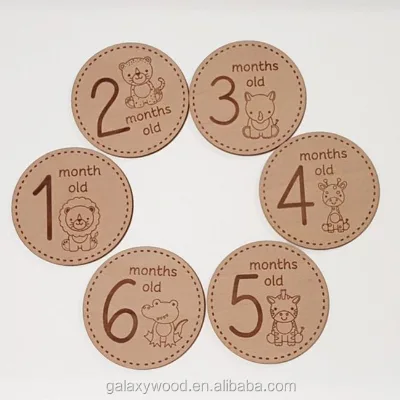
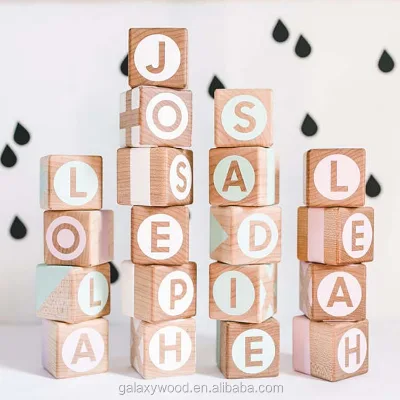
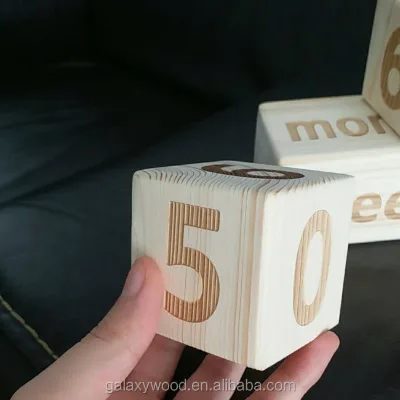
Personalized custom engraved wooden baby milestone age blocks for kid's gift
$0.9027 - $1.2126
MOQ: 300 pieces
Hangzhou Belief Materials Co., Ltd.
- Manufacturer, Trading Company
- Zhejiang, China
- Lead time0 days
- Avg. response≤ 1h
Main productsHome Decorations,Party Decoration
Main marketsNorth America(80.00%), Central America(20.00%)
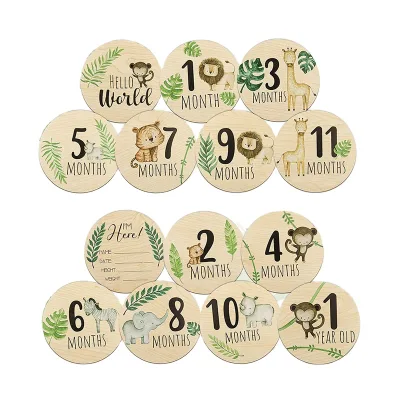
$1.4356 - $2.1542
MOQ: 10 pieces
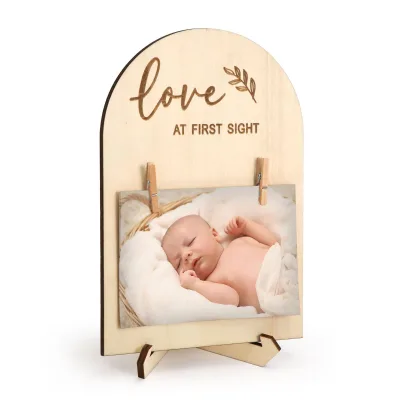

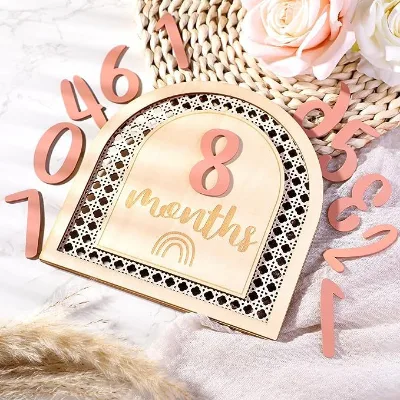
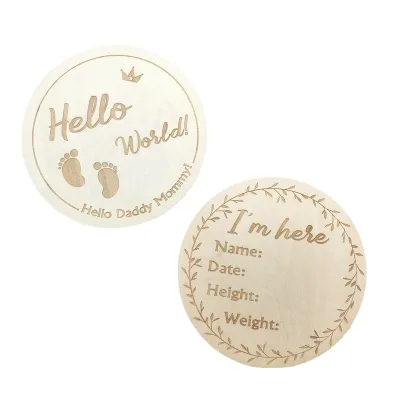
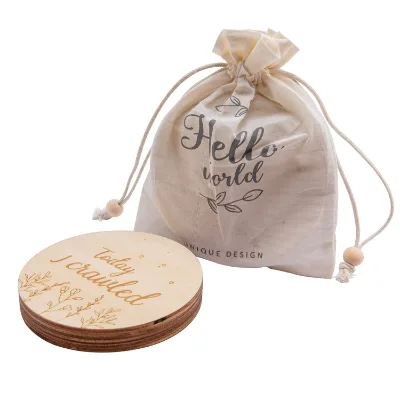
Baby Wooden Monthly Milestone Signs New Baby Interchangeable Milestone Hello World Baby Arrival Sign
$0.9117 - $1.0569
MOQ: 10 pieces

Dongguan Huibao Wooden Craft Products Co., Ltd.
- Manufacturer, Trading Company
- Guangdong, China
- Lead time15 days
- Avg. response≤ 2h
Main productsWooden Rfid/Nfc Card,Wooden Crafts,Holiday Gifts,Wood Plywood,Wood Laser Cutting
Main marketsNorth America(20.00%), Domestic Market(10.00%), Mid East(10.00%), Oceania(10.00%), Eastern Europe(8.00%), Southeast Asia(5.00%), Southern Europe(5.00%), Northern Europe(5.00%), Central America(5.00%), Western Europe(5.00%), Eastern Asia(5.00%), Africa(5.00%), South America(5.00%), South Asia(2.00%)
Caoxian Keyu Arts & Crafts Factory
- Verified by SGS Group
- Manufacturer, Trading Company
- Lead time30 days
- Avg. response≤ 3h
Main productsWood Crafts, Wooden Boxes, & Wall Signs, Wooden & Bamboo Packaging, Wooden Home & Garden Products
Main marketsNorth America(45%), Domestic Market(30%), Western Europe(10%)
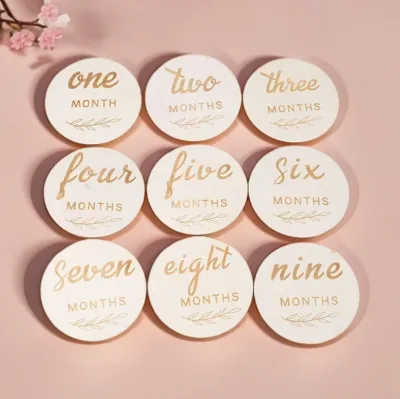
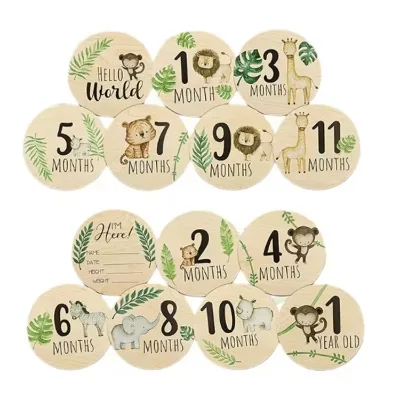
Customize Double-sided Animal Pattern Round Wood Newborn Photo Cards
$0.2081 - $0.5195
MOQ: 500 pieces
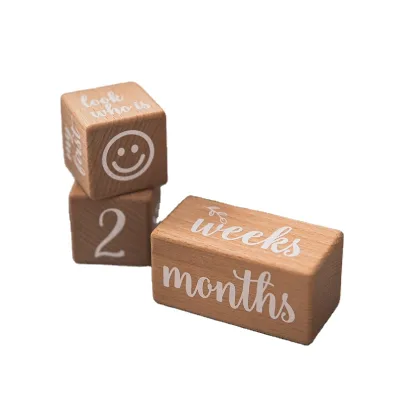
Best Goal (Shanghai) Manufacture Co., Ltd.
- Verified by SGS Group
- Trading Company
- Lead time45 days
- Avg. response≤ 3h
Main productsWooden Craft, Metal Home Decoration
Main marketsNorth America(66%), Western Europe(21%), Domestic Market(9%)
Dongguan Rarlong Crafts Co., Ltd.
- Trading Company
- Guangdong, China
- Lead time0 days
- Avg. response≤ 3h
Main productsGifts & Crafts,Wooden Crafts,Home&Garden,Crystal Crafts,Baby products
Main marketsCentral America(25.00%), Eastern Europe(25.00%), North America(20.00%), South America(15.00%), Western Europe(5.00%), Mid East(5.00%), Southeast Asia(3.00%), Domestic Market(1.00%), Southern Europe(1.00%)

Fuzhou Good Idea Handicraft Co., Ltd.
- Manufacturer, Trading Company
- Fujian, China
- Lead time0 days
- Avg. response≤ 5h
Main productsWooden Wall Decoration,wooden card,Wooden Baby Milestone Cards,Wooden Christmas Decoration,Wooden Keychains
Main marketsNorth America(55.00%), Western Europe(30.00%), Oceania(15.00%)
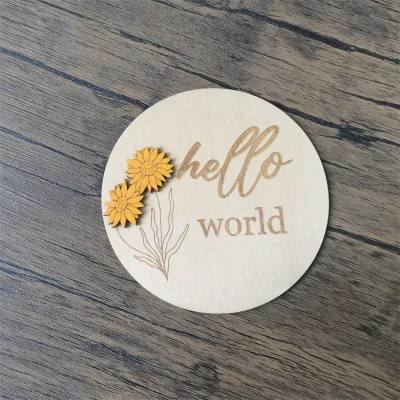
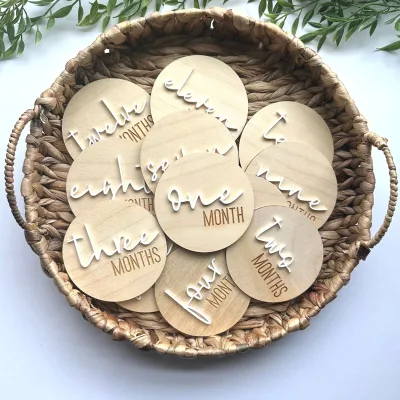
Baby Monthly Milestone s Baby Months Signs Milestone Wooden Circles Wooden Months Baby Milestone
$0.30 - $0.40
MOQ: 650 pieces
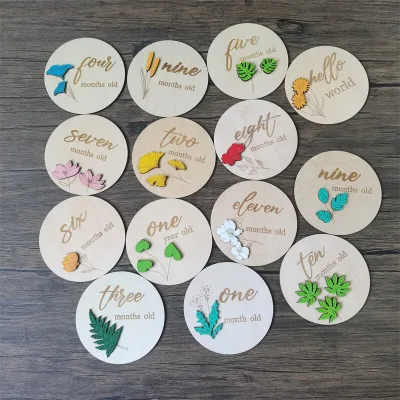


Baby Monthly Memory Photo Cards Wooden Engraved Discs Reversible With Weeks Months Holidays
$2.0704 - $4.3458
MOQ: 10 sets

Hai Yang International Limited
- Verified by SGS
- Trading Company,Manufacturer/Factory
- China Zhejiang
- Lead time60 days
- Avg. response≤ 3h
Main productsWooden Toy, Montessori Material, Wooden Educational Toys, Wooden Puzzle, Wooden Blocks, Wooden Train Set, Wooden Nutcrackers, Wooden Crafts, Wooden Dolls, Wooden Chess
Main marketsEastern Europe,Mid East,North America,Southeast Asia,Eastern Asia,Oceania

Baby Shower Photo Props Wood Circle Slices Discs Animal Jungle Sign Monthly Baby Milestone Cards
$3.28 - $3.38
MOQ: 500 Pieces


Yiwu Haoway Handicraft Co., Ltd.
- Manufacturer, Trading Company
- Lead time旺季: "1 - 100":7,"101 - 600":12,"> 600":"To be negotiated", 淡季: "1 - 100":7,"101 - 600":12,"> 600":"To be negotiated"
- Avg. response≤ 6h
Main productsHandicrafts, Household Goods, Luggage, Festival Products
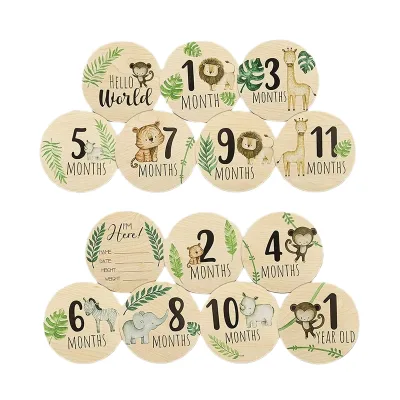


Wholesale Custom Cheap Imprime Toy Baby Wooden Monthly Milestone Cards New Born Baby Shower Souvenir
$0.39 - $5.95
MOQ: 50 Minimum

Ningbo Hardwork Art & Craft Co., Ltd.
- Verified by BV
- Combined
- China Zhejiang
- Lead time15 days
- Avg. response≤ 13h
Main productsDIY Kit, Stamp, Wooden Craft, Book
Main marketsEurope

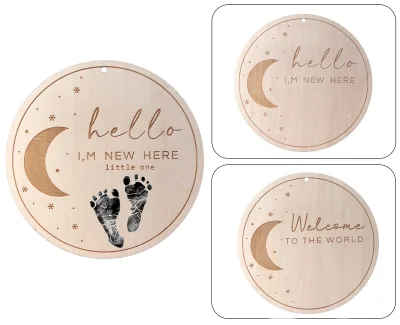
Round Wooden Newborn Welcome Sign Newborn Arrival Commemoration Card Baby Shower Gift
$3.01 - $3.32
MOQ: 500 pieces

Round Wooden Newborn Welcome Sign Arrival Commemoration Card Baby Shower Gift
$3.01 - $3.32
MOQ: 500 pieces

Round Wooden Newborn Welcome Sign for Baby Shower Arrival Commemoration Gift
$0.726 - $0.75
MOQ: 500 pieces

Welcome Sign Newborn Arrival Commemoration Card Baby Shower Gift and Keepsake Decoration
$3.01 - $3.32
MOQ: 500 pieces
Dongguan Homi E-Commerce Co., Ltd.
- Trading Company
- Guangdong, China
- Lead time12 days
- Avg. response≤ 6h
Main productsWedding,Gift,Party Favors,Artwear&Toys&Gifts,Gift Toys
Main marketsWestern Europe(25.00%), North America(20.00%), Central America(15.00%), Northern Europe(10.00%), Southeast Asia(10.00%), South America(10.00%), Africa(10.00%)
Qingdao Ali Global Trading Co., Ltd.
- Trading Company
- Shandong, China
- Lead time30 days
- Avg. response≤ 7h
Main productsWood Cat Furniture,Modern Wood Cat Tree,Pet Toys,Wood Home Decor,Wood Crafts
Main marketsNorth America(34.00%), Mid East(13.00%), Eastern Asia(12.00%), Western Europe(11.00%), South America(9.00%), Oceania(6.00%), Africa(5.00%), Southeast Asia(4.00%), Domestic Market(3.00%), Eastern Europe(3.00%)

Cao County Natai Wooden Arts and Crafts Co., Ltd.
- Manufacturer, Trading Company
- Shandong, China
- Lead time30 days
- Avg. response≤ 5h
Main productsWooden crafts,Wooden box,Wooden shelf,Wooden tray,Wooden crate
Main marketsNorth America(30.00%), Domestic Market(20.00%), South America(20.00%), South Asia(10.00%), Central America(5.00%), Eastern Europe(5.00%), Western Europe(3.00%), Southeast Asia(3.00%), Southern Europe(2.00%), Northern Europe(2.00%)
Heze Long River Wooden Products Co., Ltd.
- Verified by SGS Group
- Manufacturer, Trading Company
- Lead time0 days
- Avg. response≤ 3h
Main productsWood Box, Wood Craft, Wood Shelf, Pet House, Home Decor
Main marketsNorth America(50%), Western Europe(30%), Mid East(10%)
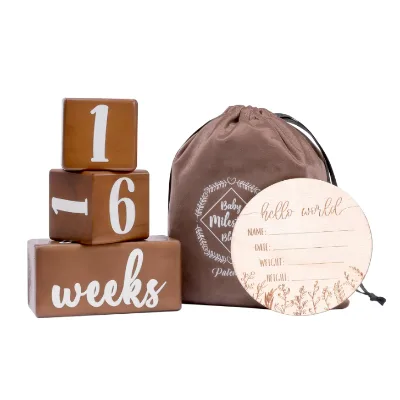
Solid Pine Wood Brown Baby Milestone Holiday Decoration Wood Baby Milestone Block Gift Set
$3.50 - $3.90
MOQ: 500 pieces
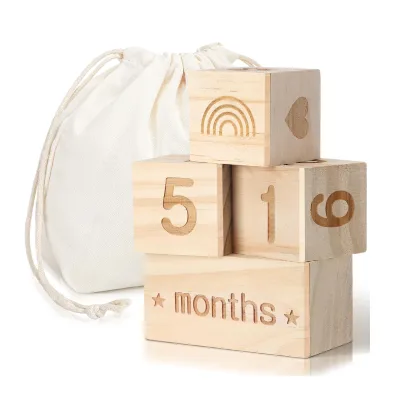
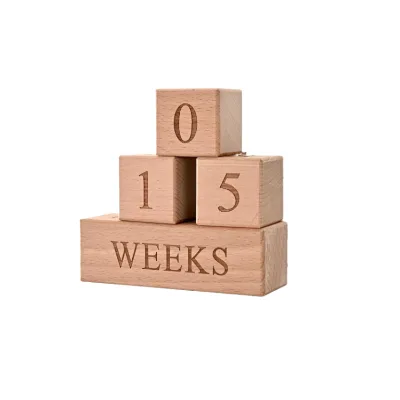
Eco-friendly Baby Anniversaries Photo Gift Set Beach Wood Milestone Baby Block
$3.70 - $4.20
MOQ: 500 pieces





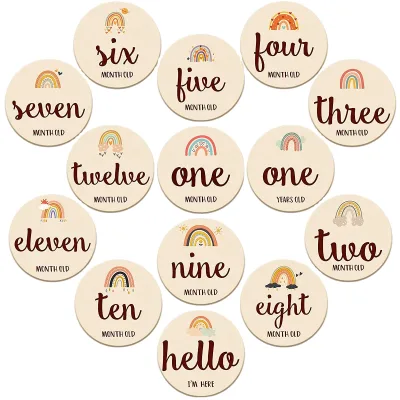
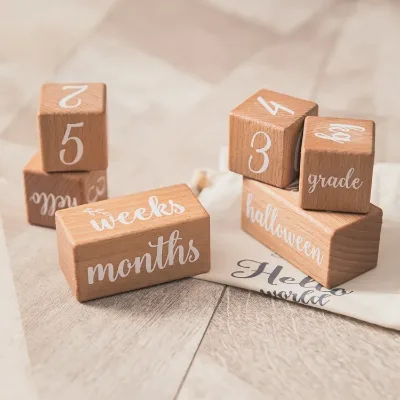
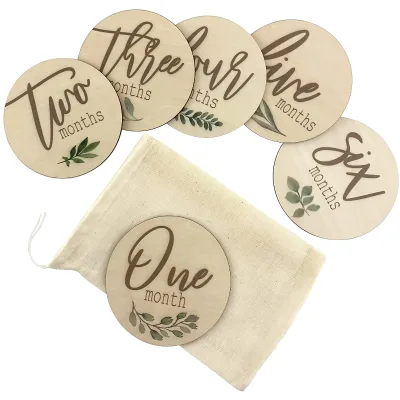
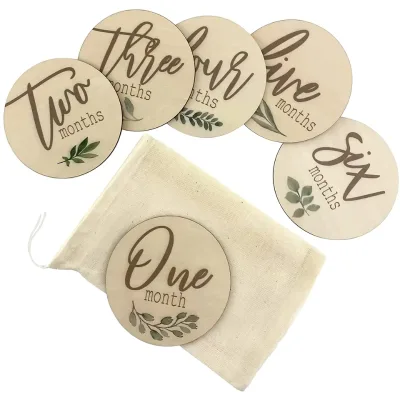

Comprehensive Sourcing Guide
Natural Wooden Baby Milestone Cards Supplier Concentration and Factory Types
The available data indicates a significant concentration of suppliers operating within the Guangdong province of China, specifically in the Guangdong region. This area appears to host a mix of trading companies and manufacturers or factories that specialize in wooden crafts, including items like wooden boxes, plaques, and various baby milestone products. Some product origins also point to Guizhou, China, suggesting that while Guangdong is a primary hub, other manufacturing clusters exist for specific wooden items. Buyers should verify the specific factory location for each supplier to understand the logistics implications, as the distance between Guangdong and Guizhou can affect shipping times and costs.
When evaluating the company type, it is essential to distinguish between trading companies and manufacturers. The observed results show that many suppliers identify as both a trading company and a manufacturer or factory, which can offer flexibility in sourcing. However, the distinction matters for quality control and pricing. A manufacturer typically has direct control over the production process, which can be beneficial for customizing materials like plywood or wood. Buyers must confirm whether the supplier is the actual factory or an intermediary, as this impacts the ability to inspect the production line and negotiate directly on manufacturing costs.
How to Verify Natural Wooden Baby Milestone Cards Suppliers
Verification is a critical step when sourcing Natural Wooden Baby Milestone Cards, as the market contains various entities with different levels of credibility. Some suppliers in the results have undergone verification processes by third-party organizations such as TÜV Rheinland, which serves as a concrete indicator of a supplier's legitimacy. Buyers should look for this specific verification badge or statement on the supplier profile to ensure the company has been audited. Relying solely on self-declared information without third-party validation can lead to sourcing from unverified entities that may not meet quality or safety standards.
Beyond third-party verification, buyers should examine the system certifications listed on the supplier profile. The data shows that some suppliers hold ISO 9001 certification, while others possess CE and CPC certifications, which are particularly relevant for products intended for children. These certifications indicate that the supplier adheres to specific quality management systems or safety standards required for the target market. Buyers must request copies of these certificates and verify their validity dates. It is also important to check if the supplier has a history of responding to inquiries, as a response time metric can indicate their operational efficiency and willingness to engage with potential buyers.
What to Compare Across Natural Wooden Baby Milestone Cards Suppliers
When comparing suppliers, buyers should focus on key operational metrics such as lead time, minimum order quantity (MOQ), and response time. The observed data reveals a wide range in these attributes; for instance, some suppliers list a lead time of 45 days, while others show a lead time of 0 days, which may indicate immediate stock availability or a need for clarification. Similarly, MOQs vary significantly, with some suppliers requiring orders of 500 pieces and others setting the threshold at 1000 pieces. Buyers must align these requirements with their inventory needs and budget constraints to avoid overstocking or facing unmanageable order volumes.
Another crucial dimension for comparison is the product customization capabilities and material specifications. The results indicate that many suppliers accept OEM orders and offer customization for materials like plywood, with options for different styles and sizes. Buyers should compare the specific product attributes, such as the material type (plywood vs. wood), the finishing techniques (polished vs. unfinished), and the packaging standards. Additionally, the price range for similar products can vary, with some items listed between $4.00 and $9.00, while others are priced much lower. Buyers need to evaluate whether the price difference correlates with quality differences, such as the use of eco-friendly materials or specific design features like engraved logos.
Common Natural Wooden Baby Milestone Cards Sourcing Risks
One significant risk in sourcing wooden baby milestone cards is the potential inconsistency in product quality and material safety. While some suppliers list certifications like CE and CPC, which are vital for child safety, not all suppliers may possess these credentials. Buyers must be cautious of products that lack clear safety certifications, as wooden items intended for babies must meet strict standards regarding toxicity and physical safety. The absence of specific test results or safety data sheets in the provided information highlights the need for buyers to request detailed product testing reports before placing large orders.
Another risk involves the reliability of lead times and the ability to fulfill orders on schedule. The data shows varying lead times, with some suppliers indicating a 45-day production window and others showing zero days, which could imply stock availability or a lack of clear production scheduling. Inconsistent lead times can disrupt supply chains, especially for time-sensitive products like baby milestones used for monthly photography. Buyers should verify the actual production capacity and request a detailed production schedule to ensure that the supplier can meet delivery deadlines. Additionally, the risk of communication delays exists if the supplier's response time is slow, which can hinder the resolution of issues during the order process.
Natural Wooden Baby Milestone Cards Regional Sourcing and Logistics
The regional sourcing landscape for Natural Wooden Baby Milestone Cards is primarily centered in Guangdong, China, with some production also occurring in Guizhou. This geographic concentration offers buyers the advantage of accessing a well-established supply chain for wooden crafts, but it also introduces specific logistical considerations. Shipping from Guangdong typically involves access to major ports, which can facilitate efficient export logistics. However, buyers must account for the distance and potential transit times when coordinating with suppliers in different regions, as the origin location can impact the overall shipping duration and cost.
Logistics planning should also consider the packaging and handling requirements for wooden products. The observed data indicates that products are often packed in paper boxes or polybags, with specific dimensions provided for single packages. Buyers need to ensure that the packaging is robust enough to prevent damage during transit, especially for delicate items like milestone cards. Furthermore, the weight and volume of the products, such as the single gross weight of 0.2 kg for some items, should be factored into freight calculations. Buyers should discuss shipping terms with the supplier to determine who bears the responsibility for freight costs and insurance, ensuring a smooth delivery process from the factory to the destination.
Natural Wooden Baby Milestone Cards Commercial Terms and Order Planning
Commercial terms for Natural Wooden Baby Milestone Cards often include specific requirements for minimum order quantities and payment structures. The data shows that MOQs can range from 500 to 1000 pieces, which buyers must consider when planning their initial orders. Additionally, some suppliers offer sample times of 7 to 10 days, which is a critical factor for buyers who need to evaluate product quality before committing to a larger order. Buyers should clarify the sample policy, including whether samples are free or charged, and how long it takes to receive them, to ensure they have enough time for quality assessment.
Order planning should also account for the customization options and production standards offered by suppliers. Many suppliers accept OEM orders and allow for custom sizes, styles, and branding, such as engraved logos. Buyers need to confirm the specific production standards and any additional costs associated with customization. It is also important to verify the payment terms and whether the supplier offers escrow services to protect the buyer's funds. By carefully reviewing these commercial terms and aligning them with the buyer's budget and timeline, buyers can mitigate risks and ensure a successful sourcing experience for Natural Wooden Baby Milestone Cards.
FAQs
What is the price range for wooden baby milestone cards?
Prices typically range from $0.38 to $9.00 per unit depending on material and customization. Plywood options often start around $0.39, while custom shapes or premium finishes may cost up to $9.00. Buyers should verify specific quotes based on order volume and design requirements.
What is the minimum order quantity for these products?
Minimum order quantities generally start at 500 pieces for standard plywood milestone cards. Some suppliers may require 1000 pieces for specific designs or bulk pricing tiers. Buyers should confirm the exact MOQ with the supplier before placing an order to ensure availability.
Where are these wooden milestone cards manufactured?
Most suppliers are located in Guangdong, China, with some manufacturing in Guizhou, China. These regions are known for wood craft production. Buyers should verify the specific place of origin on product listings to ensure alignment with their sourcing preferences and logistics needs.
What certifications do these suppliers hold?
Suppliers often hold ISO 9001 for quality management, along with CE and CPC certifications for safety and compliance. Some products are verified by TÜV Rheinland. Buyers should request valid certificates to ensure the products meet international safety standards for baby items.
How long does production take?
Standard lead times are approximately 45 days for bulk orders. Sample production typically takes 7 to 10 days. Buyers should confirm current production schedules with suppliers, as lead times may vary based on order volume, customization complexity, and seasonal demand fluctuations.
Can suppliers provide OEM services?
Yes, most suppliers accept OEM and ODM services for custom designs. Buyers can request custom shapes, logos, or packaging. Suppliers typically offer plywood or wood materials with various finishes. Buyers should discuss specific customization requirements and additional costs directly with the supplier.