Negative Ion LCD Hair Curler Suppliers and Manufacturers
Explore 26 verified suppliers offering Negative Ion LCD Hair Curler with PTC heaters and LCD displays. Compare locations in Guangdong and Zhejiang, response times, lead times, and pricing to source reliable factories for your business needs today; review the available evidence before requesting comparable quotations from suitable candidates.
Updated
Suppliers List

Dongguan Sunkiss Technology Co., Ltd.
- Verified by CTI
- Trading Company
- China Guangdong
- Lead time23 days
- Avg. response≤ 7h
Main productsHair Curler, Hair Straighteners, Hair Dryer, Ionic Hair Dryer, Hair Brush, Travel Hair Dryer, Hair Styling Tools, Flat Irons with Floating Plate, Hair Styler, Curling Iron
Main marketsSoutheast Asia/ Mideast,North America

- Verified by BV
- Trading Company
- China Zhejiang
- Lead time30 days
- Avg. response≤ 7h
Main productsElectric Kettle, Massager, Hair Dryer, Heater, Electric Grill, Humidifier, Hair Straightener, Mixer, Beauty Instrument, Electronics
Main marketsAfrica,Southeast Asia/ Mideast,Europe,North America


Dual-Purpose Titanium Hair Straightener and Curler with Negative Ion Technology
$12.86
MOQ: 1000 Pieces


Guangzhou Jingpeng Electronic Technology Co., Ltd.
- Manufacturer, Trading Company
- Guangdong, China
- Lead time7 days
- Avg. response≤ 4h
Main productsnight light,table lamp,solar lamp,grow light,led strip
Main marketsNorth America(60.00%), South Asia(5.00%), Southern Europe(5.00%), Northern Europe(5.00%), Western Europe(5.00%), Eastern Asia(5.00%), Southeast Asia(5.00%), Eastern Europe(5.00%), South America(5.00%)

Wenzhou Hexi Electronic Technology Co., Ltd.
- Verified by SGS
- Combined
- China Zhejiang
- Lead time23 days
- Avg. response≤ 7h
Main productsNeck and Back Massager, Massage Gun, Massage Pillow, Foot Massager, Beauty& Personal Care, Water Flosser, Eye Massager, Electric Toothbrush, Hair Curler, Knee Massager
Main marketsAfrica,Southeast Asia/ Mideast,Europe


3 in 1 Multi-Functional Curling Iron Automatic Constant Temperature Hair Curler
$10.60 - $12.00
MOQ: 60 Pieces
Xuzhou Divoga Electric Appliance Co., Ltd.
- Verified by Intertek
- Trading Company
- Jiangsu, China
- Lead time0 days
- Avg. response≤ 7h
Main productsHair Trimmers, Curling Irons, Hair Straightener, Electric Shavers
Main marketsNorth America(27%), South America(27%), Eastern Europe(27%)

- Trading Company
- China Zhejiang
- Lead time30 days
- Avg. response≤ 13h
Main productsHome Appliance, Cookware Set, Thermos, Home Storage, Furniture, Pet Supplies, Garden Tools, Outdoor Supplies, Baby Supplies, Houesehold Items
Main marketsSouth America,Africa,Southeast Asia/ Mideast,East Asia(Japan/ South Korea),Domestic,Europe,Australia,North America

Fully Automatic Electronic Negative Ion Non Damaging and Long-Lasting Portable Hair Curler
$6.15 - $6.21
MOQ: 1000 Pieces

Straight Hair Comb, Negative Ion Straightener, Electric Curling Hair Comb
$3.87 - $4.87
MOQ: 500 Pieces


Shenzhen Baiyisen Health Technology Co., Ltd.
- Verified by SGS
- Trading Company
- China Guangdong
- Lead time30 days
- Avg. response≤ 3h
Main productsHigh-Speed Hair Dryer Curling Irons Styler, Multi-Function Hair Dryer Hairdryer, Secador De Cabello Air Wrap, Blower Hair Secador De Pelo Blow Dryer
Main marketsDomestic

Negative Ion Curl Straightener 230° C High Temperature Styling Does Not Hurt Hair
$16.00 - $16.50
MOQ: 1000 Pieces


Guangzhou Menarda Electrical Co., Ltd.
- Verified by SGS Group
- Trading Company
- Lead time25 days
- Avg. response≤ 3h
Main productsHair Straightener, Hair Dryer, Hair Clipper and Trimmer, Hot Air Brush, Hair Curler
Main marketsNorth America(40%), Mid East(20%), Western Europe(10%)

Dongguan Bidisco Electric CO., LTD
- Combined
- China Guangdong
- Lead time30 days
- Avg. response≤ 3h
Main productsHair Straightener, Hair Curler, Curling Iron, Mini Hair Straightener, Professional Curling Iron, Salon Eqipment, Curlers, Ceramic Straightener, Hair Curling Machine, Curling Tong
Main marketsSoutheast Asia/ Mideast,East Asia(Japan/ South Korea),Domestic,Europe,Australia,North America

Negative Ion Hair Straightener Automatic Hair Curler Multi-Function Hot Air Comb
$11.60 - $12.50
MOQ: 500 Pieces


Electric Curler Hair Waver and Hair Straightener 2 in 1 Hair Curling Iron
$11.32 - $12.36
MOQ: 500 Pieces
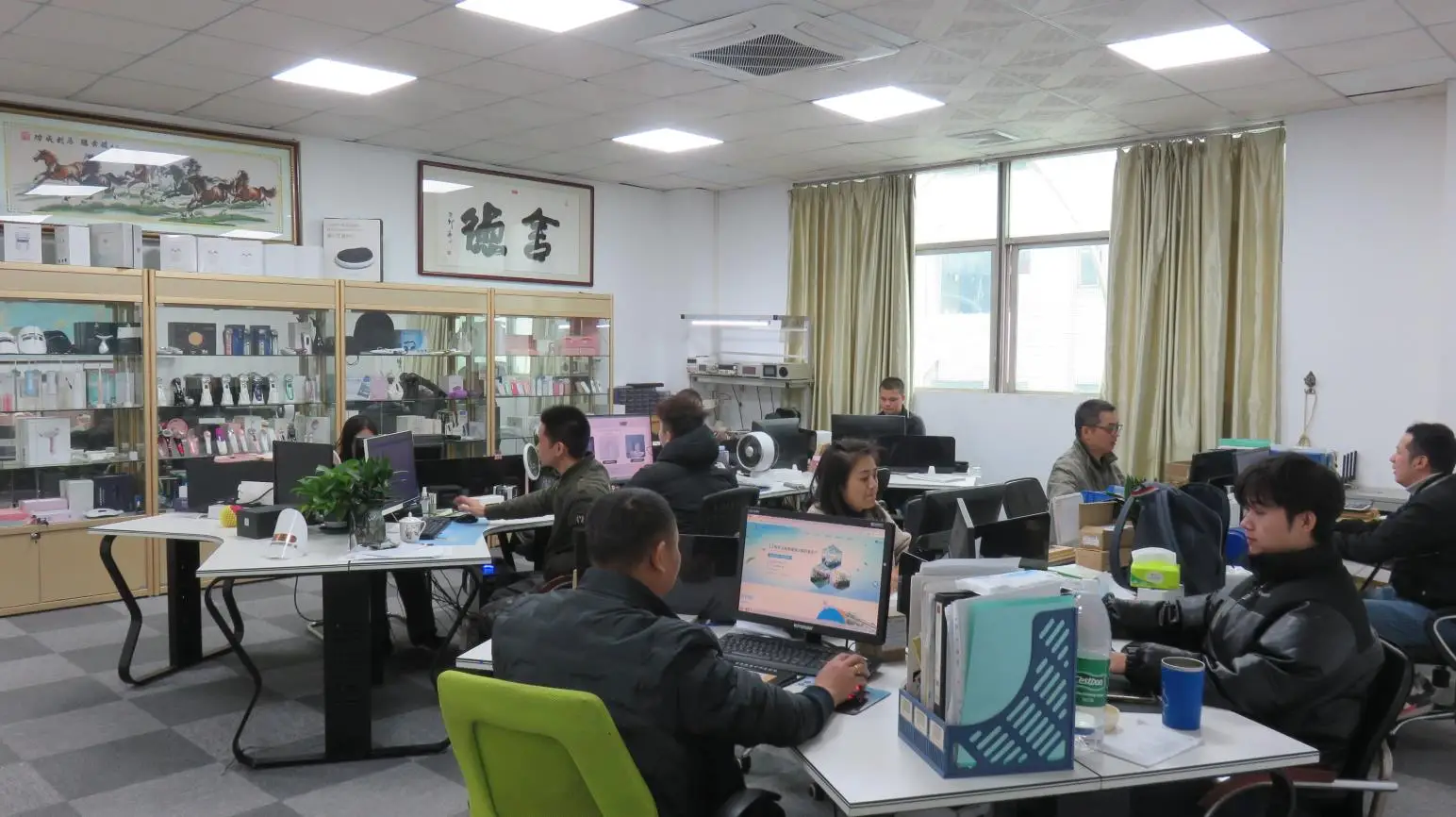
Shandong Chengchang Health Technology Co., Ltd.
- Trading Company
- Shandong, China
- Lead time15 days
- Avg. response≤ 4h
Main productsBeauty equipment,Massager,A protector,medical equipment,Health care equipment
Main marketsSoutheast Asia(20.00%), Domestic Market(15.00%), Mid East(10.00%), South America(5.00%), South Asia(5.00%), Southern Europe(5.00%), Northern Europe(5.00%), Central America(5.00%), Western Europe(5.00%), Eastern Asia(5.00%), Eastern Europe(5.00%), Oceania(5.00%), Africa(5.00%), North America(5.00%)
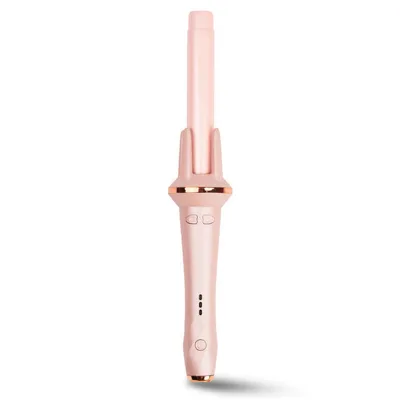
$5.3428 - $7.0898
MOQ: 2 pieces
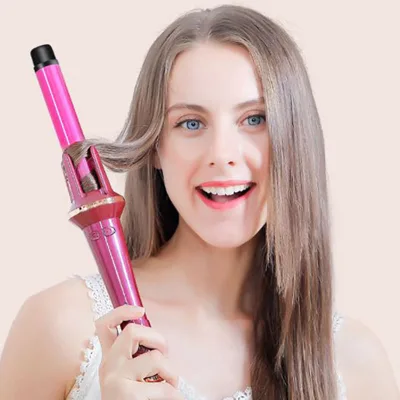
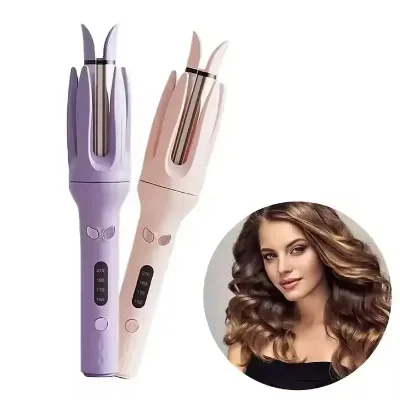
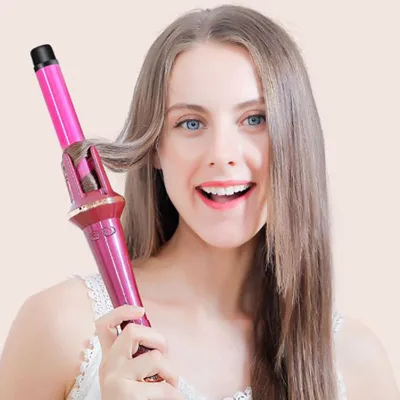
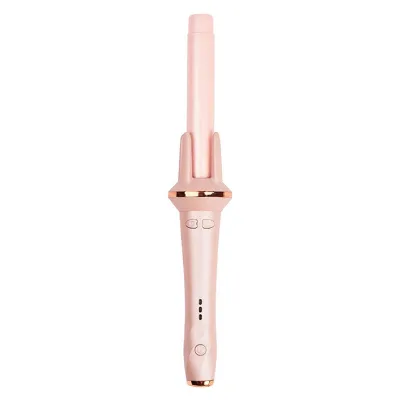
Hot Sale Interchangeable Hair Curlers Automatic Hair Curlers Rotating 28mm LCD Screen Hair Curlers
$4.90 - $6.90
MOQ: 2 pieces
$5.20 - $6.90
MOQ: 2 pieces
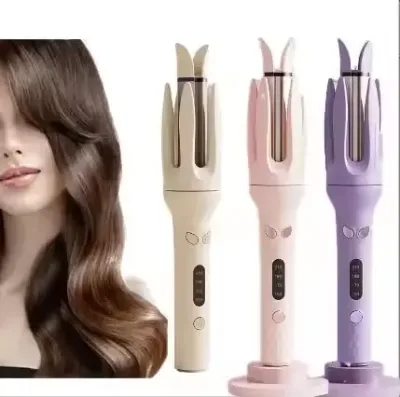
The Portable Electric Curling Iron with Automatic Rotation Technology Creates a Beautiful Hairstyle
$4.90 - $6.90
MOQ: 2 pieces

Wenzhou Boyo Electric Appliance Co., Ltd.
- Verified by BV
- Manufacturer/Factory
- China Zhejiang
- Lead time45 days
- Avg. response≤ 18h
Main productsHair Straightener, Hair Curler, Men's Shaver, Lady Epilator/Rozar, Callus Remover, Hair Dryer, Hair Clipper/Trimmer, Facial Cleansing Brush, Hot Air Brush, Oil Diffuser
Main marketsSouth America,Eastern Europe,Mid East,North America,Southeast Asia,Eastern Asia,Oceania,Western Europe,Africa


Electric LCD Digital Display Adjustable Professional Rotating Wavy Hair Curling Iron Hair Curlers
$5.70 - $6.00
MOQ: 2000 Pieces


Dongguan Hairwins Hairdressing Equipment Co., Ltd.
- Manufacturer
- Duangdong, China
- Lead time15 days
- Avg. response≤ 2h
Main productsHair Straightener,Hair Curler,Hair Dryer,Hair Clipper,Hair Trimmer
Main marketsSoutheast Asia(20.00%), Western Europe(10.00%), Domestic Market(10.00%), Mid East(10.00%), North America(10.00%), South Asia(10.00%), Eastern Europe(10.00%), Oceania(5.00%), Southern Europe(5.00%), Northern Europe(5.00%), South America(5.00%)

Changsha Fusheng Electronic Technology Co., Ltd.
- Trading Company
- China Hunan
- Lead time15 days
- Avg. response≤ 2h
Main productsElectronic Product
Main marketsSoutheast Asia/ Mideast,Europe,North America


Intelligent Anti-Tangle Hair Curler with Anti-Static Infrared & Ionic
$11.80 - $18.90
MOQ: 20 Pieces


Intelligent Anti-Tangle Hair Curler with Anti-Static Infrared & Ionic with 3 Barrels
$6.10 - $8.90
MOQ: 20 Pieces
Dongguan Haoyuan Electrical Technology Co., Ltd.
- Manufacturer
- Guangdong, China
- Lead time10 days
- Avg. response≤ 3h
Main productsHair Curlers,Hairdryer,Hair Straightenerner,Hair Clipper,Hair Dryer brush
Main marketsNorth America(40.00%), Western Europe(25.00%), Northern Europe(25.00%), South America(10.00%)
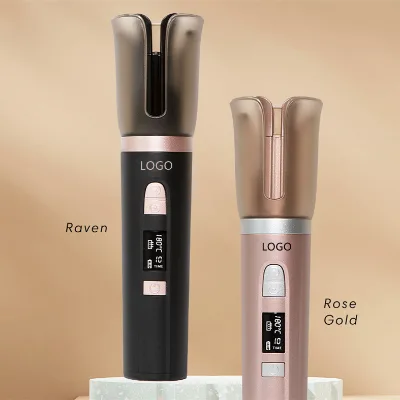
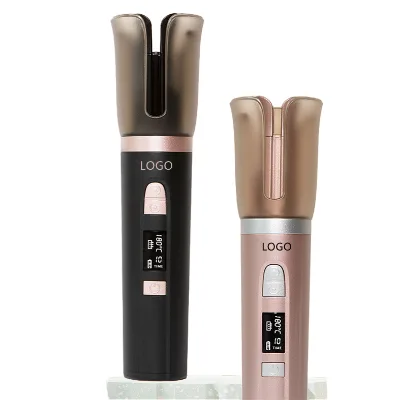
Convenient Rechargeable Wireless Hair Curler with LCD Temperature Display Easy-to-Use Hair Iron
$15.99 - $17.99
MOQ: 1000 pieces
$15.99 - $17.99
MOQ: 1000 pieces

Guangzhou Umei Technology Co., Ltd
- Verified by SGS
- Manufacturer/Factory
- China Guangdong
- Lead time15 days
- Avg. response≤ 2h
Main productsHair Straightener, Hair Dryer, Hair Curler, Hair Clipper, Photo Booth Vending Machine, Cotton Candy Vending Machine, Popcorn Vending Machine, Vending Machine, Ice Cream Vending Machine, 360 Photo Booth
Main marketsSouth America,Eastern Europe,Mid East,North America,Southeast Asia,Eastern Asia,Western Europe


Joyy Flat Iron Hair Straightener Professional Hair Curler with Cooling Air Vents
$12.99 - $13.99
MOQ: 2000 Pieces
Shenzhen Aiviqin Technology Co., Ltd.
- Verified by Intertek
- Manufacturer, Trading Company
- Lead time0 days
- Avg. response≤ 2h
Main productsElectric Hair Growth Oil Applicator Comb, Hair Curler, Red light Beauty Instrument
Main marketsNorth America(31%), Mid East(18%), Northern Europe(15%)
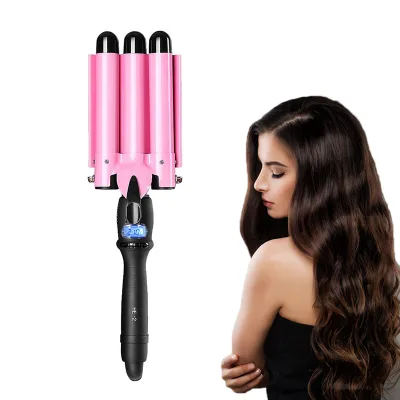
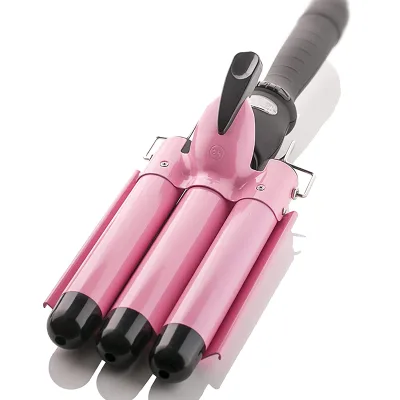
Popular Product Fast Heating Three Barrel Big Wave Automatic Cordless Hair Curler with Lcd Display
$8.2664 - $11.6227
MOQ: 16 pieces

Shanghai Prime Technology Co., Ltd.
- Verified by SGS
- Trading Company
- China Shanghai
- Lead time45 days
- Avg. response≤ 2h
Main productsCoffee Machine Bread Machine, Blender Food Processor Juicer, Air Fryer Hair Dryer Ect.
Main marketsSouth America,Eastern Europe,Mid East,North America,Southeast Asia,Eastern Asia,Oceania,Western Europe,Africa

Hair Straightener Hair Curler with Five Temperature Settings Gentle on Hair
$13.59 - $16.48
MOQ: 500 Pieces


Anti-Tangle Cordless Curling Wand Automatic Hair Curler with Adjustable Temperature
$5.64 - $7.69
MOQ: 500 Pieces


Automatic Hair Curler 32mm Rotating Curling Iron with 4 Temperature Settings
$6.45 - $8.88
MOQ: 500 Pieces
Shenzhen Xing Da Circuits Technology Co., Ltd.
- Verified by TüVRheinland
- Trading Company
- Lead time10 days
- Avg. response≤ 5h
Main productsStraightener, Hair Curler, Hair Dryer, Household Appliances, PCBA
Main marketsEastern Europe(20%), Western Europe(20%), Northern Europe(20%)
$21.3787 - $22.4041
MOQ: 500 pieces
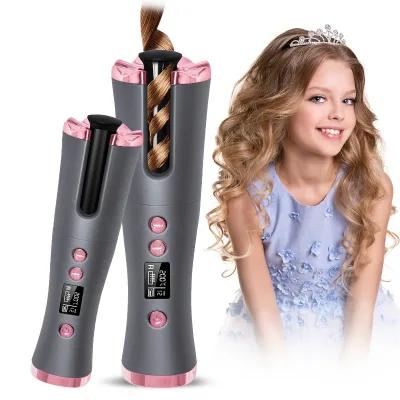
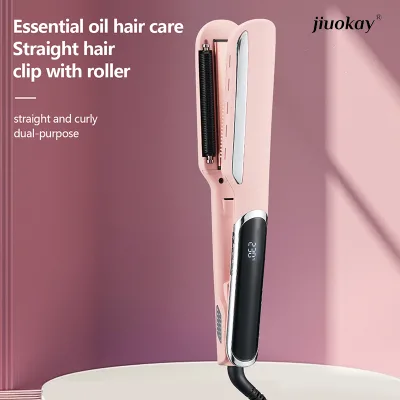

- Verified by SGS
- Trading Company
- China Zhejiang
- Lead time15 days
- Avg. response≤ 12h
Main productsFan, Heater Fan, Air Fryer, Toaster, Rice Cooker, Vacuum Cleaner, Coffee Machine, Hairdressing Appliance, Electric Toothbrush, Steam Iron
Main marketsEurope,Australia


Automatic Lazy Negative Ion Curler Damage Free Large Wave Women Hair Care OEM Custom
$4.50 - $5.05
MOQ: 200 Pieces

High Satisfaction Automatic USB Rechargeable Cordless Curling Iron Portable Hair Curler
$6.27 - $6.29
MOQ: 159 Pieces

$4.49 - $5.02
MOQ: 160 Pieces

Factory Outlet Automatic Metallic Grey Ceramic Professional Electric Hair Curler
$8.53 - $8.57
MOQ: 117 Pieces
Guangzhou Royalmark Electrical Appliances Co., Ltd.
- Manufacturer, Trading Company
- Guangdong, China
- Lead time25 days
- Avg. response≤ 12h
Main productsHair Dryer,Hair Styler,Hair Straightener,Hair Curler,High Speed Hair Dryer
Main marketsWestern Europe(15.00%), Mid East(15.00%), South America(15.00%), North America(15.00%), Southern Europe(10.00%), Northern Europe(10.00%), Eastern Europe(10.00%), Southeast Asia(5.00%), Eastern Asia(5.00%)
Shenzhen Bolesic Electronic Co., Ltd.
- Verified by SGS Group
- Trading Company
- Lead time15 days
- Avg. response≤ 3h
Main productsHair Styling Tools, Hair Dryers, Hot Air Brushes, Hair Straightener Brushes, Hair Curlers
Main marketsNorth America(21%), Eastern Europe(21%), Mid East(15%)
Shenzhen Kaylux Electric Appliance Co., Ltd.
- Verified by Intertek
- Manufacturer, Trading Company
- Lead time25 days
- Avg. response≤ 1h
Main productsHair Straightener, Curling Iron, Hair Straightener Brush , Hair Dryer, Multi Styler
Main marketsNorth America(20%), Mid East(20%), Eastern Asia(20%)
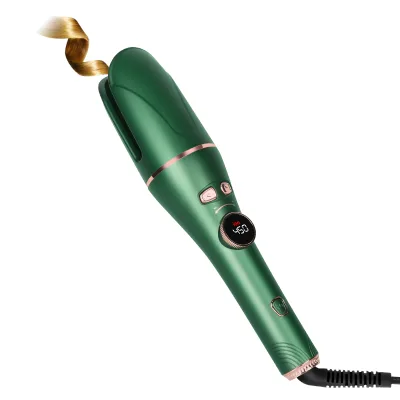
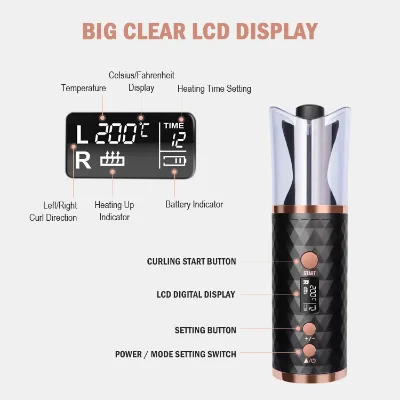
Lazy Auto Hair Curler 450 Degrees Lcd Ion Generator to Smooth Frizz
$18.4415 - $20.5134
MOQ: 1000 pieces
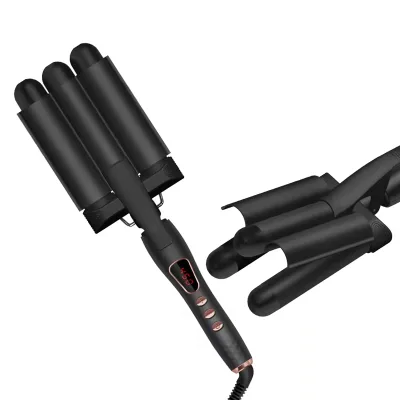
$8.99 - $10.99
MOQ: 500 pieces
$12.3907 - $13.976
MOQ: 100 pieces
Wenzhou Jinjing Electronic Technology Co., Ltd.
- Manufacturer, Trading Company
- zhejiang, China
- Lead time0 days
- Avg. response≤ 1h
Main productsCleaning appliances,Massager,Household appliances,Kitchen supplies,Beauty containers
Main marketsNorth America(30.00%), South America(20.00%), Northern Europe(5.00%), Central America(5.00%), Western Europe(5.00%), Eastern Asia(5.00%), Mid East(5.00%), Oceania(5.00%), Southeast Asia(5.00%), Eastern Europe(5.00%), Southern Europe(5.00%), South Asia(3.00%), Domestic Market(1.00%), Africa(1.00%)
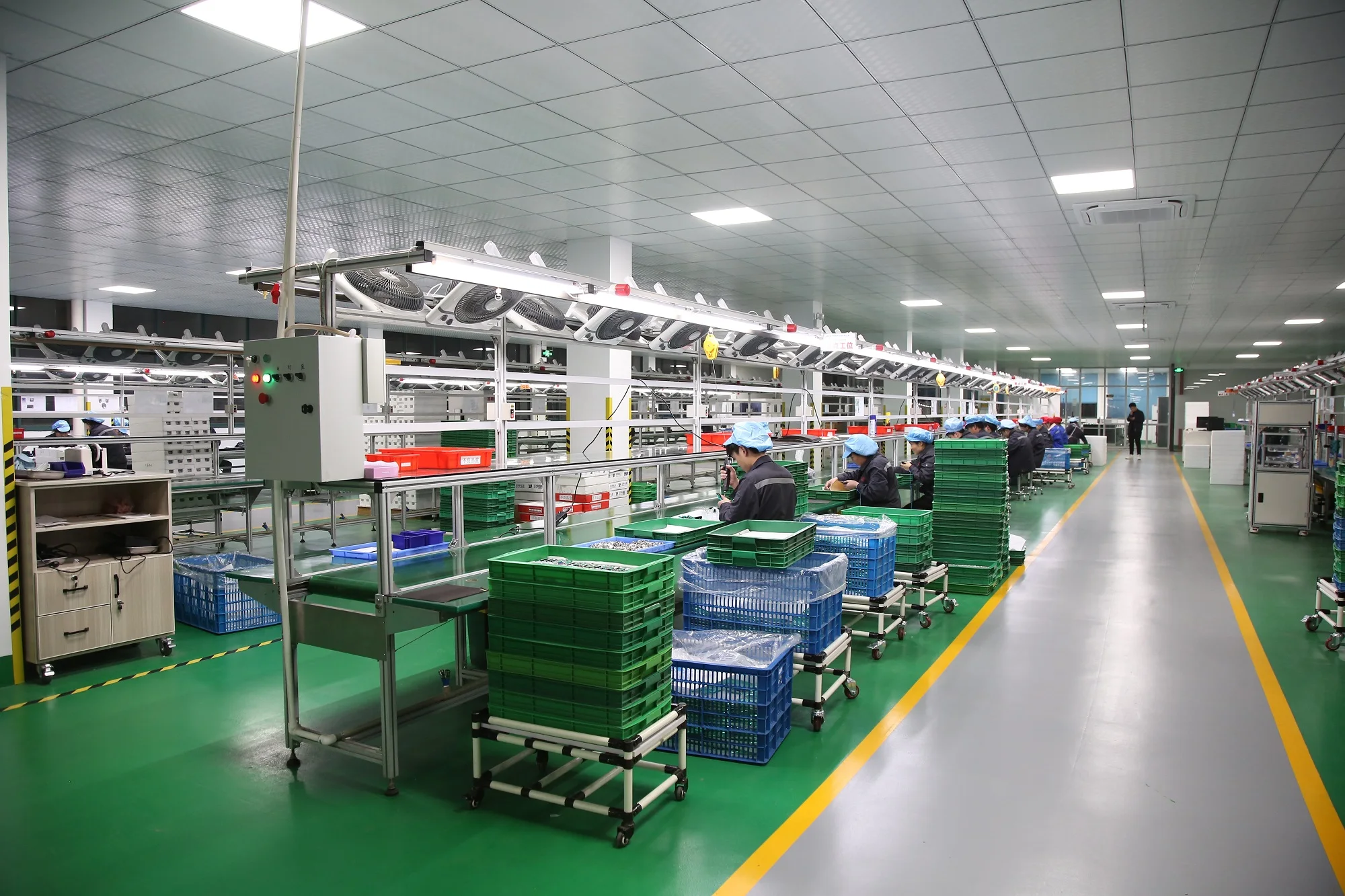
Xuzhou Aremey Electric Technology Co., Ltd.
- Trading Company
- Jiangsu, China
- Lead time0 days
- Avg. response≤ 9h
Main productsHAIR CLIPPERS,HAIR TRIMMER,MEN SHAVER,HAIR STRAIGHTENER,HAIR DRYER
Main marketsNorth America(50.00%), South America(20.00%), Eastern Europe(10.00%), Southern Europe(5.00%), Northern Europe(5.00%), Western Europe(5.00%), Mid East(5.00%)
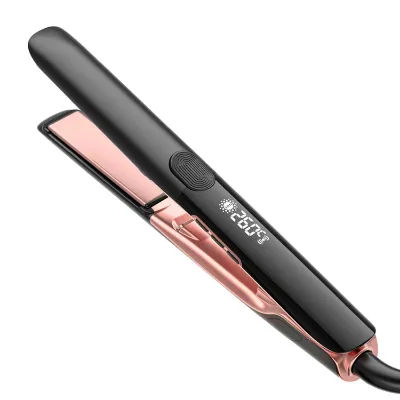
$13.1257 - $16.2005
MOQ: 1 pieces
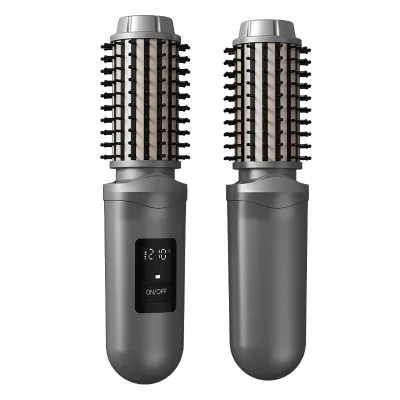
Guangdong Roman Technology Co., Ltd.
- Manufacturer, Trading Company
- Lead time旺季: "1 - 1000":35,"1001 - 2000":37,"2001 - 5000":39,"> 5000":"To be negotiated", 淡季: "1 - 1000":35,"1001 - 2000":37,"2001 - 5000":39,"> 5000":"To be negotiated"
- Avg. response≤ 13h
Main productsHair Straighteners/Hair Curlers/Hair Dryers/Hair Trimmer/Hot Comb/Hair Remove Laser,Hair dryer,Hair tool,Hair curler
$16.24 - $17.99
MOQ: 1000 pieces
Fuzhou High-tech Zone Xiaofei Electronic Technology Co., Ltd.
- Trading Company
- Fujian, China
- Lead time0 days
- Avg. response≤ 2h
Main productsHome Appliances,Home Appliance Accessories,Kitchen Appliances,Appliance Parts,Non-electrical Kitchenware
Main marketsNorth America(35.00%), Southeast Asia(20.00%), South America(20.00%), Eastern Europe(15.00%), Northern Europe(10.00%)


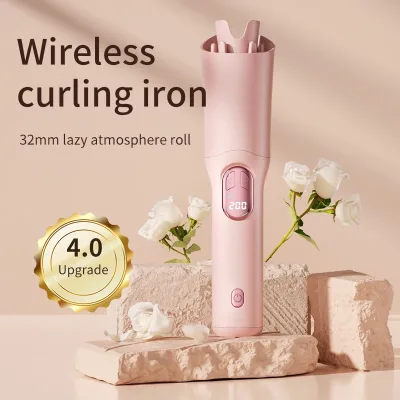
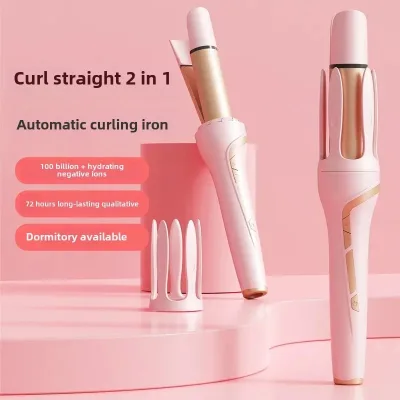
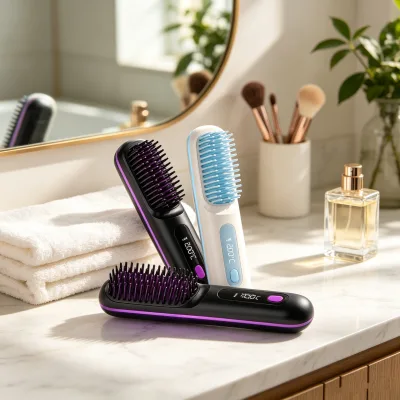
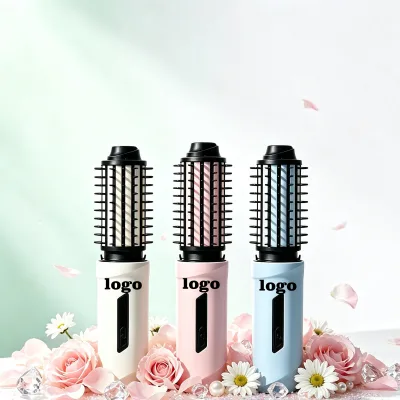
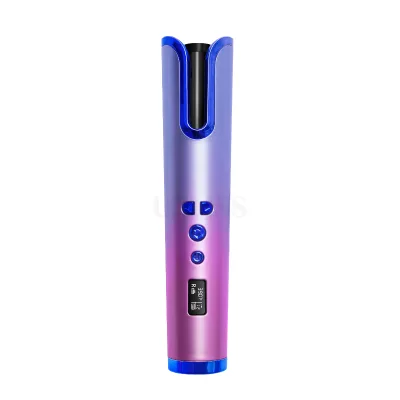
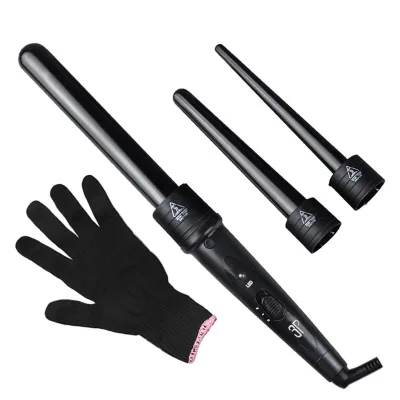
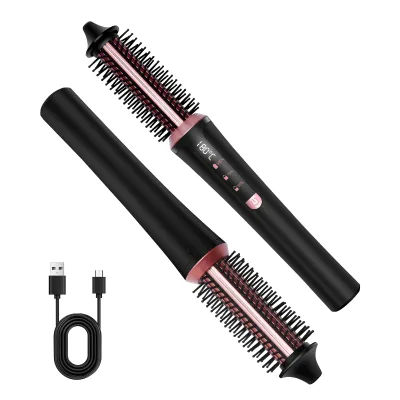
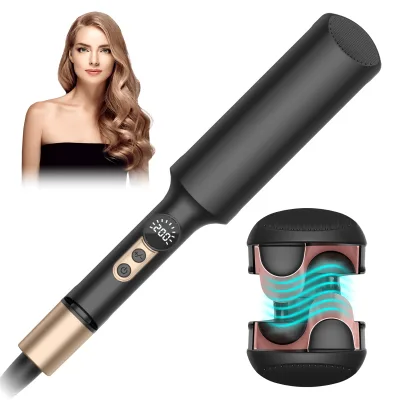
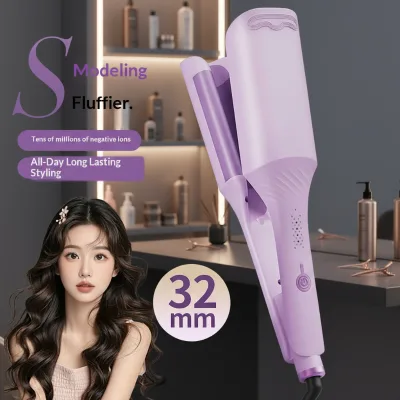
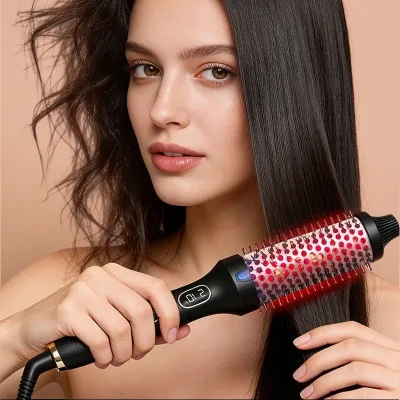
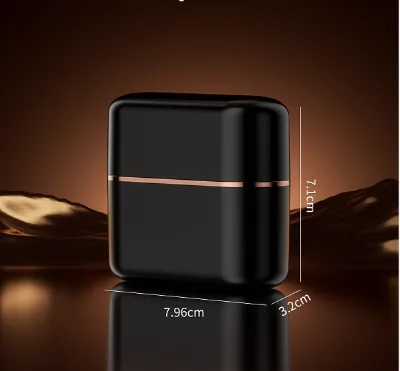
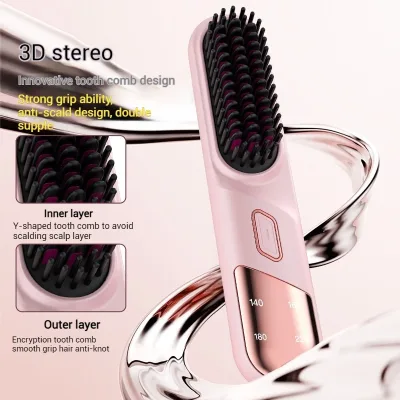
Comprehensive Sourcing Guide
Negative Ion LCD Hair Curler Supplier Concentration and Factory Types
The current supplier landscape for negative ion LCD hair curlers reveals a distinct geographic concentration in China, specifically within the Guangdong and Zhejiang provinces. These regions serve as primary manufacturing hubs for personal care and beauty appliances, offering established supply chains for components like PTC heaters, LCD displays, and plastic molding. Suppliers in Guangdong are often identified as trading companies, which may facilitate access to a broader range of styling tools such as hair dryers, straighteners, and brushes, providing buyers with diversified sourcing options from a single point of contact. Meanwhile, manufacturers in Zhejiang may focus on a wider array of home appliances, including electric kettles and massagers, indicating a versatile production capability that can adapt to the specific engineering requirements of hair styling devices. This regional clustering allows for efficient logistics and rapid prototyping, as raw materials and specialized labor are readily available in these industrial zones. Buyers should recognize that while the location is a strong indicator of manufacturing capability, the specific factory type—whether a direct manufacturer or a trading entity—will influence communication styles, inventory management, and the flexibility of order customization. Understanding this distinction is crucial for aligning procurement strategies with operational needs, ensuring that the chosen partner can meet both technical specifications and volume demands without unnecessary delays or miscommunication.
Factory types vary significantly across the available supplier base, with trading companies playing a prominent role in the current results. These entities often act as intermediaries, aggregating products from multiple factories to offer a comprehensive catalog that includes advanced negative ion curlers, automatic rotating models, and multi-functional straighteners. This structure can be advantageous for buyers seeking a one-stop solution for various hair care appliances, as it simplifies the vendor management process. However, it is essential to verify whether the trading company has direct oversight of the production line or merely resells goods from third-party manufacturers. The presence of verified suppliers, such as those with CTI or BV certifications, adds a layer of credibility to these trading operations, suggesting that they adhere to certain quality and business integrity standards. Buyers must assess the depth of the supplier’s technical knowledge, particularly regarding features like temperature adjustment levels, heater types, and automatic rotation mechanisms. A trading company with strong engineering support can provide valuable insights into product selection and customization, whereas one with limited technical expertise may struggle to address complex quality issues or specific design modifications. Therefore, evaluating the factory type in conjunction with verification status helps buyers determine the reliability and responsiveness of their potential partners in the Negative Ion LCD Hair Curler market.
How to Verify Negative Ion LCD Hair Curler Suppliers
Verification is a critical step in assessing the legitimacy and capability of suppliers offering negative ion LCD hair curlers. Buyers should prioritize suppliers who have undergone third-party verification processes, such as those conducted by CTI or BV, as these audits provide independent confirmation of business licenses, factory conditions, and operational capabilities. The presence of a verification badge indicates that the supplier has met specific criteria set by the auditing agency, reducing the risk of engaging with fraudulent or non-compliant entities. However, verification alone is not a guarantee of product quality or delivery performance; it serves as a foundational check that the business exists and operates within legal frameworks. Buyers should review the scope of the verification report to understand what aspects of the supplier’s operations were assessed, including production capacity, quality control systems, and financial stability. Additionally, looking for suppliers with a history of consistent performance and positive feedback can provide further assurance of their reliability. It is important to note that verification status can change, so buyers should ensure that the information they are viewing is current and reflects the supplier’s most recent audit results. By combining verification data with other due diligence measures, buyers can build a more comprehensive profile of each potential partner, ensuring that they select suppliers who are not only legitimate but also capable of meeting their specific sourcing requirements.
Beyond verification badges, buyers should examine the supplier’s response time and communication efficiency as indicators of their operational readiness. A quick response time, such as the 6.51 or 6.80 hours observed in some results, suggests that the supplier has dedicated customer service teams and efficient internal processes for handling inquiries. This responsiveness is particularly important for complex products like negative ion LCD hair curlers, which may require detailed technical discussions regarding specifications, customization options, and compliance standards. Suppliers who respond promptly are more likely to be engaged and proactive in addressing buyer concerns, leading to smoother negotiations and faster decision-making. Buyers should also assess the quality of the responses, looking for detailed and accurate information rather than generic replies. This includes verifying the accuracy of product attributes, such as heater types, temperature ranges, and display features, to ensure that the supplier has a thorough understanding of their inventory. Furthermore, checking for clear communication channels and the availability of technical support can help buyers navigate any challenges that may arise during the sourcing process. By prioritizing suppliers with strong verification records and efficient communication practices, buyers can mitigate risks and establish productive relationships with reliable partners in the Negative Ion LCD Hair Curler market.
What to Compare Across Negative Ion LCD Hair Curler Suppliers
When evaluating suppliers for negative ion LCD hair curlers, buyers should compare key operational metrics such as lead time, minimum order quantity (MOQ), and pricing to determine the best fit for their business needs. Lead times can vary significantly, with some suppliers offering 23 days and others requiring up to 30 days for production and delivery. This difference can impact inventory planning and market launch schedules, making it essential to align lead times with sales forecasts and stock requirements. Similarly, MOQs range from 500 units to 1000 units, which can influence cash flow and storage capacity for smaller buyers. Understanding these thresholds helps buyers assess whether a supplier’s requirements are compatible with their order volume and financial constraints. Pricing is another critical factor, with costs varying based on features, materials, and customization options. For instance, basic models may start at lower price points, while advanced models with LCD displays and negative ion technology may command higher prices. Buyers should request detailed quotes that break down costs for different specifications to ensure transparency and avoid hidden fees. By comparing these metrics across multiple suppliers, buyers can identify the most cost-effective and efficient partners for their sourcing needs.
In addition to operational metrics, buyers should compare product specifications and customization capabilities to ensure that the suppliers can meet their specific technical requirements. Features such as heater type, plate material, temperature adjustment levels, and display technology are crucial for differentiating products in the market. For example, some suppliers offer PTC heaters with plastic bodies, while others may provide MCH heaters with tourmaline ceramic elements. The availability of customization options, such as private labeling, color customization, and packaging design, can also be a significant differentiator for buyers looking to build their own brand. Buyers should inquire about the flexibility of these customization options, including any additional costs or minimum order requirements for custom orders. Additionally, comparing warranty terms and after-sales service provisions can provide insight into the supplier’s confidence in their product quality and their commitment to customer satisfaction. Suppliers offering one-year warranties and free spare parts may be more reliable than those with limited support options. By thoroughly comparing these product and service attributes, buyers can select suppliers who not only offer competitive pricing and favorable terms but also deliver high-quality products that meet their brand’s standards and customer expectations.
Common Negative Ion LCD Hair Curler Sourcing Risks
One of the primary risks in sourcing negative ion LCD hair curlers is the potential discrepancy between advertised specifications and actual product performance. Buyers may encounter suppliers who claim advanced features, such as negative ion technology or precise temperature control, but deliver products that do not meet these standards. This can result in customer dissatisfaction, returns, and damage to the buyer’s brand reputation. To mitigate this risk, buyers should request detailed product specifications and technical data sheets from suppliers, verifying claims about heater types, temperature ranges, and ion generation capabilities. Additionally, ordering samples before committing to large volumes allows buyers to test the product’s performance and quality firsthand. It is also important to check for compliance with relevant safety standards and certifications, as non-compliant products can lead to legal issues and market restrictions. Buyers should ensure that suppliers provide evidence of testing and certification, such as CE, RoHS, or FCC marks, to confirm that the products meet international safety and environmental requirements. By conducting thorough due diligence and verifying product claims, buyers can reduce the risk of receiving substandard or non-compliant goods.
Another significant risk is the variability in supplier reliability and delivery performance. Even with verified suppliers, there is no guarantee that orders will be delivered on time or in full, especially during peak seasons or supply chain disruptions. Delays can result in missed market opportunities, stockouts, and increased costs for expedited shipping. Buyers should assess the supplier’s production capacity and inventory management practices to gauge their ability to meet demand. Suppliers with established manufacturing facilities and robust supply chains are more likely to deliver consistently than those with limited resources or reliance on third-party manufacturers. Additionally, buyers should establish clear communication channels and regular updates on order status to monitor progress and address any issues promptly. It is also advisable to include penalty clauses for late delivery in contracts to incentivize suppliers to meet deadlines. By understanding and planning for these risks, buyers can develop contingency strategies and build more resilient sourcing relationships. This proactive approach helps ensure that the supply of negative ion LCD hair curlers remains stable and reliable, supporting the buyer’s business operations and customer satisfaction.
Negative Ion LCD Hair Curler Regional Sourcing and Logistics
Sourcing negative ion LCD hair curlers from China, particularly from Guangdong and Zhejiang provinces, offers logistical advantages due to the region’s well-developed infrastructure and proximity to major shipping ports. These areas are hubs for electronics and home appliance manufacturing, providing easy access to components, raw materials, and specialized labor. This concentration of suppliers facilitates efficient production and reduces lead times, as materials do not need to be transported long distances. Buyers should consider the impact of regional logistics on shipping costs and delivery times, as proximity to ports like Shenzhen or Ningbo can result in faster and more cost-effective ocean freight options. Additionally, the availability of local freight forwarders and logistics providers can simplify the export process, ensuring that goods are properly packaged and documented for international shipment. Buyers should work with suppliers who have experience in exporting to their target markets, as this knowledge can help navigate customs regulations and import requirements. Understanding the logistical landscape of these regions allows buyers to optimize their supply chain, reduce transportation costs, and ensure timely delivery of products to their customers.
However, buyers must also account for potential logistical challenges, such as customs delays, port congestion, and fluctuating freight rates. These factors can impact delivery schedules and increase overall costs, so it is important to build flexibility into the sourcing plan. Buyers should monitor global shipping trends and maintain open communication with their suppliers and freight forwarders to stay informed about any disruptions. Additionally, considering air freight for urgent orders or high-value items can provide a faster alternative, although it comes at a higher cost. Buyers should also evaluate the supplier’s packaging practices to ensure that products are protected during transit, minimizing the risk of damage. Proper packaging not only safeguards the goods but also helps comply with international shipping regulations and reduces the likelihood of customs inspections. By understanding the logistical nuances of sourcing from these regions, buyers can make informed decisions about shipping methods, timing, and risk management. This comprehensive approach to logistics helps ensure that the supply of negative ion LCD hair curlers remains efficient and reliable, supporting the buyer’s operational goals and market competitiveness.
Negative Ion LCD Hair Curler Commercial Terms and Order Planning
Commercial terms and order planning are essential components of successful sourcing for negative ion LCD hair curlers. Buyers should negotiate clear payment terms, such as a deposit followed by
FAQs
What is the price range for negative ion LCD hair curlers?
Prices for these styling tools typically range from $8.75 to $18.40 per unit. The final cost depends on the specific model features, such as automatic rotation or multi-function capabilities. Buyers should expect higher prices for advanced models with LCD displays and negative ion technology compared to basic straighteners.
What is the minimum order quantity for these hair curlers?
Minimum order quantities vary by supplier and product type. Some manufacturers require a minimum of 500 units for automatic rotating curlers, while others may set the threshold at 1000 units for dual-use straighteners. Buyers should verify the specific MOQ with the supplier before placing an order to ensure it fits their budget.
Where are these hair styling tools manufactured?
These products are primarily manufactured in China, with specific production hubs located in Guangdong and Zhejiang provinces. Buyers can source from trading companies or direct manufacturers in these regions. The origin is clearly stated in product specifications, ensuring transparency regarding the supply chain and manufacturing location for international buyers.
How long does it take to produce an order?
Production lead times generally range from 23 to 30 days. This duration allows for manufacturing, quality control, and packaging preparation. Buyers should factor this timeline into their inventory planning. Faster production may be available for smaller quantities or standard models, but bulk orders typically require the full lead time for completion.
What heater types are used in these curlers?
Common heater types include PTC and MCH elements. PTC heaters are often used in automatic curlers for consistent heat distribution, while MCH elements are found in ceramic-based tools. These heating technologies ensure rapid and even heating, which is essential for effective styling. Buyers should check the specific heater type for their desired performance.
Are customization options available for these hair tools?
Yes, customization is available for many models. Buyers can often request custom colors, packaging, and branding. Some suppliers offer private mold services, while others provide standard packaging with logo printing. Customization options allow businesses to create unique products that align with their brand identity and market requirements.
What certifications do these suppliers hold?
Suppliers are verified by third-party inspection agencies such as CTI and BV. These verifications confirm the company's legitimacy and manufacturing capabilities. Buyers should request specific product certifications, such as CE or RoHS, directly from the supplier. These documents ensure the products meet international safety and quality standards for electrical appliances.